Maryna Starodubska has been studying cross-cultural interaction for years. In the fall of 2024, she released the book “How to Understand Ukrainians: A Cross-Cultural Perspective”. In it, Starodubska explores the specifics of the Ukrainian mentality and how the national culture was shaped under the influence of historical and social processes. She explains why Ukrainians often distrust authority, constantly argue, and are prone to confrontation, especially online.
In the sixth episode of the “HERE&THERE” podcast, Yellow Blue Editor-in-Chief Yuliana Skibitska also spoke with Starodubska about how war and emigration affect the national culture of Ukrainians. Below is a brief summary of this conversation.
National culture is formed roughly by the age of 12. This means that a person enters adulthood with a fully shaped national mentality. People also carry it with them into emigration; it cannot simply vanish. People can only adapt to new conditions, but that will not stop them from being Ukrainian.
What captivates foreigners about Ukrainian culture? Nothing. There are certain groups of people who know a little bit more about us. Because of the war, Ukraine became known as a country defending democracy, and Ukrainians as brave people. However, we don’t have an established reputation in the eyes of foreigners.
There is a whole range of misconceptions about Ukrainians, and this is caused by several factors. Surely, one of them is Russian propaganda. But there are others as well. We, as a country, do not produce enough academic information about ourselves. This means that foreigners who want to learn how to cooperate with Ukrainians don’t know where to read about it. I’m referring specifically to professional literature, rather than media interviews or feature films—this is important content, but academics do not use it. Cross-cultural studies are not developed in Ukraine. There are no departments of cross-cultural interaction, nor active cohorts of scholars who conduct research regularly—and I mean regularly, because while some individual works do come out periodically, it isn’t a systematic process. For example, a study was recently published in Estonia about how Estonians view small talk. Estonia is a small country, but it is integrated into global markets. Meanwhile, Estonians are quiet and straightforward, and for them, American- or Canadian-style small talk is a real challenge. So, to interact better with foreigners, Estonians produced an entire academic paper. Ukraine lacks this.
The second factor is that we are rarely studied as a subject of cross-cultural science. The impression still lingers that Ukraine is merely a post-Soviet country, which drags along a bunch of stereotypes. Foreigners often mistakenly think that our culture is collectivistic and people are afraid to speak out. In reality, Ukrainians are collectivistic within their trusted circle—the opinions of people who matter to us are important. However, we are fierce individualists in conditions of distrust. We do not trust the vast majority of flagship institutions—from courts to the parliament and the government. Therefore, we rely heavily on relationships—it’s vital for us to trust on a personal level. Foreigners from Western and Nordic countries, where personal trust is not as crucial, often underestimate this when cooperating with Ukrainians.
Status and social capital are very important for Ukrainians. We are used to resolving our life dilemmas through networks of trusted people. When we arrive in countries with a low power distance—such as the Baltics, Scandinavia, the United States, or the Netherlands—friction can arise because we come across as arrogant. We try to display our status through accessories, clothing, and gadgets. This creates a dissonance.
Ukrainians are relationship-oriented rather than rule-oriented. We want rules to exist, but wish them to be applied to someone else. When it comes to ourselves, we immediately start looking for warm contacts, the “power of Facebook,” or a reliable connection. This is a particularist orientation; it is neither good nor bad, and Ukraine is not unique in this regard. Italy and Spain are even more particularist than we are. However, when Ukrainians move to countries with a universalist orientation—such as Finland, Germany, Austria, the Netherlands, Norway, the United Kingdom, Canada—friction occurs. In universalist countries, a rule is a value in and of itself. Even if you do not like a rule, you cannot break it just because it is convenient for you. In a universalist culture, breaking a rule is a very serious and negative action.
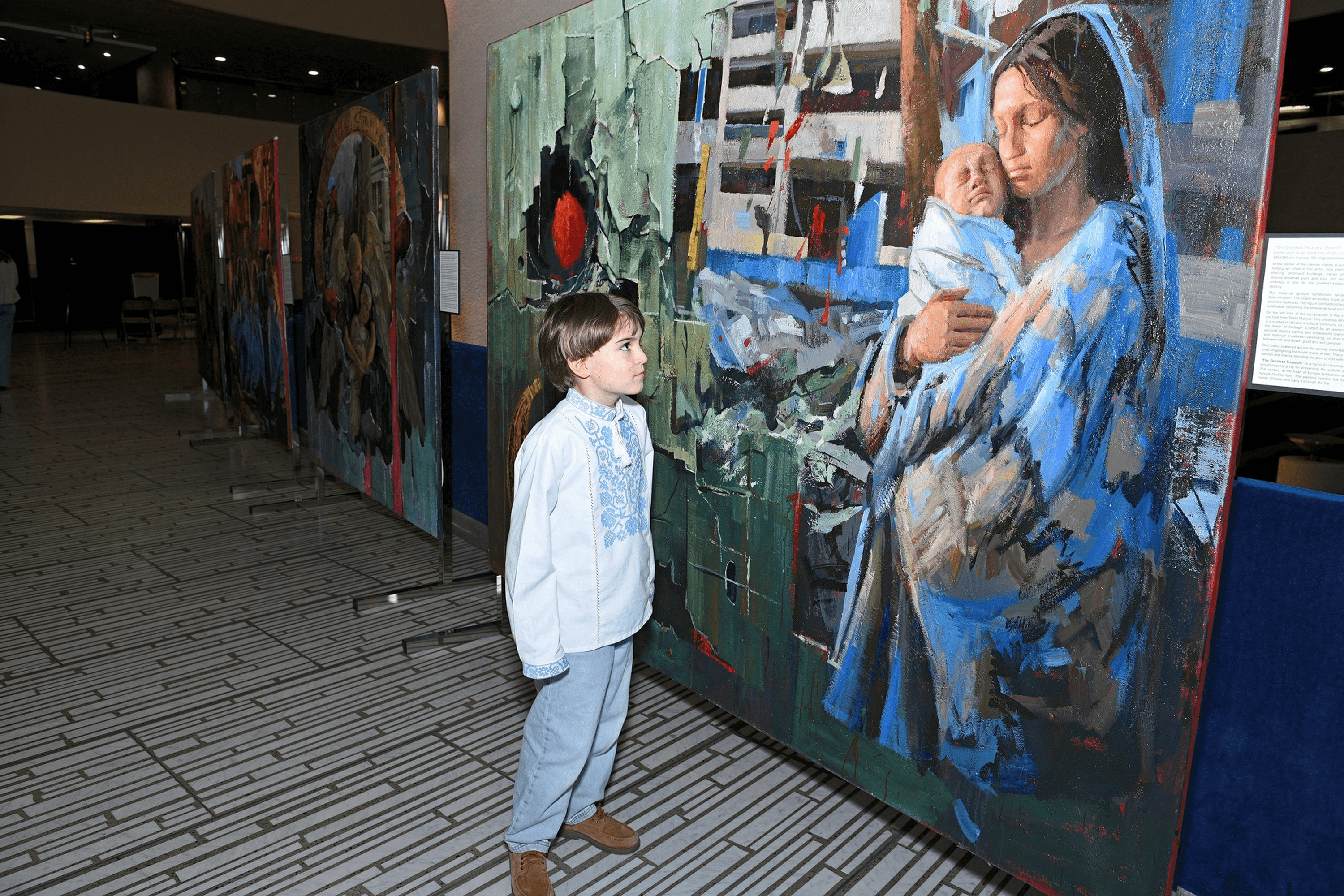
The exhibition “Project 24—Stolen Fate,” dedicated to supporting Ukraine and featuring works by Ukrainian artists. Canada. March 30, 2026. Photo: Ukrainian National Federation – Toronto Branch / Facebook / YB 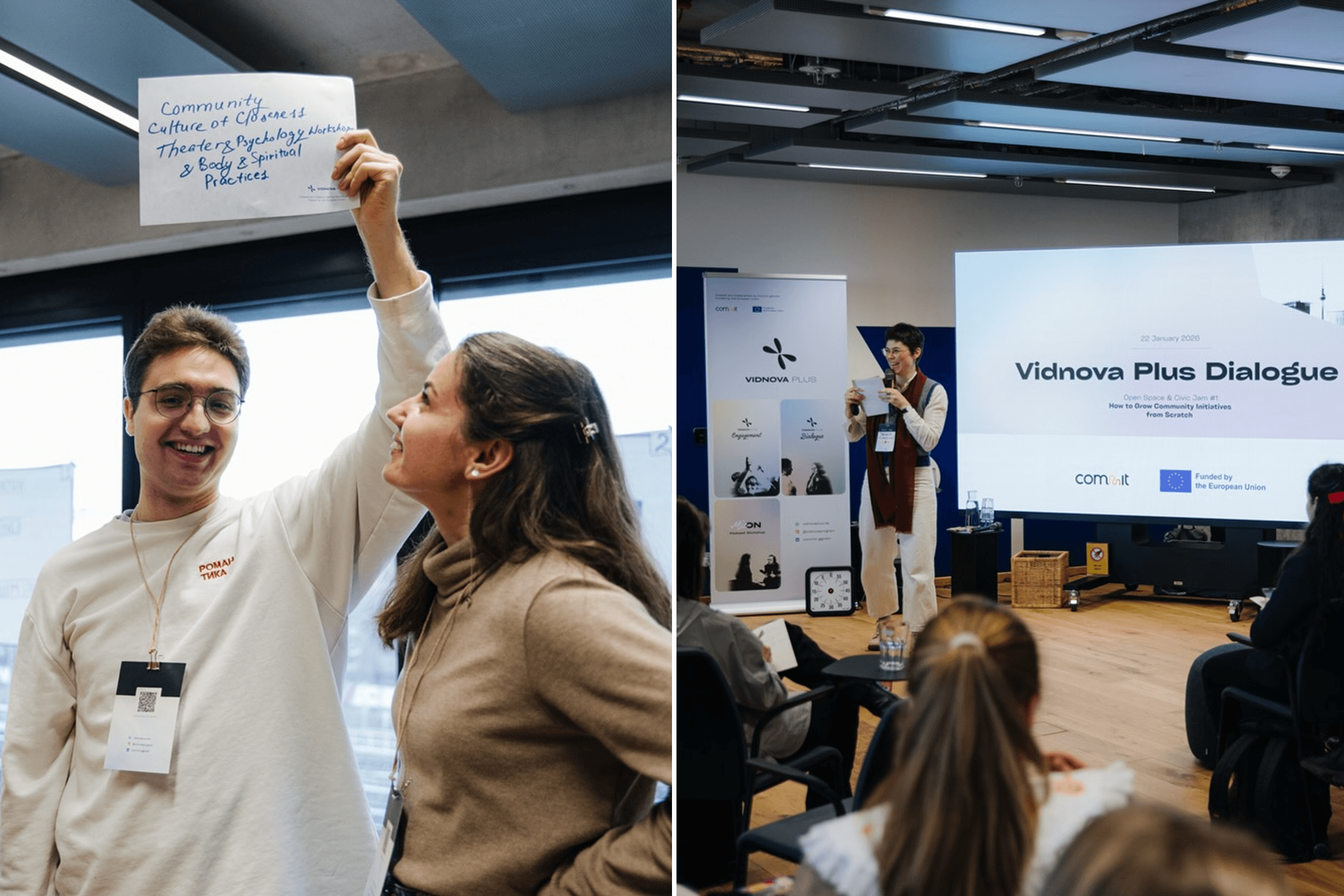
Representatives of the Ukrainian diaspora during public events in Europe and Canada. The Vidnova Plus Dialogue meeting for Ukrainian initiatives in Berlin and Brandenburg. Photo: Vidnova Program / Facebook / YB 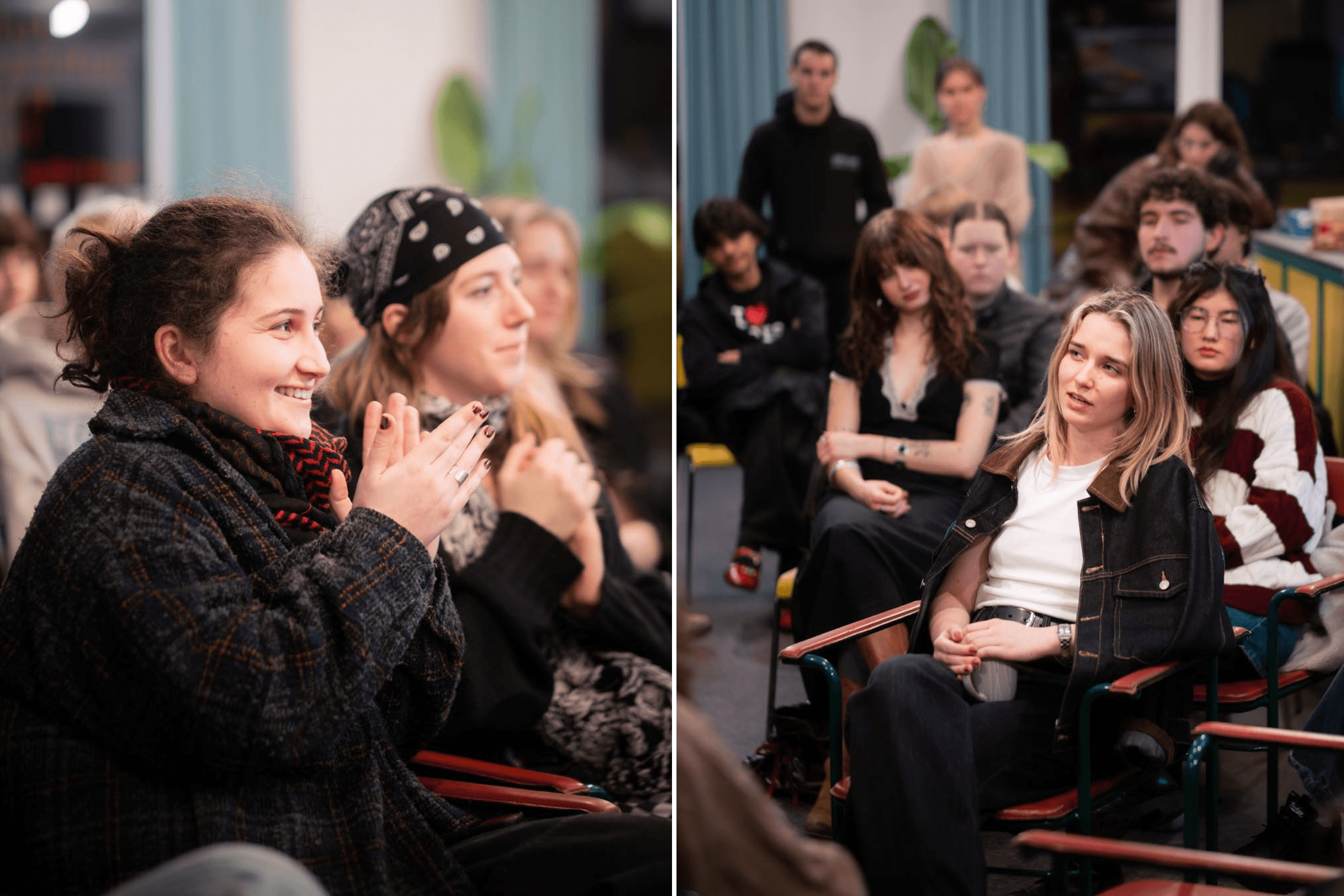
The discussion “People We Meet at War,” organized by the Ukrainian student club Mrii Collective at Bard College Berlin. Photo: Bard College Berlin / Facebook / YB 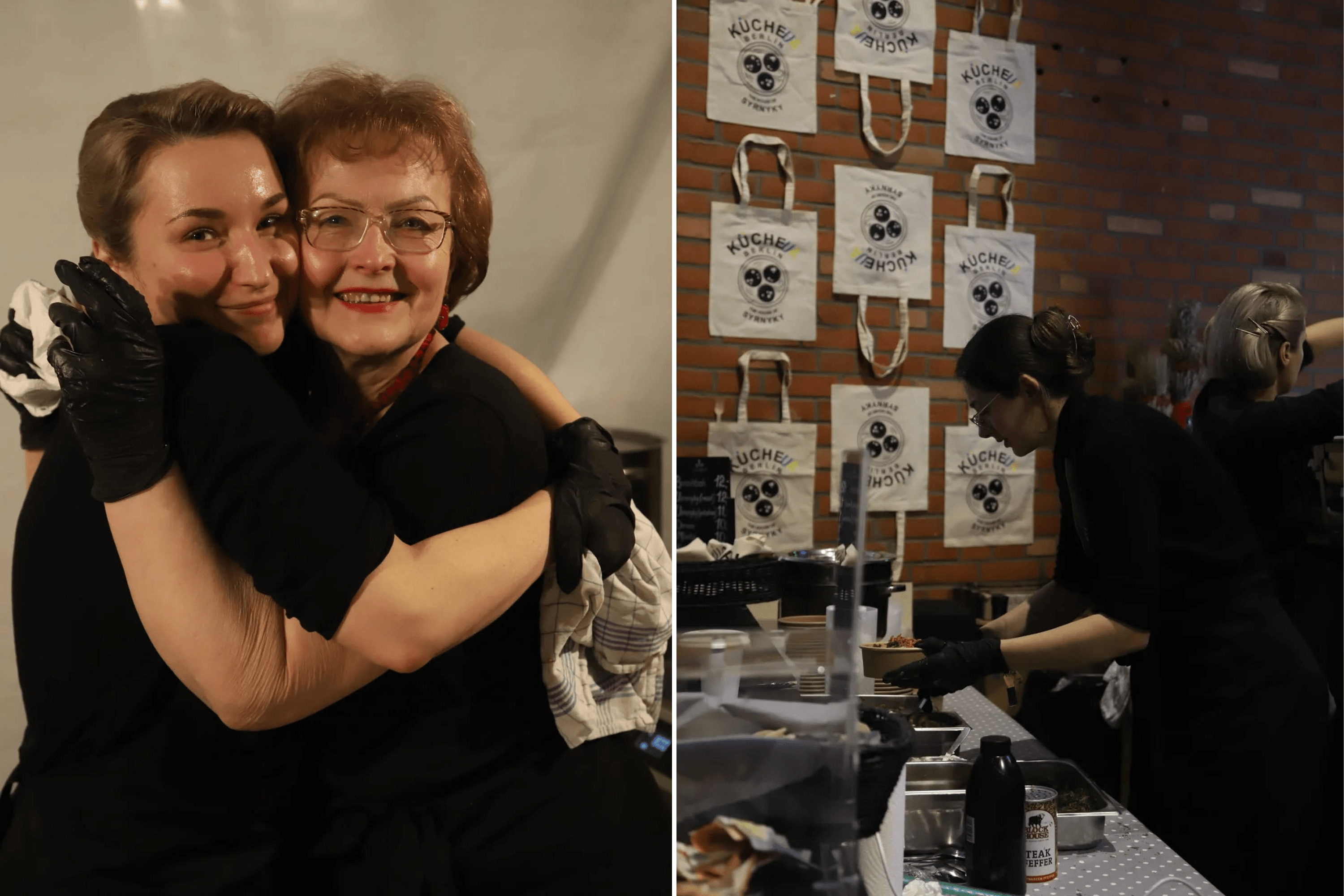
The Küche UA Berlin team. Berlin, Germany. March 5, 2026. Photo: Küche UA Berlin / Facebook / YB 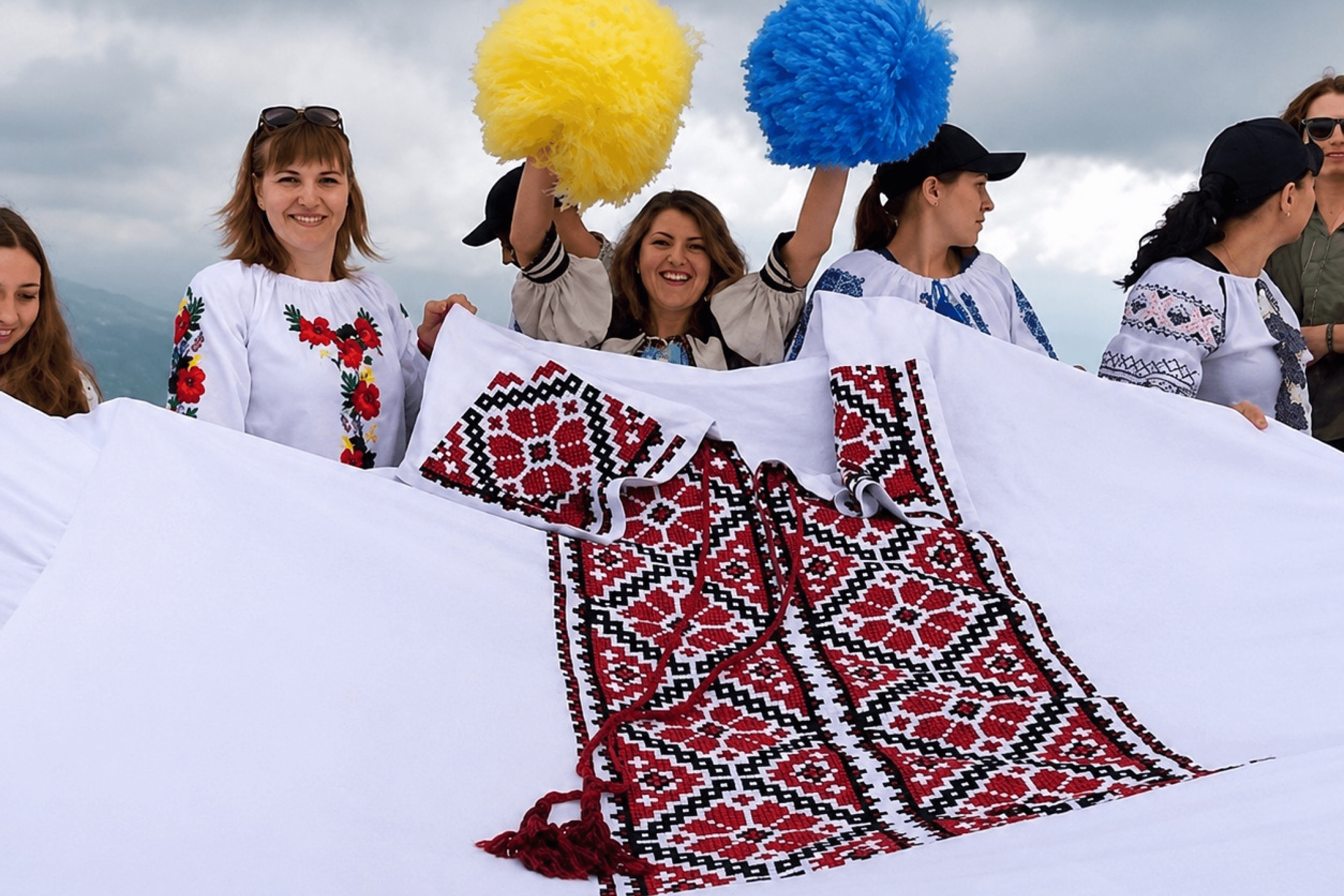
Participants of the rally hold a giant vyshyvanka during the announcement of “Wear Vyshyvankas: Heritage Under Fire.” Canada. May 2026. Photo: Ukrainian Canadian Congress – Toronto Branch / Facebook / YB
We want maximum control over what happens around us. Historically, we have never had such an opportunity due to wars and a colonial past. Therefore, we dislike uncertainty and avoid it. How does this manifest? For instance, in our expectations of service, like in restaurants. If a service isn’t fast, we consider it bad. The main criticism directed at the European healthcare system is that a doctor cannot see a patient on the exact same day. Doing everything quickly is important to us because we have never lived in a paradigm of long-term planning. According to sociologists, today 46 percent of Ukrainians do not plan their lives ahead, which is logical since there is an ongoing war. However, prior to 2022, this figure was 45 percent. So the war only influenced this metric by a single percent.
Abroad, Ukrainians can be perceived as rude due to a confrontational style of interaction. This occurs when disagreement, frustration, dissatisfaction, and refusal are expressed on the spot and directly during interpersonal interactions. For example, if an American dislikes your proposal, they might say something like, “Let me think about it a bit.” This is actually a refusal, even though it doesn’t sound like one. Meanwhile, we will say it straight to your face: “This won’t do. This won’t work.” The vast majority of cultures around the world are non-confrontational. As a result, funny or awkward situations often arise when we say something, and a colleague subsequently refuses to communicate with us. And we don’t even understand what went wrong.
For a national culture—which we colloquially call a mentality—to change, fundamental shifts are required. Gaining useful skills abroad is not enough. The first thing we need is a change in institutions. If the educational system does not teach constructive, evidence-based, and non-aggressive discussion, then confrontational behavior, particularly of a destructive nature, won’t go anywhere.
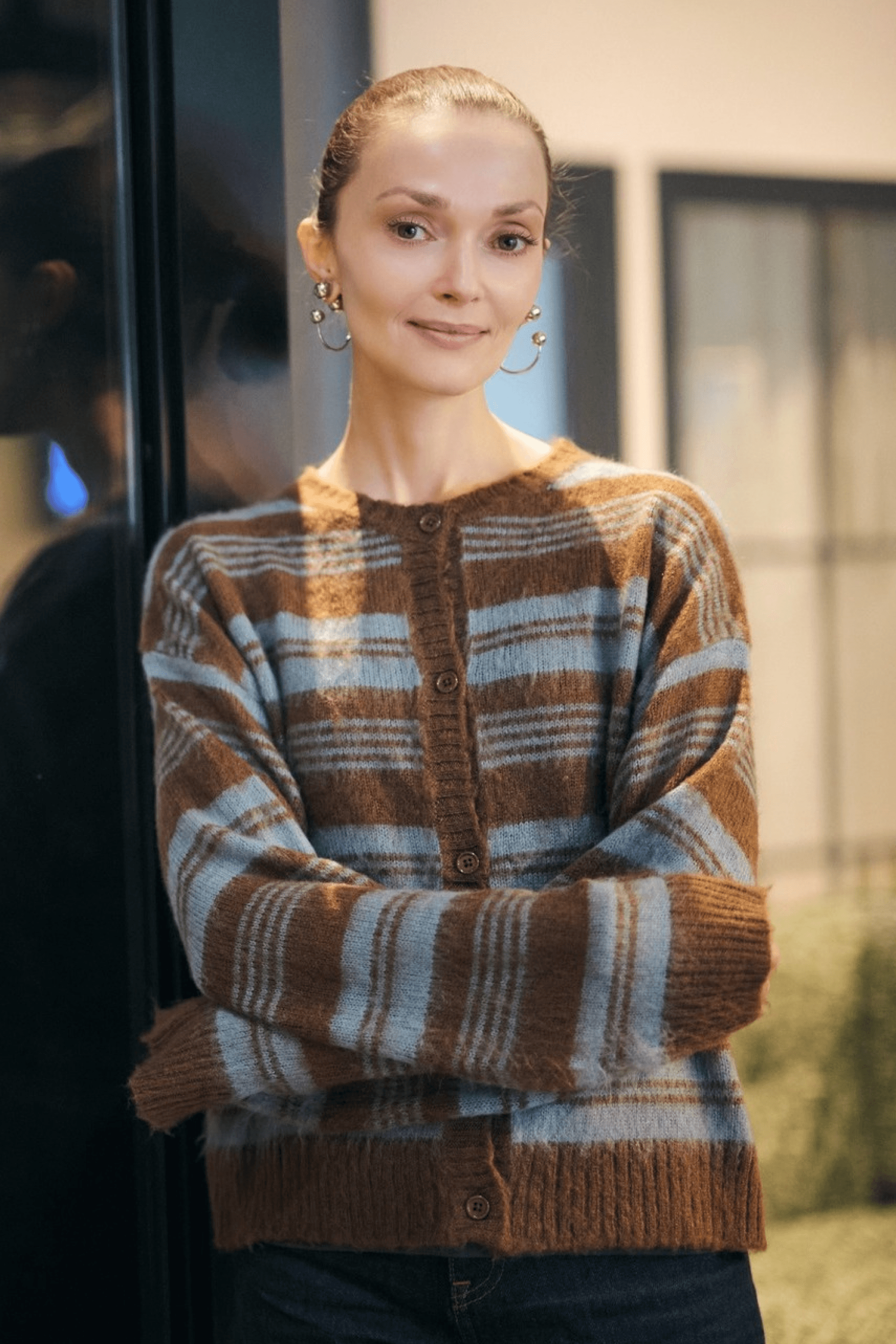
The second is the work of institutions that regulate behavior in the country, which Ukrainians do not trust. Interestingly, for example, that distrust in courts is formed mostly among people who say themselves that they haven’t been to court in the past year. Approximately 90 percent of Ukrainians are convinced that corruption in our society is ineradicable. However, only 18 percent—which is almost five times fewer—could recall a corruption incident involving themselves over the past year. Our perceived experience does not match reality.
A change in national culture is always a balance between reforms, which are desperately needed for us to move in the right direction, and the efficiency of these reforms.
Ukrainians cannot influence the mentality of other countries until they enter the institutions that shape that culture. If a diaspora lives in a country merely as a small group keeping to themselves, it creates a cultural enclave. This means that the influence of both the diaspora abroad and those who return to Ukraine is possible only via institutional leverage. At the same time, every representative of the diaspora inevitably plays the role of representing their country. There is no option where you don’t fulfill this role. Since you state where you are from during conversations, at that moment, you become an ambassador for your country in that dialogue. Another matter is that for these efforts to be coordinated and to achieve a predictable and desired result, organizational work is required. Diaspora organizations and associations are needed.
We are one of the cultures most capable of openness. This is due to our multi-frontier nature, our location at the intersection of many routes, and the fact that different territories of our country have been inside different states at various times and under various empires. We are very colorful and diverse. However, for a society to be open, the need for security must be met. And this is not just physical and existential security. It’s about security regarding one’s identity. Ukraine is an endangered culture. Our identity has been constantly suppressed and subjected to attempts to erase it. Therefore, our level of tolerance is at 33 percent, and the reason is not that Ukrainians are racists or xenophobes. We are simply not confident that no one will tamper with our identity. I hear and see this very vividly when I work with Ukrainians. There has not been a single training session where I wasn’t asked: “Why do we have to adapt to other cultures?”. Then I explain that cross-cultural interaction is like keys to doors. It’s not a threat to identity; you are simply unlocking a door with a key, whereas otherwise, you would be kicking it down, with unclear chances of success. Collective trauma has an impact; we must be conscious of this and work with it.
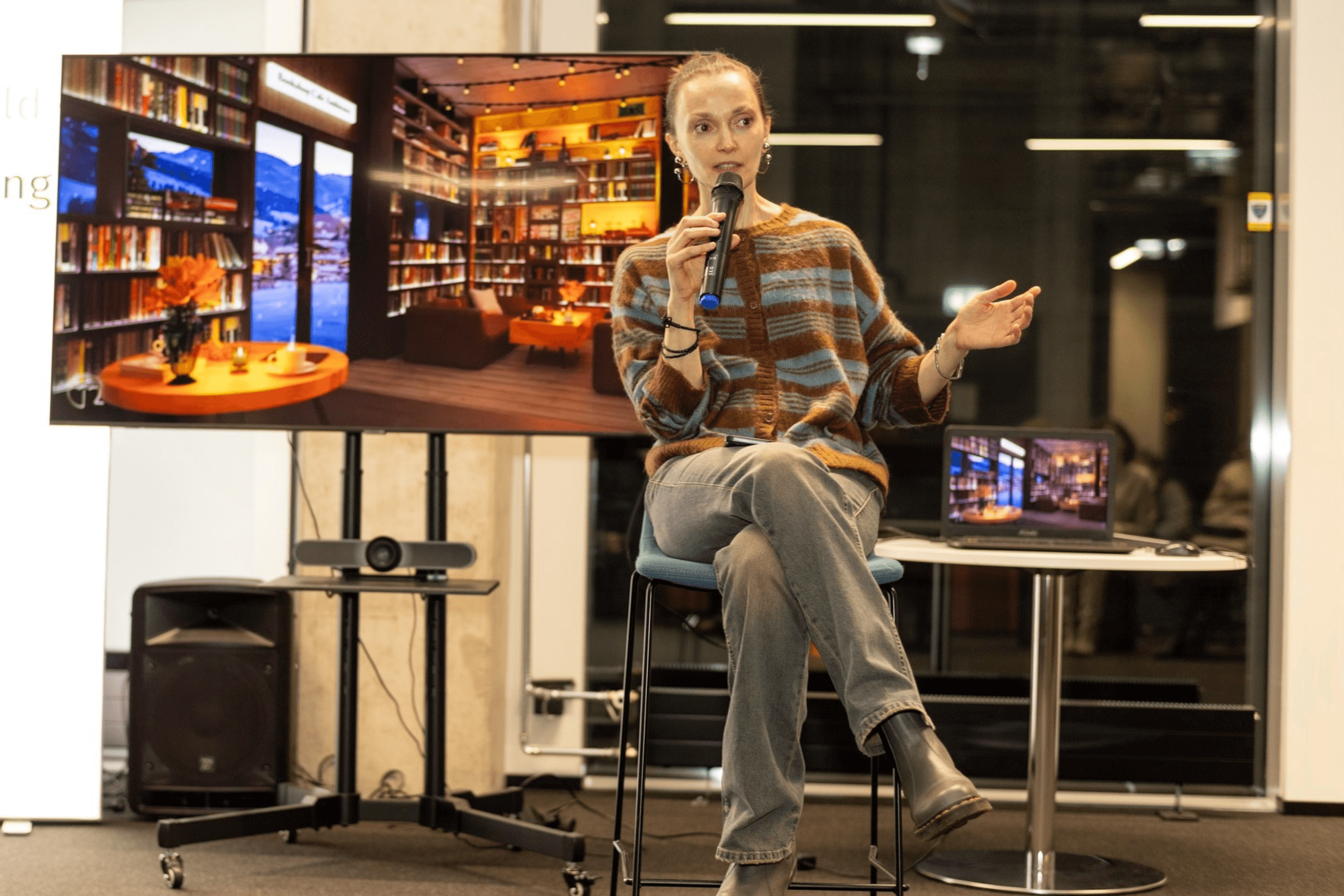
Maryna Starodubska speaks to the Ukrainian business community during the opening of the Estonian representative office of Business Woman magazine. Tallinn, Estonia. December 2025. Photo: Maryna Starodubska / Facebook / YB 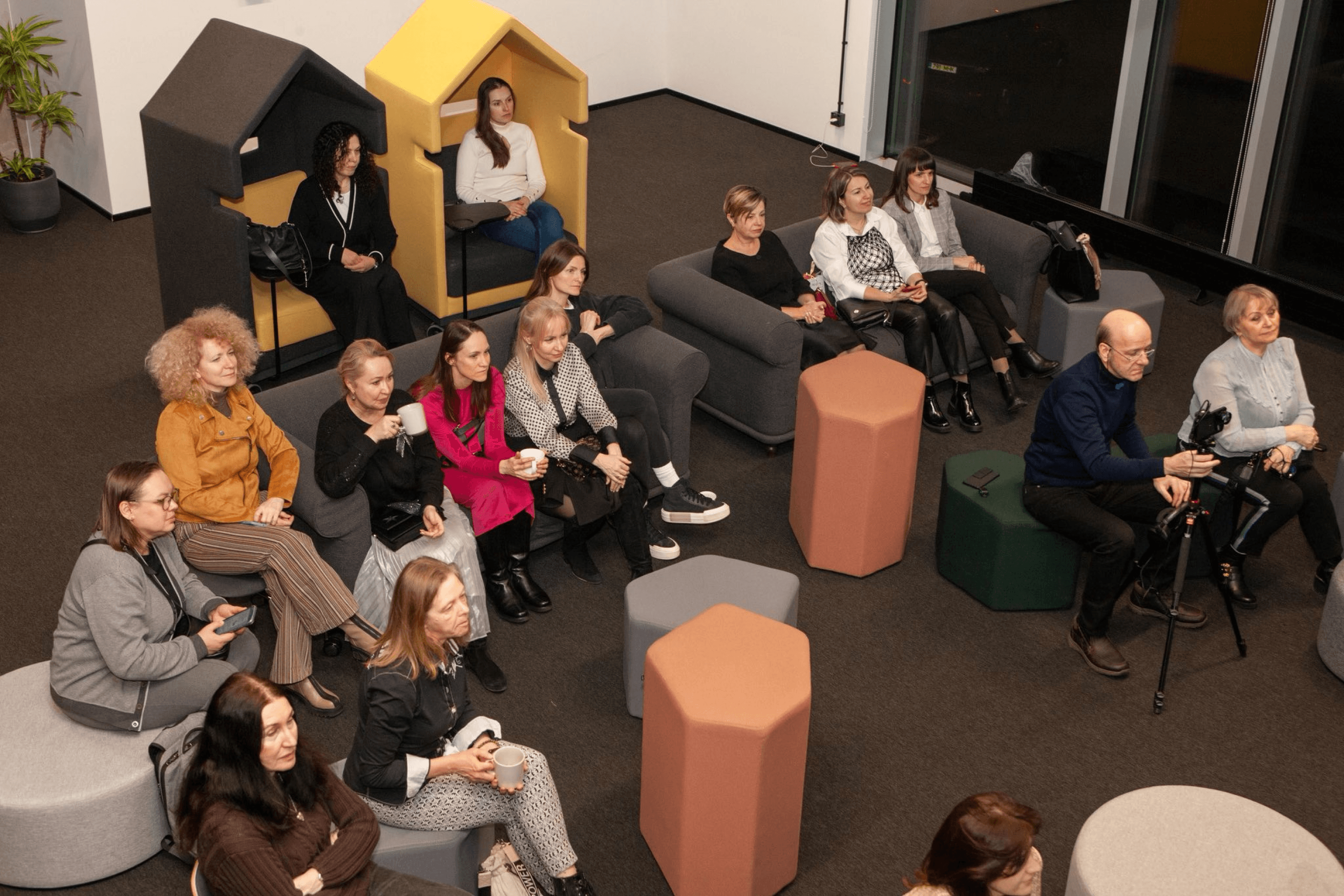
Audience at the event. Photo: Maryna Starodubska / Facebook / YB