What social conflicts are inevitable after the war? How can Ukrainians avoid discord and build a shared future?
Yellow Blue journalist Mila Shevchuk discussed this with socio-economist Ella Libanova, Director of the Ptoukha Institute for Demography and Social Studies. This is a summary of their conversation. Listen to the full episode in Ukrainian with English subtitles here.
In a democratic society, there are countless dividing lines, and that’s perfectly normal. They only become a threat of the social conflicts when they escalate into a polarization. But Ukraine right now has the highest level of unity. I analyze not social media squabbles, but more substantive data, and I see no such social division. The fact that people have left the country doesn’t mean they are against Ukraine, nor does it imply that staying would have been a better choice. How can anyone blame a mother who took her children away from the horrors of war or the frosts of this winter?
With the beginning of the full-scale invasion, Ukrainian population has divided into three clusters. The first consists of those who remained at home; many, including half of our institute’s staff, have not left their communities for a single day. The second group comprises internally displaced persons (IDPs) who moved within Ukraine. The third includes those who sought safety abroad—a group numbering over five million. According to Eurostat, 4.3 million are in the EU alone, the majority being highly educated young women, with only 6% over the age of 65. Roughly another million have relocated to Canada, the US, and the UK. While approximately 1.3 million Ukrainians are in Russia, it remains unclear how they are categorized or counted. Notably, the number of IDPs significantly exceeds those abroad, yet the rate of return remains uncertain. A further wave of migration may occur post-war when men are permitted to leave, as families seek to reunite either in Ukraine or abroad.
Post-war Ukraine will likely feature several territorial clusters. The first, bordering Russia and Belarus, will require risk-compensation for residents, as an aggressive neighbor with imperial ambitions remains a permanent factor. The second is the southeastern region, traditionally driven by its ports, though their future condition remains to be seen. The third comprises the western regions, often viewed as the engine of post-war development. However, their environmental carrying capacity is nearly exhausted: while resources exist in the Lviv and Ivano-Frankivsk regions, they are scarce in Bukovyna, Zakarpattia, and Volyn. I am skeptical that these regions can fulfill the role currently assigned to them. As for central Ukraine, infrastructure conditions post-shelling remain unknown, and the land there is far too fertile to be repurposed for industrial sites.
A lot of work will need to be done in the de-occupied territories to reintegrate them. This is not because the people there are bad: Russian propaganda has been operating in Donetsk for 12 years. Children who started school in 2014 have already graduated and don’t know what Ukraine is.
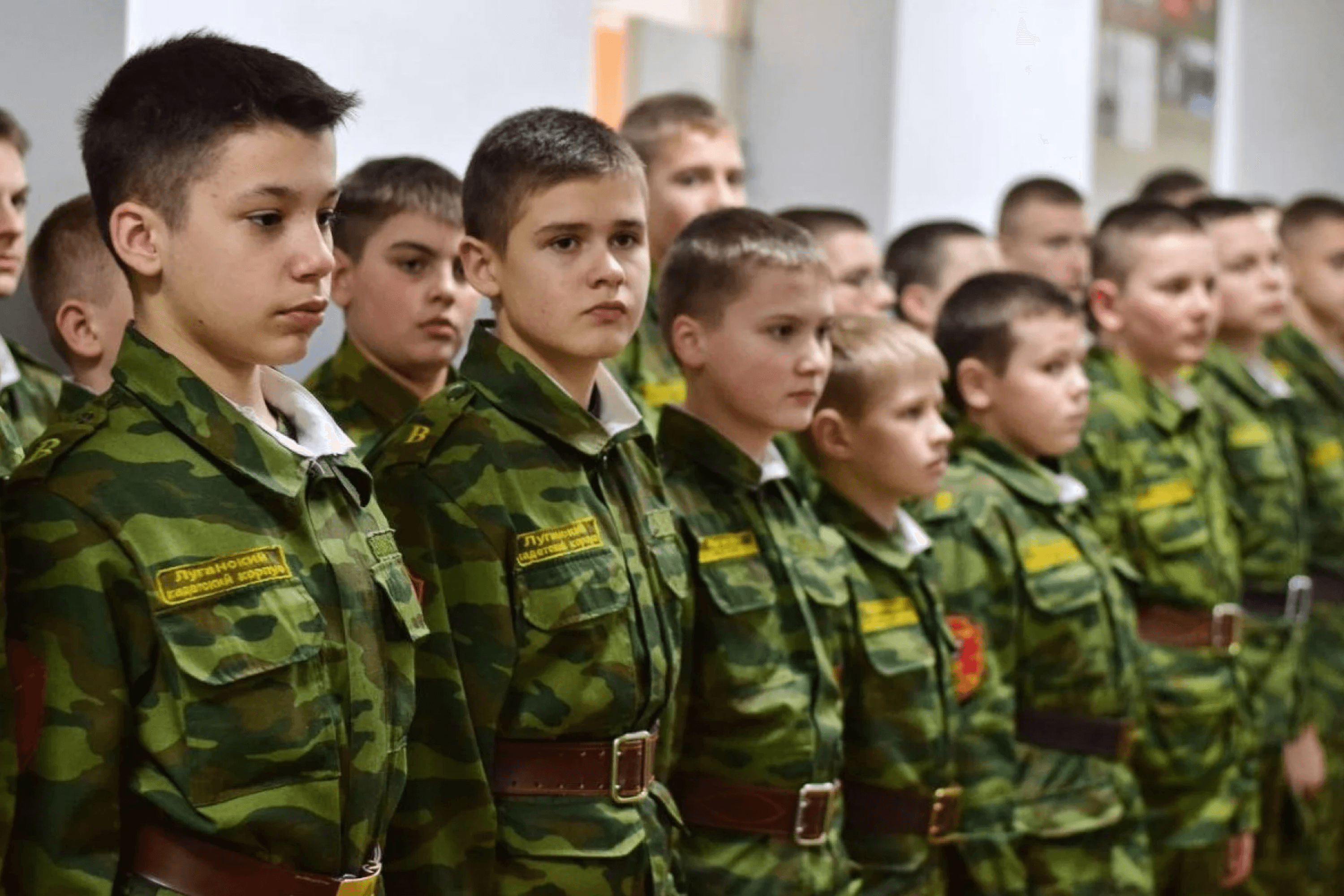
Teenagers in military uniforms during training at the Luhansk Cadet Corps. Photo: euneighbourseast.eu / YB 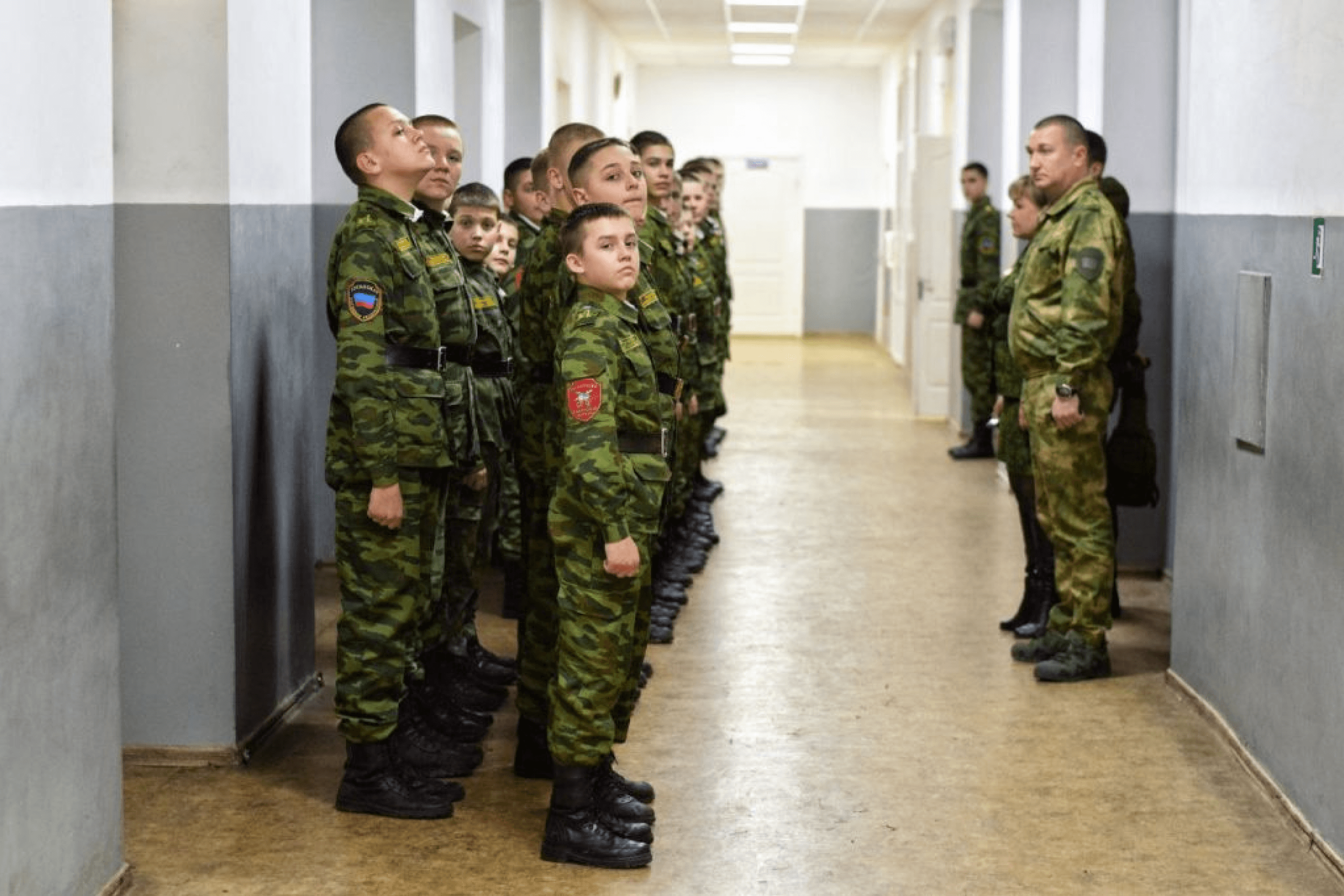
Photo: euneighbourseast.eu / YB 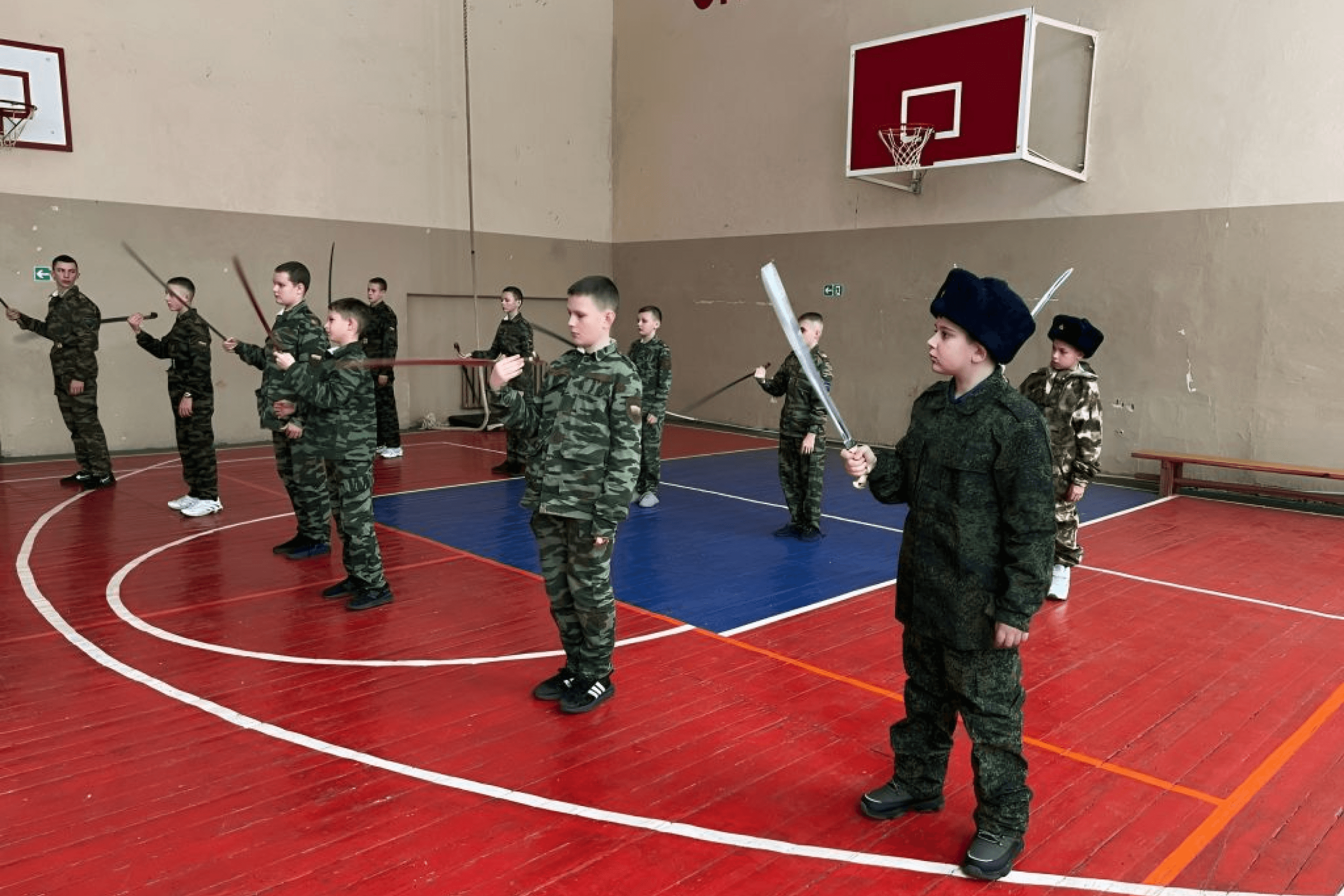
Photo: euneighbourseast.eu / YB 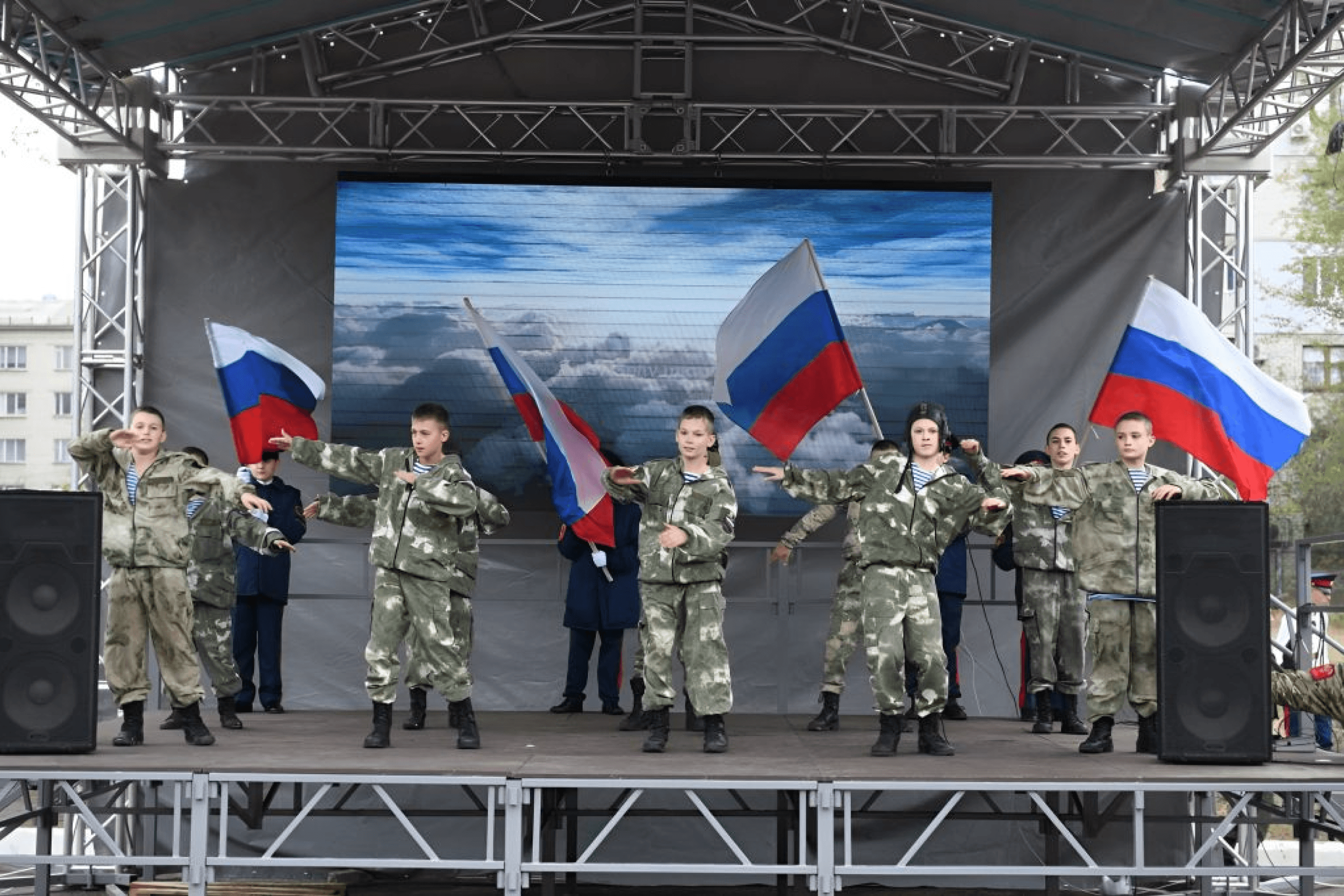
Photo: euneighbourseast.eu / YB 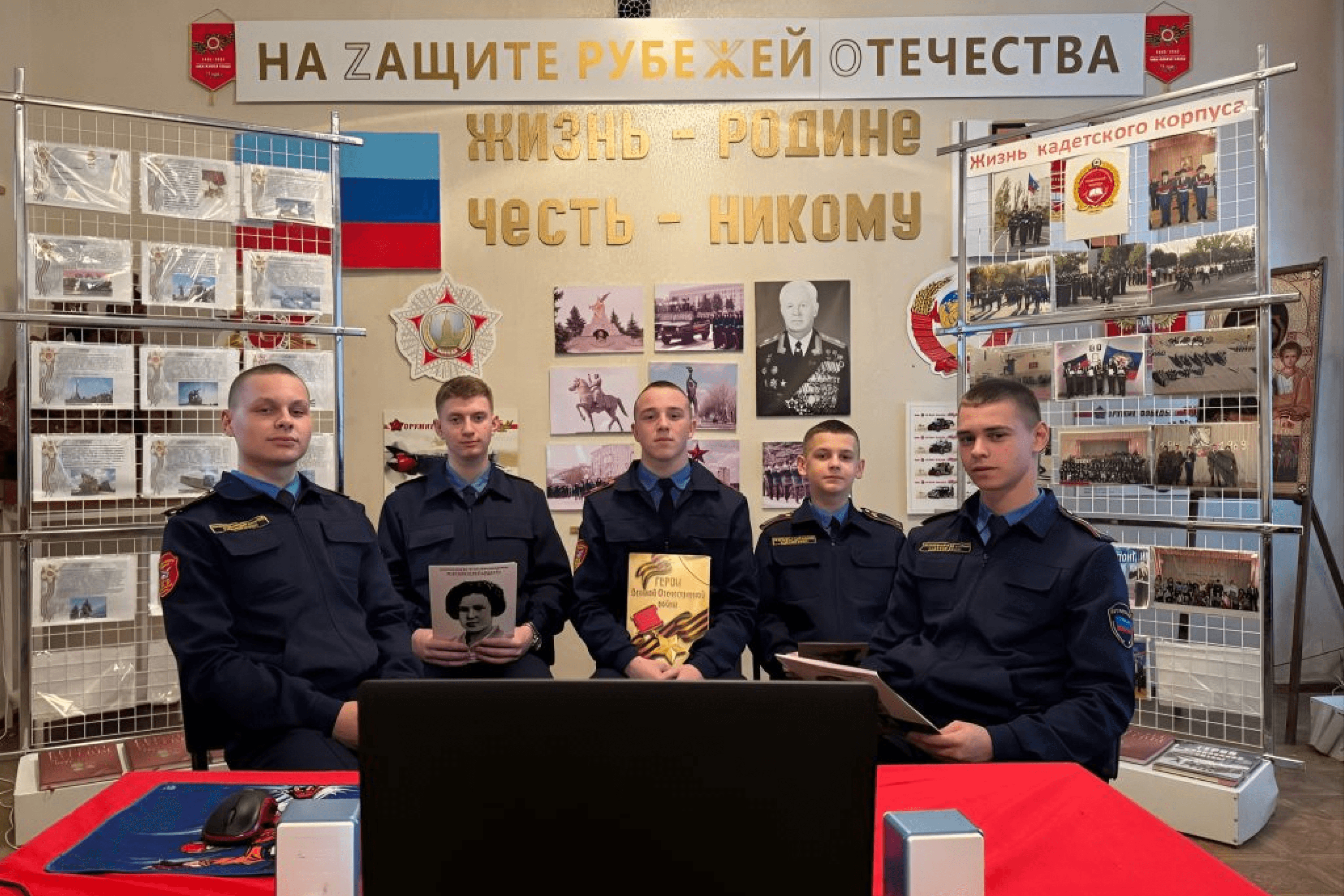
Photo: euneighbourseast.eu / YB
Special measures and rules will have to be introduced. This will be extremely challenging for internal peace, justice, and international support, but it is necessary. We can rely on Croatia’s experience here, though in its case the occupation lasted only four to five years.
It will take time and common sense before people stop competing over who is more patriotic. I don’t think anyone will want to forget the war and that society will allow it to be forgotten. But the desire to divide people into those who fought and those who didn’t is something that may emerge, and it must be discouraged. The war has created a new hierarchy of roles and social approval. It will persist for some time—another ten years or so—even after the war ends. Though it will gradually change.
For returning servicemen, we need powerful local community programs: employment centers and educational projects. Though the Veteran Hub, different initiatives and support groups exist today, they are small-scale. We should not apply the post-Vietnam American experience or the post-Afghanistan Soviet experience to our situation: both the United States and the Soviet Union lost those wars. Our servicemen will either come home as victors, or there will be no home to come back to.
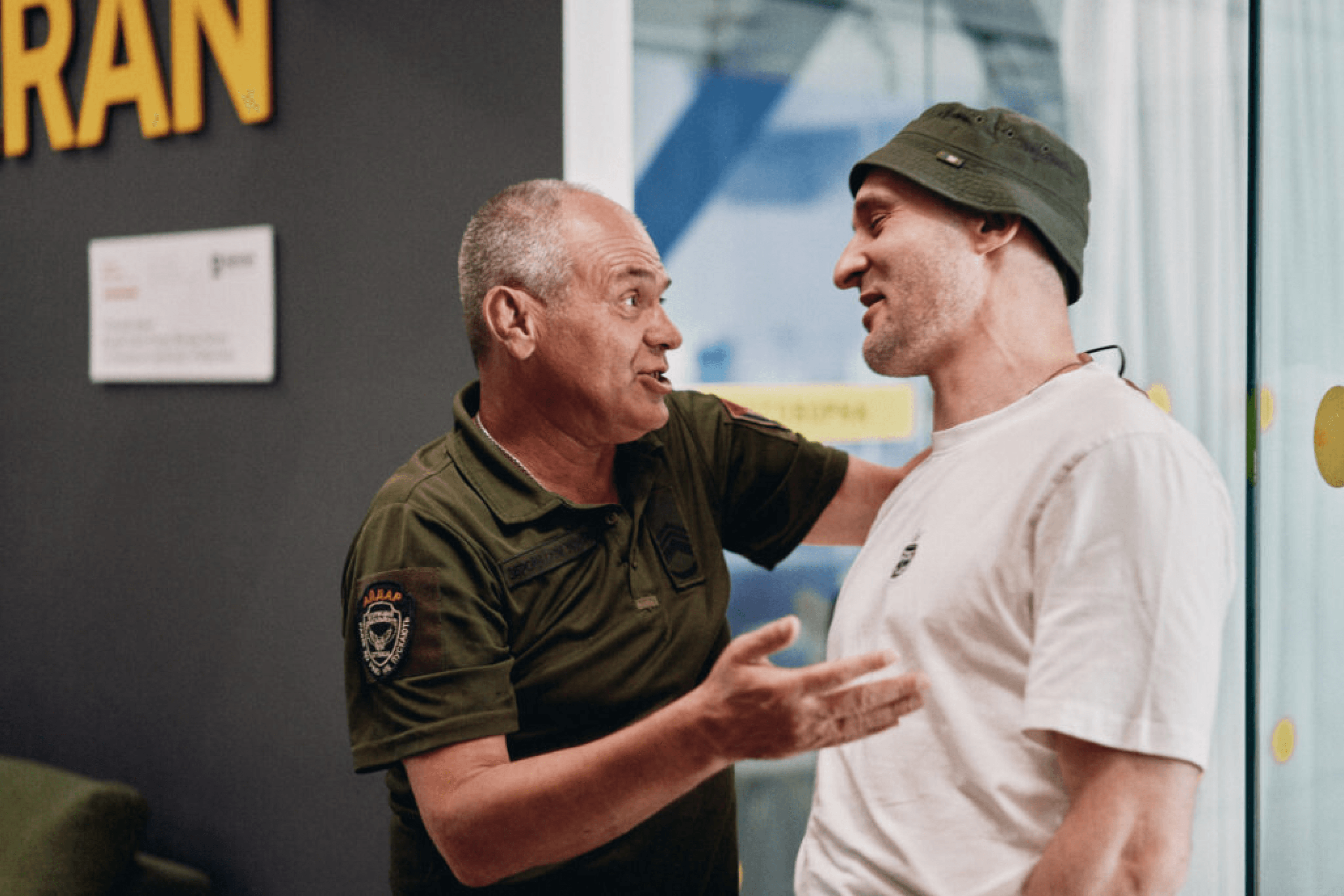
The Veteran Hub brings together veterans, service members, and their families, creating a safe space for support and adaptation to civilian life. Photo: veteranhub.com.ua / YB 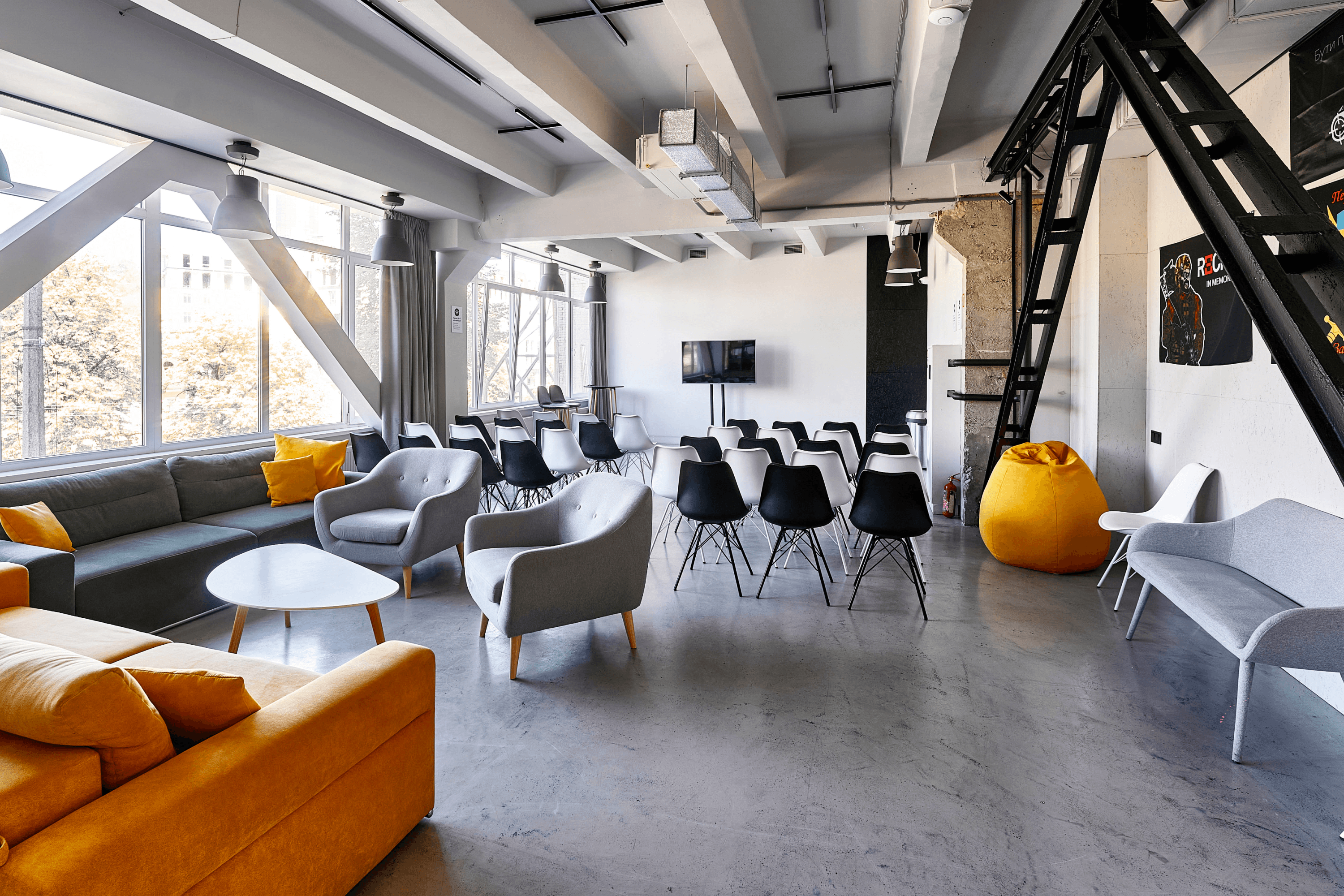
Photo: veteranhub.com.ua / YB 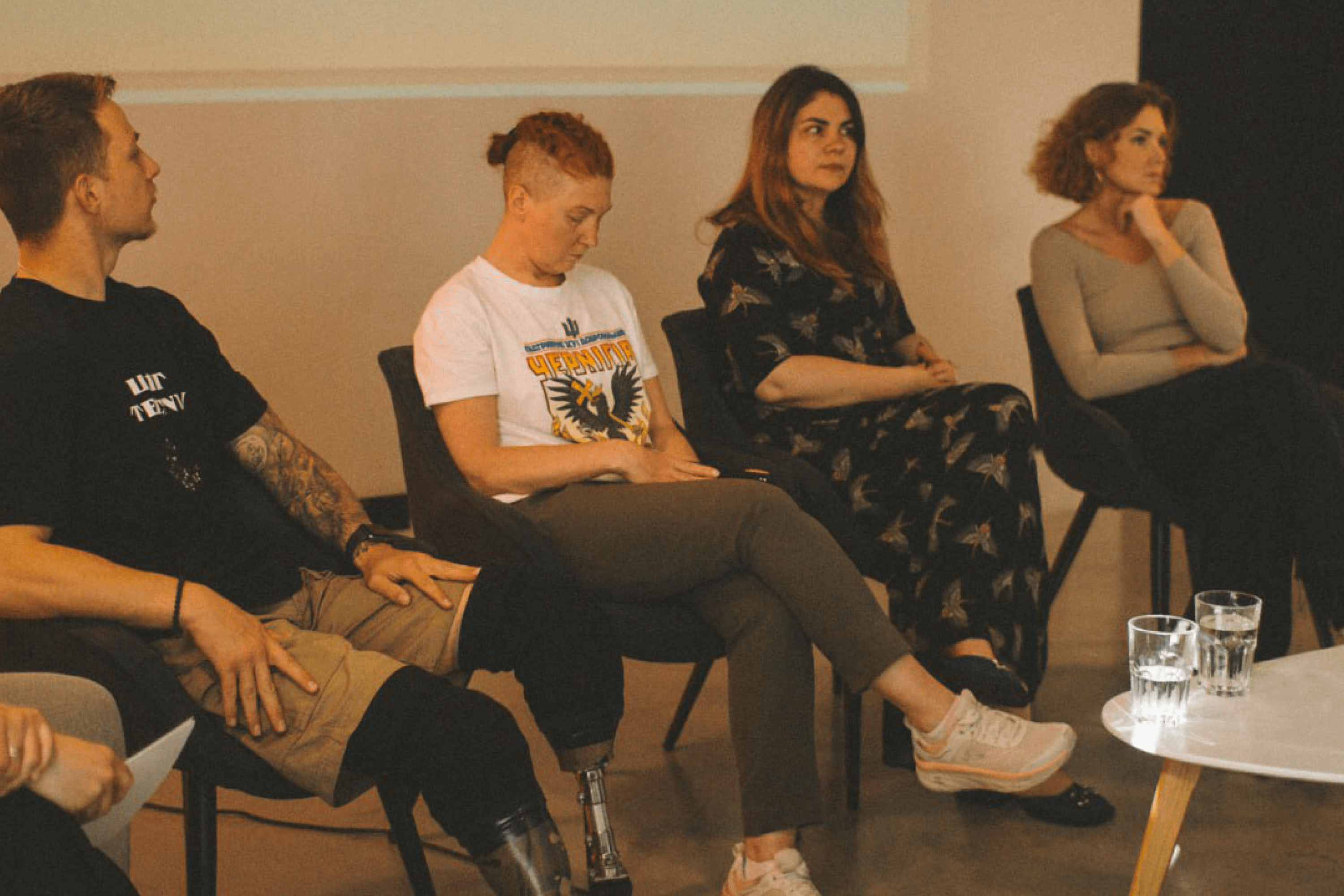
Photo: veteranhub.com.ua / YB 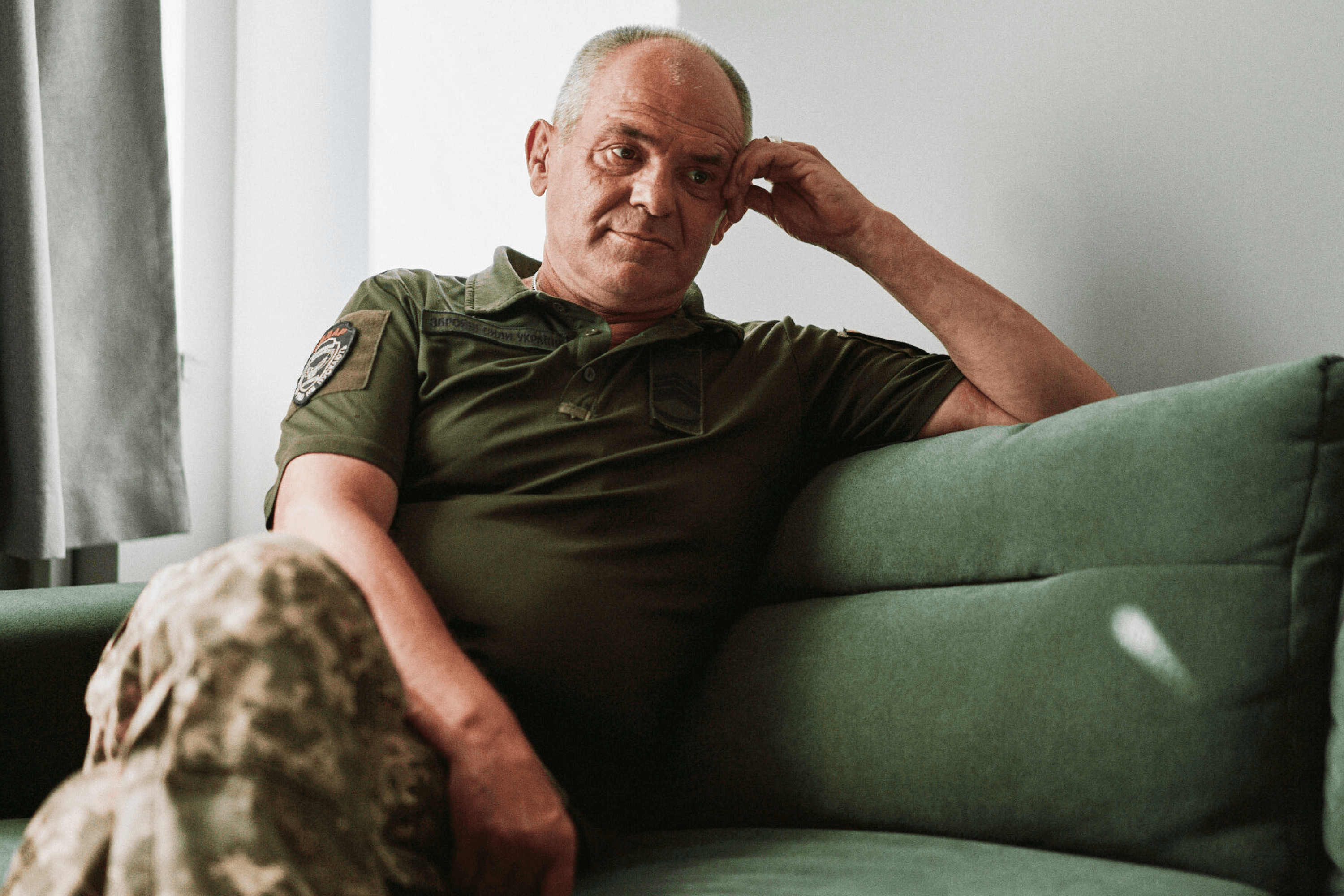
Photo: veteranhub.com.ua / YB 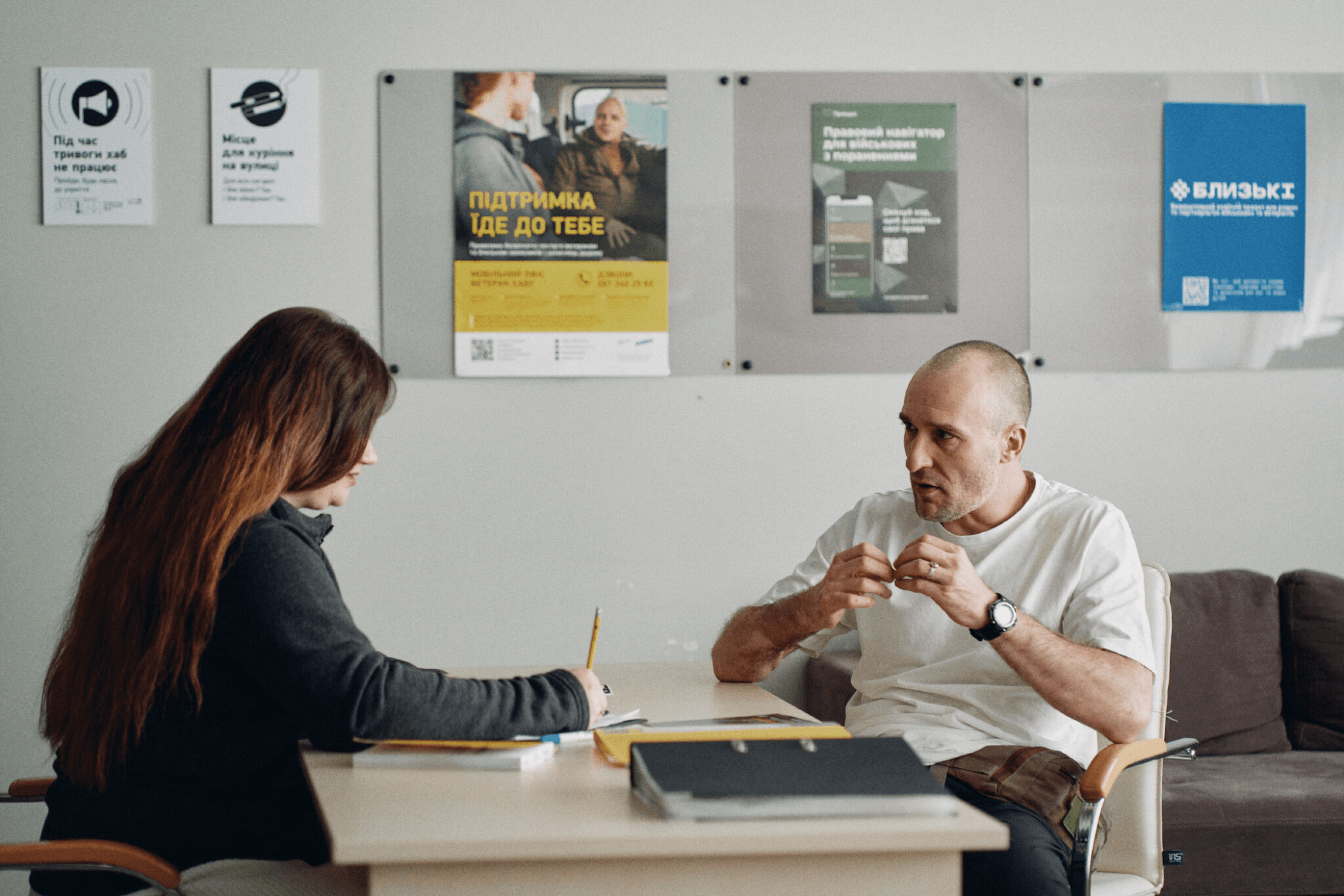
Photo: veteranhub.com.ua / YB 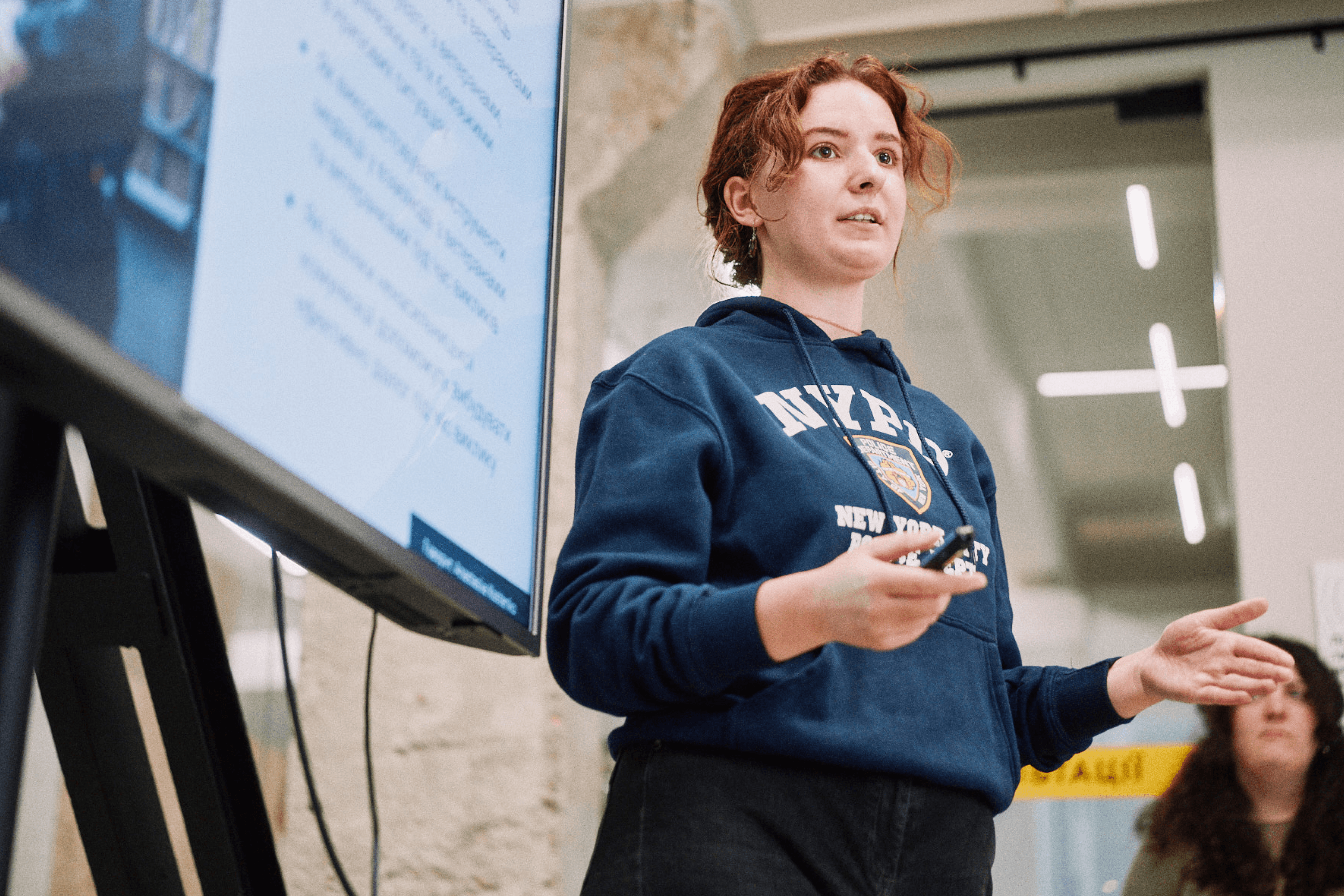
Photo: veteranhub.com.ua / YB
After the war, local authorities will compete for people. Communities that have taken in displaced persons will try to keep them. Building separate settlements for IDPs is harmful. For example, there is a small modular settlement in Vasylkiv, near Kyiv. It has a school, but the displaced children don’t attend it, they study online at their old schools back home. It is abnormal to live somewhere for five years and never integrate into the local community. Every IDP has lost something and believes that the state should help them more. In isolation, that discontent grows exponentially.
There must be no preferential treatment for specific groups. The proposal to financially incentivize the return of Ukrainians from abroad is particularly problematic and should be categorically rejected. Such a policy would alienate IDPs, who would perceive these funds as being allocated at their expense. This would inevitably fuel social friction and discord. Benefits and compensation must be transparent.
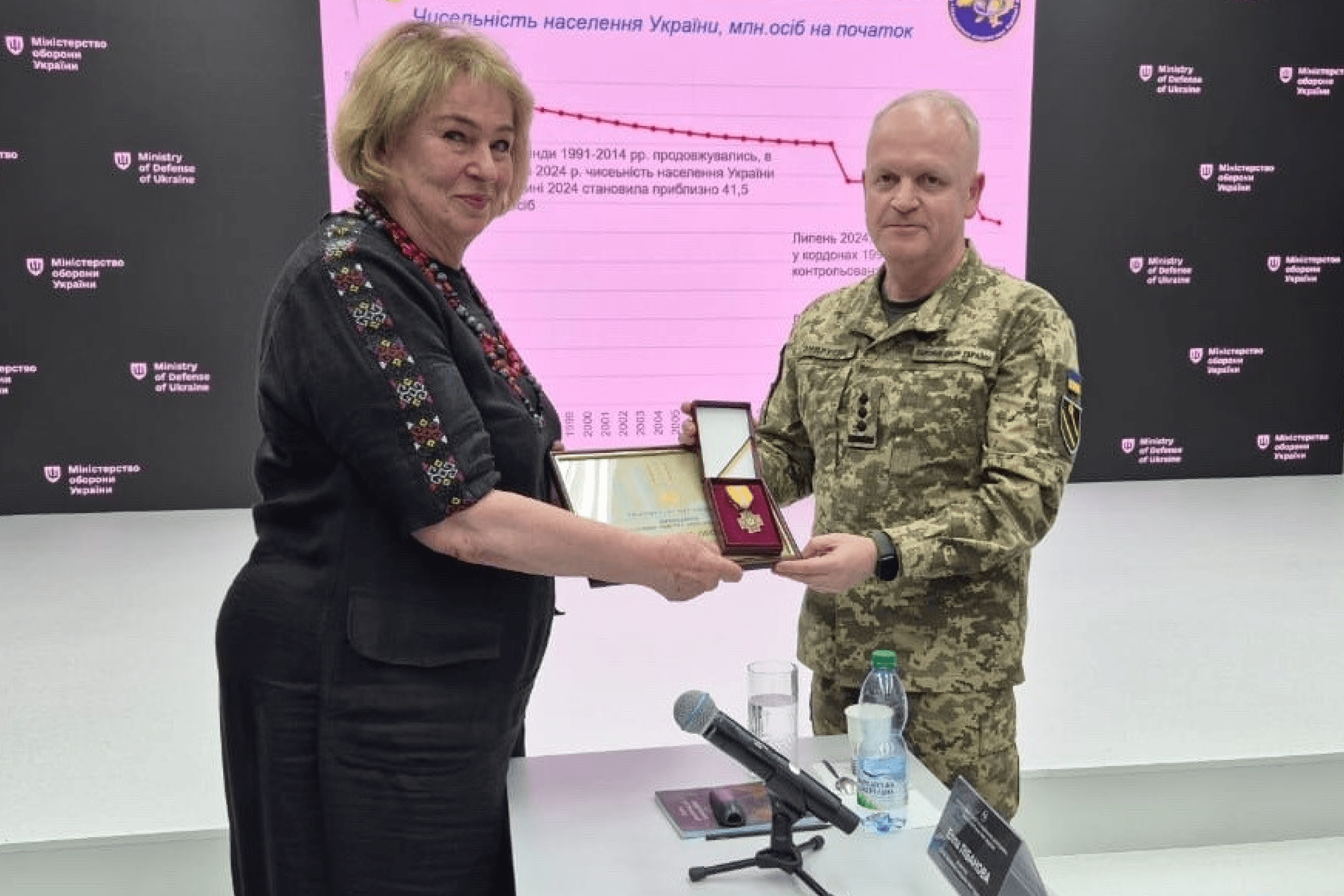
It is normal that Ukrainians aren’t yet ready for migrants from other countries. Before the war, we lived in a mostly mono-Slavic environment. We are simply not accustomed to diverse nationalities. A large number of foreigners, especially from a single country and concentrated in separate settlements, can provoke problems. People won’t come here for state support, like in the EU—Ukraine is too poor for that. Those who come will be ones who want to work. Certainly, some migrants will stay, but not all. To ensure successful integration, obtaining citizenship should require mandatory examinations in history and language, similar to the Latvian model. I would also propose an additional exam on fundamental legal literacy necessary for daily life.
Ukrainians are a progressive digital nation. But for returning, that is a disadvantage. In the past, relocating to another continent was extremely difficult; today you can work remotely from Thailand. People are less attached to their homeland. And living conditions in Ukraine will not match those in Poland or more developed countries for a long time to come.
Women’s roles in post-war society will be different. That change has already happened. Many women are at home alone because their husbands are in the army. Others are abroad alone because their husbands are in Ukraine. Women are now fighting, working as truck drivers, and DTEK claims that women are also working as drivers down in the mines. It will be impossible to return to pre-war women’s roles, even if someone wanted to.
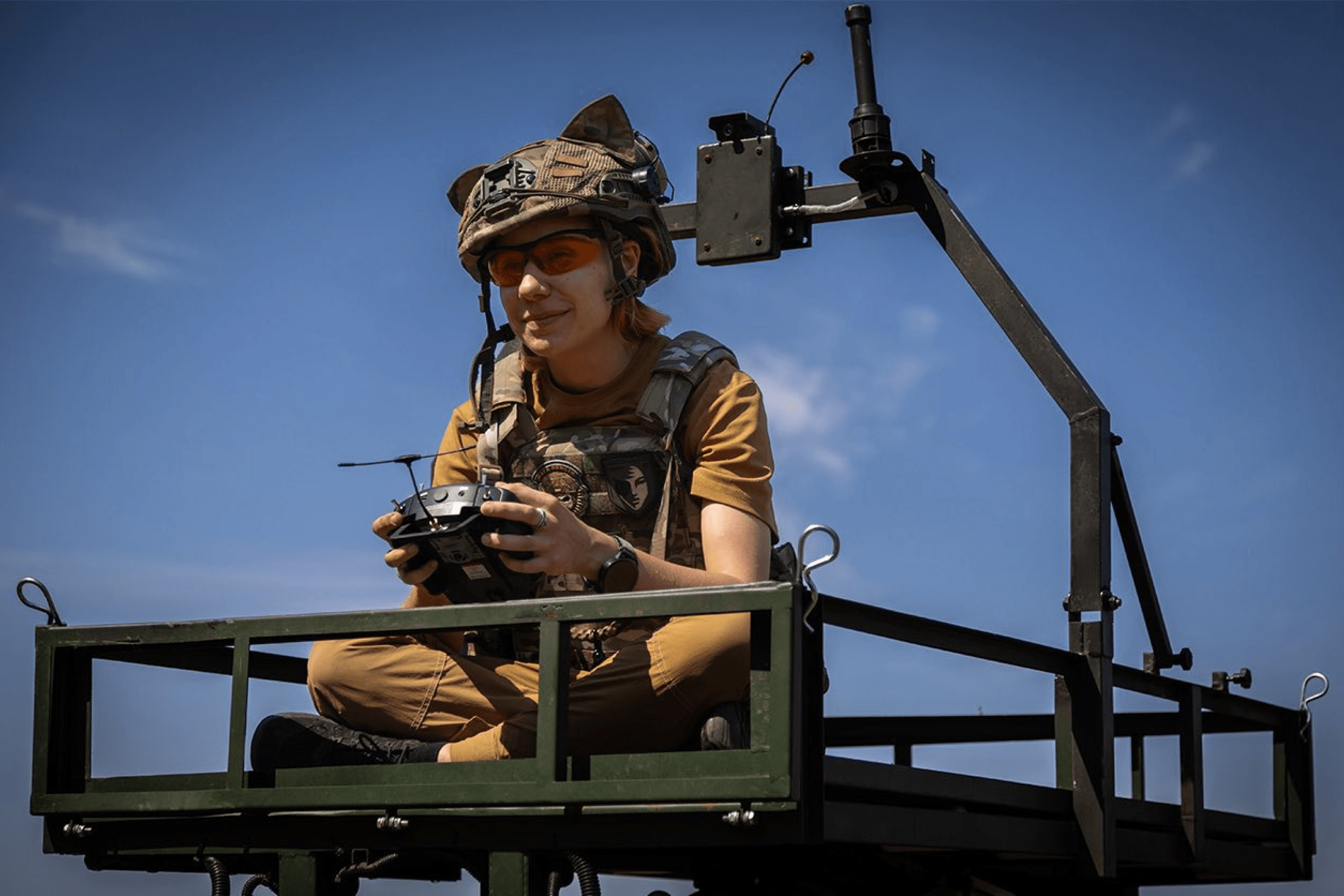
A female service member in the 43rd Separate Mechanized Brigade. Photo: 43 ОМБР / Facebook / YB 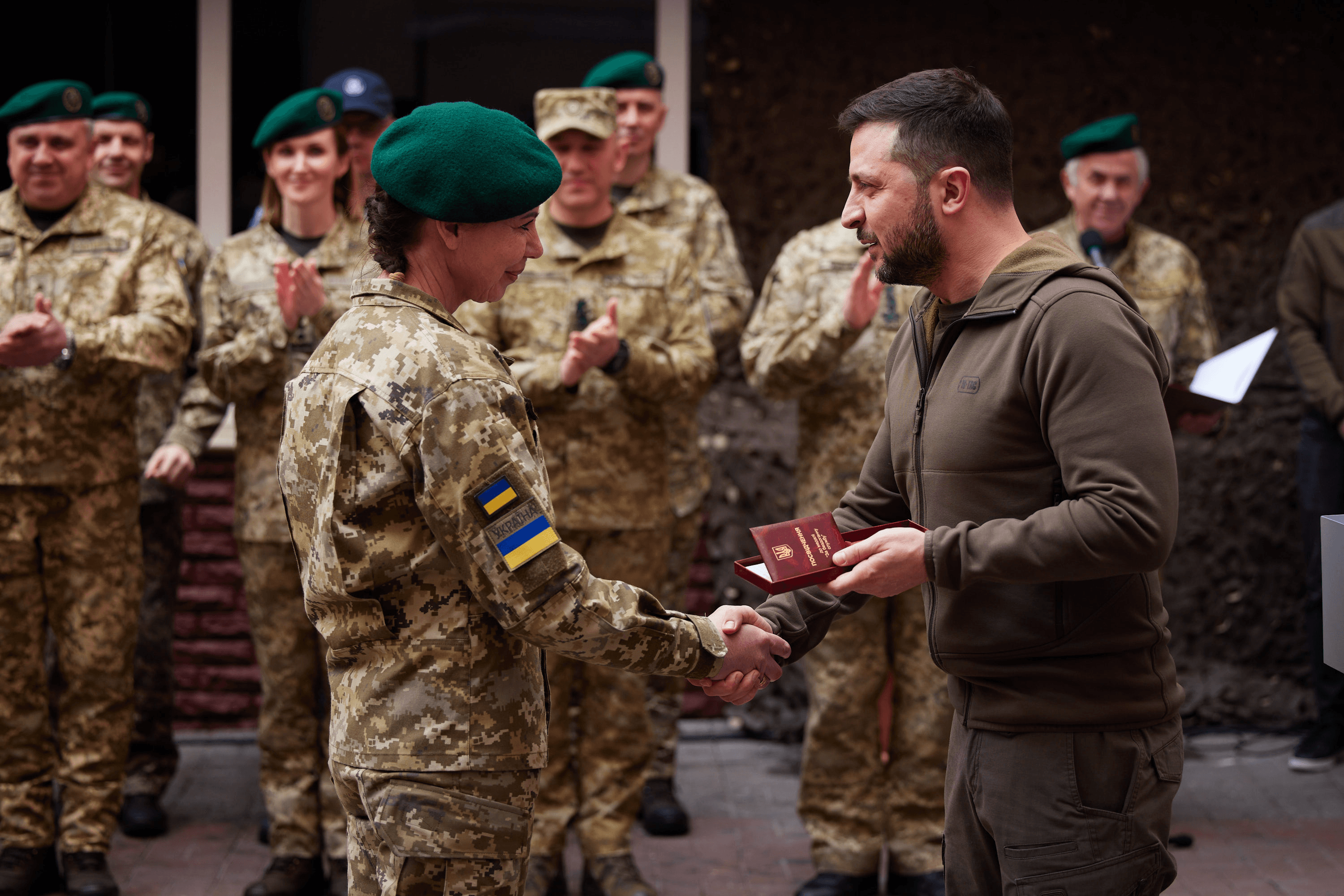
A defender of Ukraine’s state border receives an award from President Zelenskyy on Ukraine’s Border Guard Day. April 30, 2022. Photo: Wikimedia / YB 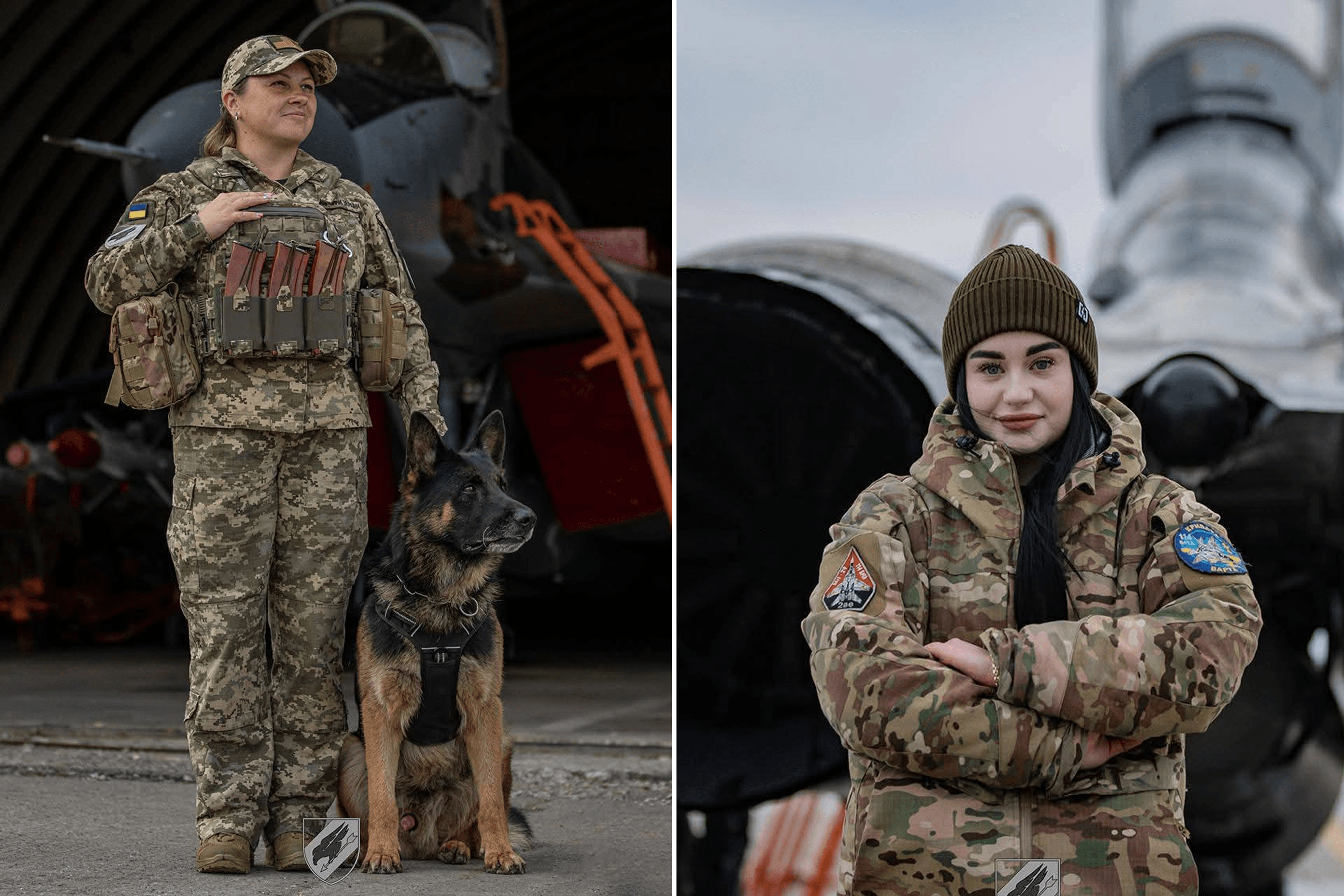
Women serve in engineering and aviation units, logistics, communications, the canine service, and many other branches. Photo: Invisible Battalion / Facebook / YB 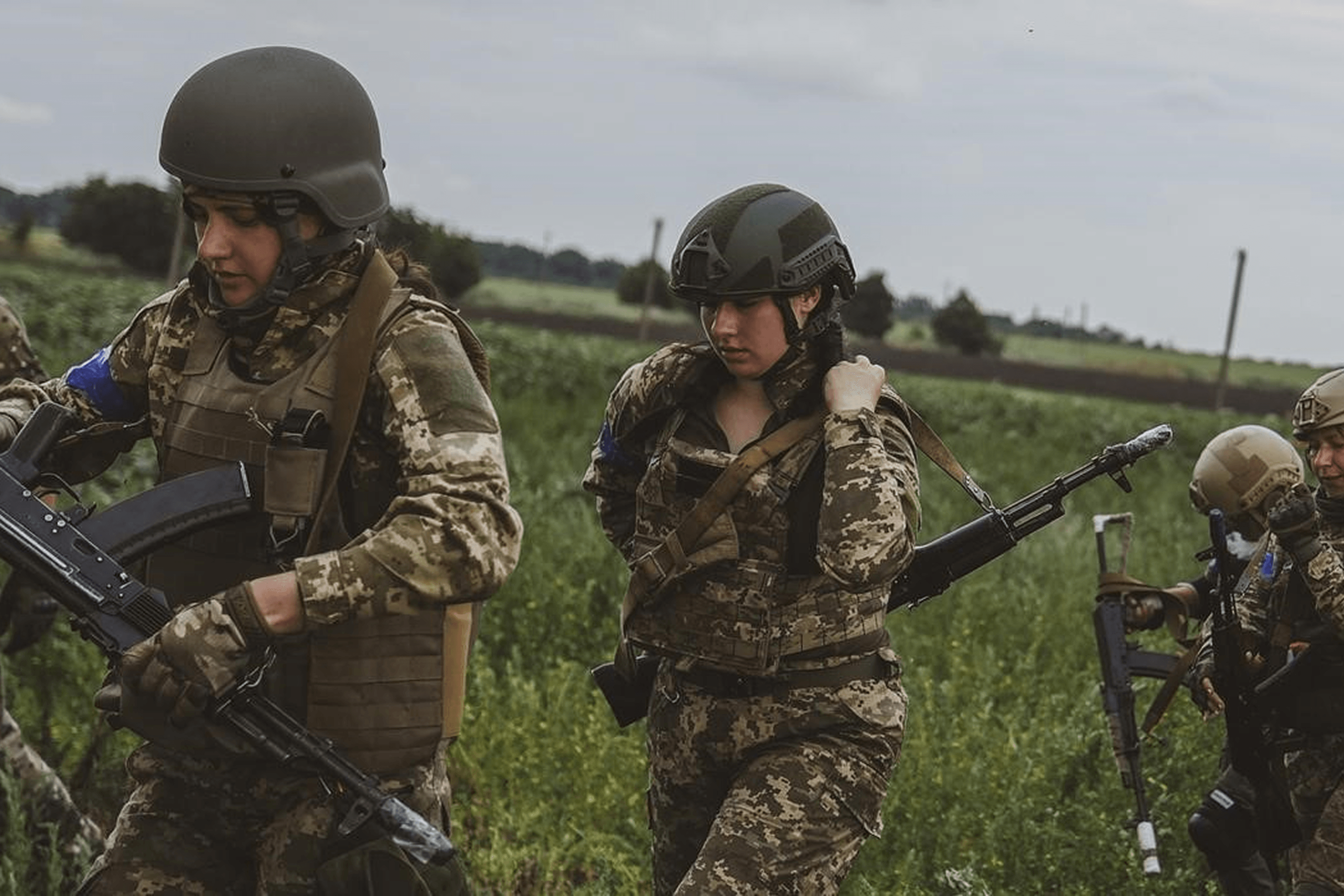
Women serve in the Armed Forces of Ukraine. Photo: Invisible Battalion / Facebook / YB 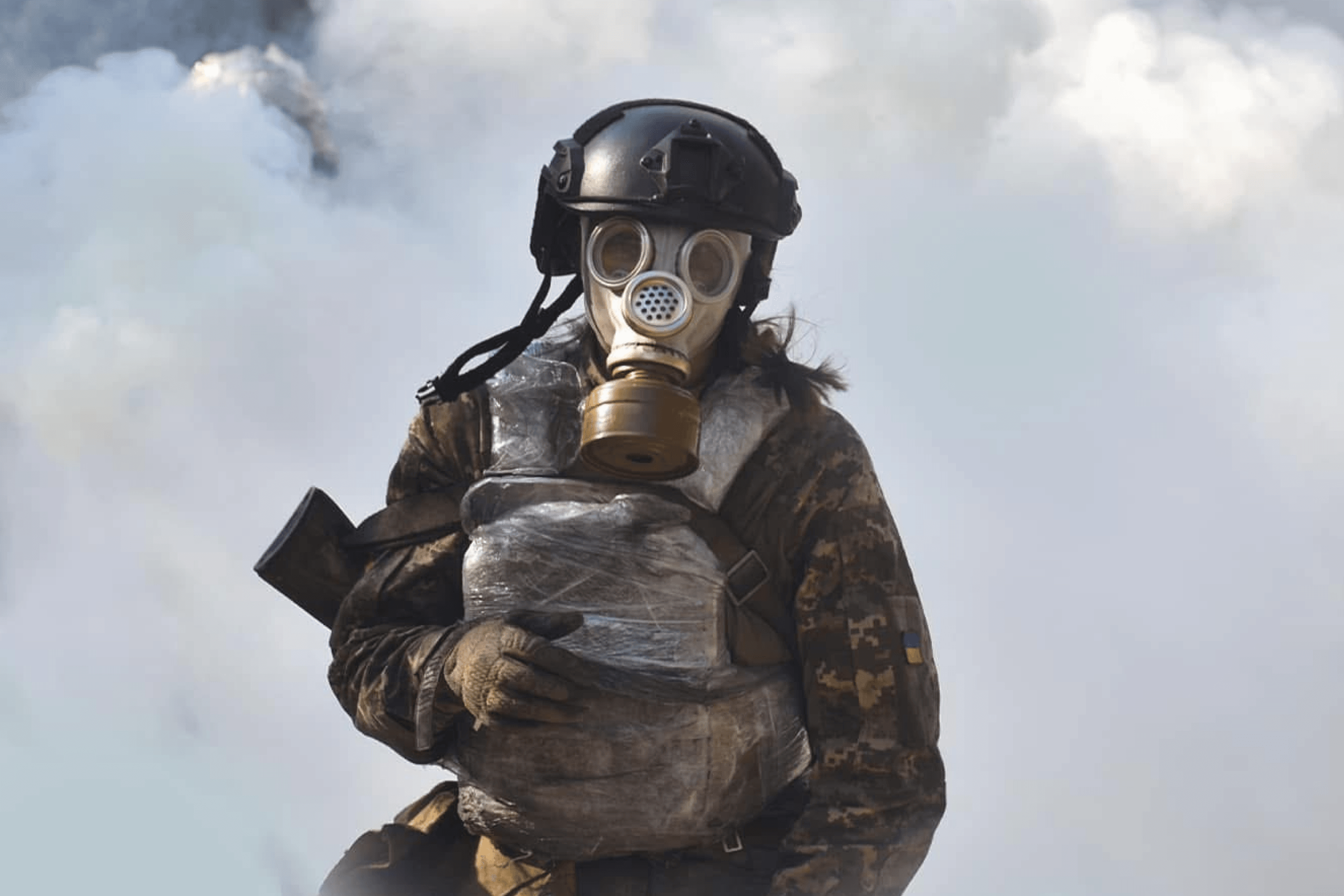
Women undergo military training at a higher military educational institution. Photo: General Staff of the Armed Forces of Ukraine / Facebook / YB 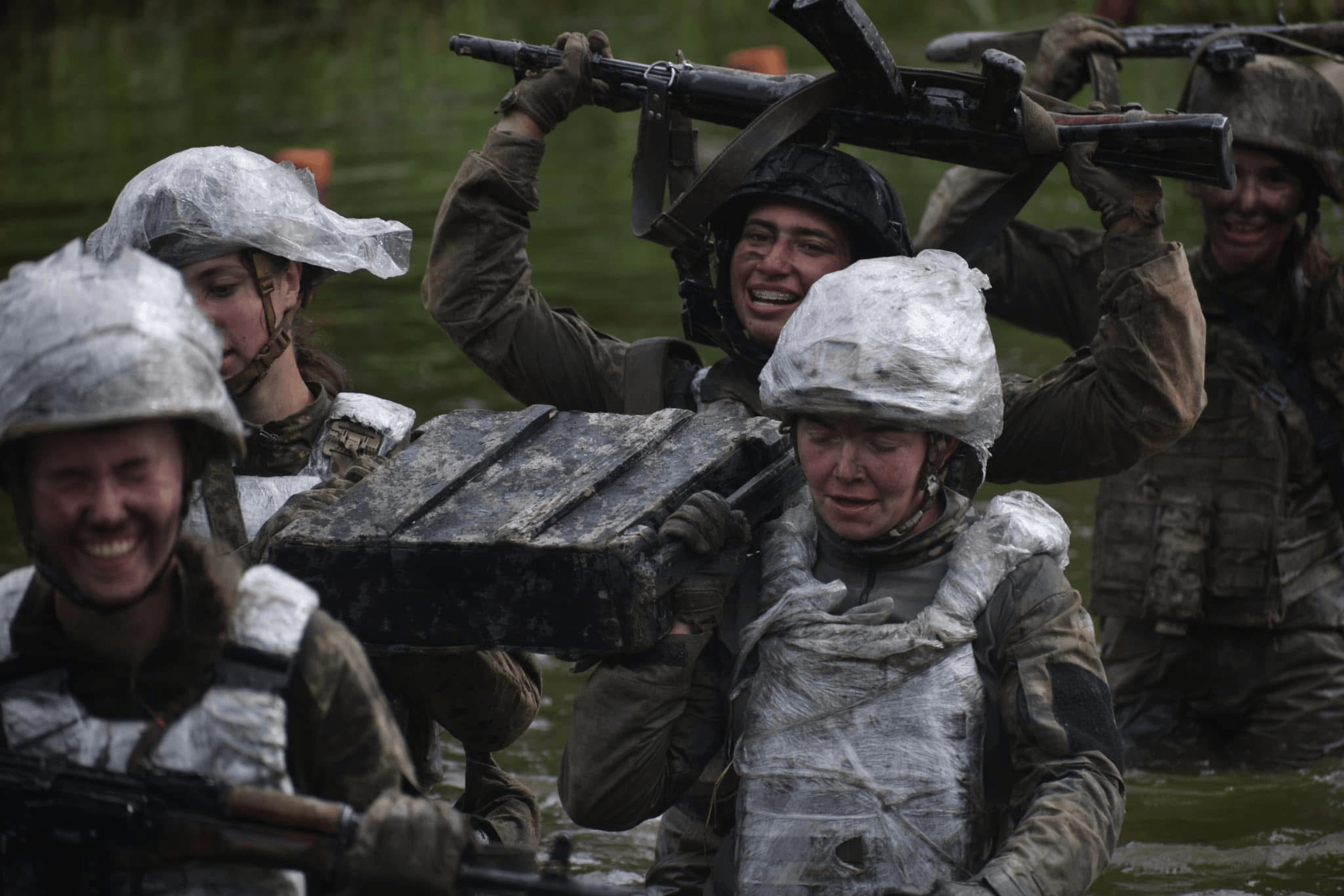
Women serve in the Air Assault Forces of the Armed Forces of Ukraine. Photo: General Staff of the Armed Forces of Ukraine / Facebook / YB
The hardest thing to restore is the confidence that the future peace will last. This will determine how many people will return home. We should speak seriously about the need to preserve national unity and the threats the enemy poses to its very existence. And we should also explain to people how to distinguish the truth in an ocean of information.