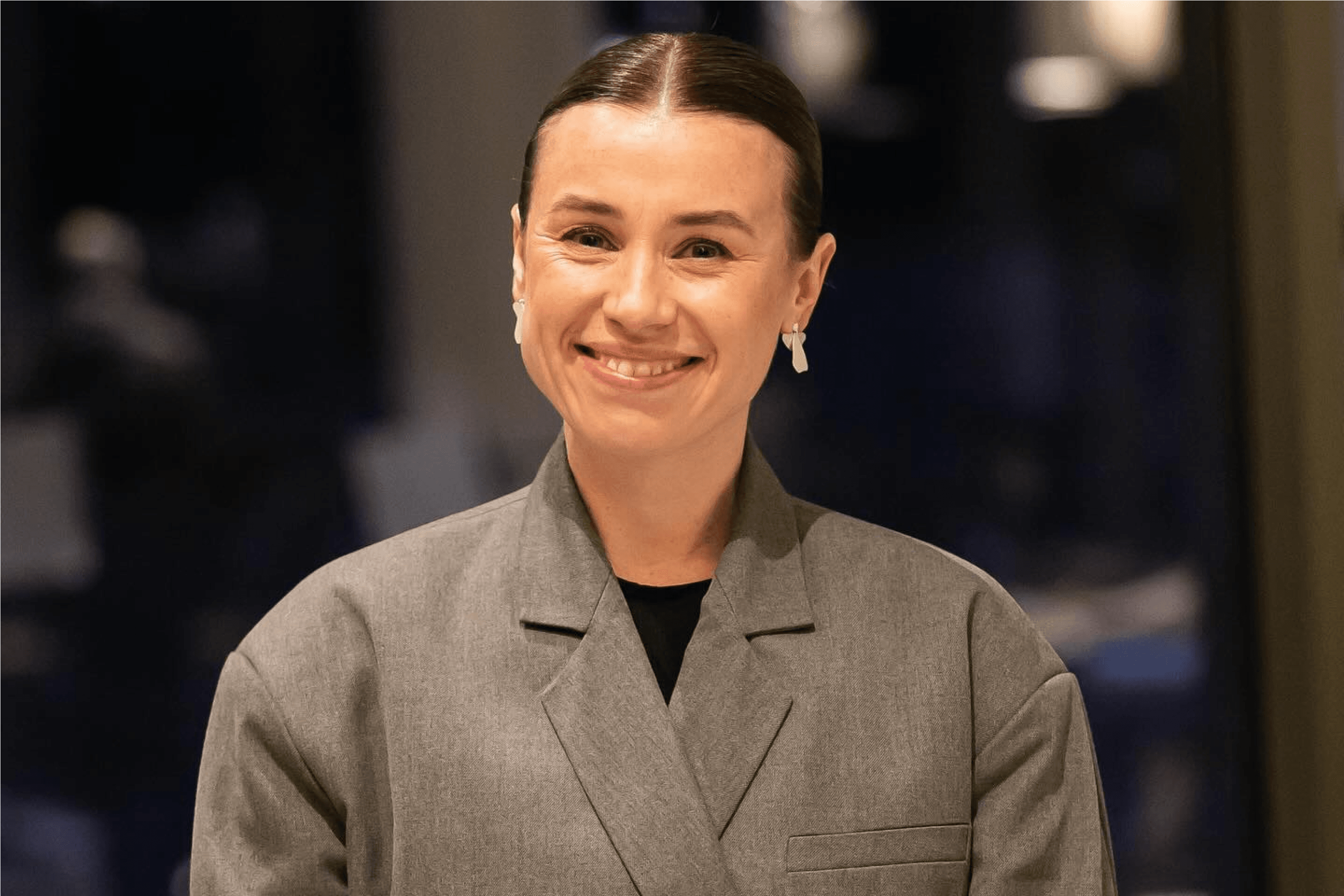
Khrystyna Boyko has led the 3MIN Foundation since 2021 and approaches philanthropy as an investment with measurable impact. She believes that good intentions alone aren’t enough; initiatives must work over the long term.
In the podcast I’m Just Asking! , we spoke with Khrystyna about stereotypes surrounding philanthropy in Ukraine, support for projects that represent Ukraine abroad, and how to invest in social change during Russia’s full-scale war against Ukraine. Here’s what stood out from our conversation. The full episode is available here.
My work is closer to philanthropy and the civic sector than to traditional charity. Even before university, I worked at the Dzyga Art Center in Lviv and later at the city council. My professional path in this field began at the Center for Urban History. That’s where I first understood how the sector actually functions. I have headed the 3MIN Foundation since its founding in 2021, and it wasn’t a predefined role. We didn’t rush the launch. Before starting, we spent a long time researching how philanthropy works in Ukraine and internationally. Our founders are Ukrainians living abroad who prefer to remain non-public, yet are deeply committed to creating meaningful social change in Ukraine. These kinds of investments shape outcomes over decades, and for us it’s essential that their impact can be measured.
This work is met with wariness. There is a widespread stereotype that people with money turn to philanthropy to “clean up” their reputation, and sometimes that’s justified. Until 2022, the field in Ukraine was largely met with distrust and carried a strong stigma. Attitudes toward charity and volunteering shifted in 2004, 2014, and again in 2022, yet Ukrainian society’s caution has deep historical roots. Because of these historical circumstances, Ukraine never developed a long-standing tradition of private philanthropic institutions with enduring legacies. As a result, we are still at an early stage, where skepticism is a natural part of the process.

Khrystyna Boyko with the ЗМІN Foundation team. 2022. Photo: ЗМІN Foundation / Facebook / YBBP 
Photo: ЗМІN Foundation / Facebook / YBBP 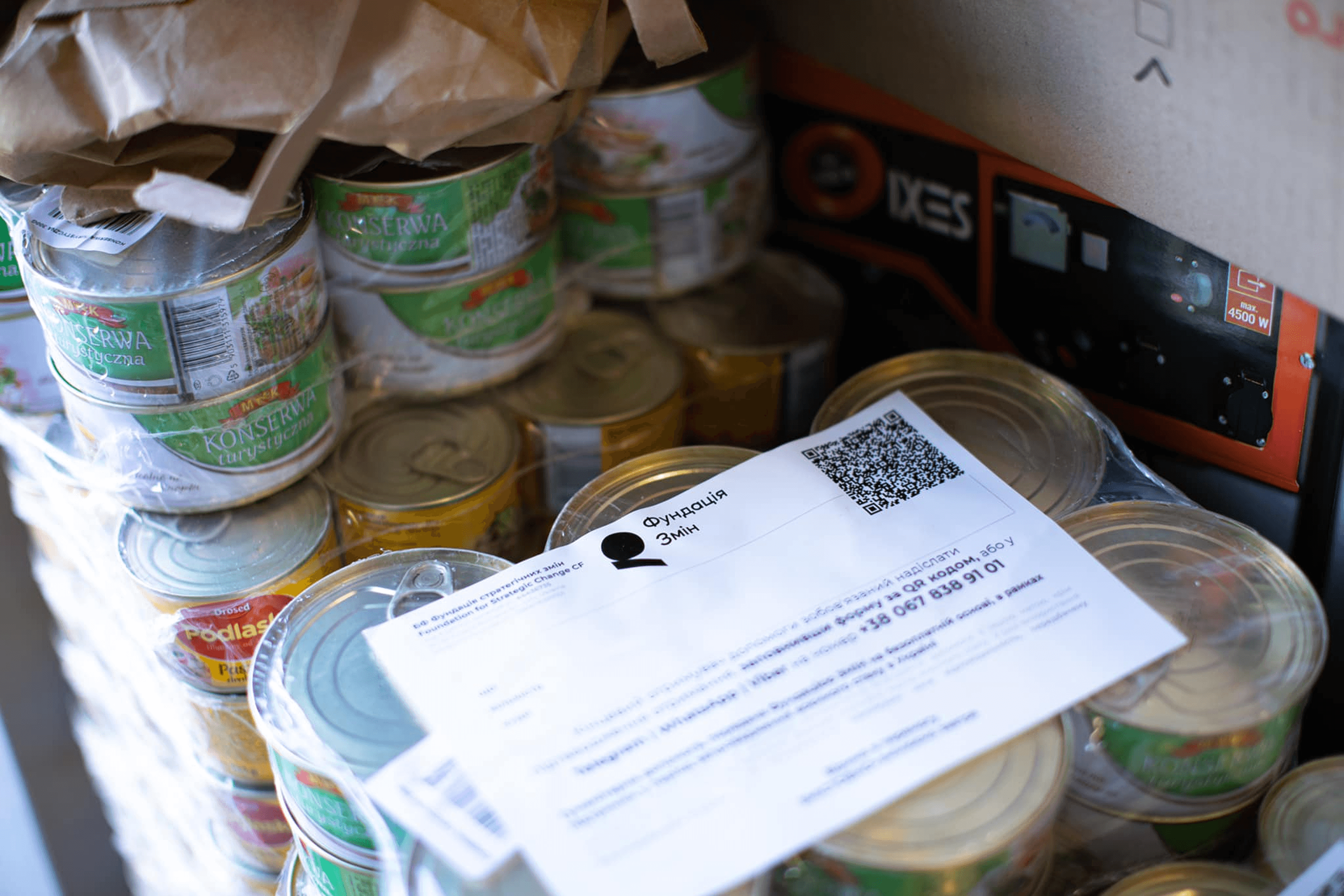
Photo: ЗМІN Foundation / Facebook / YBBP 
Photo: ЗМІN Foundation / Facebook / YBBP 
Photo: ЗМІN Foundation / Facebook / YBBP
The 3MIN Foundation aims to ensure that money does more than pass through and actively supports healthy social processes. Private funding allows us to focus on change itself, rather than on constant fundraising. With the organizations we invest in, we build horizontal partnerships, where change grows out of collaboration and shared effort.
Our focus is not on sectors, but on people who drive change. We invest in teams rather than topics or individual projects. In 2021, we provided small grants to 14 organizations and began building relationships with them. They came from different fields: social services, education, and media. The first stage was conversation and trust. Formal cooperation followed later.
We don’t refer to the organizations we support as “recipients,” “grantees,” or “beneficiaries,” but as long-term partners. Today, the 3MIN Foundation’s ecosystem includes nearly 150 partners, and we remain open to new initiatives. This doesn’t mean annual funding for everyone. It’s about a shared direction of growth and trust. Last year, our portfolio included 84 partners and up to 100 projects. Ideally, this changes how people see donors, moving the focus beyond money alone. What matters to us is a willingness to work together, not a narrow focus on one’s own topic or on proving superiority.
Large investments don’t always lead to positive outcomes. Sometimes they trigger crises. When context is ignored, even good intentions can result in social backlash. That is the idea behind effective altruism. Doing good requires analysis and careful decision-making because every action has consequences. Philanthropy needs a more professional and critical approach. It’s not about “doing things quietly” or “at least doing something.”
Charity is not something you do in the evenings after your main job. At the 3MIN Foundation, we want to demonstrate that doing good requires thoughtfulness and effectiveness, because it means taking responsibility for real social impact. Until recently, charity in Ukraine was seen as something supplementary, not as a profession or formal field of work. Today, there are hundreds of professional charitable foundations in Ukraine.
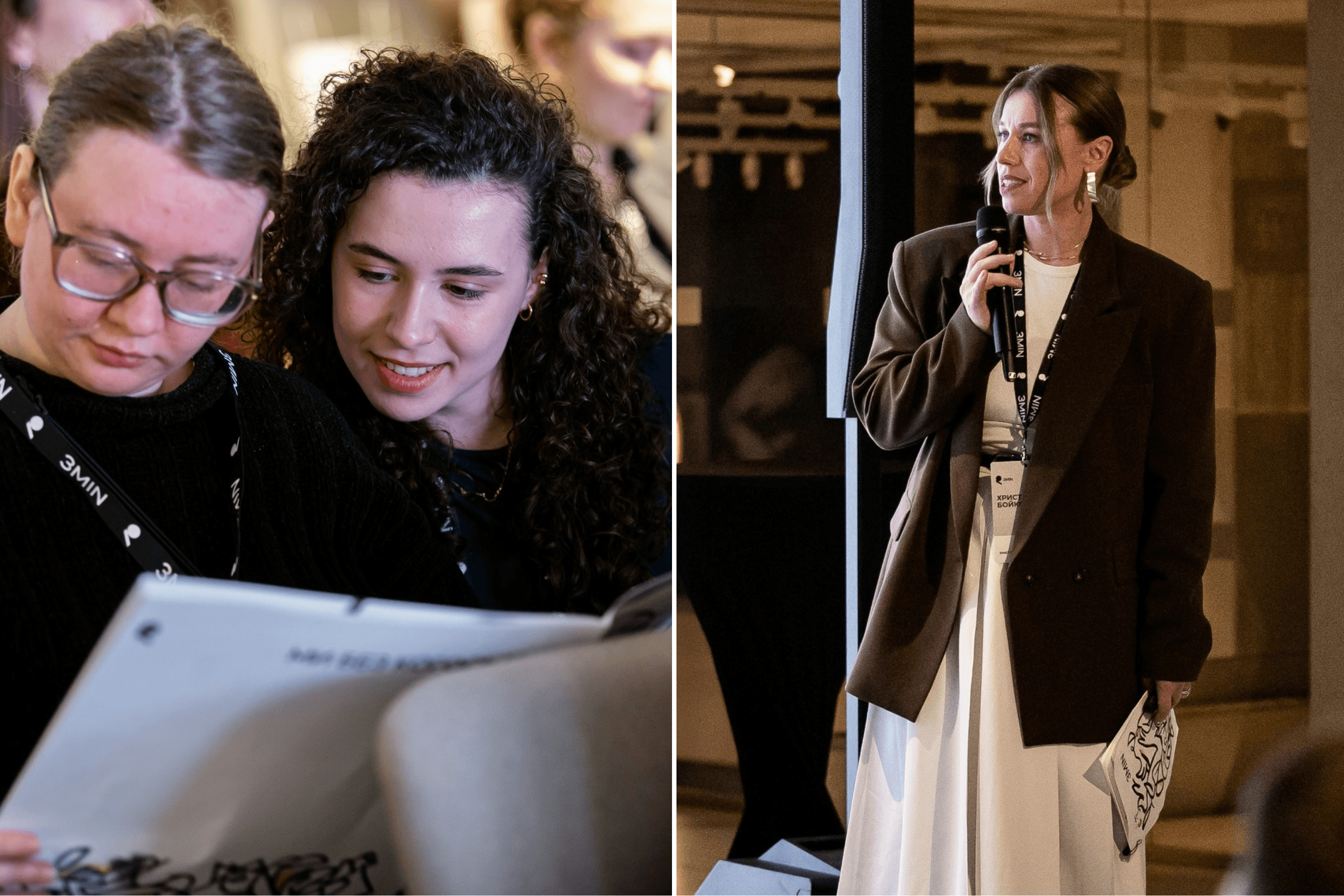
The ЗМІN team held its fifth Thanksgiving meeting with partners — a key event of the year featuring a dialogue on the new normal, a charity performance by the INSO-Lviv Orchestra, the symbolic transfer of the Bethlehem Light, and the presentation of the first printed issue of ЗМІN Newspaper. December 2025. Photo: ЗМІN Foundation / Facebook / YBBP 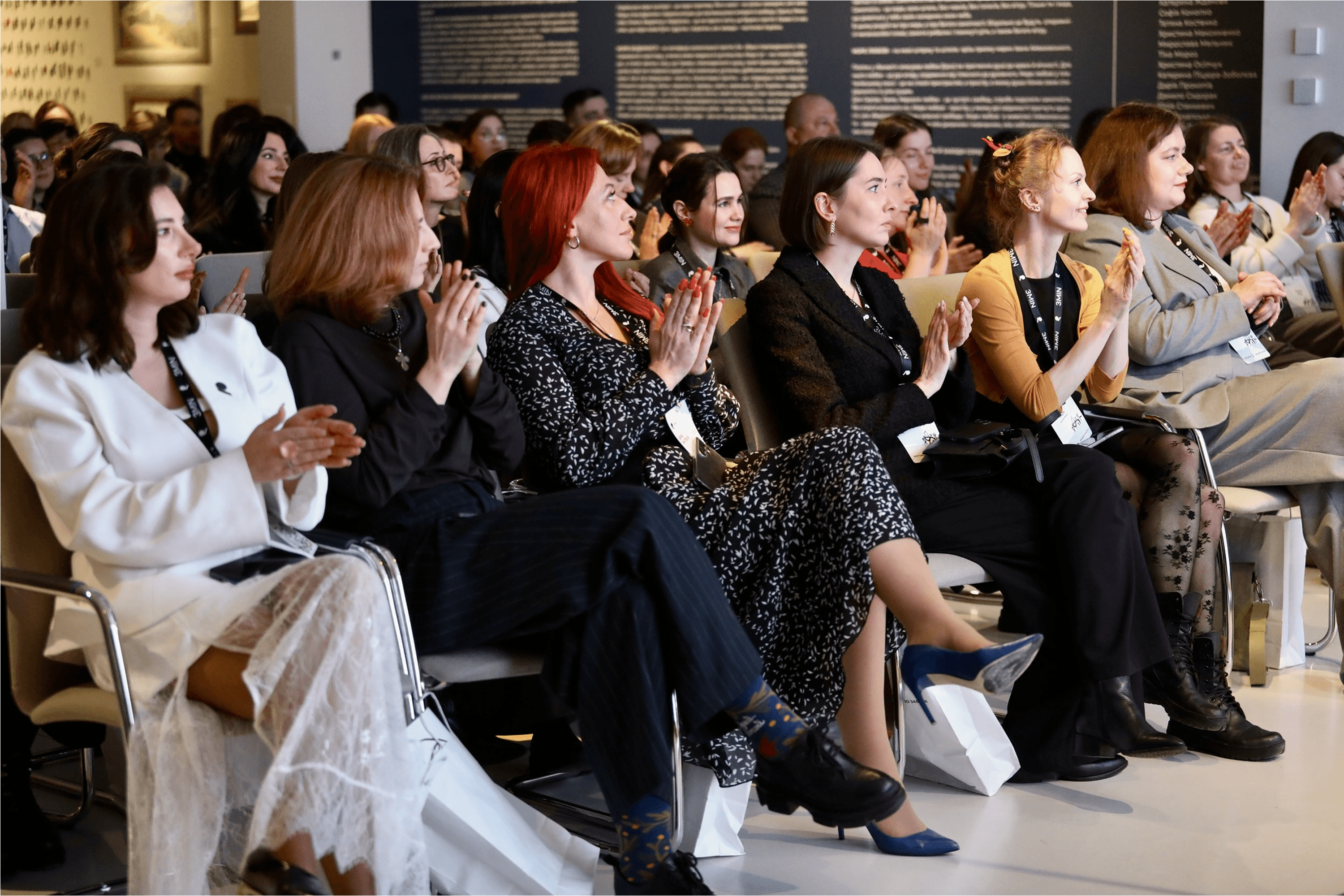
Photo: ЗМІN Foundation / Facebook / YBBP 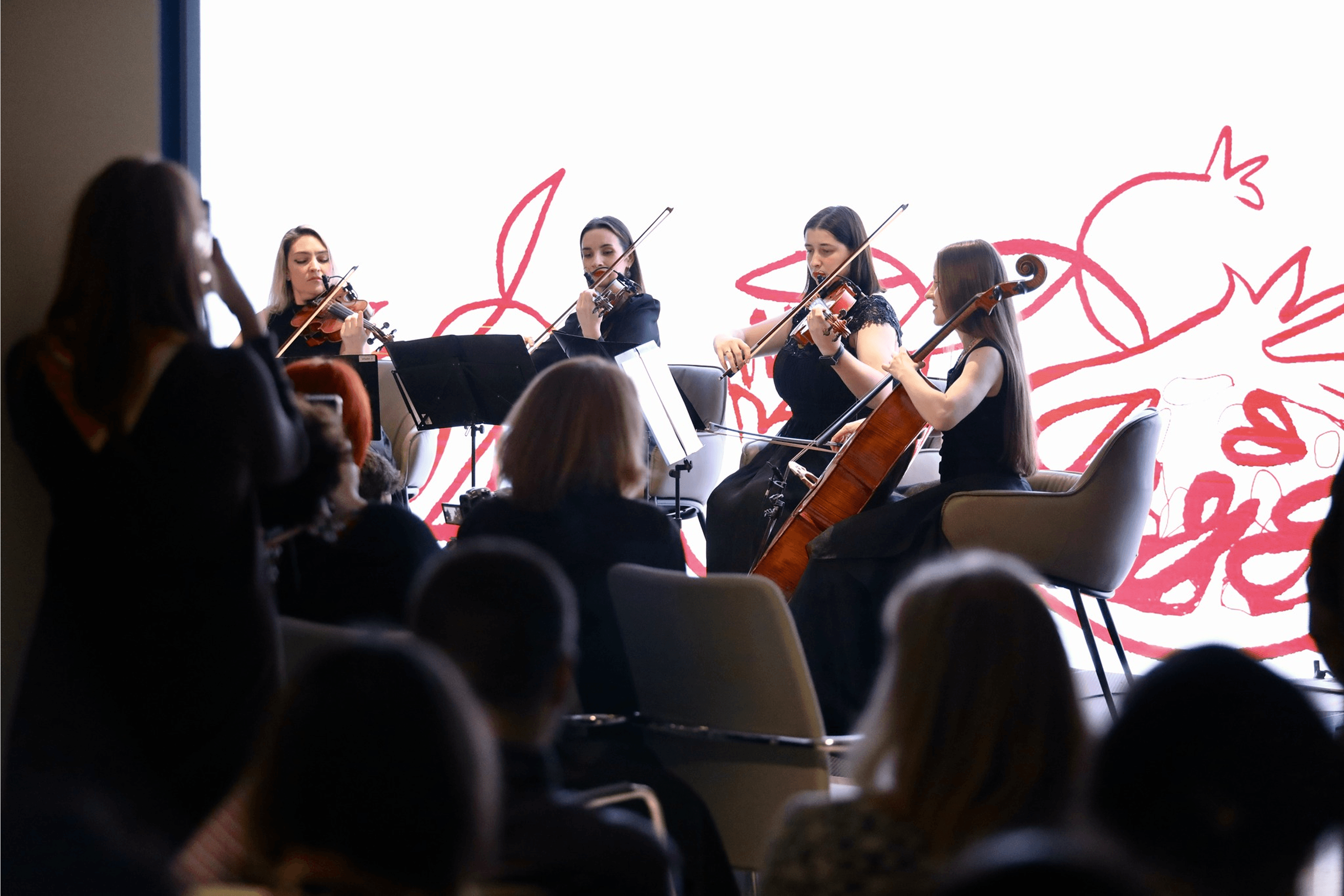
Photo: ЗМІN Foundation / Facebook / YBBP 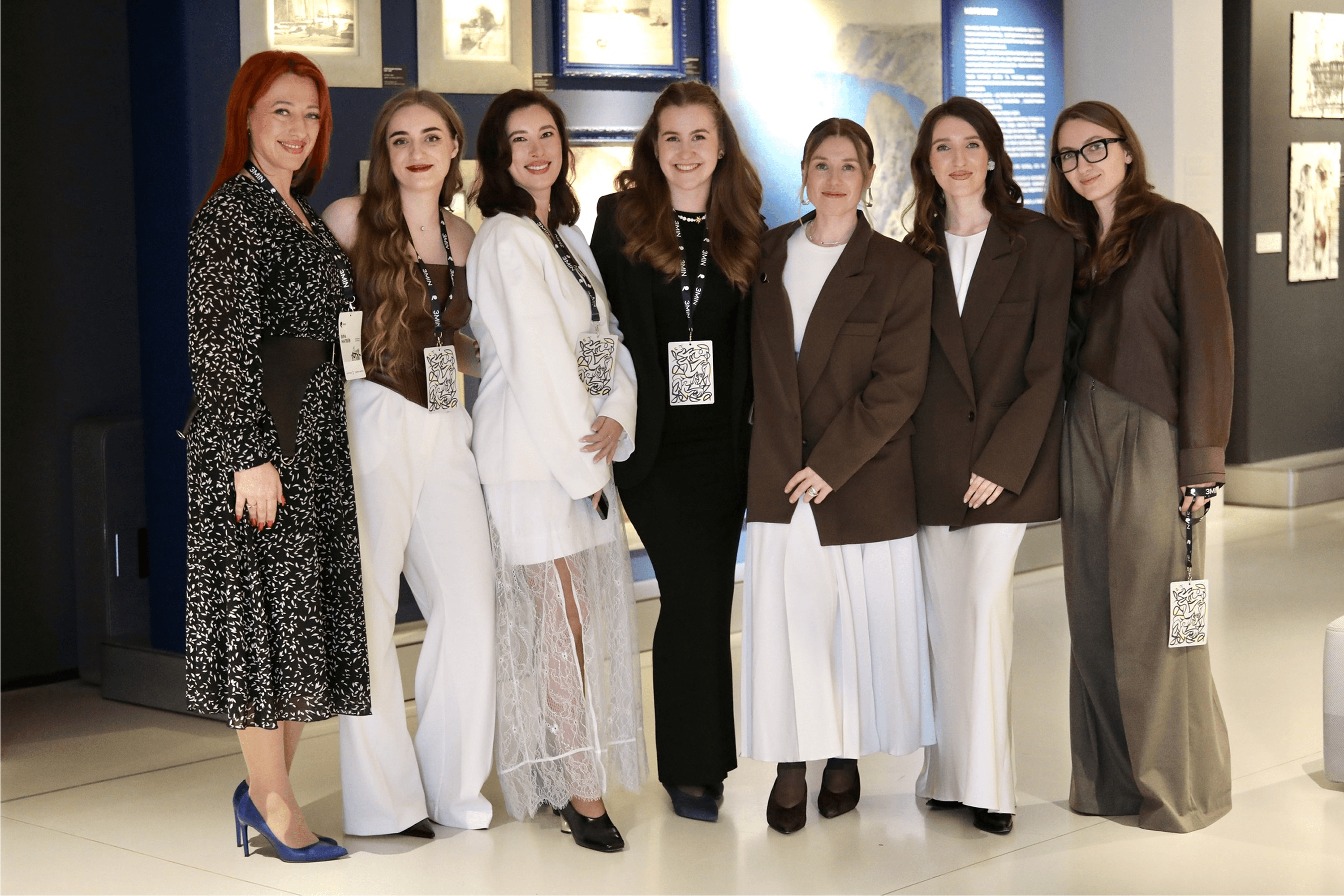
Photo: ЗМІN Foundation / Facebook / YBBP 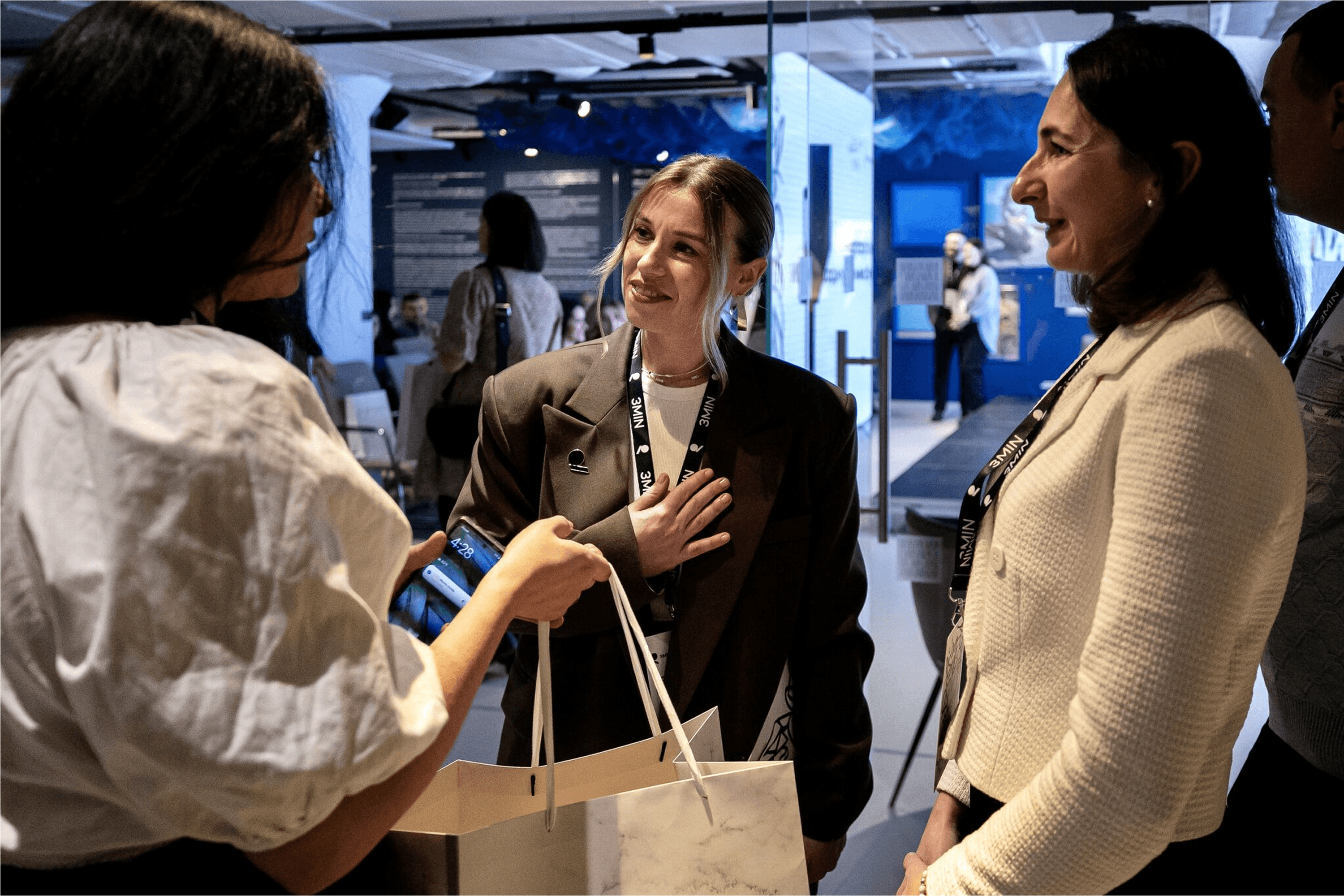
Photo: ЗМІN Foundation / Facebook / YBBP
Ukraine still lacks specialized education for working in the nonprofit sector. There are only a few isolated courses in organizational management. Good intentions alone are not enough. Managerial skills, an understanding of legislation, and continuous learning are essential. It’s equally important to analyze processes within Ukrainian society and globally, in order to understand key challenges and available solutions. That’s why I’m studying systems thinking for managers at the Kyiv-Mohyla Business School.
If business schools offer programs on modern philanthropy, we’ll join in. I encourage people to enter this field, to seek out peers and ask what worked and what mistakes they made along the way.
We didn’t have a clear role model for philanthropy. For example, in the United States, legislation governing this field is structured very differently, and it makes no sense to just take elements of that system and apply them to Ukrainian realities. What can be borrowed, however, is a broad culture of giving, where volunteering is a norm that doesn’t require recognition. We took the opposite path and started from what was missing. Ukrainian law does not provide for private foundations or strategic philanthropy. Legally, we’re a charitable organization, even though we consciously distance ourselves from that label. Our work is grounded in rationality and efficiency, and charity is not always associated with either. Traditional charity is still necessary, and “firefighting” has its place. But someone also has to think beyond the immediate moment and work with a long-term perspective.
After the start of Russia’s full-scale invasion of Ukraine, we shifted our focus to the defense sector, but returned to our original approach within a month. You can buy military gear in the EU, which means dealing with logistics and currency exchange. Or you can work with a textile factory in the town of Sokal and propose producing the equipment locally, which helps stimulate the Ukrainian economy. At the time, there was strong demand for drones, but they require trained operators. So we began cooperating with the Boriviter military school, Aerorozvidka, and the Kruk UAV operators training center. Now we support the defense sector through R&D and education investments.
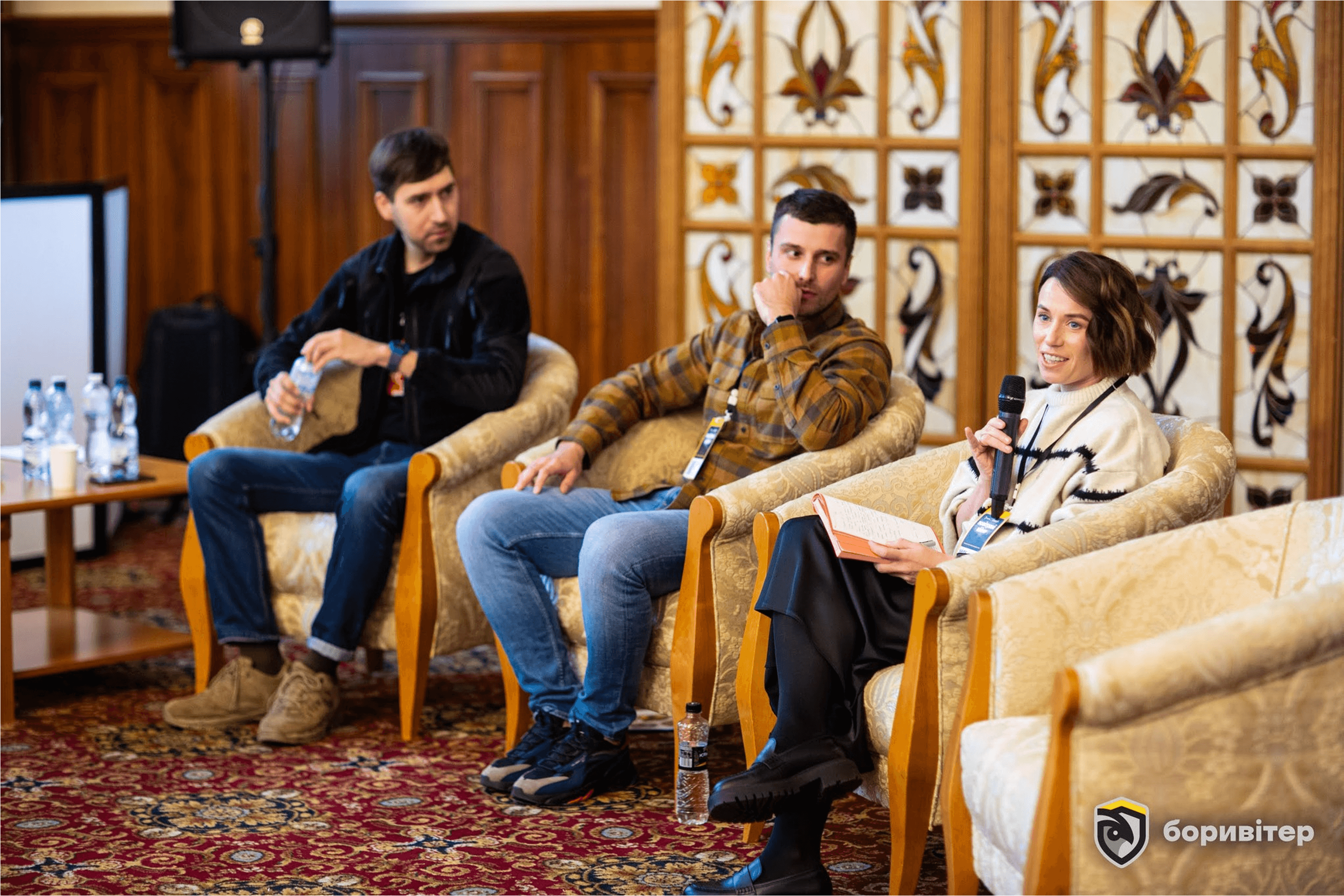
ЗМІN took part in the specialized event “Air Wars,” organized by Boryviter and Brave1, joining a fundraising panel on attracting donors and investments for the development of fixed-wing UAVs in Ukraine. Photo: ЗМІN Foundation / Facebook / YBBP 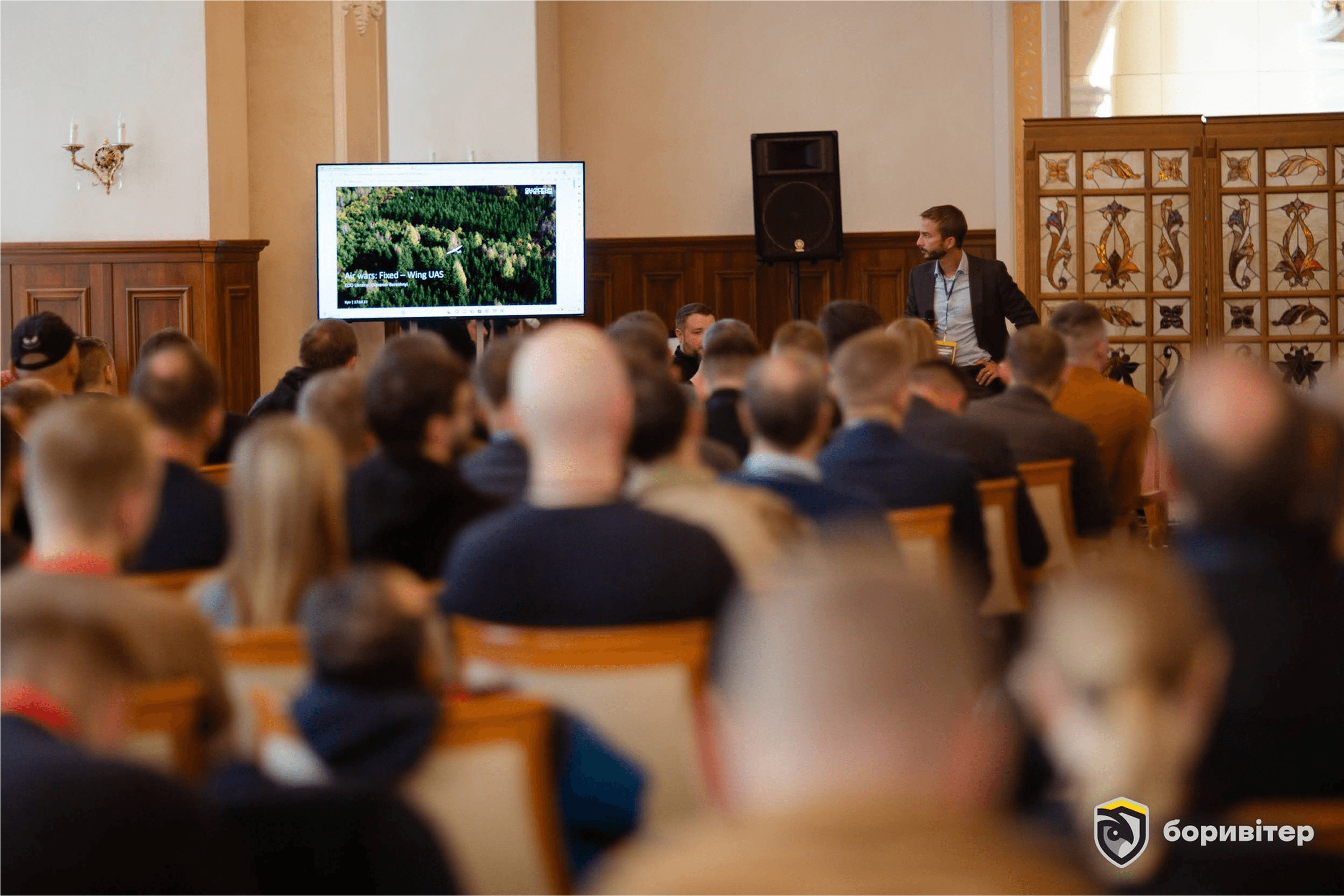
Photo: ЗМІN Foundation / Facebook / YBBP 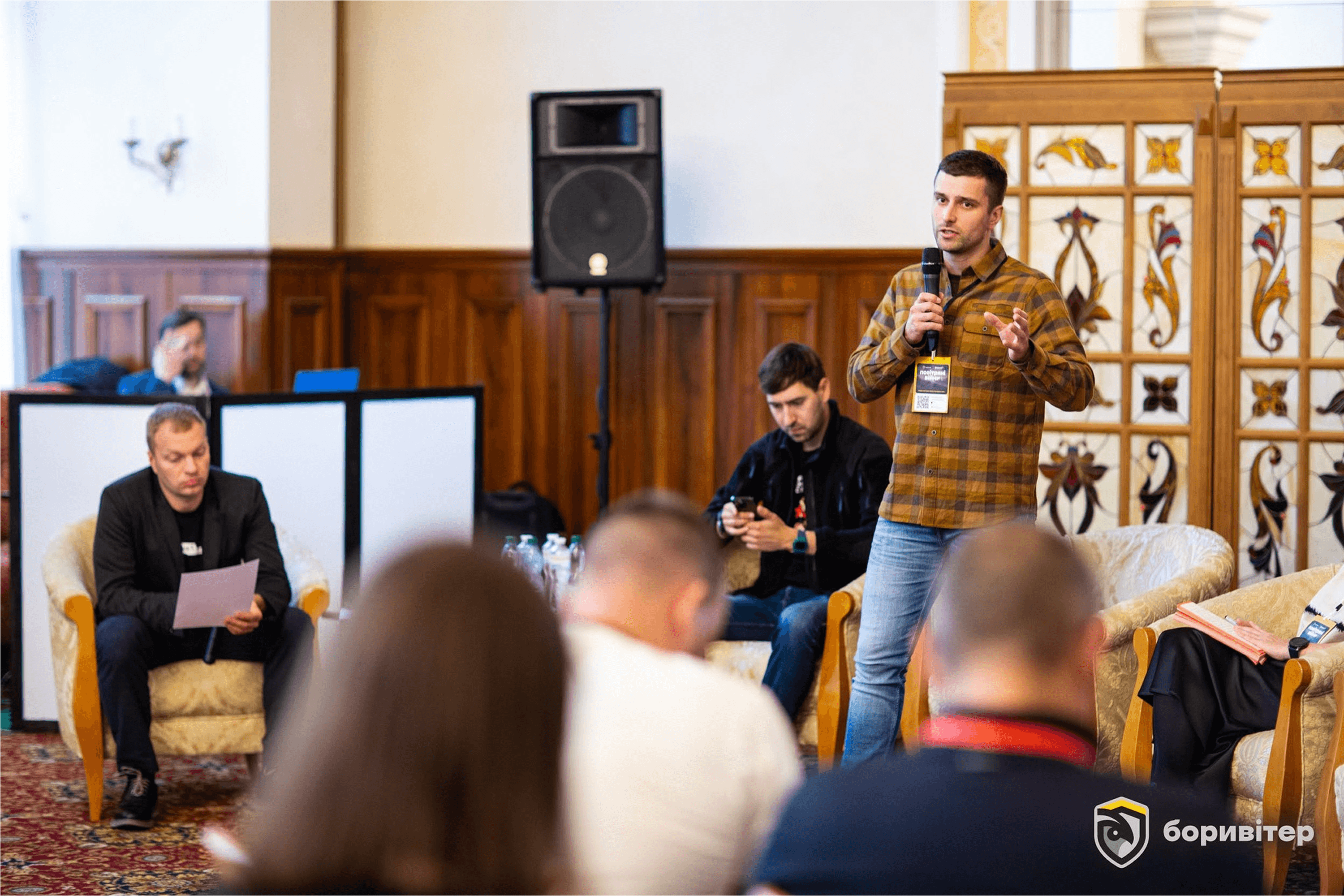
Photo: ЗМІN Foundation / Facebook / YBBP 
Photo: ЗМІN Foundation / Facebook / YBBP 
Photo: ЗМІN Foundation / Facebook / YBBP
There are no social processes that can be postponed until post-war reconstruction. That’s why in 2022 we launched a cultural heritage protection program. We saw it as essential to support education, science, and culture. Without them, there would simply be nothing to rebuild. We created a grant program for civil society organizations to show that they are not forgotten and that support doesn’t only go to the military.
I believe that management in philanthropy has a lot in common with the commercial sector. The approaches are similar, but the market is still developing and salary ranges are different. For the 3MIN Foundation, it’s important for us to see ourselves from the outside and not become too attached to our own work. We make mistakes as well and can honestly tell a partner organization that we don’t know which decision is the right one. At the same time, the individual and their dignity remain at the center of every decision. When even the most effective decisions lose sight of people, it’s no longer philanthropy.
Ukraine doesn’t yet have a sustainable system of social investment. The country’s complex 20th-century history and the Soviet regime interrupted the tradition of patronage and philanthropy. It effectively ended with families such as the Sheptytsky, Khanenko, and Symyrenko. We tend to romanticize those times and erect monuments to these figures. They did extraordinary things, but it’s important to remember that they were representatives of powerful financial structures of their era. We need to talk about this, because we often fear talking about money.
Money only has that power when it’s in the hands of people striving for long-term impact on Ukrainian society. Later, when Ukraine became part of the Soviet Union, the family tradition of inheritance and the transmission of values and resources was also broken. Then came the 1990s, one of the most difficult economic periods for Ukrainians. At the same time, the first foundations emerged, including the Renaissance Foundation and the Bohdan Hawrylyshyn Foundation. International organizations have significant influence, but we must build our own philanthropy community.
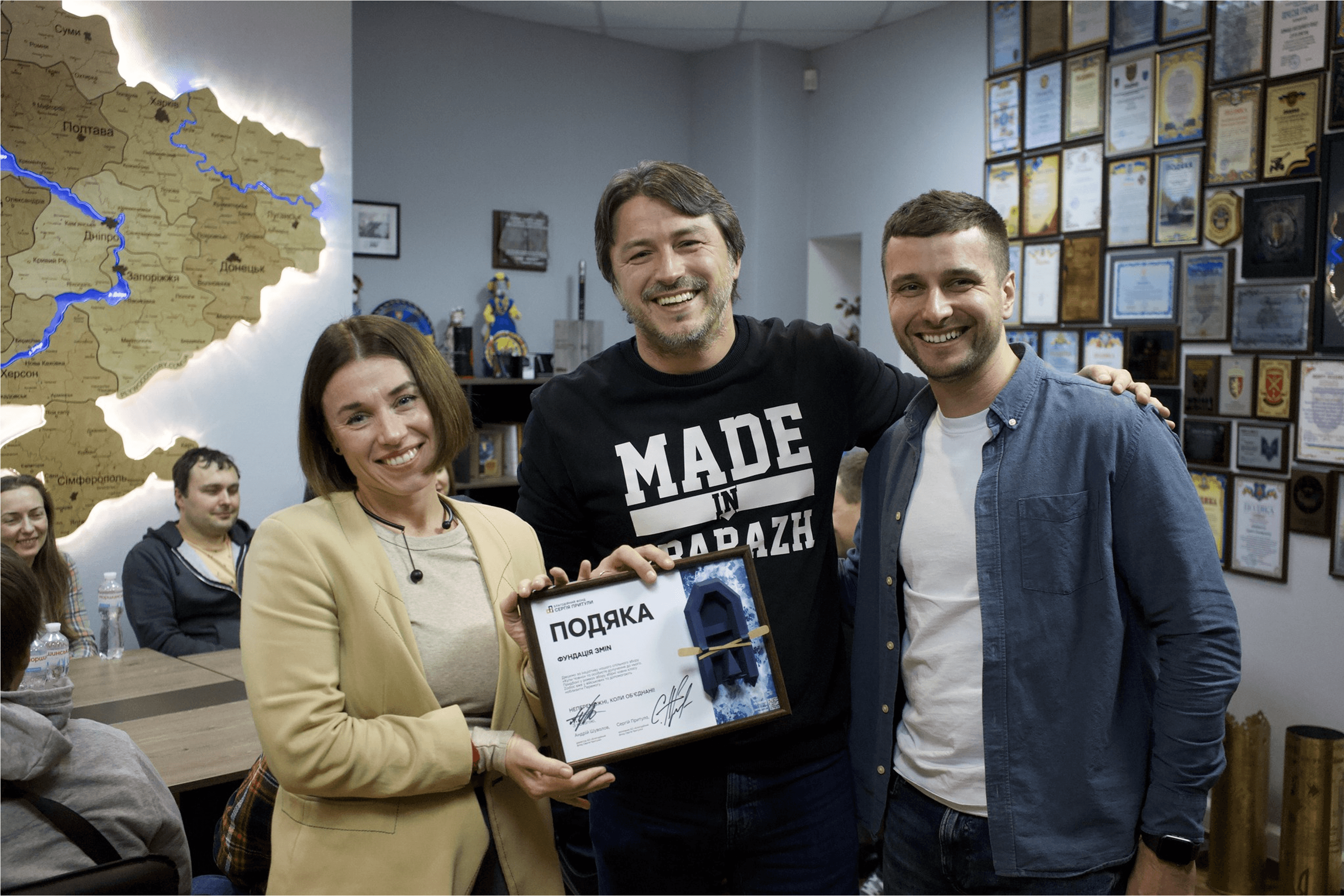
Thanks to the collaboration of the Serhiy Prytula Foundation, the ЗМІN Foundation, and 11 responsible businesses, 26 motor boats by a Ukrainian manufacturer were purchased and delivered to the Defense Forces — the result of a joint investment, coordination, and communication campaign. Photo: ЗМІN Foundation / Facebook / YBBP 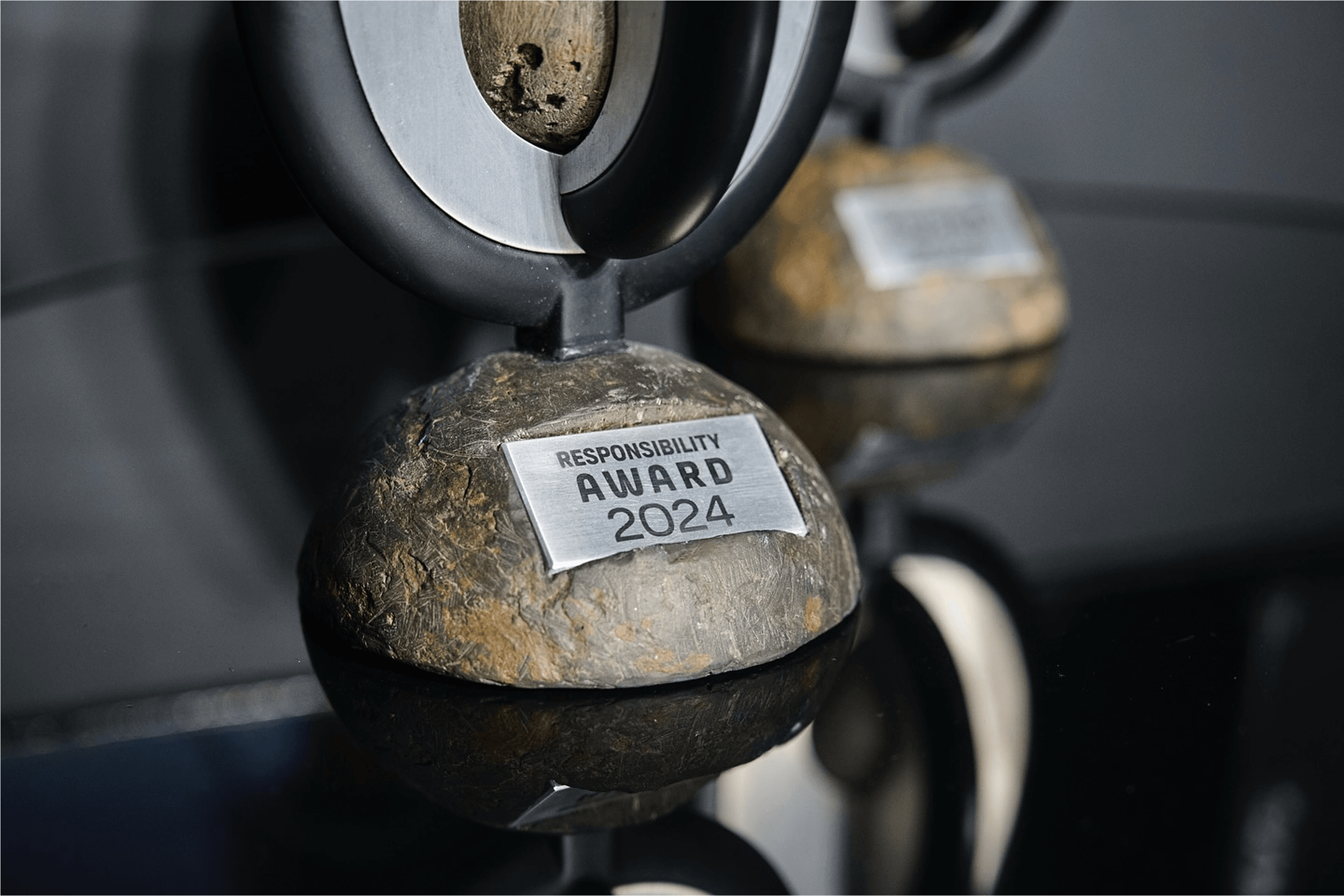
Премія Відповідальності 2024 зібрала лауреатів і команди короткого та довгого списку, окресливши старт подальшої співпраці в межах посткомунікаційного проєкту за підтримки Hawrylyshyn Family Fund. Photo: ЗМІN Foundation / Facebook / YBBP 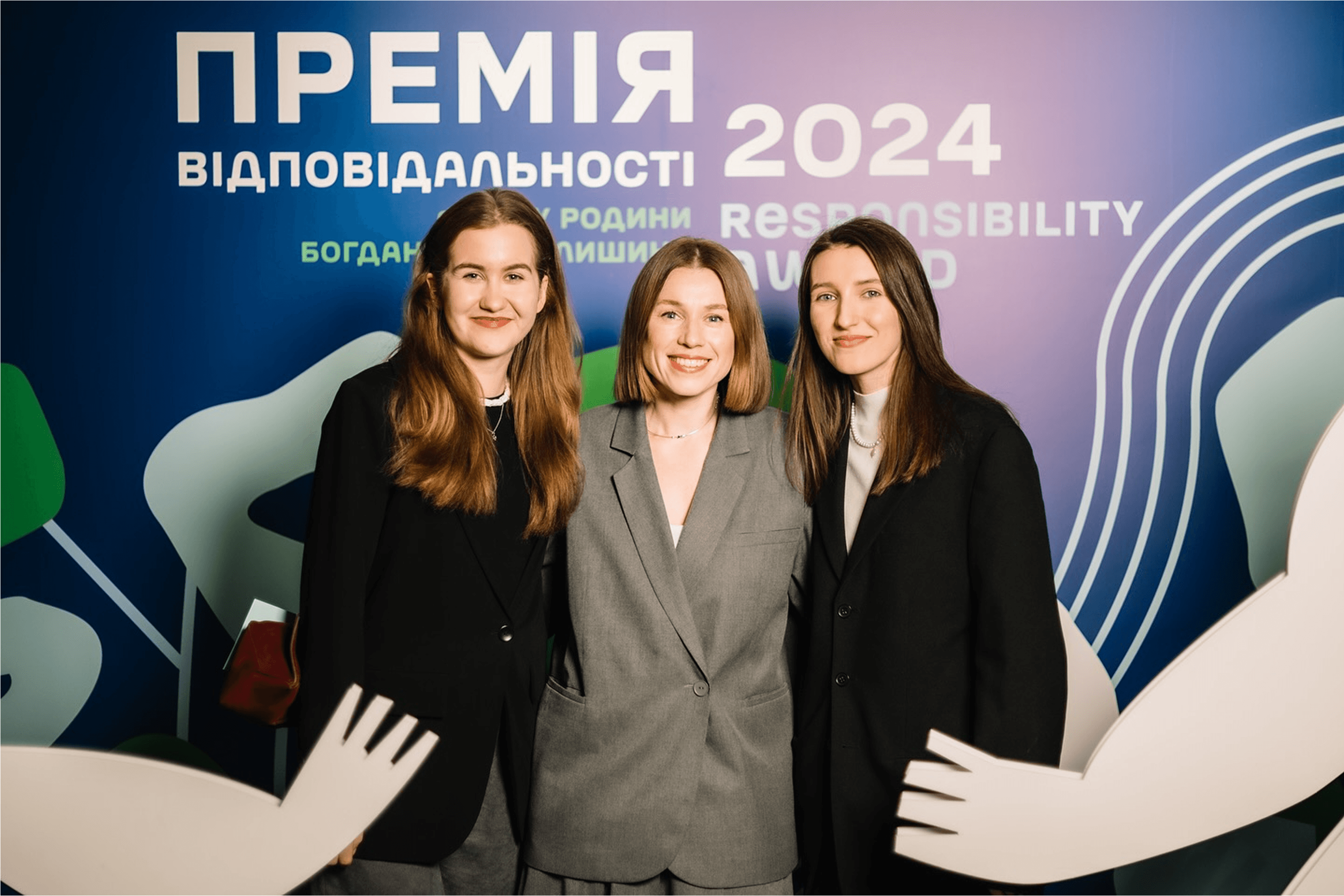
Photo: ЗМІN Foundation / Facebook / YBBP
The 3MIN Foundation partners with the Ukrainian Institute, whose mission is to represent Ukraine internationally. We support the publication of works presented at the Venice Biennale. We also backed a Ukrainian-English book in which critics and artists from fourteen countries rethink decolonization in the context of Russia’s invasion of Ukraine. This essay collection, Decolonization of Art, is distributed across international platforms and has received extensive coverage in global media. We also support the Drahoman Prize, an award recognizing translators of Ukrainian literature.
We work with two research initiatives. One is Kunsht and its Science at Risk project, which supports Ukrainian scientists affected by the Russian invasion and gives them a platform to talk about both their challenges and their achievements. The other is the provocative exhibition Where have the Nobel laureates gone? It focuses on ten scientists who were either repressed by the Soviet Union or killed during the full-scale invasion. Their scientific legacy is presented in a deliberately challenging way. They never had the chance to compete for the Nobel Prize, as it is awarded only during a person’s lifetime. The portraits were created by the same artist who produces official portraits of Nobel laureates. The exhibition has been shown at Harvard and at other universities around the world.
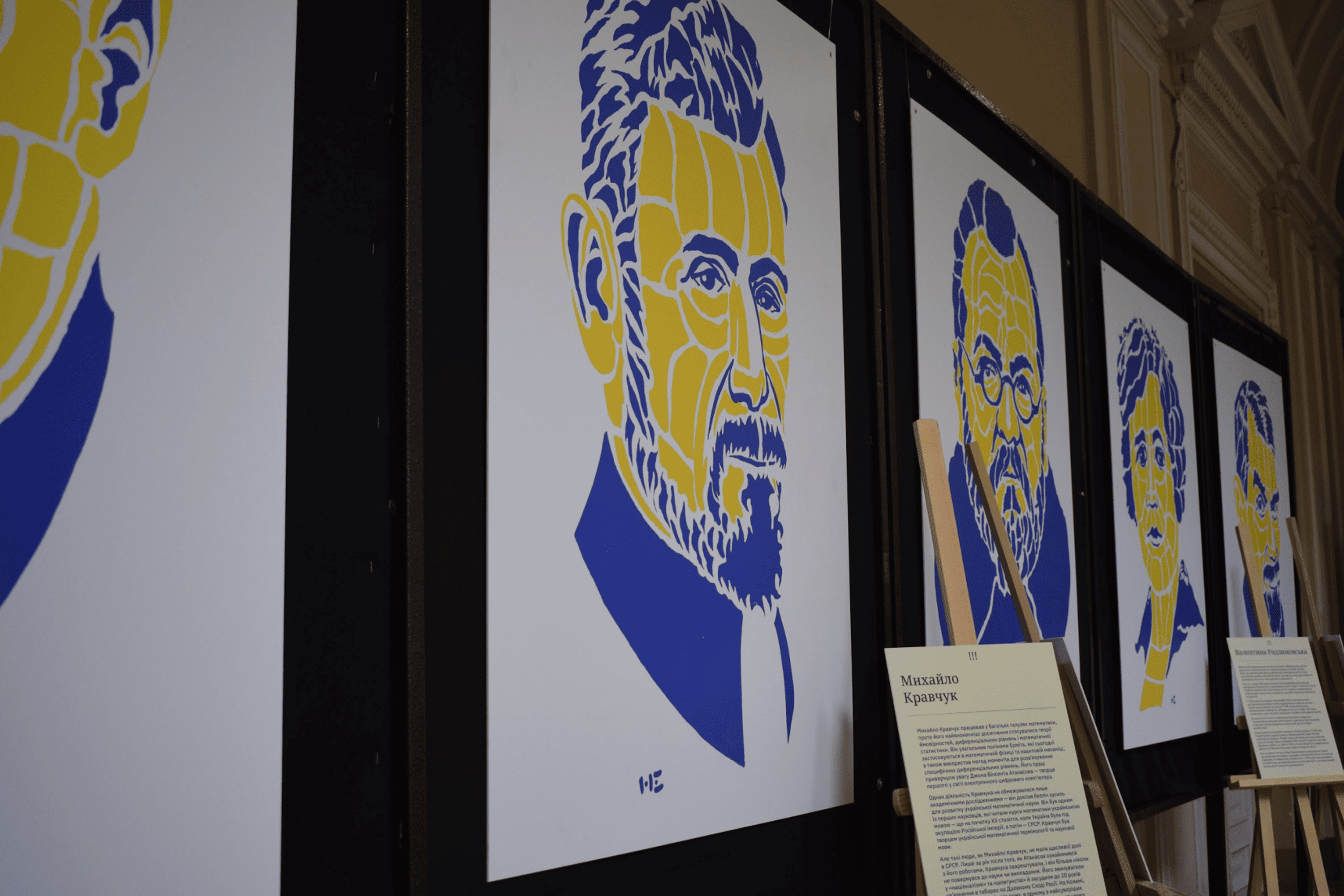
The exhibition “Freedom in the Equation (Where Are Ukraine’s Nobel Laureates?)” at the Main Building of Ivan Franko National University of Lviv, as part of the Science & Tech Fest OL. June 2025. Photo: ЗМІN Foundation / YBBP 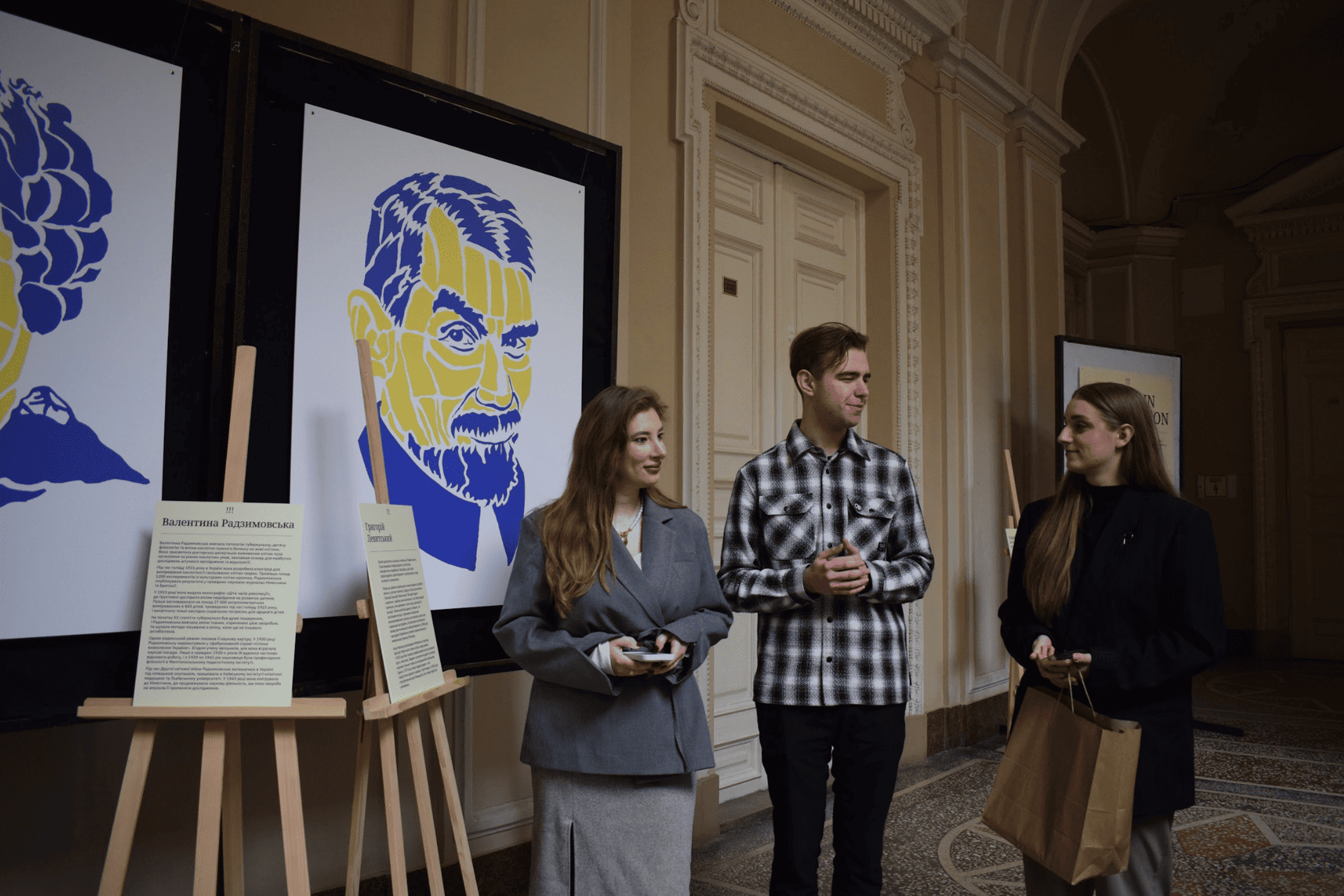
Photo: ЗМІN Foundation / YBBP 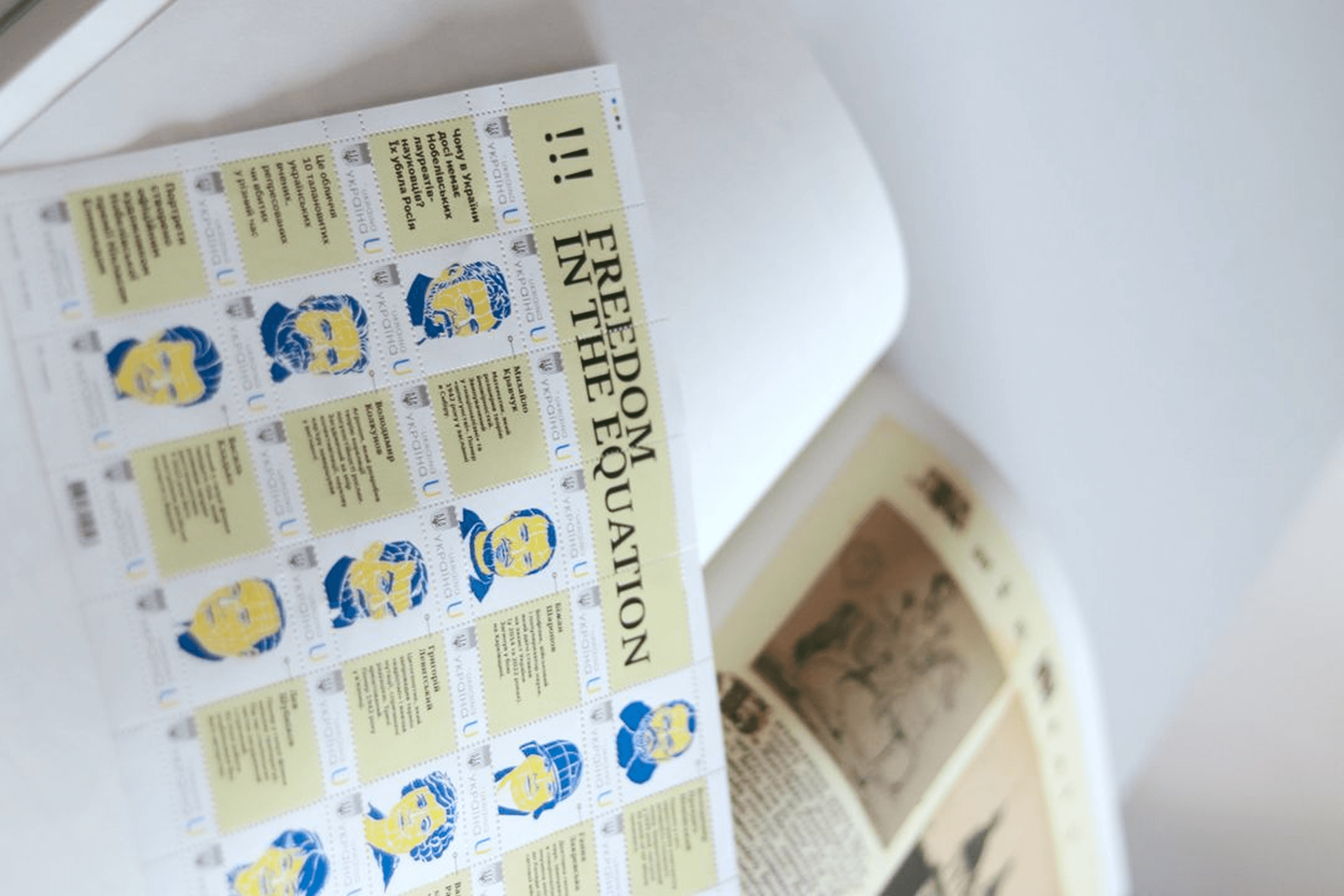
Photo: ЗМІN Foundation / YBBP 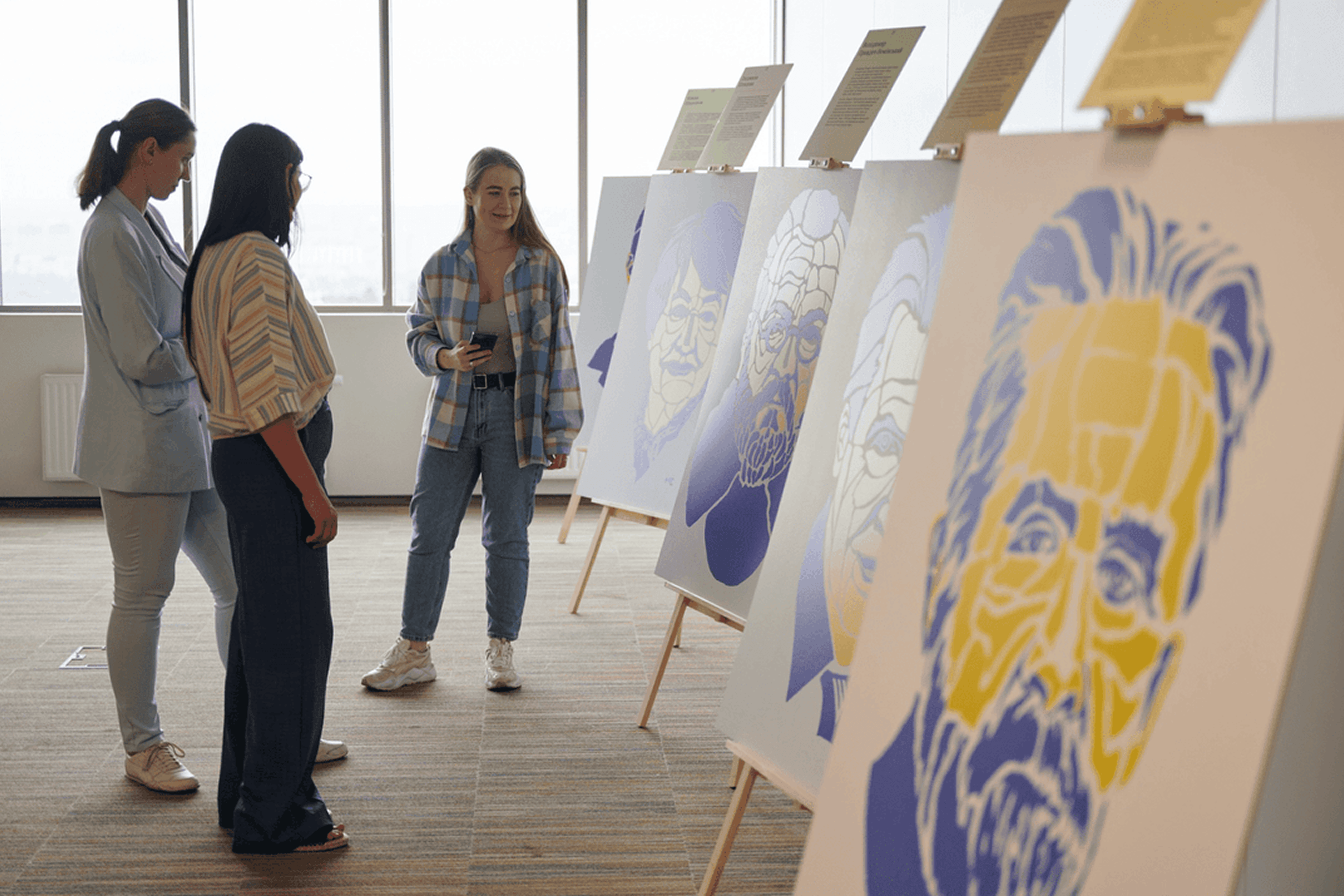
Photo: ЗМІN Foundation / YBBP 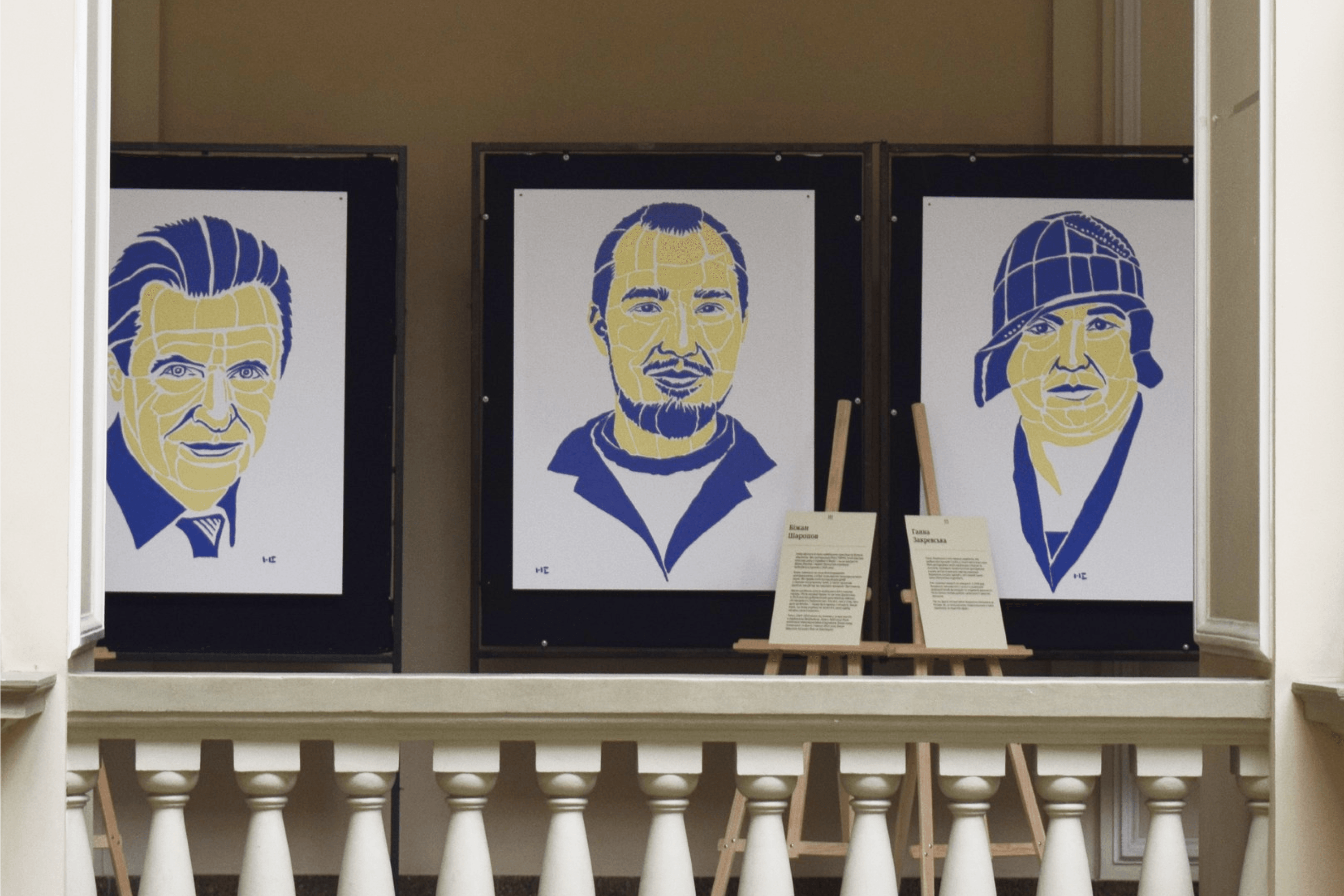
Photo: ЗМІN Foundation / YBBP
The Akademik Vernadsky Research Station is a particularly sensitive topic. This highlights the difference between strategic philanthropy and traditional charity. Funding a single expedition is important, but it’s not enough to create systemic impact. What matters is changing attitudes toward science so that it’s seen not as an optional add-on, but as a fundamental necessity. Without this shift, there can be no research and development, innovation, or competitive business. So we support educational initiatives such as the exhibition at the Lviv Museum of Natural History dedicated to the Vernadsky Station. It shows why the station matters. Only thirty countries in the world have a voice there, and Ukraine is one of them.
One of our projects focuses on bringing visibility to Ukrainian artists of the mid-twentieth century whose legacy has been appropriated by Russia. The Projector Publishing team created a series of art books dedicated to Ukrainian artists. The first five include Oleksandra Ekster, Mykhailo Boichuk, Yakiv Hnizdovsky, Anatol Petrytskyi, and Nil Khasevych. It primarily targets a Ukrainian audience. Understanding our own complex cultural heritage allows us to speak more confidently on the international stage about Ukrainian art. This means not jumping straight to demanding that the world recognize these artists or label Malevich as Ukrainian, but building that knowledge internally first. The books are written in clear, accessible language. They use storytelling to present artists as living, complex individuals rather than distant monuments.
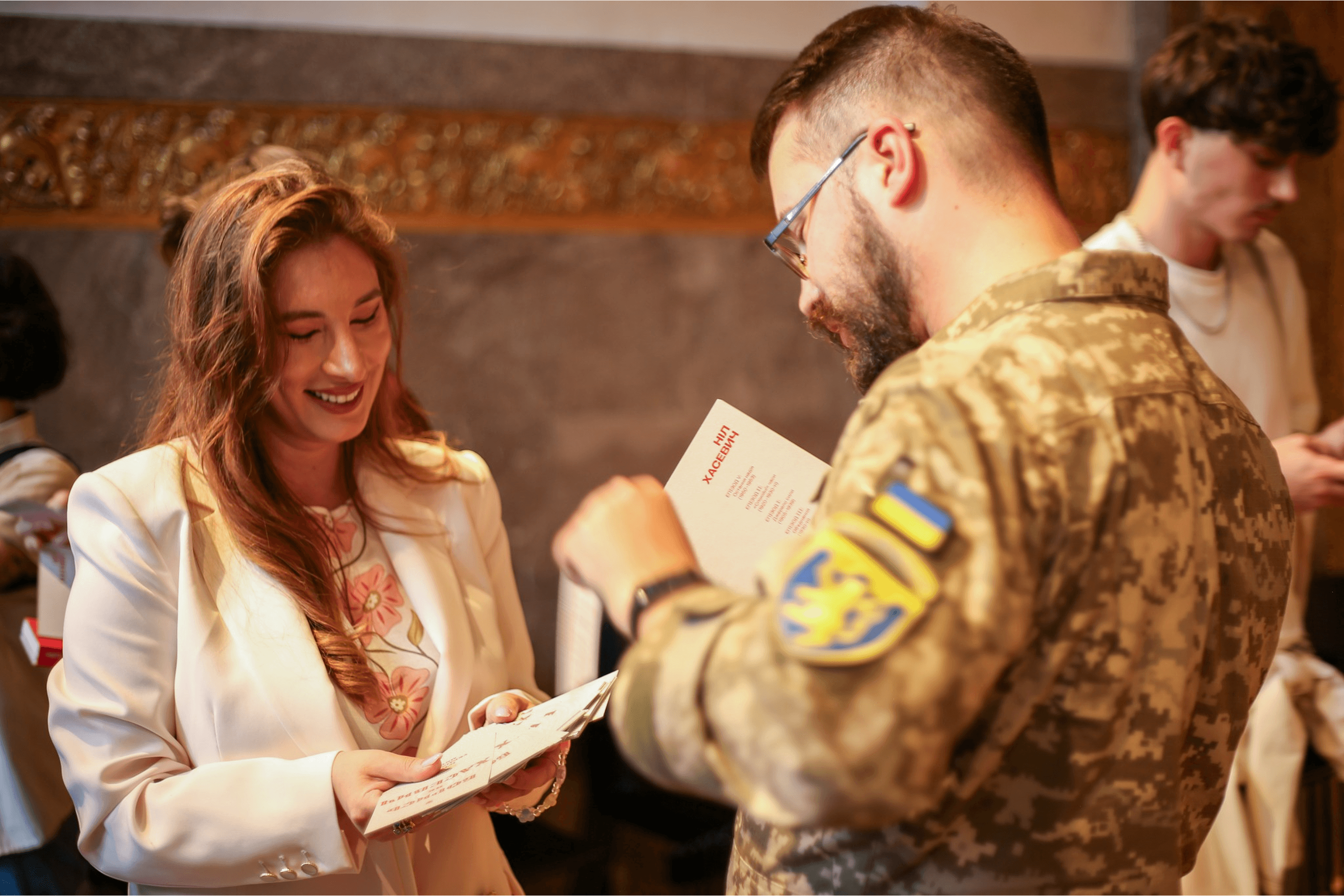
The presentation of the book “Stories of Ukrainian Artists. Nil Khasevych,” published by the ЗМІN Foundation in collaboration with Projector Publishing & Store and the Projector Foundation, took place at the Lviv Cultural Hub. Photo: ЗМІN Foundation / Facebook / YBBP 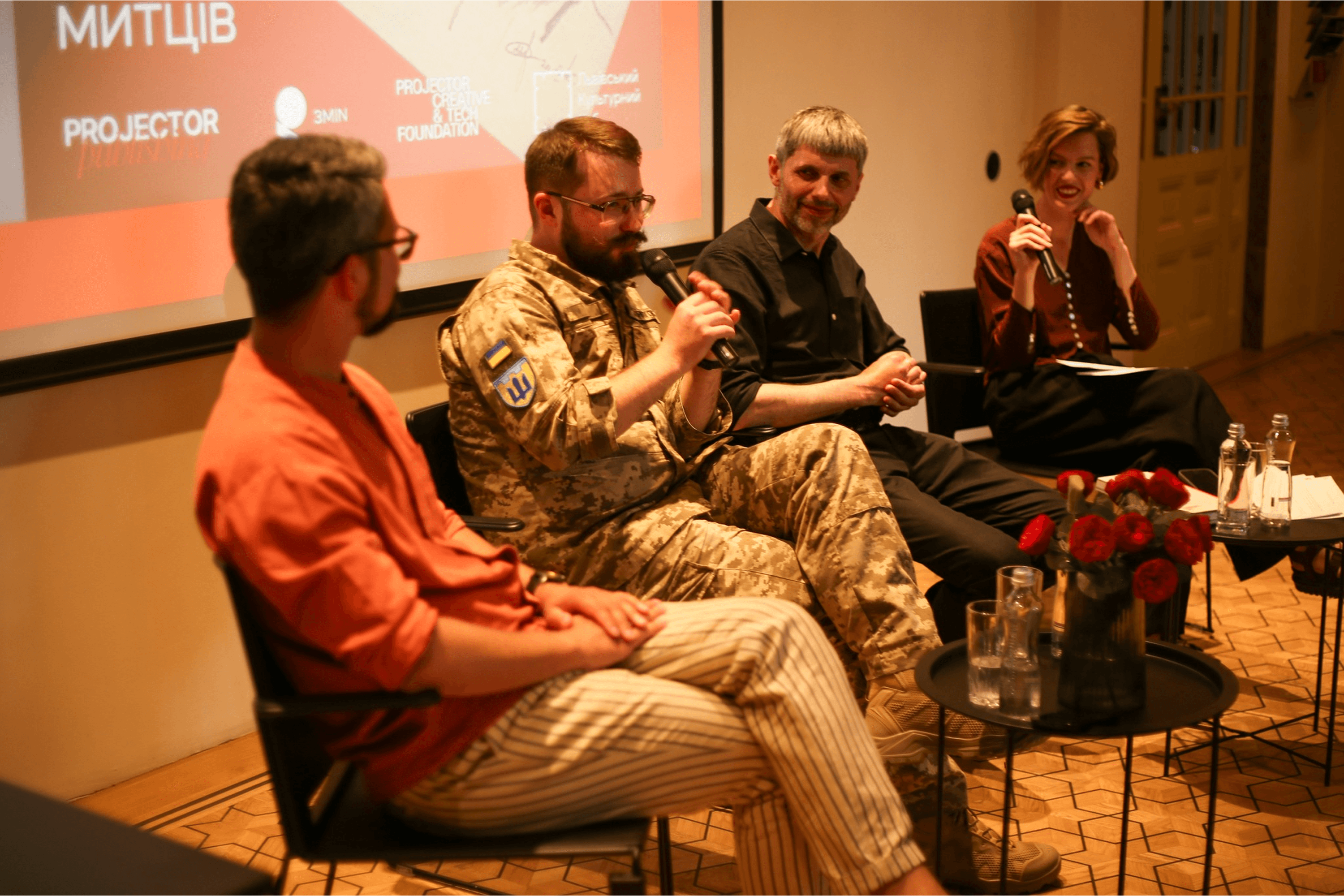
Photo: ЗМІN Foundation / Facebook / YBBP 
Photo: ЗМІN Foundation / Facebook / YBBP 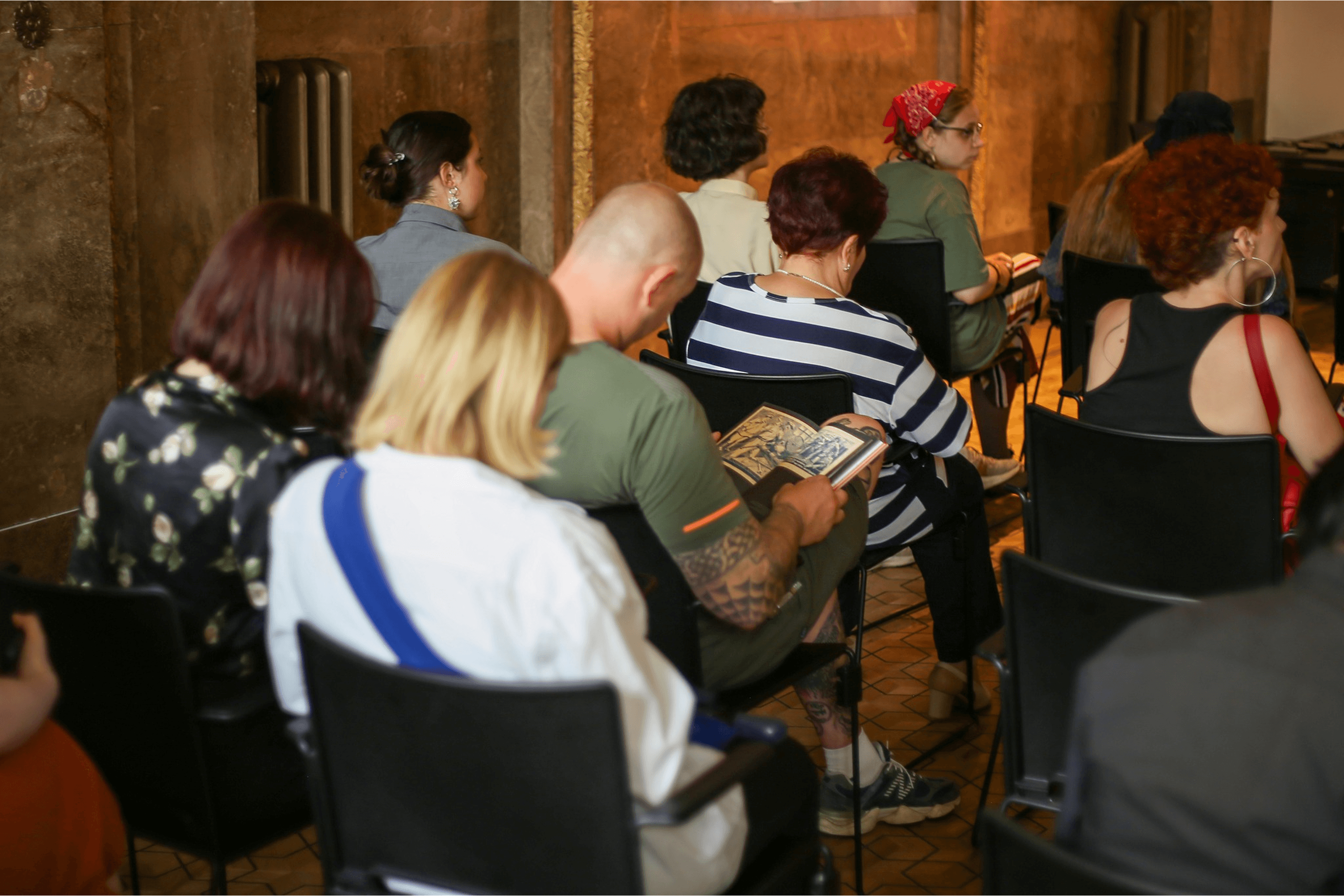
Photo: ЗМІN Foundation / Facebook / YBBP 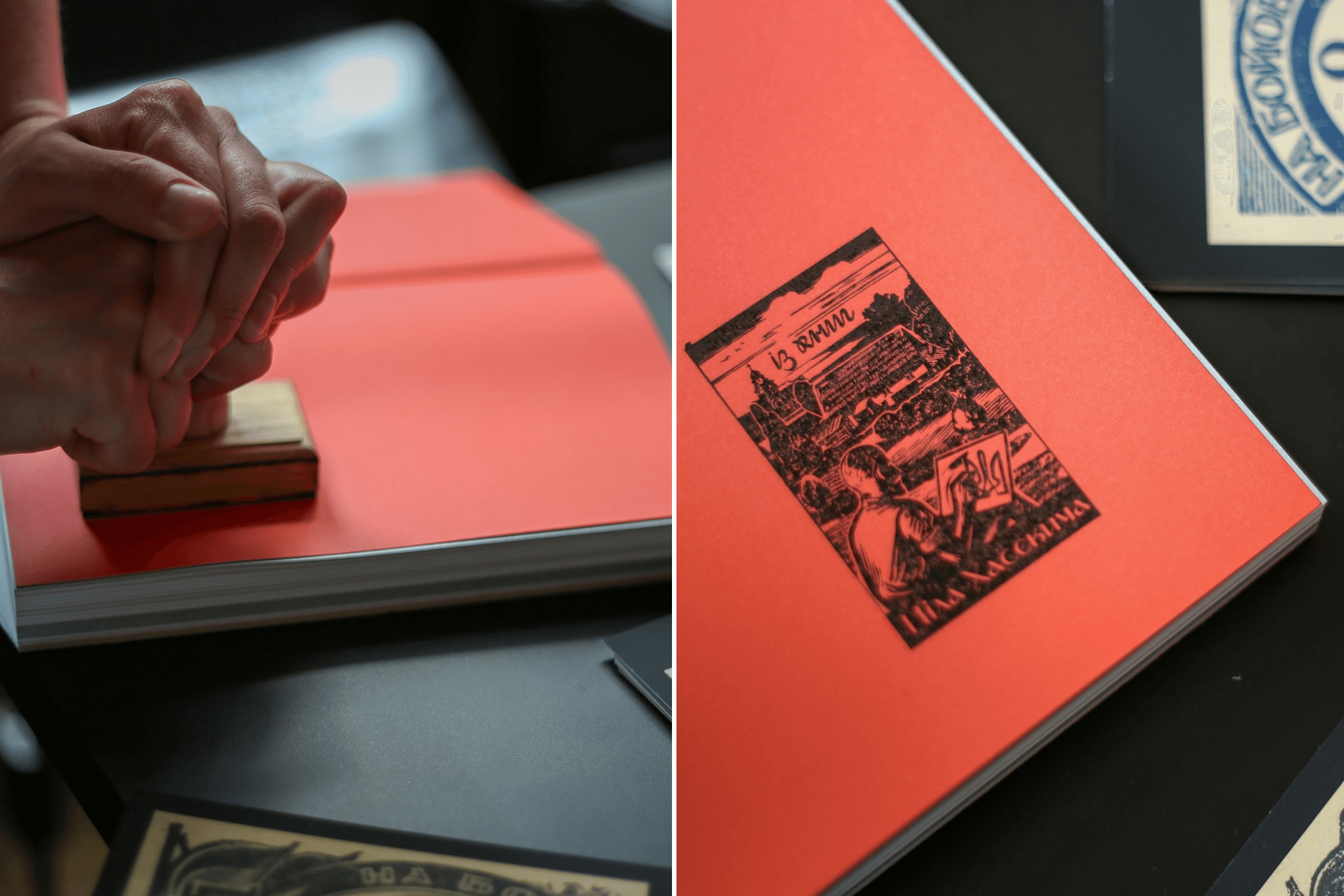
Photo: ЗМІN Foundation / Facebook / YBBP
Decolonization matters not only on major global platforms, but also through personal action. One story stands out. After reading a book about Oleksandra Ekster, a Ukrainian who had lived for decades in a small town in France succeeded in persuading the local municipality to change the designation on Ekster’s burial site. It was revised from “Russian artist” to “Ukrainian.”
We do not use the language of “help” or “giving something to someone.” We invest. This is about growth and multiplication. In our case, the return is social change. It’s capital, and it can be measured. The scale of investment depends on the nature of the project. Some organizations come with very focused requests and budgets of up to UAH 100,000. Others are long-term and resource-intensive, such as collaborations with Projector Publishing on Ukrainian artists or with military schools, where investment can exceed UAH 5 million.
We look for areas where investment creates real change rather than simply passing funds through the system. We also provide scholarships to support individual professionals. For us, this reflects trust in people. We work both with established institutions such as the Ukrainian Institute and with individual initiatives. One example is a scholarship for researcher Dmytro Moiseienko, a polytechnic university student who came to us with a project on urban street lighting from late modernism, including the 1920s, the interwar period, and the Soviet era. The project addresses changing approaches to energy efficiency, especially in the context of shelling. Researching historical street lamps allows us to preserve them and integrate them into new urban energy systems.
You don’t always need large capital to create substantial impact. In 2023, we began supporting the Azov–Black Sea Ornithological Society at a time of acute risk. Both the researchers and their work were under threat of physical destruction. Their archive consists of handwritten field journals documenting thirty years of bird research in the region. This is the third year we’ve provided a scholarship to digitize this exceptionally valuable body of work. This protects the archive and makes it accessible to the global scientific community. The most important result is visibility. Ukrainian researchers in this field are now part of international scientific databases.
There’s a misleading idea that this kind of work is primarily inspirational. Spreadsheets are far easier than working with people in extremely vulnerable wartime situations. At times, this requires patience to avoid disillusionment. The team is crucial. Without it, you lose your footing. There is no illusion of a perfect dream team. There are always complex processes. What matters is that these people contribute their talent so the organization and its partners can continue to grow.
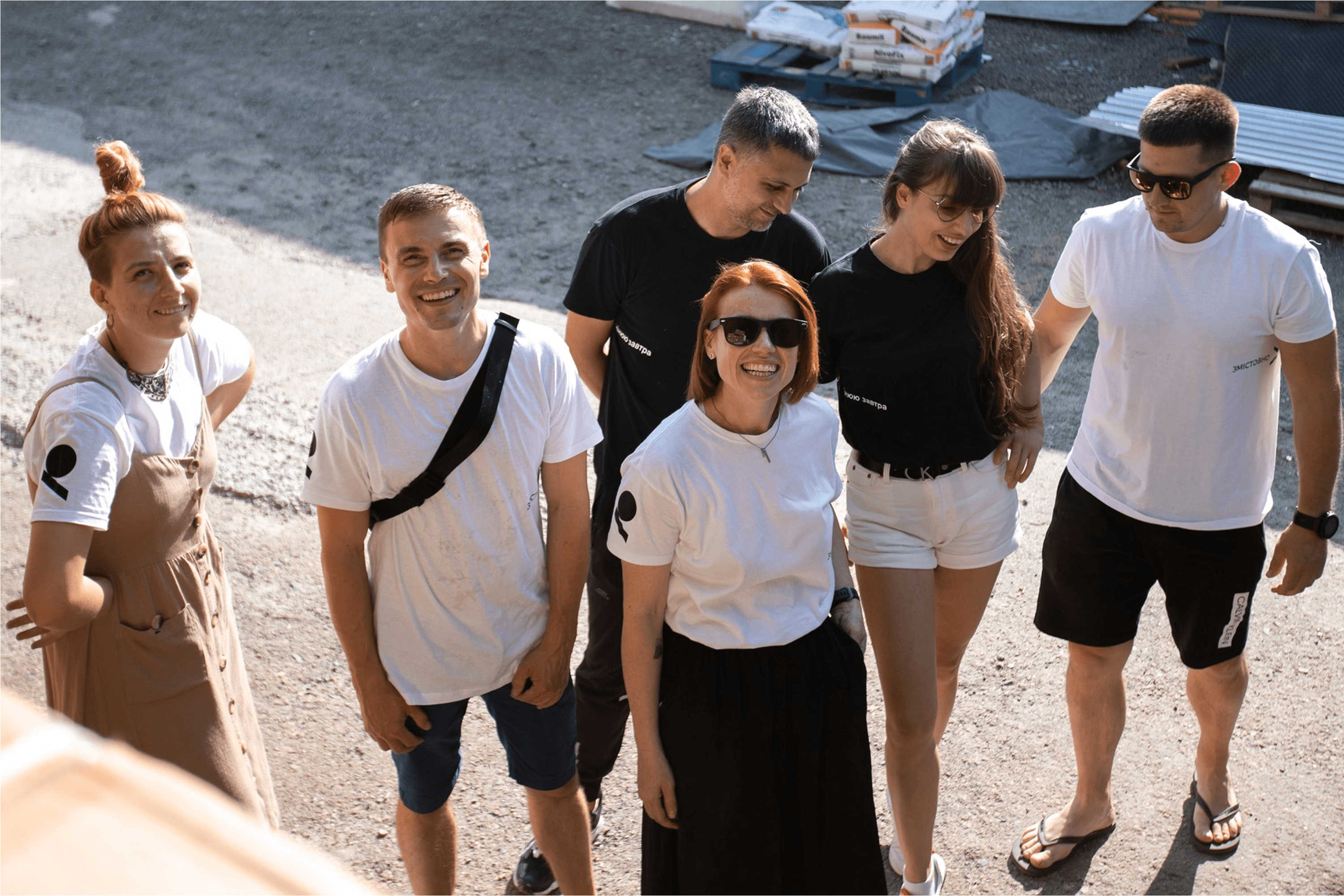
Khrystyna Boyko with some members of the ЗМІN Foundation team. Photo: ЗМІN Foundation / Facebook / YBBP 
Photo: ЗМІN Foundation / Facebook / YBBP 
Photo: ЗМІN Foundation / Facebook / YBBP 
Photo: ЗМІN Foundation / Facebook / YBBP 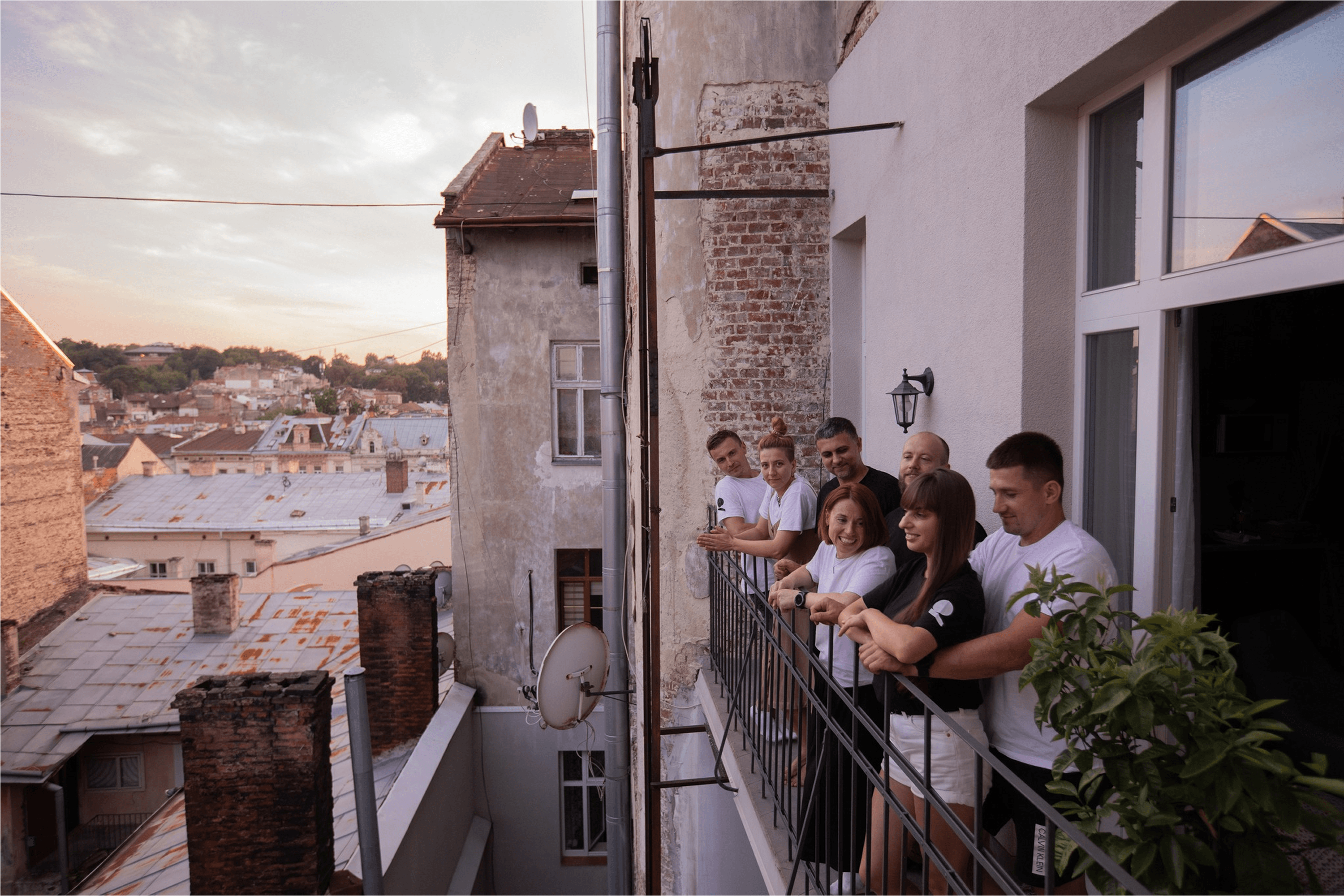
Photo: ЗМІN Foundation / Facebook / YBBP
Truly meaningful change rarely carries your name. If a real transformation occurs fifteen years after an investment, there will be no plaque crediting a particular organization as its originator. This takes courage and maturity. We have no illusions that everything works flawlessly. We measure our work rigorously. We use theory-of-change metrics that map how decisions made by the teams we support influence specific sectors. This requires data. As in business, no serious investment is made without analytics. We deliberately avoid acting on emotion. That, too, is a form of responsibility.
Ukraine is roughly twenty years behind in building sustainable connections with the world. Today, we are effectively trying to catch the last train in order to have a voice on international platforms and establish Ukraine’s presence in science, education, and culture. This is why we support partners with international reach who amplify the voice of Ukrainian society abroad. It matters to show that Ukraine is not only asking for support during wartime, but is also able to contribute expertise, research, and scientific knowledge.