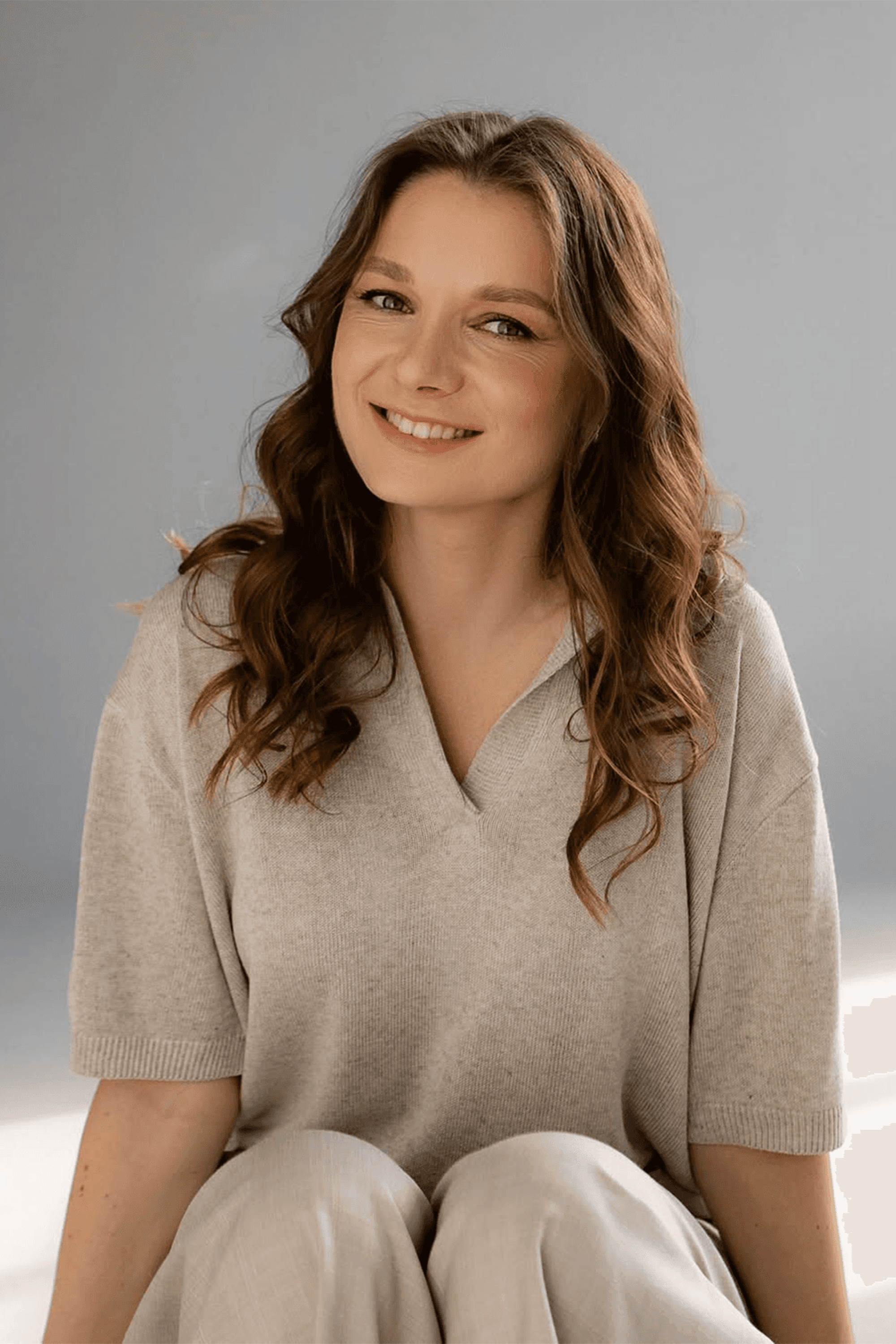
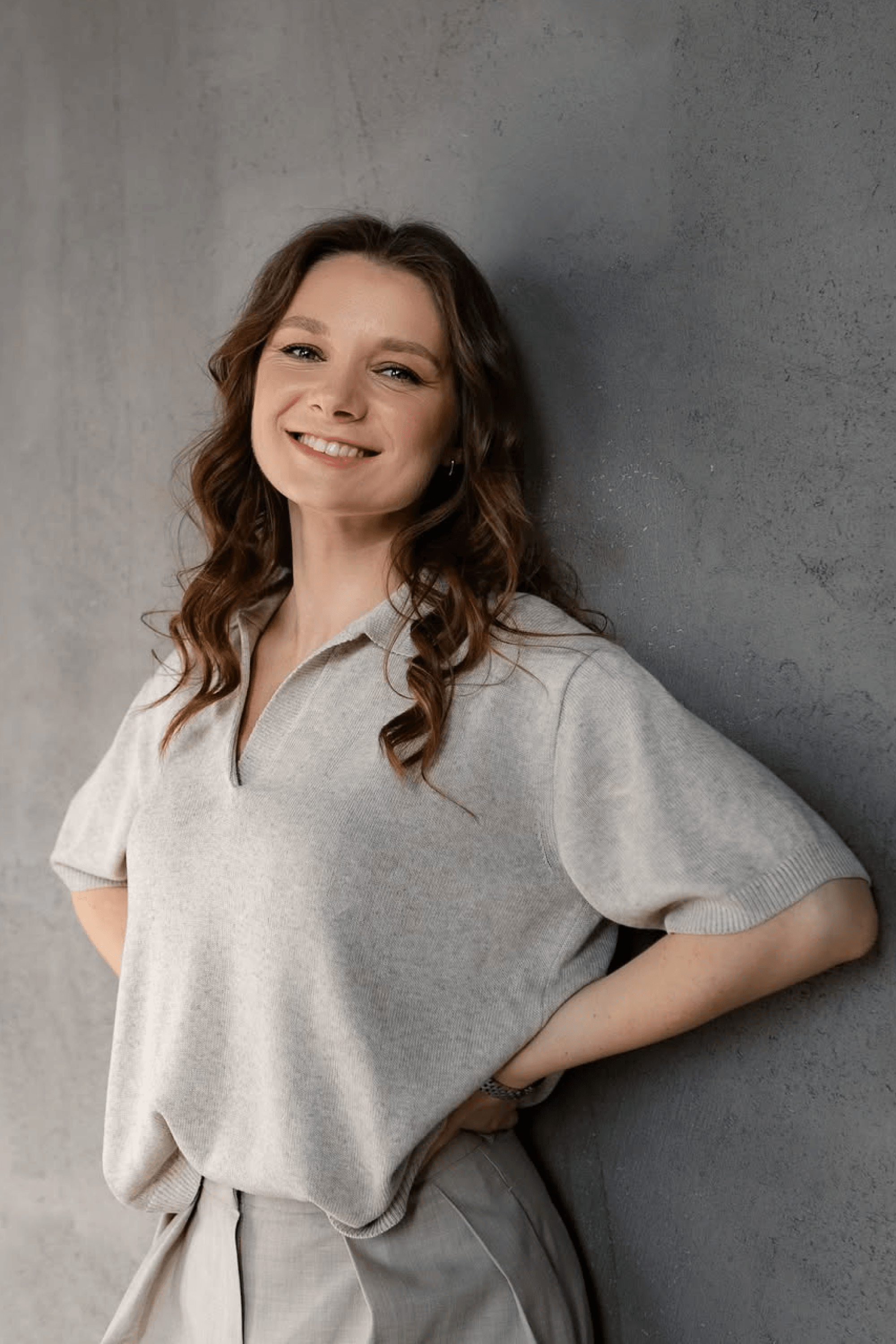
Valeria Tymotievych has worked in marketing for more than 12 years, most of that time at Fedoriv Agency, one of Ukraine’s best-known marketing agencies. Valeria developed brand strategies for major Ukrainian and international companies, including Ukrnafta, WOG, and Multiplex. After the start of Russia’s full-scale invasion of Ukraine in February 2022, she moved to the capital of the United Arab Emirates (UAE), Dubai. This unexpectedly gave new momentum to her ideas. After assessing the scale and prospects of the local real estate market, Valeria, together with Andriy Fedoriv, opened a niche marketing agency in the UAE with a focus on the development sector — Volta Buro.
In 2.5 years, the agency has implemented more than 20 marketing campaigns and brand strategies in the Emirates, Saudi Arabia, Indonesia, Germany, the United States, and Ukraine: from a resort in Bali and modular housing to large residential complexes and wellness developments.
Artem Moskalenko, a journalist with the Yellow Blue, met with Volta Buro CEO Valeria Tymotievych to talk about launching the agency, the advantages of a niche focus, and the specifics of working in the UAE market.
When and how did the idea to create the marketing agency Volta Buro come about?
My experience in marketing spans more than 12 years. For four of those years, I worked at Fedoriv Agency, developing strategies for various brands, including Ukrnafta, WOG, Multiplex, and medical companies. About six years ago, I began receiving many requests from property developers to create marketing campaigns and brand strategies. Over time, I became increasingly knowledgeable about development and the marketing associated with it and, one could say, came to specialize in this area.
After the start of the full-scale war, I was forced to move to Dubai. There, I saw the enormous scale of the real estate market and that it is among the fastest-growing markets in the world. Last year, I even came across statistics suggesting that every fifth construction crane on the planet is operating in the UAE. So Andriy Fedoriv and I discussed this and decided that we wanted to enter this market, but doing so would require a separate niche agency.
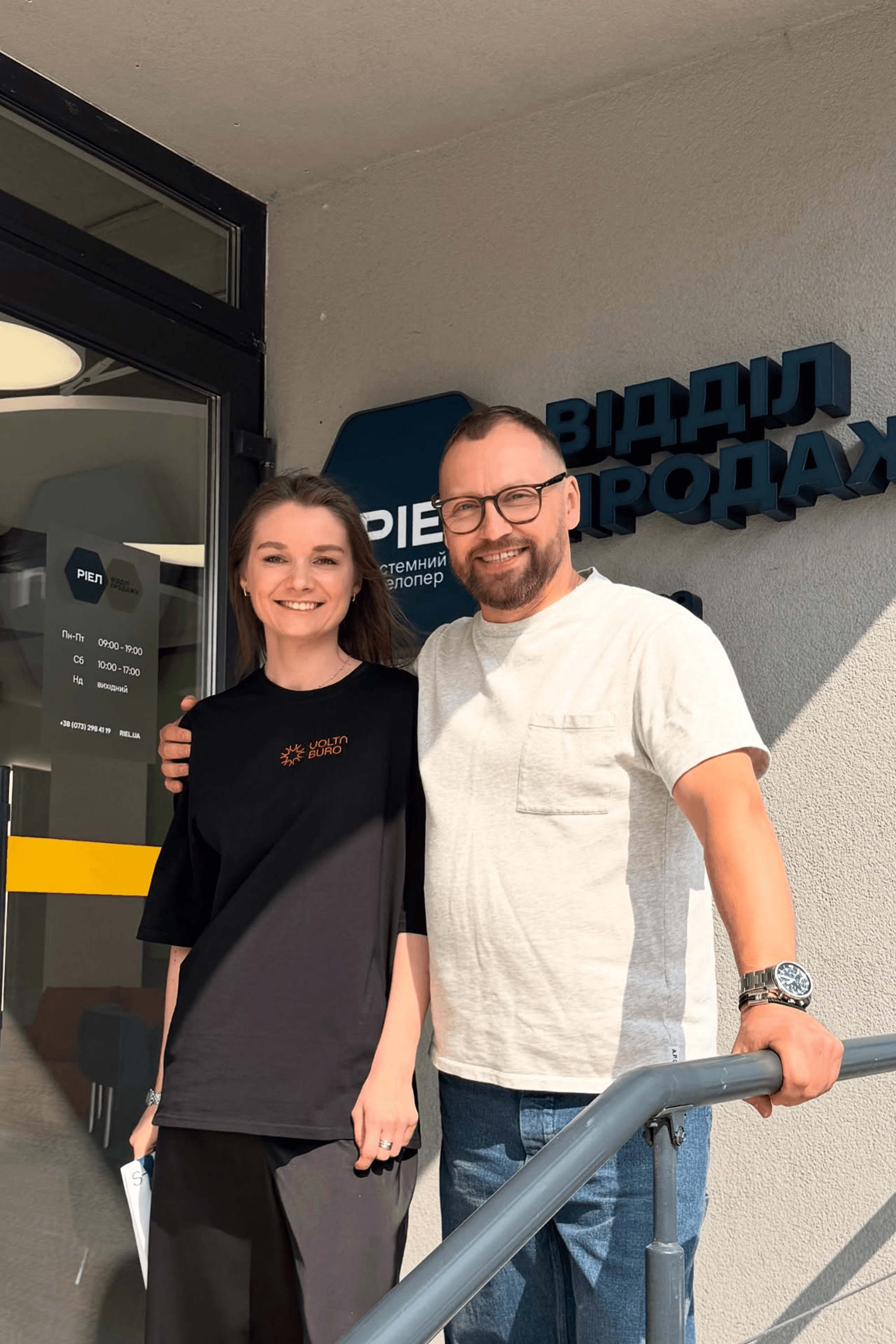
That is how Volta Buro was born about 2.5 years ago. It all started when Andriy Fedoriv brought us our first major client, the Ukrainian developer Taryan Group. They commissioned the development of a brand for their resort in Bali, and for this project I assembled a team that ultimately became the core of Volta Buro. Today, it is an international real estate marketing agency working with projects in the UAE, Saudi Arabia, Indonesia, Germany, the United States, and Ukraine.
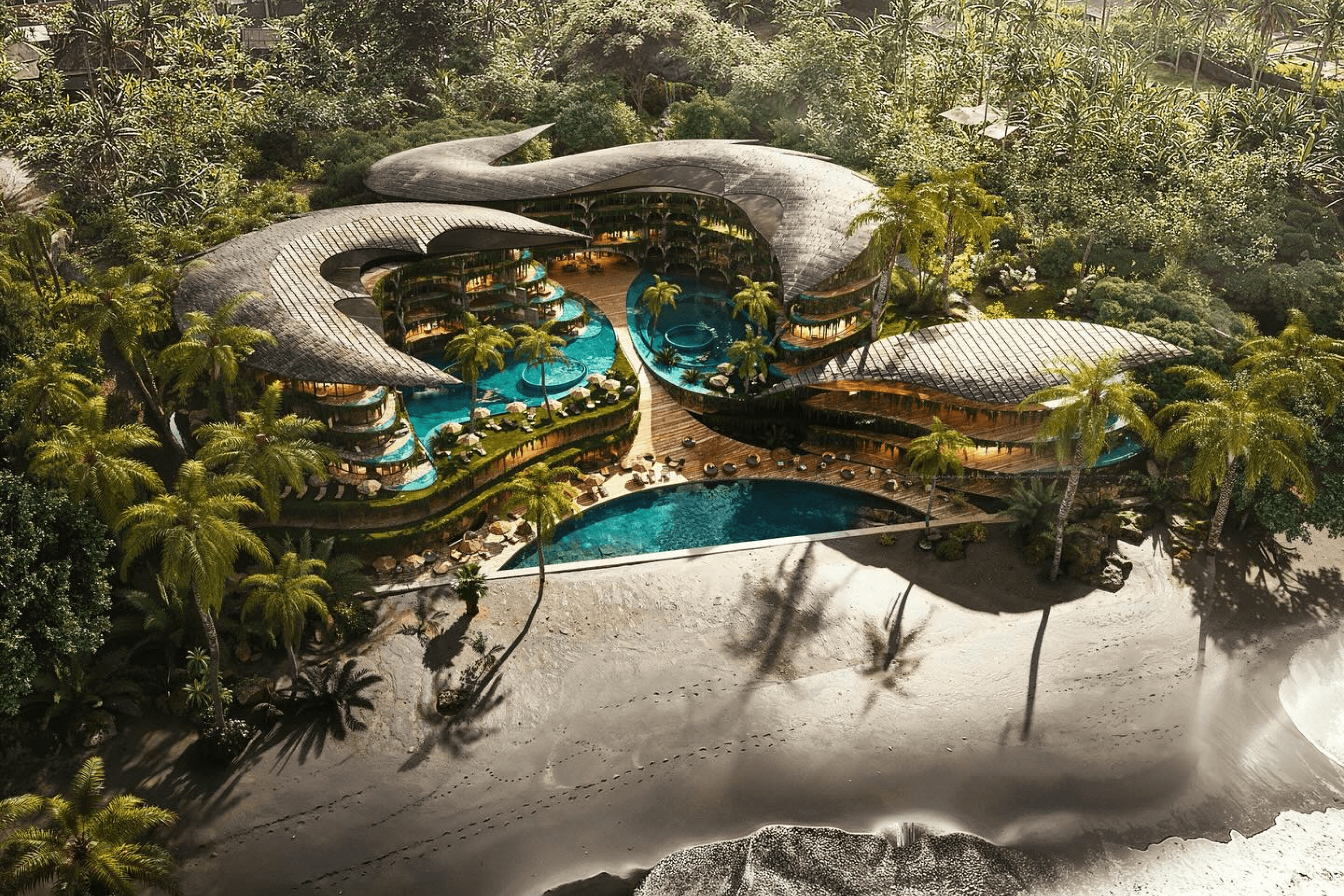
The Taryan Dragon resort in Bali featuring a brand by Volta Buro. Photo: Taryan Group / YB 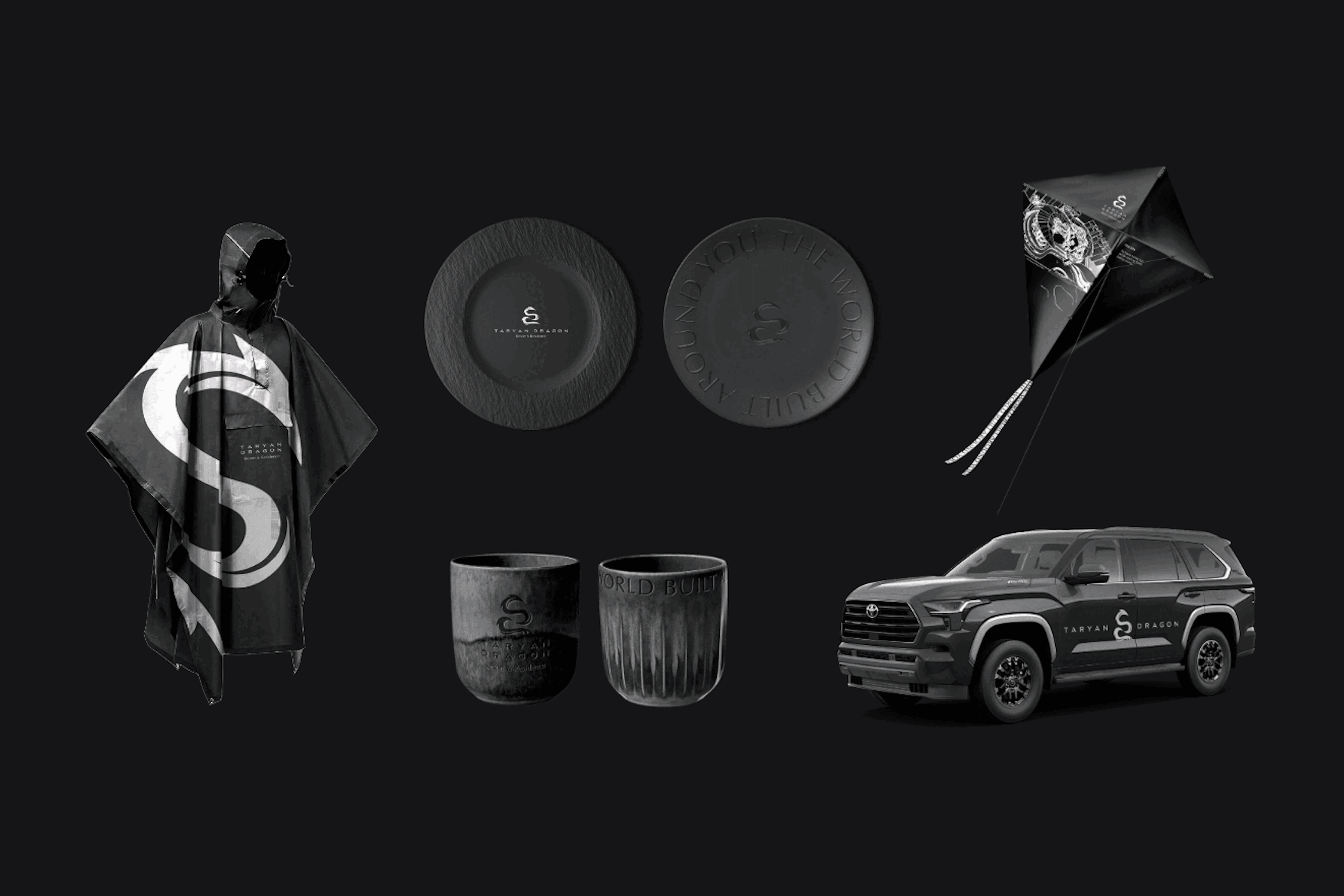
Photo: Volta Buro / YB 
Photo: Taryan Group / YB 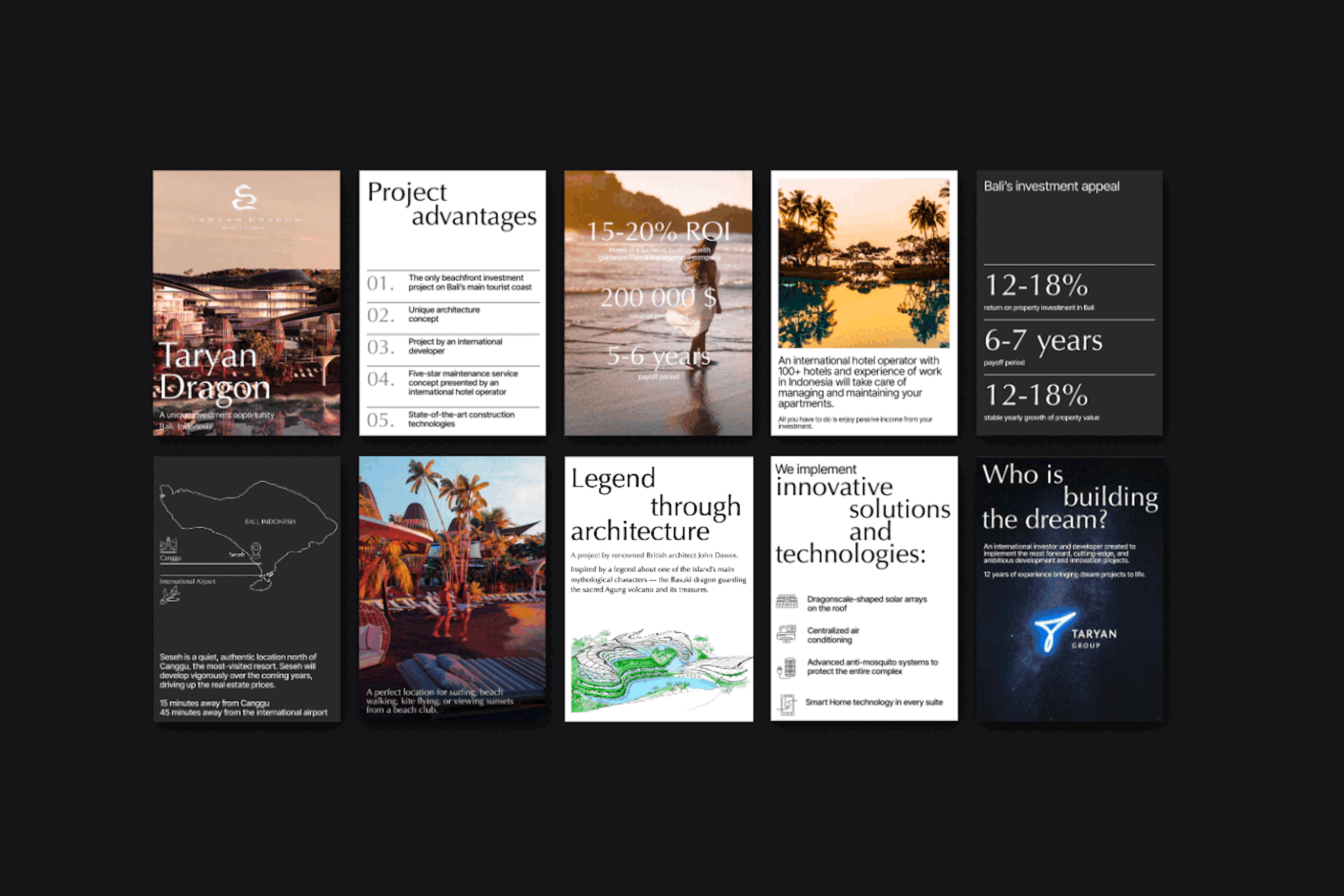
Photo: Volta Buro / YB 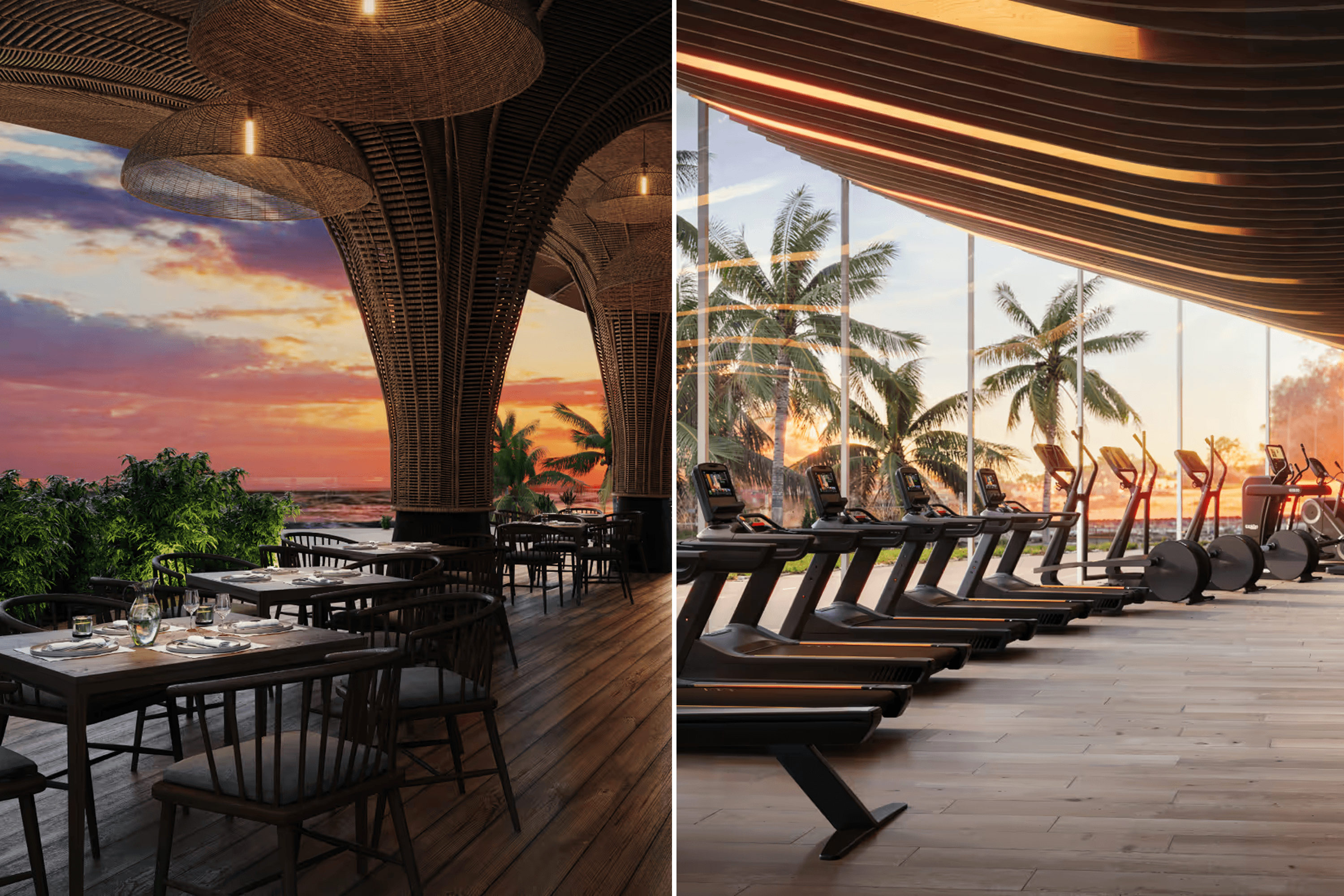
Photo: Taryan Group / YB 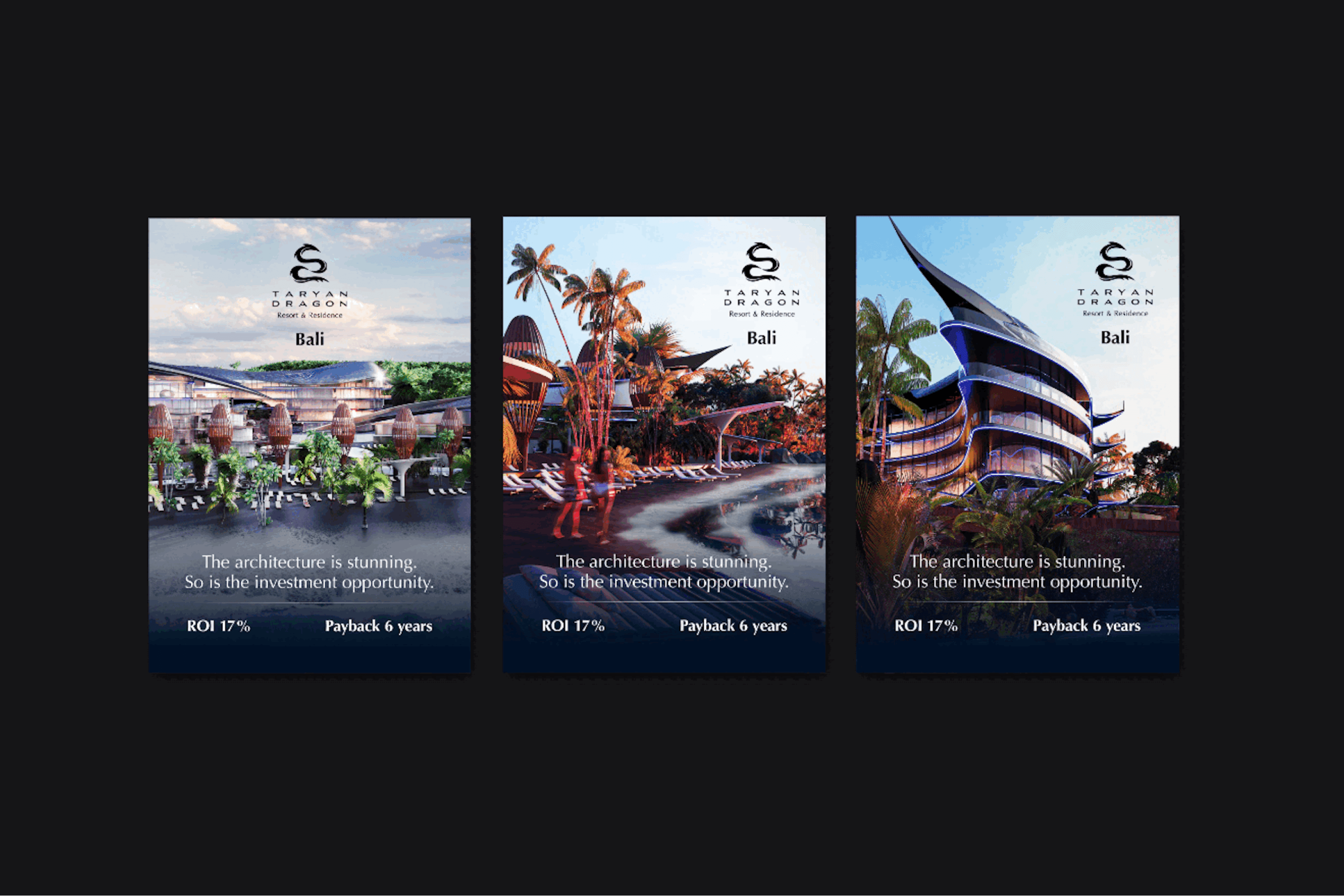
Photo: Volta Buro / YB 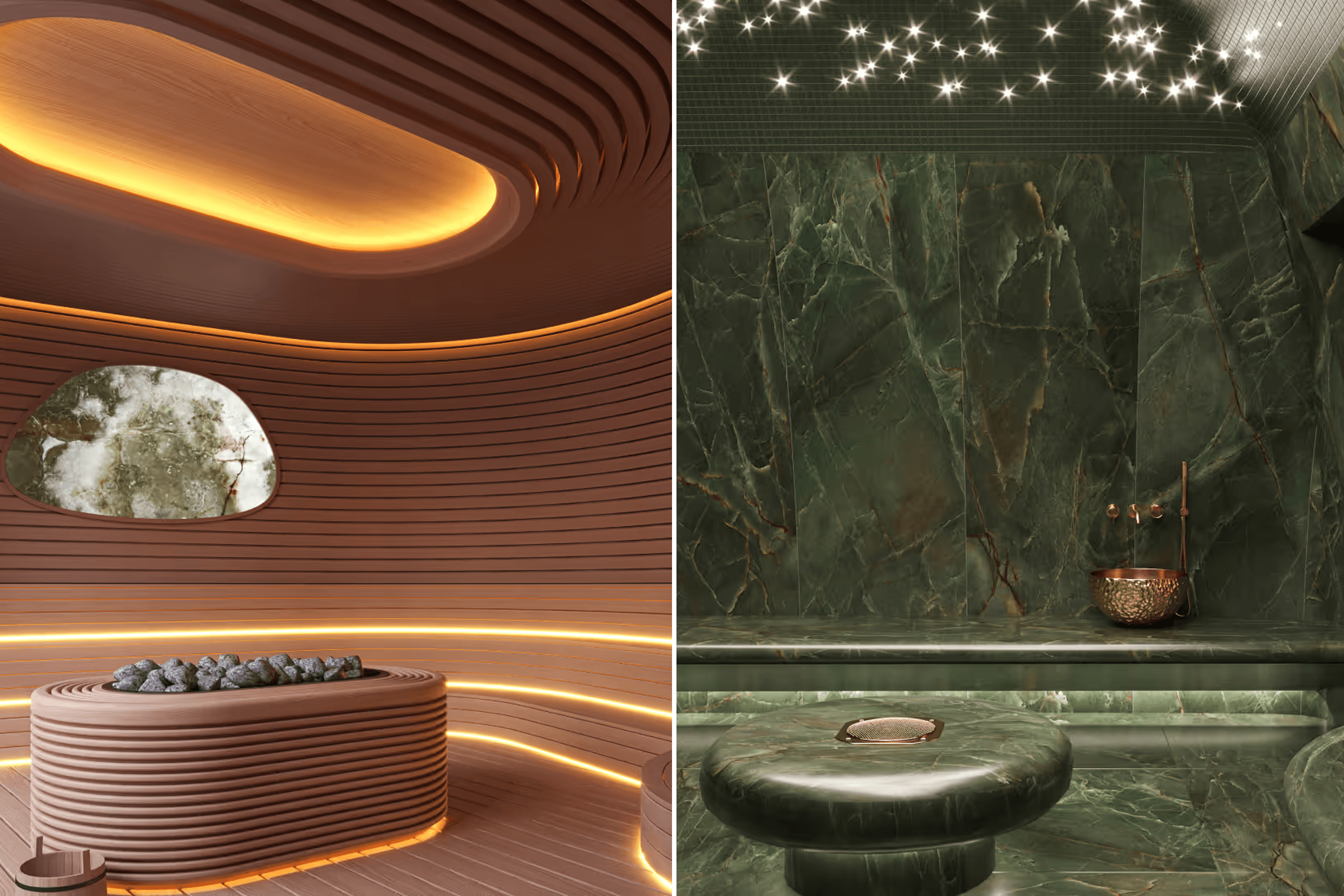
Photo: Taryan Group / YB 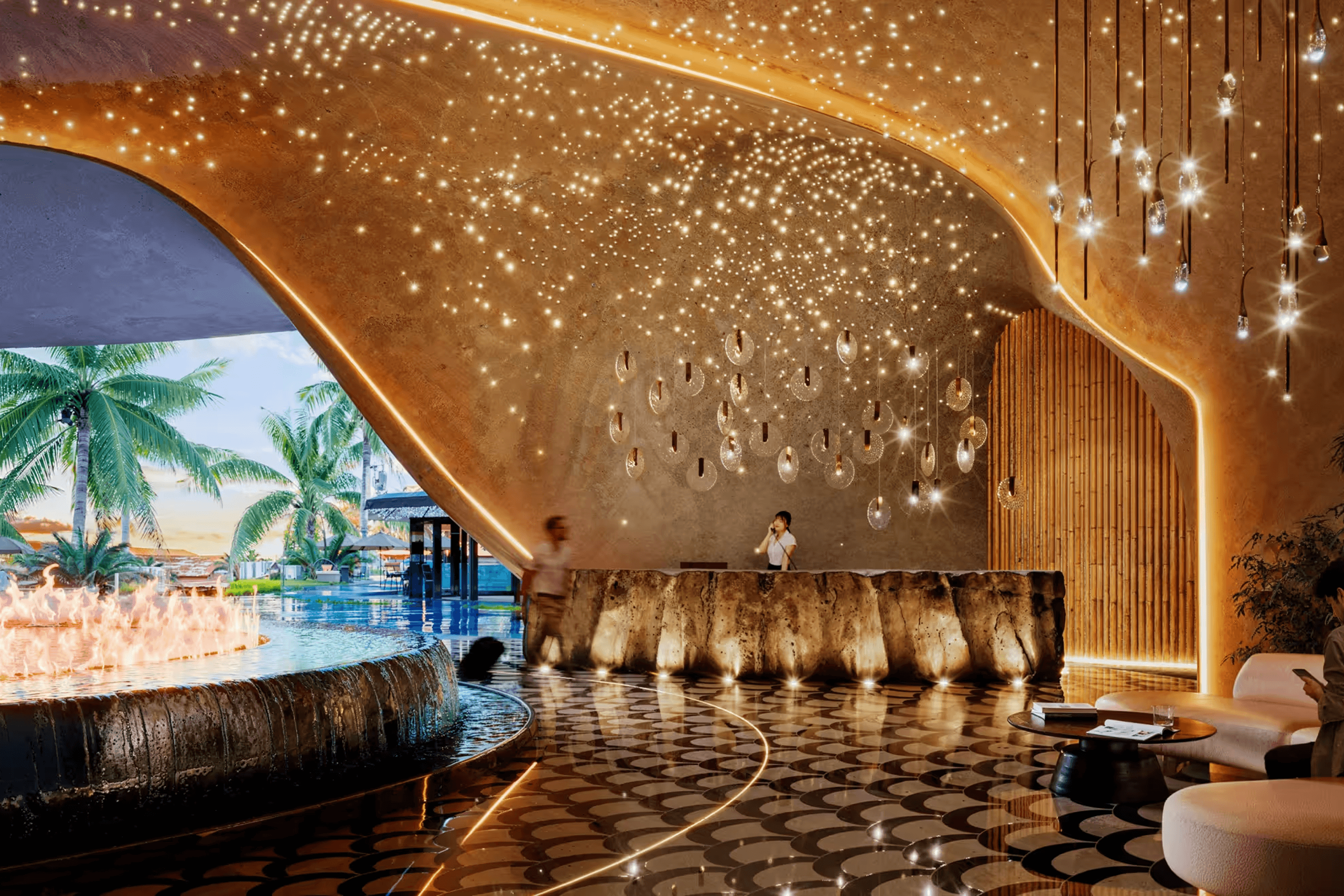
Photo: Taryan Group / YB
Why was there a need for a separate agency and team?
Fedoriv Agency is a supermarket of strong solutions, wide-ranging and multidisciplinary. It works with different brands across various industries. But real estate is very different from other categories. To work in this field, you need to understand the market and dive deep into trends in urbanism. That is why the team has to be tailored specifically to this area. The brand also needs to be separate, one that will be associated specifically with development.
What are the terms of your partnership with Andriy Fedoriv?
Essentially, we work in a 50/50 format. I am responsible for ideas, operations, the quality of the final product, and client acquisition. Andriy helps with the agency’s growth strategy and potential clients, referring developers who approach Fedoriv Agency to us.
What specific services do you offer clients?
Primarily, our clients are developers who build residential complexes. We provide them with marketing and consulting services. If a project is already developed and a client comes to us at the sales stage, we step in to handle advertising and communications.
However, it is much more interesting to work at earlier stages. This is when a developer has a plot of land and a general vision of how many square metres need to be built, what the financial model looks like, and what results are expected, but does not yet have a concept or an idea.
In that case, we look at the site and the surrounding infrastructure and help shape the product itself — what the residential complex will be like and what its distinctive feature will be. Next, we prepare a big list of infrastructure solutions and, together with the client’s architects, distribute them across the site. Only after that do we move on to visualizations, communications, and brand books — in other words, the “packaging.”
Our work is not about image or pretty pictures. The core value lies in a deep understanding of how to improve the product and the environment for people. For example, we think about how young mothers will live in the complex: whether there is space for strollers, whether it is convenient to walk with children, and whether there is a washroom on the ground floor so a child does not have to run up to the 17th floor.
What is your typical model of cooperation?
Most often, we work on a project basis. We join at a very early stage and, in about three to four months, deliver a finished product — a marketing campaign or a brand strategy that the developer’s in-house marketing team then works with. If there is no such team, we help put one together.
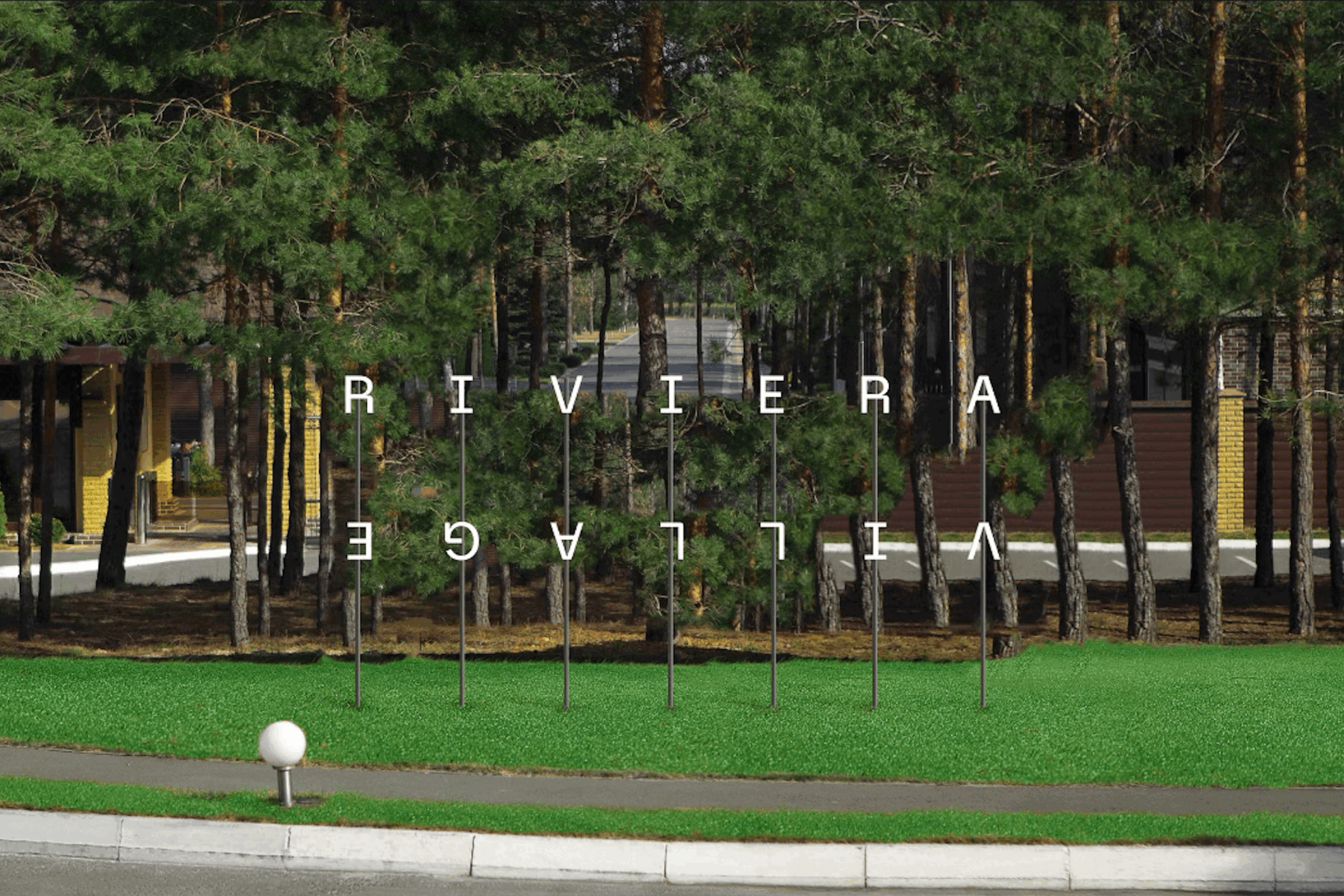
Volta Buro refreshed the brand identity of the residential complex Riviera Village. Photo: Volta Buro / YB 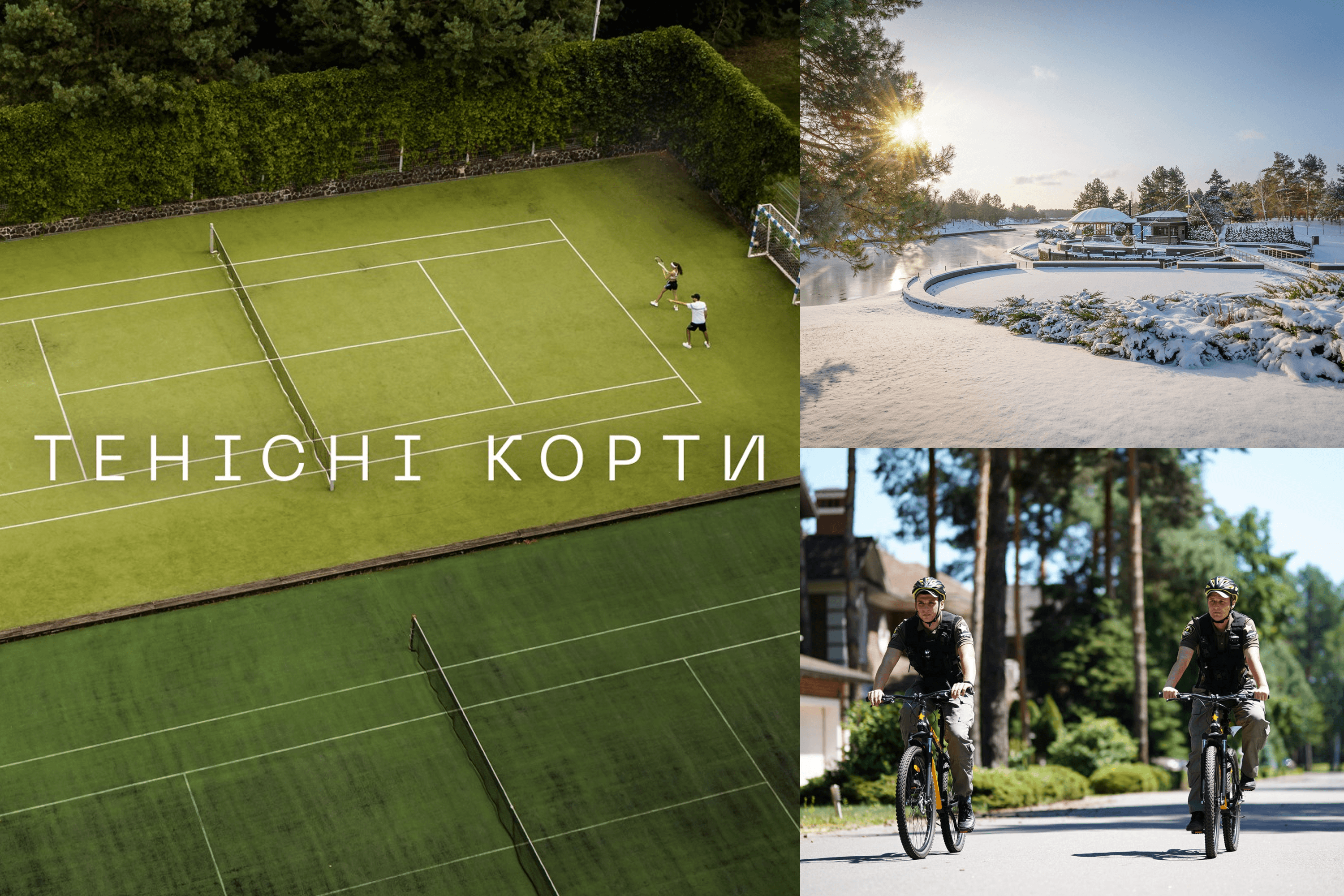
Photo: Volta Buro / Facebook / YB 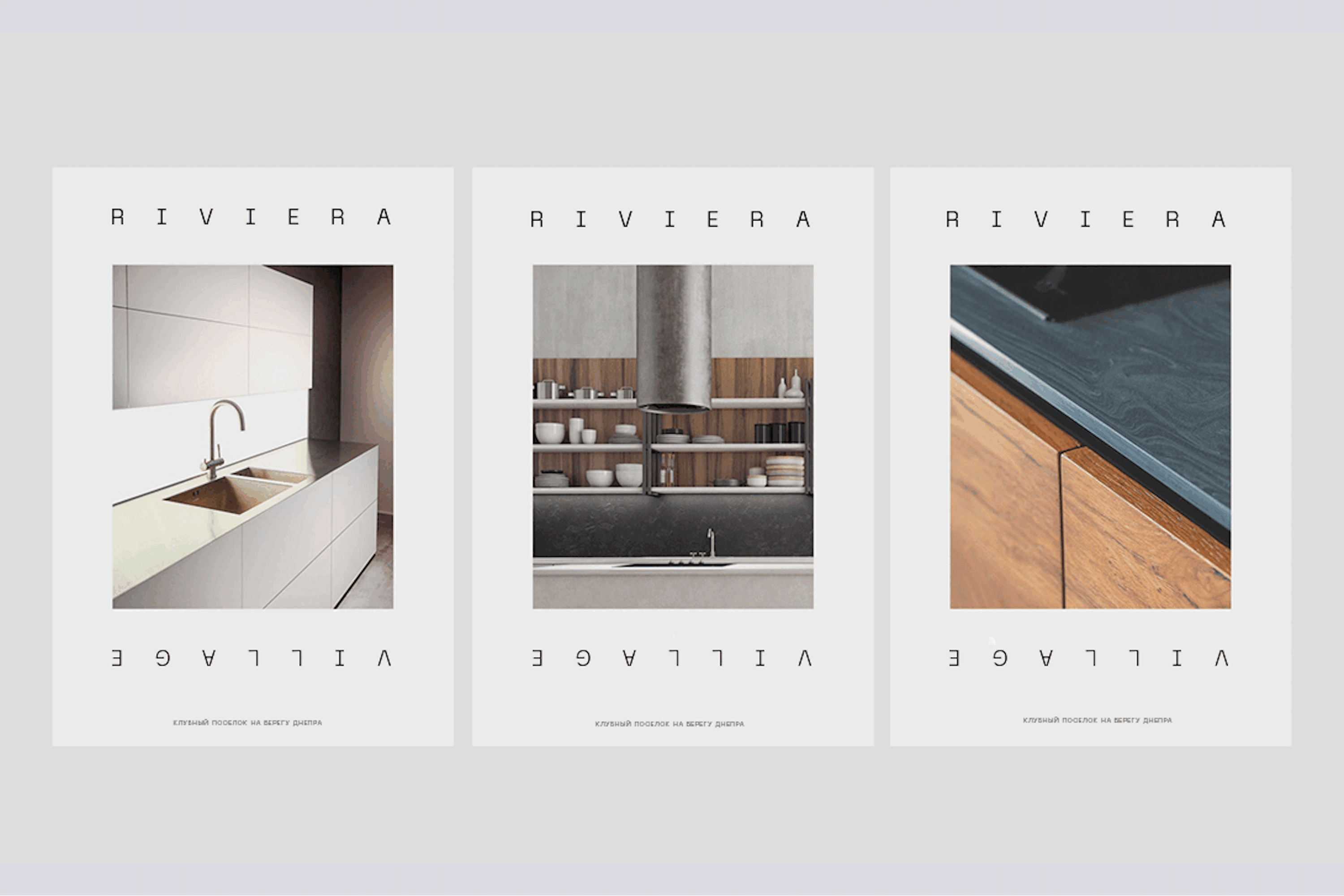
Photo: Volta Buro / YB 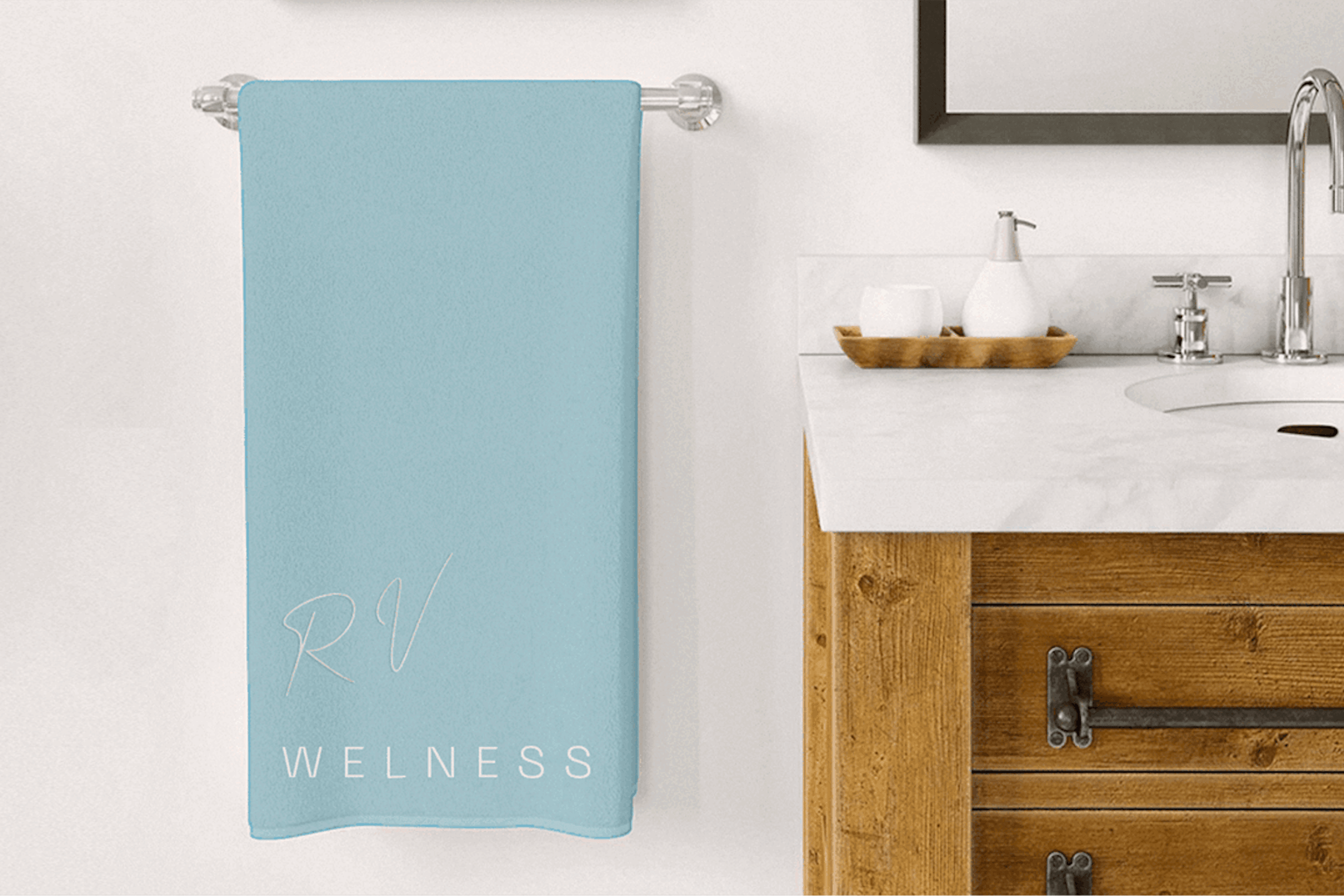
Photo: Volta Buro / YB 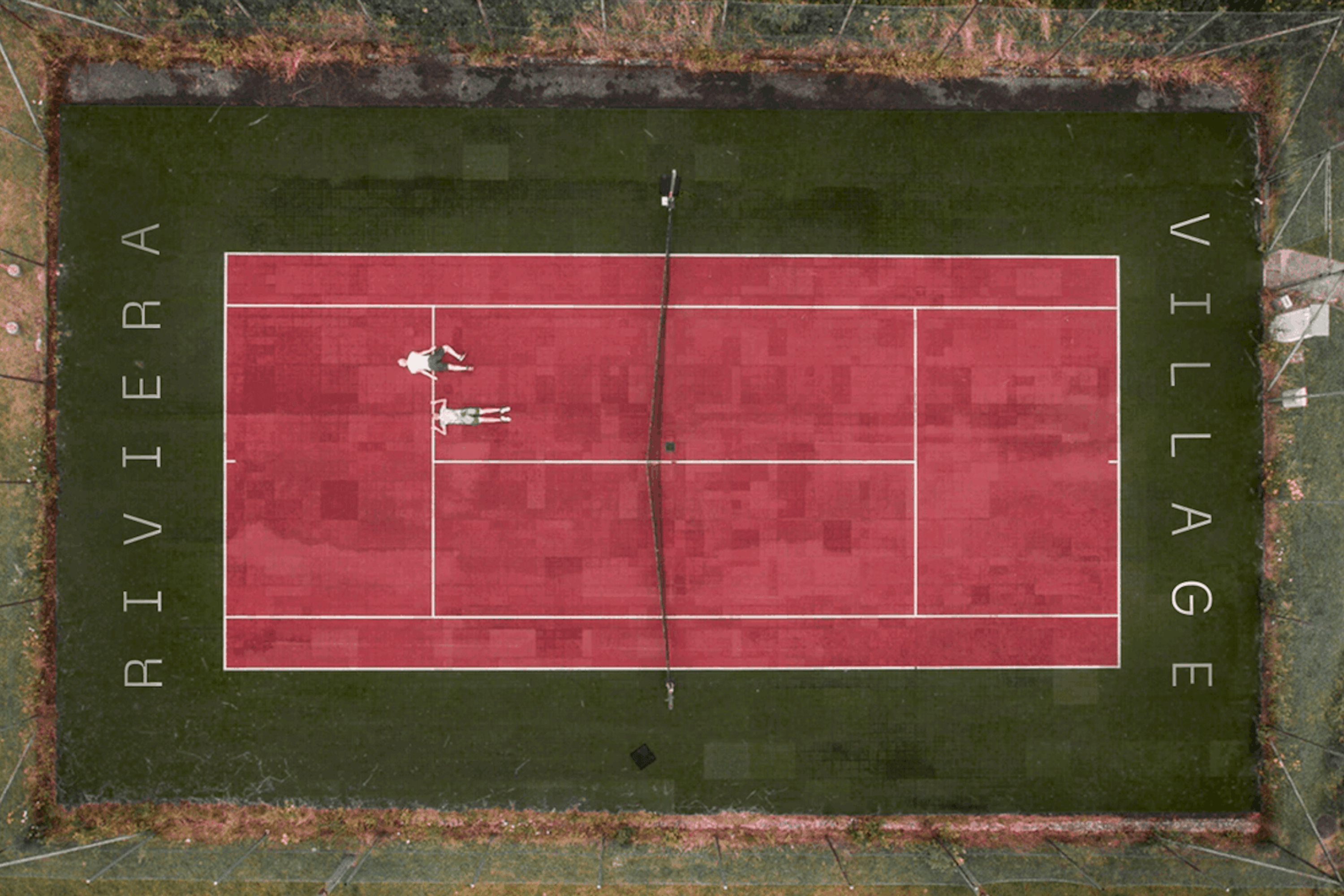
Photo: Volta Buro / YB 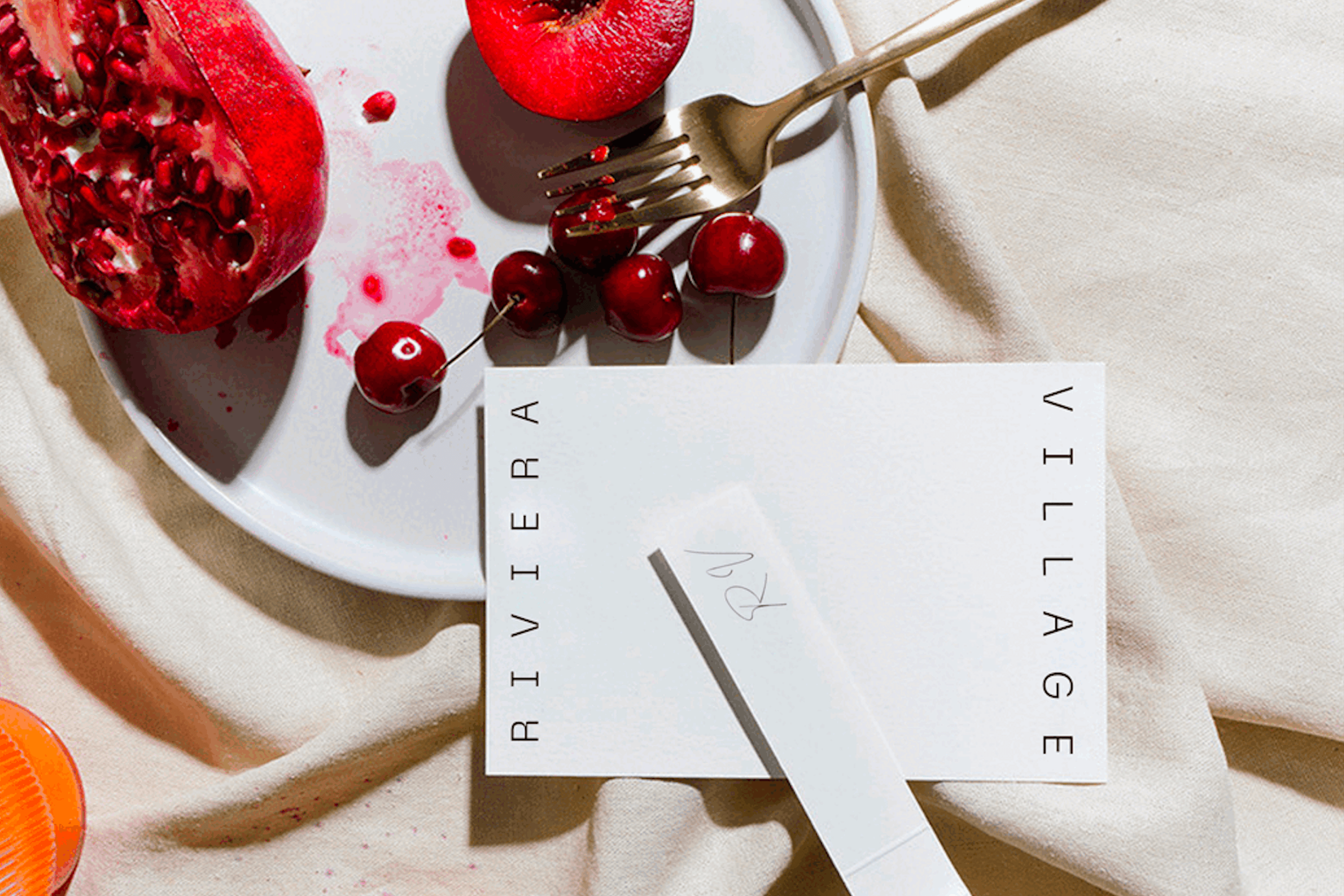
Photo: Volta Buro / YB
The second model of cooperation with us is communications support. This is when we set a fixed monthly budget that covers the team’s fees and the communications themselves, and within that framework we step into communications on a targeted basis. We monitor how the advertising campaigns launched by the client’s team are performing, help optimize lead generation, and assess the effectiveness of the sales team.
How many people are currently on your team, and what kind of specialists are they?
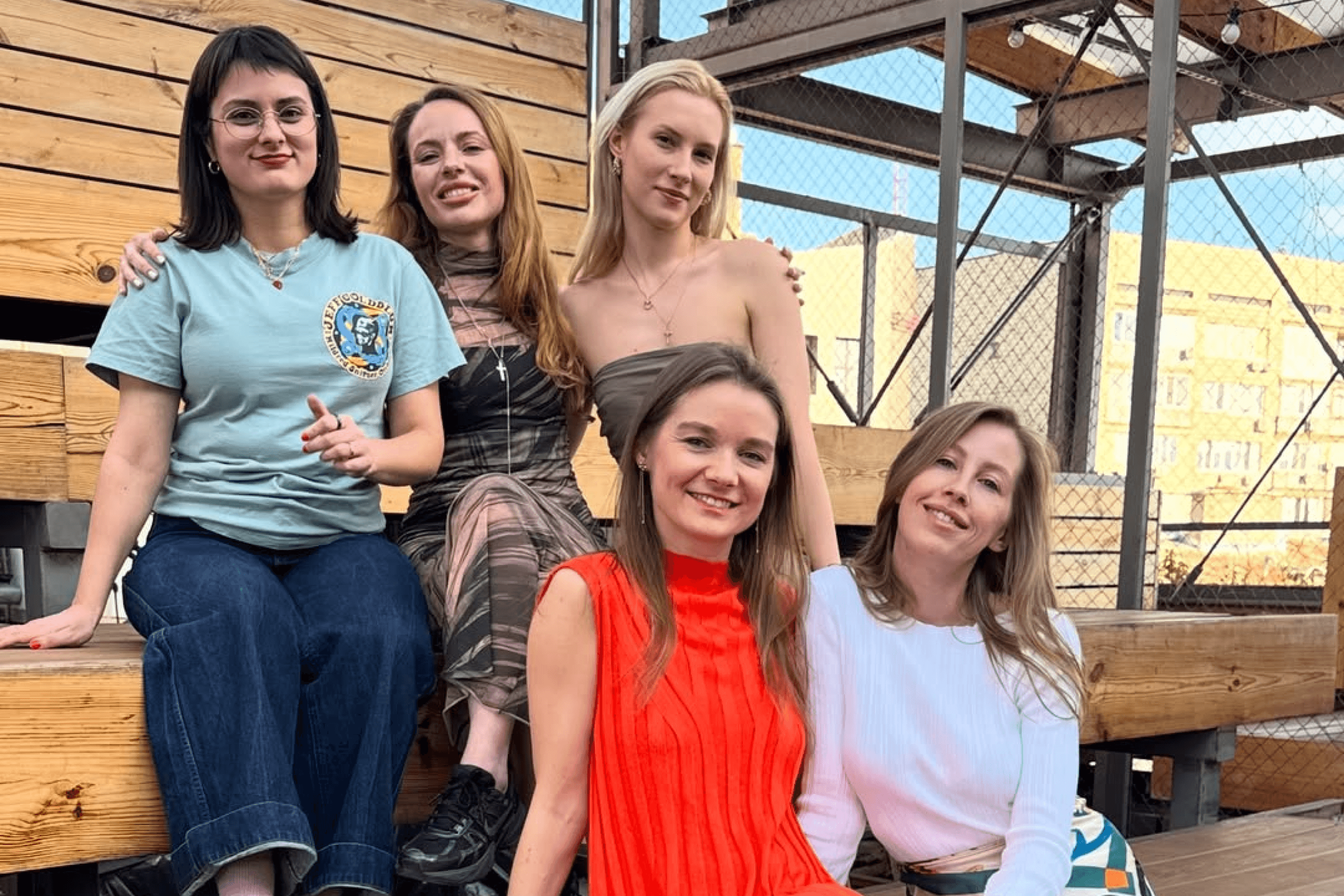
At the moment, the main team consists of 10 people. This includes me as CEO and co-founder, as well as strategists. They are responsible for resolving business tasks through marketing tools — developing a marketing campaign or a step-by-step brand-building strategy for each client. We also have designers and copywriters who work under the guidance of an art director.
In addition, we work on an outsourced basis with a network of more than a hundred contractors around the world. We bring them in for specific, narrowly defined tasks such as visualization, video production, and specialized SMM. We involve trusted PR specialists in each country, because to do quality PR, you need to be in the context of regional specifics.
If your team does not include specialists specifically focused on development, where do you get your expertise from?
We spend a great deal of time and resources searching for information, analyzing global trends, and studying case examples. To keep our finger on the pulse of the market, we purchase major international reports that analyze global architecture trends, as well as research on how people’s lifestyles are changing and what they expect from their environment. These reports and studies are prepared by specialized research agencies. The price of a single report can range from $800 to $4,000.
We take examples from the Netherlands, China, the United States, and Japan, structure them, and combine them into a single logic tailored to a specific location. For example, to understand current trends in the design of children’s playgrounds, we review 20–30 articles from various English-language sources. Many of our references come from Nordic countries — Denmark, Sweden, and the Netherlands. They are among the best researchers in urbanism and have produced interesting architecture over the past 60–70 years.
At the core of your team, do you work only with Ukrainians, or are there also foreign specialists?
Last year, specialists from the Middle East worked with us for a period of time. However, the depth of thinking, quality of work, speed, and level of engagement of Ukrainian specialists are the strongest. That is why we decided to work primarily with our own talent.
You chose a fairly narrow niche — development. Were you confident that this idea would work?
No. At the beginning, it was difficult. The hardest part was building a team from scratch, but once that was done, the agency began to gain momentum.
The feeling that we had truly “taken off” came in our second year of operation, when clients started coming to us through recommendations — when we saw that the team was booked two months ahead and that we physically could not take on more projects, and when I started being invited to speak at conferences in Saudi Arabia and became the first female speaker there.
Now I understand that we have truly managed to enter this niche. In the Emirates market, there are no more than five agencies like this, and we are one of them.
Why are there so few similar agencies in the UAE despite the large size of the market?
There are several reasons. First, developers are quite specific people. They are very open, but tough. They have their own vision, and they are not always ready to listen to other perspectives — even if that is precisely why they hired you. You have to look for compromise solutions and demonstrate results. Creative agencies are often not prepared for this kind of communication; they are used to a different, softer working style.
Second, marketing agencies often do not see much creative potential in development. Few want to work with the product itself in the way we do. Clients also often do not see the value of purely communications support and think they can handle it on their own.
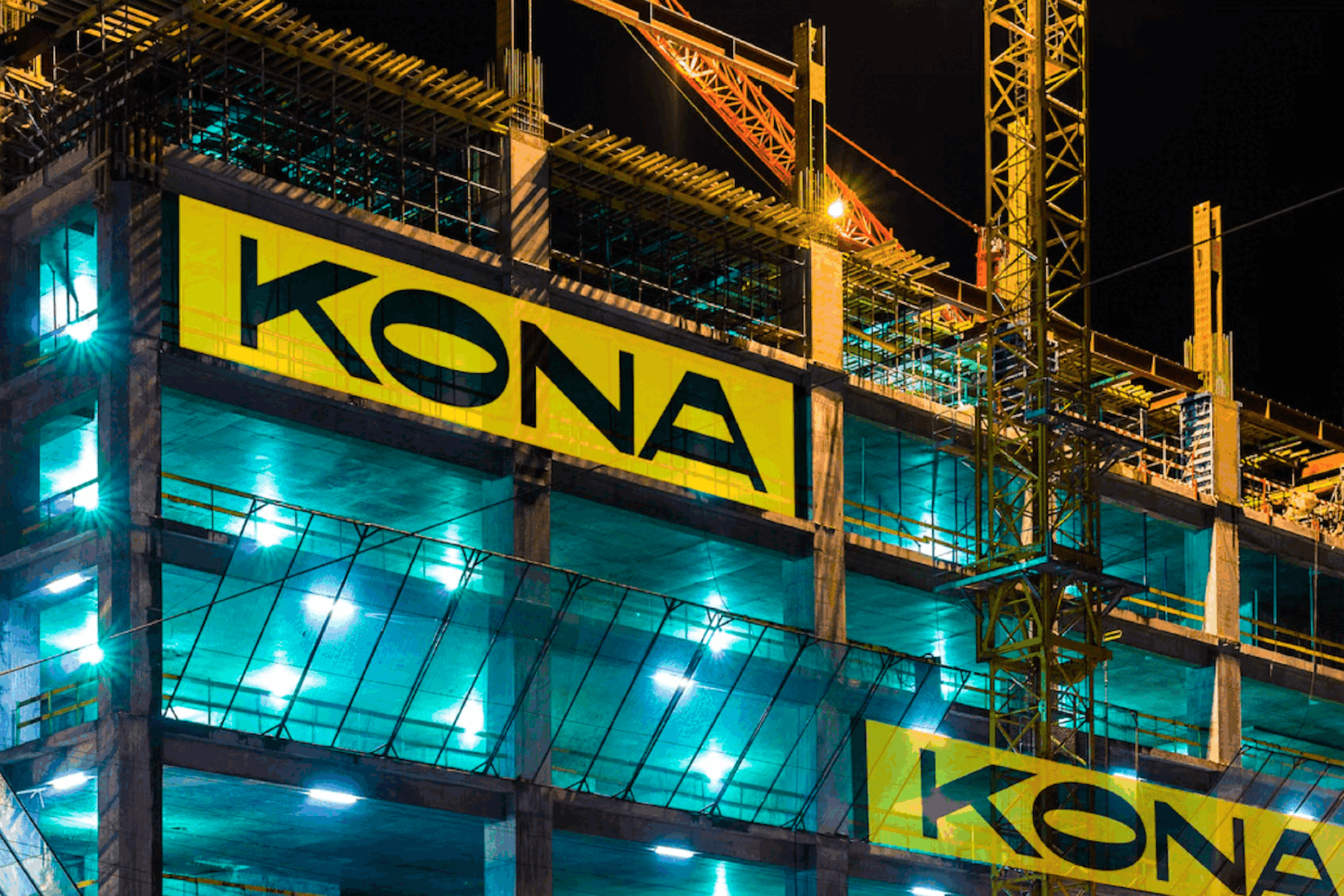
Volta Buro united several construction companies under a single brand: strategy and positioning, brand narrative, visual identity, naming, and a communication campaign. Photo: Volta Buro / YB 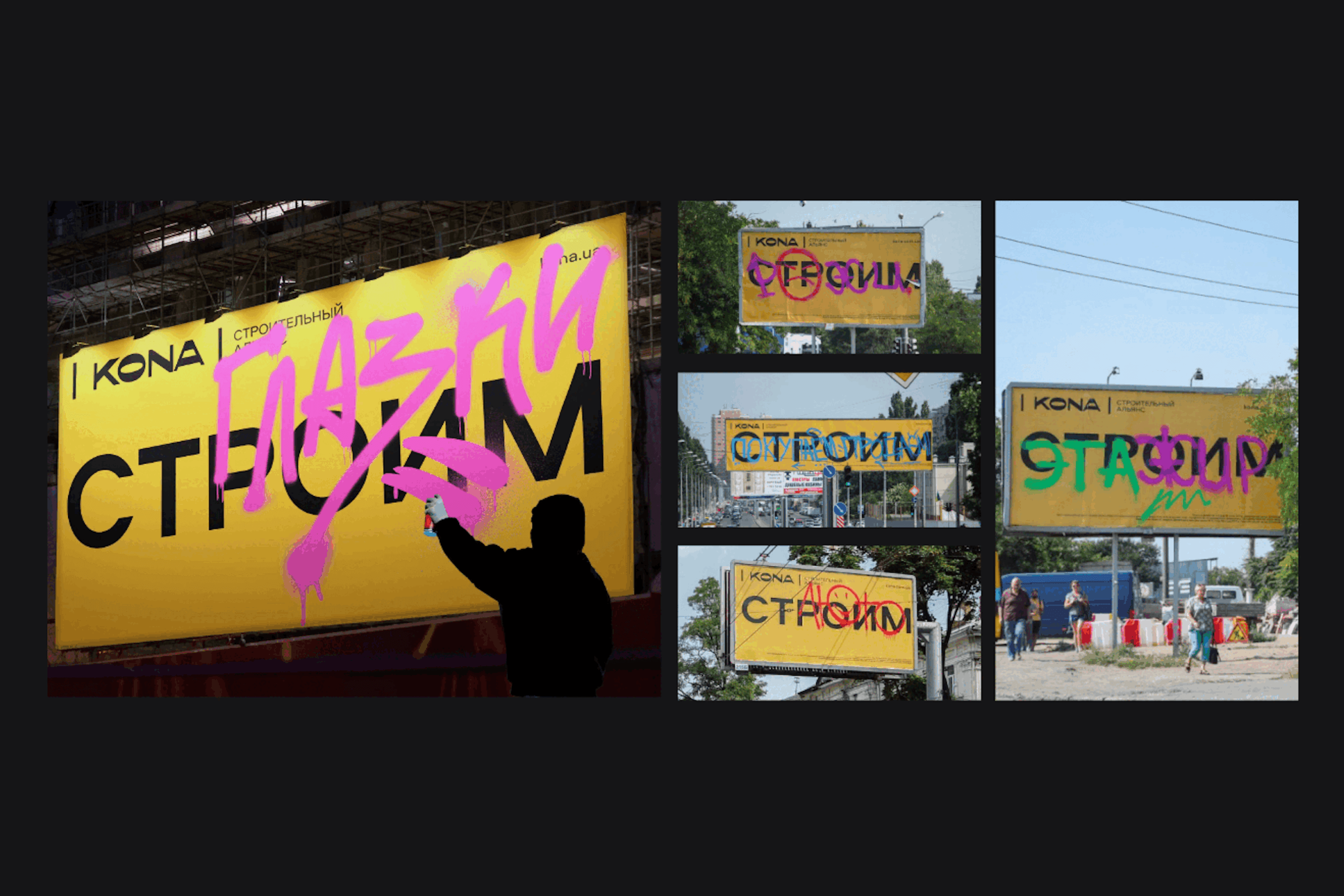
Photo: Volta Buro / YB 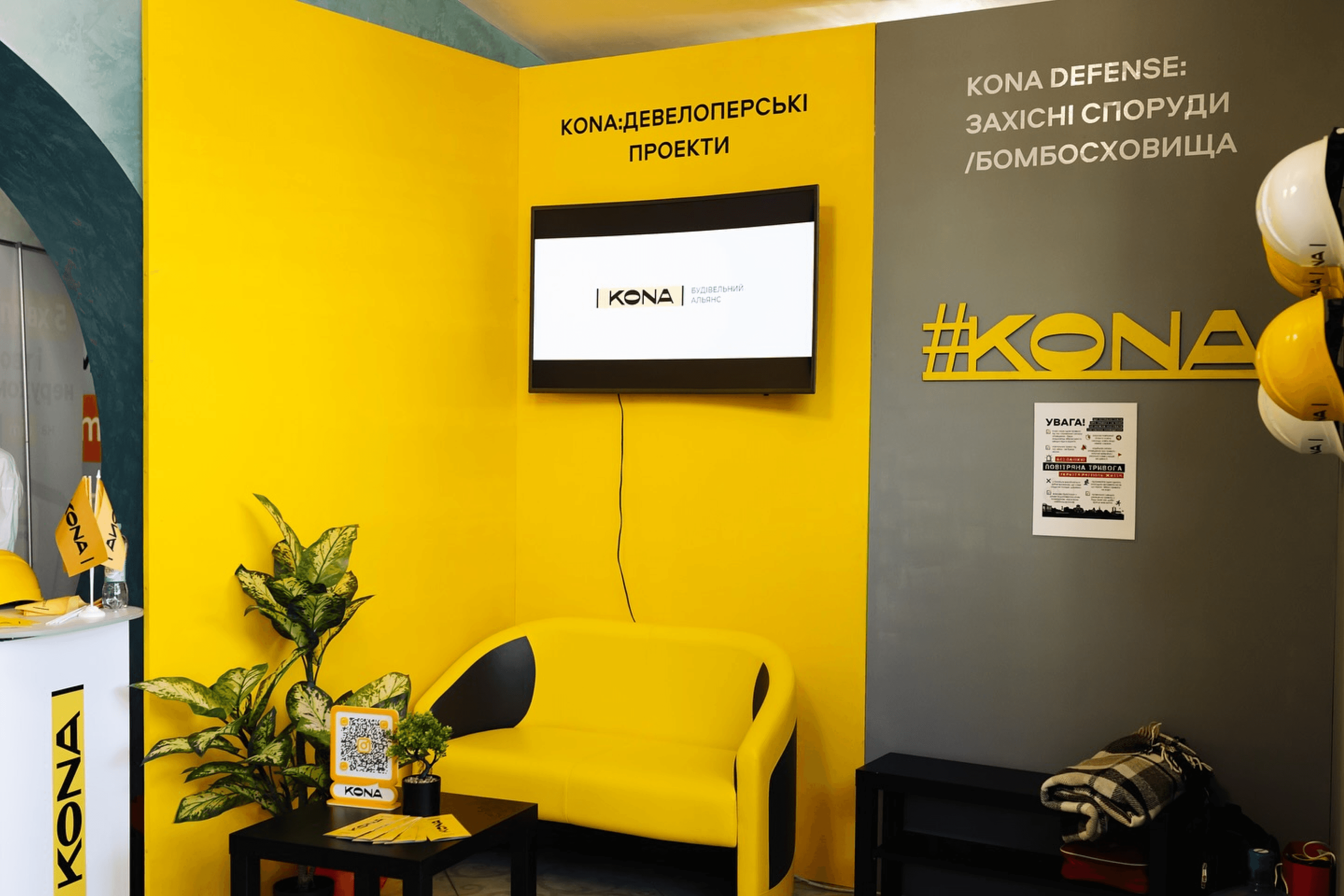
Photo: KONA / YB 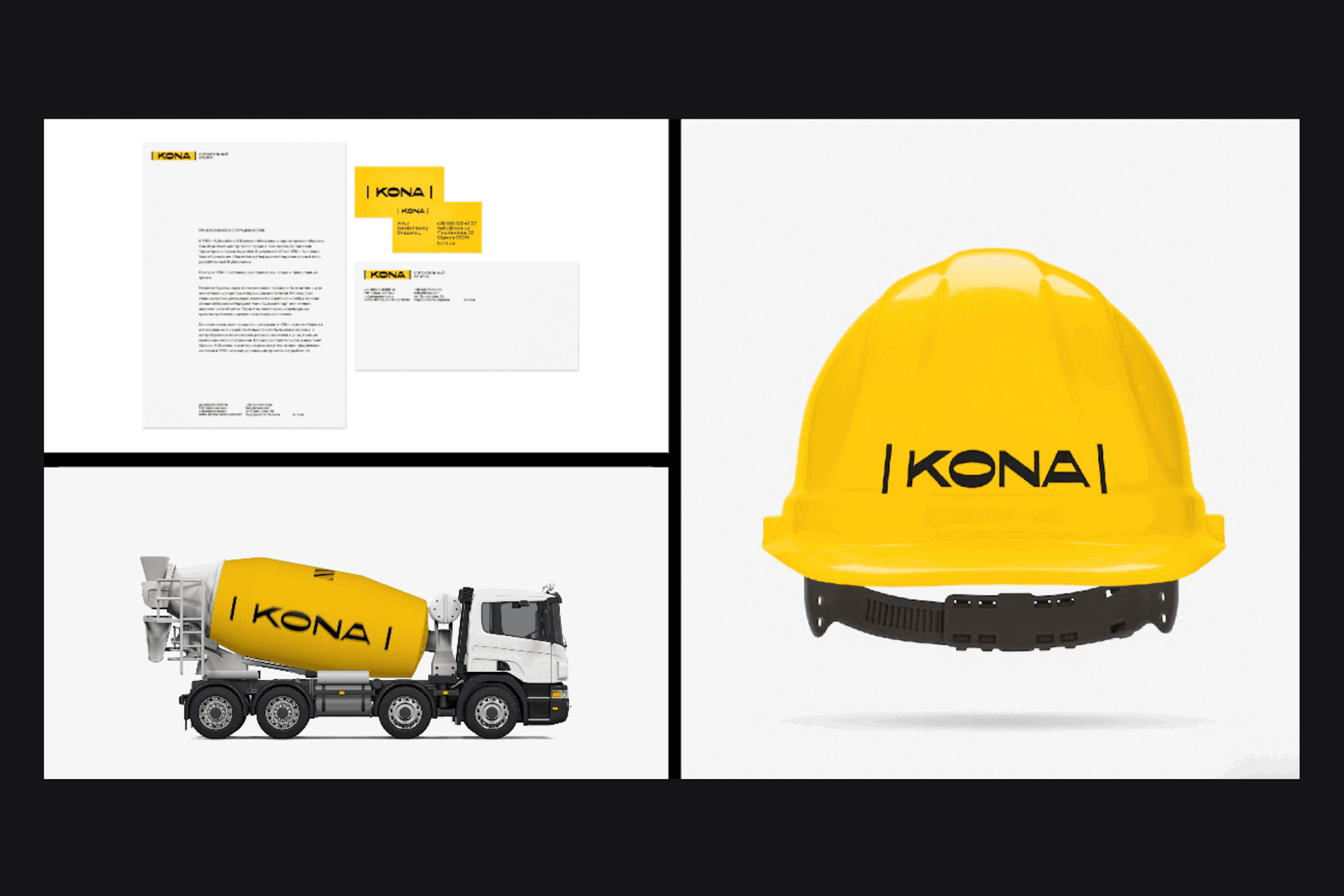
Photo: Volta Buro / YB 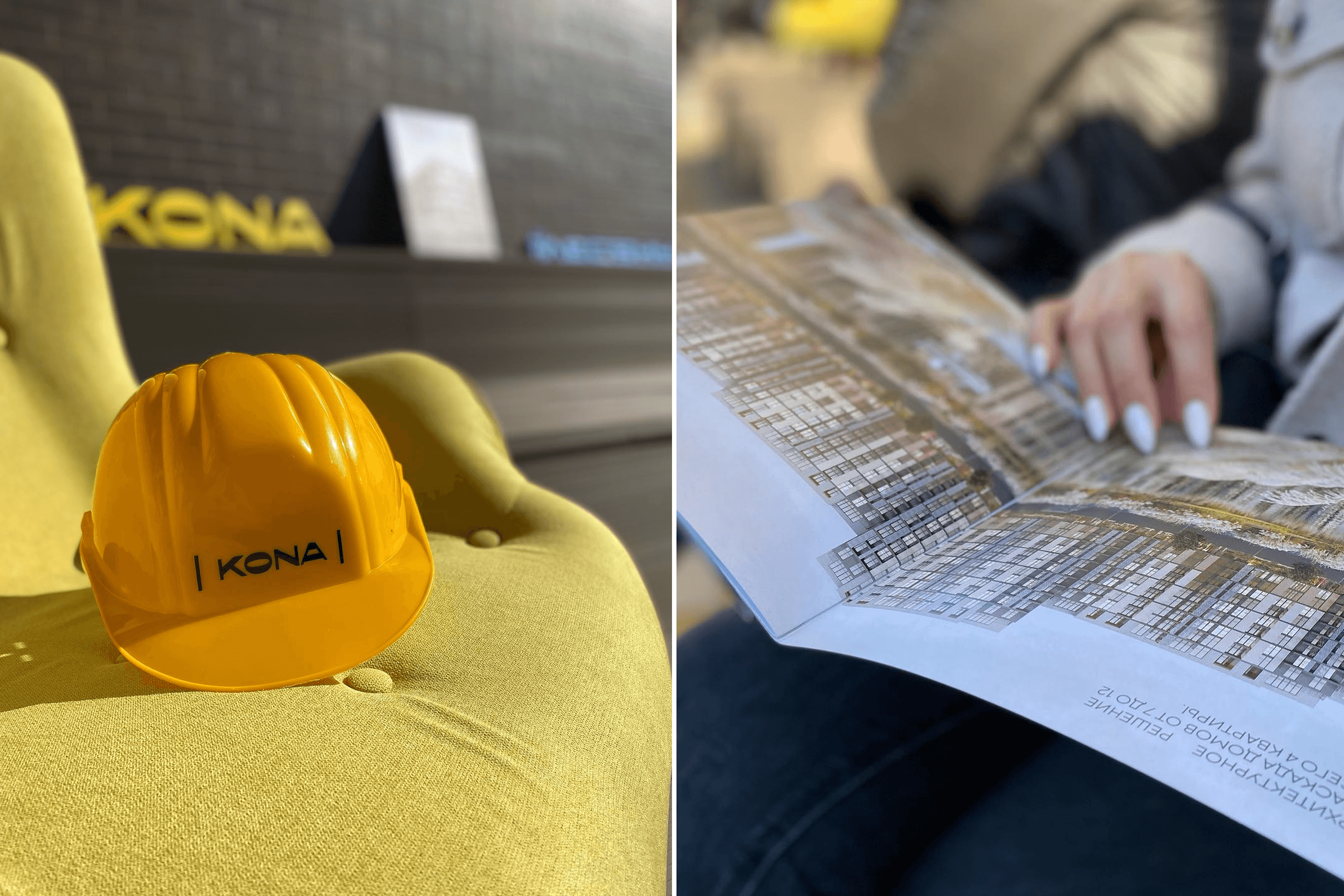
Photo: KONA / YB 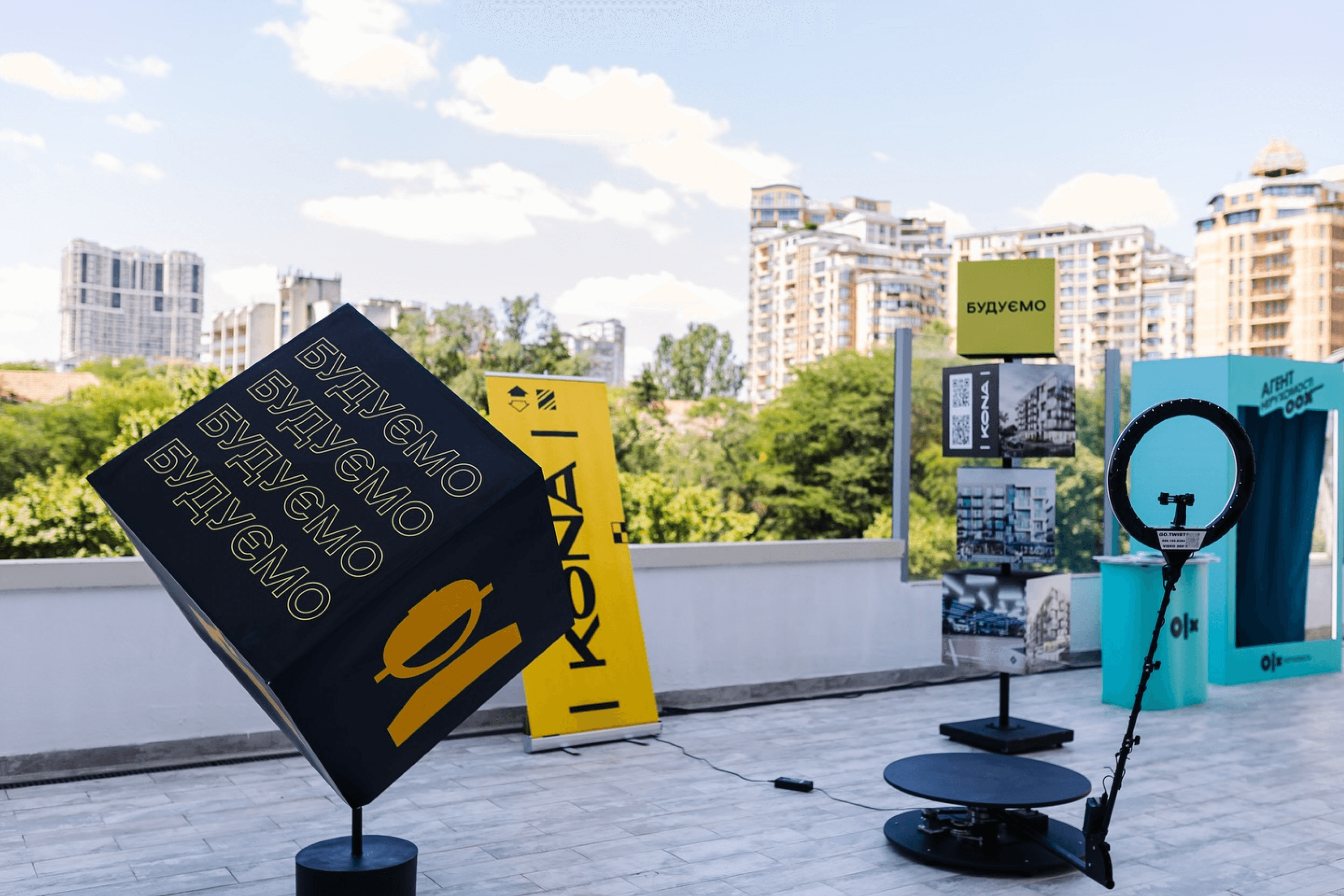
Photo: KONA / YB
Third, many developers have in-house teams that partially cover what we offer, and that is normal. Clients usually come to us when they want to go beyond what they have done before, when there is no internal resource, or when something has happened to their team.
There is one more factor. Starting an agency business in the Emirates is expensive. Staff are expensive, so agencies often try not to focus on a single client category in order to diversify risks. Our situation is different: if there are not enough orders in the UAE, we can always pick up additional ones in Ukraine and cover payroll costs.
You work not only in the UAE and Ukraine. How many orders come to you from the East, and how many from other countries?
In 2025, approximately 70% of our work came from Ukraine. The rest came mainly from the Middle East. There was one order from Germany, and last year there was a one-off project in the United States.
This year, there were so many Ukrainian clients that they essentially filled all of our capacity. But now we are again able to work more with international projects. I am developing potential partnerships in Dubai, and last week I travelled to Saudi Arabia — we are also actively working there.
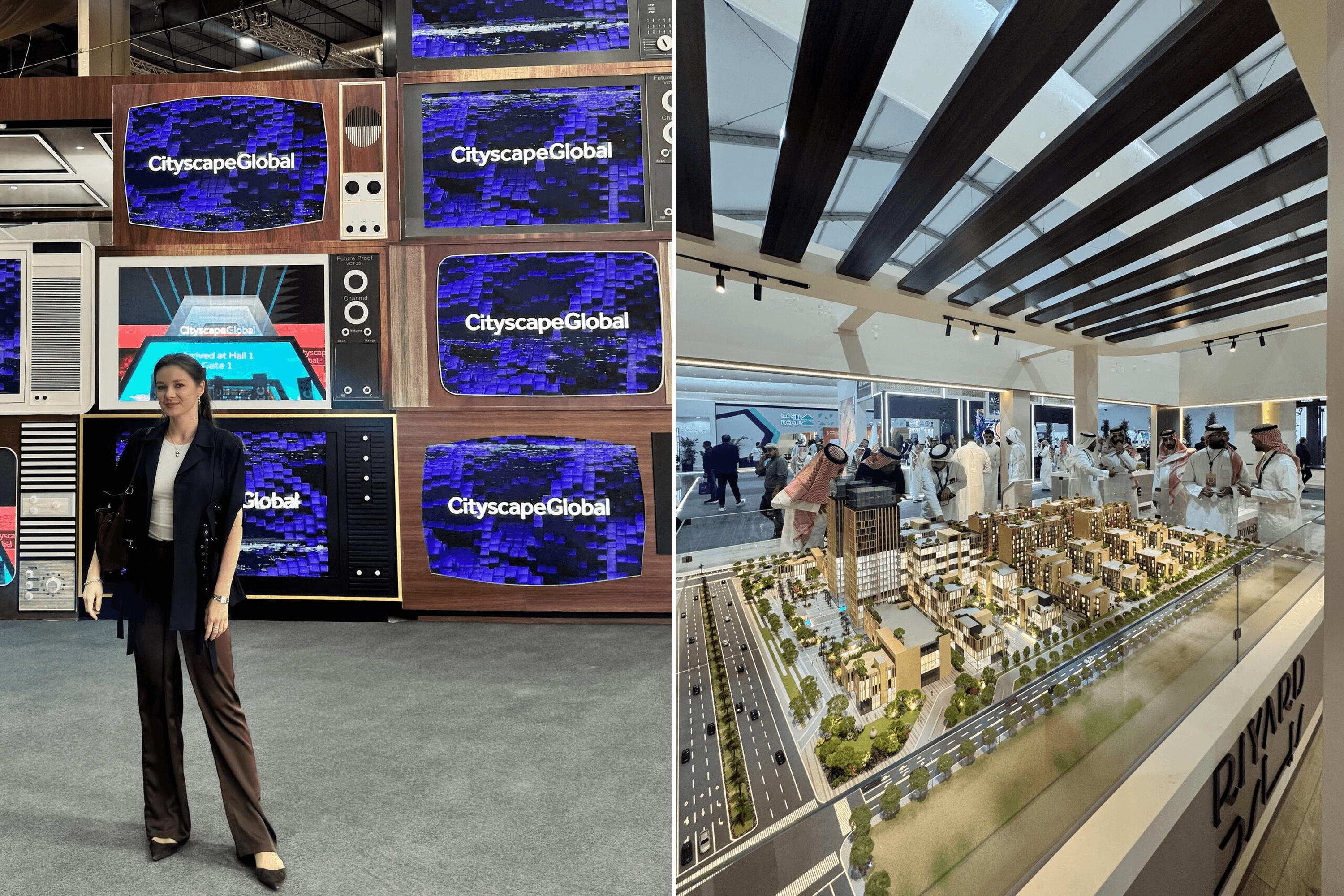
Valeriia Tymotiievych at Cityscape 2025 in Saudi Arabia. Photo: Valeria Tymotievych / LinkedIn / YB 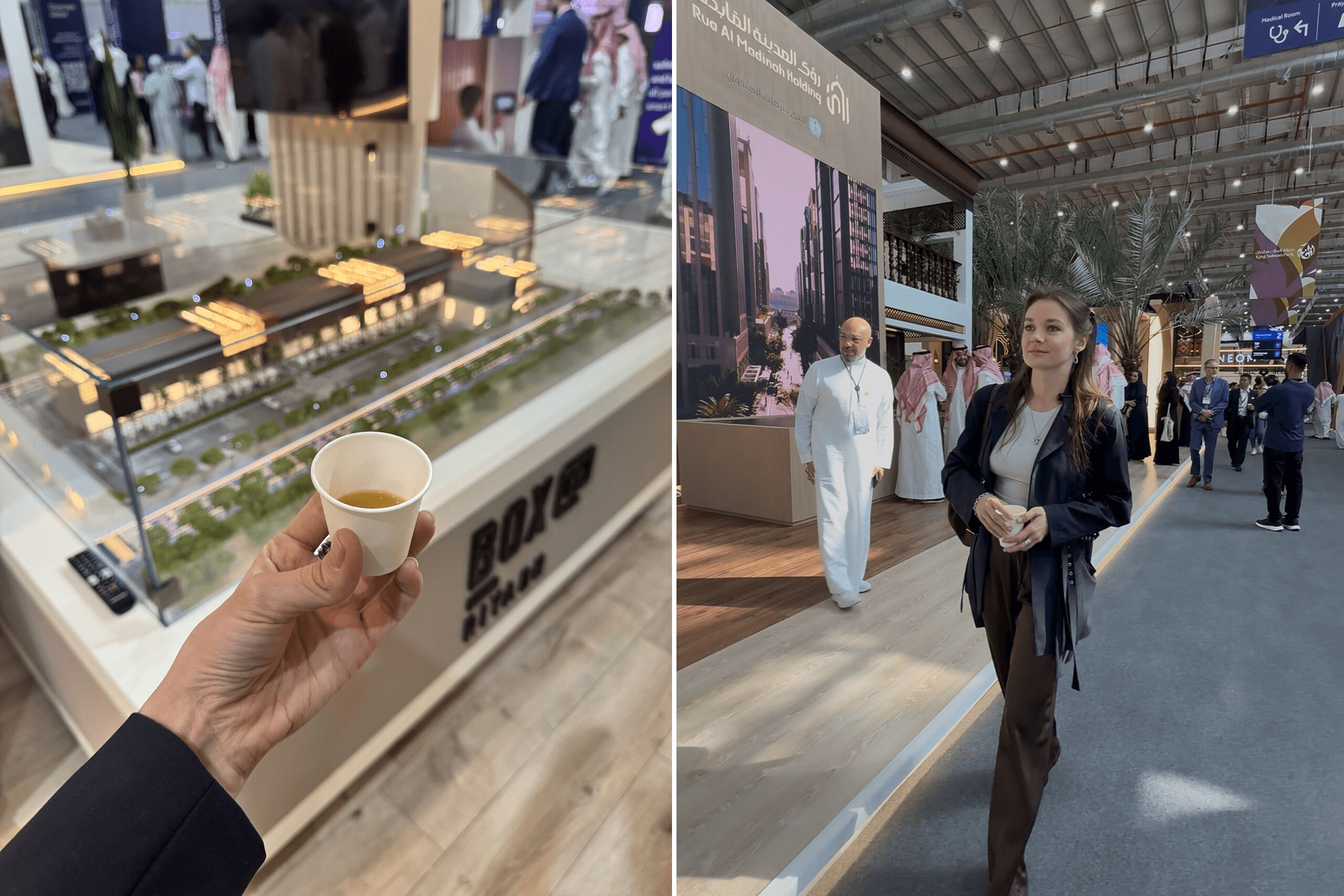
Photo: Valeria Tymotievych / LinkedIn / YB
How much did it cost you to register the company and open an office in the UAE?
I can’t disclose exact figures, but in the Emirates there are solutions for every budget. On average, registering a company and starting operations can cost anywhere from $7,000 to $35,000. If you figure out all the details yourself, it will be cheaper. If you want to minimize your own involvement and feel more confident about the process, the cost will be closer to the upper end. I chose the first path, investing my own time and resources to fully understand all the specifics. As a result, the initial investment was limited to hiring staff.
You mainly work with residential development. How did you define the boundaries of your niche?
The market defined them. There is, by default, more residential development than any other type, and accordingly there are more requests in this area than in others. That is how these boundaries took shape. I would be interested in taking on something completely different — for example, working with a clinic. But then we would not be able to simultaneously take on a strong project within our profile. You have to choose and weigh what is more advantageous in the long term.
This year, we completed more than 10 projects. Most of them were residential developments, but two were in the wellness sector. In other words, that is roughly 20% of our annual orders. Most likely, another project will come in soon. Would I want 50% of our projects to be wellness? Probably not — that would be too narrow a focus. I try to maintain a healthy balance of projects in our portfolio, both for personal balance and for the overall aesthetics of the portfolio.
What advantages does being niche-focused provide?
When a person chooses a niche, whether it is real estate, crypto, or IT, they grow much faster as an expert and a professional. Their value increases more quickly than when they move between baby food, fuel, cinemas, and other categories.
Perhaps our work is not as diverse as that of a traditional creative agency. But someone from our team, if they choose to, can eventually move into a position as a marketing director or creative director at a development company. They have a clear niche and a path for growth within it. This is far more reliable than constantly jumping between different markets.
Being niche-focused is also a matter of pricing. We have a fairly high fee for our category, but it is driven by the complexity of what we do. There are separate consultants on the market who can cover a small segment of tasks — for example, developing only a strategy. We do everything: from the concept to final printed brochures, the website, SMM, and scripts for sales teams. This takes several months of work, but the result is a complete, comprehensive product.

Volta Buro developed advertising materials for Hyde Park Wellness Residence that convey the project’s emotional essence and enhance the customer experience and sales. Photo: Volta Buro / LinkedIn / YB 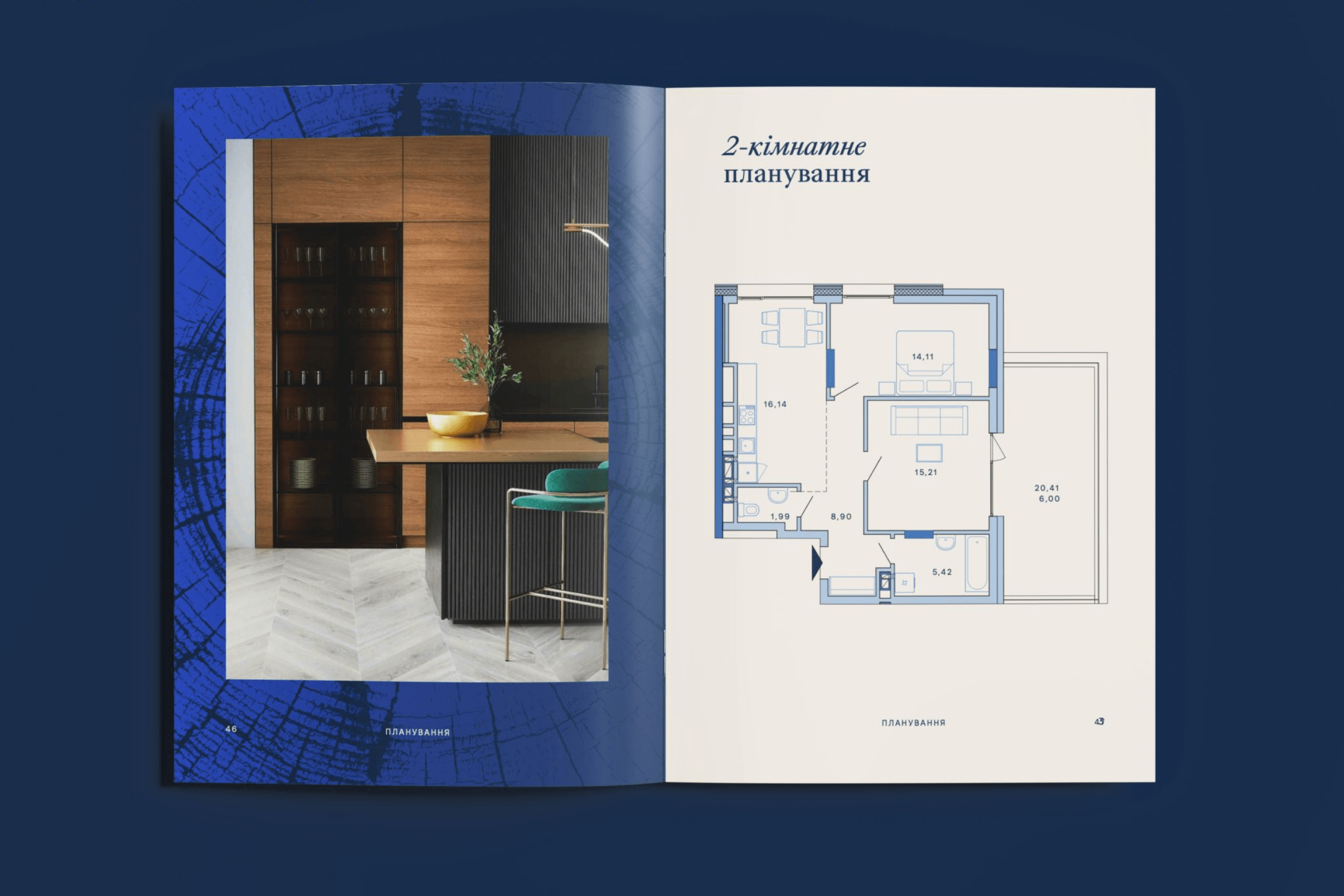
Photo: Volta Buro / LinkedIn / YB 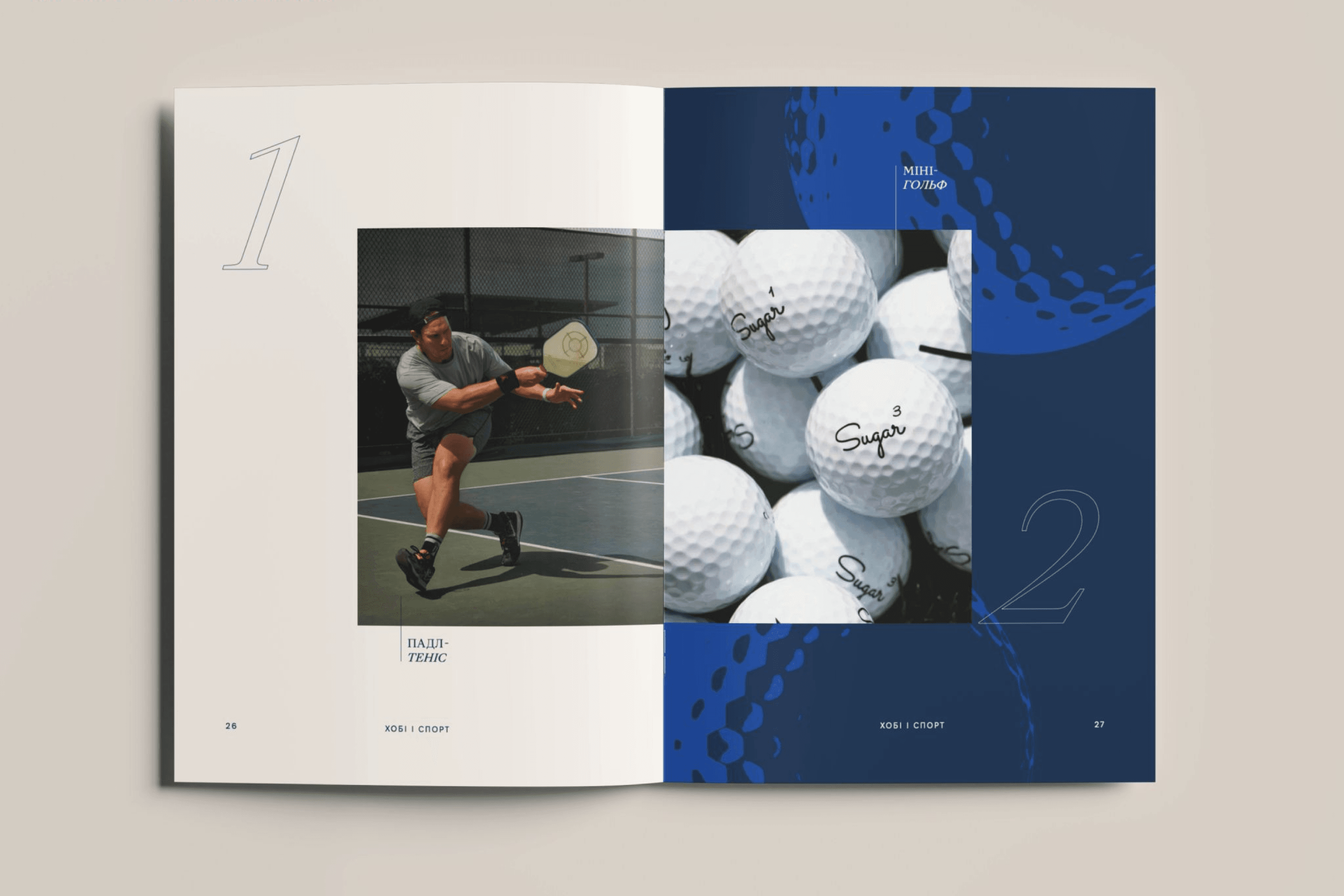
Photo: Volta Buro / LinkedIn / YB 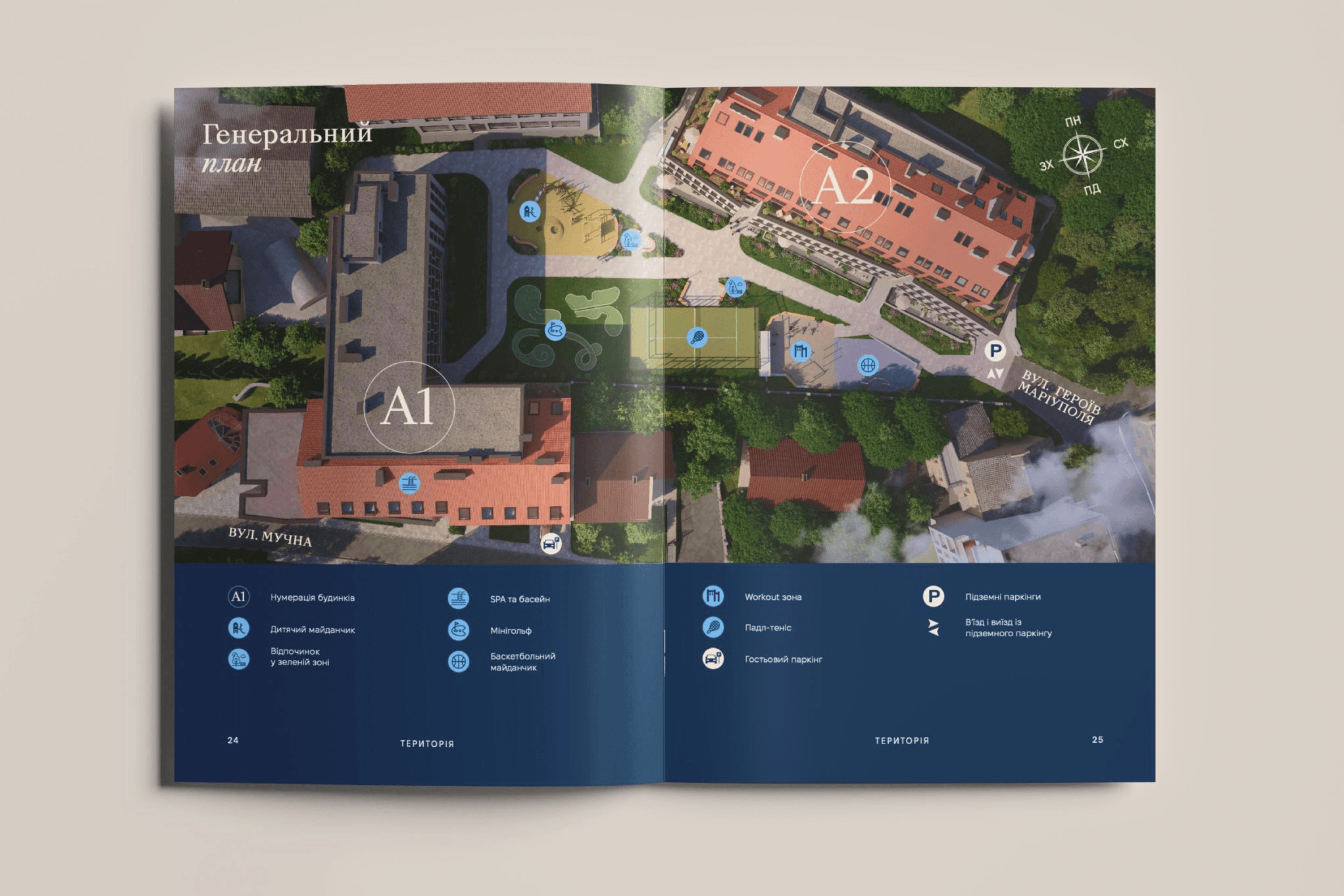
Photo: Volta Buro / LinkedIn / YB 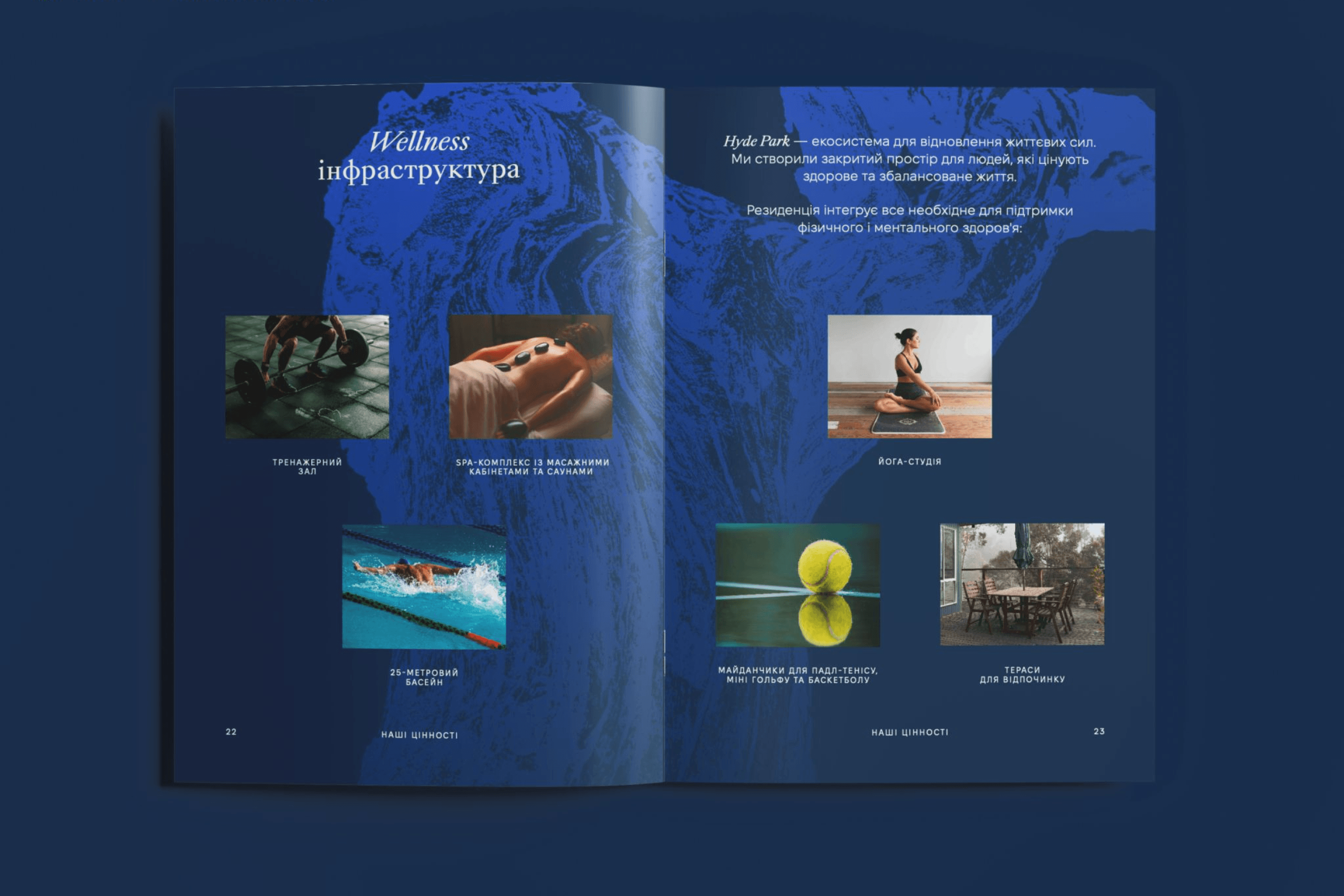
Photo: Volta Buro / LinkedIn / YB 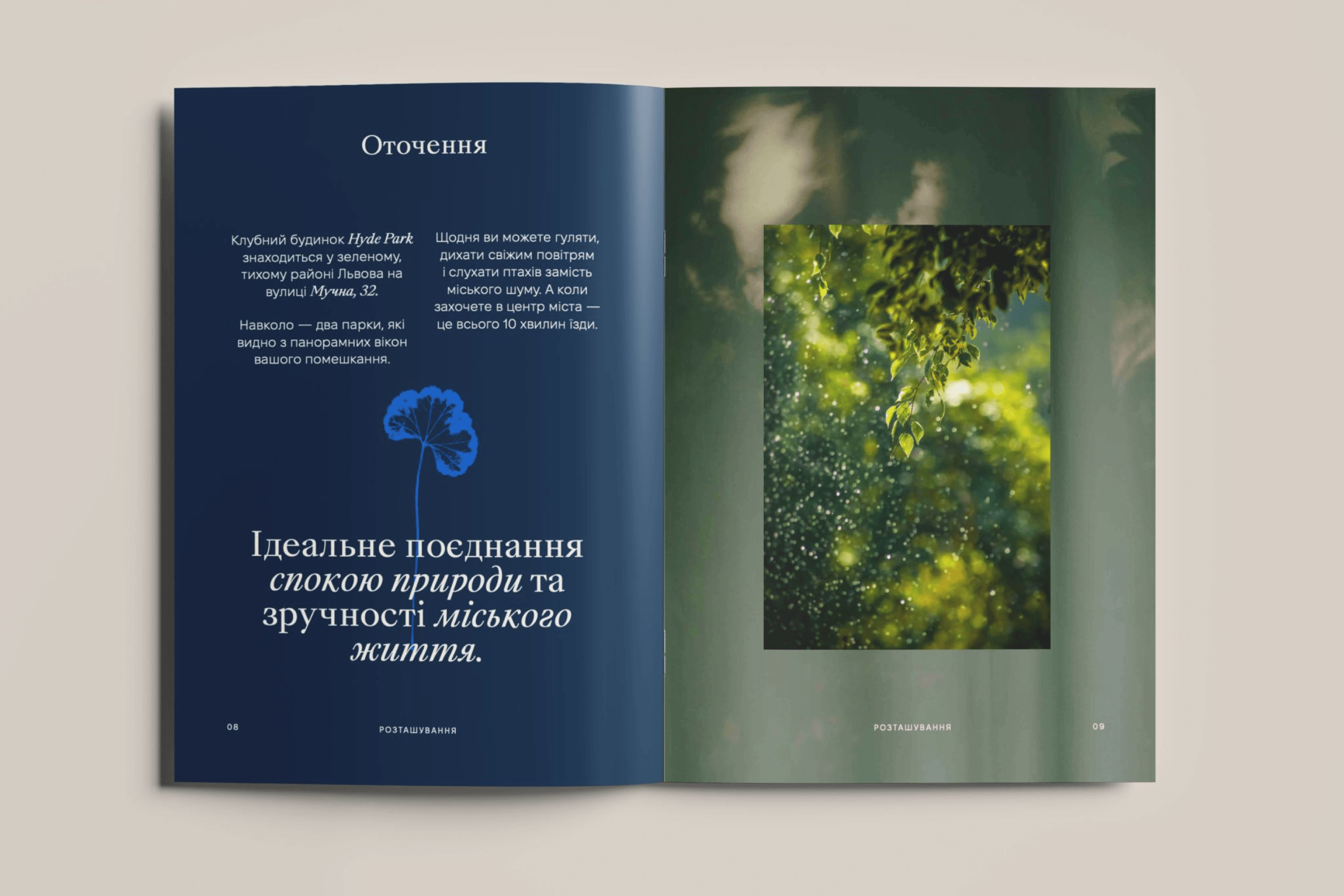
Photo: Volta Buro / LinkedIn / YB
How much does one of your projects in the UAE cost on average?
Prices start at approximately $40,000–50,000 and can go up to $80,000–100,000, depending on the scope of work. If it is limited to graphic design or branding, that is one scenario. If it involves a full brand strategy, the development of communications materials, and a broader service package, that is a different scale and a different budget.
Does being niche-focused inspire greater trust from clients?
It doesn’t just inspire trust — it is precisely our niche focus that makes clients fall in love with us. Clients often come to us with eyes that have lost their spark: they have already tried working with someone else who does not specialize in development and were offered ideas that ultimately did not work. So they were left feeling that they were simply being used. We begin getting to know each other, talking, and working through problems that have accumulated over the years. They feel involvement and empathy, and a genuine desire to help — and their eyes quite literally begin to light up. A sense of magic and chemistry emerges. Our expertise truly works wonders, even if, for one reason or another, we do not end up continuing the collaboration.
Does this approach work both in Ukraine and abroad?
Yes, everywhere. However, in Ukraine, trust develops more quickly. This is due to cultural differences: in places like the Emirates or Saudi Arabia, people tend to approach potential partners with greater caution, and the decision-making cycle around cooperation is significantly longer. You need to build relationships, communicate, and, in a sense, “circle” around each other. But once a collaboration begins, clients stay for the long term. Loyalty develops — they may turn a blind eye to minor issues that arise during the course of work. This is typical of Eastern markets.
How is working in the Middle East different from working in Ukraine?
We offer almost the same set of products in Ukraine and in the Middle East. The difference lies in how we present them and in the style of working with clients.
In the Middle East, there is a very strong “bazaar” culture. To make a final decision, clients need to compare a large number of options. For example, we define a brand concept and move on to naming. In Ukraine, this is usually two rounds of five names, and the client approves one of them. In the Emirates, that approach does not work. They want to see 50 options — and then choose the one we proposed at the very first meeting. But until you lay out the full “spread” of possible options, no decision will be made. Over time, however, they get used to it and start saying, “Valeria, whatever you say is what we’ll do.”
Another point is that decision-making in the Middle East is very slow. There is a culture of the majlis — when men and women gather separately, sit on sofas, drink tea, and consult with family members and colleagues. Until the entire majlis agrees on a product, a name, or an identity, nothing moves forward. Of course, this is quite unusual, but it’s interesting to work with: a different culture, different ways of thinking and perspectives, and it adds variety to the work.
How do you combine Ukrainian creativity with the Eastern vision of luxury, which may seem unusual to Ukrainians?
A lot of creative content in the Middle East is produced by locals, and it can often resemble “Pshonka style”: expensive, excessive, and full of golden candelabras. But not everyone needs that, and not everyone wants it. If a client wants exactly “Pshonka style,” then they are simply not our client.
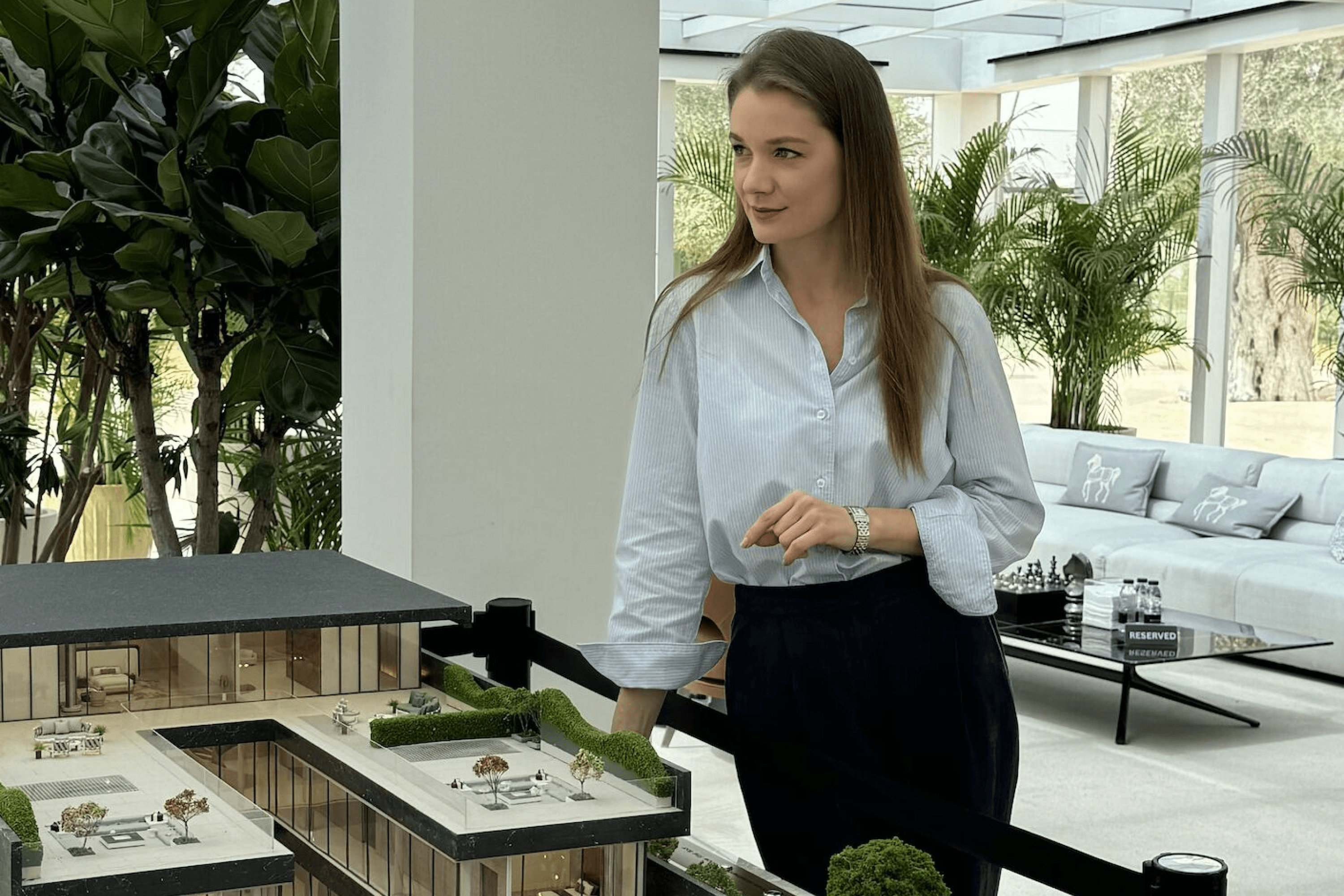
Photo: Victoria Yakusha / Instagram / YBBP 
Photo: Volta Buro / Facebook / YB 
Photo: Volta Buro / Facebook / YB 
Photo: Volta Buro / Facebook / YB
Many developers understand the value of the European investor segment. For example, a growing number of British millionaires and billionaires are now moving to the Middle East, as the situation at home has become quite tense due to the consequences of Brexit. For them, brands and communications need to be created in a way that is understandable to Europeans. And this is exactly the cultural context in which we work well.
Also, many people from the younger generation of Arabs under 35 studied in Europe and have good taste and an understanding of contemporary trends. They are our “match.”
So even within the Emirates, is “Pshonka style” perceived as something outdated?
I wouldn’t put it that way. Rather, there are different categories of people. There are very traditional, often religious families for whom gold, excess, and five-metre crystal chandeliers feel organic. They will remain that way; they cannot be changed. It is a fairly closed environment — only those who have lived in the Emirates for many years are allowed into it.
Personally, however, I would be interested in taking on a project with a very traditional, archaic vision and rethinking it. Of course, it would be impossible to completely eliminate gold and luxury in such a case, but reinterpreting them would be a challenge with an added degree of difficulty.
One of the projects in which you reinterpreted Eastern luxury was your collaboration with the architectural group RMJM. How did you secure this project?
This collaboration came about through a recommendation — we were referred to them. We already had a strong portfolio of previous projects, and that was enough to be invited to take on a small scope of work with a modest budget. We were asked to create a presentation video for RMJM aimed at clients from Eastern countries.
It is also important to understand the pricing aspect. The fee we quoted was at market level for Ukraine, but significantly lower than prices in the UK, where companies often turn for creative services, or compared with local pricing in the UAE. At that price level, the product and the process they received exceeded their expectations.
After that, we agreed to continue the collaboration and update RMJM’s communications. The company is about 75 years old, and the time had come to rethink the messages it brings to clients, as well as to develop its global brand. RMJM is truly a large and strong company, with offices around the world. But unfortunately, it was getting lost among competitors. We worked on this project for about six months, and now I am waiting for our work to become public. They needed a push, and now, I believe, they have received it.
Is it true that in the Eastern market, personal connections and trust matter more than product quality or brand recognition?
Yes, that’s true. I haven’t encountered this directly in my own business, but I’ve seen it often in other fields. Sometimes a client may choose a contractor who is close to the family, even if another company offers a stronger solution. That’s why building a business in this region requires a physical presence. You need to stay in touch, remain visible, and be part of the community — that’s when things begin to work.
What part of your team is permanently based in the UAE, and how do you manage to build these connections?
The team works from Ukraine and Europe, but I spend almost all my time in the Emirates. I’m responsible for networking and client acquisition in the region. We build personal connections through active participation in industry events in the Emirates and Saudi Arabia, and there are many of them. This is classic networking: communicating, talking about yourself, and showing genuine interest in people. In many ways, it works similarly to elsewhere, but decisions are made more slowly here. The People First principle applies: human connection comes first, and only then does business follow.
Ukrainians tend to be quite direct in communication. Does this directness work in the Eastern market?
No, it doesn’t. In the East, for example, there is essentially no word for “no” in the way we understand it. There is a “magic” word, inshallah, which means “maybe someday.” You don’t always understand whether you’ve been politely turned down or whether space is genuinely being left for potential cooperation. So you need to pay close attention to additional signals and to the dynamics of the process to understand whether things are moving forward or not. It took me time to recalibrate to a different communication style and adapt to their cultural context.
Does the Ukrainian origin of the brand make it harder to work in this market?
The very fact of being Ukrainian carries no negative connotations here. On the contrary, for a certain period, especially in the second year of the full-scale war, Ukraine was at the top of global news, and many people in the Emirates genuinely sympathized with us. Over time, that factor faded, and now it generally doesn’t matter where you’re from.
What matters much more is something else: that we are legally established in the UAE, have officially registered the company, and have a fully functioning office. By the way, the location of that office is very important here. Ours is on Sheikh Zayed Road, the city’s main artery, not on some out-of-the-way street next to questionable companies.
I deliberately invested significant resources to obtain the right type of registration, which allows us to work with government entities in the UAE and Saudi Arabia. The legal side of our business is fully transparent, this is extremely important in this market.
There is one more point. Arab clients are aware of Ukraine’s strong school of graphic design and directing, and many Ukrainian artists and musicians work in the Emirates. That’s why creativity and talent are what Ukraine is associated with, and this is a major advantage for us.
How difficult is it to run a business in this region from a legislative standpoint, compared to Ukraine?
In the UAE, it is more difficult. Partly because in Ukraine I already have a basic understanding of the processes and a strong financial team. In the UAE, there are many pitfalls, and the legislation changes quite frequently. There are also many nuances related to reporting, employee registration, payroll, and compliance with various regulations. Any violations come with serious fines. That’s why legal and accounting partners need to be chosen extremely carefully, to ensure the company is properly supported and you don’t run into problems unexpectedly.
In what direction do you want to develop Volta Buro?
We want to work more with European and American projects, in the hospitality and investment real estate categories. We resonate with the approach to values, quality, and cultural context in these regions. We already fully understand all the processes related to residential development, and I’m always happy to take on such projects, but this would be something new. Hospitality offers the opportunity to create projects that are both deep and vibrant. It is also interesting from an advertising and communications perspective — we want to create videos, campaigns, and visual stories for them.