
Ukraine’s defense industry is expanding rapidly, driving a sharp rise in demand for private capital. Domestic retail investors and international venture funds alike are backing local defense startups as they scale globally and secure multi-million-euro funding rounds. This guide outlines how to invest in Ukrainian defense tech today, where startups raise capital, and what key metrics investors evaluate before backing a project.
Ukraine’s defense tech evolution launched in 2014 following the Russian occupation of Crimea and the outbreak of war in the Donbas. This period birthed the sector’s pioneering manufacturers:
- Ukrspecsystems (est. 2014): Develops and manufactures unmanned aerial systems (UAS).
- DeViRo (est. 2014): Best known for its flagship Leleka-100 reconnaissance drone and the Bulava strike-reconnaissance system.
- Athlon Avia (est. 2014): Produces Furia reconnaissance UAVs, widely deployed for intelligence, target acquisition, and artillery fire direction.
- Roboneers — the company was registered in 2017, but it has operated on a volunteer basis since 2014. It develops unmanned ground vehicles, remote-controlled weapon stations, and UAVs for reconnaissance, logistics, evacuation, and combat missions.
Today, these companies dominate their respective niches, having seen exponential revenue growth since the 2022 full-scale invasion. DeViRo, for instance, scaled its revenue from 80.4 million UAH in 2021 to over 7.5 billion UAH in 2024. While public financial data for the past two years remains undisclosed, the expansion of DeViRo’s product line points to a sustained upward trajectory.
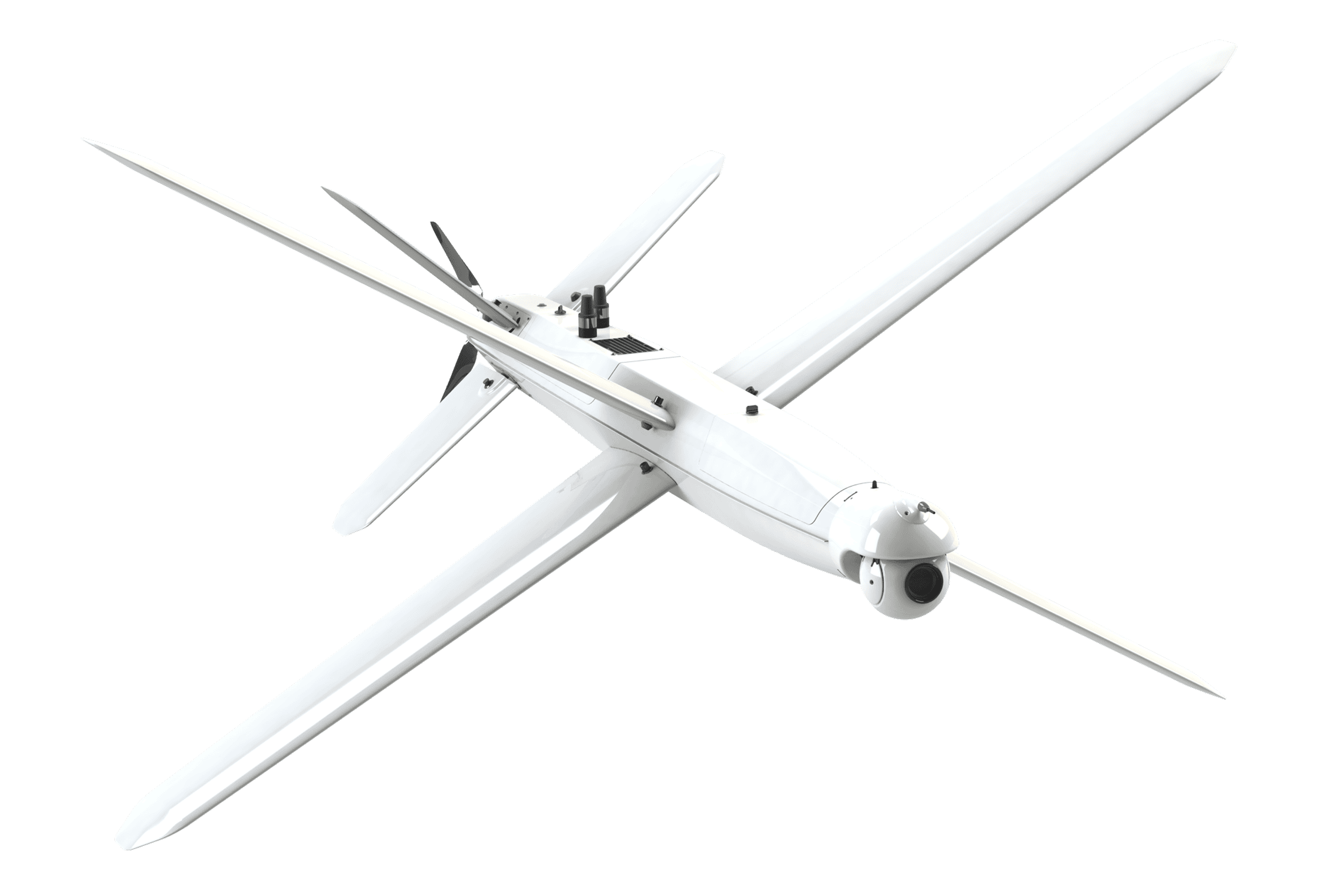
The Bulava strike drone by DeViRo. Photo: deviro.ua 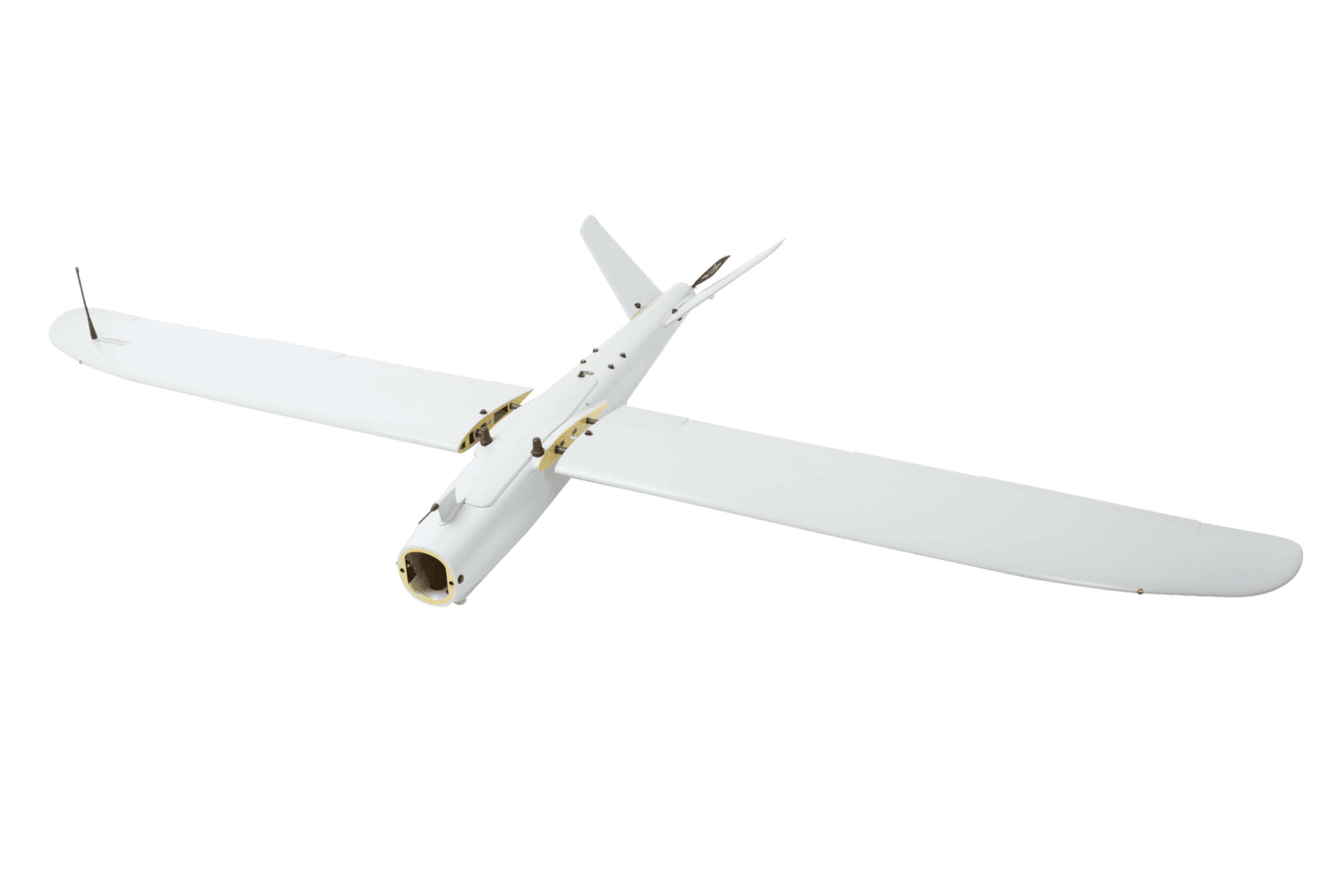
The Leleka strike drone by DeViRo. Photo: deviro.ua
The second major surge in Ukraine’s defense industry began in the wake of the full-scale invasion. Much of this growth was bottom-up, with numerous defense startups originating as volunteer groups that only later commercialized. As a result, corporate culture within Ukrainian defense tech diverges noticeably from Western norms. New founders, for instance, often hesitate to discuss profit margins, having launched out of a drive to support the armed forces.
The role of non-profits is similarly unique. Certain Ukrainian charitable organizations hold licenses to procure lethal arms directly. Notably, the Come Back Alive foundation sources heavy weaponry for the Armed Forces of Ukraine, including mortars, heavy machine guns, and armored vehicles.
State support has further accelerated the sector through deregulation, market reforms, and targeted launchpads. In 2023, the government established Brave1, a defense tech cluster operating under the Ministry of Digital Transformation. Brave1 provides R&D grants, facilitates investor-matchmaking events, and sources high-priority innovations—such as jet-powered interceptors designed to counter Russian strike drones.
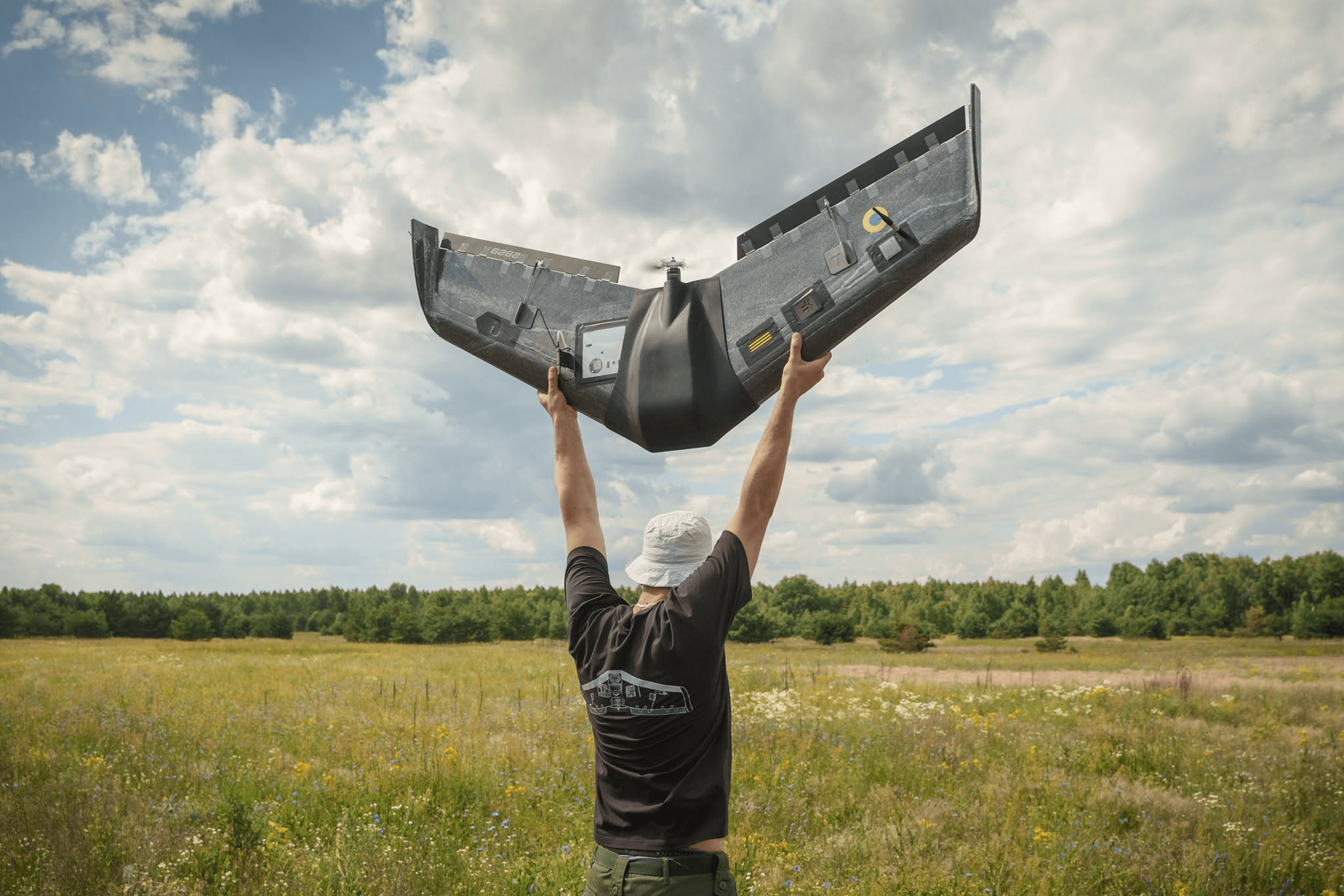
Brave1 demo day testing low-cost reconnaissance aircraft developed by Ukrainian manufacturers. July 2026. Photo: Brave1 / Facebook 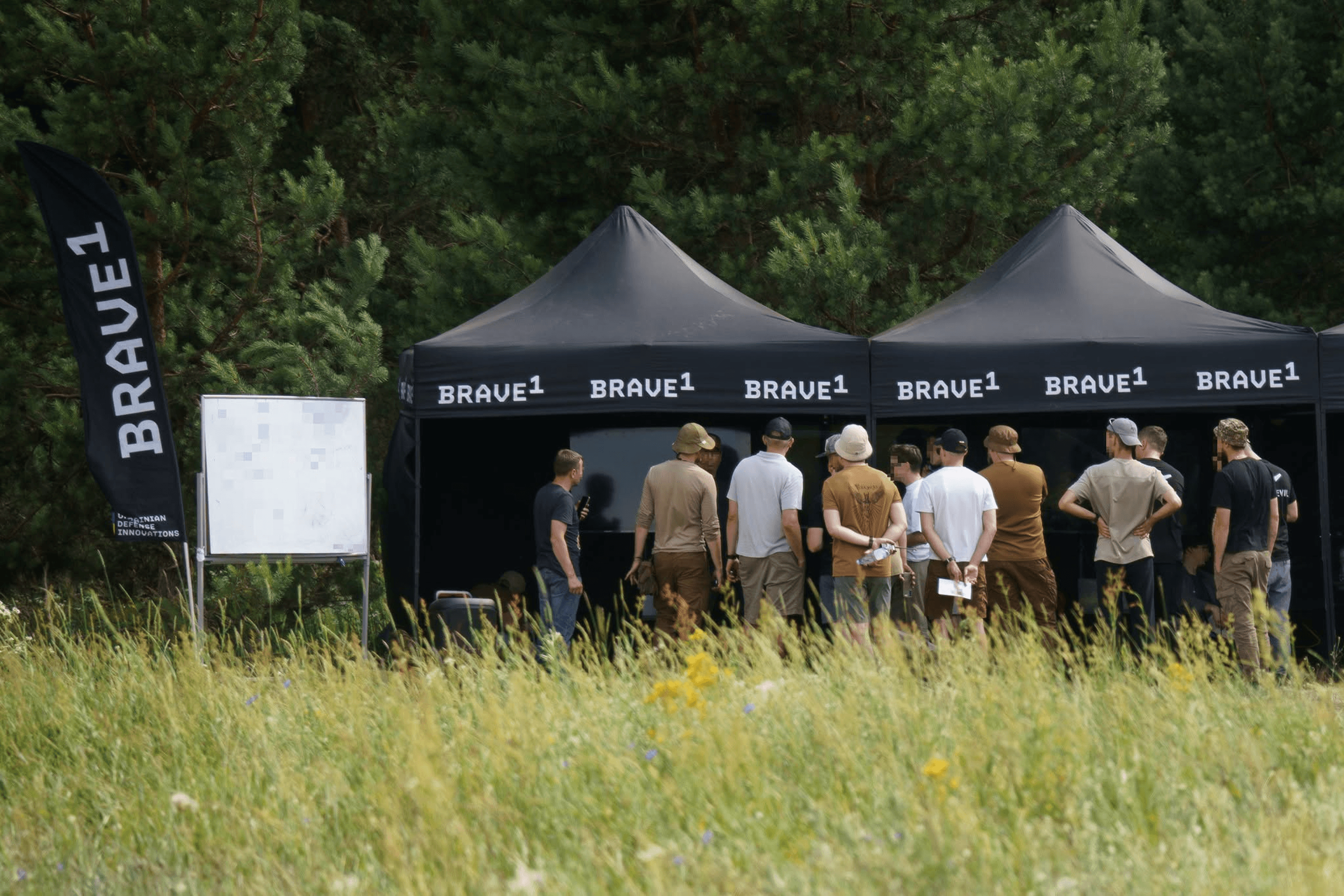
Photo: Brave1 / Facebook 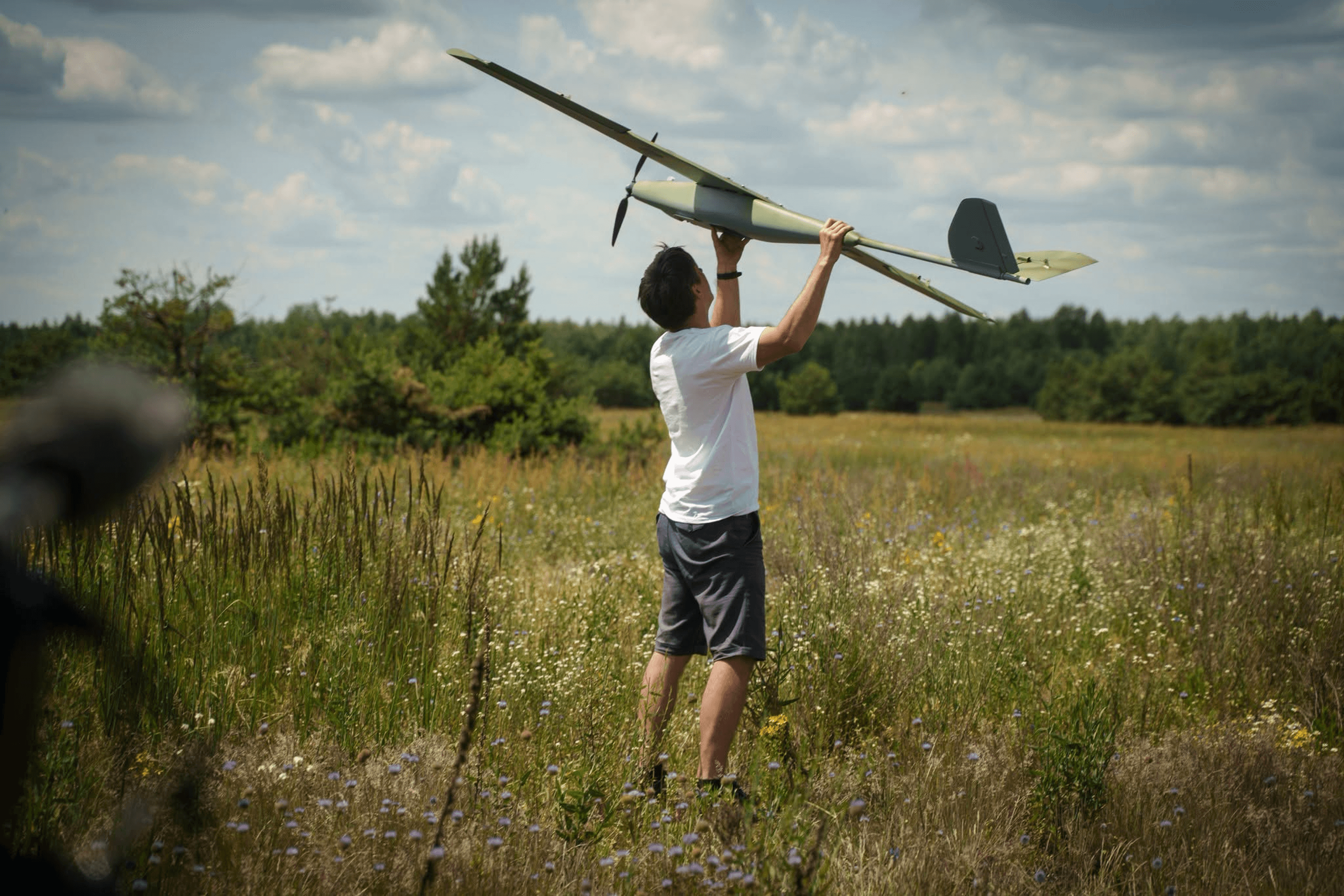
Photo: Brave1 / Facebook 
Photo: Brave1 / Facebook 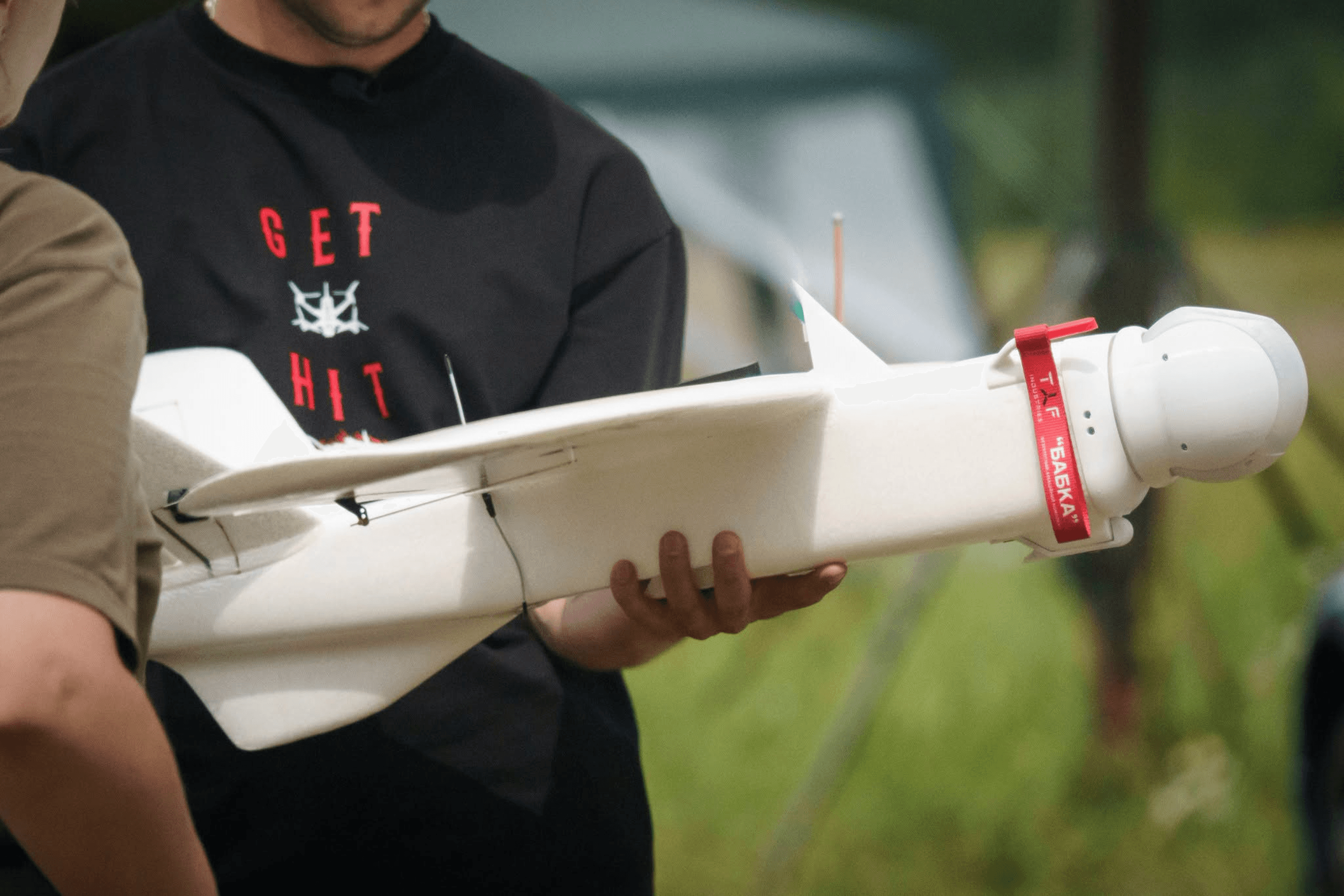
Photo: Brave1 / Facebook 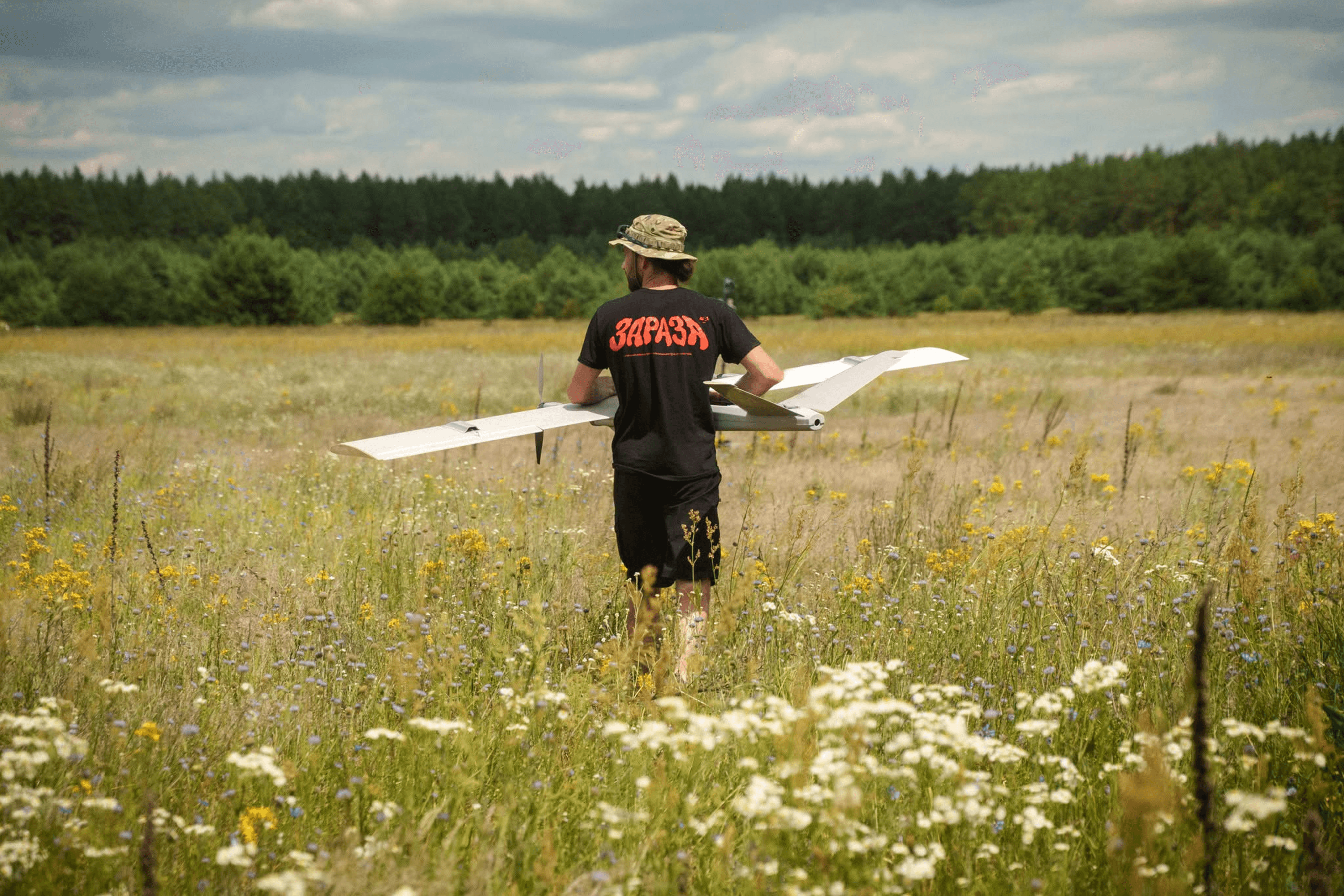
Photo: Brave1 / Facebook
How to Invest in Ukraine’s defense sector
Retail investing has historically been rare in Ukraine. Rather than buying shares in global giants like Apple, local investors traditionally favored real estate—a tangible asset with low barriers to financial literacy. The defense sector was no exception. Private capital only began flowing into defense tech following the 2022 full-scale invasion, when the sector attracted roughly $50 million. By 2026, total investment in Ukrainian defense tech is projected to reach $8.5 billion.
Private investors now have several pathways to deploy capital in the defense sector: purchasing public equities through international brokers like Interactive Brokers, acquiring fund units in instruments like Inzhur MilTech, or participating in syndicate deals via Defence Builder.
Inzhur MilTech was launched by investment firm Inzhur in May 2026 to finance Vyriy Industries. The fund issues certificates to retail investors and uses the proceeds to buy corporate bonds issued by Vyriy, which uses the capital to scale manufacturing and R&D. Offering an expected first-year yield of up to 25% in UAH, the fund features an entry threshold of just 1,000 UAH. To date, the fund has raised 1.2 billion UAH from over 27,000 individual investors.
Defence Builder, an accelerator founded in 2024 by Sigma Software, the Kyiv School of Economics, and Buntar Aerospace, provides another pathway. In 2026, it launched an investment fund structured around syndicated deals, allowing co-investors to pool capital starting at $1,000 per project. Defence Builder targets key defense verticals, including air defense, UAVs, electronic warfare (EW), demining, AI, and battlefield automation.
Direct equity investment via brokerage accounts remains limited for Ukrainian defense firms, but overseas listings offer a workaround.
A prime example is Swarmer, a Ukrainian defense-tech company developing autonomous drone swarm orchestration software. In March 2026, Swarmer completed its IPO and listed on the Nasdaq.
Following its public debut, Swarmer agreed to acquire Ratel Robotics—a Ukrainian manufacturer of unmanned ground vehicles (UGVs) for logistics, evacuation, reconnaissance, and demining—in a deal valued up to $224 million.
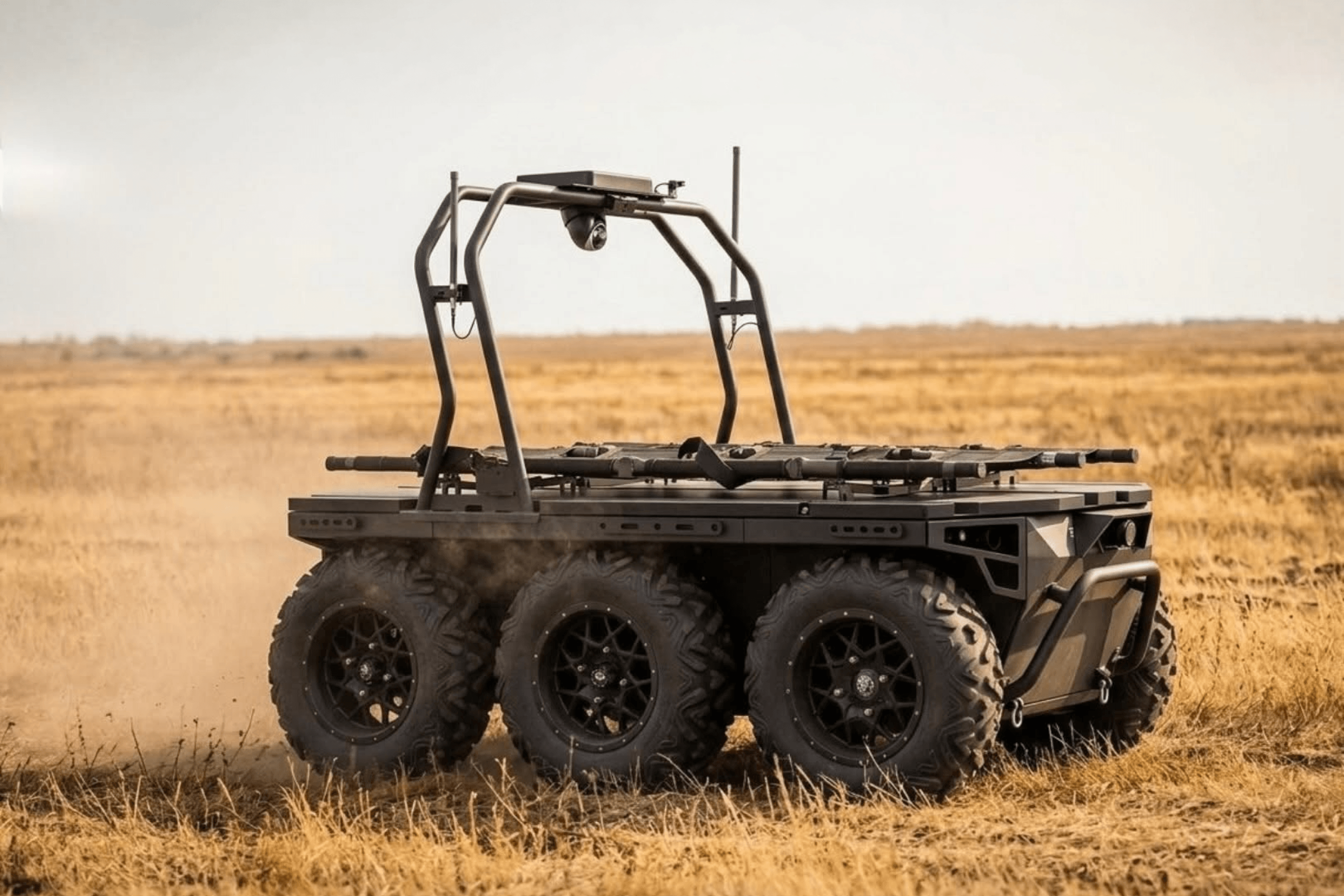
Some equipment from Ratel Robotics. Photo: Ratel / Facebook 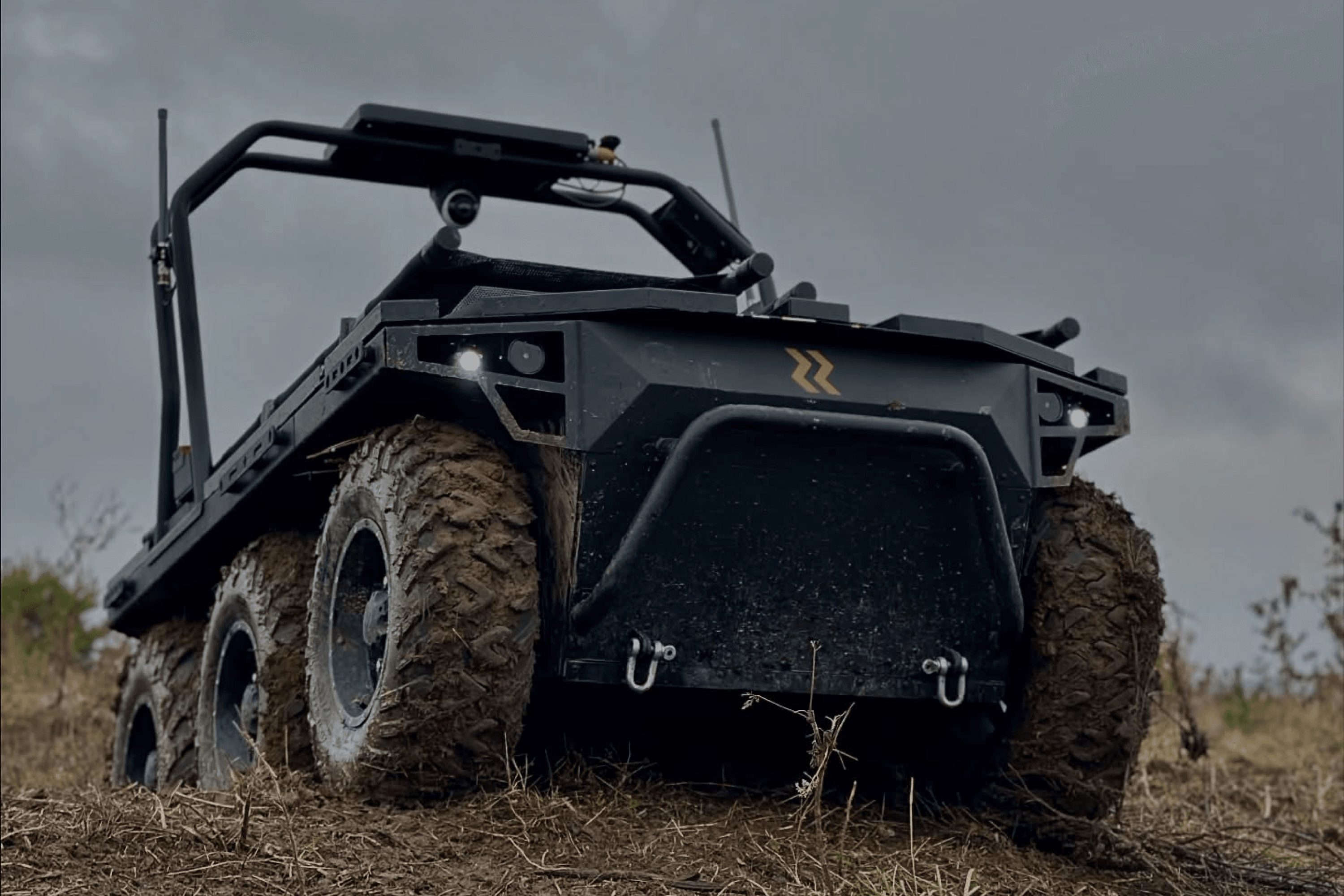
Photo: Ratel / Facebook 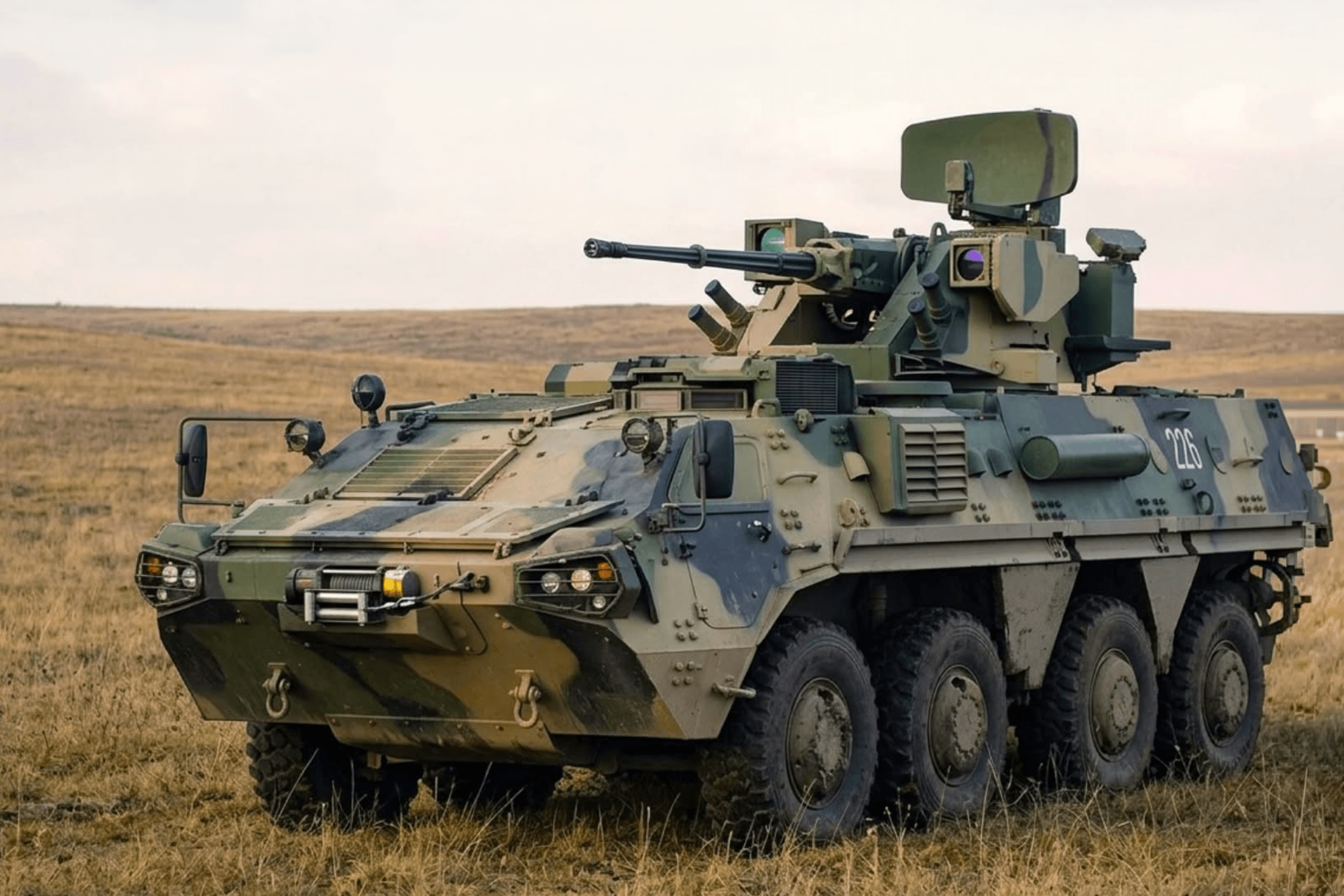
Photo: Ratel / Facebook 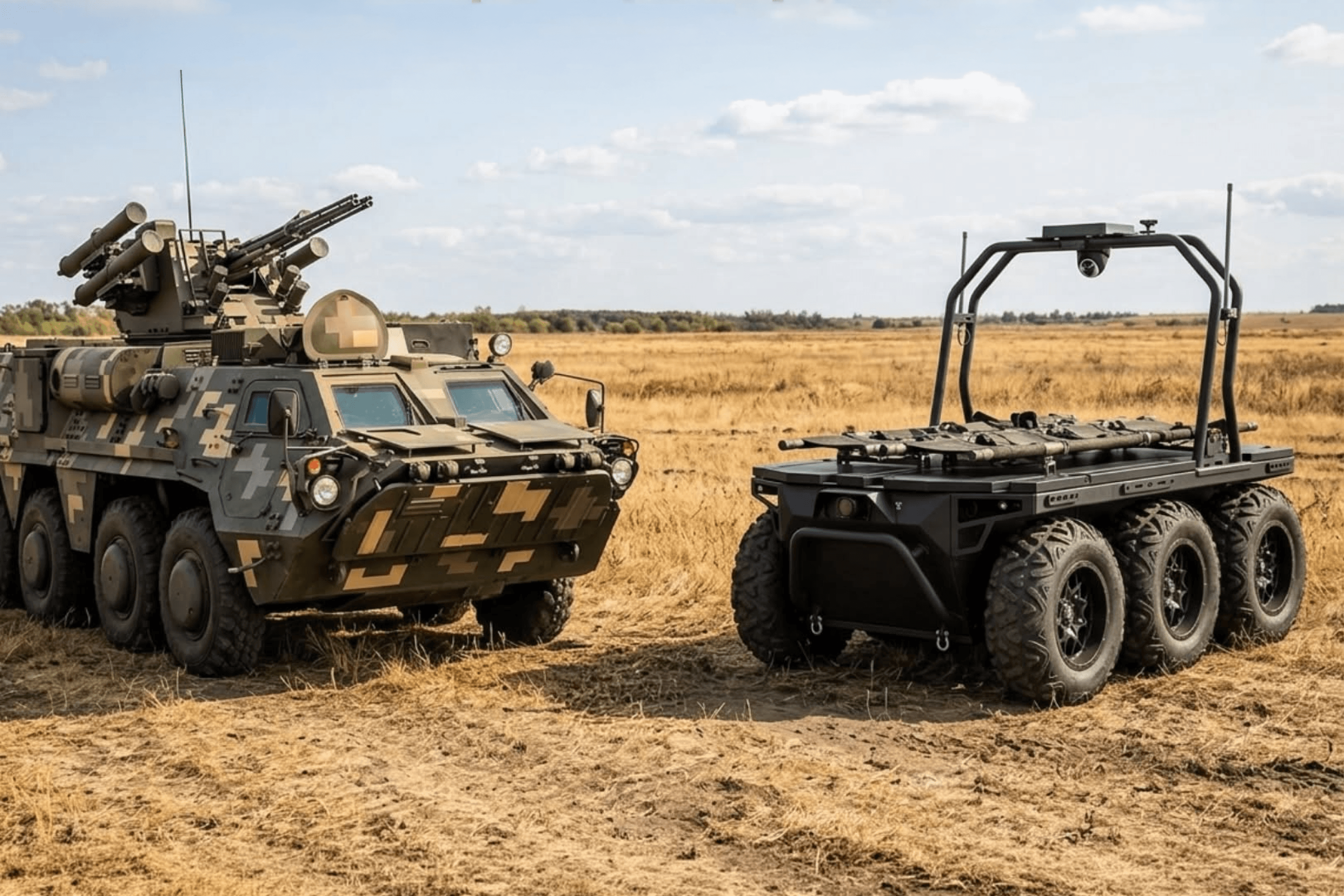
Photo: Ratel / Facebook 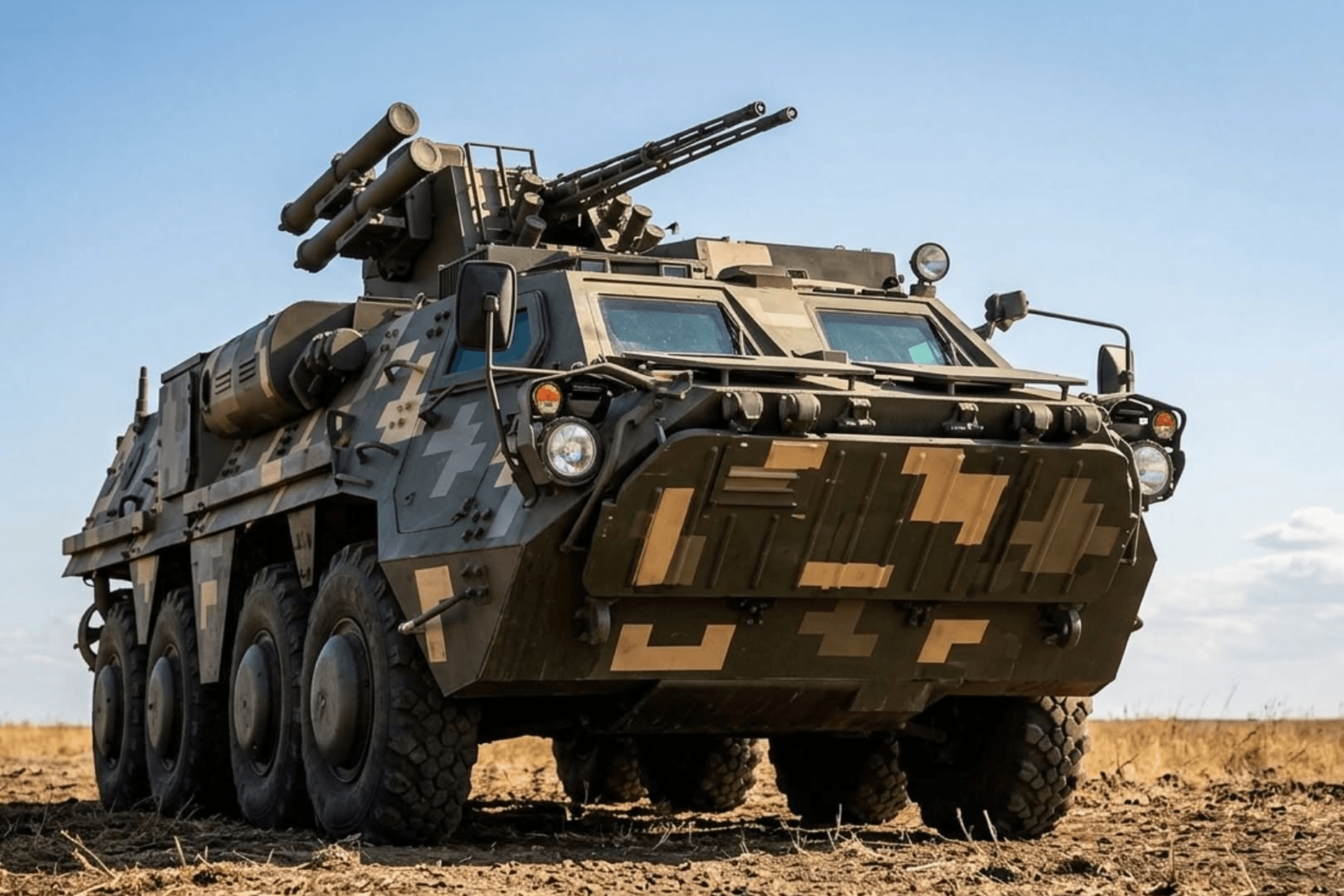
Photo: Ratel / Facebook 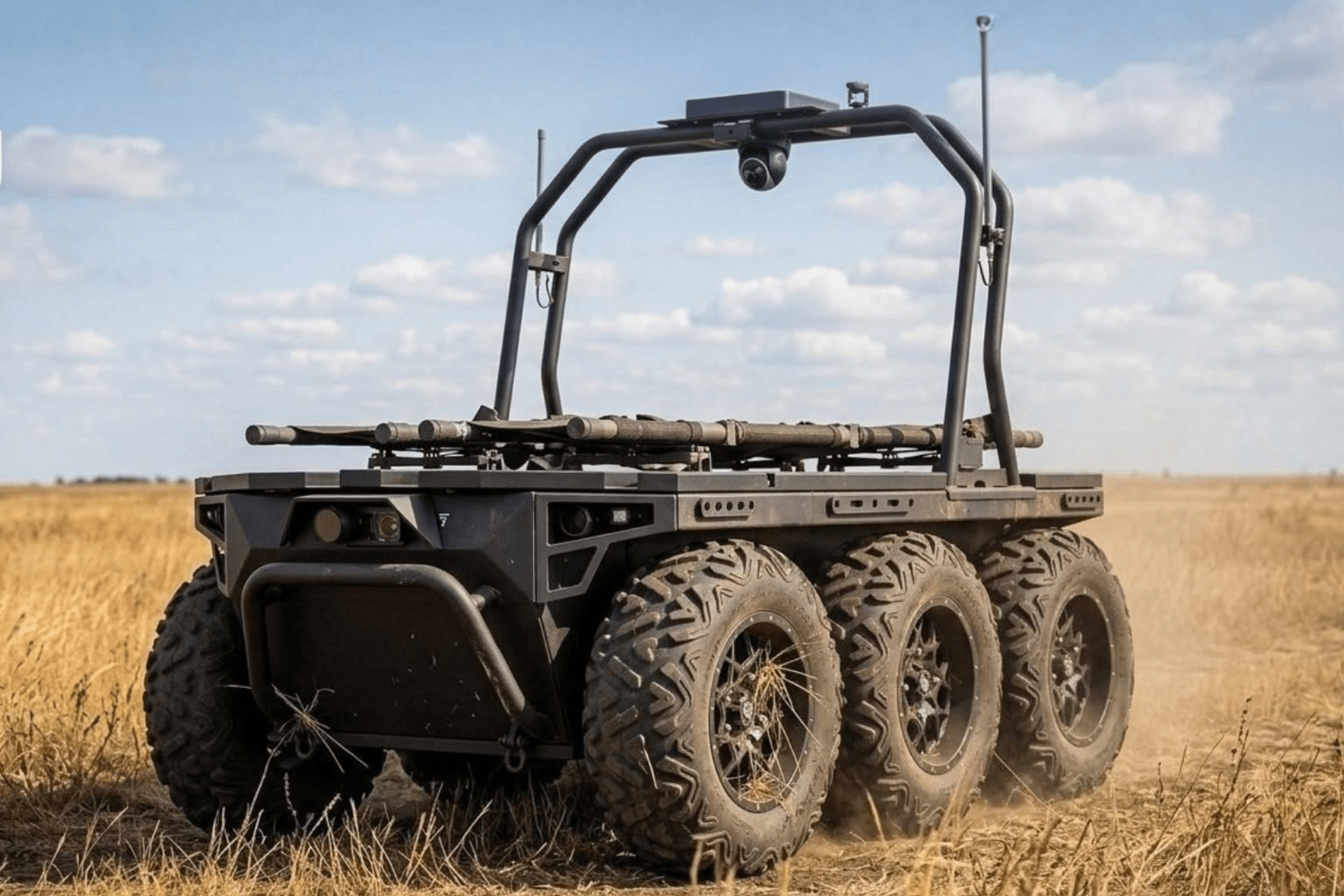
Photo: Ratel / Facebook
This milestone demonstrates that Ukraine’s underdeveloped domestic stock market is not a bottleneck for high-growth defense firms, Deborah Fairlamb, co-founder of Green Flag Ventures (an early Swarmer investor), told Yellow Blue. Access to deep global capital pools is key: even a fully developed Ukrainian market could not match the liquidity of US exchanges.
“This was a landmark debut for the entire ecosystem, proving strong international appetite for Ukrainian startups,” Fairlamb noted regarding Swarmer’s Nasdaq listing, adding that the company remains positioned for rapid growth and further strategic partnerships.

How VCs evaluate defense startups
Connecting with investors usually starts with networking—a crucial channel for raising capital, according to Deborah Fairlamb. Specialized deal-making platforms and pitch events hosted by Brave1 and industry partners play a central role in facilitating these first contacts.
Once introduced, venture capitalists assess a startup’s Technology Readiness Level (TRL). Green Flag Ventures, for instance, focuses on teams at TRL 7 — a stage on the 1–9 maturity framework indicating that a prototype has already undergone testing in operational conditions (TRL 1 represents a conceptual idea, while TRL 9 denotes mass production readiness).
Next comes team evaluation: investors gauge whether founders can scale manufacturing and sales domestically while executing an international go-to-market strategy.
“Selling defense technology globally is notoriously tough — not just for Ukrainian founders, but across the board,” Fairlamb explains. “It’s a highly competitive and insular market. We actively seek out teams with the operational resilience to navigate that complexity.”
The fund’s subject-matter experts then conduct technical and commercial due diligence, frequently bringing in Western military advisors and domain experts. Key evaluation criteria include:
- Global applicability: Does the technology solve a broader market problem beyond the Ukrainian theater?
- NATO interoperability: Does the hardware or software meet technical standards required by NATO forces?
- Addressable market: Is there sustainable international demand outside Ukraine?
Startups that pass diligence enter term-sheet negotiations, which typically last up to two months.
Concurrently, investors review financial records and legal documentation, followed by legal closing procedures taking another three to four weeks. Once agreements are finalized, capital deployment can happen overnight, Fairlamb notes.
The trajectory of Ukrainian defense startup Zmiyar illustrates this development arc. Its founder Viktor Shapovalov, who brought a background in microelectronics, initially bootstrapped the enterprise using capital raised from friends and family in 2022.

Approached by frontline contacts seeking reliable drone initiation boards, Shapovalov used early grassroots funding to manufacture initial test batches. Profits were immediately funneled back into scaling production lines.
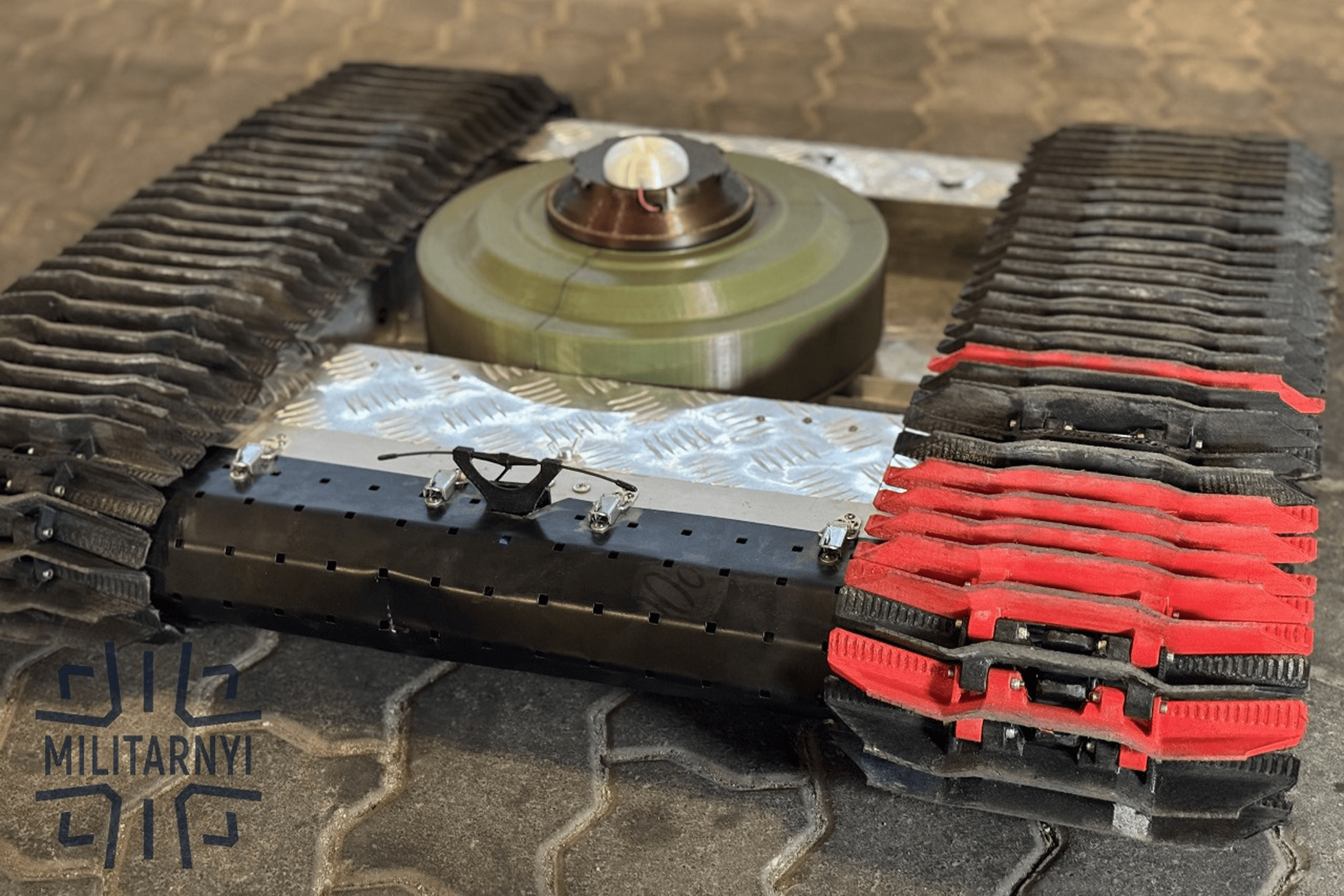
Zmiyar subsequently expanded its operational focus into smart munitions technology, developing intelligent landmine fuzes capable of real-time telemetry, automated minefield mapping, and encrypted remote detonation.
With a market-ready product in hand, Shapovalov turned to external fundraising. He connected with Zmiyar’s first investor at a Brave1 networking event, initiating term-sheet discussions while pitching to angel networks through accelerator demo days.
In March 2026, Zmiyar secured approximately $512,000 in venture funding. The capital injection was allocated toward field testing under combat conditions, expanding production lines, securing NATO Stock Numbers (NSNs) for their product lineup, and accelerating R&D.
Yet, even after term sheet execution, capital deployment took six months, Shapovalov notes. Extensive legal due diligence, background checks, corporate structure verification, financial audits, and security reviews accounted for the delay.
“When launching a defense tech startup, you must operate as though external capital simply isn’t an option,” Shapovalov advises early-stage founders:
- Prioritize product execution over fundraising: Treat investment strictly as a mechanism for scaling infrastructure and entering foreign markets, rather than a lifeline.
- Build a track record first: VCs back traction. Validate your technology and unit economics before opening an investment round.
- Retain equity through revenue: Bootstrapping via product revenue preserves founder control and autonomy, avoiding premature dilution and heavy governance overhead.


