
Ukraine has chosen its entry for the Oscars. It is the documentary “Traces,” directed by Alisa Kovalenko and Marysia Nikitiuk, a story about women who survived violence during the war.
One of the film’s protagonists is Iryna Dovhan. In August 2014, the whole world saw her photograph: a woman tied to a pole, wrapped in a yellow and blue flag. In the film, she is a woman with the strength and courage to show the world Russia’s crimes. She records the testimonies of Ukrainian women who suffered sexual violence at the hands of Russian soldiers so that the perpetrators can be punished.
For Iryna Dovhan and Alisa Kovalenko, “Traces” is another step in their long personal struggle for justice. Both women survived captivity and sexual violence. Here is their story.
The best way to recover from trauma is to keep moving forward. It was very important to me not to let them make me unhappy. I try to convey this to other women. The fact that they have overcome it [the violence they experienced] is the best slap in the face to the enemy.
These words are heard at the end of the trailer for the documentary “Traces.” They are spoken by Iryna Dovhan, a woman who was among the first to become a symbol of the violence inflicted on people for their pro-Ukrainian stance.
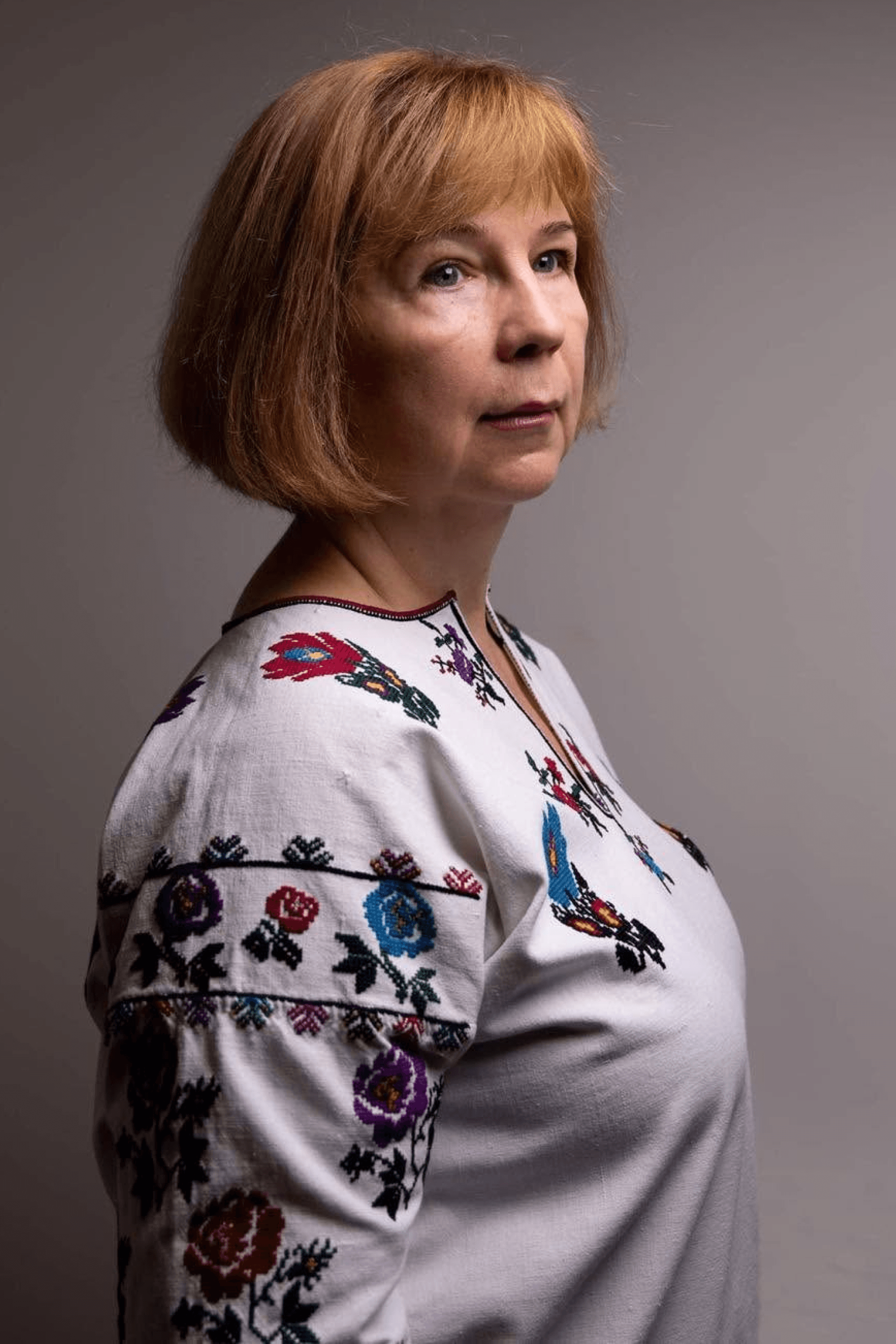
In 2014, Iryna lived in the small town of Yasynuvata in the Donetsk region and helped the Ukrainian army. In August of that year, militants of the so-called “Donetsk People’s Republic” detained her and took her to Donetsk. First, Iryna was tortured. Then she was wrapped in a Ukrainian flag, a sign reading “She kills our children” (in Russian) was hung around her neck, and she was tied to a pole. A photograph showing other people beating the woman quickly spread across the internet. After three hours of abuse, foreign journalists secured Iryna’s release, and she later left for Ukrainian-controlled territory.
The story of what Iryna endured unfolds in the opening shots of the film, which show an old tree smoldering and burning from within. Her story is central to the documentary. In “Traces,” Iryna also helped find women who had experienced sexual violence and documented their stories. Besides Iryna’s, the film tells the stories of five other women. Their voices are heard in voice-over against a backdrop of landscapes, the rustling of trees, the women’s everyday routines, or scenes in which they repair or touch war-damaged buildings.
1
When the Russian-Ukrainian war began in 2014, Alisa Kovalenko, a 26-year-old student of documentary filmmaking, went to the front to film everything that was happening. At checkpoints, she posed as a foreigner or a propagandist. At one point, she was detained after a local taxi driver turned her in. This is how she ended up in captivity.
Alisa was held captive in Kramatorsk for four days. She was beaten and threatened: they said they would cut off her fingers, knock out her teeth, and track down her parents and boyfriend. She was taken to an apartment where she was sexually assaulted. Media attention helped get her freed. Alisa’s partner, French journalist Stéphane Siohan, had raised the alarm. When they let her go, they told her she should be grateful she had not been shot.
For a long time, Alisa remained silent about what she had experienced. When the euphoria of having survived wore off, the trauma of the violence she had suffered began to catch up with her. Alisa decided to fill the hole inside her with trips to the front.
And when my time at the front, my trips there, were over, it all somehow came crashing down on me,” the director recalls. “Every night I dreamed that I was being taken captive. I would wake up drenched in sweat, kicking my husband. I realized I had to do something about it.
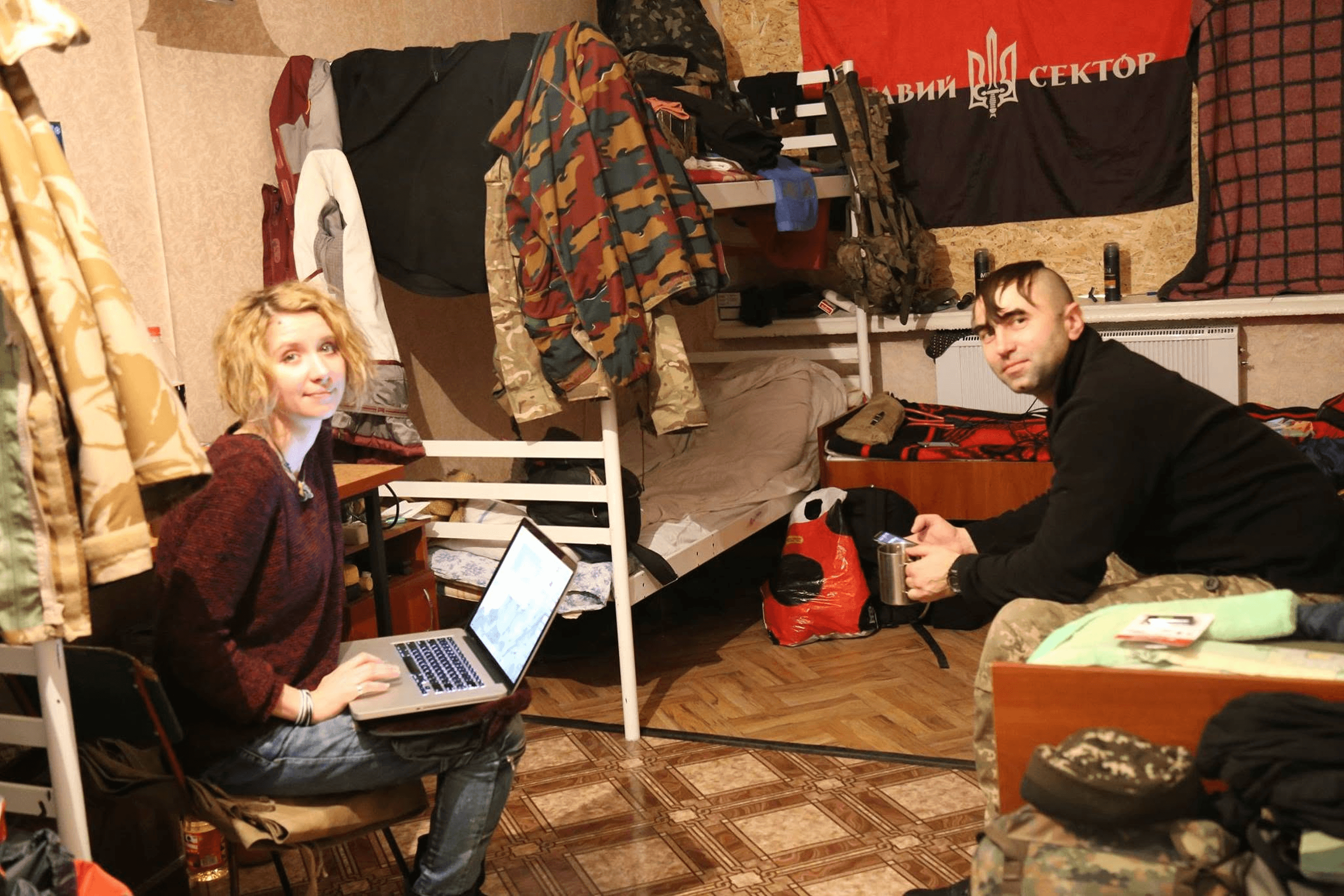
Alisa Kovalenko with DUK fighters, the subjects of her documentary film “Alisa in Warland,” after a screening in Velykomykhailivka, Dnipropetrovsk Oblast. January 2016. Photo: Alisa Kovalenko / Facebook 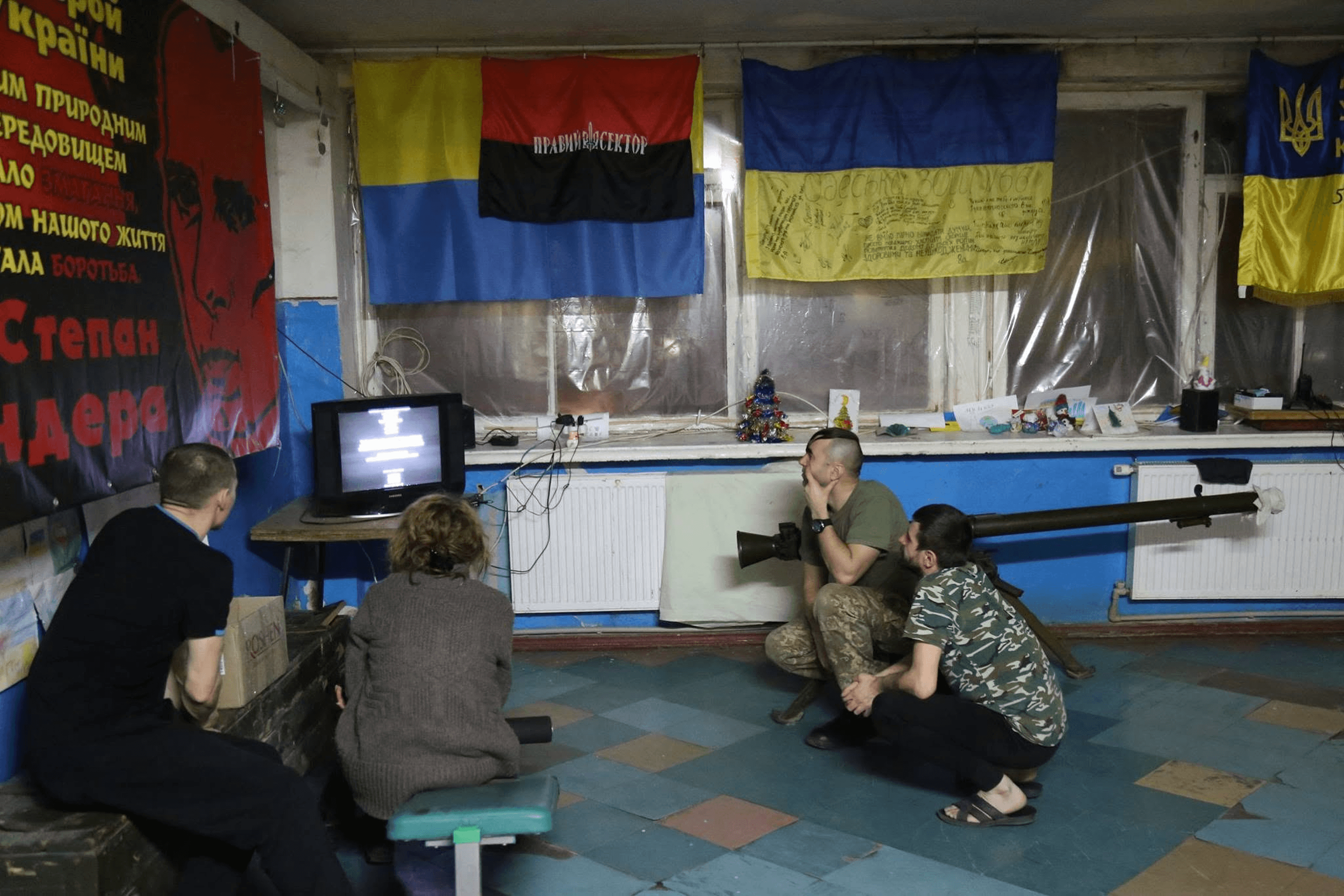
Photo: Alisa Kovalenko / Facebook 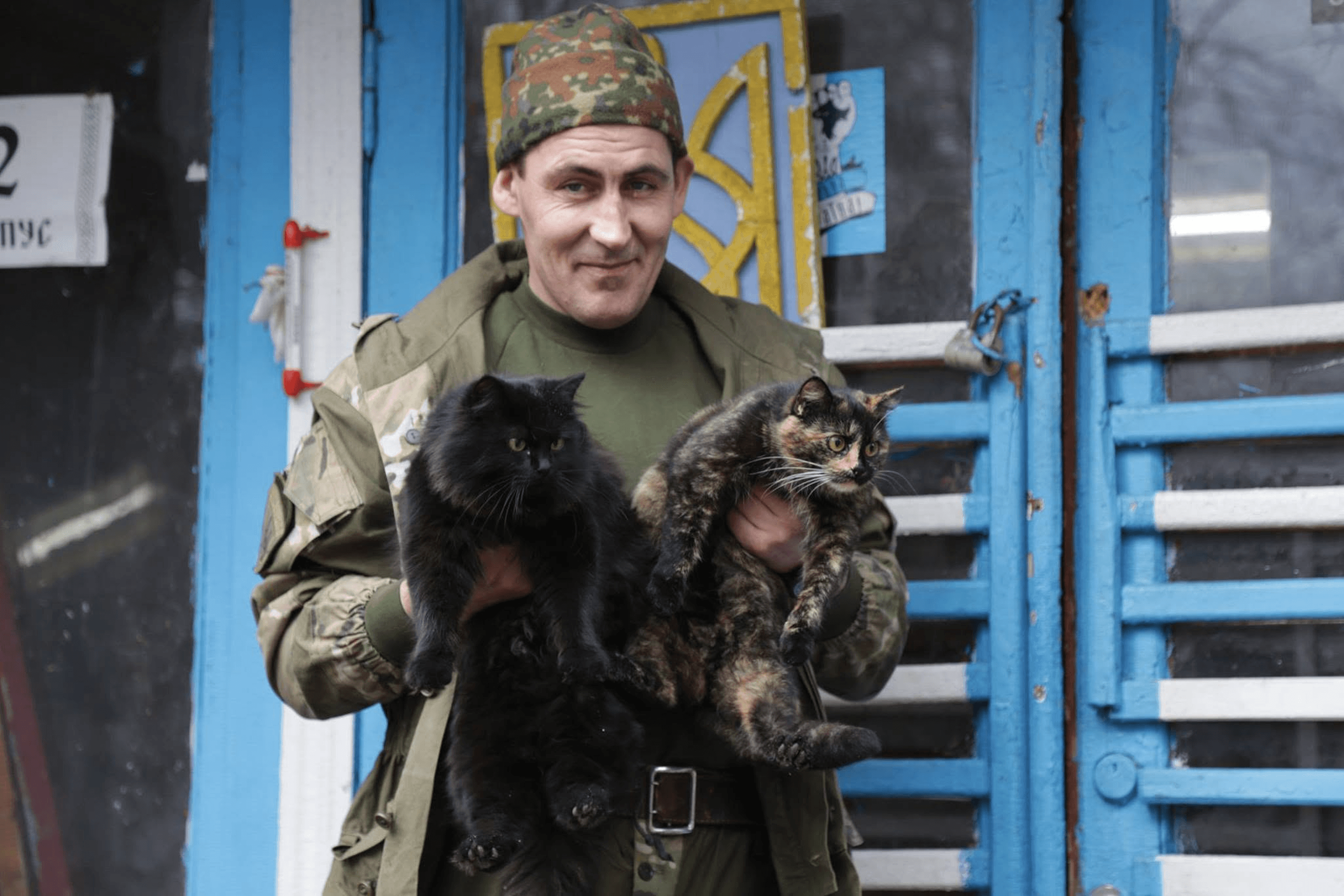
Photo: Alisa Kovalenko / Facebook 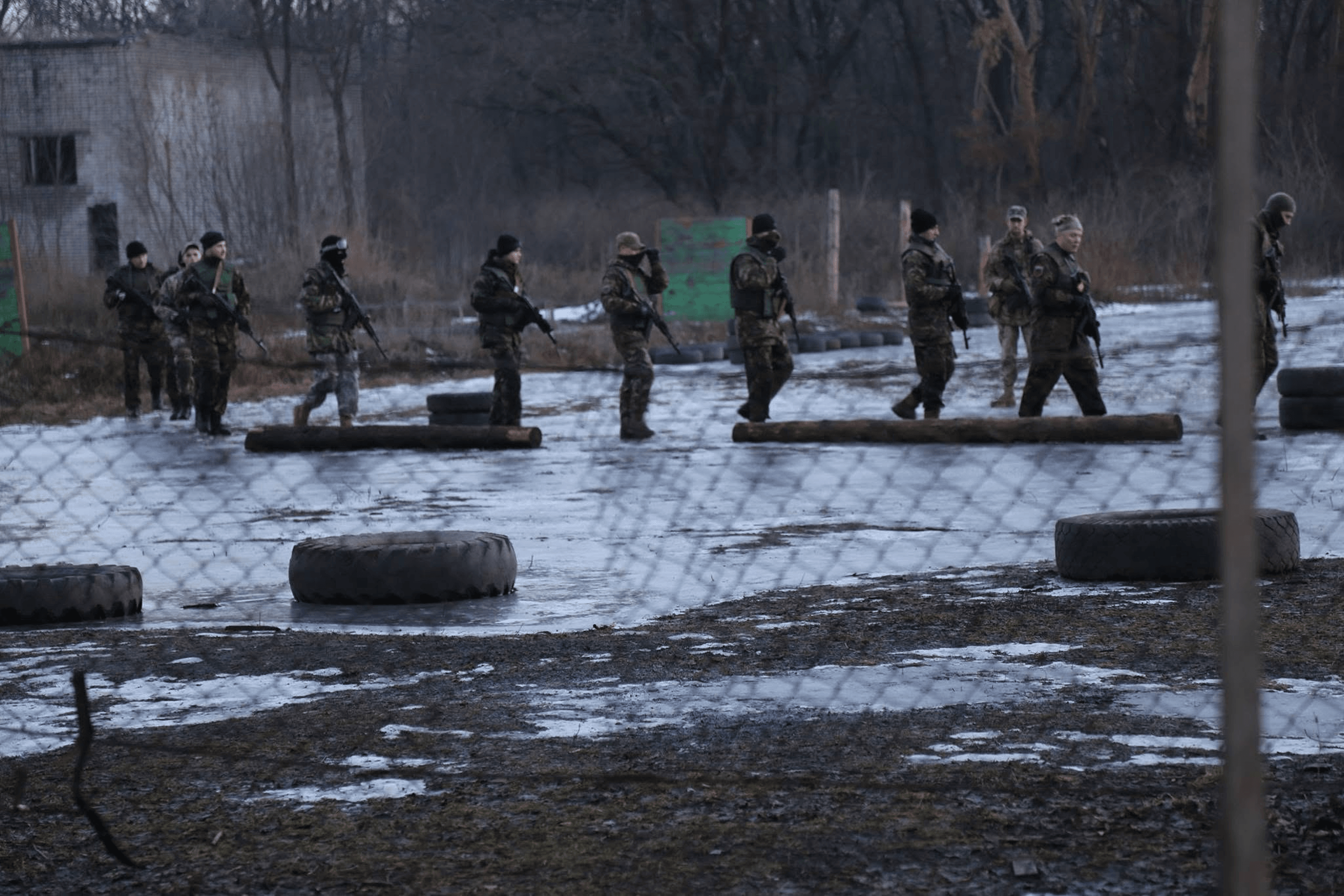
Photo: Alisa Kovalenko / Facebook 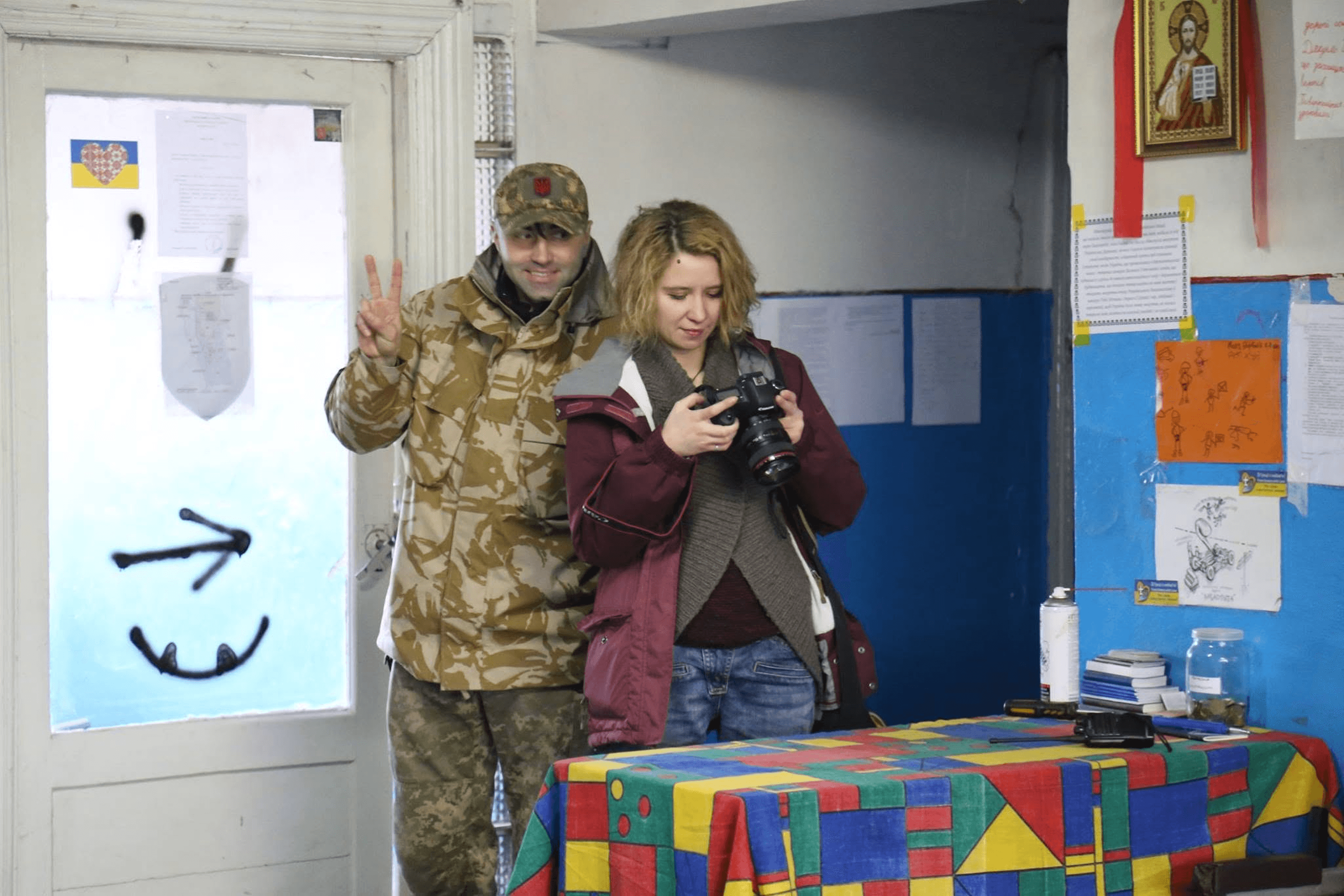
Photo: Alisa Kovalenko / Facebook
Alisa turned to the experimental Theatre of Displaced People. It was founded in October 2015 by German director Georg Genoux, Ukrainian playwrights Natalka Vorozhbyt and Maksym Kurochkin, and military psychologist Oleksii Karachynskyi. Alisa planned to use it to find other former captives who had been held “in the basement” in Kramatorsk at the same time as her, collect their testimonies, and create a documentary play about the experience.
“Georg Genoux asked, ‘Why don’t you want to talk about yourself? ’” the director continues. “He was the first person I shared my entire story with, including the sexual violence. It was the effect of talking to a stranger: what I couldn’t tell people very close to me, I was able to tell someone with that distance between us. And then he said, ‘It was so hard for you to start talking. Perhaps an experimental documentary play like this could motivate other women to start talking too.’”
The play “Captivity” premiered in Germany in May 2016. It reconstructed the days the main character had spent in captivity. Alisa says audiences were shocked to learn it was a true story. After the performance, representatives of the Ukrainian Helsinki Human Rights Union approached her. When Alisa asked how many testimonies they had already collected, they replied, “You are the first.” That was when Alisa realized just how great the stigma was. She knew from her own experience how difficult it could be to speak out, but she had never imagined that hundreds and thousands of other women felt the same way.
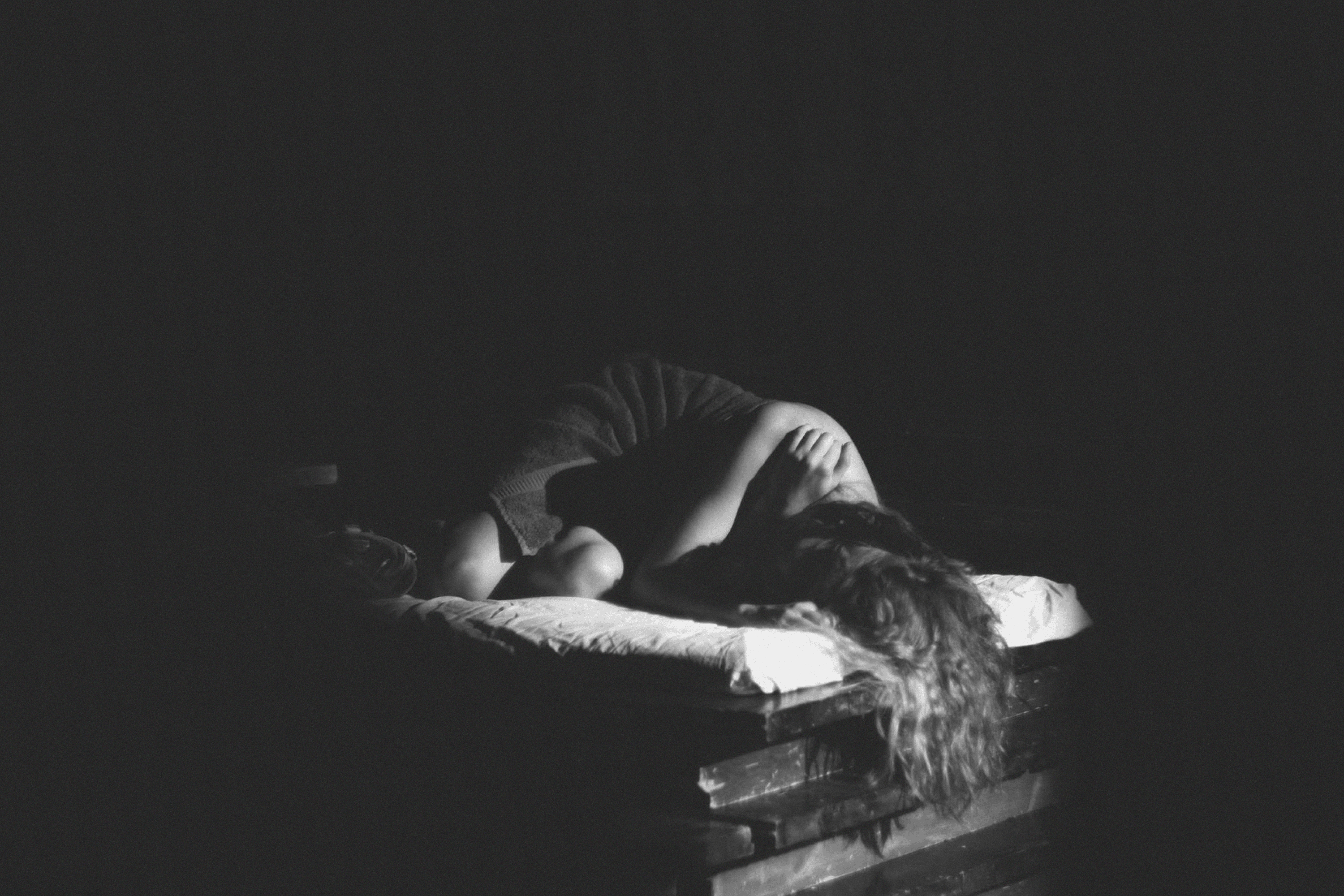
Alisa Kovalenko and director Georg Genoux at the Three Countries Film Festival in Zittau, where they presented the documentary performance “Captivity.” Germany, May 2016. Photo: Театр переселенця / Theatre of Displaced People / Facebook 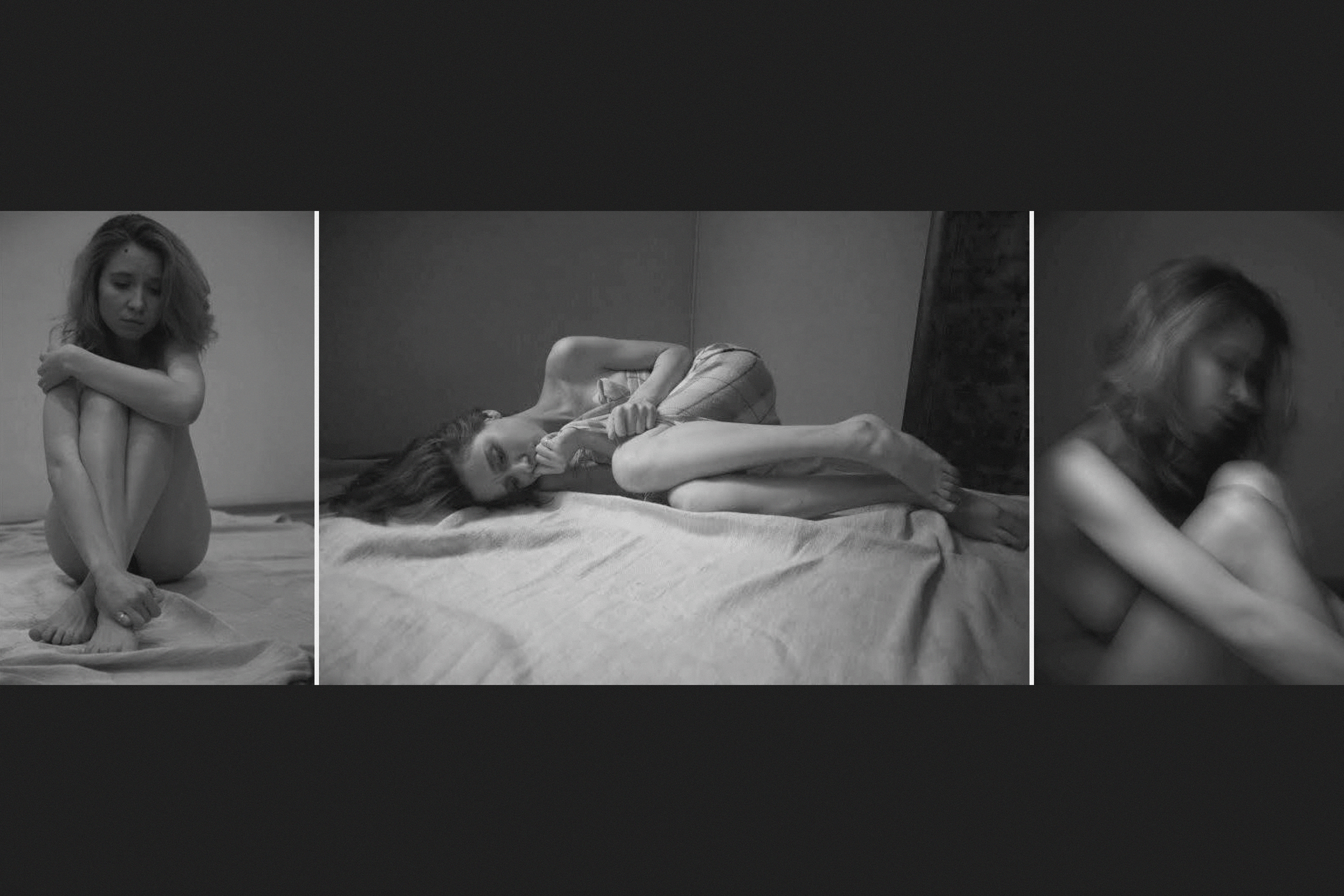
Photo: Театр переселенця / Theatre of Displaced People / Facebook 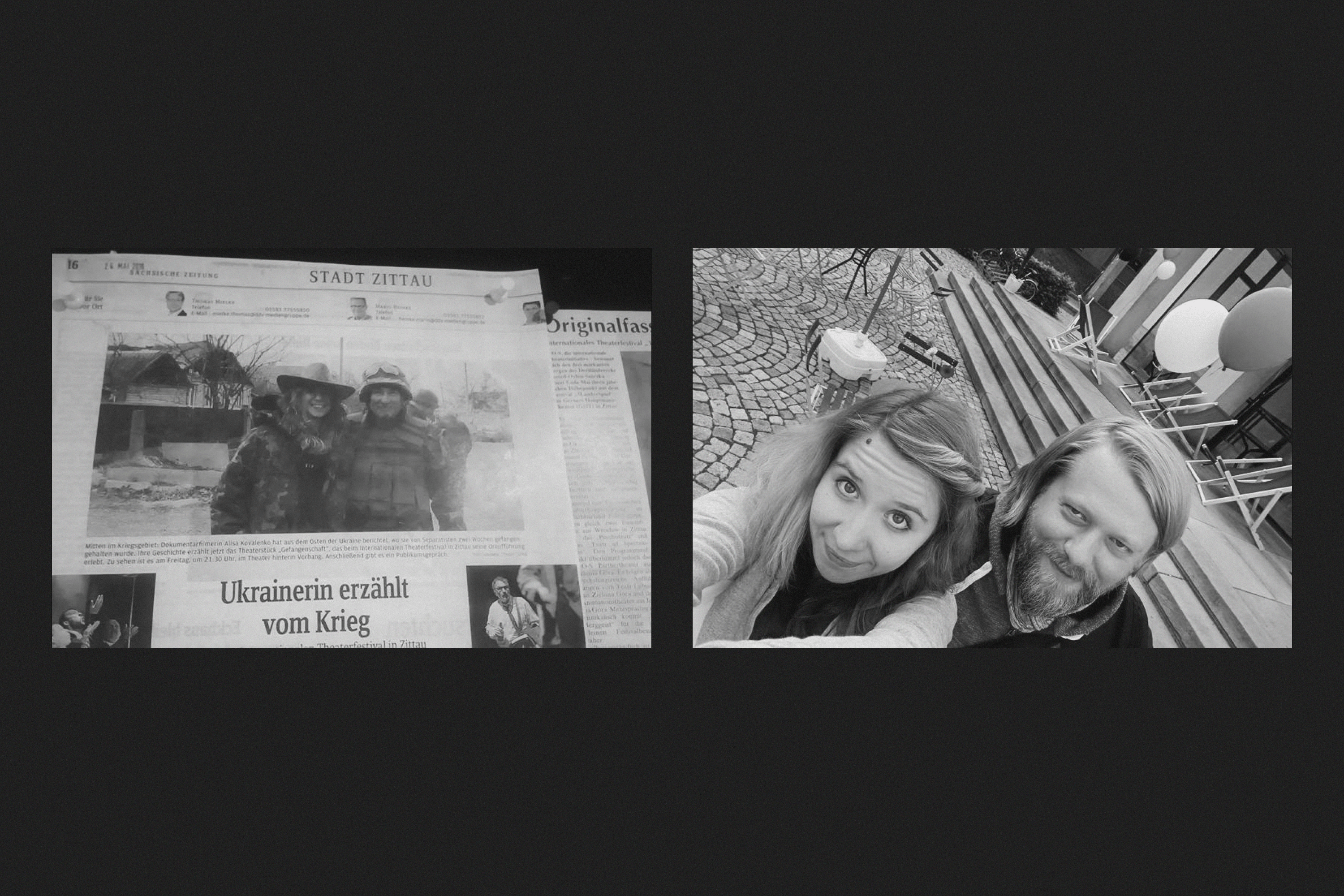
Photo: Alisa Kovalenko / Facebook
2
After her captivity, Iryna Dovhan moved to Kyiv, began working with human rights defenders, and started testifying about what she had experienced. In 2018, her testimony was eventually heard at the International Criminal Court in The Hague, where she became acquainted with the Mukwege Foundation, an international organization that works with survivors of conflict-related sexual violence. It was founded by Congolese doctor Denis Mukwege, a Nobel Peace Prize laureate.
“That was when I realized that the world was fighting, that women in other countries were not staying silent, that they were seeking justice,” Iryna says. “I was offered the chance to establish an association like that in Ukraine. They said they would support me.”
Gradually, other women who had also survived captivity, torture, and sexual violence began to gather around Iryna. A community emerged where survivors could support one another, talk about what they had experienced, and demand justice together. In 2019, this community formally became SEMA Ukraine, the Ukrainian network of women survivors of conflict-related sexual violence. The first person Iryna Dovhan wrote to was Alisa Kovalenko. Iryna invited the director to attend a meeting with survivors.
“I understood that it was important, but I wasn’t ready,” Alisa recalls. “I sort of agreed, but in reality, I spent years trying to find the courage within myself, putting it off again and again. And then the full-scale war began. When I saw the scale of this evil, particularly the crimes of sexual violence during the war, I realized that this was no time for inner fears and triggers. A line had been crossed. Something had to be done here and now.”
From 2022 on, Kovalenko was actively involved in SEMA Ukraine. The organization had just received a grant to document crimes against humanity. Together, all the women survivors in the organization decided that it was important to use the money to begin work on a documentary film.
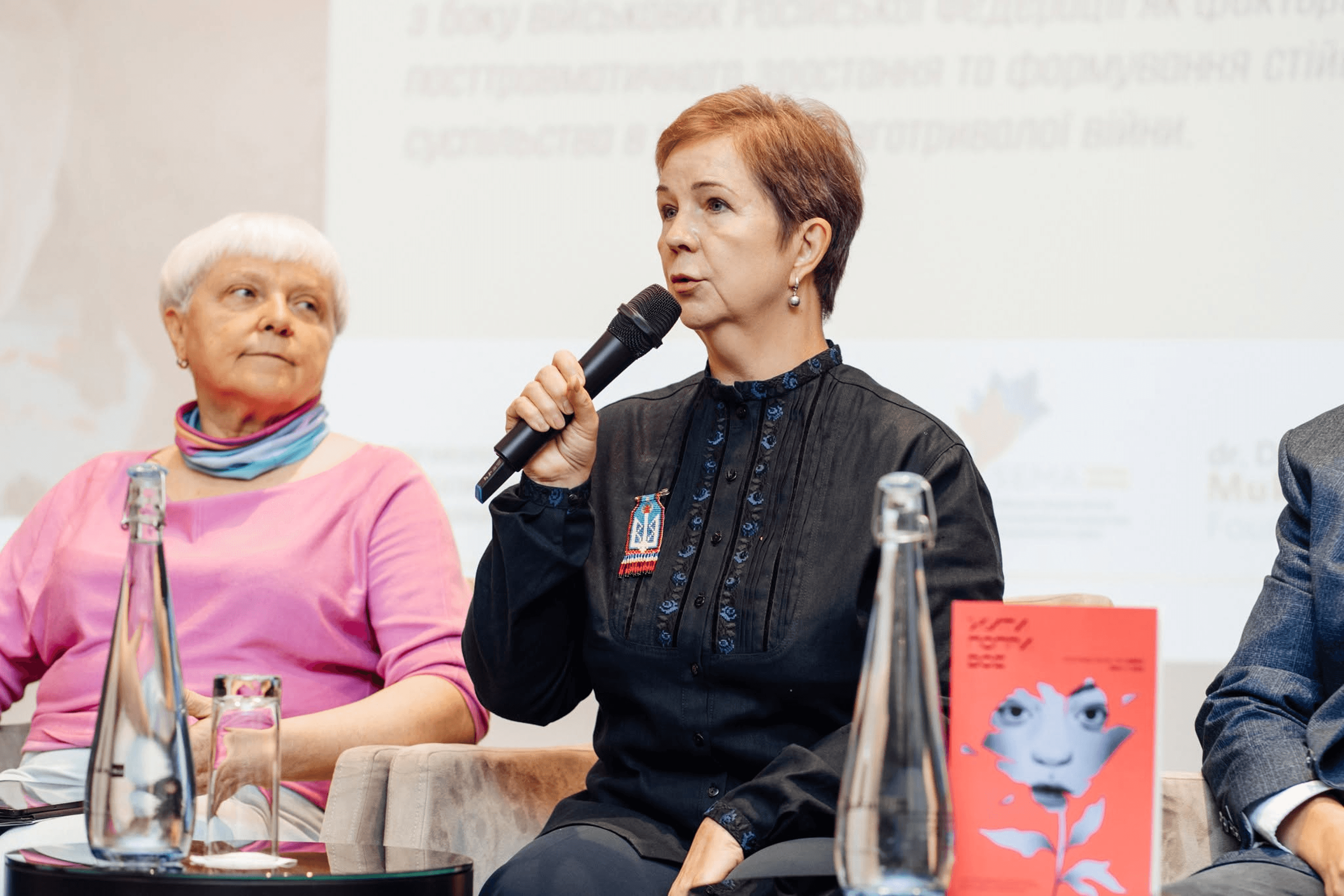
The SEMA Ukraine event “Beyond the Image of a Victim,” dedicated to the experiences of survivors of conflict-related sexual violence. 2025. Photo: Alisa Kovalenko / Facebook 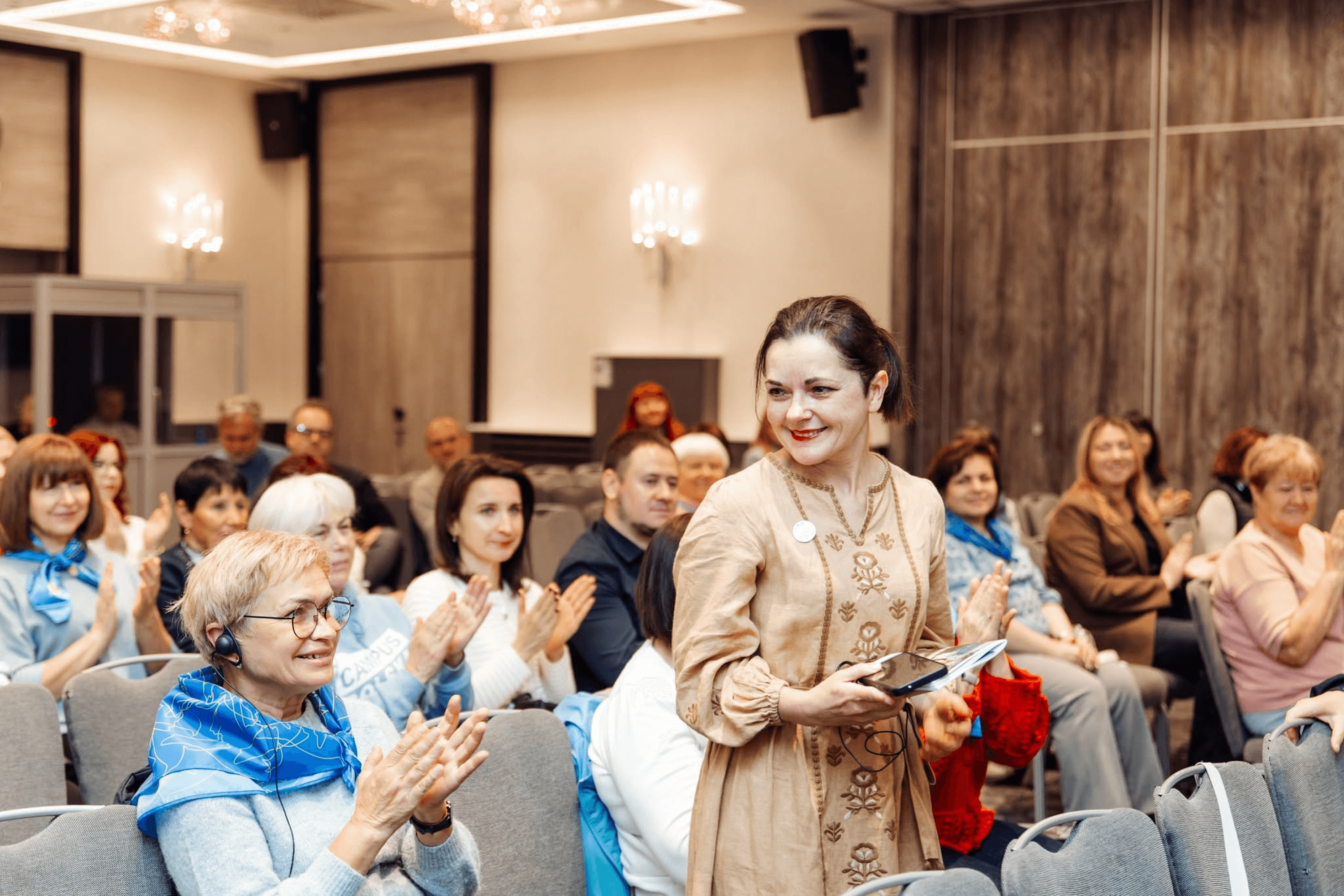
Photo: Alisa Kovalenko / Facebook 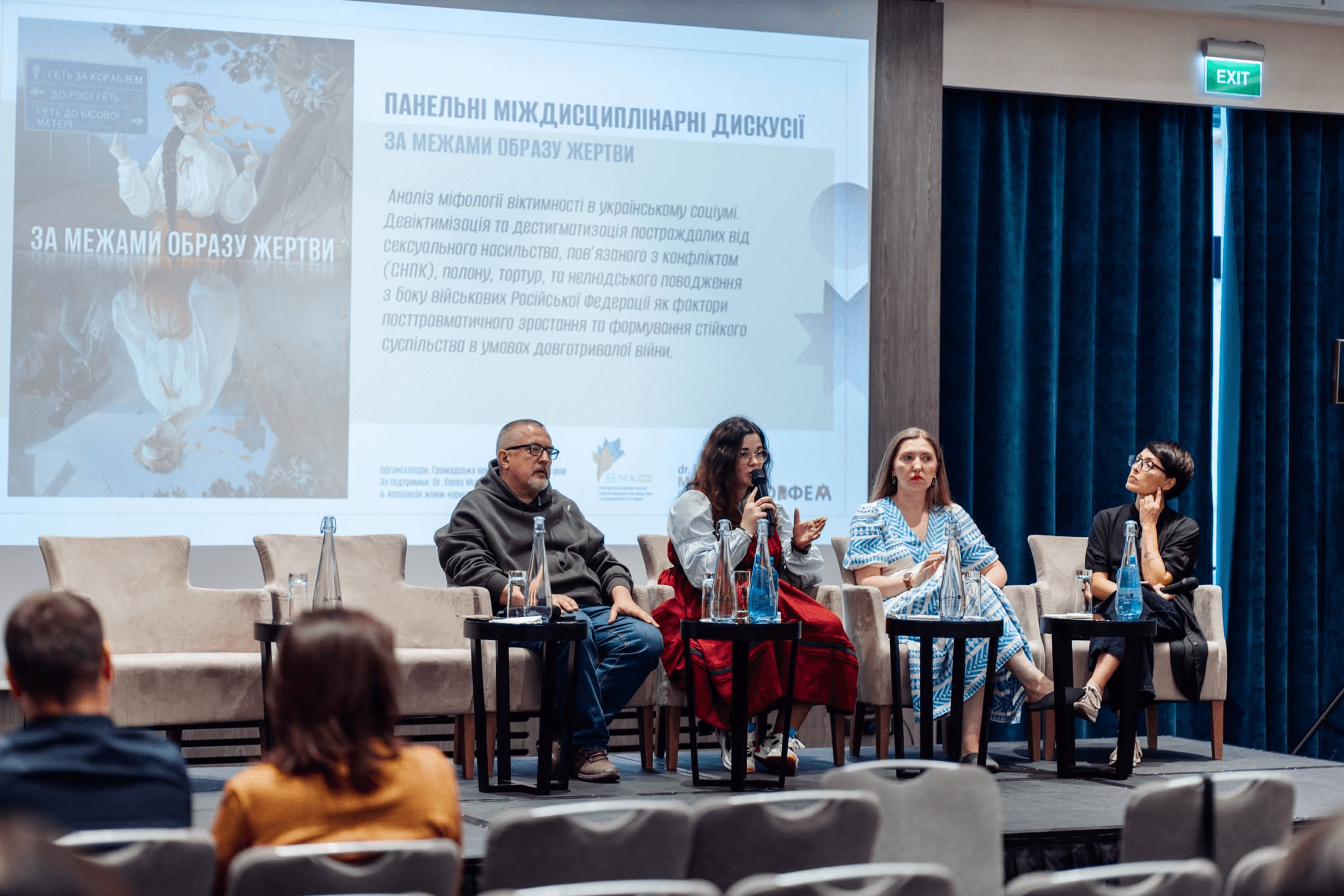
Photo: Alisa Kovalenko / Facebook 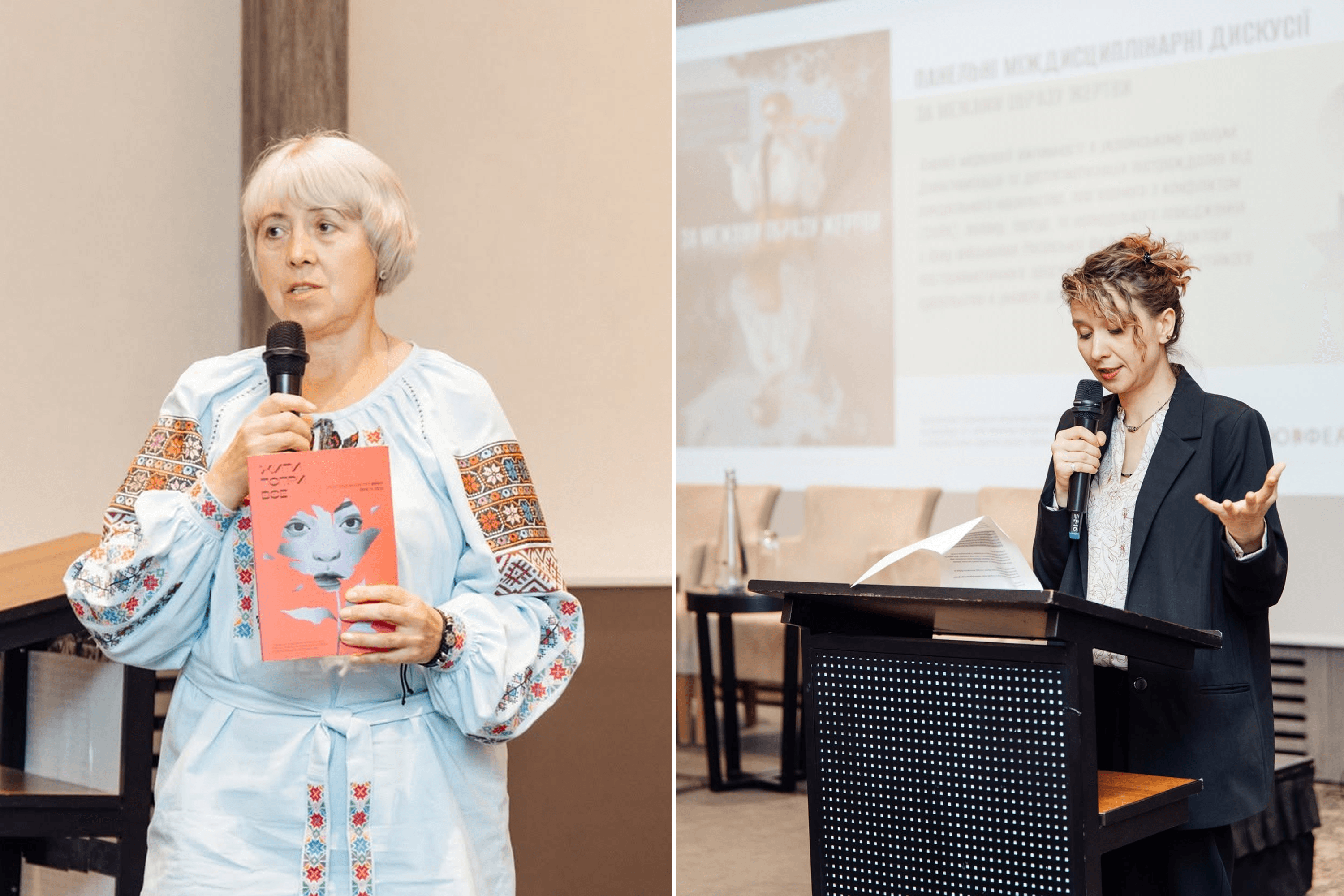
Photo: Alisa Kovalenko / Facebook 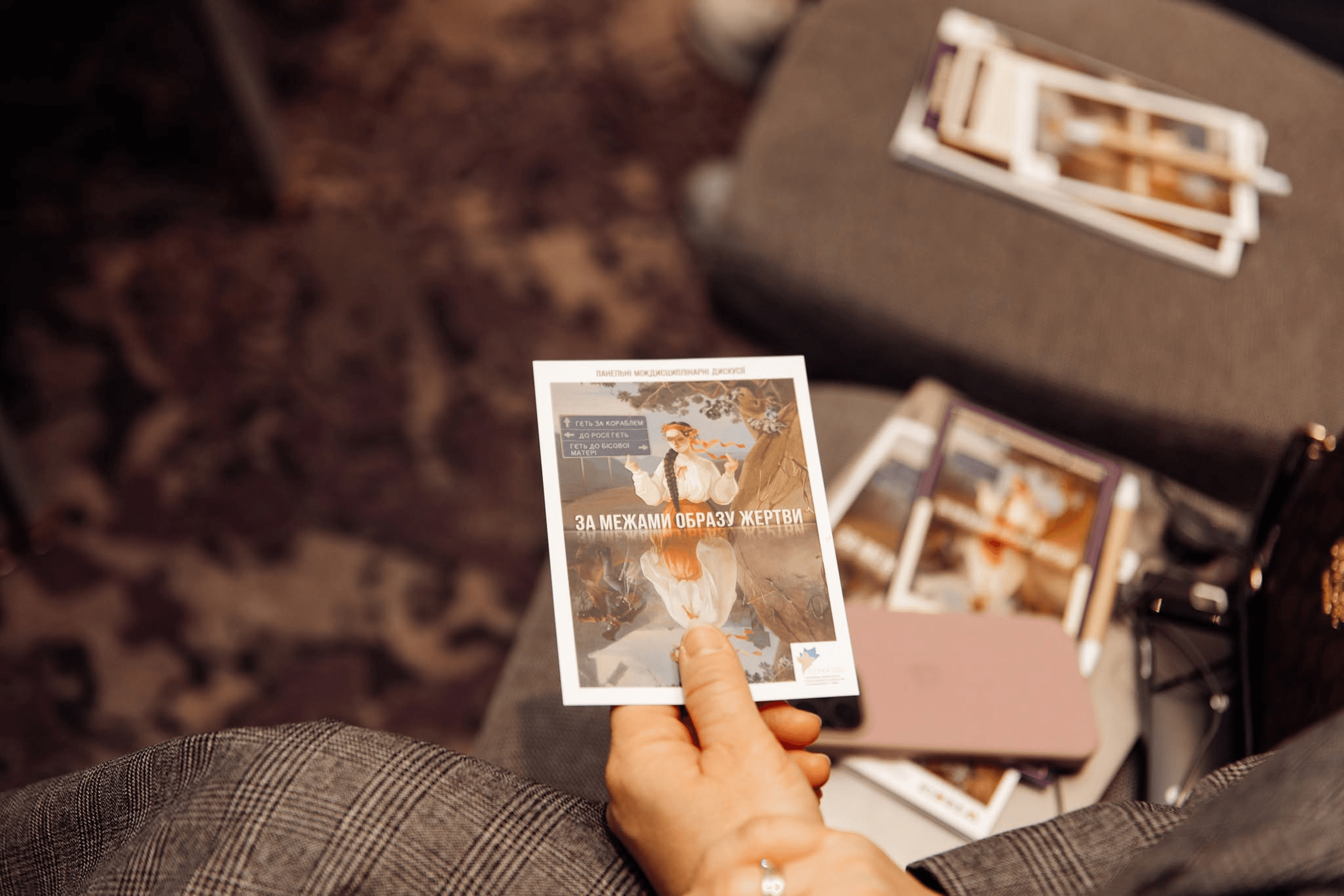
Photo: Alisa Kovalenko / Facebook 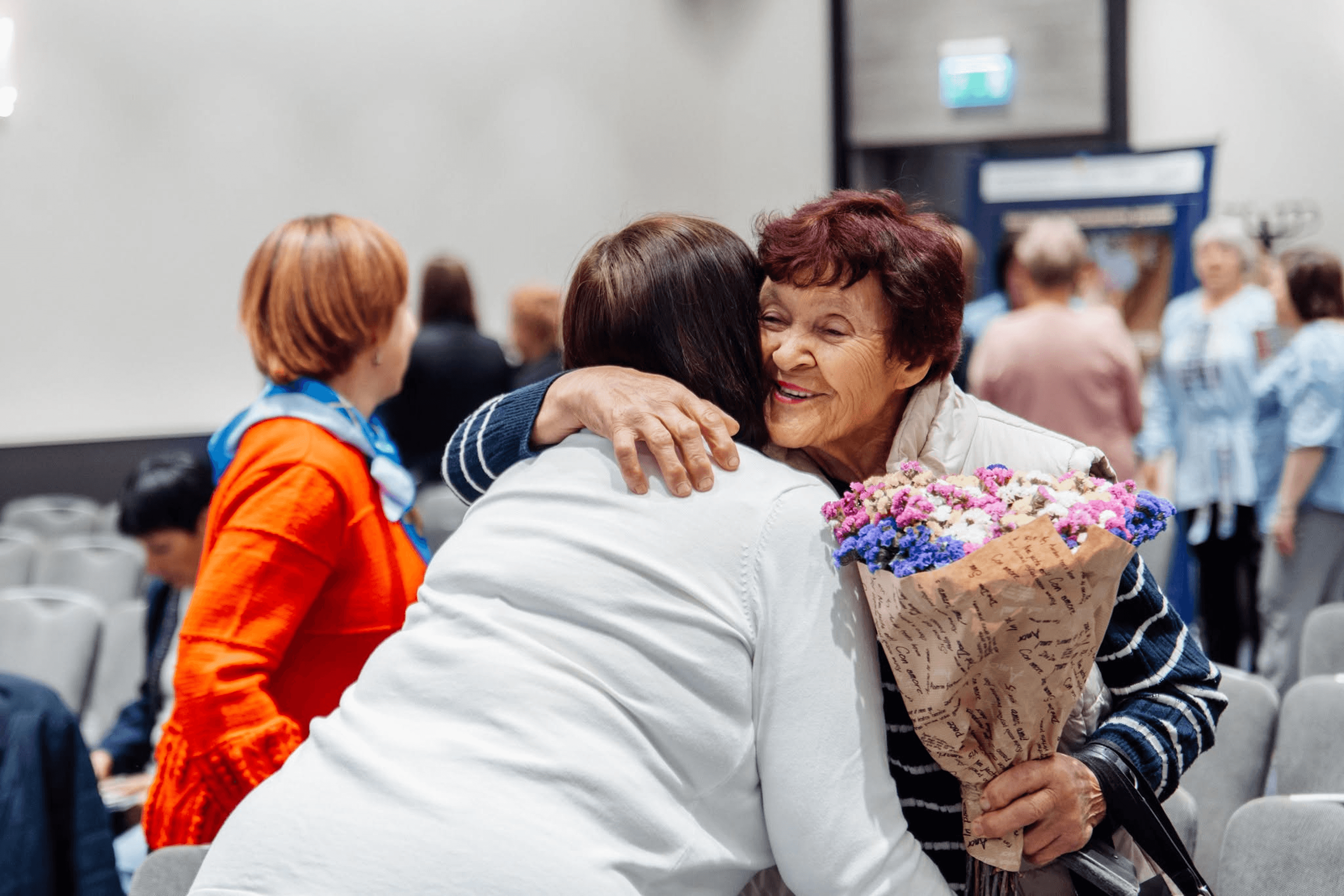
Photo: Alisa Kovalenko / Facebook
Iryna was already documenting testimonies in the Kyiv region after it was freed from occupation. Once Kherson was liberated, Dovhan and Kovalenko traveled there. These were the stories of a woman from the Kyiv region who had survived a brutal rape, a woman from Kherson who had spent nine and a half months in captivity, and women from small villages where the occupation had lasted ten months. Iryna Dovhan says that each of these stories, taken separately, may seem like the story of one village, one city, one woman. Together, they show something else: behind them stands an entire country.
3
In 2023, Iryna was diagnosed with cancer. By that time, she had documented more than 350 crimes committed by Russia, including a great many cases of sexual violence. Her doctor told her that the tumor had been growing for about two years.
“I don’t think I ever had the strength. I can say that from the moment I started documenting, I was simply living in a state of shock from what I kept hearing. But there is this understanding that you have to. You have to leave a record of all this, like this film. I am sure it will remain for the world and for humanity,” Iryna Dovhan reflects.
Alisa Kovalenko recalls that when she returned from Kherson, where she had listened to hundreds of painful stories, she lay in a hotel room in Mykolaiv, feeling an enormous hole inside her.
“I would go to sleep and dream about my captivity, in every detail,” the director recalls. “During the day, I would return to all those stories. I would go to sleep, dream about captivity, and wake up. I realized that was it: I simply couldn’t take any more.”
Not wanting to be alone, Alisa invited Marysia Nikitiuk to join the film as co-director. Marysia became someone she could lean on creatively, helping to sharpen the film’s form and structure, working on its visual language and the balance between documentary testimony and cinematic expression.
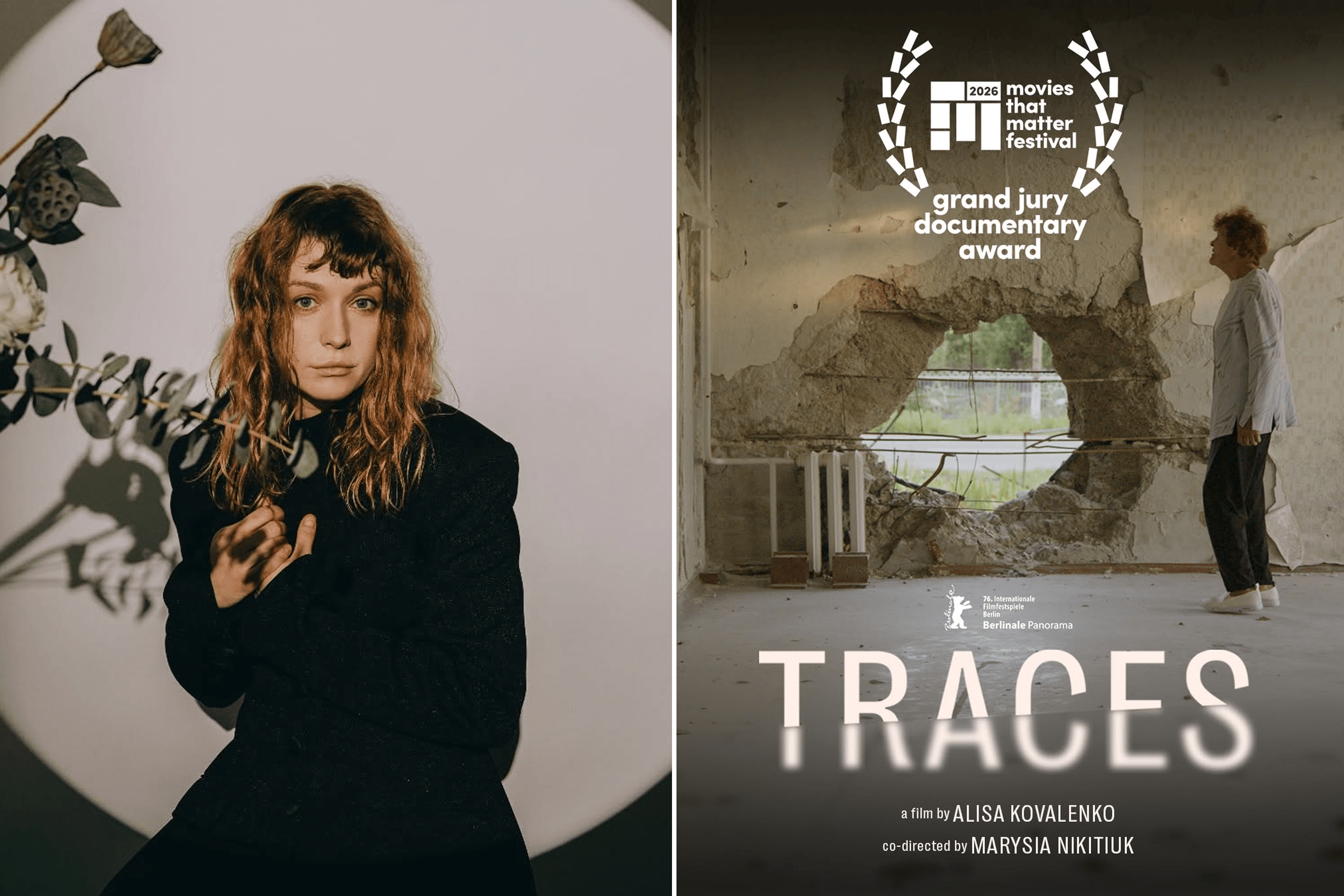
Director Marysia Nikitiuk, scenes from the documentary film “Traces,” and the film’s posters. Photo: Alisa Kovalenko / Facebook 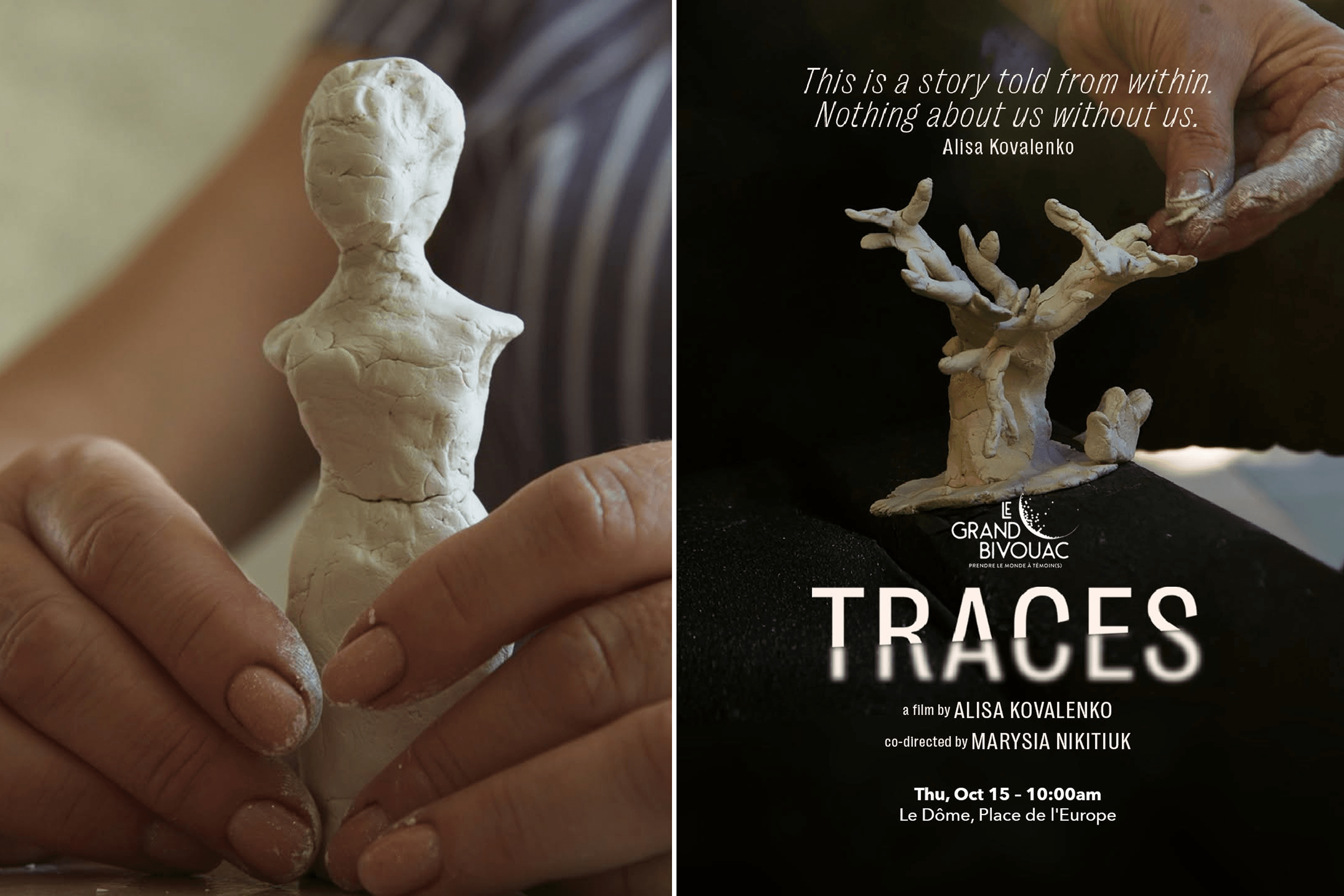
Photo: TRACES Film / Facebook 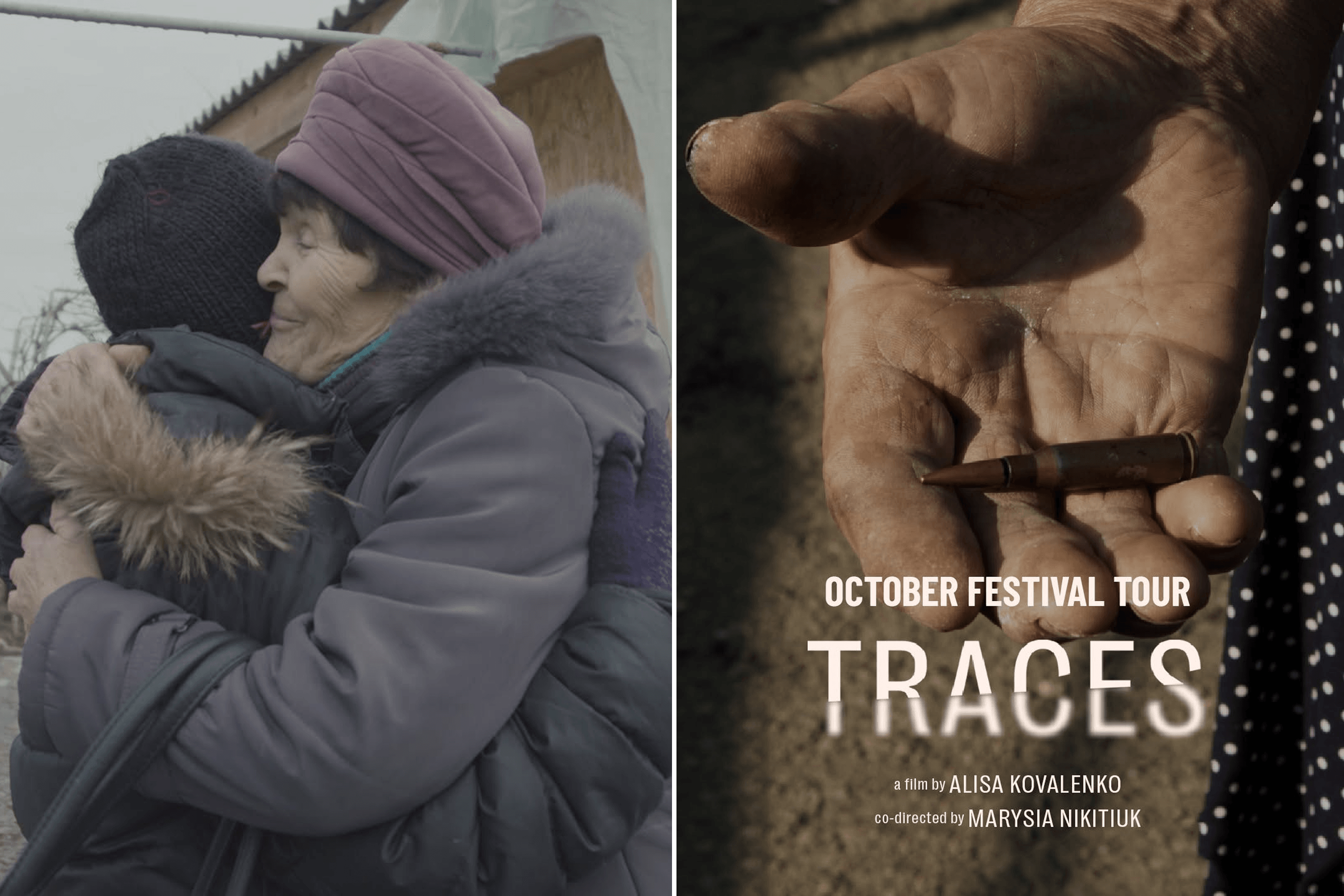
Photo: TRACES Film / Facebook
As a documentary filmmaker, Alisa understood that not everyone was ready to talk about the trauma they had to live with, let alone show their face on camera. She says she waited a year before one of the women told her she was ready to be part of the film.
“For a long time, I didn’t know whether the scenes with her would make it into the film,” the director says. “I was filming them, but I understood that in the film she was telling her story for the very first time. She was in a very difficult psychological state. I constantly saw her in tears, and then she came to Kyiv, and I saw her smiling. For me, it was a sign that she had come a long way and had managed to start finding a little joy in life again.”
4
The documentary “Traces” was first screened on February 16, 2026, at the Berlinale, where it received three standing ovations and won the Panorama Audience Award for Best Documentary Film.
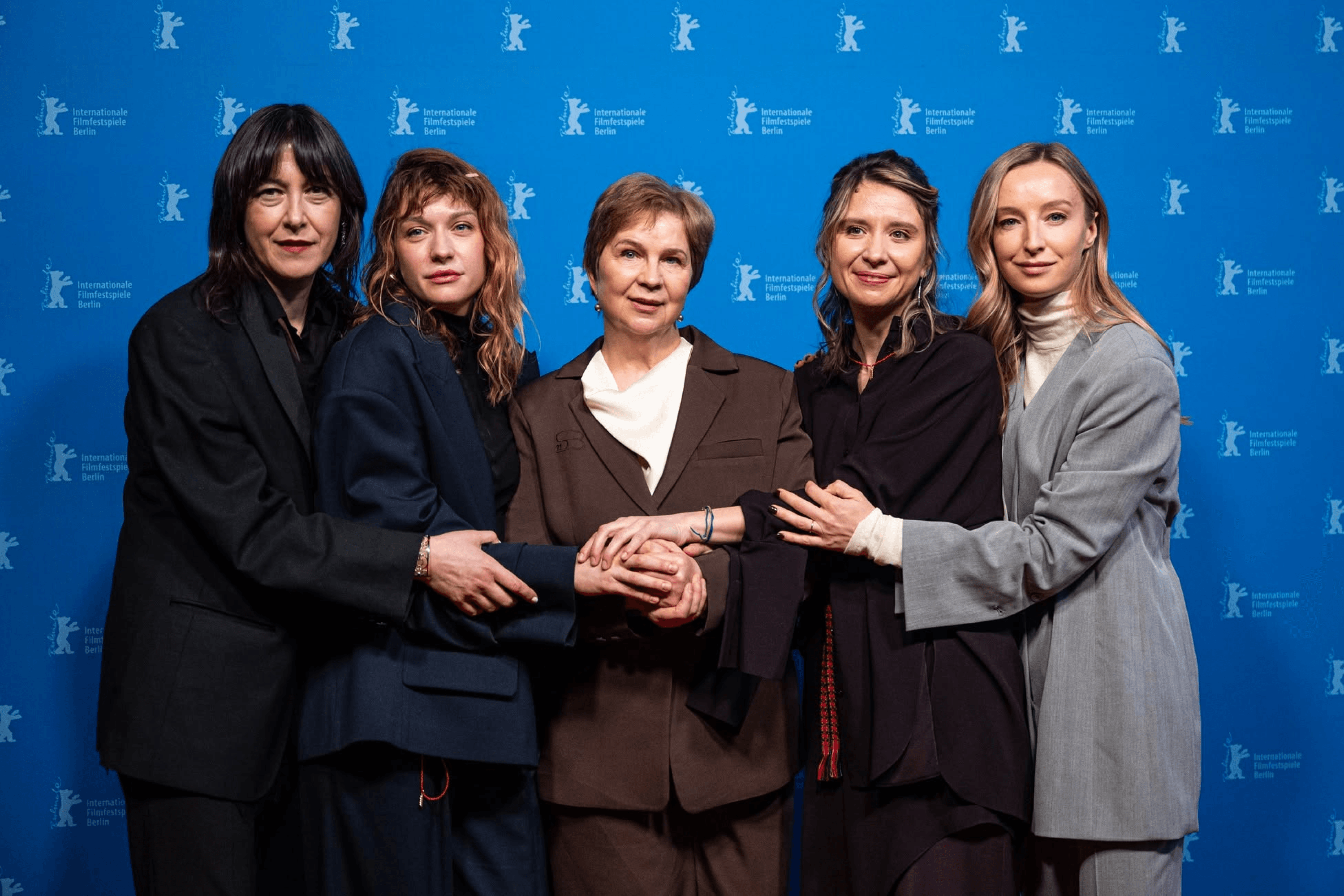
Ukrainian women from SEMA Ukraine at the Berlin International Film Festival, where they presented Alisa Kovalenko’s documentary film “Traces.” February 17, 2026. Photo: Alisa Kovalenko / Facebook 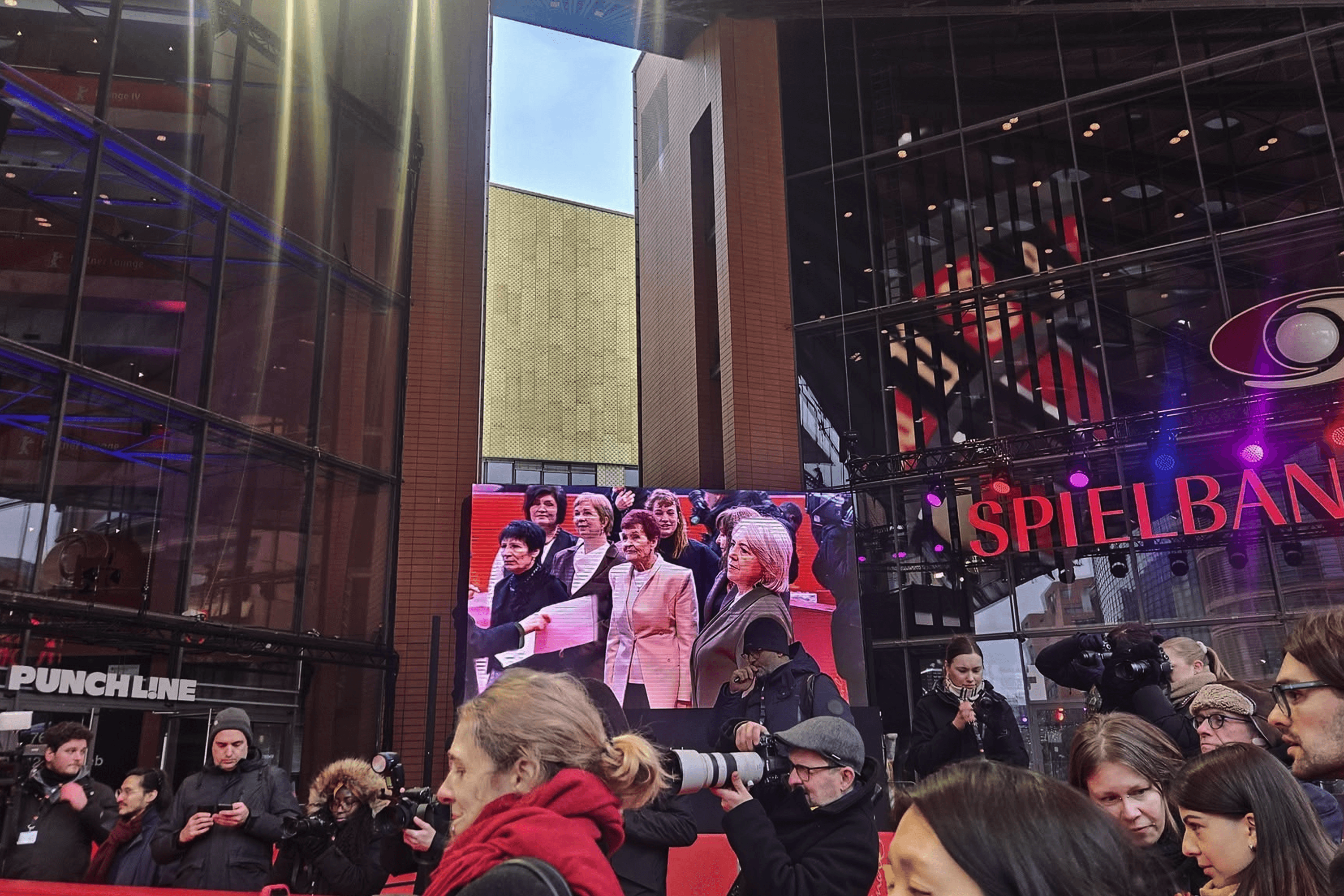
Photo: Alisa Kovalenko / Facebook 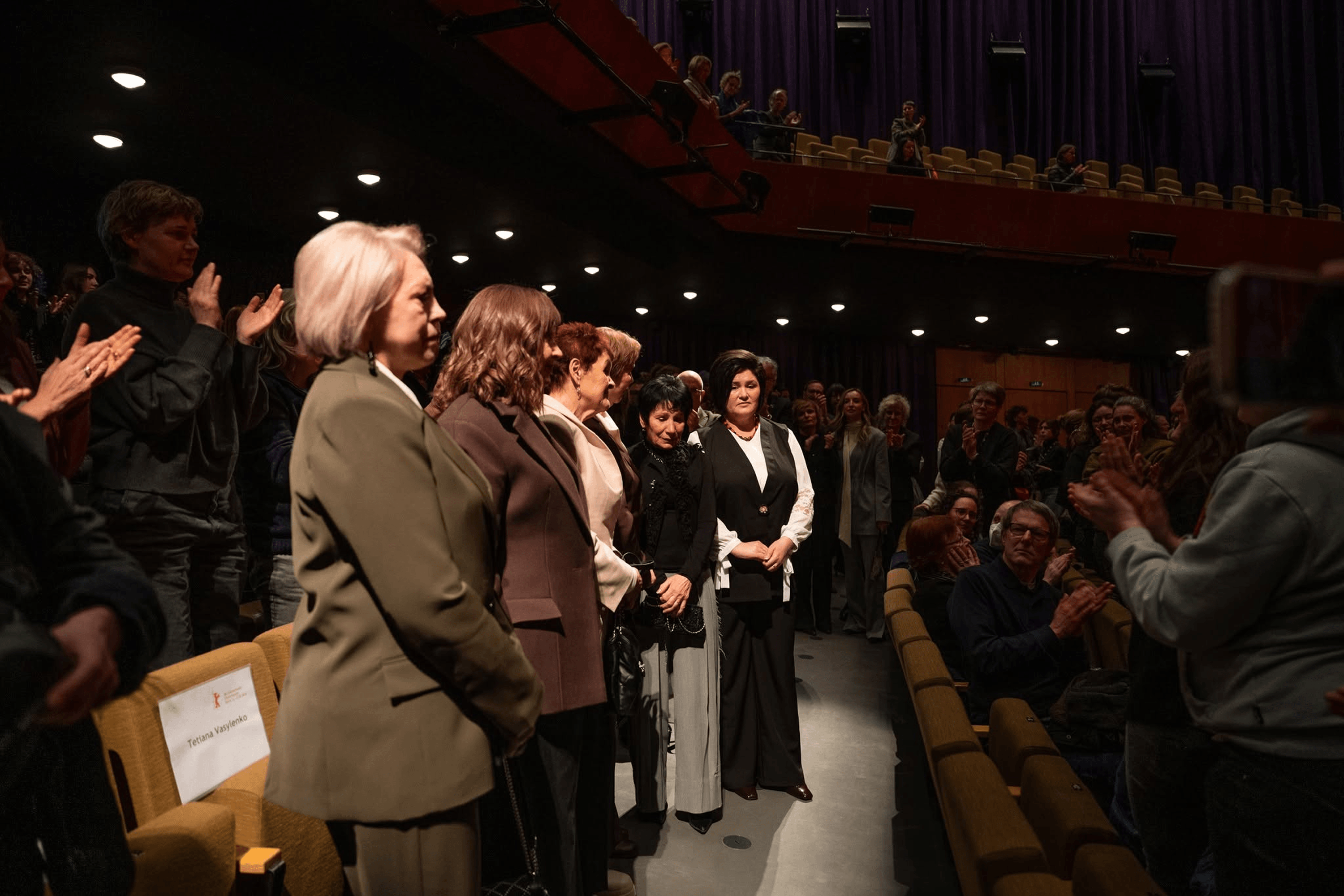
Photo: Alisa Kovalenko / Facebook 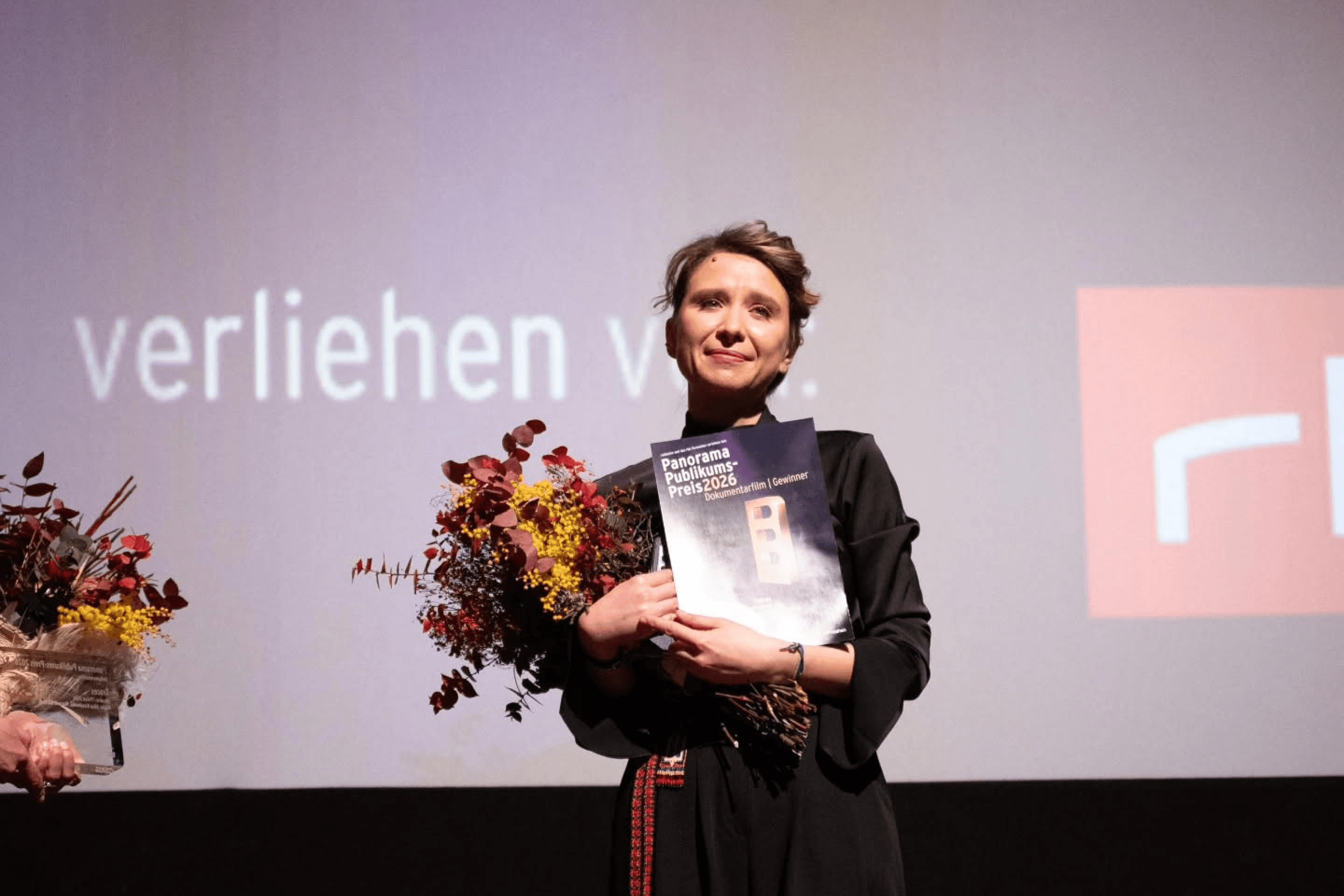
Photo: Alisa Kovalenko / Facebook 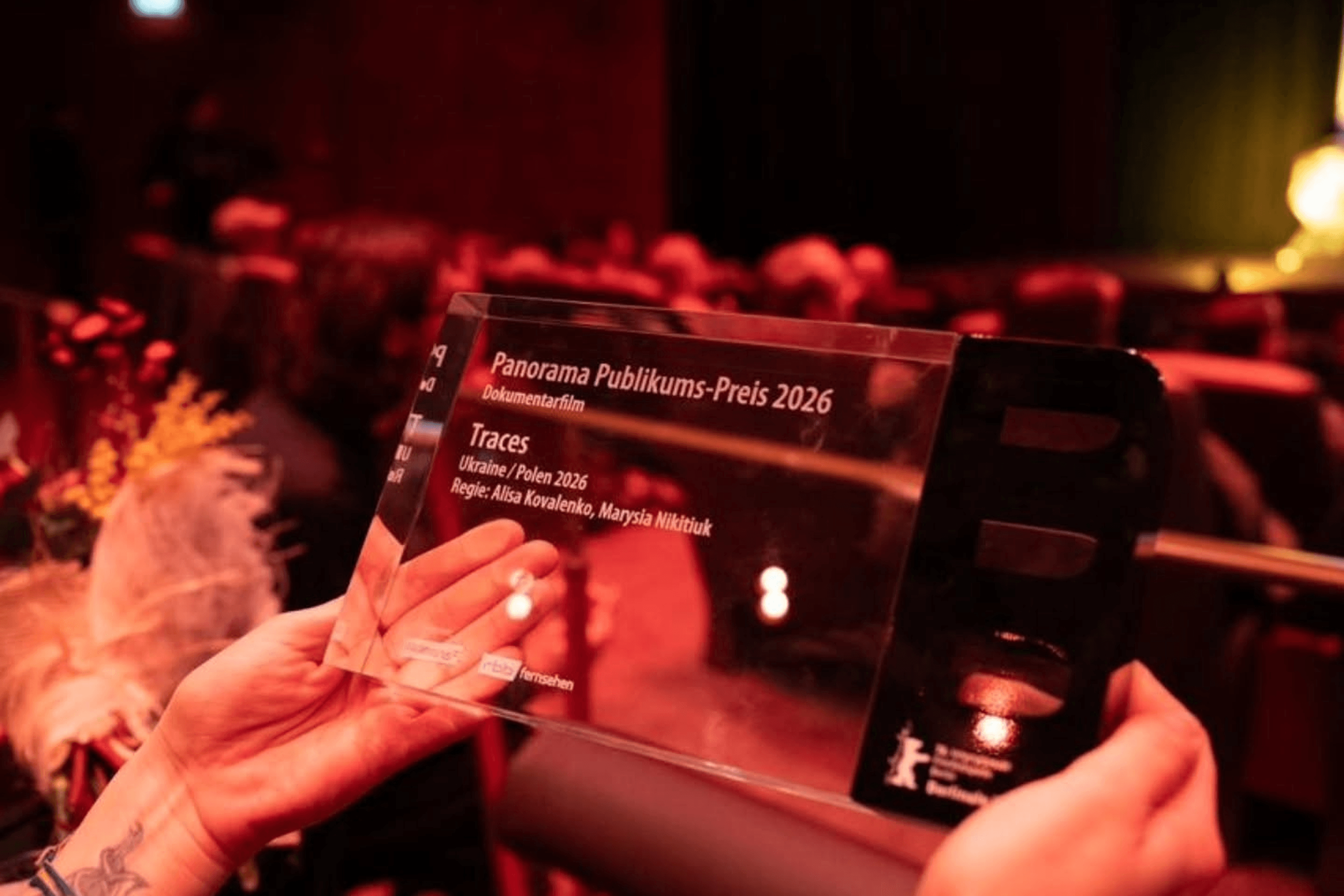
Photo: Alisa Kovalenko / Facebook 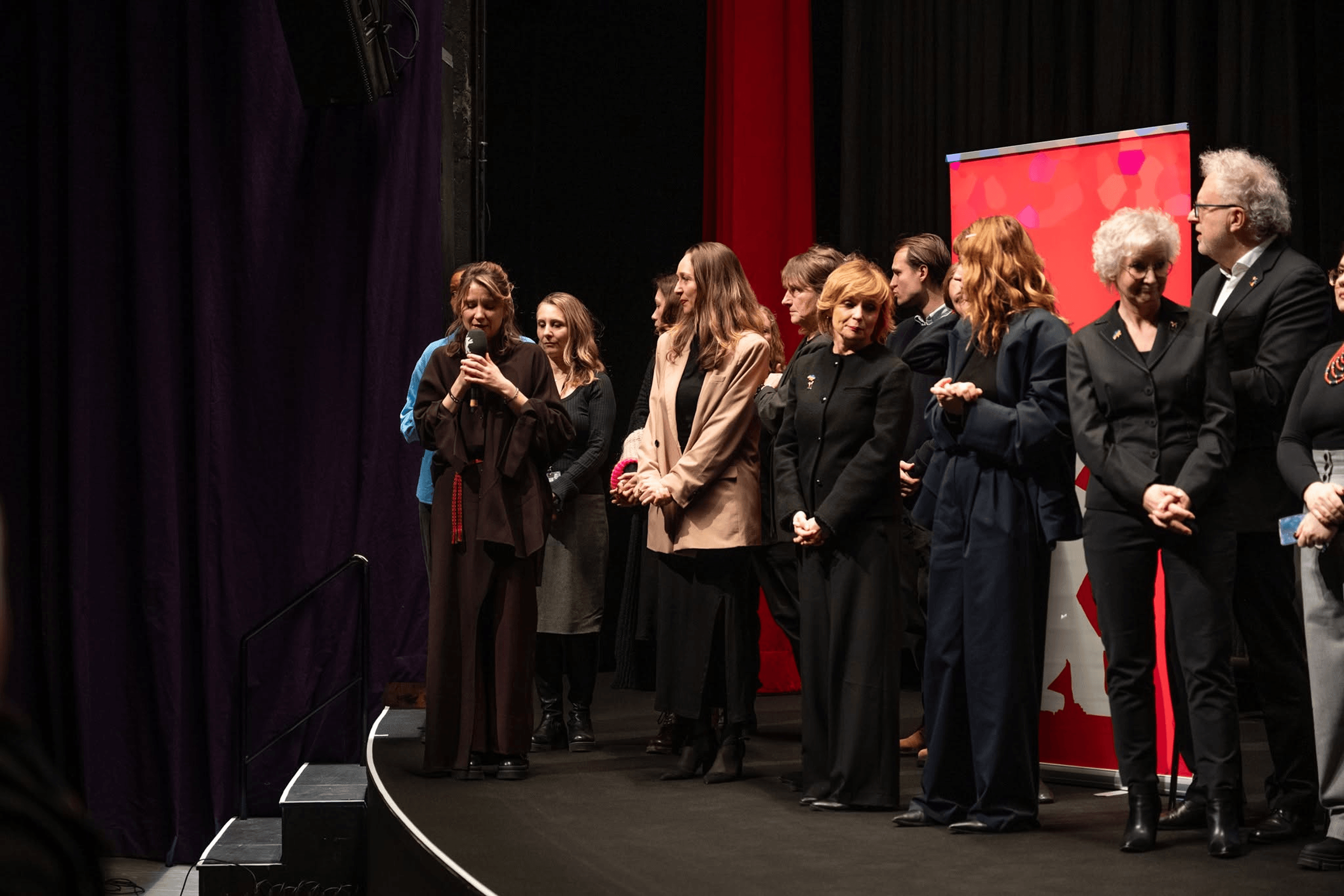
Photo: Alisa Kovalenko / Facebook
In March, the film won the Grand Jury Documentary Award at Movies That Matter in The Hague, and in May, it received two awards at Millennium Docs Against Gravity in Poland. At Hot Docs in Toronto, the film ranked among the audience’s top 20 favorites.
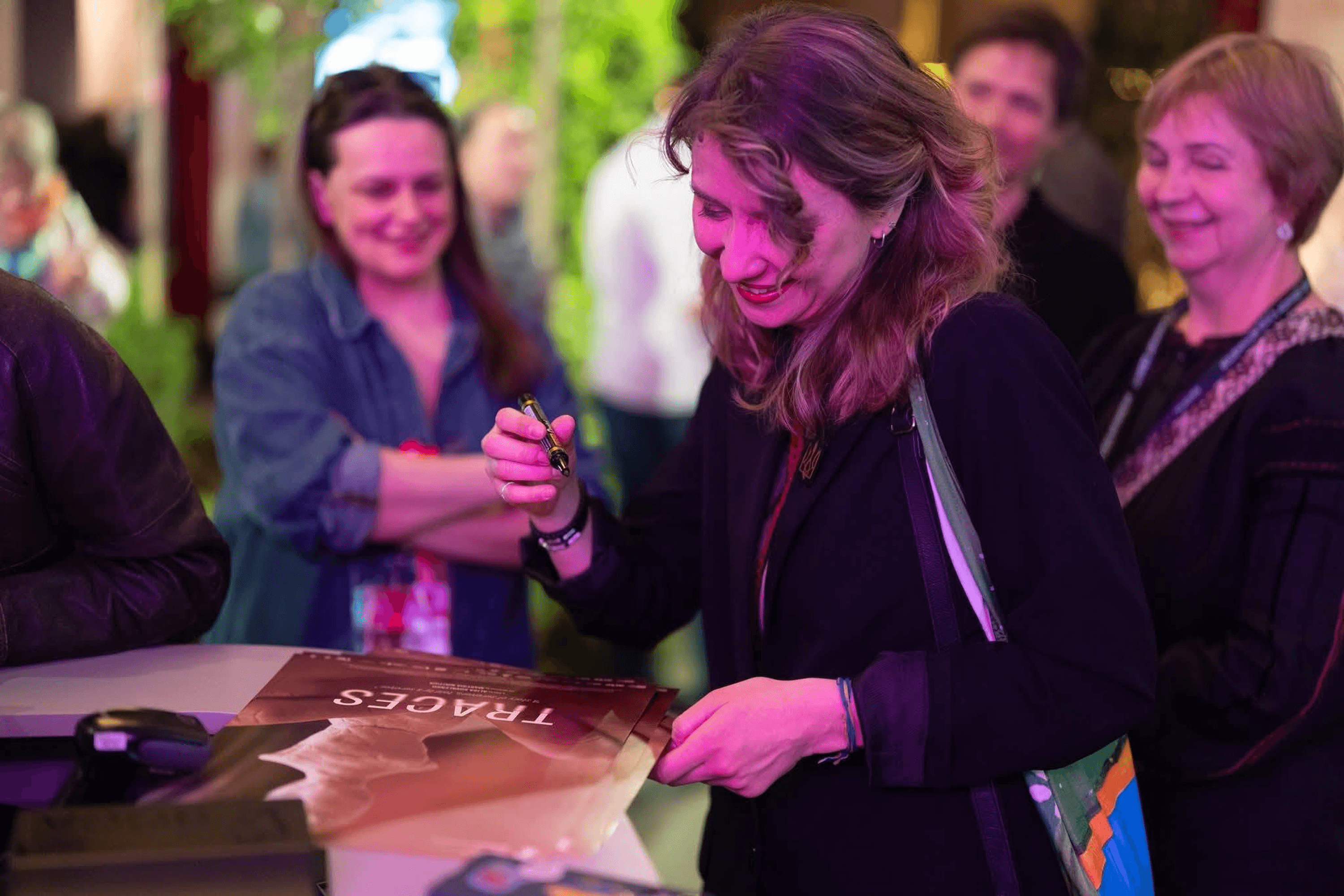
Alisa Kovalenko’s documentary film “Traces” received the Grand Prix for Best Production and a Special Mention for Best Documentary at the Millennium Docs Against Gravity festival in Poland. May 2026. Photo: Alisa Kovalenko / Facebook 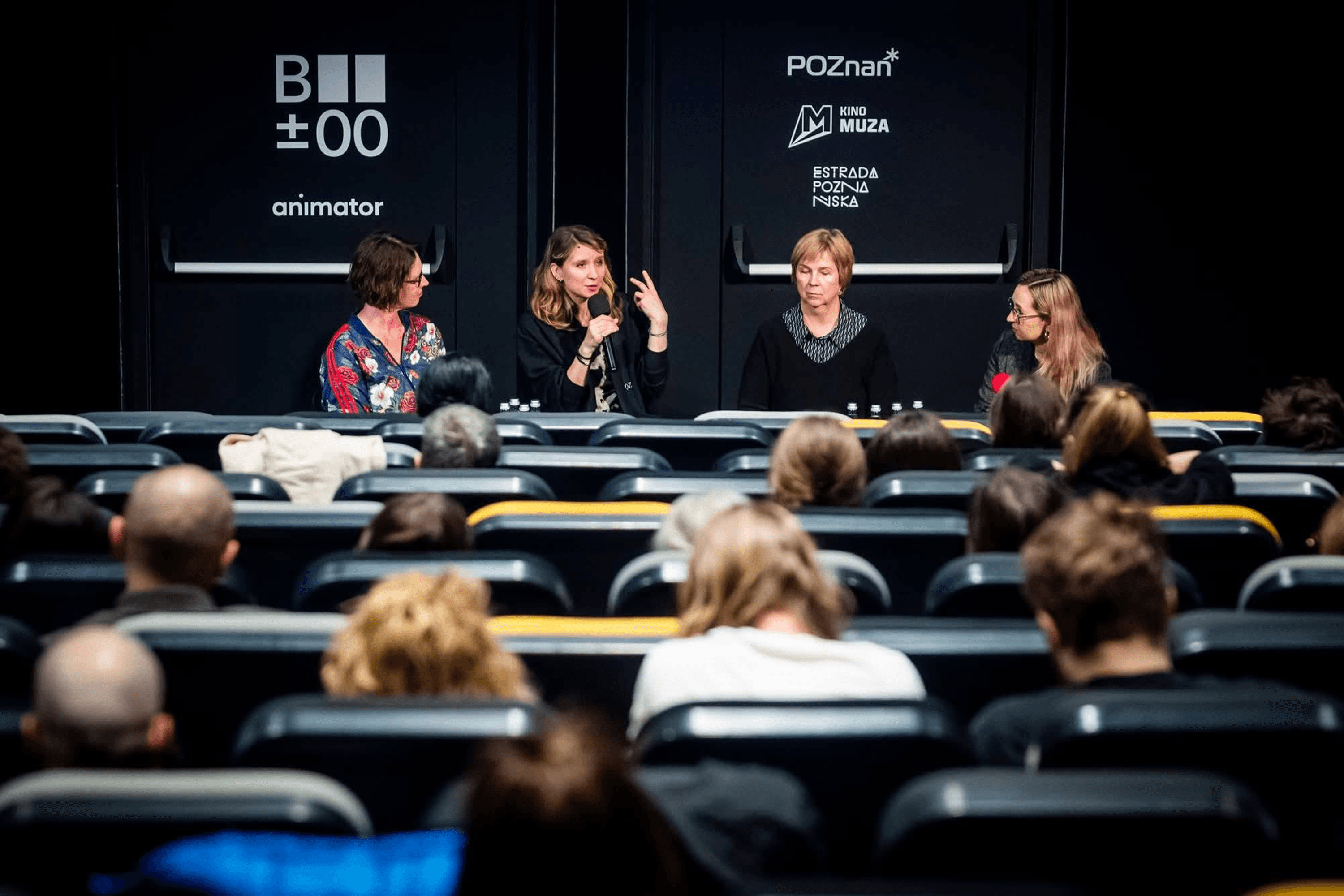
Photo: Alisa Kovalenko / Facebook 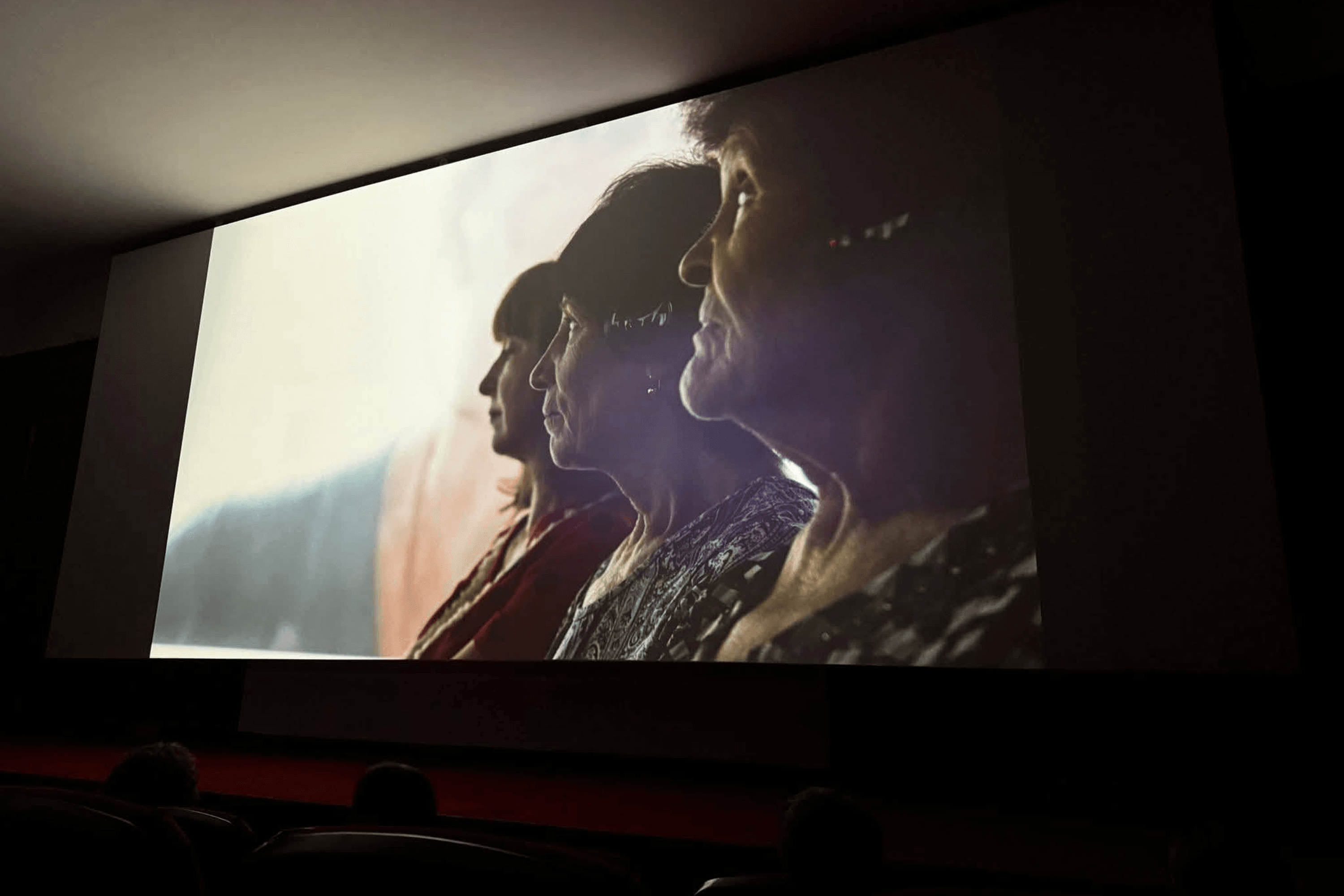
Photo: Alisa Kovalenko / Facebook 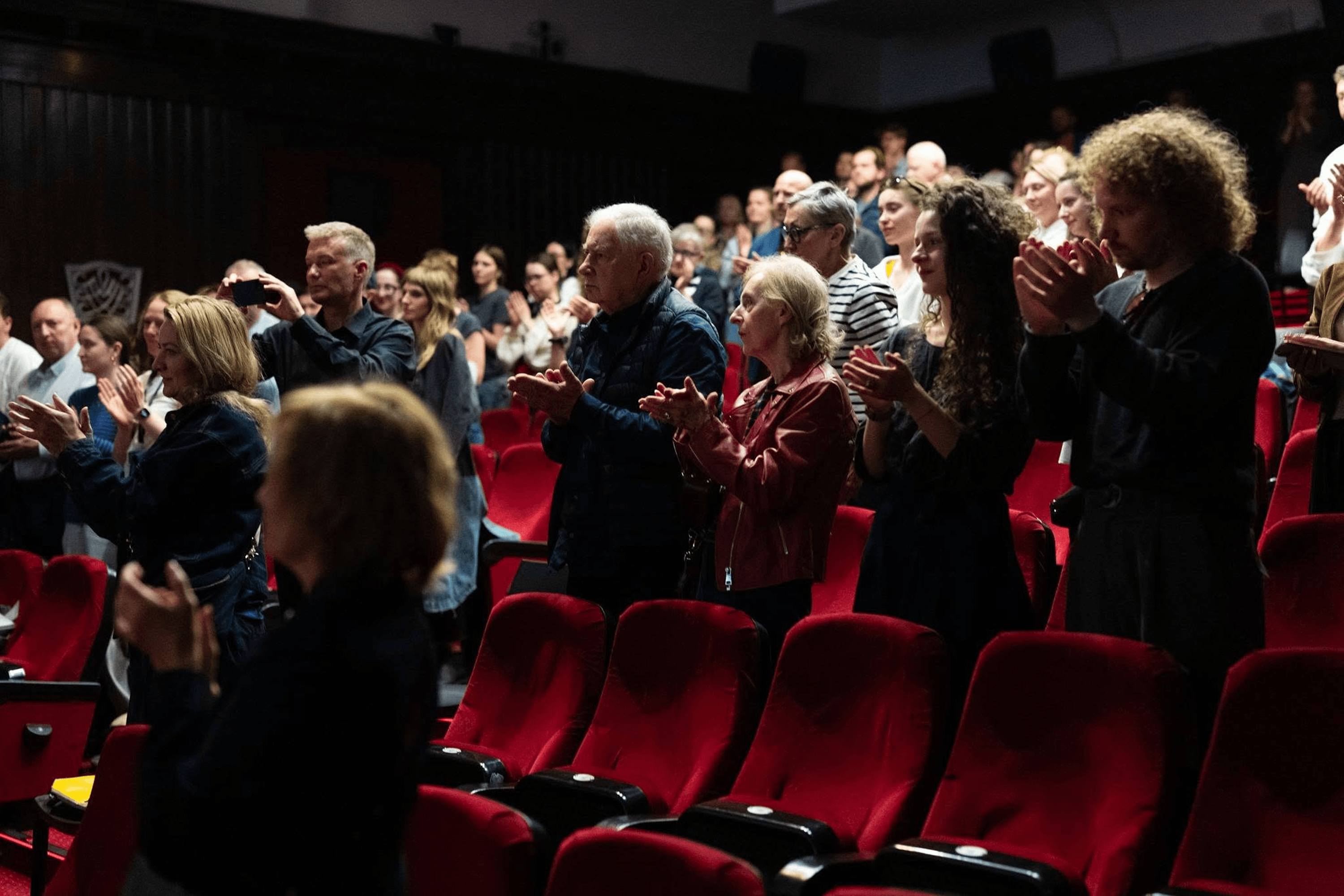
Photo: Alisa Kovalenko / Facebook 
Photo: Alisa Kovalenko / Facebook 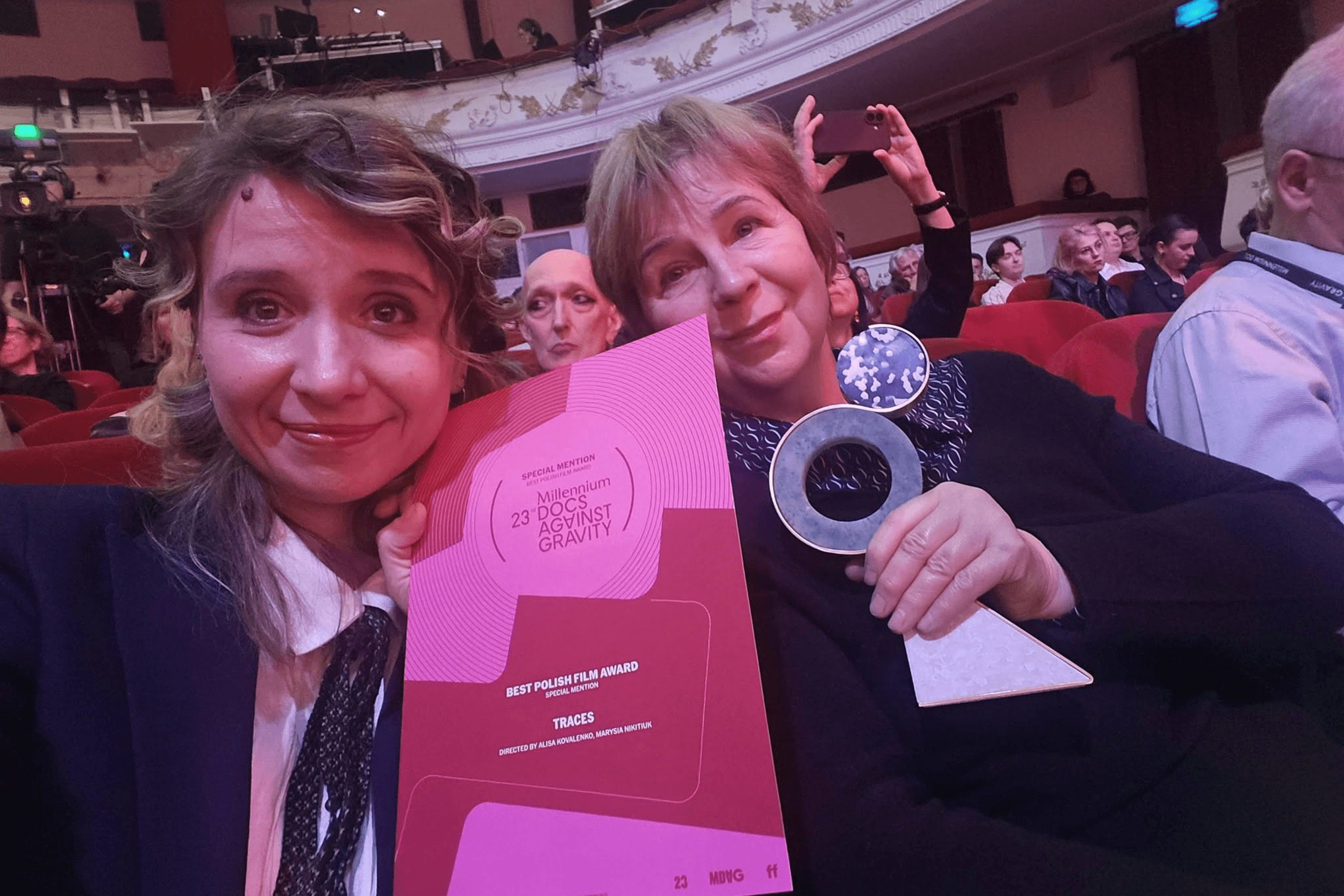
Photo: Alisa Kovalenko / Facebook
Alisa Kovalenko says that “Traces” is not just a film. It is a tool for drawing the world’s attention to Russia’s war crimes, particularly sexual violence. There can be hundreds of speeches in parliaments and various human rights organizations, but cinema works much more deeply and powerfully on an emotional level. “The question we are asked most often in Europe after screenings is: where do you Ukrainian women find so much strength? That sums up our film: it is about women’s strength,” says Iryna Dovhan.
For Iryna Dovhan, “Traces” embodies a dream of justice and is a recognition of the difficult journey she has been through since her captivity and of what she endured during it. She says that women who have suffered sexual violence at the hands of Russian soldiers live in a very cruel world of their own. They give testimony and talk about what they have experienced, but no one offers them any hope that the perpetrator will be punished. The film gives them at least some of that hope. A woman gets the chance to tell the world the truth.
In September, “Traces” was selected to represent Ukraine at the 99th Academy Awards in the Best International Feature Film category. Alisa Kovalenko and Iryna Dovhan are now on an extensive tour with the film, actively engaging with international audiences and talking about the strength to live after trauma and during war. They believe it has all been worth it.
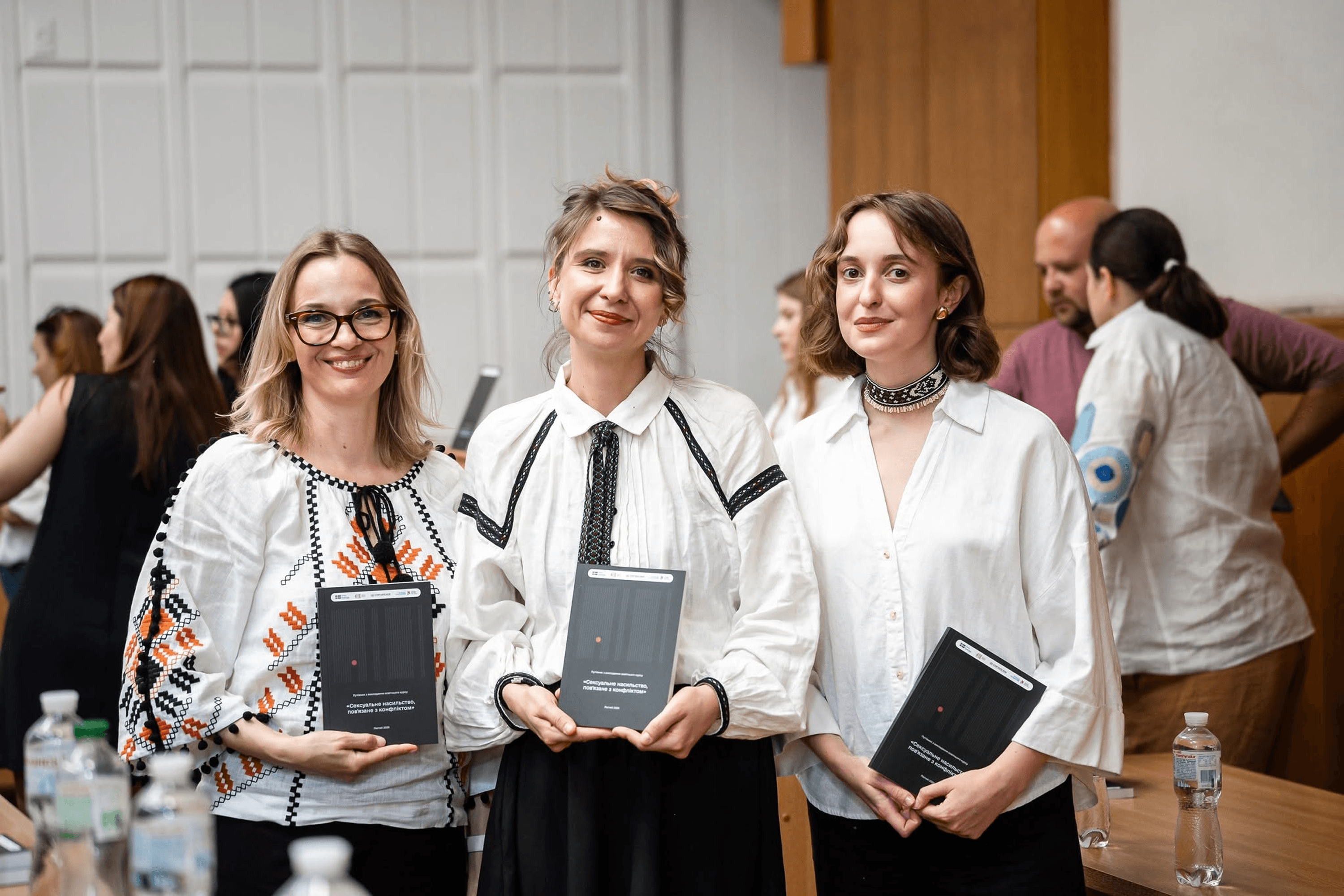
The documentary film “Traces” will be integrated into an educational course on conflict-related sexual violence for Ukrainian universities. The initiative is being implemented in partnership with the Ukrainian Women Lawyers Association JurFem and UN Women Ukraine. June 2026. Photo: TRACES Film / Facebook 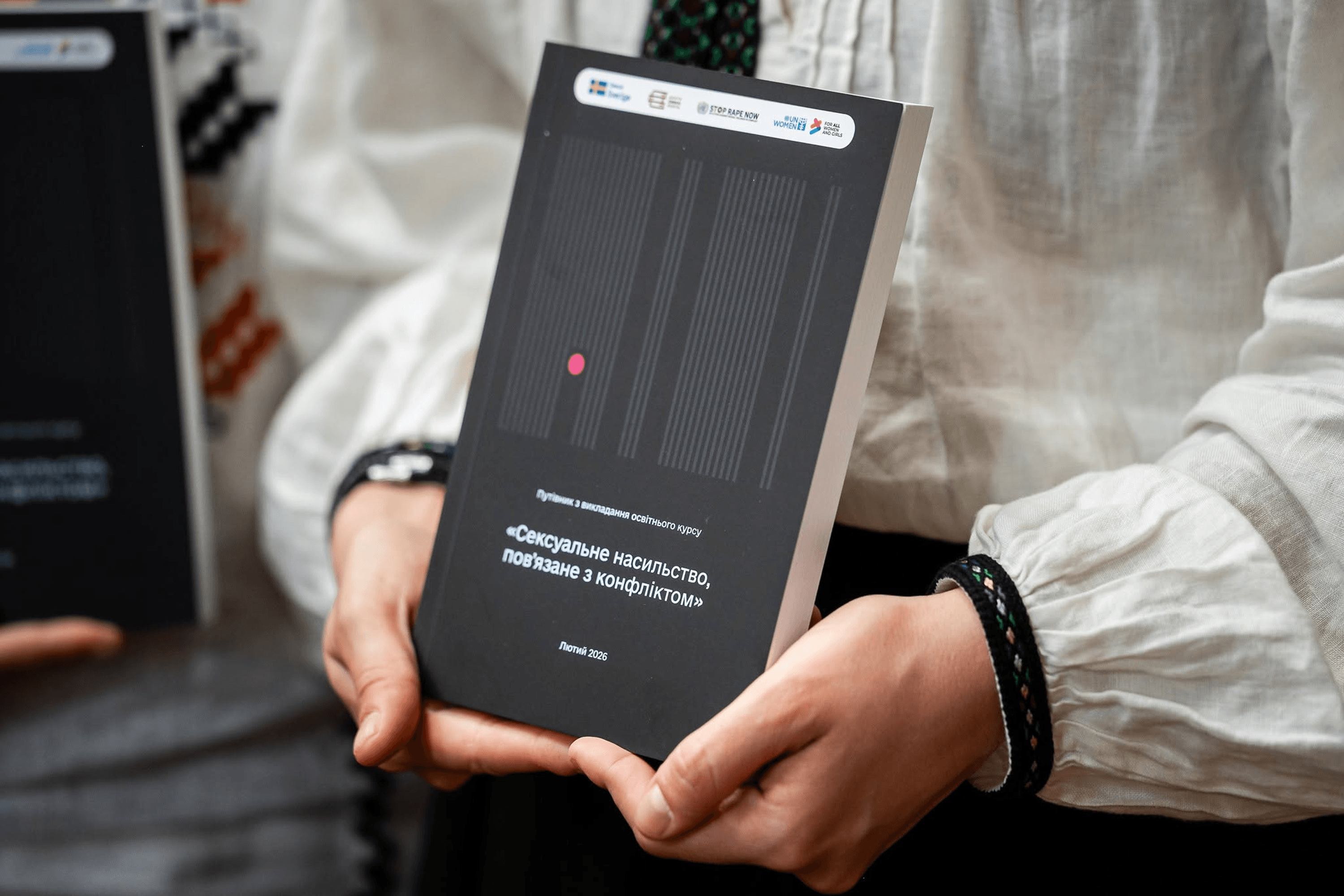
Photo: TRACES Film / Facebook 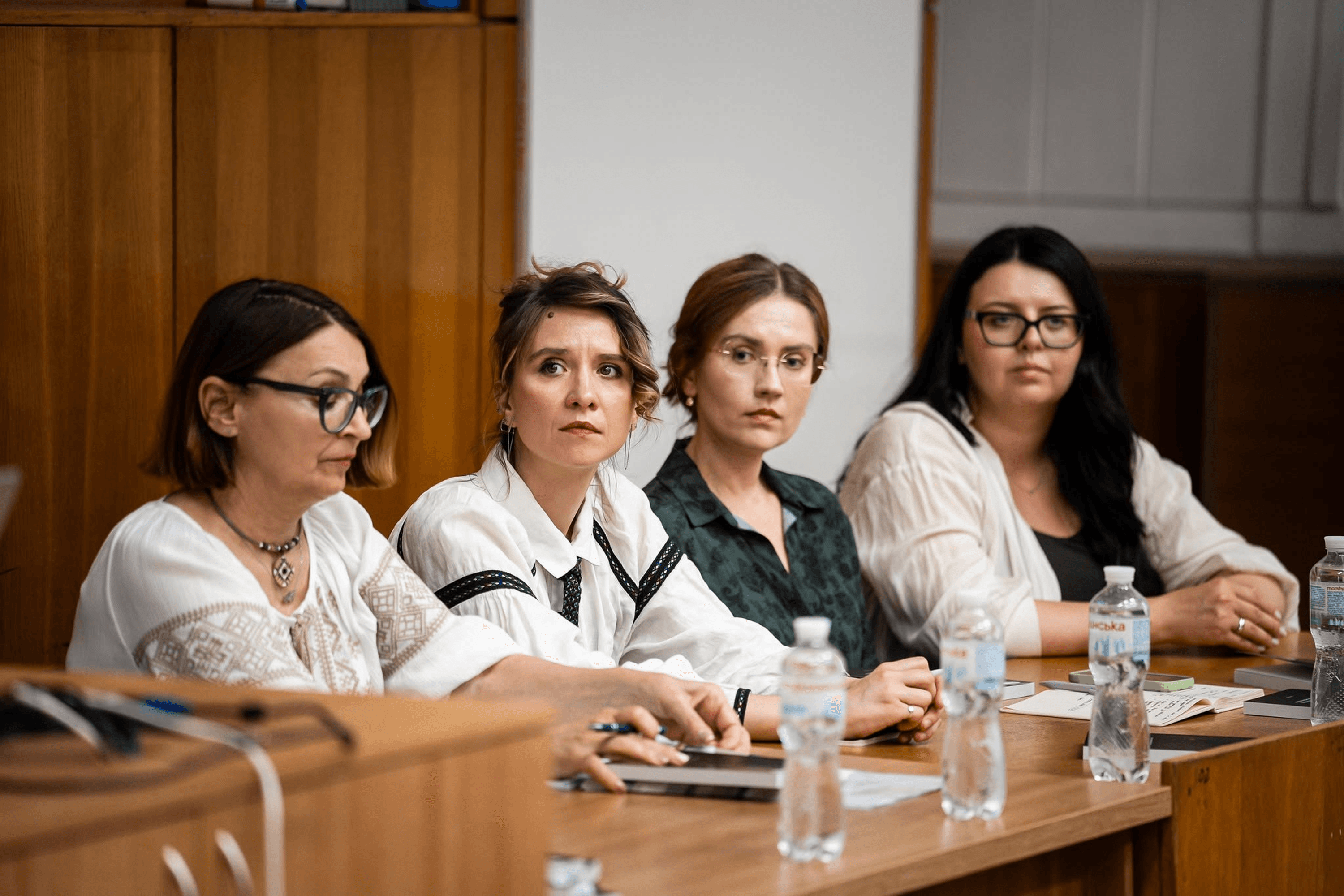
Photo: TRACES Film / Facebook 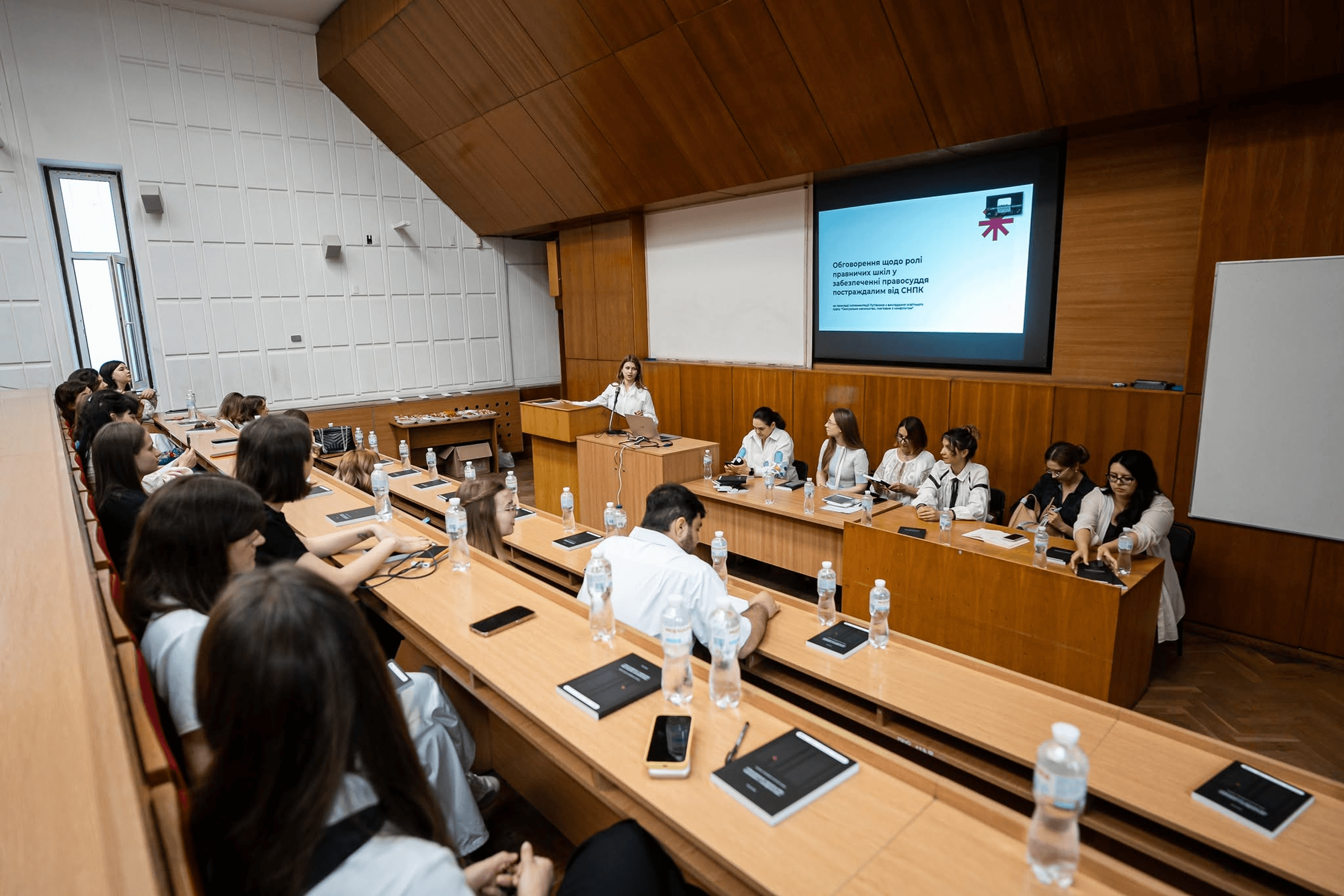
Photo: TRACES Film / Facebook 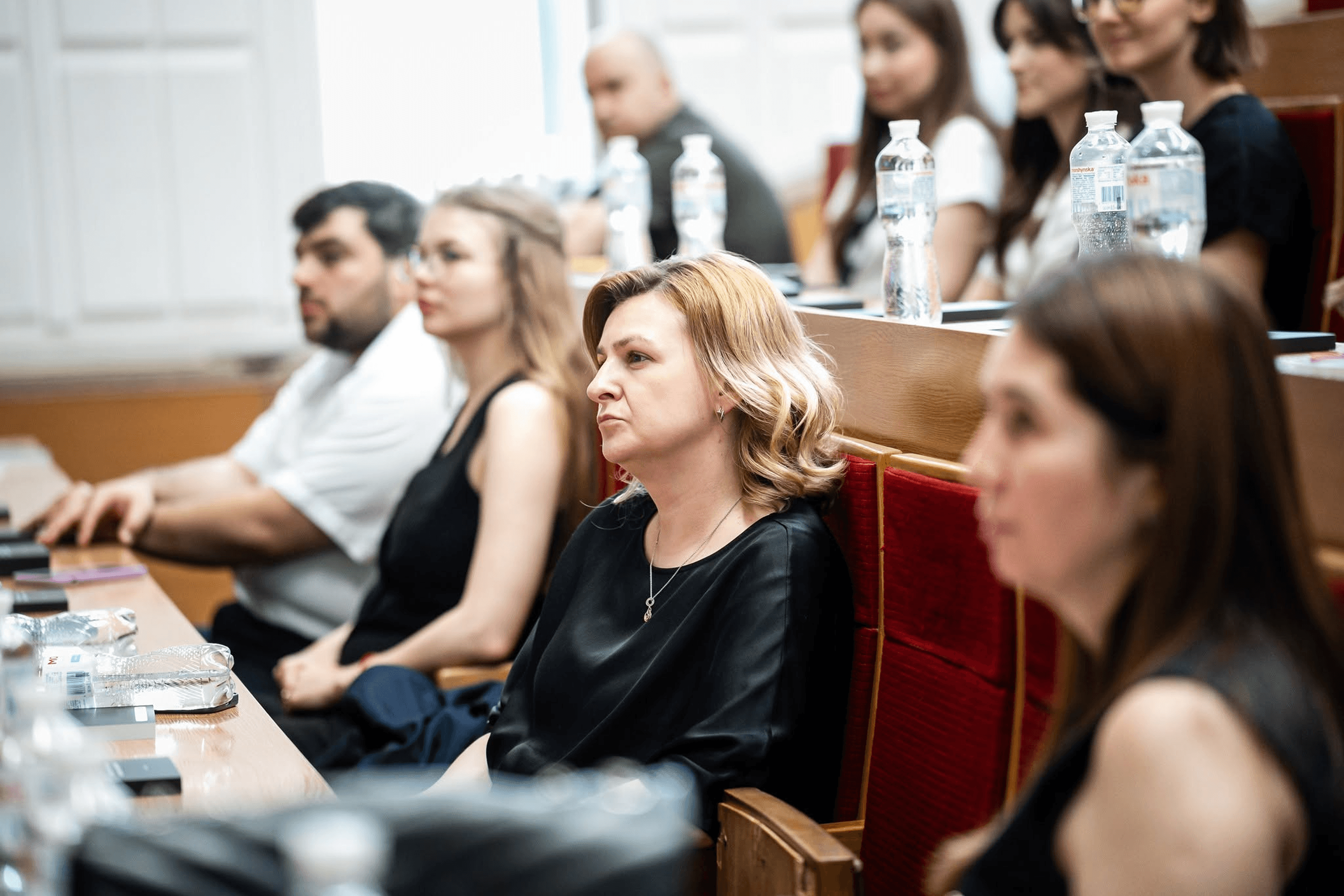
Photo: TRACES Film / Facebook 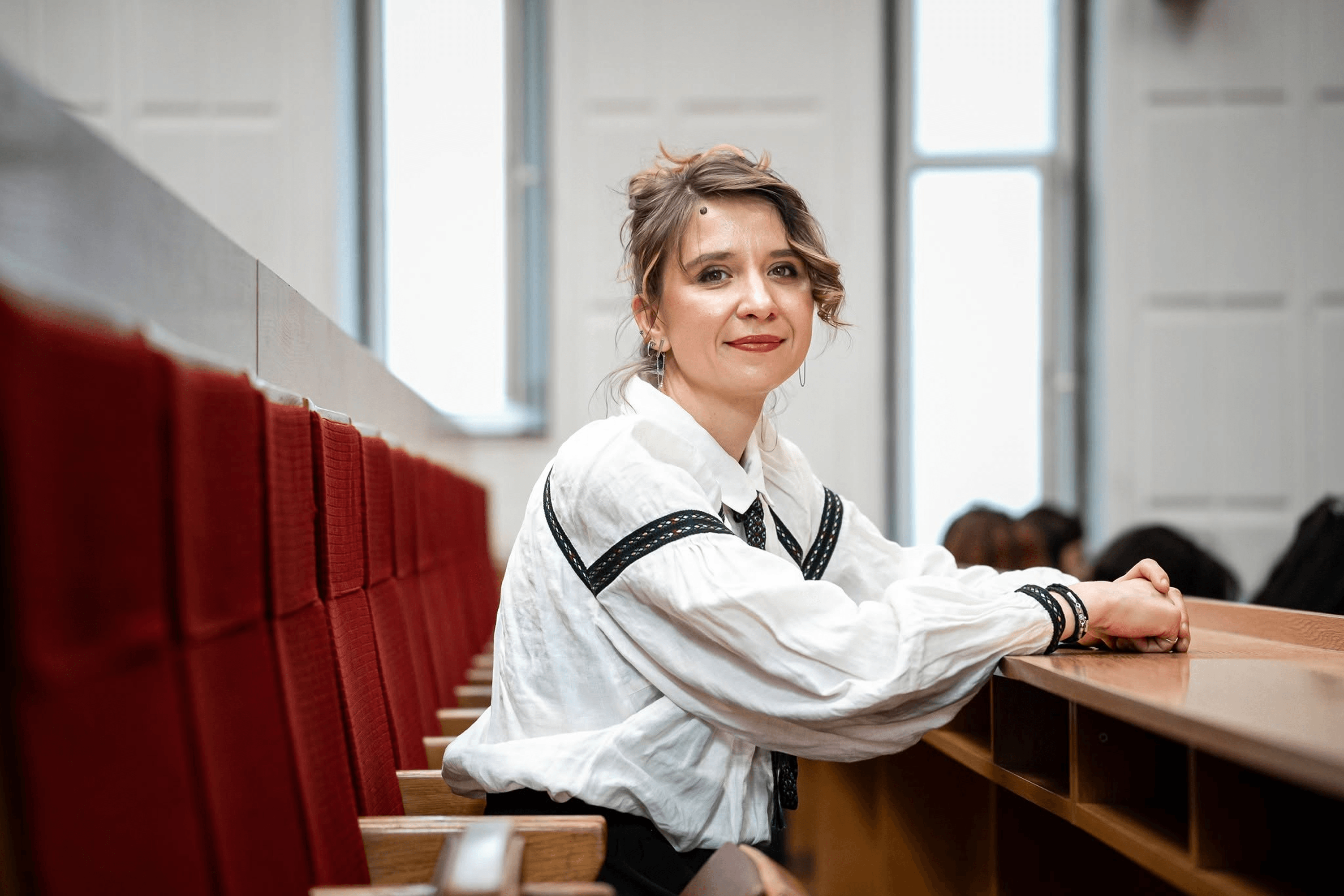
Photo: TRACES Film / Facebook


