
A small Kyiv kitchen. A stubbled man talks about blood, knives, and the guys who come back from war. This is Serhiy, an ATO veteran who returned home in 2018 after nearly three years in eastern Ukraine, to his wife Nadiia and their three sons. “Everyone who comes back wants to return to the war,” he tells director Lesia Diak. Serhiy is talking about his own experience, about what it is like to find yourself among children, everyday routines, and people who lived without him after returning from the front.
Lesia Diak began filming this story for her first feature-length documentary, “Dad’s Lullaby.” At first, she wanted to tell the story of a family waiting for a husband to return from war. But eventually she became part of the story herself, bringing her own experience of waiting, loss, and attempts to understand what happens to a person after they return.
Two people are talking in the kitchen of an ordinary city apartment. He is Serhiy, an ATO veteran who returned to civilian life six months earlier. She is documentary filmmaker Lesia Diak, who is making a film about a husband and father of three coming home from war, the man sitting across from her.
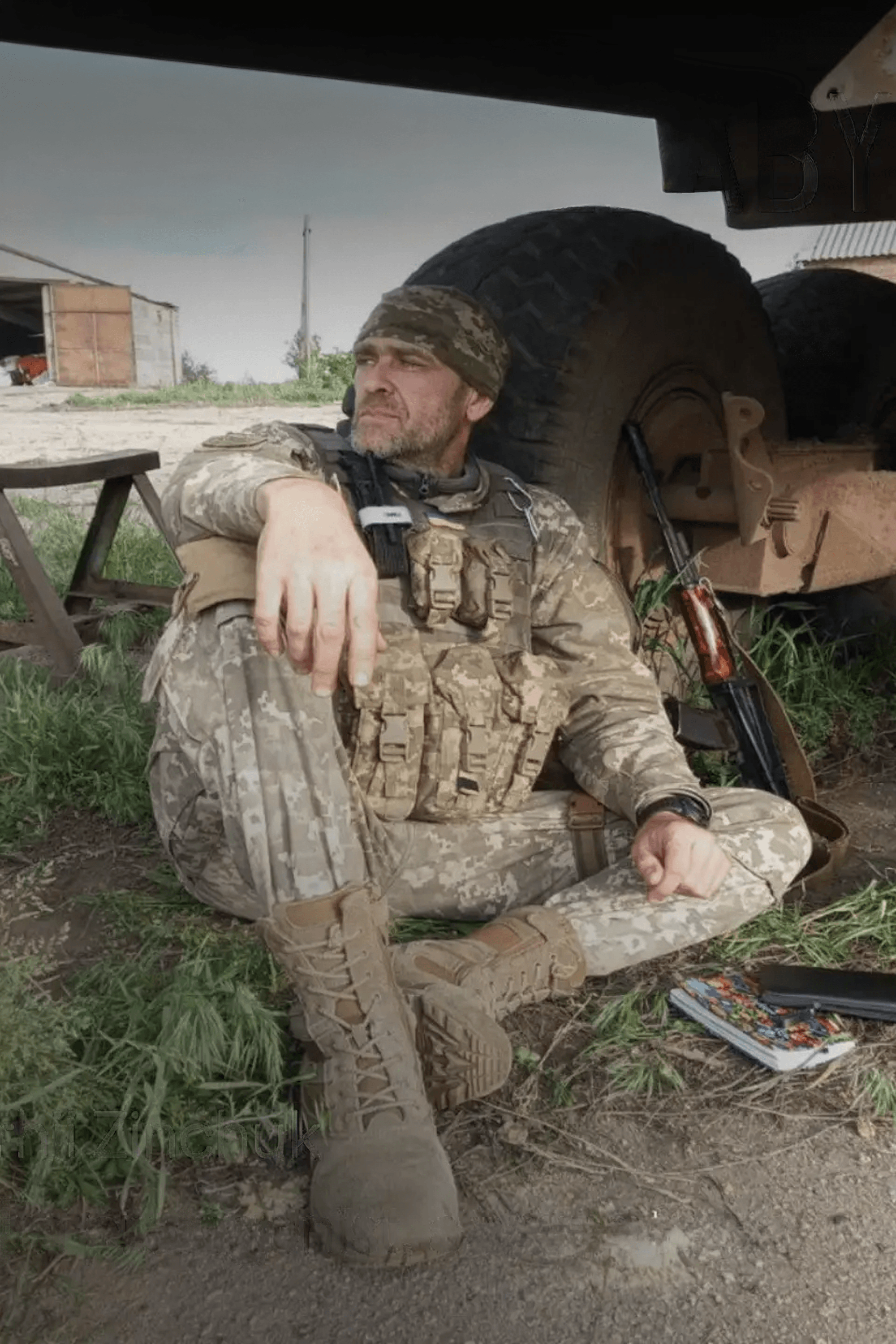
“I know a scout, a young guy. He went on missions without a weapon, with just one knife. With that knife, damn it, he cut everyone. And then he came back into this society. What’s going on in his head?” Serhiy says, gesturing actively with his hands. Behind him, on the wall, you can make out the outlines of an embroidered cloth and what appears to be an icon.
Serhiy’s gaze is tired but focused. He has deep lines on his forehead and thick stubble. This seems to be a conversation he did not prepare for. His bare shoulders are visible in the frame, but he does not care how he looks. He pauses between sentences and looks somewhere past the camera, probably trying to catch the director’s reaction.
“What does he live on? He lives on that blood. Do you understand me?” he continues.
Suddenly Lesia appears in the frame. She is on the other side of the camera, which records everything that happens without a script written in advance. Like a polite guest, she takes a sip from a cup painted with blue flowers, apparently looking at Serhiy.
“Everyone who comes back wants to return to the war. I know that from my own experience. But there’s a big difference between wanting to and returning to the war,” he continues calmly.
Serhiy’s words affect the director. Gradually, she becomes not just an observer but one of the subjects of her own film, her first feature-length documentary, “Dad’s Lullaby.”
1
In 2017, Lesia Diak was working on a series of long-form articles about the partners and wives of service members and veterans. The idea for the film emerged during that period. Lesia realized that she felt too confined by the written format. She was also dating a guy who was serving in the army. He was not a professional soldier, like tens of thousands of men who joined the military because of Russia’s aggression.
Lesia recalls that at the time she became very distant from her colleagues, friends, and relatives. All her thoughts were about the war, which society preferred not to notice.
“I think the film was born out of a need to make this experience [of distancing] public, to make it visible, understandable, or something that deserves to be understood, because cinema ultimately asks questions rather than answers them,” the director explains. “Cinema is also one of the ideal tools for talking about what’s invisible. Because trauma happens, as it were, inside the human body. The body and the brain no longer function the way they used to. And all of this can be seen in the manifestations of everyday life, in the way a person builds new relationships.”

Some time later, Lesia’s boyfriend returned from the war and ended their relationship. He did not have the strength to look for work or build a family life. Lesia was left feeling that she had “lost something very big.” She took the breakup hard. Then the director decided that creativity could become the meaning of her life: this film, connecting with communities of veterans' families, and the one she had already begun researching for “Dad’s Lullaby.”
“Then the main character of my film, Serhiy, returned from the war. And when I saw how difficult it was for him to communicate with his children and his wife, how he also felt isolated, as if he didn’t belong to this reality, those two kinds of loneliness probably met. Mine, with the need to look for a new path and rebuild my life after the loss of a relationship. And Serhiy’s, with his search for a new path after the war had changed him and his need to build new relationships with his family,” the director recalls.
Around that time, the very idea of the documentary changed. Lesia had previously believed that the focus should be on the family waiting for him. But when Serhiy returned from the front, she realized that he should be at the center of the film.
2
“Dad’s Lullaby” was Lesia Diak’s first feature-length film in which she worked as both director and cinematographer. In 2017, she graduated from Serhiy Bukovsky’s Documentary Film Workshop, where she learned the basics of working with a camera and with subjects. Before that, Lesia had already directed one for television but had no experience with documentary filming. All she had was her own lived experience, a camera, and a desire to show others that physically returning from the front does not always mean returning psychologically. The trauma caused by war continues to affect those who come back to a world that has had time to change without them.
The director began by meeting Nadiia, the wife of veteran Serhiy. At the time, he had been serving in the ATO zone for about three years, while she took care of the household and raised their three sons: 11-year-old Sasha, eight-year-old Artem, and three-year-old Nikita. Lesia first met Serhiy himself when he was home on leave. When he returned for good, the director began visiting the family at agreed times, usually on weekends. She had to film in a small two-room apartment, and Lesia operated the camera herself.
“'Dad’s Lullaby' is a very intimate film, shot in an apartment because the financial resources were limited and at that stage it wasn’t possible to hire a cinematographer,” the director explains. “And this was camera work I could do myself. I simply needed to be there, observe, and respect the family’s boundaries.”
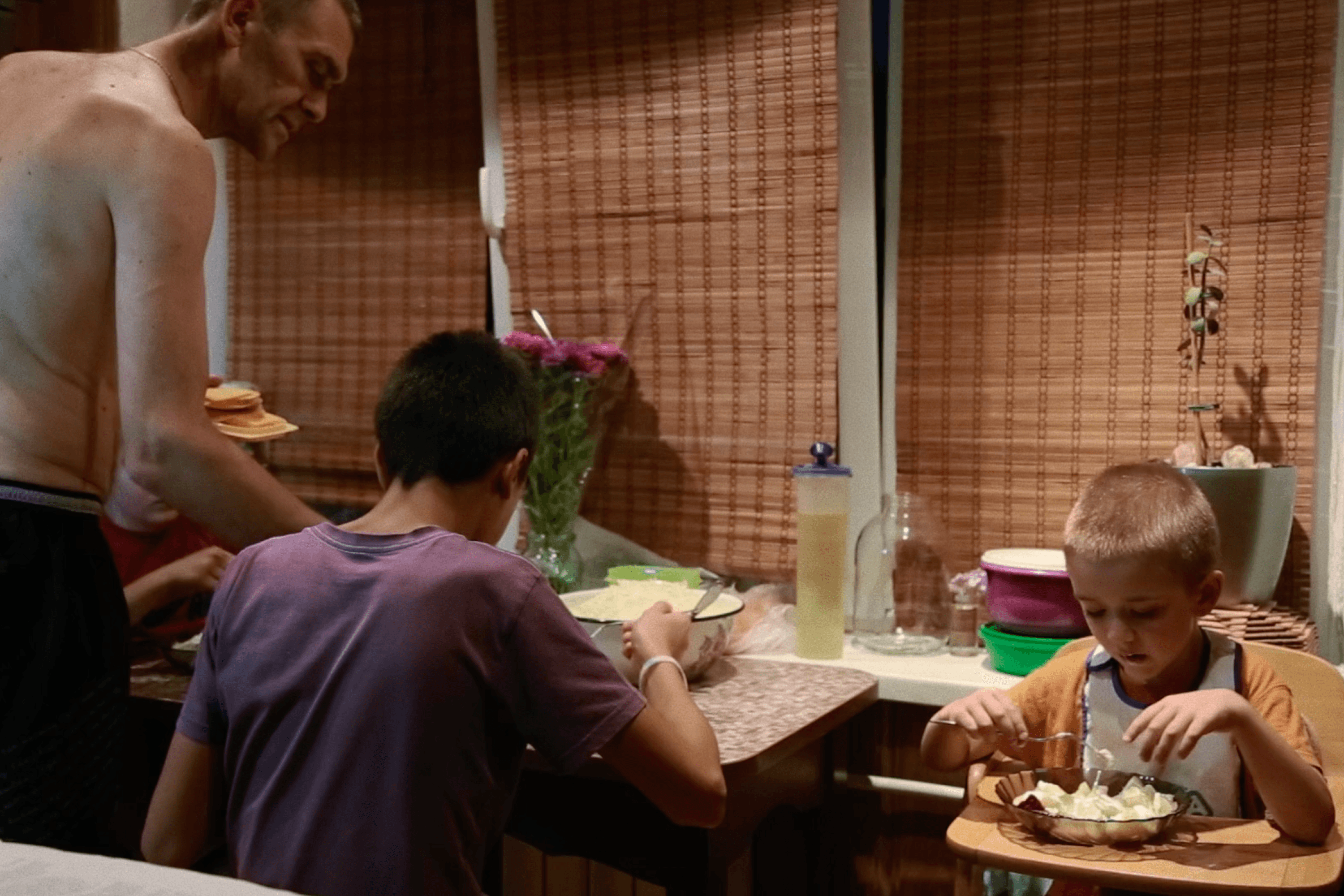
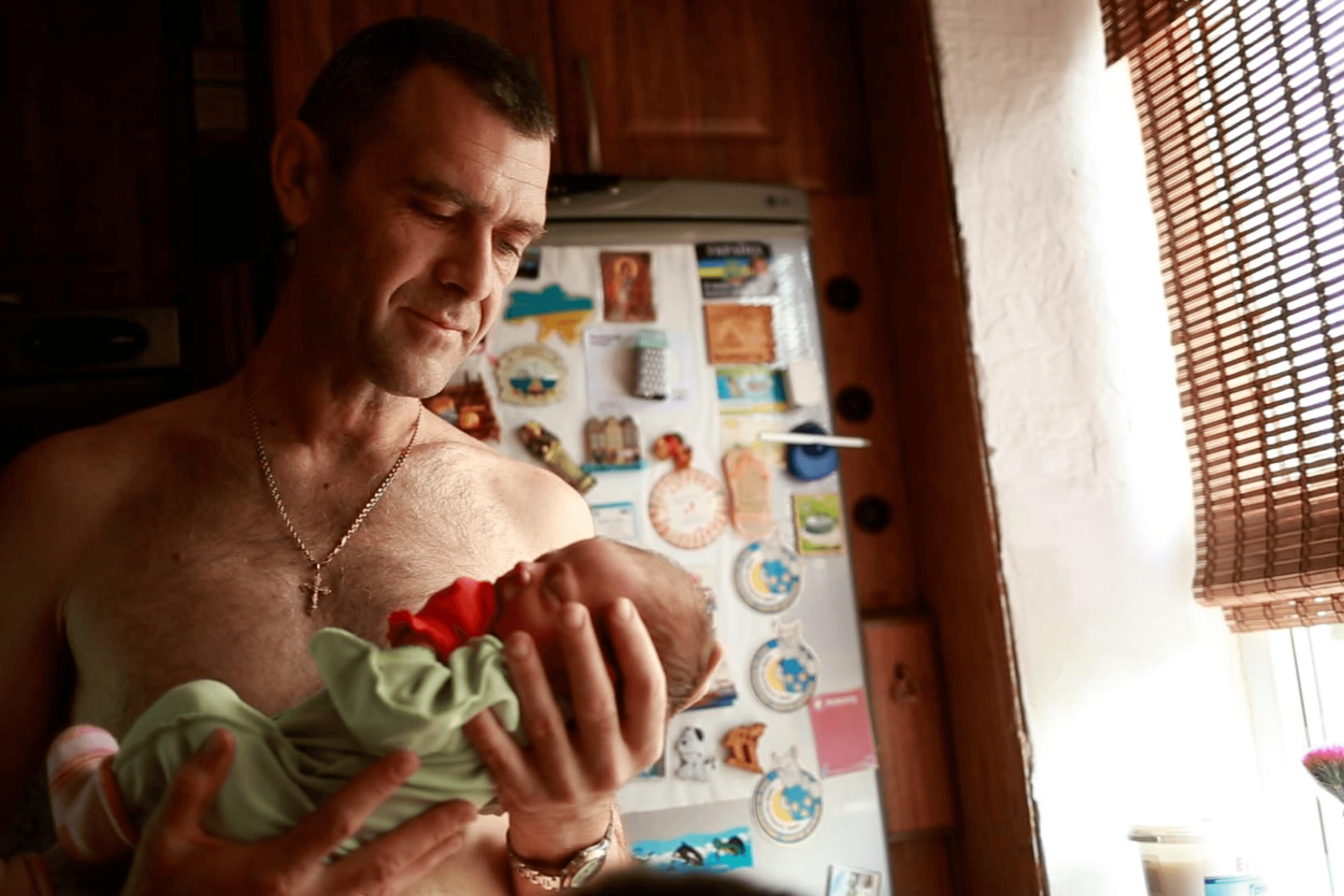
Scenes from the film “Dad’s Lullaby”. Photo: Screenshot / docudays.ua 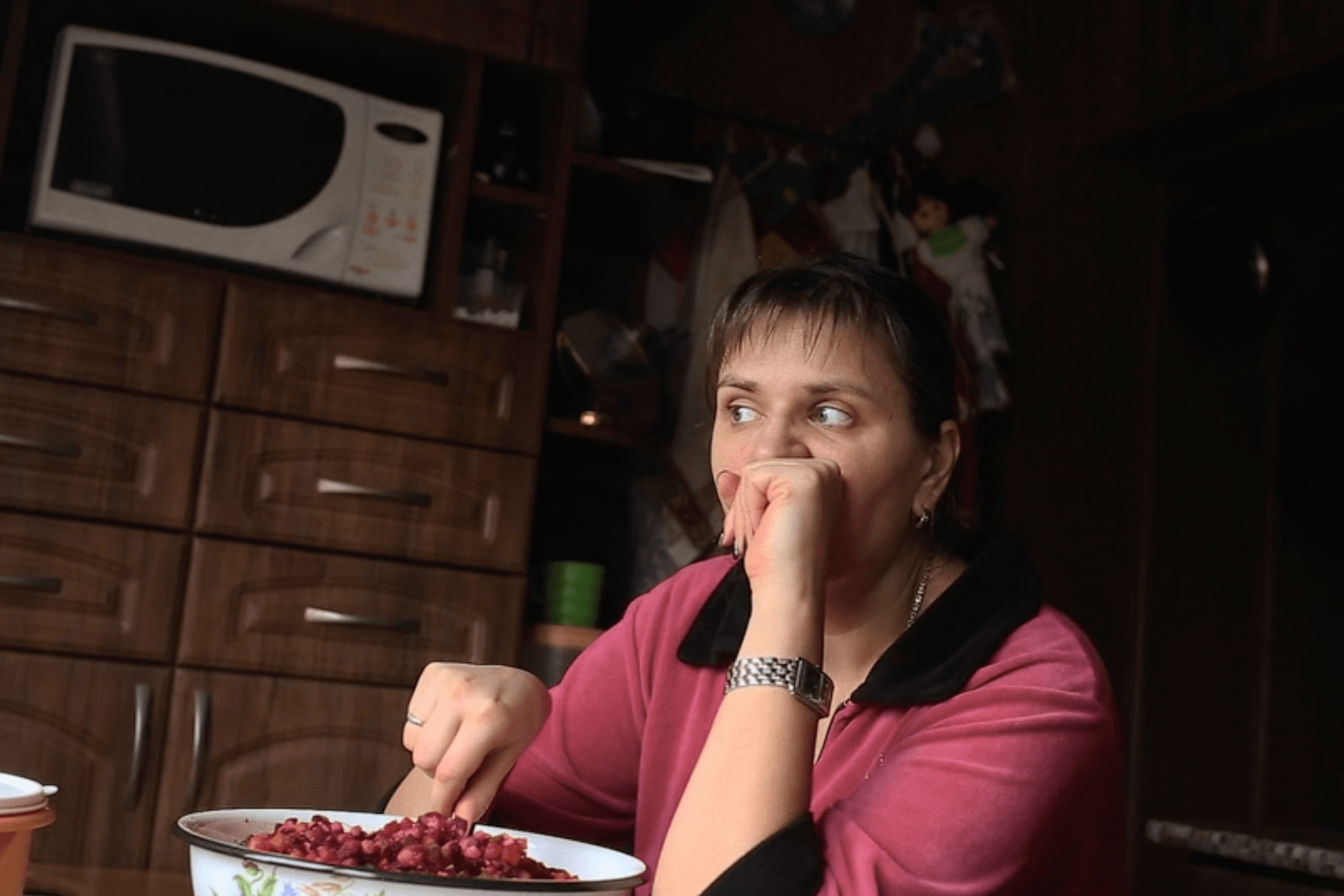
Photo: Screenshot / docudays.ua 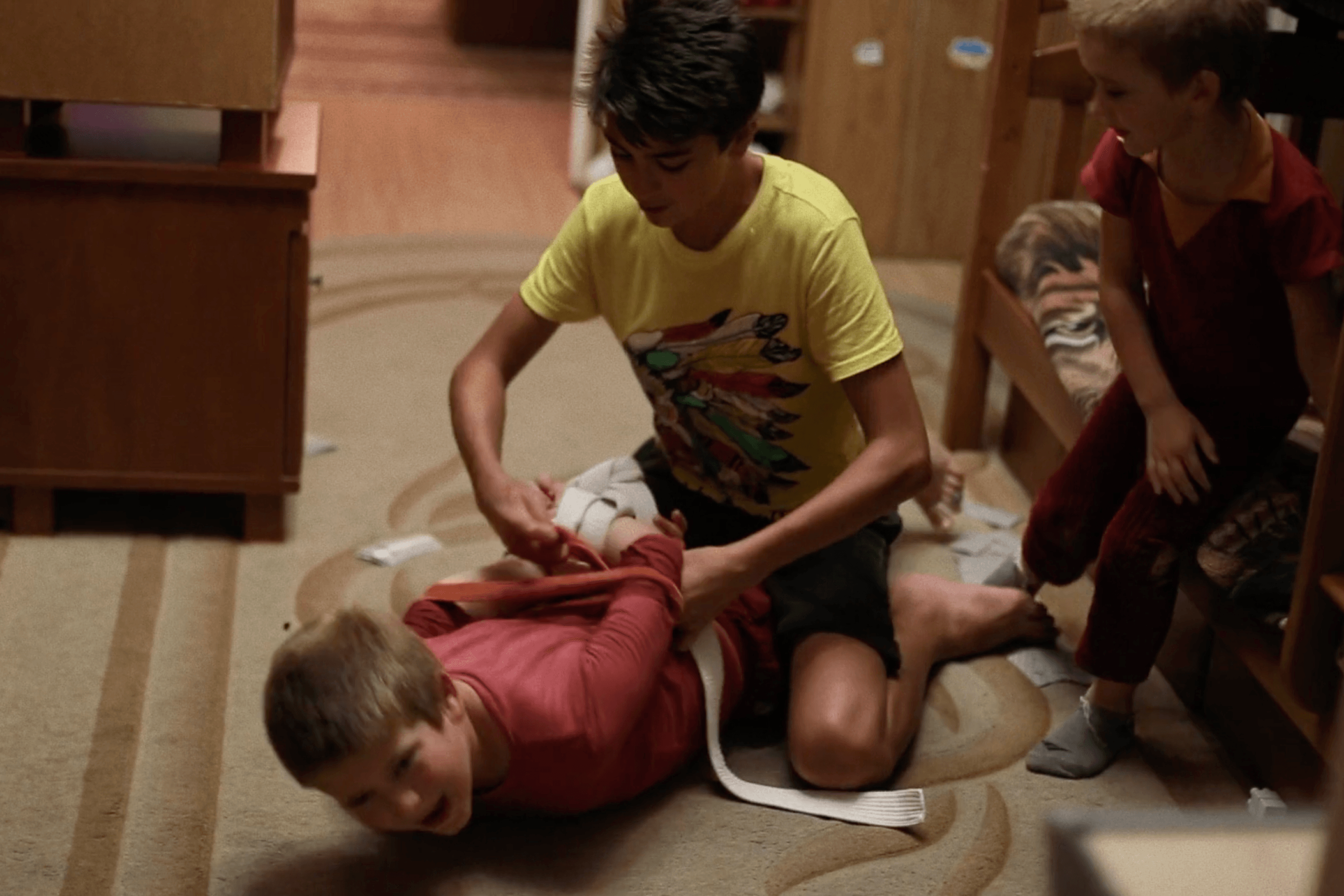
Photo: Screenshot / docudays.ua
Lesia’s work began when she crossed the threshold of their small Kyiv apartment and ended late in the evening. She never stayed overnight.
“We always ate together. They treated me to really delicious homemade food,” Lesia recalls. “Serhiy always wanted me to put the camera down when we had lunch together so that we could all eat together. And that’s very Ukrainian. My parents would probably have done the same if a director had come to their home.”
Not everything that happened in the family made it into the film. Lesia wanted to shoot Serhiy meeting and saying goodbye to his family at the train station, but the family did not allow it. They also did not shoot moments when the subjects were especially vulnerable. For the director, this became a separate lesson in documentary filmmaking: a subject gives as much as they are able to give at a particular moment.
3
Work on the film coincided with Lesia’s own emotional experiences. She was already working with a psychologist who helped her not only process her personal experience but also understand how to interact with the family during filming.
There were moments during the work when Lesia herself felt vulnerable. Sometimes she simply wanted to get up and leave. Lesia adds that when a person is going through emotional trauma, they react to the world differently. At times, she herself had problems with memory and concentration and reacted more strongly to shouting. But the camera gave her a way to switch her attention.
“I disciplined myself with the camera: I’m working now. It was like an alternative reality of my own. Here I could feel effective and focus specifically on the work. And that helped.”
Her psychologist told her that for a while she would have to live two parallel lives: one filled with sadness over the loss, and another, new life that she had to build. This is how working on “Dad’s Lullaby” became Lesia’s second life.
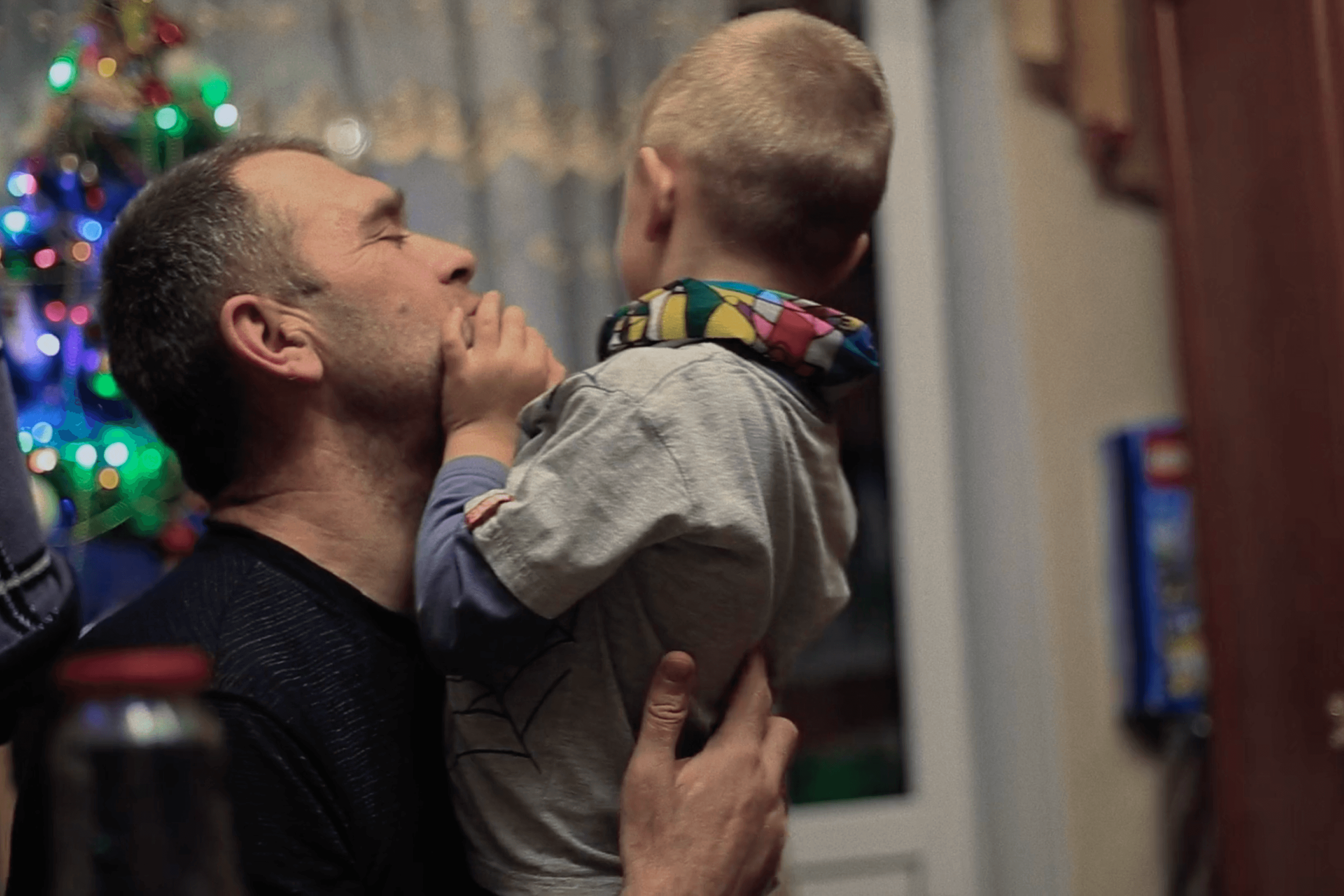
Scenes from the film “Dad’s Lullaby”. Photo: Screenshot / docudays.ua 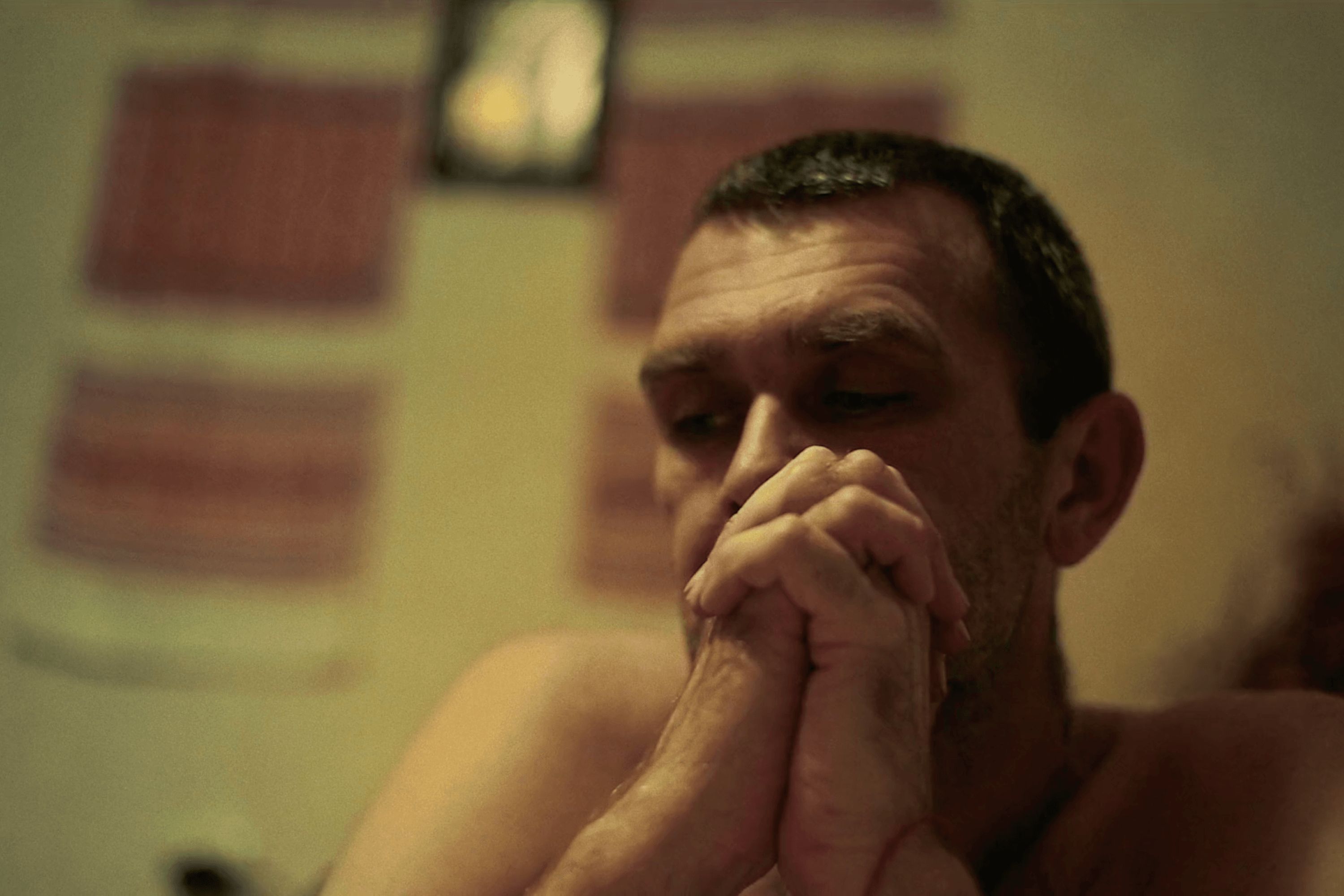
Photo: Screenshot / docudays.ua 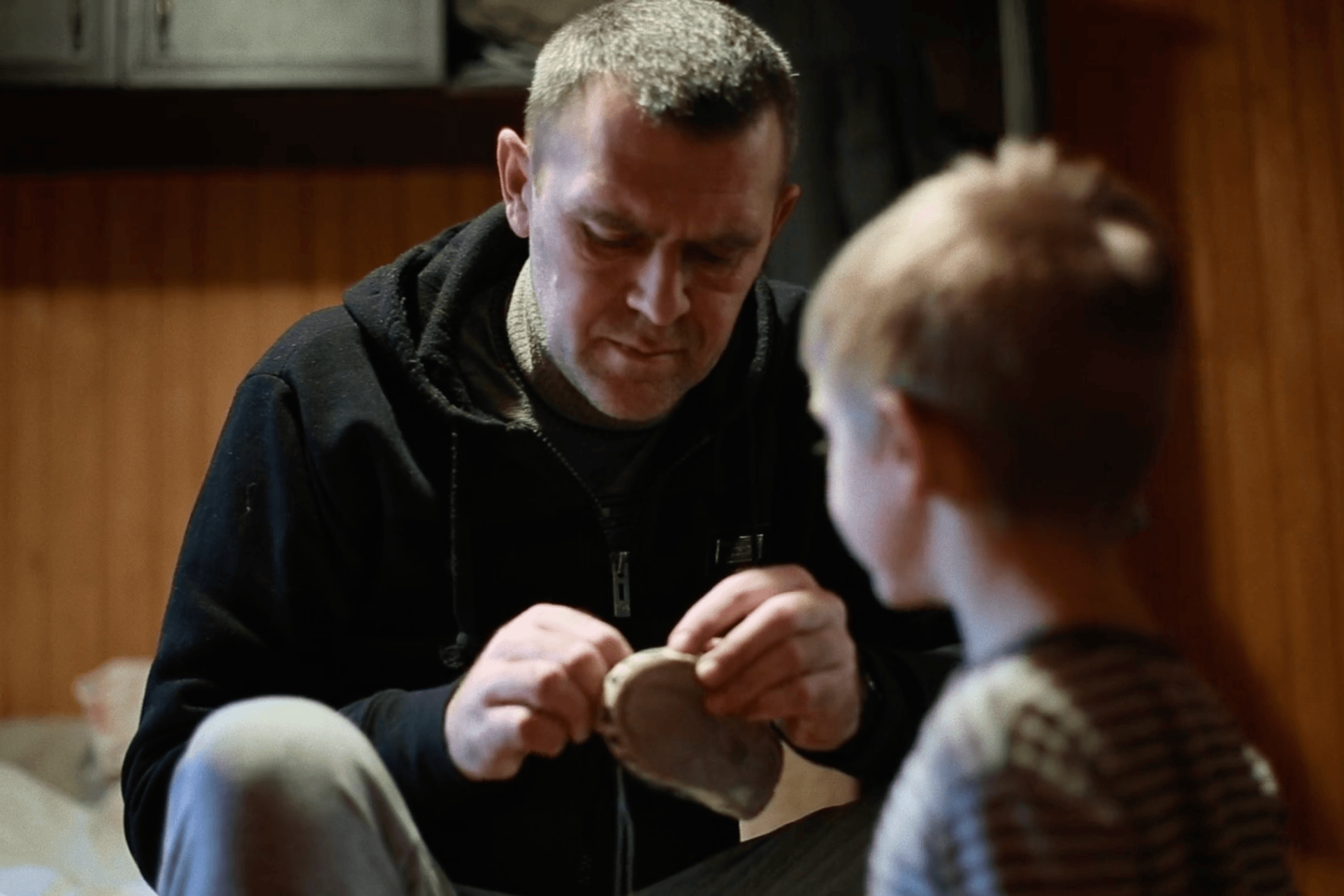
Photo: Screenshot / docudays.ua 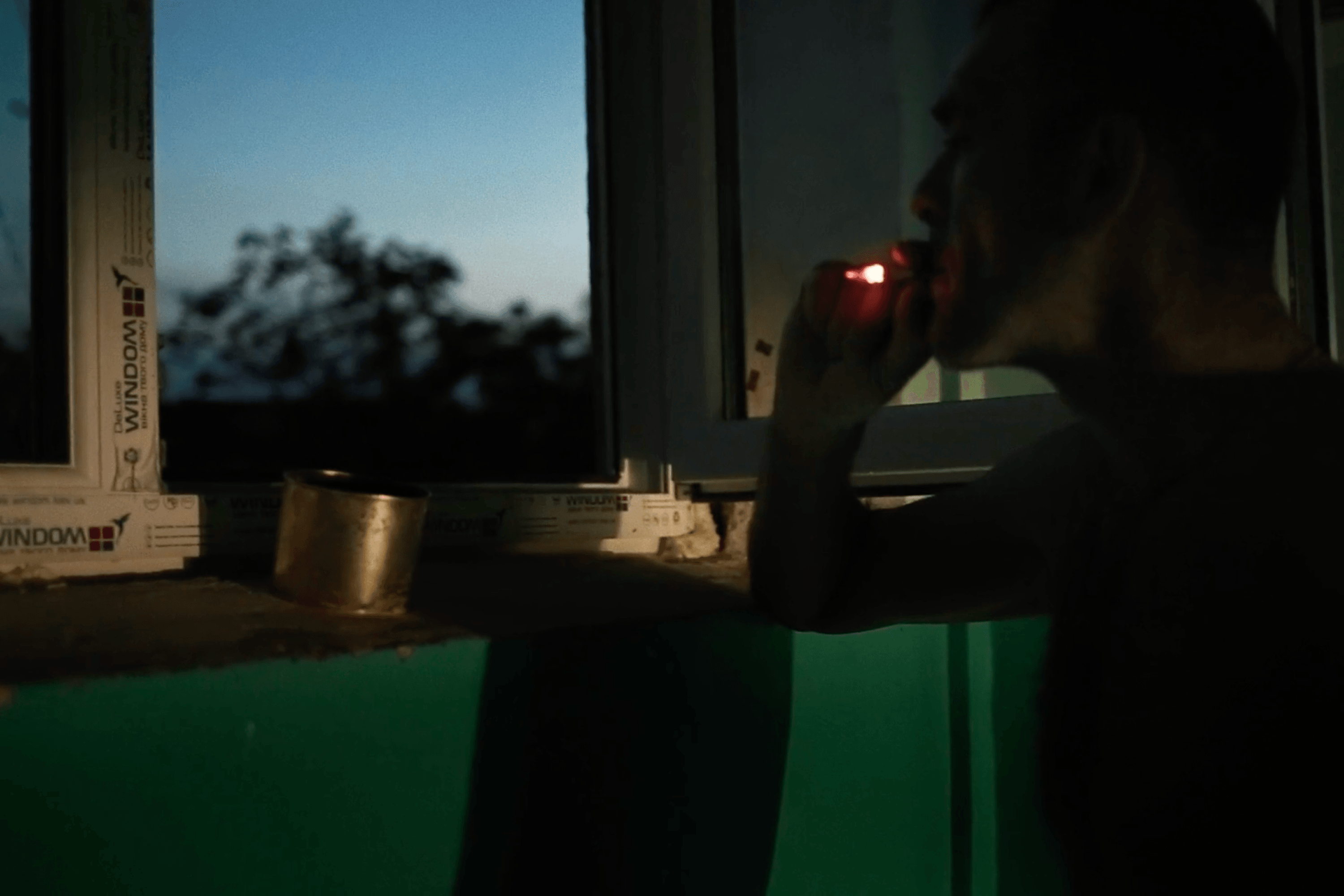
Photo: Screenshot / docudays.ua
Over three years of filming, not only the lives of the people in it changed, but the film itself did too. Lesia began with the story of a family waiting for a veteran to return, but eventually found herself inside Serhiy’s story.
Nadiia was exhausted from the wait, raising the children, and the lack of support. Serhiy was also psychologically weakened. Their relationship became increasingly tense. Nadiia attended special training sessions for partners of service members. She knew how to behave with someone returning from war. But in real life, that knowledge did not always work.
Eventually, Serhiy left the family. Lesia recalls that at the time she did not know whether filming would continue because he did not get in touch for six months. Later, he agreed to one more meeting. This time, they spoke without Nadiia and the children. Serhiy talked about things he had not spoken about before: the front, his return, and his own sense of guilt. Then he began asking Lesia questions. This was how the director herself became part of the film.
Over time, she realized something else: a veteran’s reunion with his family cannot simply follow a ready-made model. Serhiy did not even have a separate space in the apartment where he could spend time alone. The children, household routines, and the search for work were all waiting for him when he came home.
“Serhiy said that he really, really missed having moments of solitude.”
4
The world premiere of “Dad’s Lullaby” took place on August 18, 2024, at the Sarajevo Film Festival. The film was released in Ukraine on June 11, 2025. By then, it had already received several awards. The film was screened in Israel, Germany, the United Kingdom, and New York.
Festival ambitions were never Lesia’s main motivation. She says she wanted to tell the truth, reach an international audience, and change something. After the screenings, she saw that Serhiy’s story truly extended beyond one family. In France, audience members approached Lesia and told her they were sorry that Ukraine was not receiving enough support.
“They said they were sorry that their country wasn’t doing enough for us, that they wished there was more help,” Lesia recalls. “That they felt guilty. They thanked the family for letting me in. They thanked me for the film.”
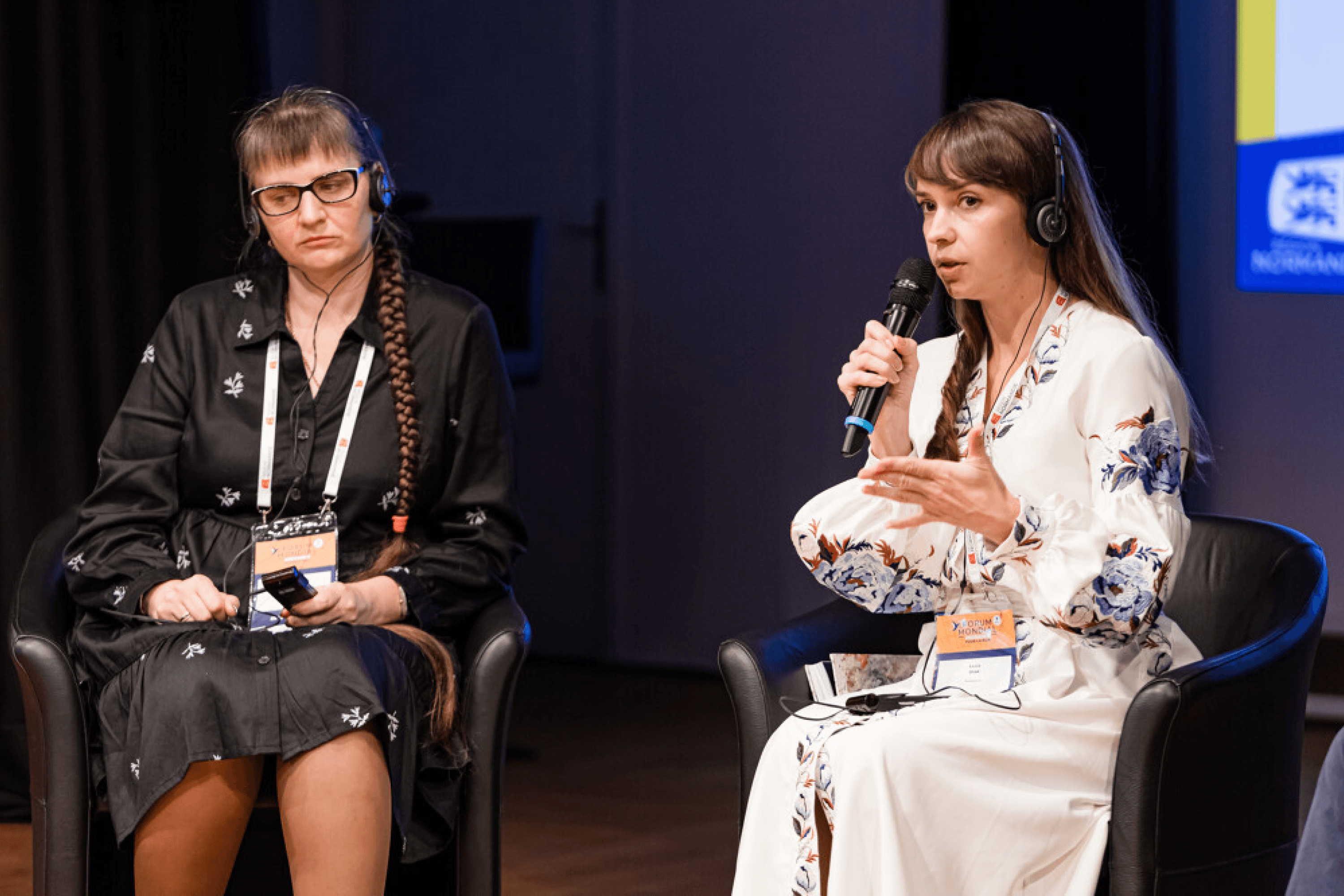
A discussion of the documentary film “Dad’s Lullaby” by director Lesia Diak following a preview screening at the Normandy Peace Forum in France. October 2024. Photo: lesyadyak / Instagram 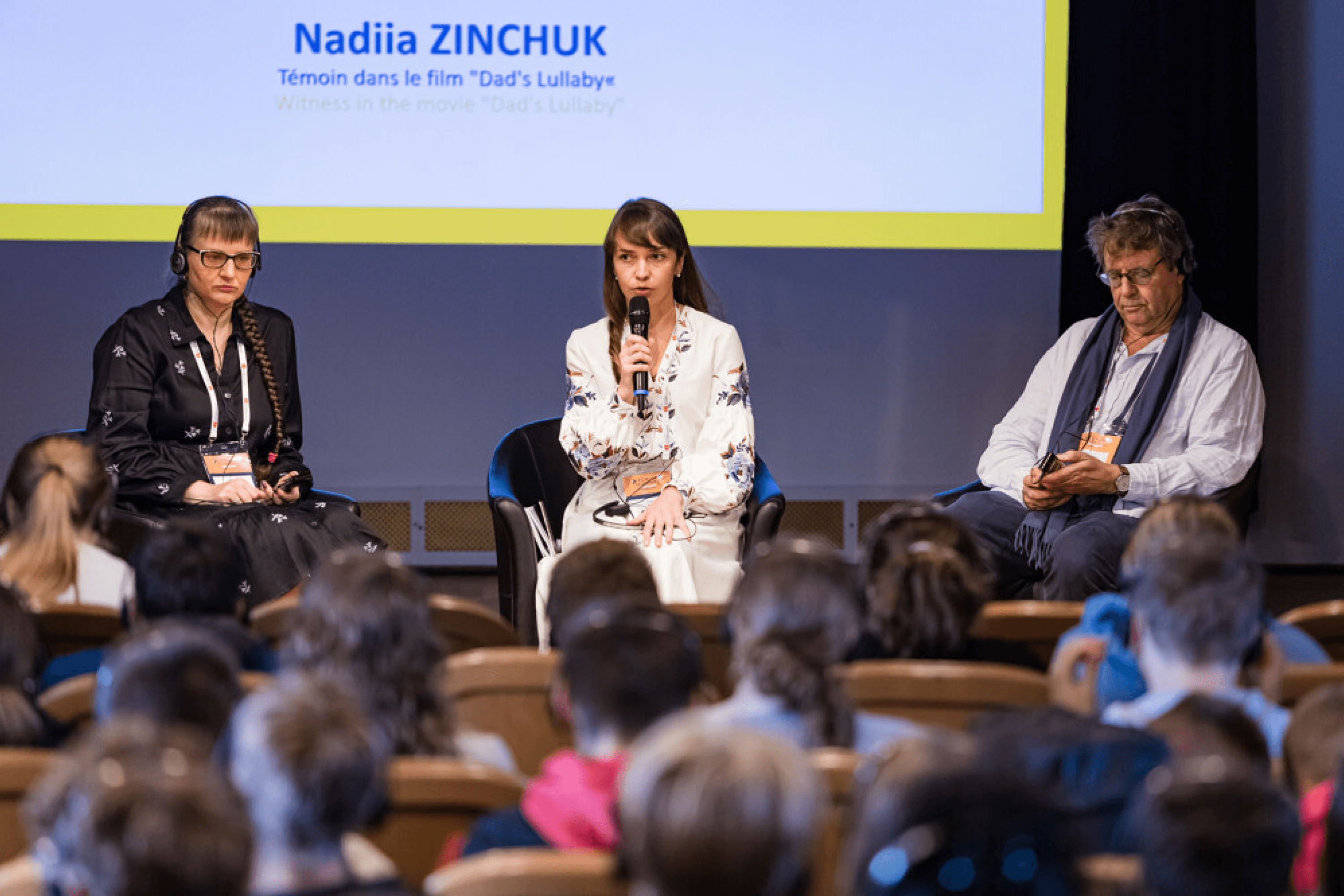
Photo: lesyadyak / Instagram 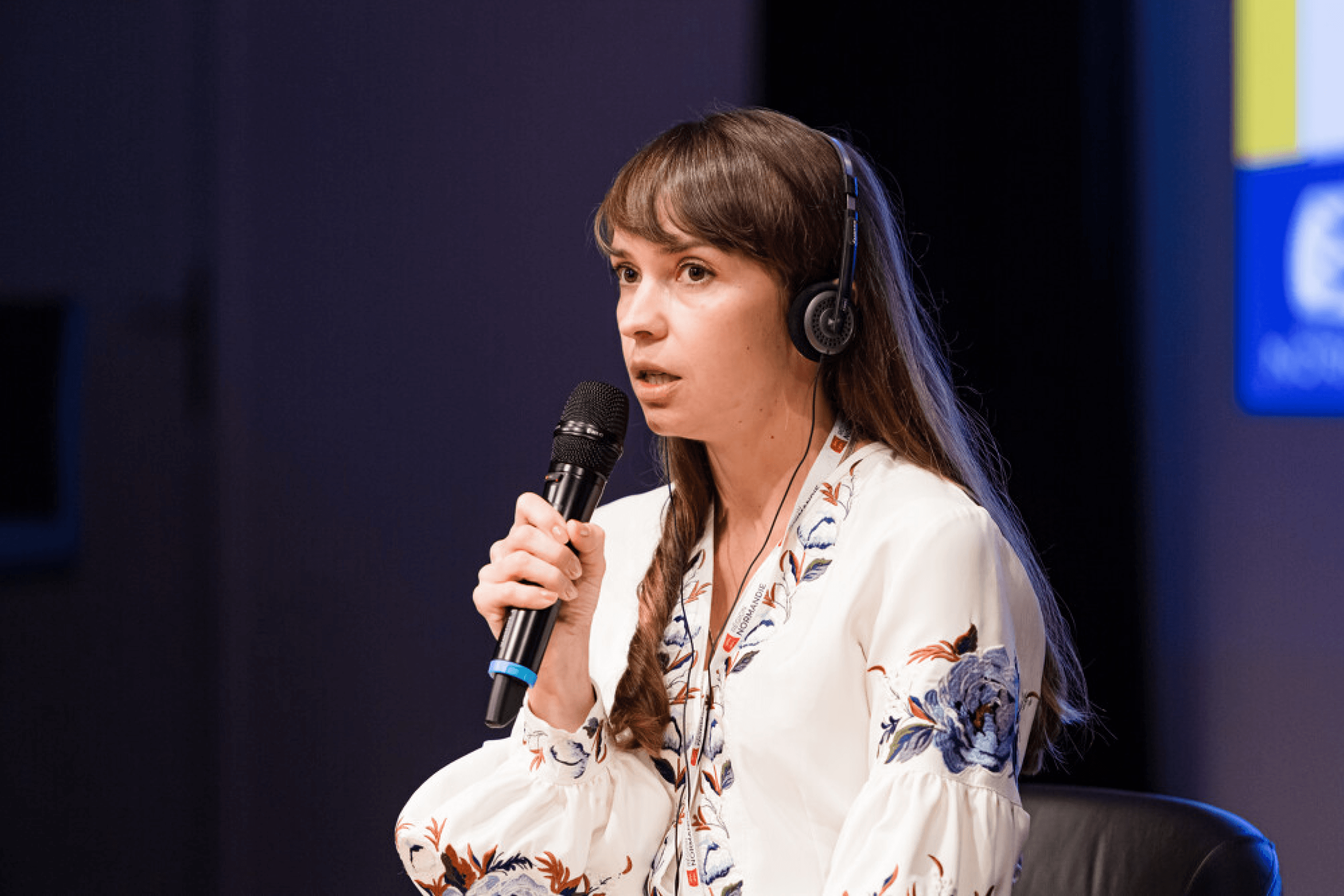
Photo: lesyadyak / Instagram 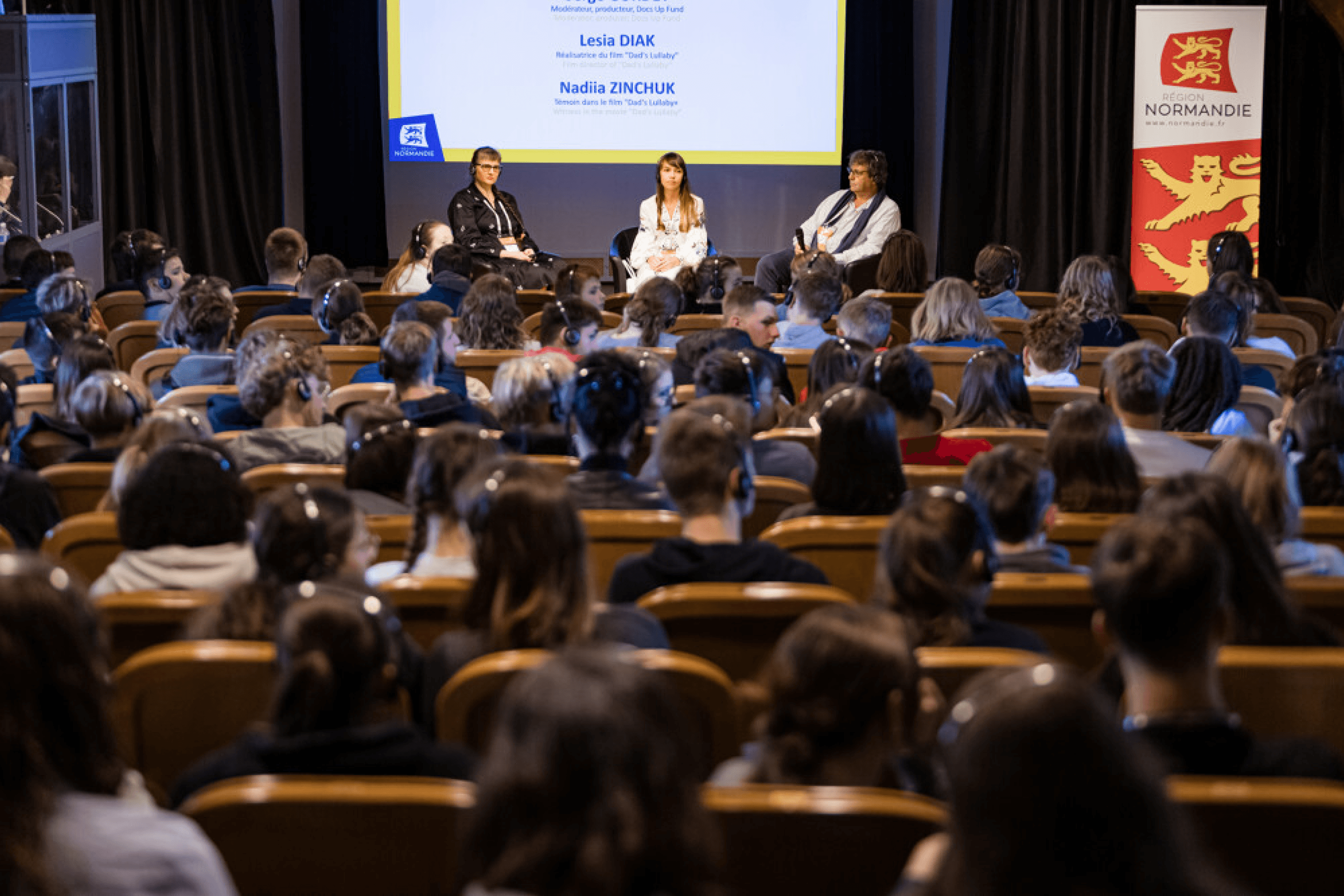
Photo: lesyadyak / Instagram
At one screening in France, teenagers watched the film together with their teachers. One girl said she wished her parents could see it. For Lesia, this is one of the most interesting qualities of cinema: once it meets its audience, it stops belonging only to its author.
“People were mostly able to read or understand the meanings I had put into the film. But the most interesting moments were when they discovered something in the film that I hadn’t thought about myself. That’s how cinema exists in different dimensions. And it no longer belongs to you once it meets the audience.”
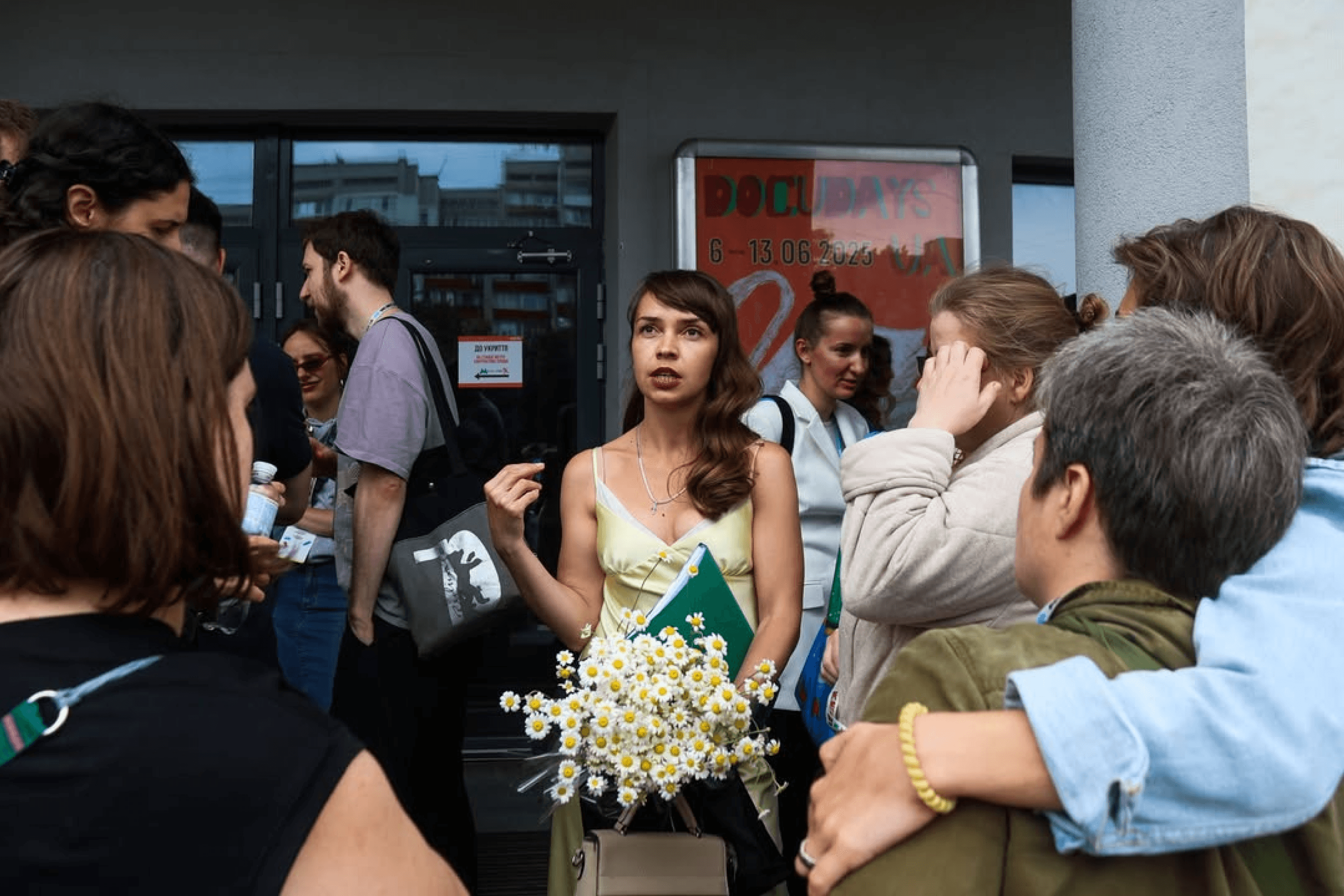
Director Lesia Diak at the Ukrainian premiere of the documentary film “Dad’s Lullaby” at the Docudays UA festival. Kyiv, June 13, 2025. Photo: lesyadyak / Instagram 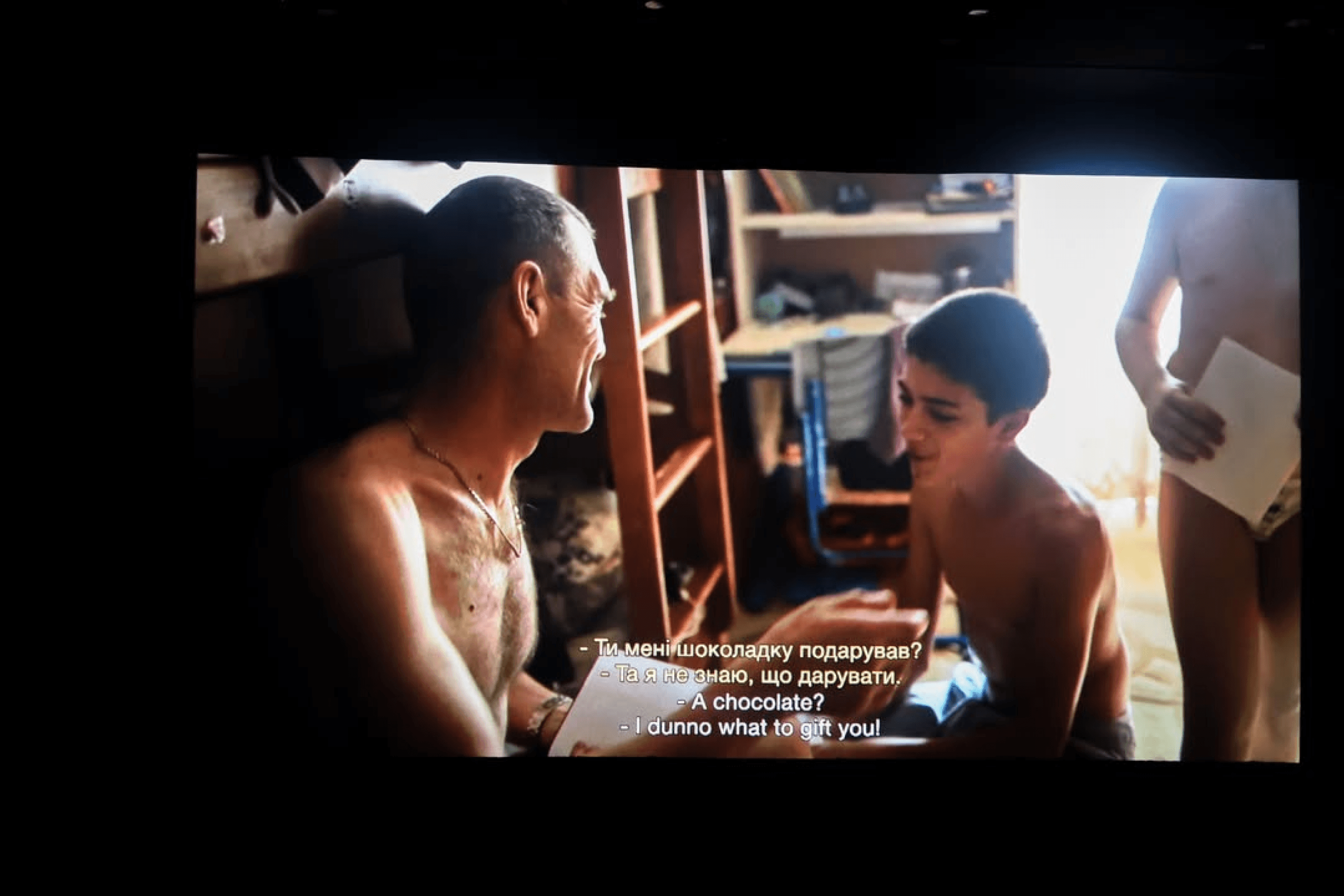
Photo: lesyadyak / Instagram 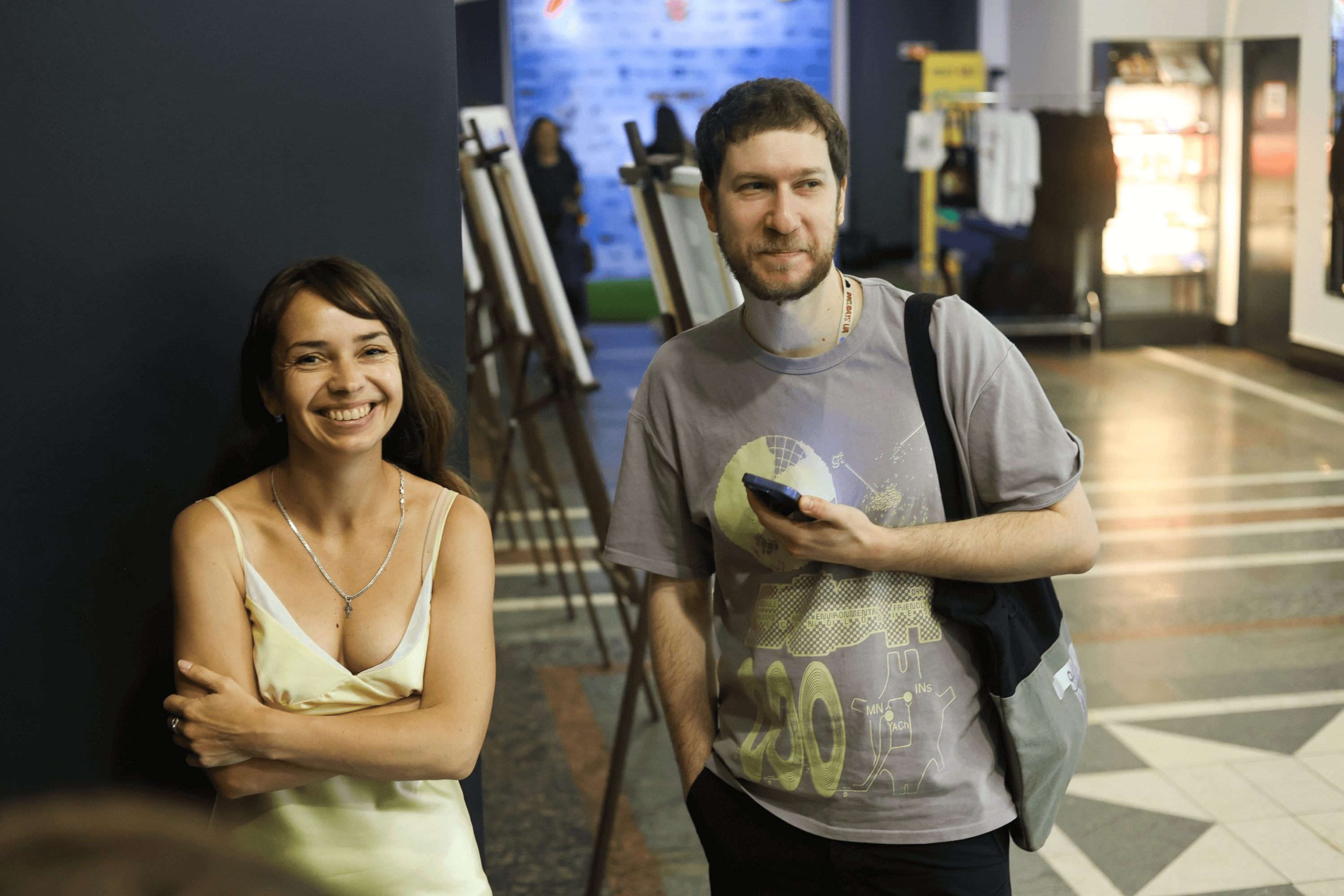
Photo: lesyadyak / Instagram 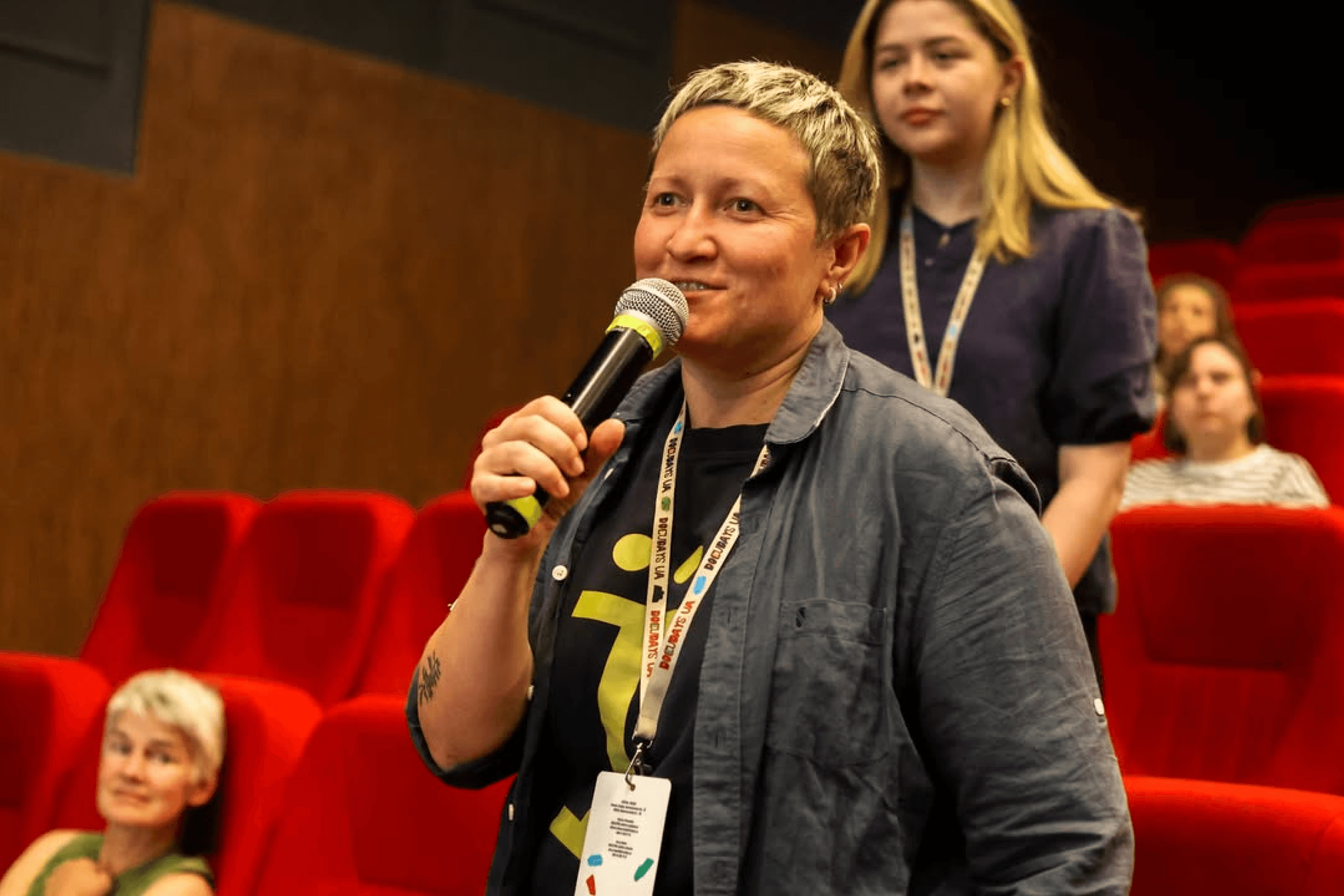
Photo: lesyadyak / Instagram 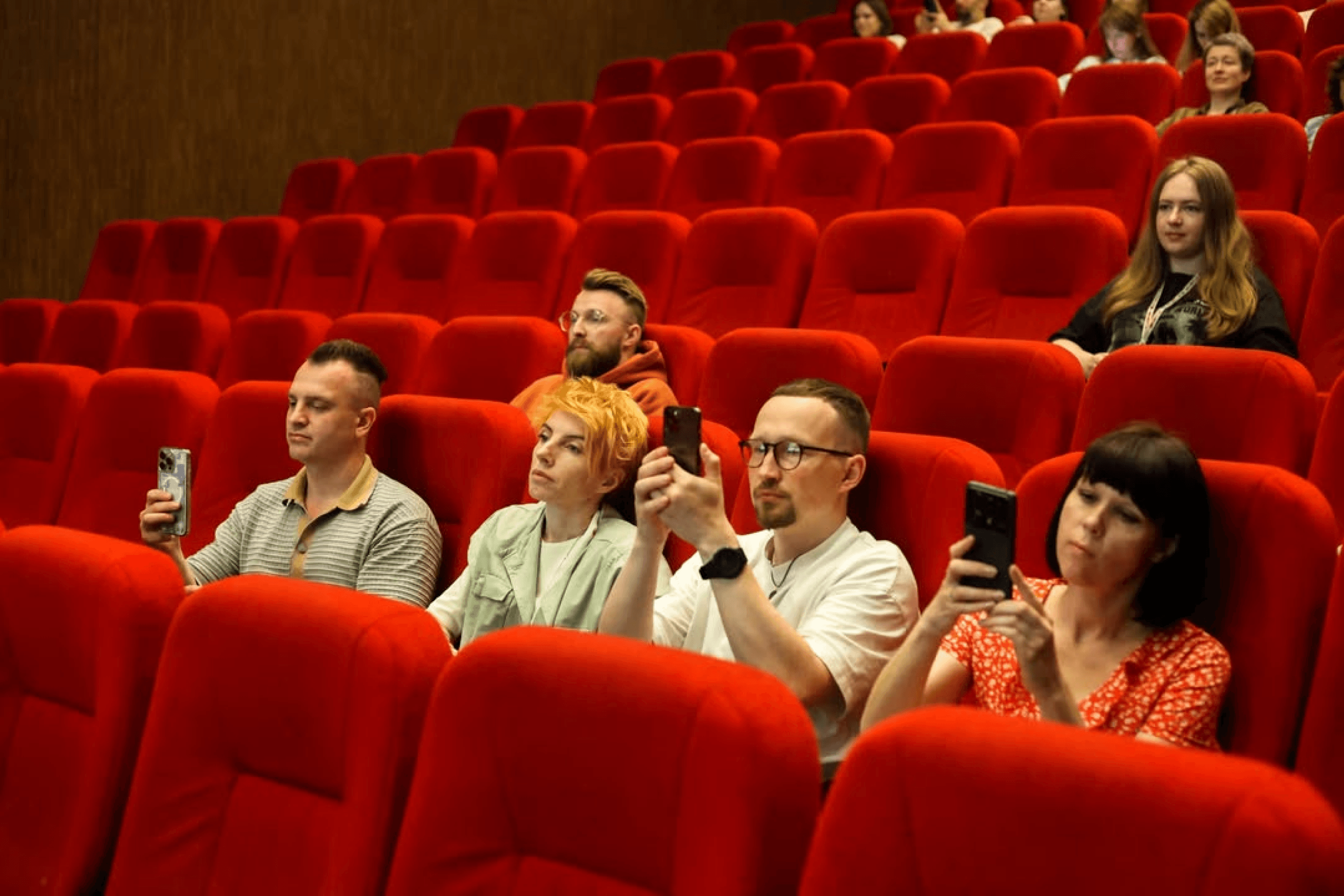
Photo: lesyadyak / Instagram 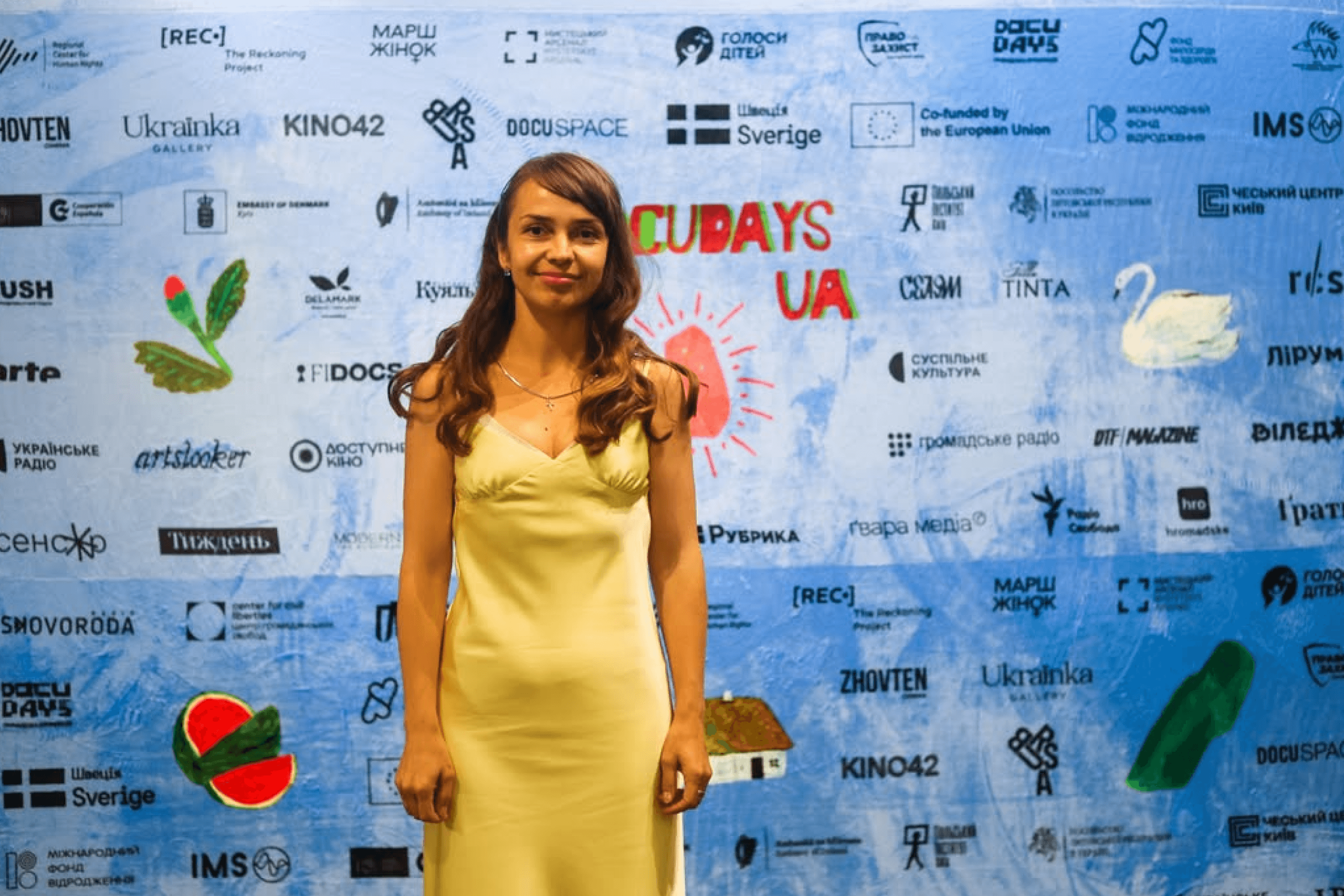
Photo: lesyadyak / Instagram
5
In fact, for Lesia, this story turned out to be about more than Serhiy. While she was working on the film, everyday scenes in his family often took her back to her own childhood.
She was born in the 1990s in a small village in the Rivne region. She says that at the time she did not have much choice about what to do after school because there simply were no interesting extracurricular activities. She spent a lot of time in the garden near her home, observing the world and reading books from her parents' library. Her creativity grew out of this curiosity, but also out of the injustice she witnessed as a child.
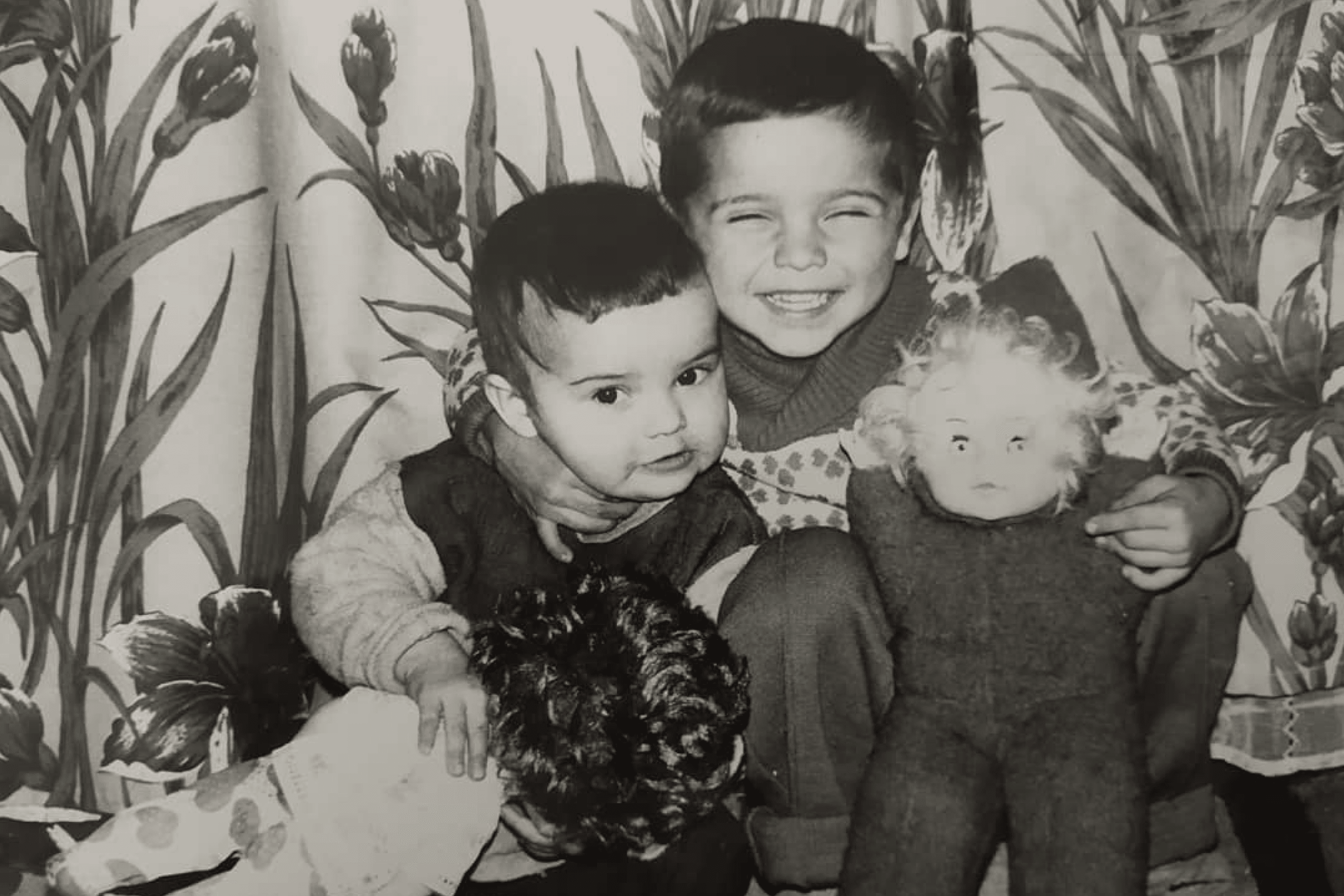
In the summer, she and her brother went berry picking to earn pocket money. Lesia used that money to buy a tracksuit, which was later stolen from her at a market. “It just seemed so strange to me: you have to crawl around in the forest to pick those berries. It’s one of the most hellish jobs you can imagine. And then someone steals the tracksuit. It was both funny and somehow wrong, but that moment describes my reality.”
Her parents worked hard, but according to Lesia, they constantly lived with the feeling that the system had cheated them. This was especially true after the collapse of the Soviet Union, when their savings disappeared. Perhaps that is why the idea of home is not simple for her today either.
Over time, the subjects' own perception of the film changed as well. Sasha, who was 11 during filming, is now an adult and has watched the film. Afterward, he apologized to his brother Artem for the way he had treated him when they were children. The family now lives abroad. Nadiia and the children are in the United Kingdom. The children have grown up and now speak English fluently.
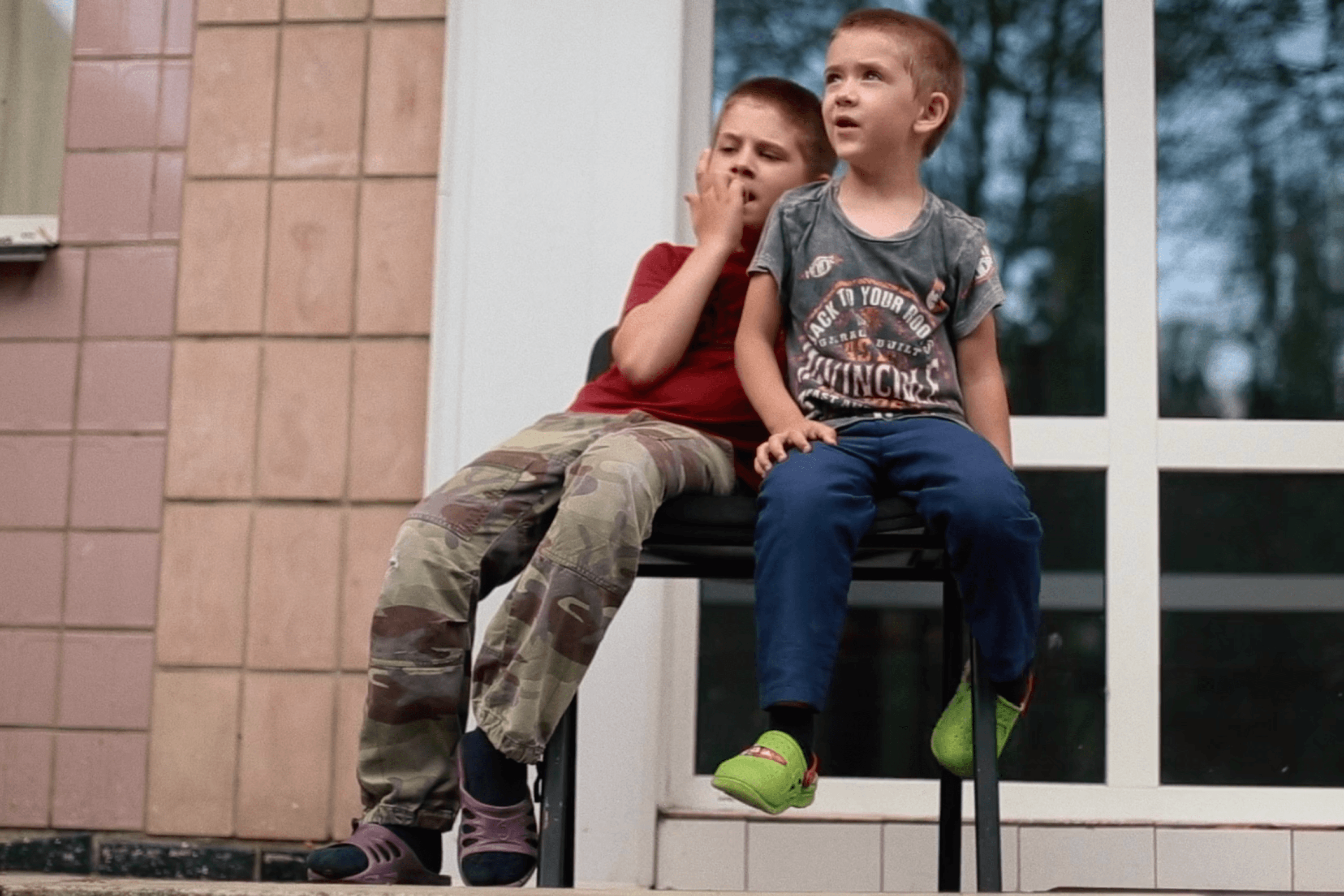
Scenes from the film “Dad’s Lullaby”. Photo: Screenshot / docudays.ua 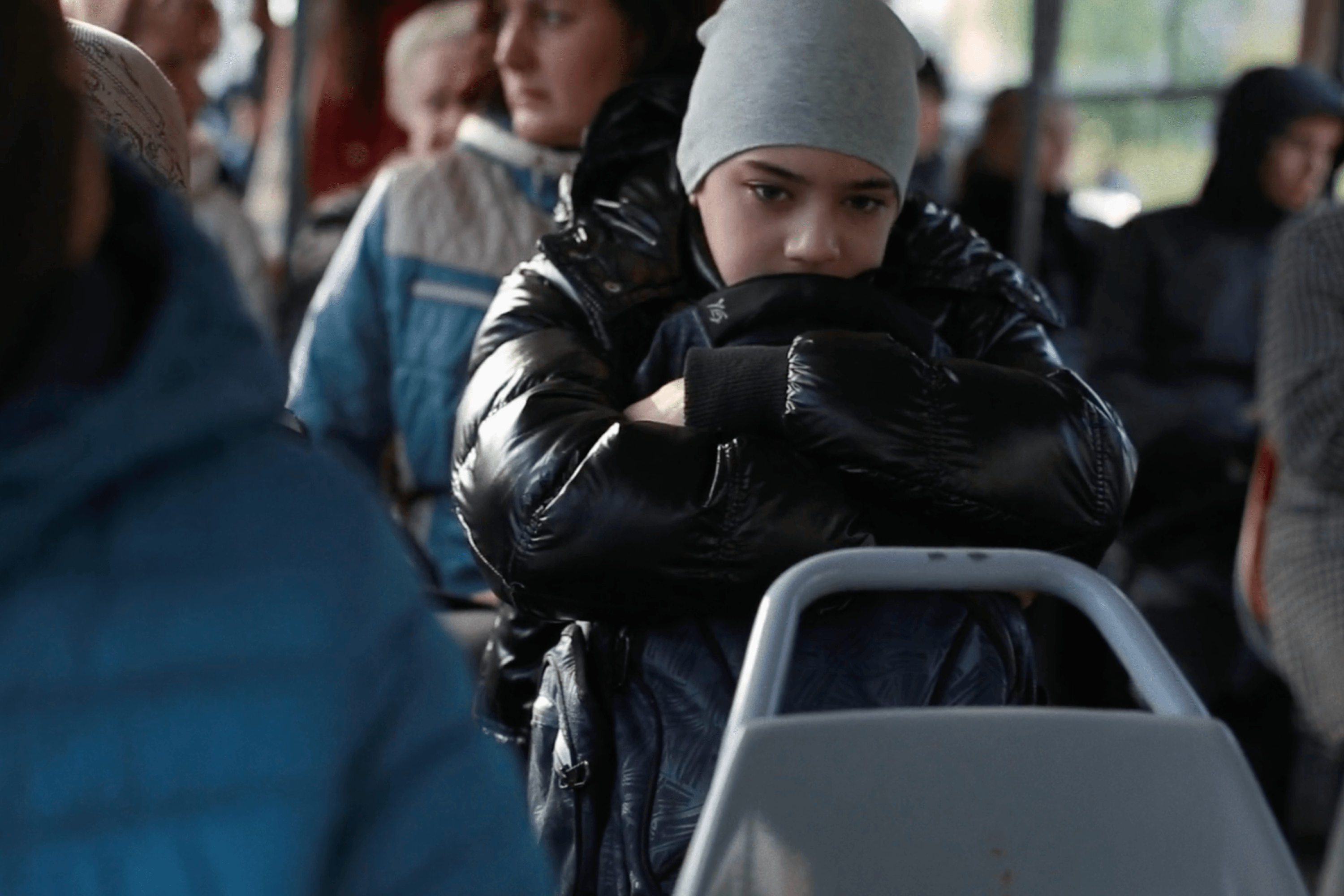
Photo: Screenshot / docudays.ua 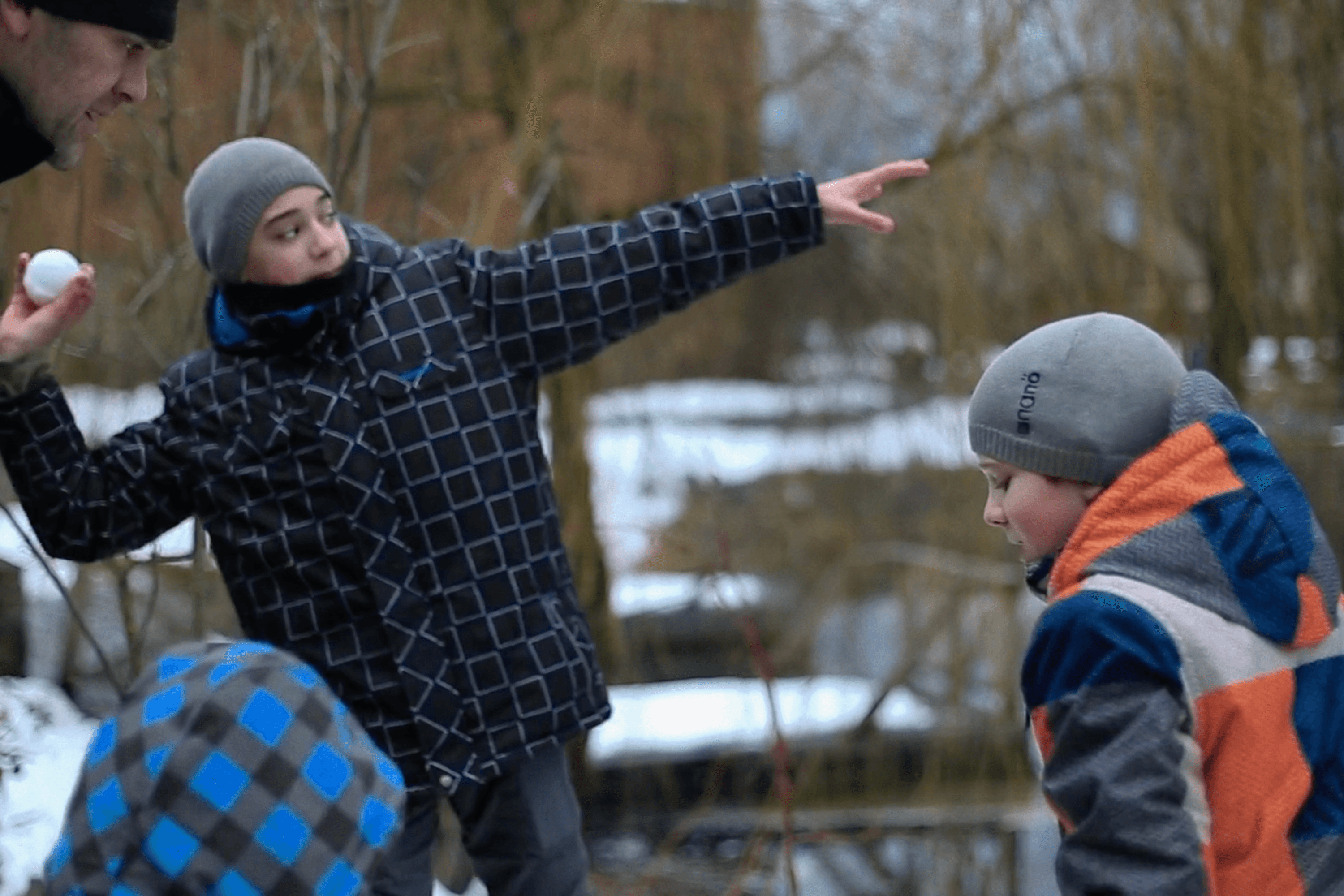
Photo: Screenshot / docudays.ua
Lesia says the film can have a therapeutic function, helping people better understand their relationships while watching it or afterward. For example, this is how the title “Dad’s Lullaby” reveals its meaning to her.
“It’s as if the father wants to be warm and gentle, but it doesn’t come easily to him,” the director explains. “You can see hope in the title. But when you’ve watched the film to the end, you understand it differently. That perhaps it’s a kind of confession by a father. That now, finally, the children will be able to understand why he wasn’t one hundred percent gentle and warm and present in their lives.”
6
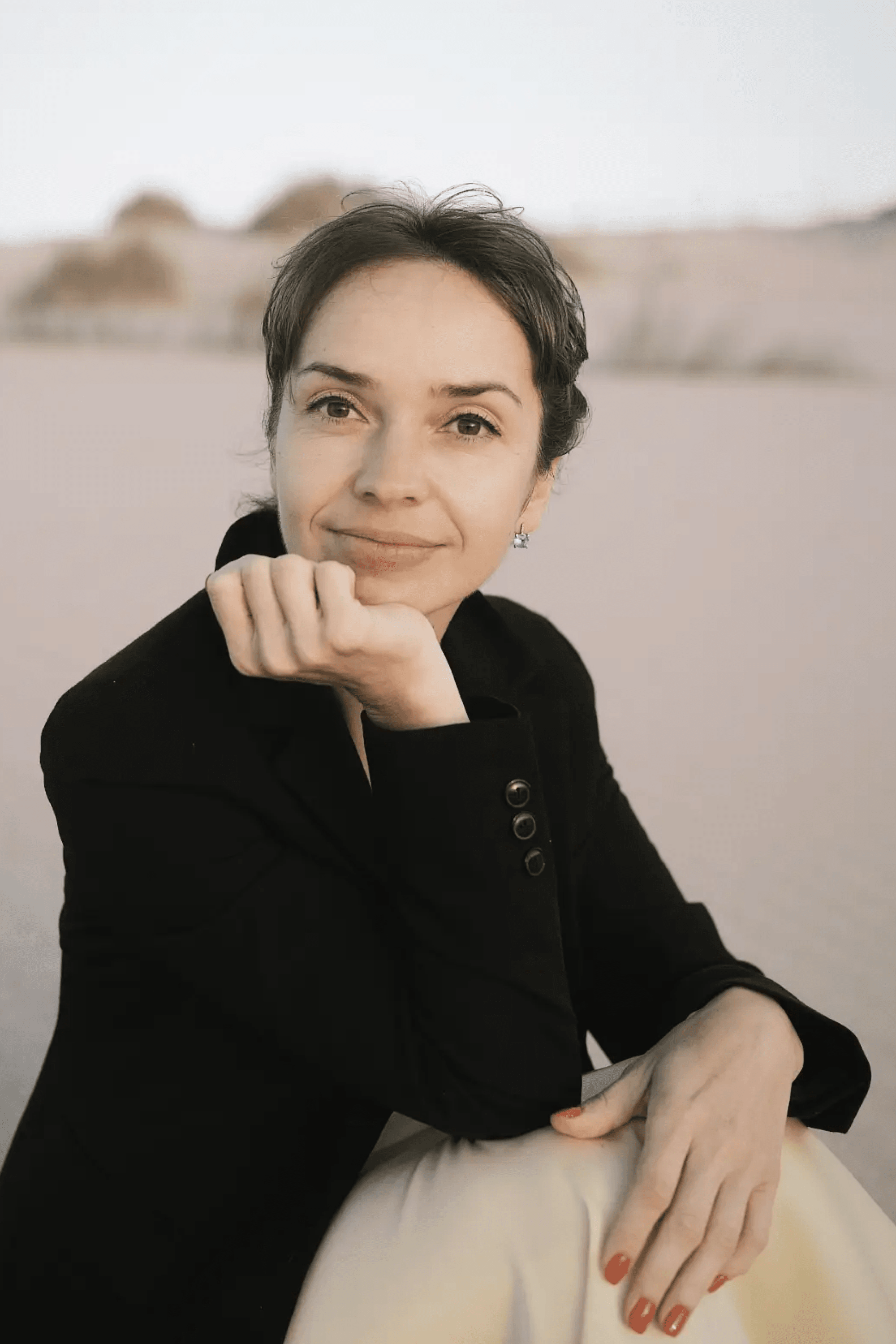
In 2023, Lesia moved to Portugal, where she still lives. But she does not feel at home there. More and more often, the director tells herself, “I am my own home.” She calls her friends, shares important moments in her life with them, and tries not to lose her connection with Ukraine. But it is not enough.
At the same time, Lesia is working on a new experimental documentary in Lisbon. It is also partly about her, about burnout in a creative profession and the price one has to pay for it. She is writing the screenplay for a short fiction film that she hopes to shoot in Kyiv in 2027. She organizes workshops for people who want to study film or make films together. Working in other genres helps her cope with burnout and regain faith in her own creativity.
Lesia is still in touch with the family from “Dad’s Lullaby.” They grew apart after filming, but after the start of the full-scale invasion, they began communicating more closely again. Nadiia still wants to return to Kyiv, to her apartment. When the full-scale war began, Serhiy returned to the front. He was recently discharged from service and joined his family abroad. Now he has to adjust to life again, this time in a foreign country.
“After everything that’s happened to him, he still has to adapt to a new life in a foreign country. It seems that Ukrainians keep facing new challenges all the time. You’re like a tumbleweed.”


