
Serhii Melnychenko began taking photographs in 2009, when he was 18. Just a few years later, his humorous photo series “Schwarzenegger is my idol” made him popular online, and in 2017, his project “Behind the scenes” received the prestigious German Leica Oskar Barnack Award Newcomer.
The following year, Melnychenko founded MYPH, a platform for educating and promoting young Ukrainian photographers. Alongside this, he continued developing his own career. Today, his works are represented in public and private collections in 12 countries, and pieces from his series are priced at up to €15,000.
In August, Melnychenko received the PhEST International Award in Italy for his curatorial project “Films from the frontline.” For the project, 21 Ukrainian service members photographed their lives at the front using disposable film cameras.
Yellow Blue journalist Roksana Rublevska spoke with Serhii about how the war changed his photography, what MYPH has grown into, and where the line lies between making Ukraine visible and turning Ukrainian pain into a brand.
Let’s start with your MYPH project, which around 500 photographers have gone through over the past eight years. In 2018, it all started with photography courses, and today it is a platform that teaches, promotes, and sells the work of young Ukrainian artists. How did MYPH grow to this scale, and how does it work today?
|
|
For a long time, what Ukraine lacked was precisely the producer function in photography. Galleries mostly want to work with those who are already known. But someone has to make a photographer famous: organize their first exhibitions and publications, present their work at fairs, and introduce them to galleries, curators, and collectors. I decided to do this because by then I already had my own experience and a circle of professional contacts.
In 2018, I started with photo courses. But from the very beginning, it was important to me not just to teach photography, but to create an environment where young Ukrainian artists could make themselves known and start building a professional career. So over time I began producing their projects, helping with exhibitions, publications, and reaching an international audience. This is how these courses gradually turned into MYPH as the platform exists today.
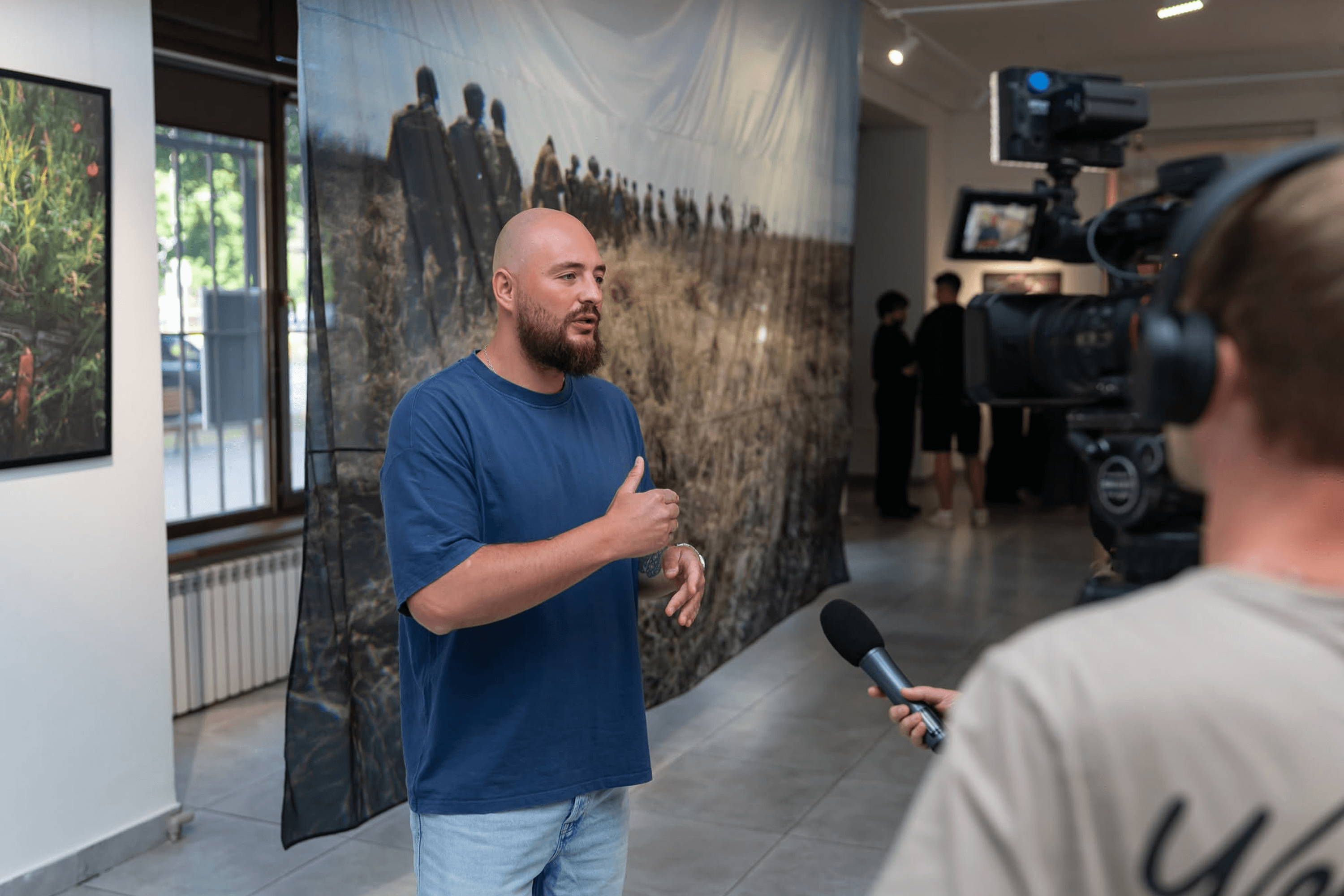
The opening of Serhii Melnychenko’s exhibition “Films from the Frontline: Photographs, Letters, and Artifacts of Ukrainian Soldiers” at the Zaporizhzhia Center for Contemporary Art. July 13, 2026. Photo: MYPH / Центр сучасного мистецтва Запоріжжя / Facebook 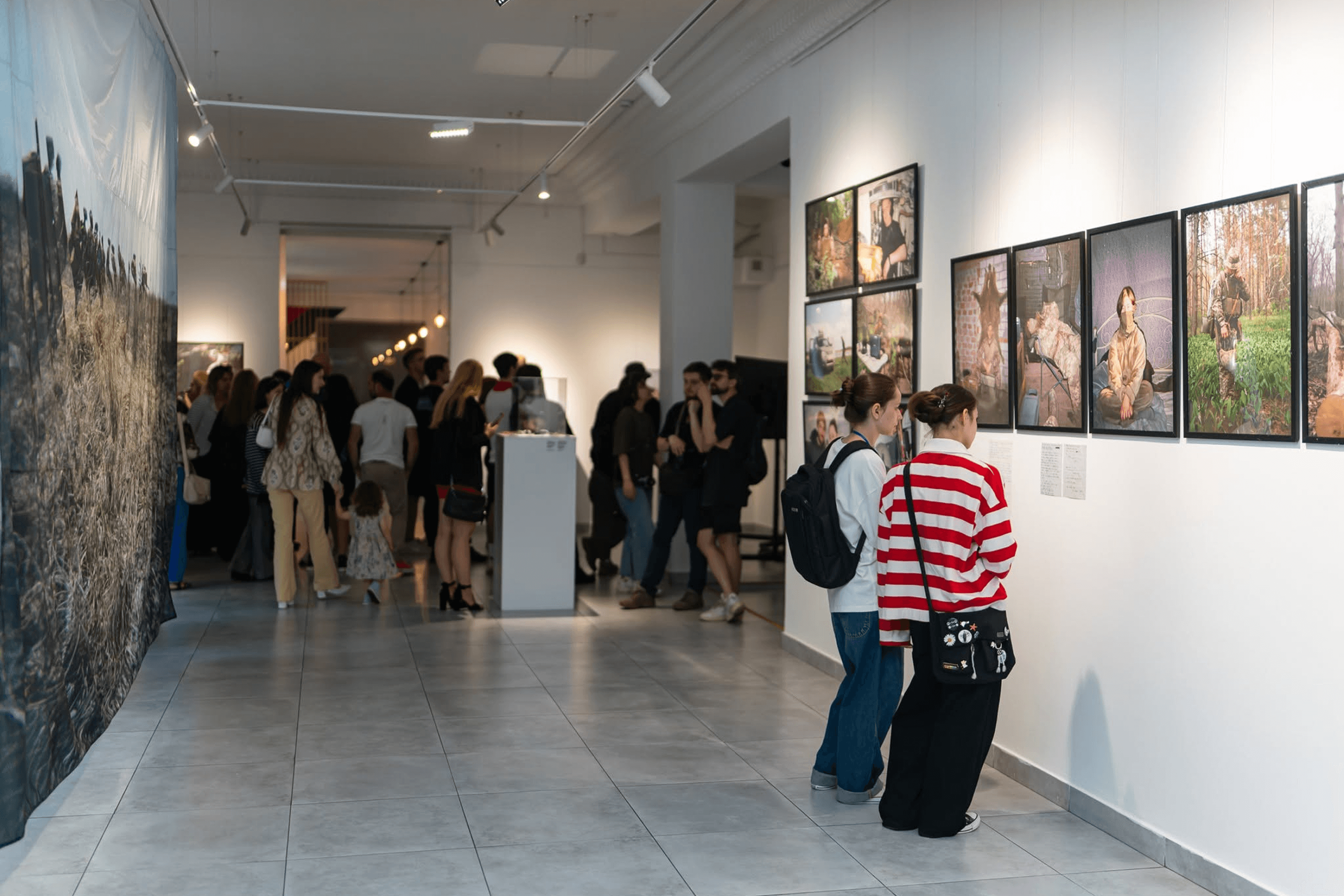
Photo: MYPH / Центр сучасного мистецтва Запоріжжя / Facebook 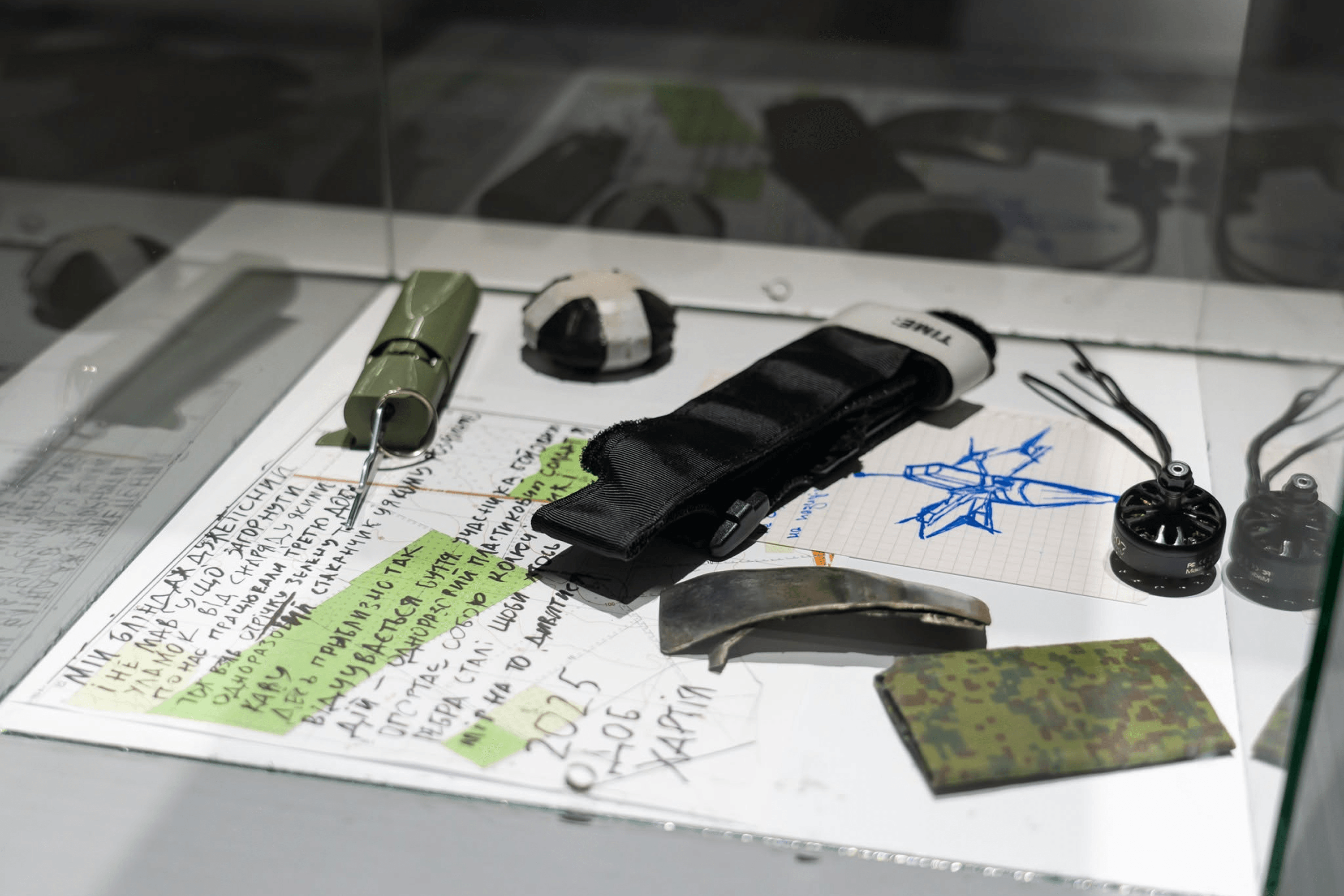
Photo: MYPH / Центр сучасного мистецтва Запоріжжя / Facebook 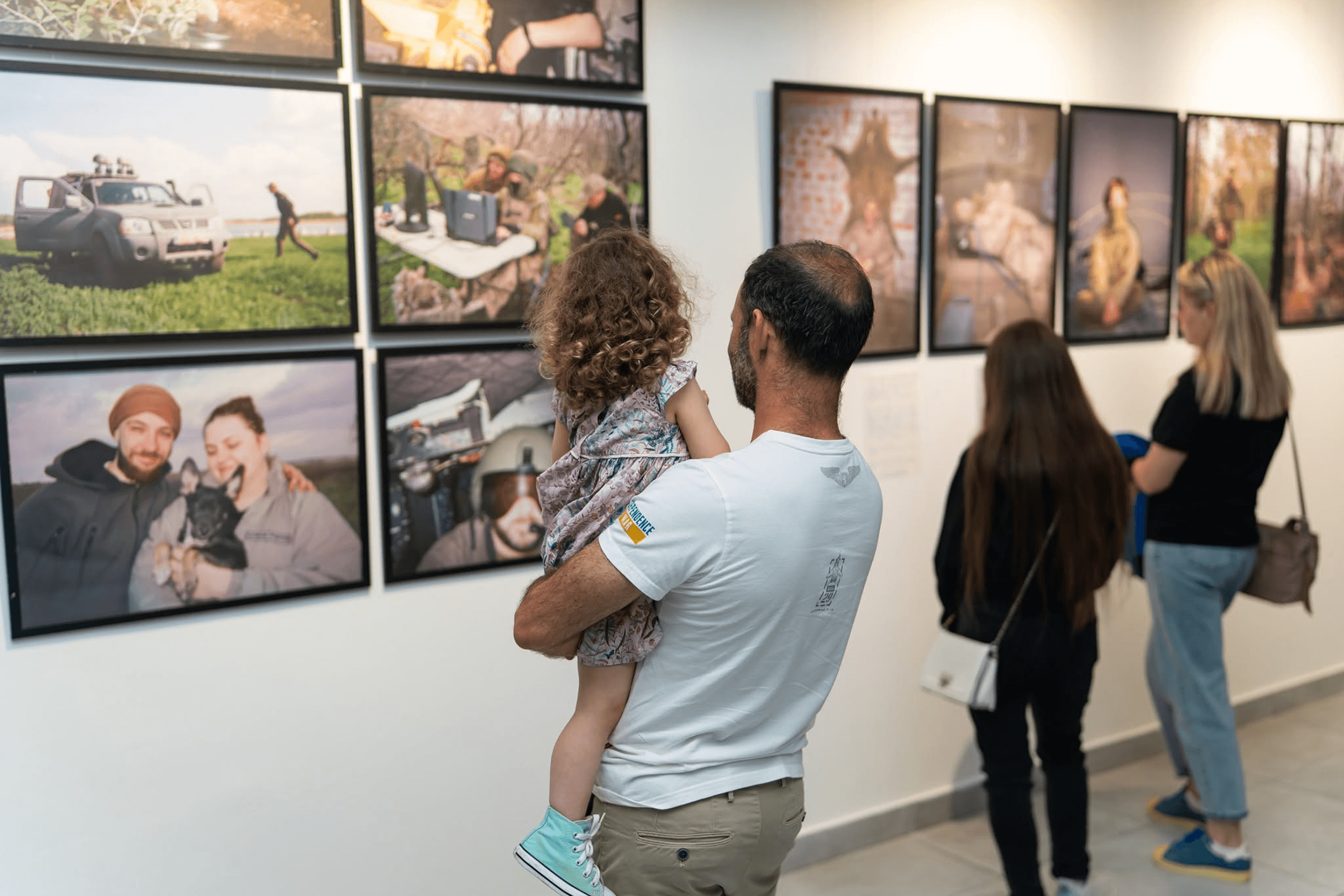
Photo: MYPH / Центр сучасного мистецтва Запоріжжя / Facebook 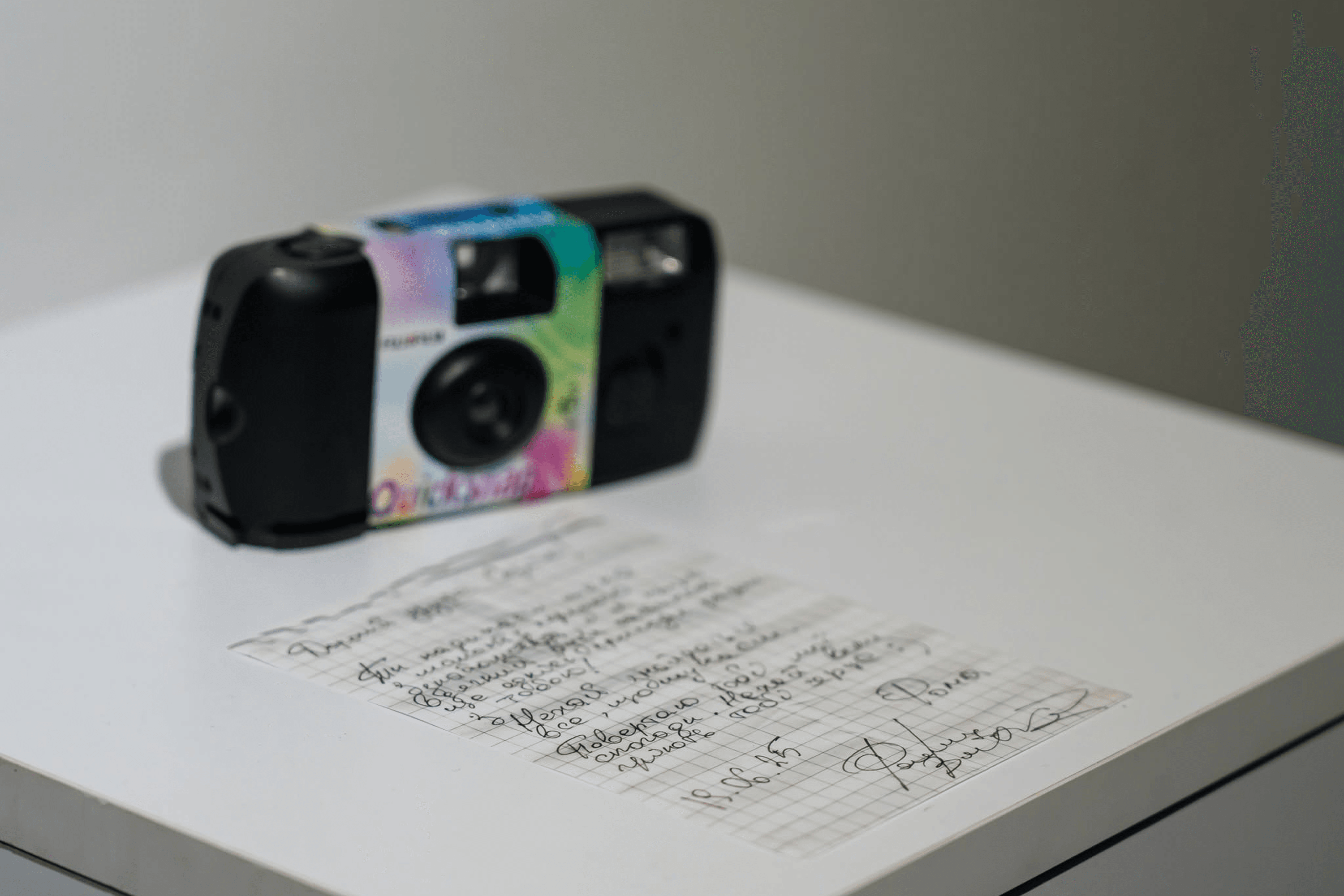
Photo: MYPH / Центр сучасного мистецтва Запоріжжя / Facebook 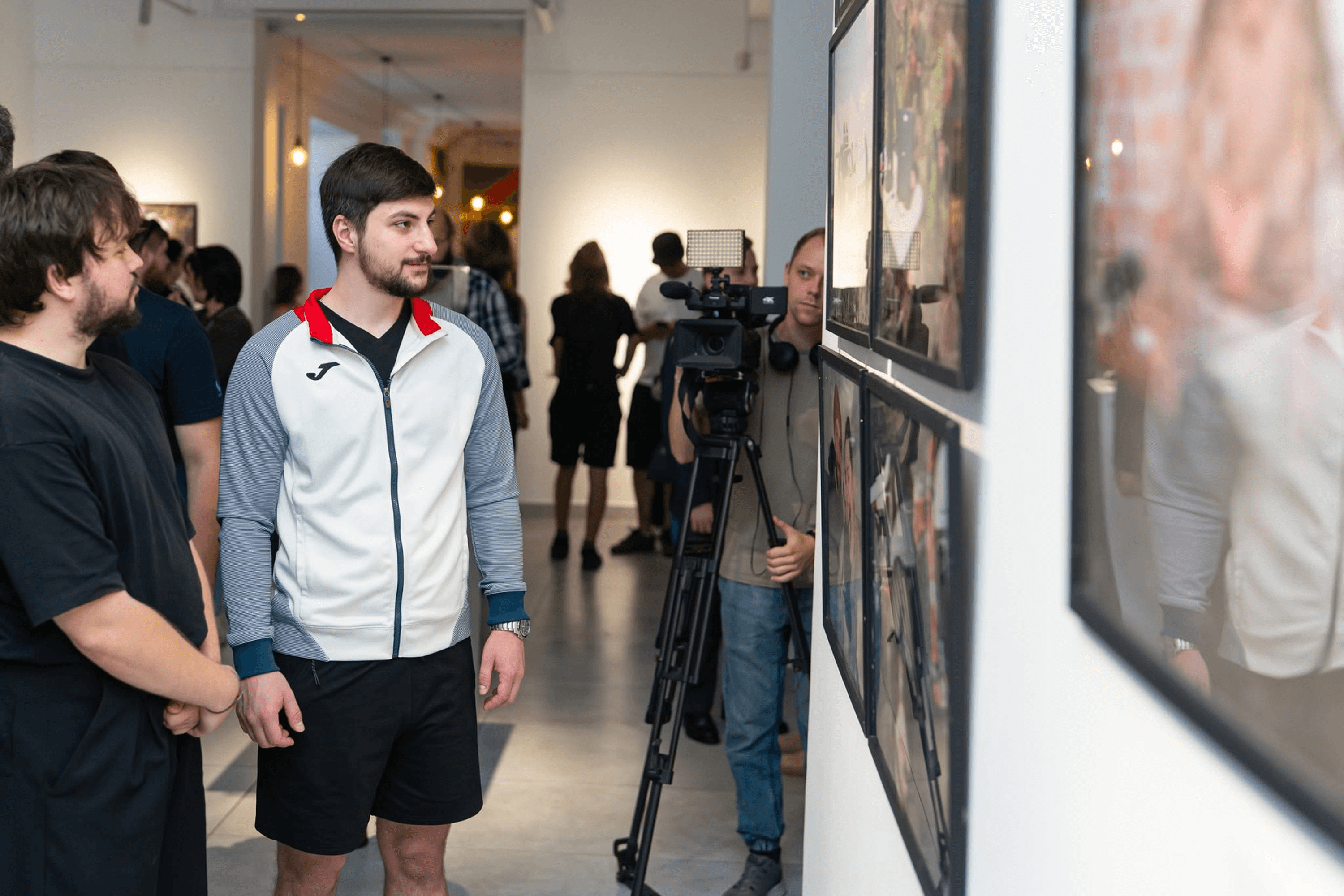
Photo: MYPH / Центр сучасного мистецтва Запоріжжя / Facebook
Tell me how exactly the training is structured.
My own course lasts about seven months. It includes more than 50 lectures, homework, portfolio reviews, and live communication. As part of the course, we meet online twice a week. There are also shorter courses taught by other instructors on conceptual and analog photography and the history of photography. All classes are held live. There are no recorded lectures. MYPH’s main audience is people aged 25 to 40. They already have a profession, but they want to fulfill themselves specifically in photography.
How did the platform scale up?
I kept inviting new instructors and developing programs, and I launched online training. This allowed photographers from all over Ukraine to join MYPH, not just those from my native Mykolayiv. A community gradually formed around the platform.
Later, we began organizing exhibitions, publishing photobooks, and participating in fairs. If our photographers’ works are sold, the platform receives a commission. Depending on the project, it is 30 to 50 percent.
So the courses allow you to finance the platform’s other activities, such as publishing books and photo catalogs?
Yes, the platform exists thanks to six-month or year-long courses. I reinvest part of the money we earn in organizing exhibitions, publishing photobooks and the magazine, and participating in photography competitions and fairs. We financed the first book 50/50 together with Rodovid publishing house.
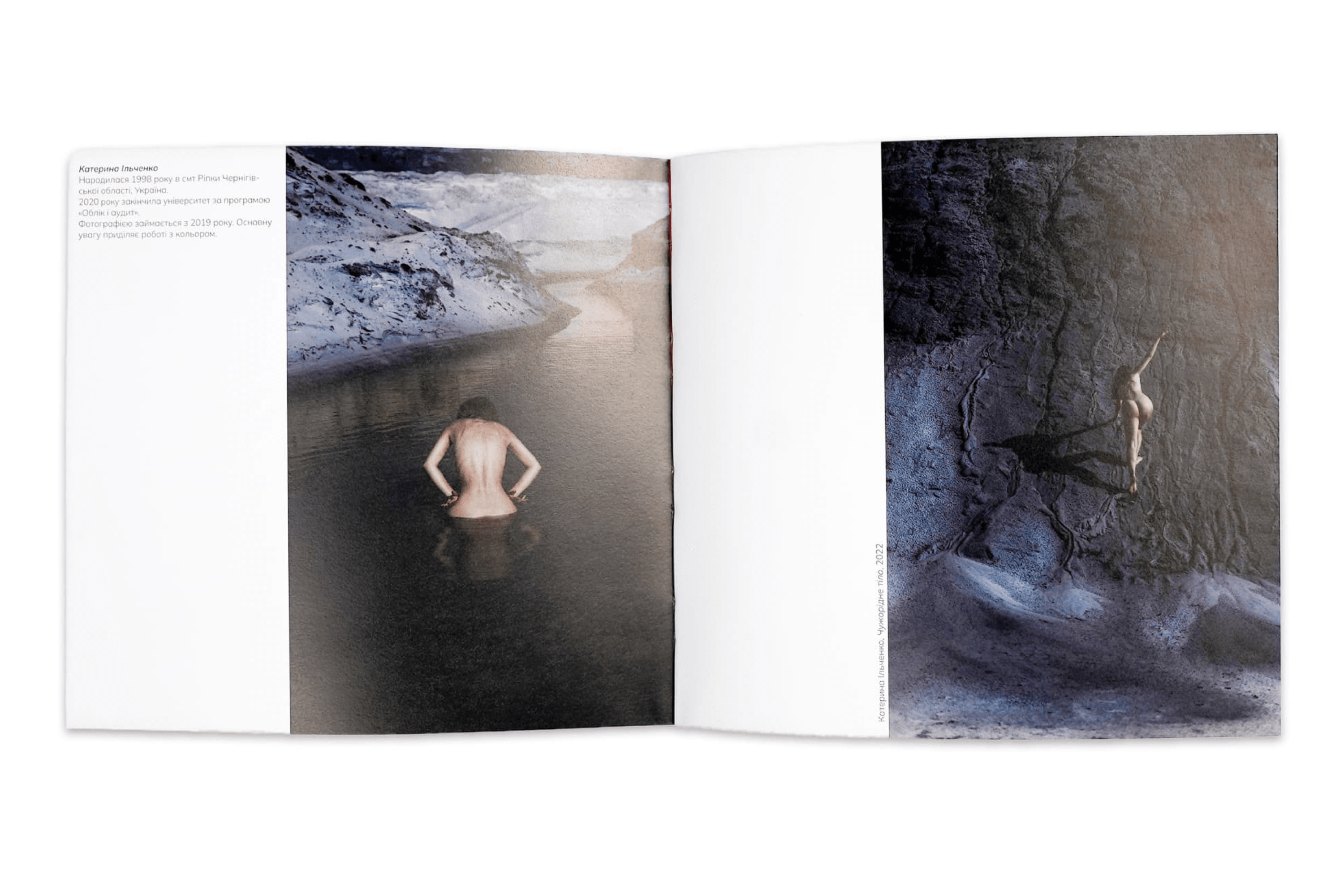
Pages from the book “MYPH / Young Mykolaiv Photography.” Photo: myphart.com 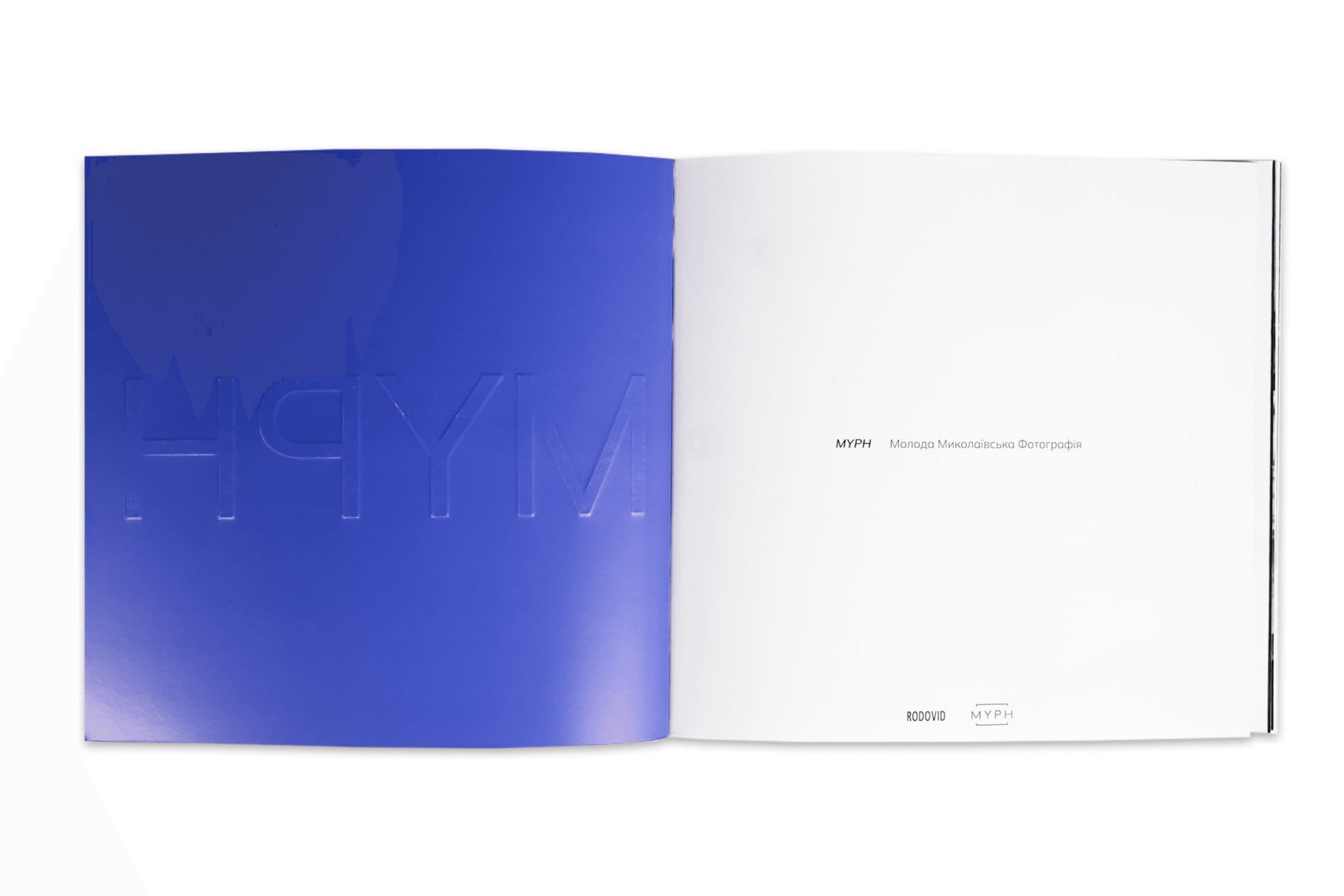
Photo: myphart.com 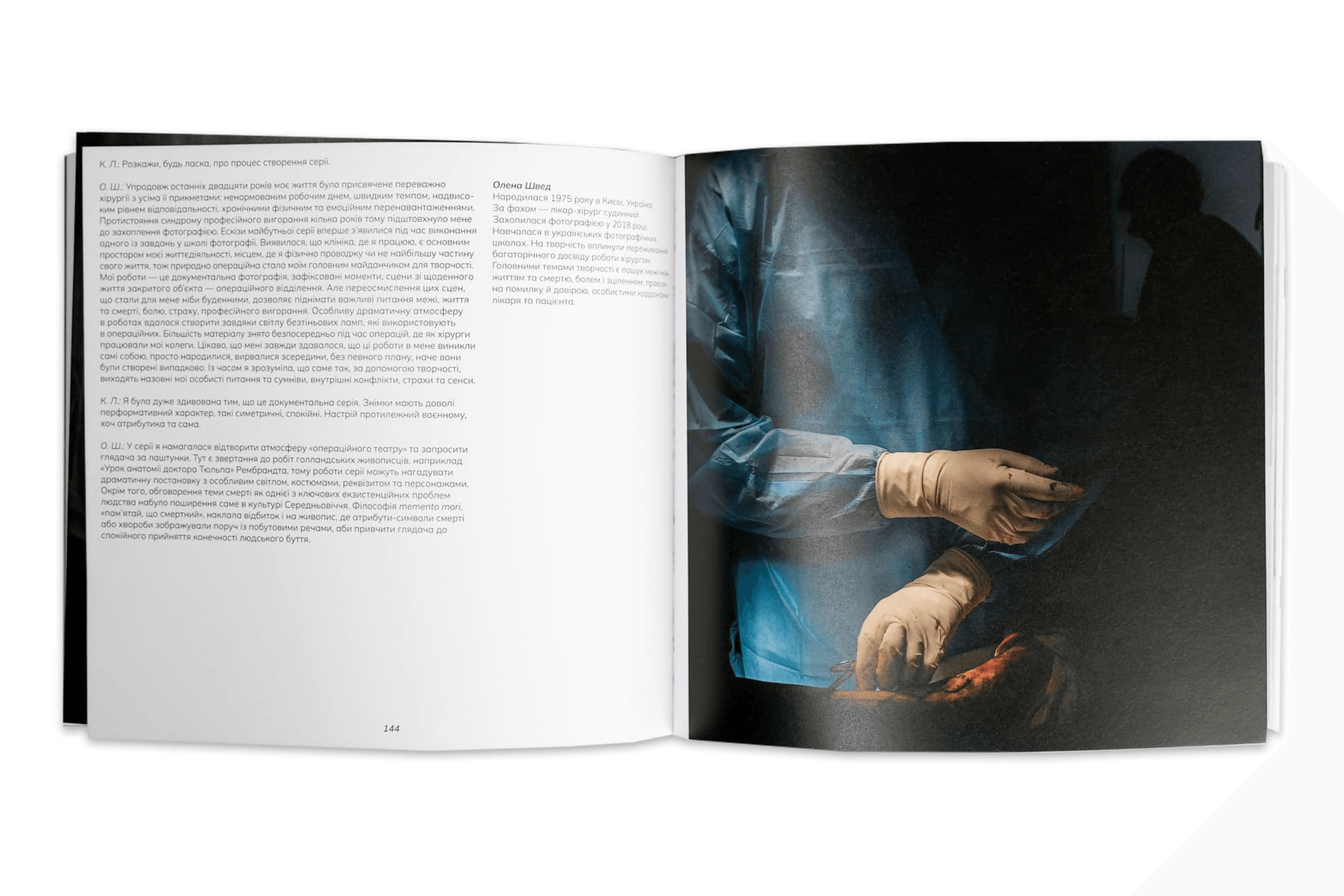
Photo: myphart.com 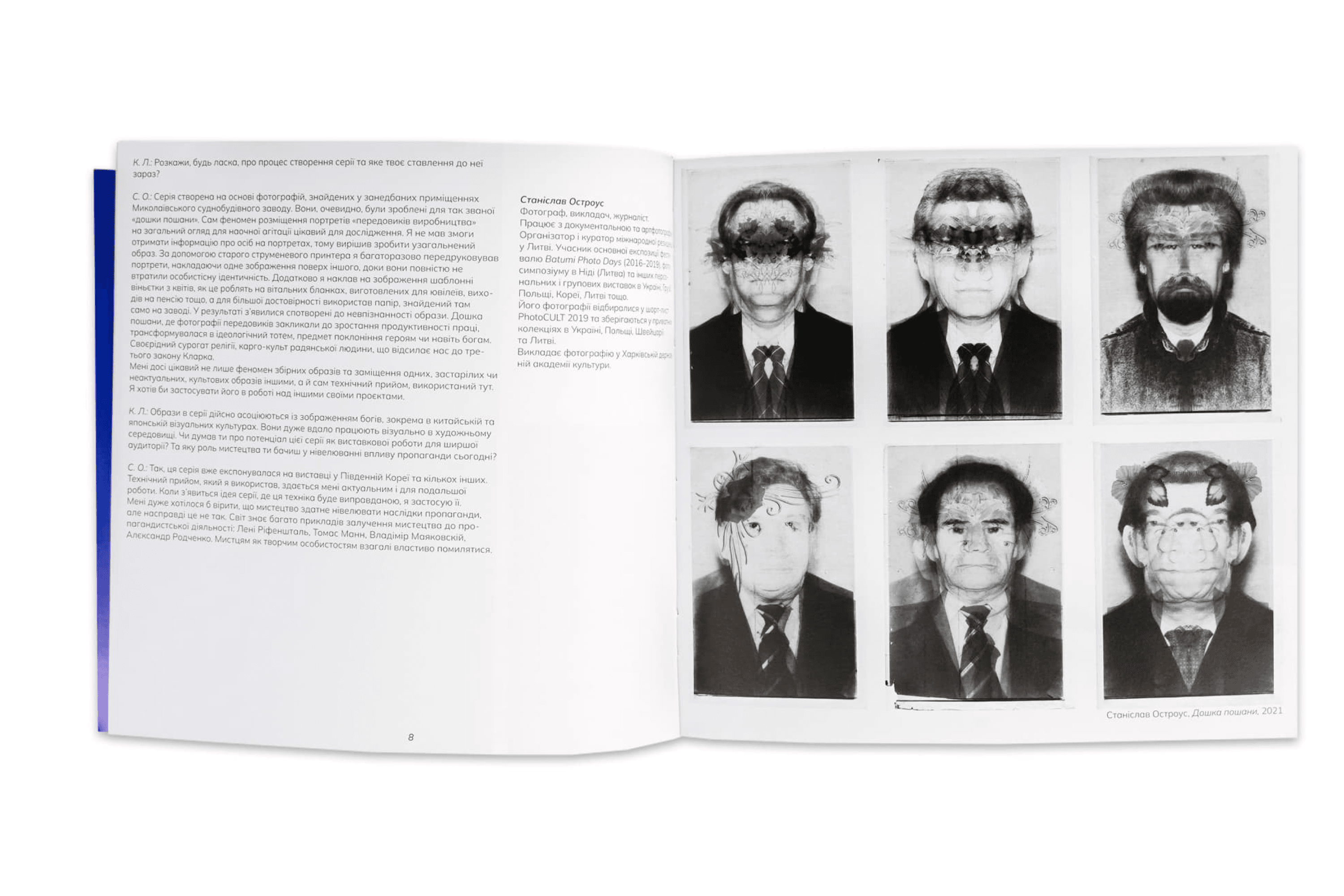
Photo: myphart.com 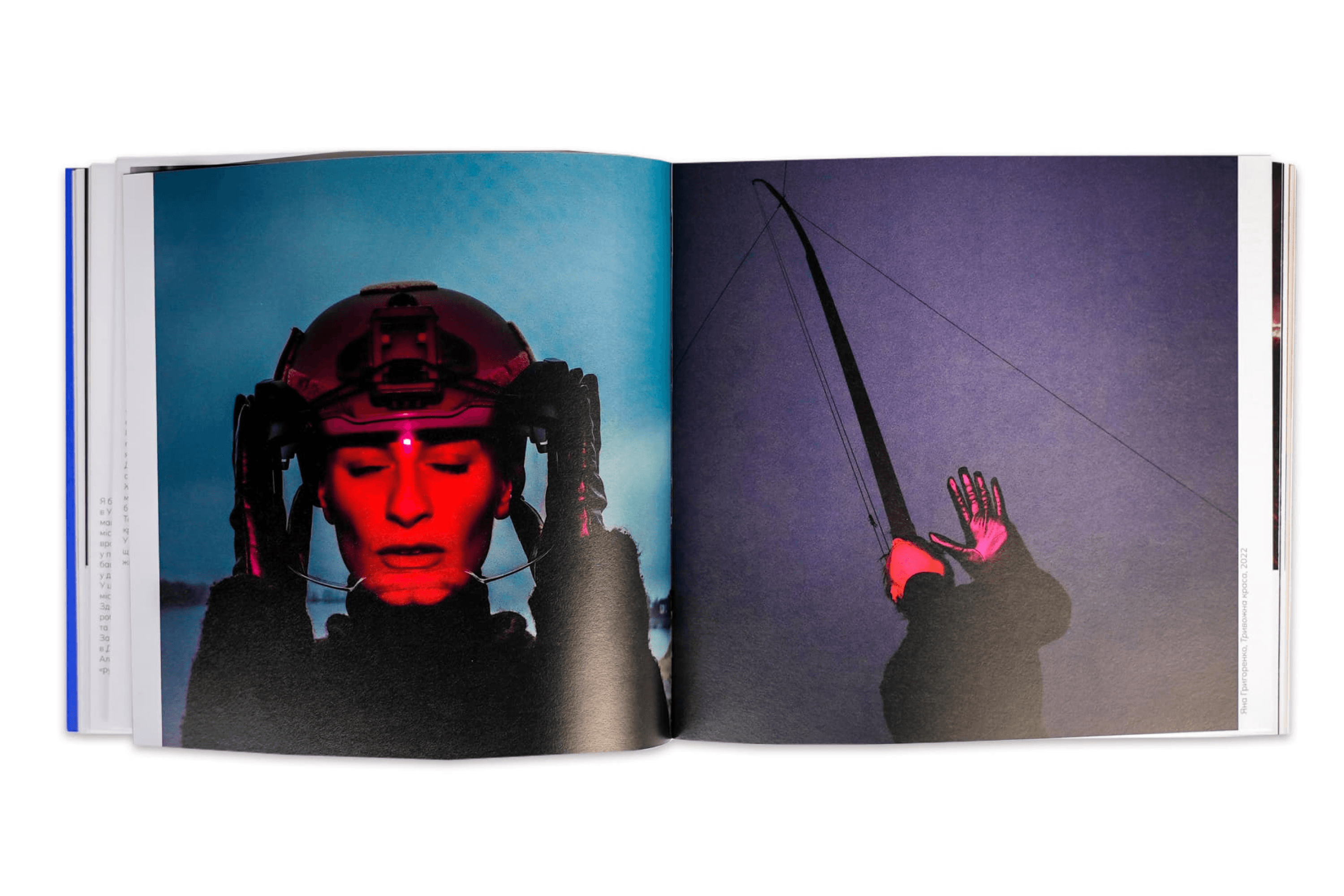
Photo: myphart.com
Creative Publishing handled the entire production of the second book. MYPH magazine was financed partly through subscriptions and partly by sponsors I found. They were Ivanna Bertrand, the Museum of the Kharkiv School of Photography, Robert Dovhanych, Fujifilm Ukraine, and Adam Kharlampovych. But once I have planned something, I want to see it through. Even if I have to finance part of the project with my own money. I have never been afraid of that because, for me, it is already about the platform’s reputation. And we do not charge students any additional money for participating in projects.
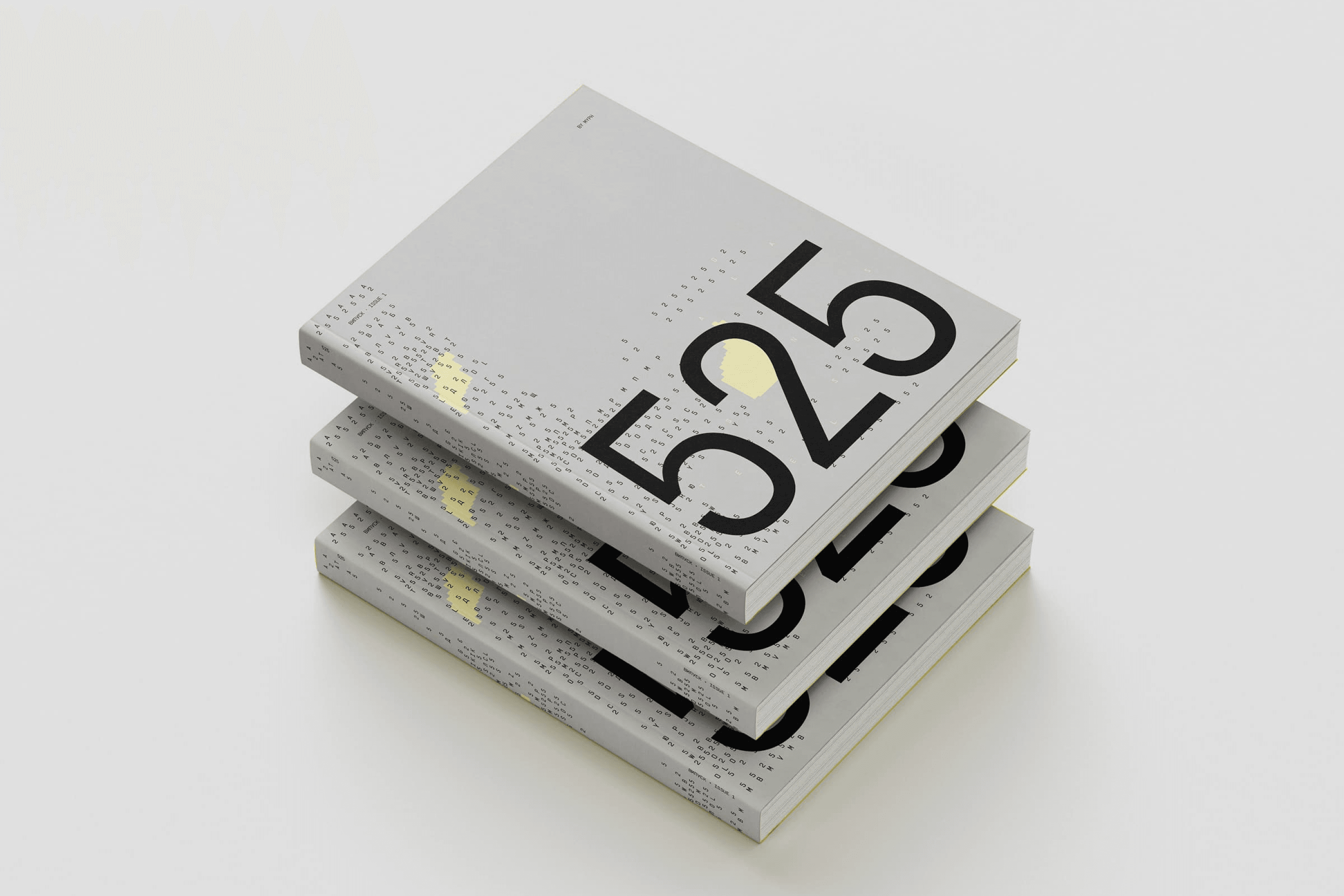
Pages from MYPH’s photography magazine “525.” Photo: myphart.com 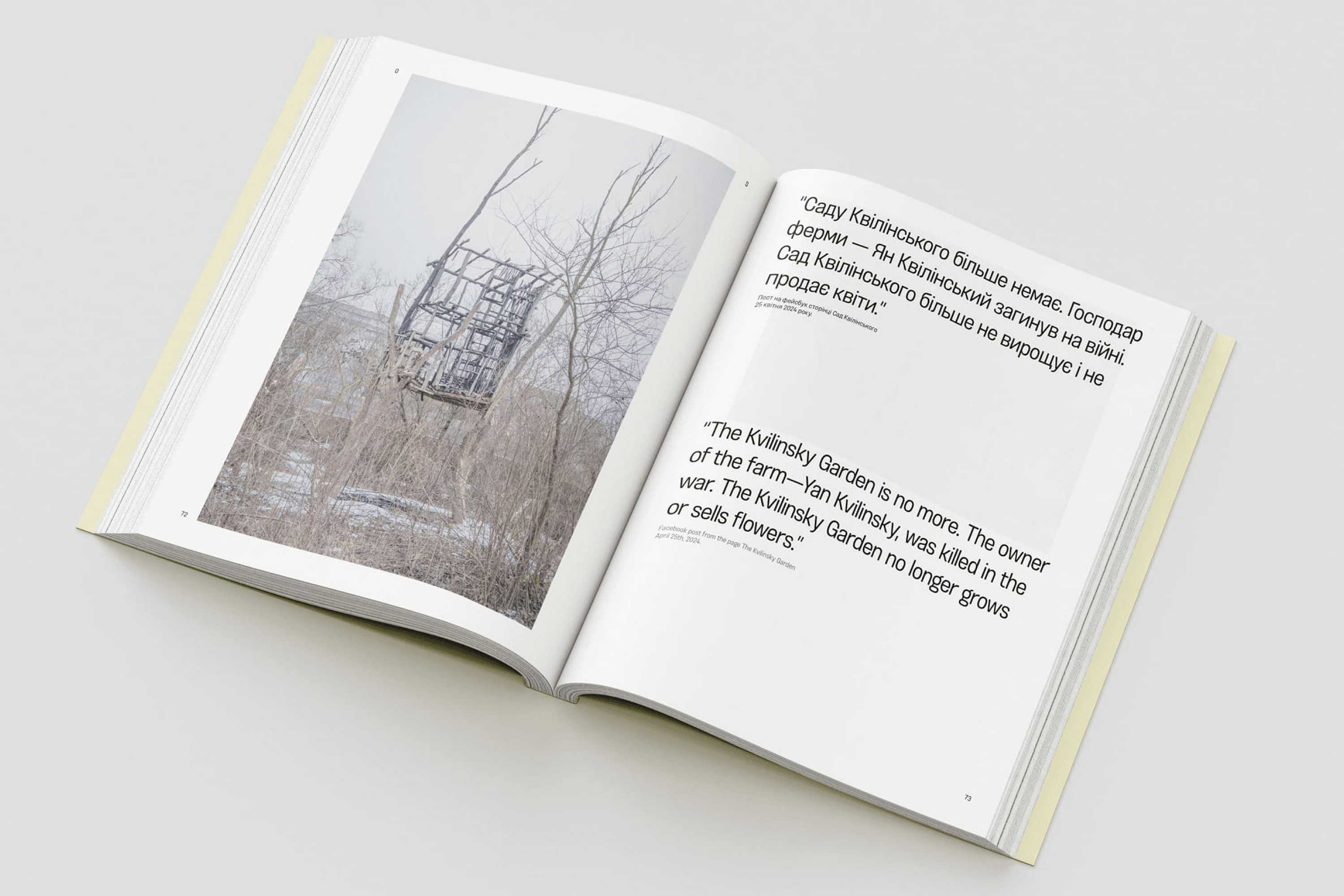
Photo: myphart.com 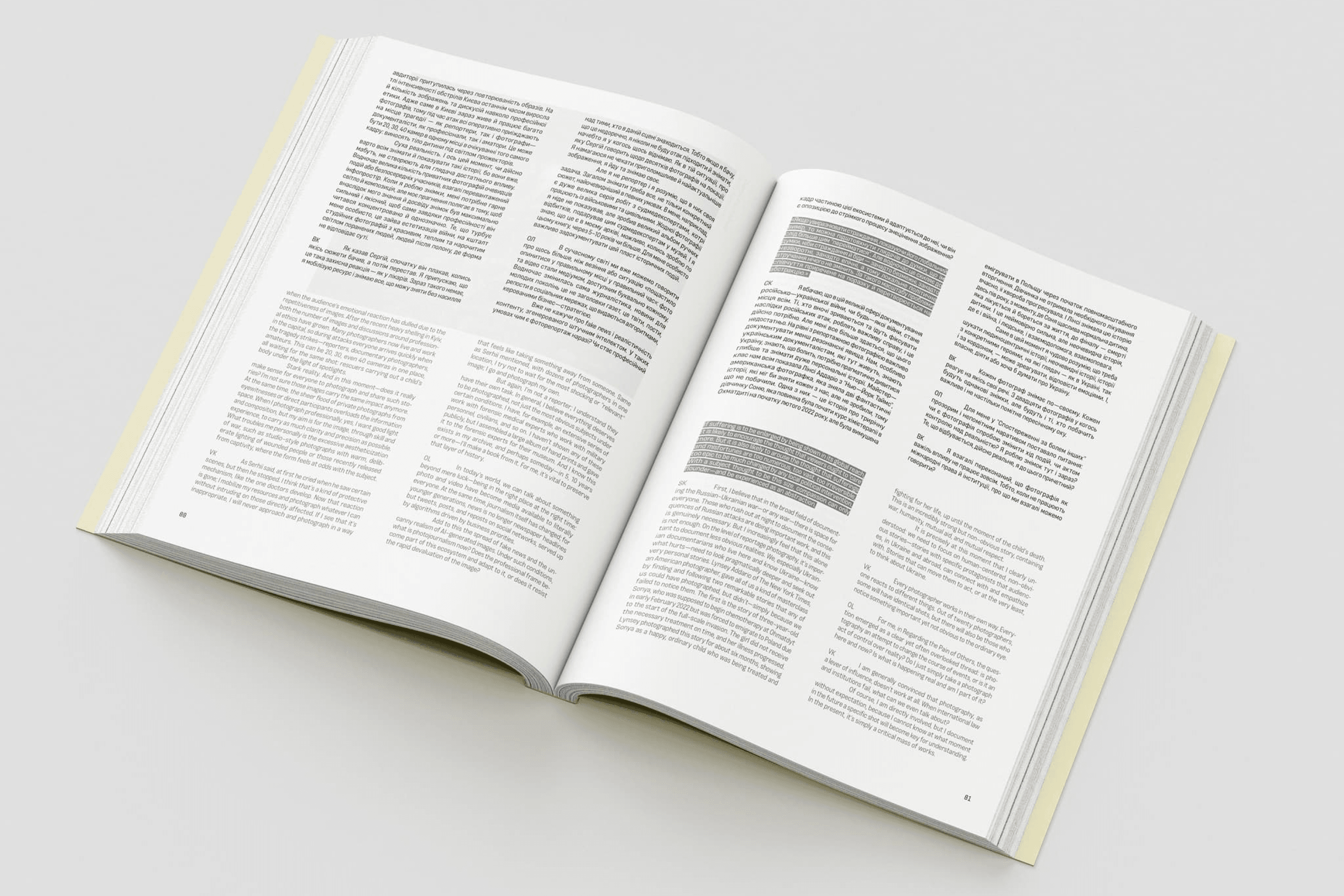
Photo: myphart.com 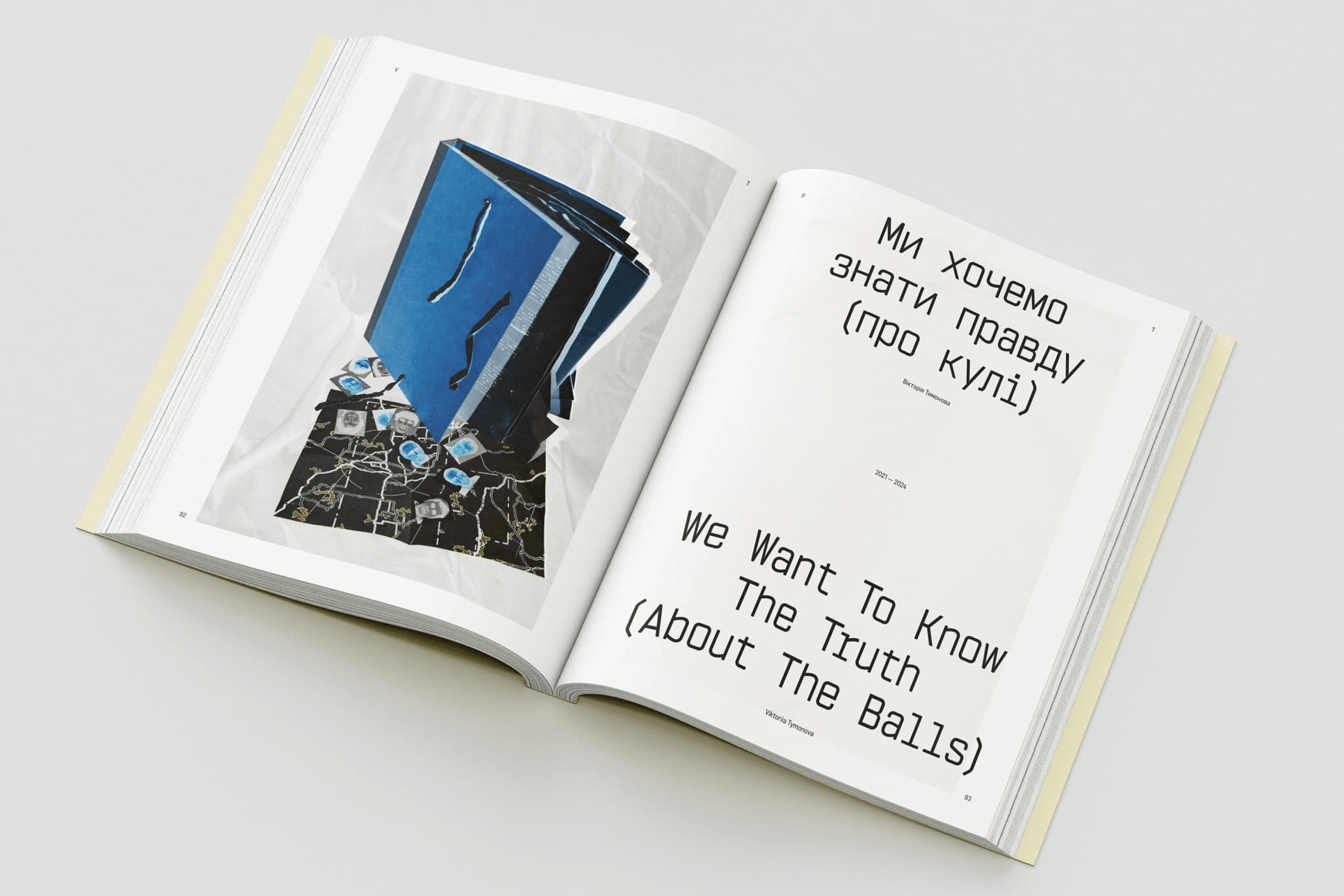
Photo: myphart.com 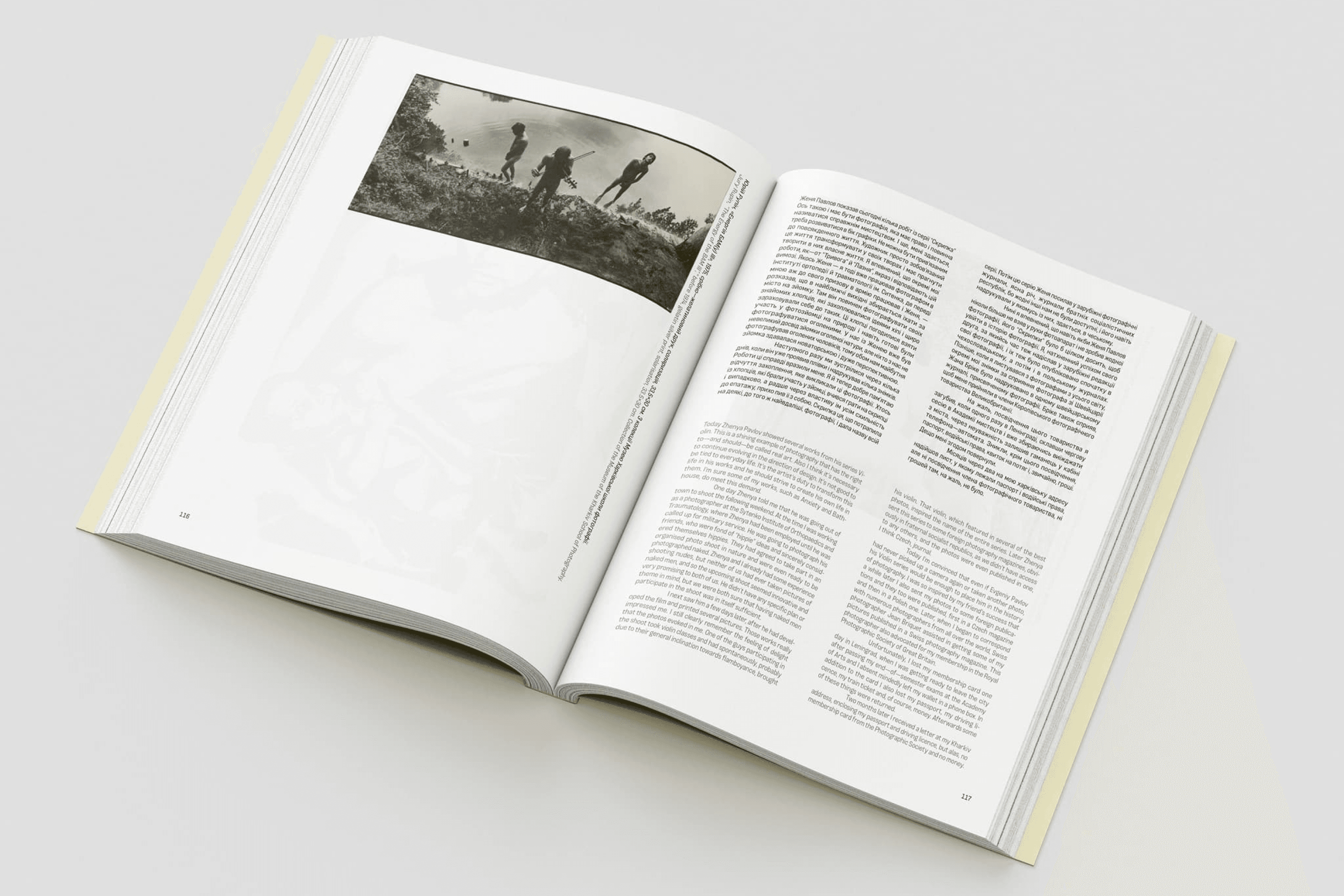
Photo: myphart.com
After completing their studies, how does a photographer remain part of the MYPH community?
We are already colleagues because there are no membership fees or other payments anymore. If a photographer continues developing as an artist, we can put them forward for specific projects. I already know them and understand which works may be suitable and where. So there is no single promotion scheme for everyone. We follow the photographers’ work and offer them opportunities that suit them.
For example, Artem Humilevskyi came to us when he was 33. Before studying with us, he had briefly worked in commercial photography and then moved into art photography. He is now 40, his works are sold at fairs in Europe, museums and galleries buy them, and they can be seen at festivals. For me, stories like this are the best confirmation that the MYPH model works.
You are a recognizable photographer and teacher yourself. How do you avoid students imitating you?
At one time, I myself was inspired by the Kharkiv School of Photography. Copying is a normal stage for beginning artists. Their own artistic language develops over time. I am happy when a student takes something they have seen in my work and makes something completely new out of it. I have students I look at and think, “Damn, I couldn’t do that anymore.”
But lately you have hardly been taking photographs. Is that not a paradox for a photographer?
I realized that a photographer’s work does not end when they have made a photo series. You need to work on promotion: exhibitions, competitions, publications, presentations, applications for competitions and fairs. So right now I am busy showing and circulating what I have already made.
You work a lot with international competitions and juries. Is Ukrainian photography, especially in wartime, developing its own “right” aesthetic? Are there works that are guaranteed to receive awards, exhibitions, and market attention?
Ukrainian photography as a separate artistic medium began to develop actively only after the Revolution of Dignity. Then it gradually moved beyond documentary and reportage photography and became an independent field of art. Interest emerged in photography as art that could be collected, and a market began to take shape. So I do not think we can talk about any one “right” kind of photography. On the contrary, today there are many different approaches and ways of speaking through photography.
When a MYPH student comes to photography to speak about themselves, what are they most often trying to say today?
Most works today are connected with the war in one way or another. But this does not necessarily mean documentary photography of the front or destruction. More often, it is self-reflection: home, memory, body, everyday life, family, changes in one’s own identity. For example, we are currently working on a series of photobooks, each devoted to a separate topic. Meanwhile, the photographers use very different media: digital and film photography, Polaroids, and collage.
Let’s talk about your latest project, “Films from the frontline,” in which Ukrainian service members photographed their everyday lives and everything they considered important using disposable film cameras that you sent them. This project is unusual for you because you did not take a single photograph yourself. How did the idea come about?
I was interested in working with service members and using chance as an artistic tool. Giving a camera to another person and leaving them complete freedom is not a new practice in art. But I wanted to use it specifically in the context of the war.
If I had wanted to control everything, I would have gone to the front myself and taken photographs. But I position myself as a conceptual photographer, so the concept was more important here than control. The service members themselves became the creators of the images.
In February 2025, I proposed the idea to Fotovramci. They agreed to provide disposable film cameras. At first, we sent five to check whether everything would work technically. A few weeks later, we received the first results and realized that the material was turning out to be very strong.
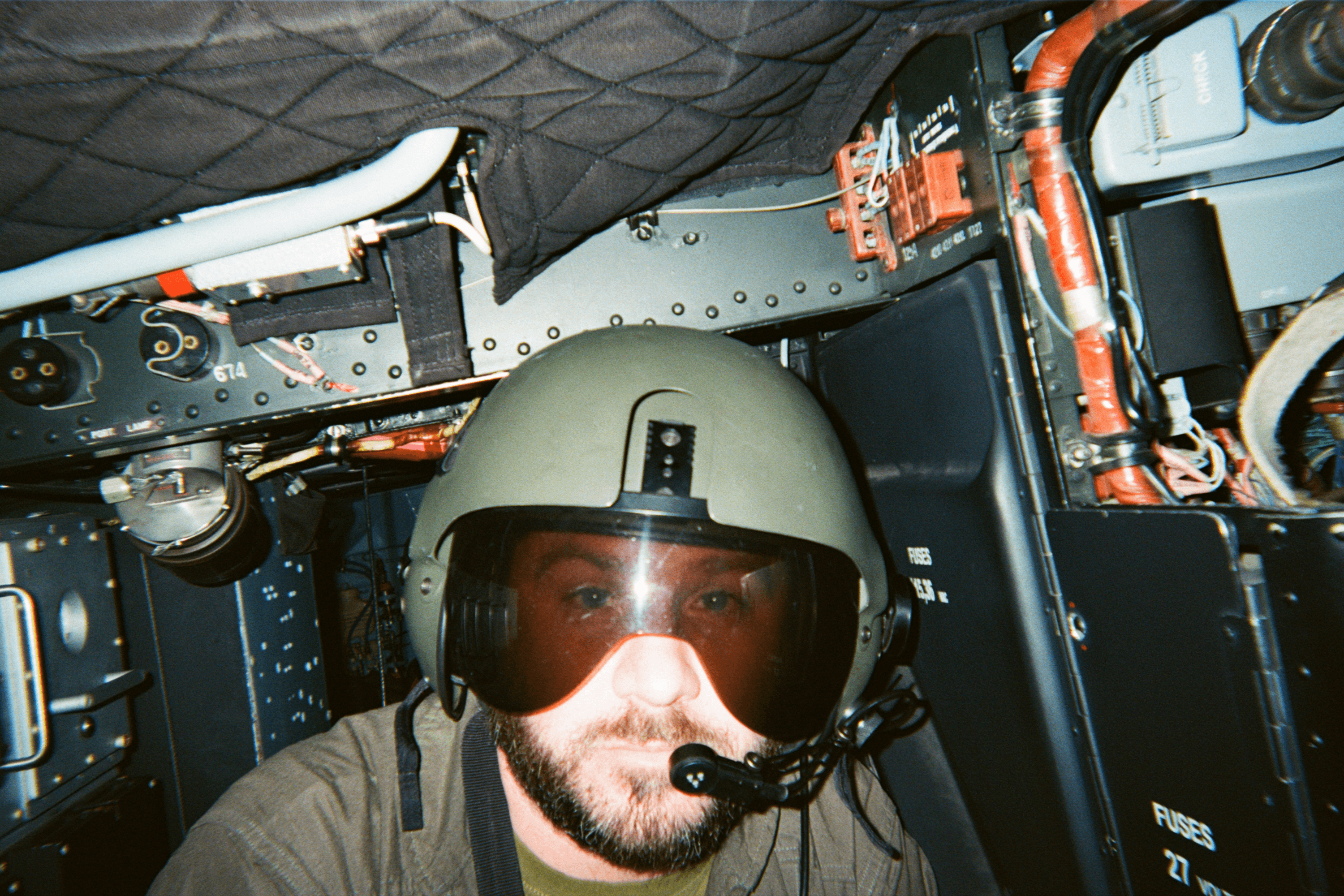
Photos from Serhii Melnychenko’s project “Films from the Frontline.” Photo: Photos courtesy of Serhii Melnychenko / YB 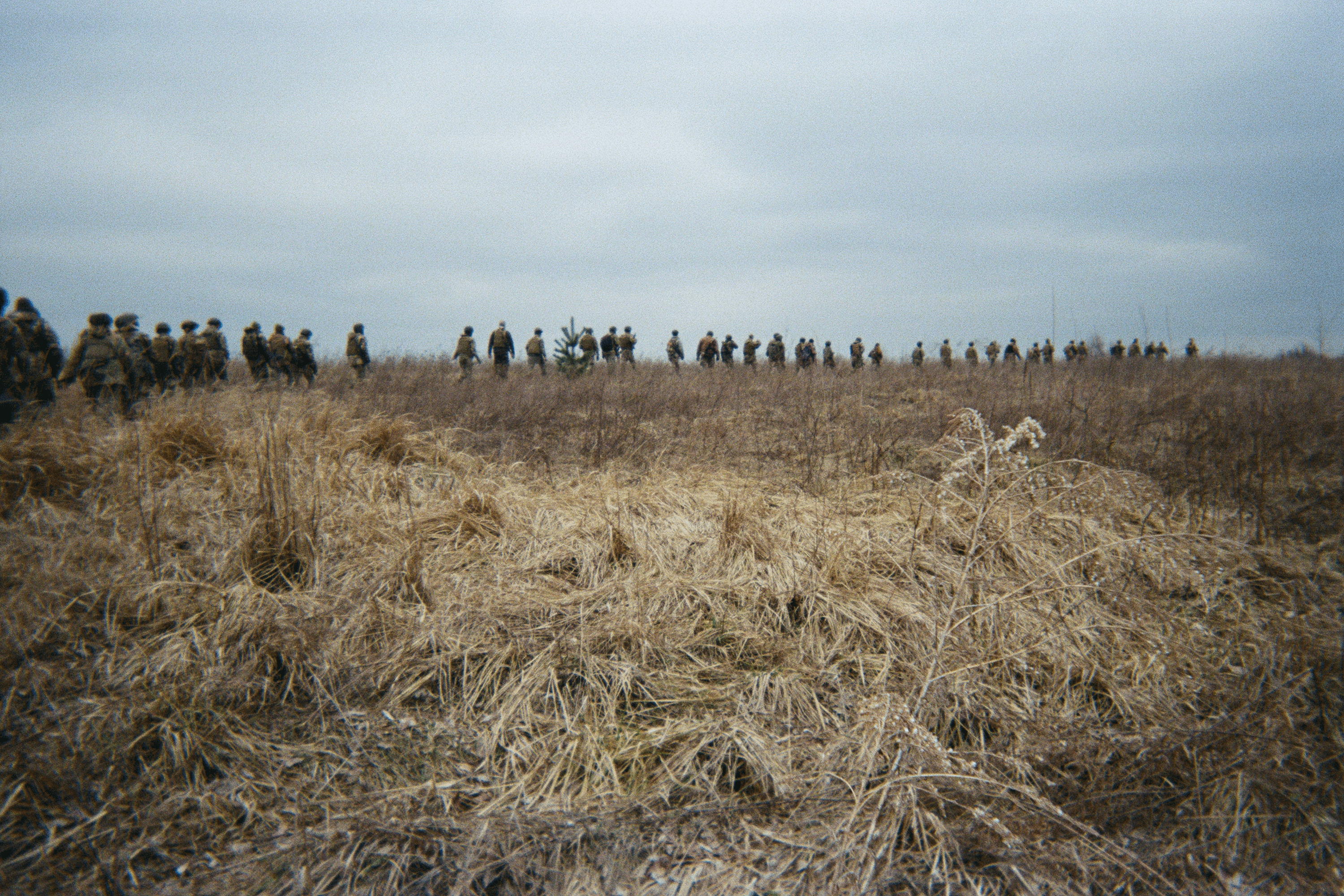
Photo: Photos courtesy of Serhii Melnychenko / YB 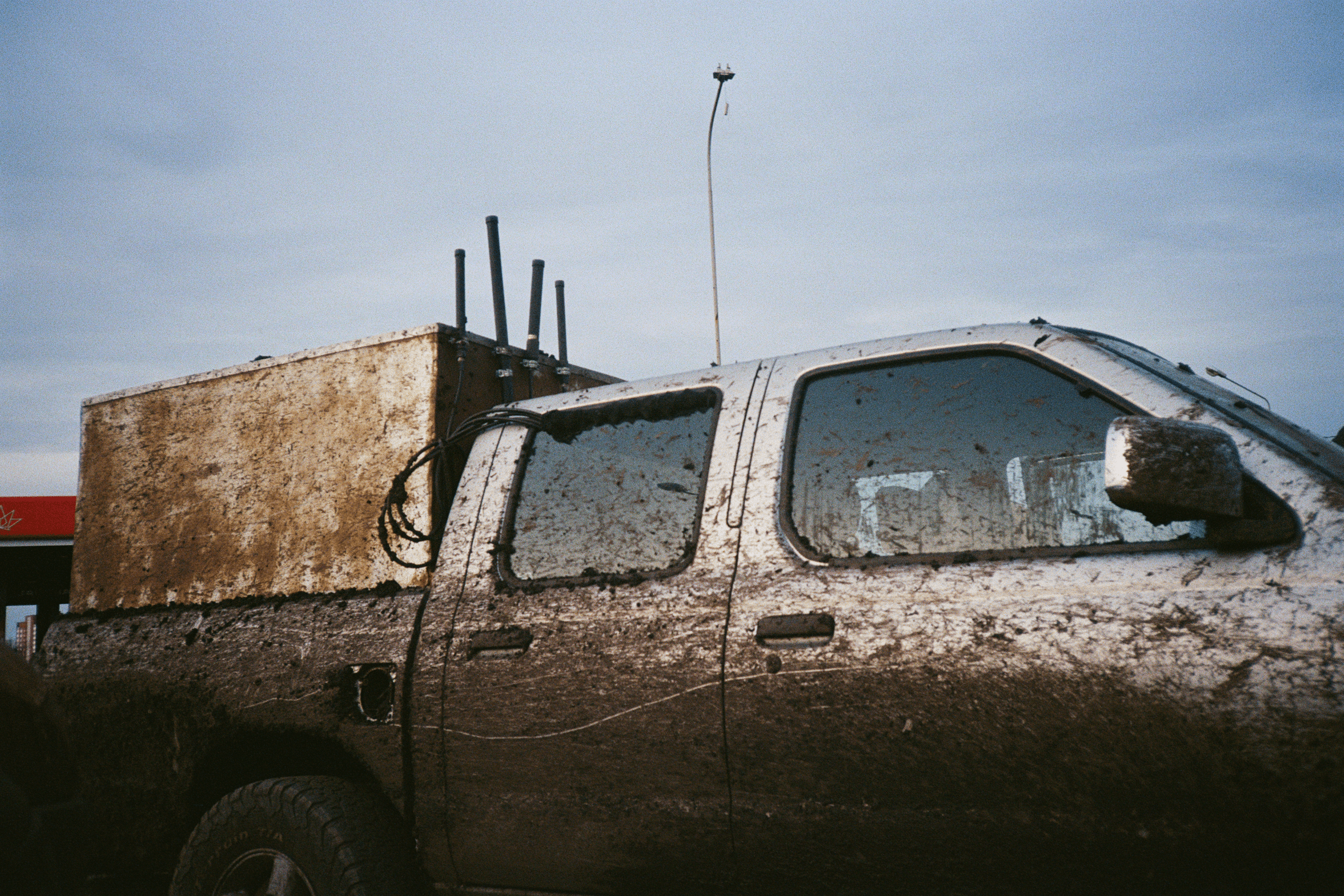
Photo: Photos courtesy of Serhii Melnychenko / YB 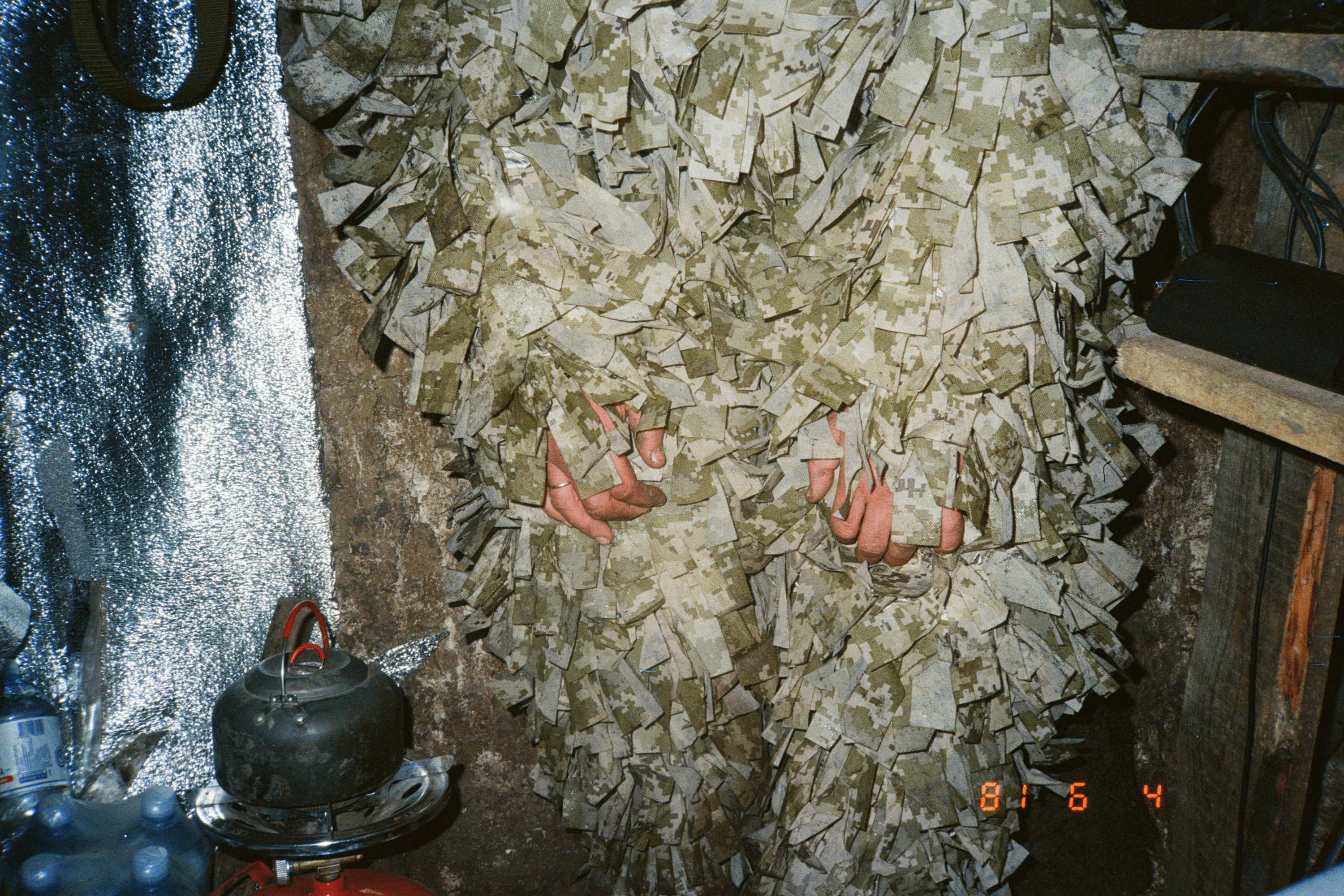
Photo: Photos courtesy of Serhii Melnychenko / YB 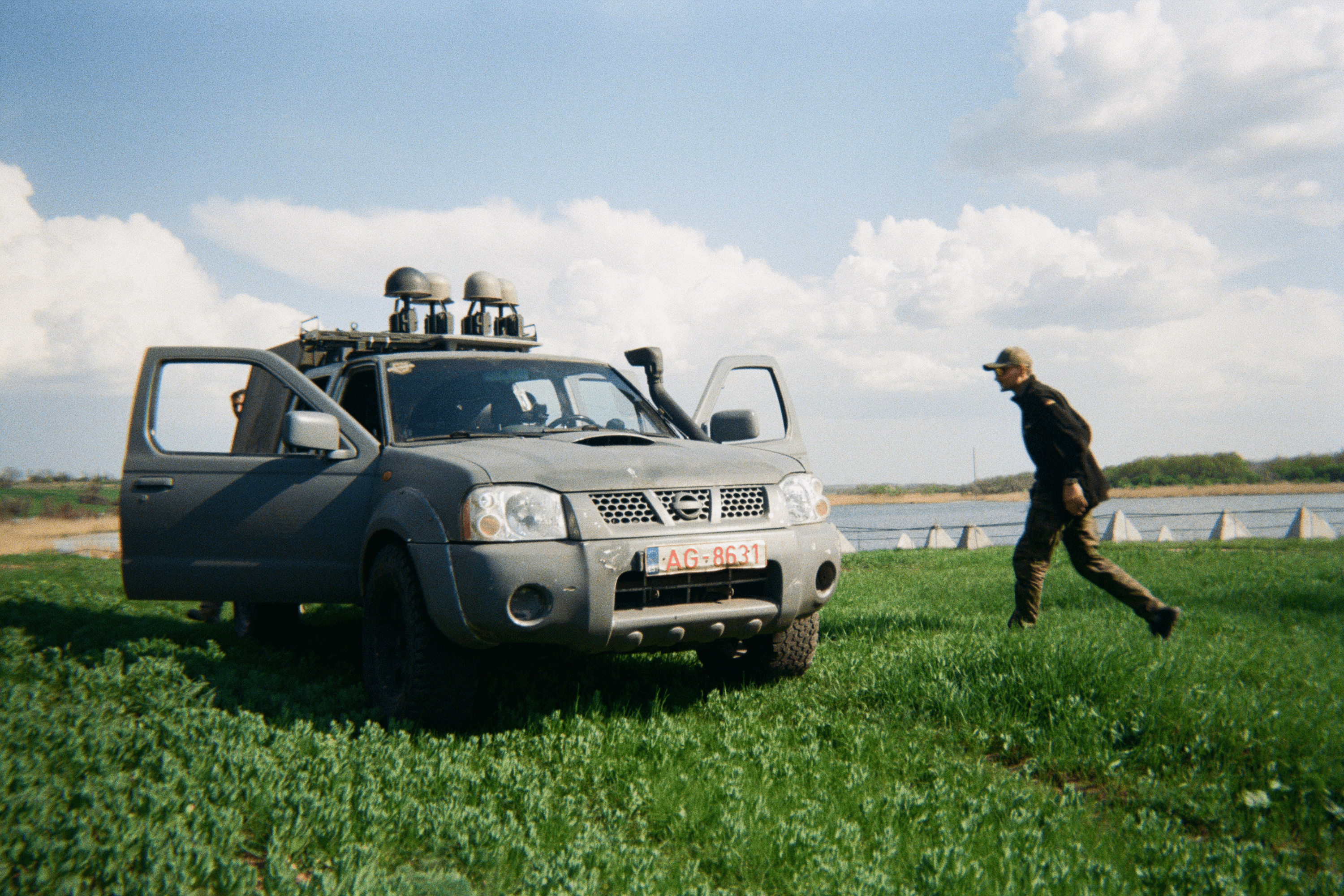
Photo: Photos courtesy of Serhii Melnychenko / YB
What exactly did you ask the service members to photograph?
Along with the camera, they received a short instruction: “You have 27 frames. Use the flash if necessary. Photograph whatever you feel like: your surroundings, everyday life, people, yourself, interesting details.”
I did not ask artillery crews to photograph artillery or tank crews to photograph tanks. It was important to me to see their lives through their eyes.
How did you choose the participants?
I already had a large network of contacts thanks to my volunteer work. I simply wrote to service members I knew. Some recommended others, and the project gradually expanded that way.
I tried to cover different directions: Kharkiv, Donetsk, the South, the Mykolayiv region, the Kherson region, and the Sumy region.
But the photographs were only one part of the project. What else did the service members send from the front?
From the beginning, the project consisted of three parts: photographs, letters, and artifacts. An artifact could be anything a person wanted to preserve as a memory: a shell fragment, a vehicle part, a personal lighter, an object found at a position, or a spent FPV drone. Someone even sent their military ID tag.
These were accompanied by handwritten letters, ranging from several pages to literally two sentences. The service members described their lives, the story of the artifact, or their memories.
When you give a camera to another person, the result is impossible to predict. Were you not afraid that you would simply get a collection of everyday photographs?
On the contrary, the result exceeded my expectations. We received genuinely very strong photographs, some of them masterpieces. Some photographed their brothers in arms or made philosophical self-portraits, while others created very lyrical sketches.
For example, a flower growing out of a dugout, an assault rifle among poppies, or a UAV flying between trees and looking almost abstract because of the movement.
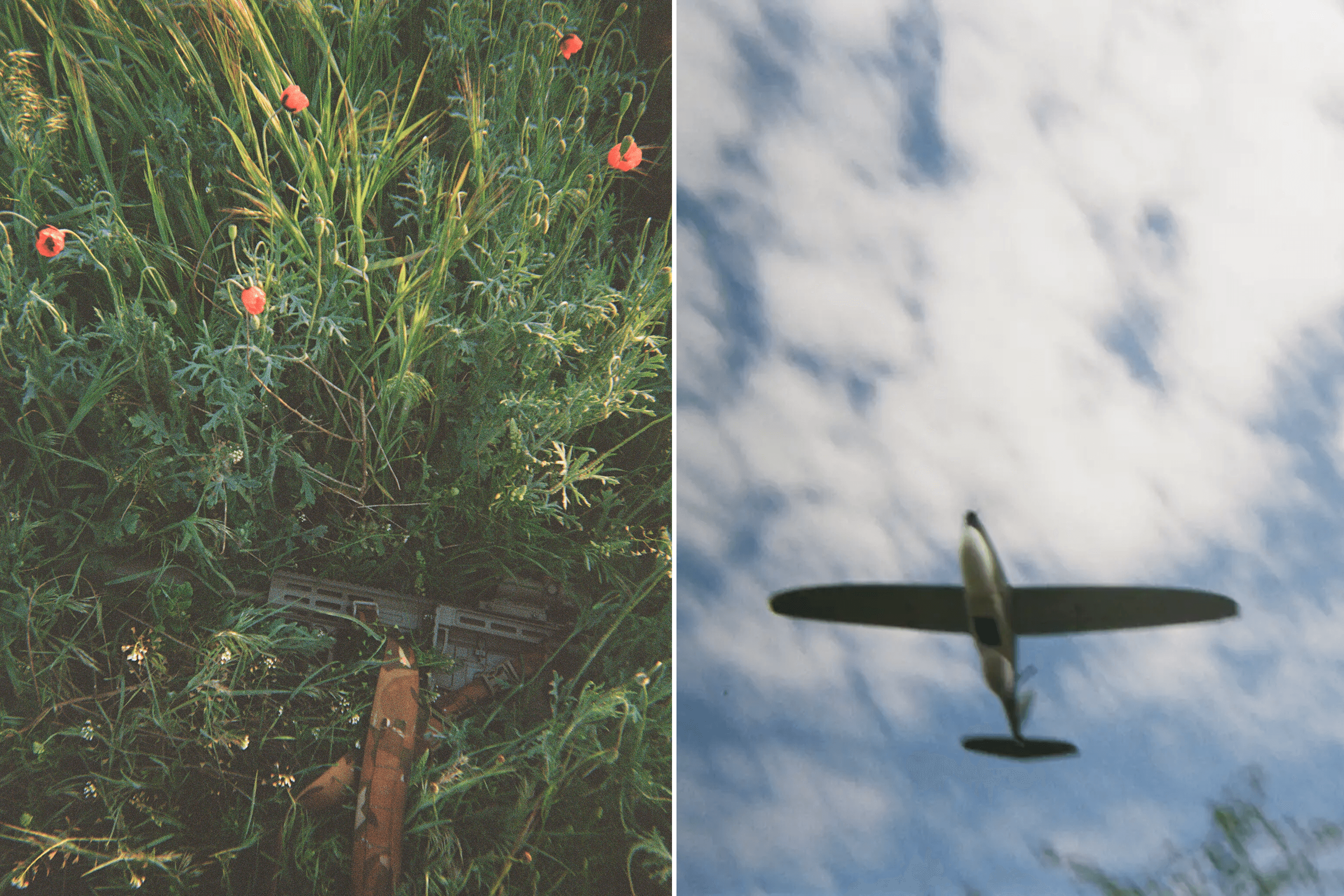
Photos from Serhii Melnychenko’s project “Films from the Frontline.” Photo: Photos courtesy of Serhii Melnychenko / YB 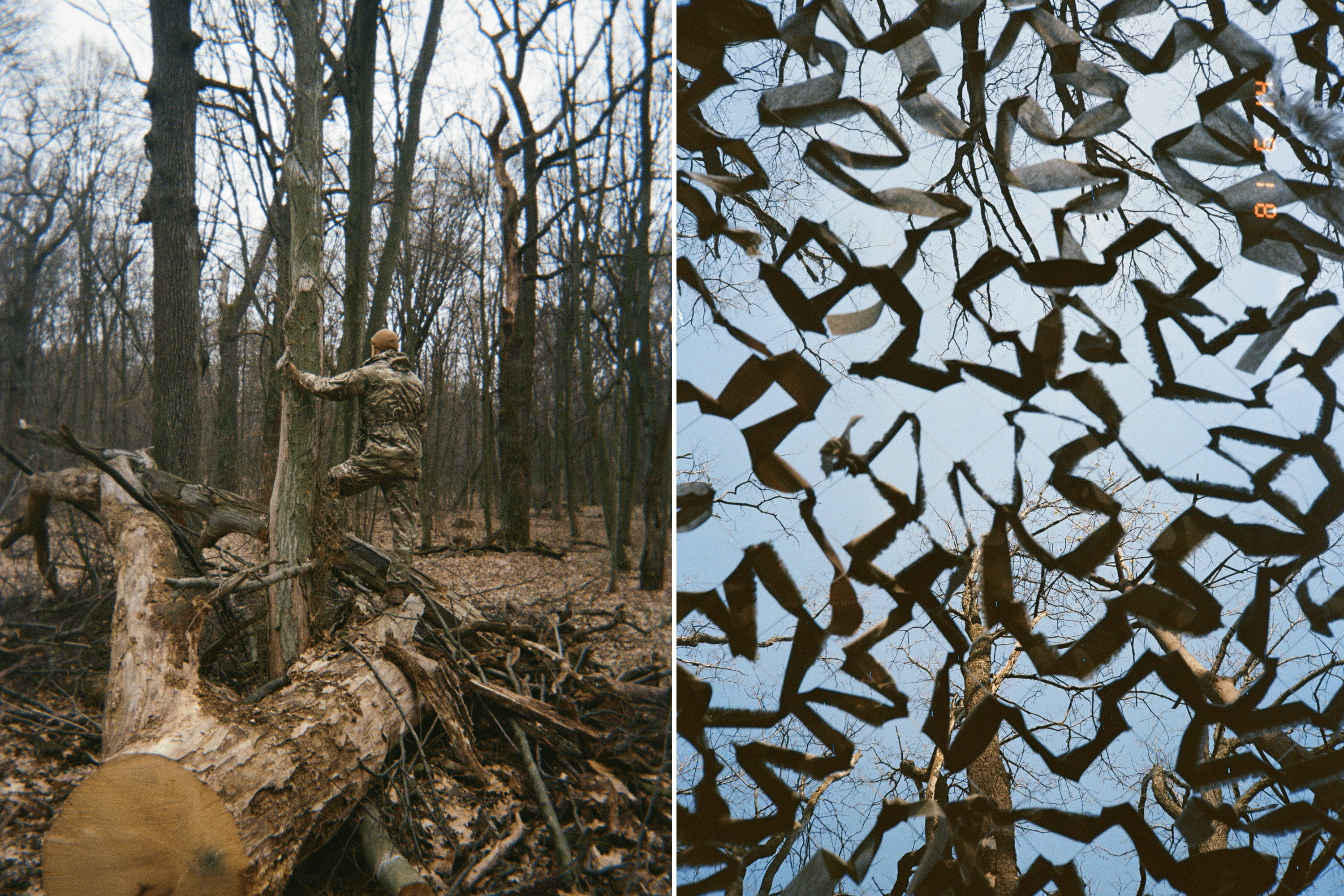
Photo: Photos courtesy of Serhii Melnychenko / YB 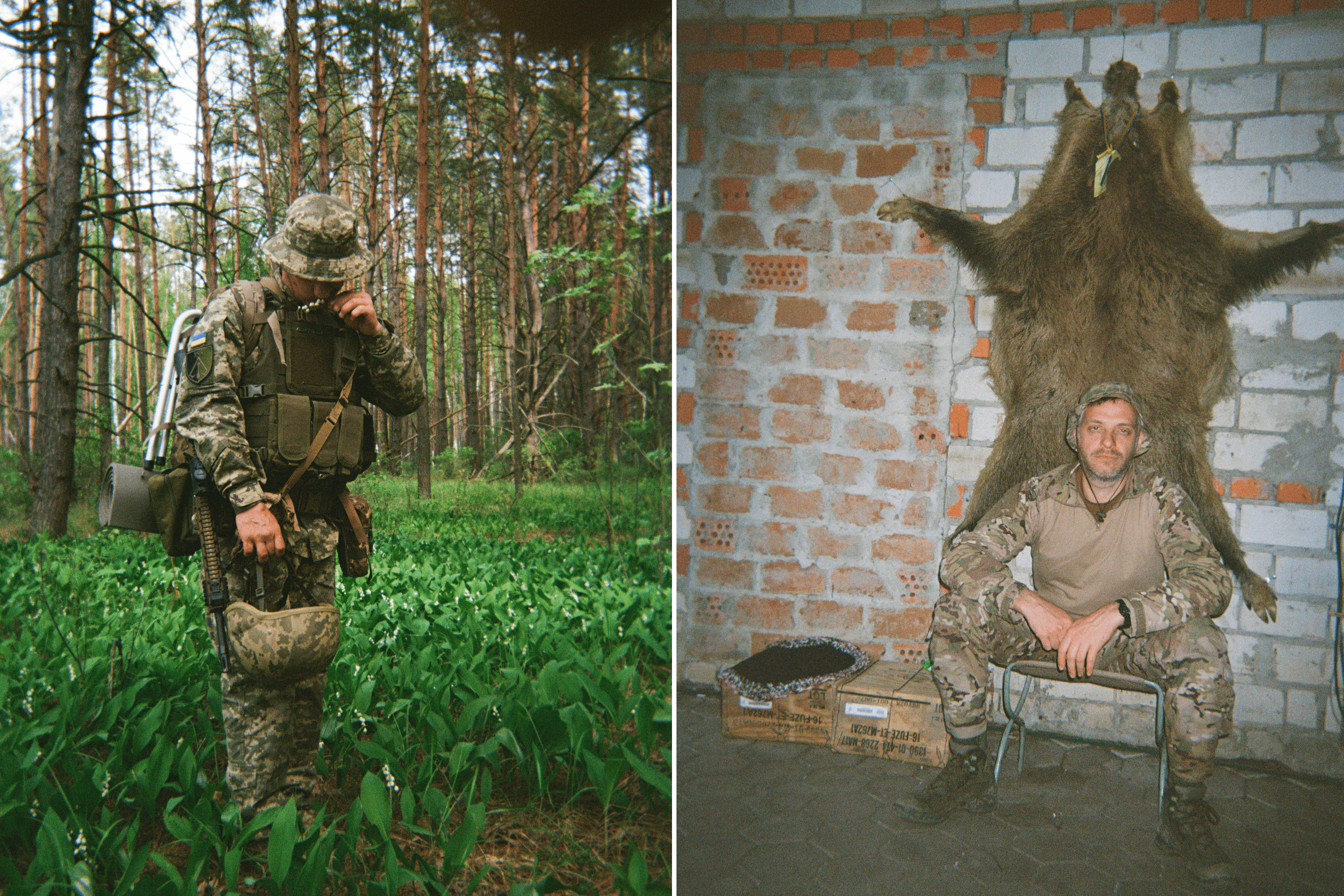
Photo: Photos courtesy of Serhii Melnychenko / YB
Six photographs from the project have already made it into the collection of a Japanese museum?
Yes. We submitted the works to the Kiyosato Museum of Photographic Arts competition program, and the museum selected six photographs for its collection. This is important to me because the project works not only as a document of memory, but also as an independent work of art.
But then the question of authorship arises. A service member took the photograph, while you created the concept. Who owns the work, and how is the money from its sale distributed?
For me, this is also a new and unusual experience. Since the photographs were taken by different service members, I need to draw up the appropriate agreements with them.
It is a matter of principle for me that part of the proceeds from sales goes back to the participants and their units. I am still developing the final system because sales have literally just begun. But at least 50 percent must definitely go back to them. At the same time, I have to cover the costs of printing, production, and shipping the works. It is important to me that this series not only tells the story of the service members, but also actually helps them.
“Films from the frontline” is already your third project connected with the war. At the same time, you have said that you do not want to exploit this subject. Where does the line lie for you?
I only began working with the subject of the war in 2023. In 2022, I had a block: I photographed my family and blackouts, but I could not form a full project. At the time, I consciously chose volunteering and helping the military through art. And it was only when I felt I knew how to express myself that I gradually began.
For me, exploitation begins when tragedy becomes an aesthetic resource and other people’s pain becomes a way to get attention.
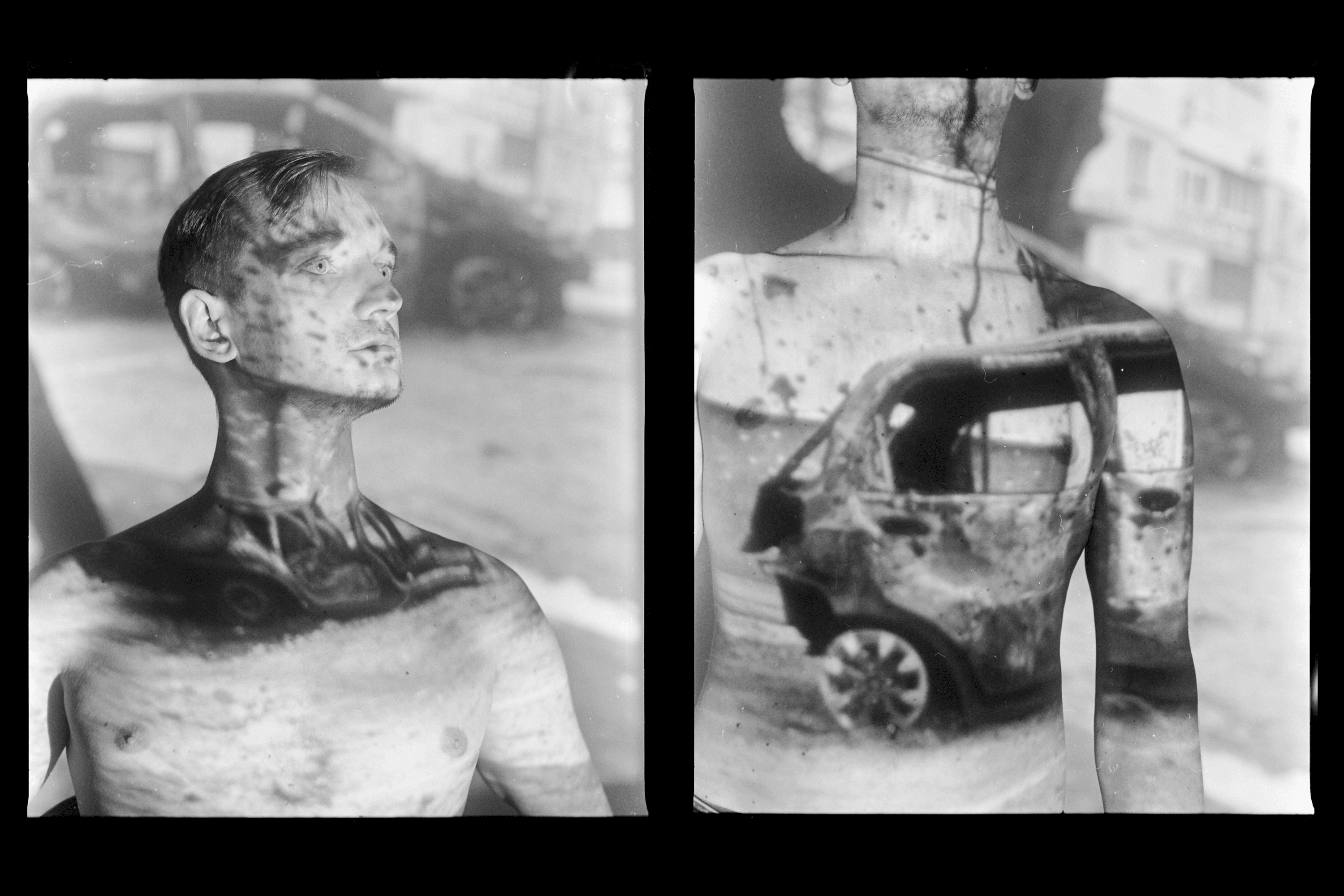
Photos from Serhii Melnychenko’s project “Tattoos of War.” Photo: Photos courtesy of Serhii Melnychenko / YB 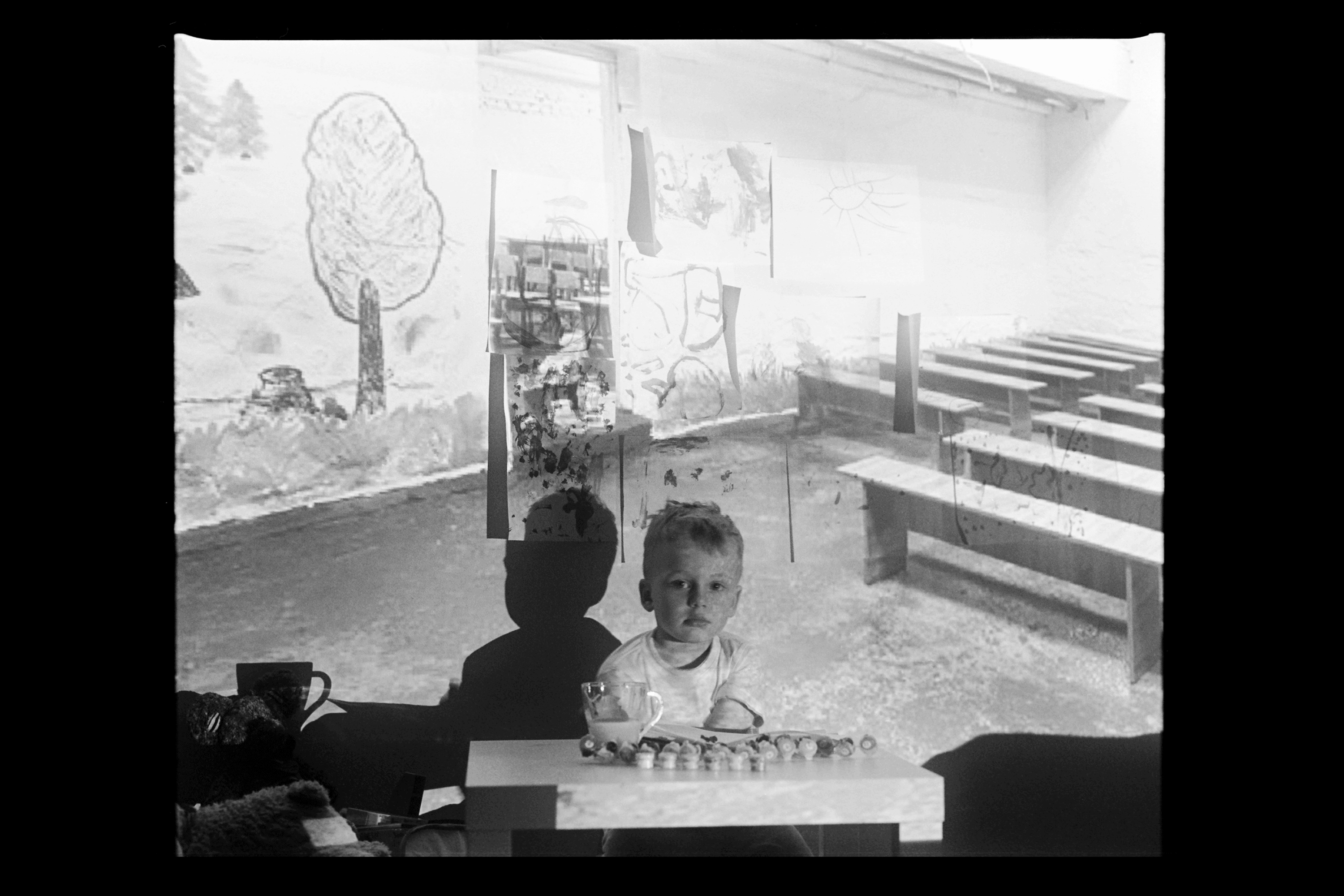
Photo: Photos courtesy of Serhii Melnychenko / YB 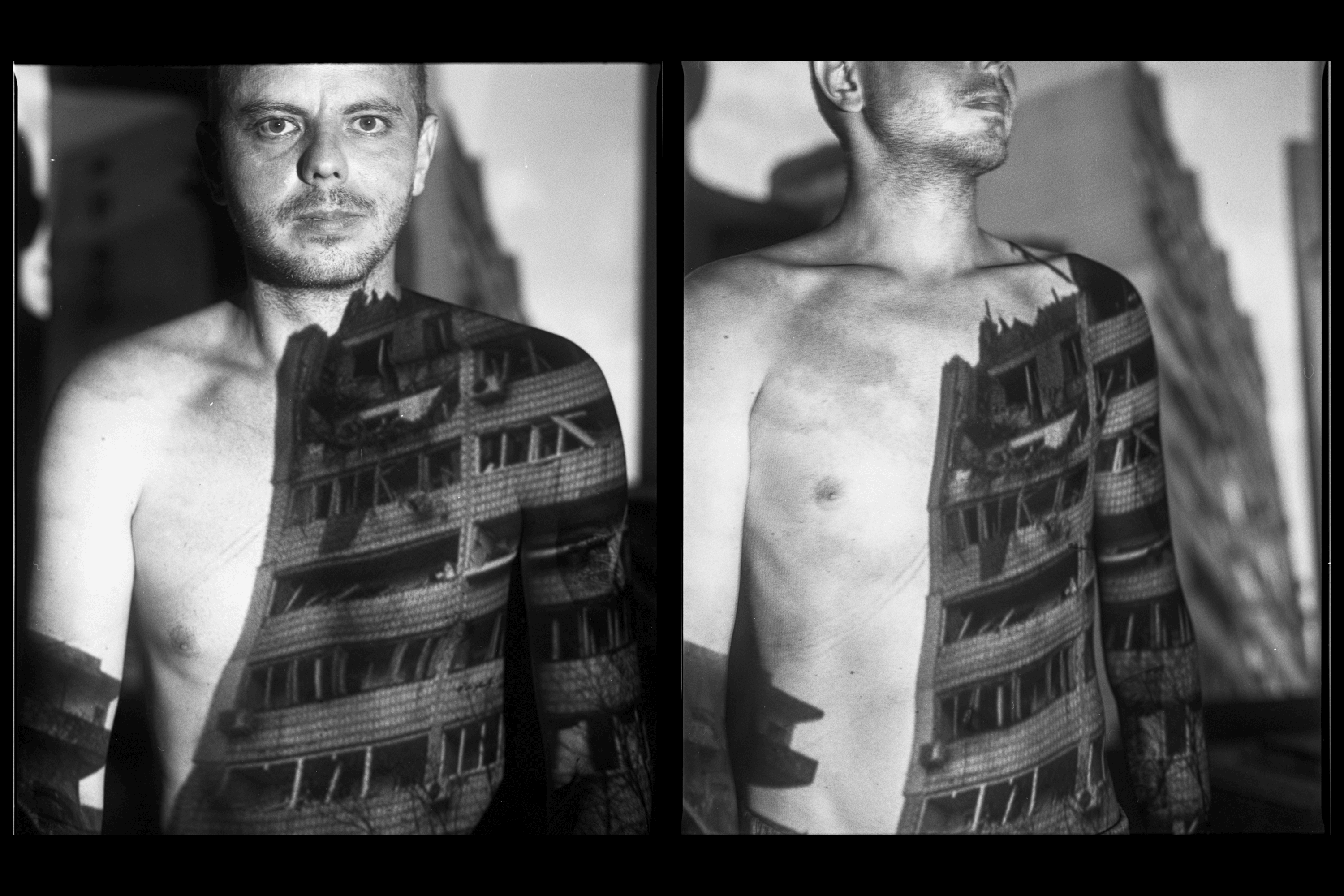
Photo: Photos courtesy of Serhii Melnychenko / YB 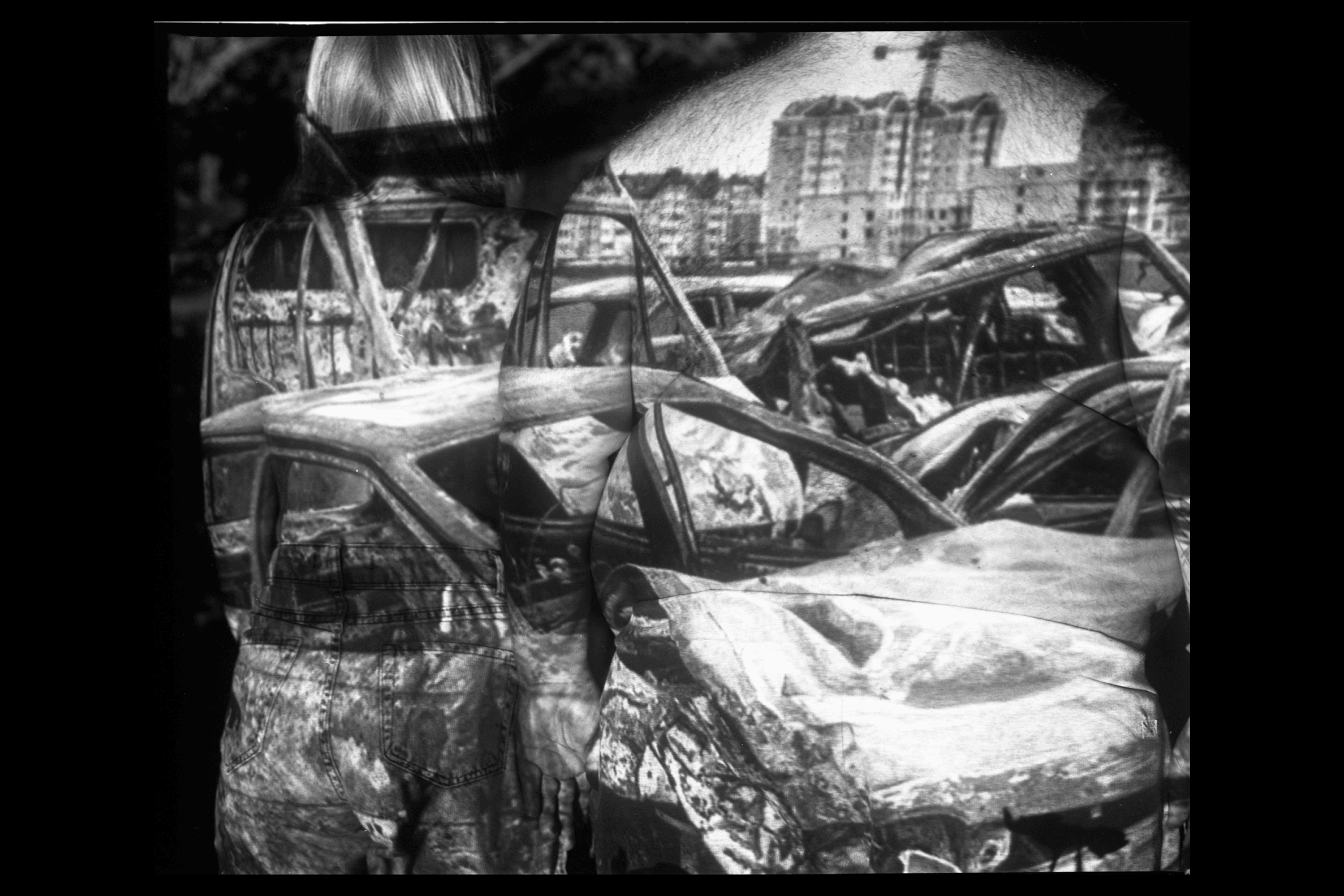
Photo: Photos courtesy of Serhii Melnychenko / YB 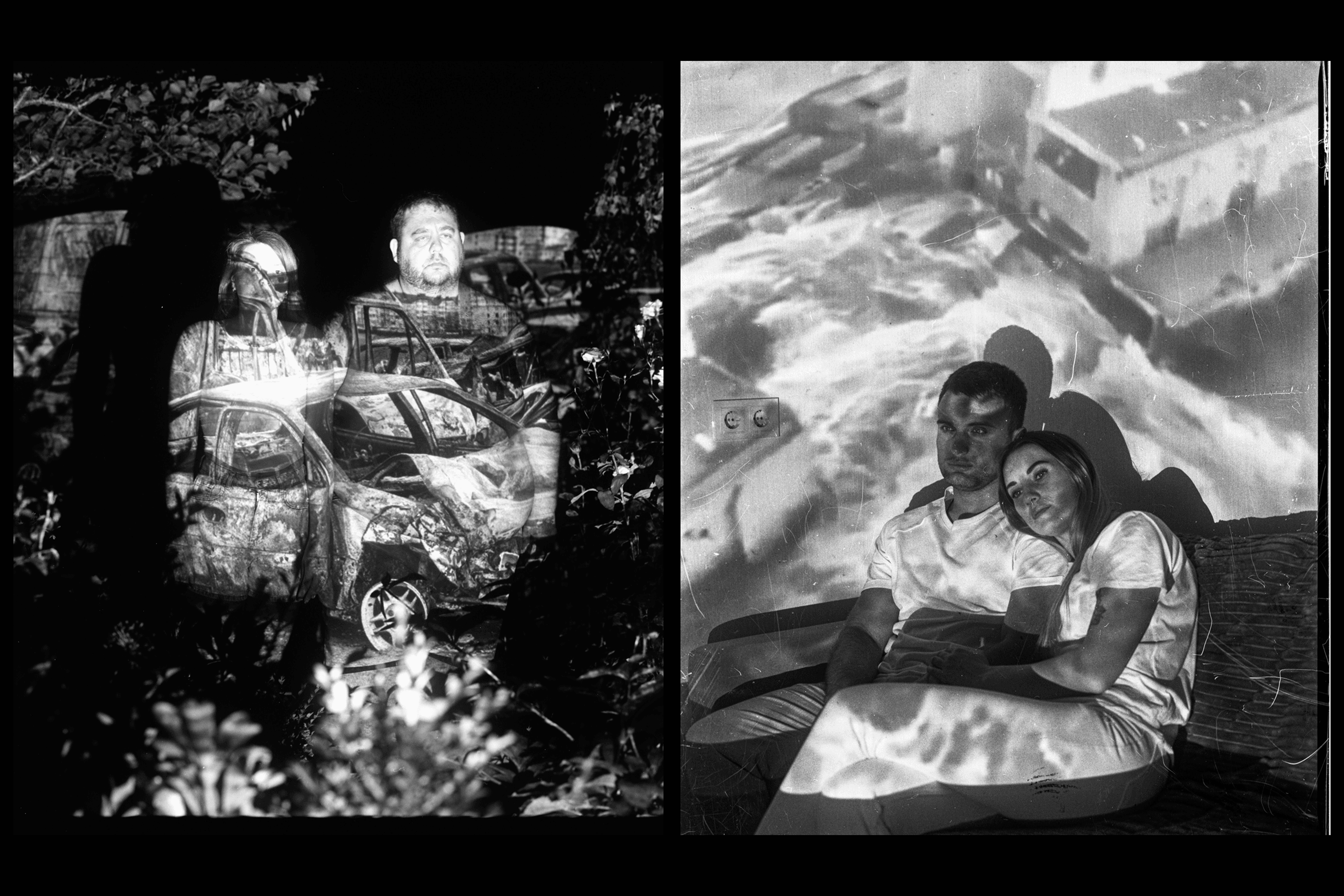
Photo: Photos courtesy of Serhii Melnychenko / YB 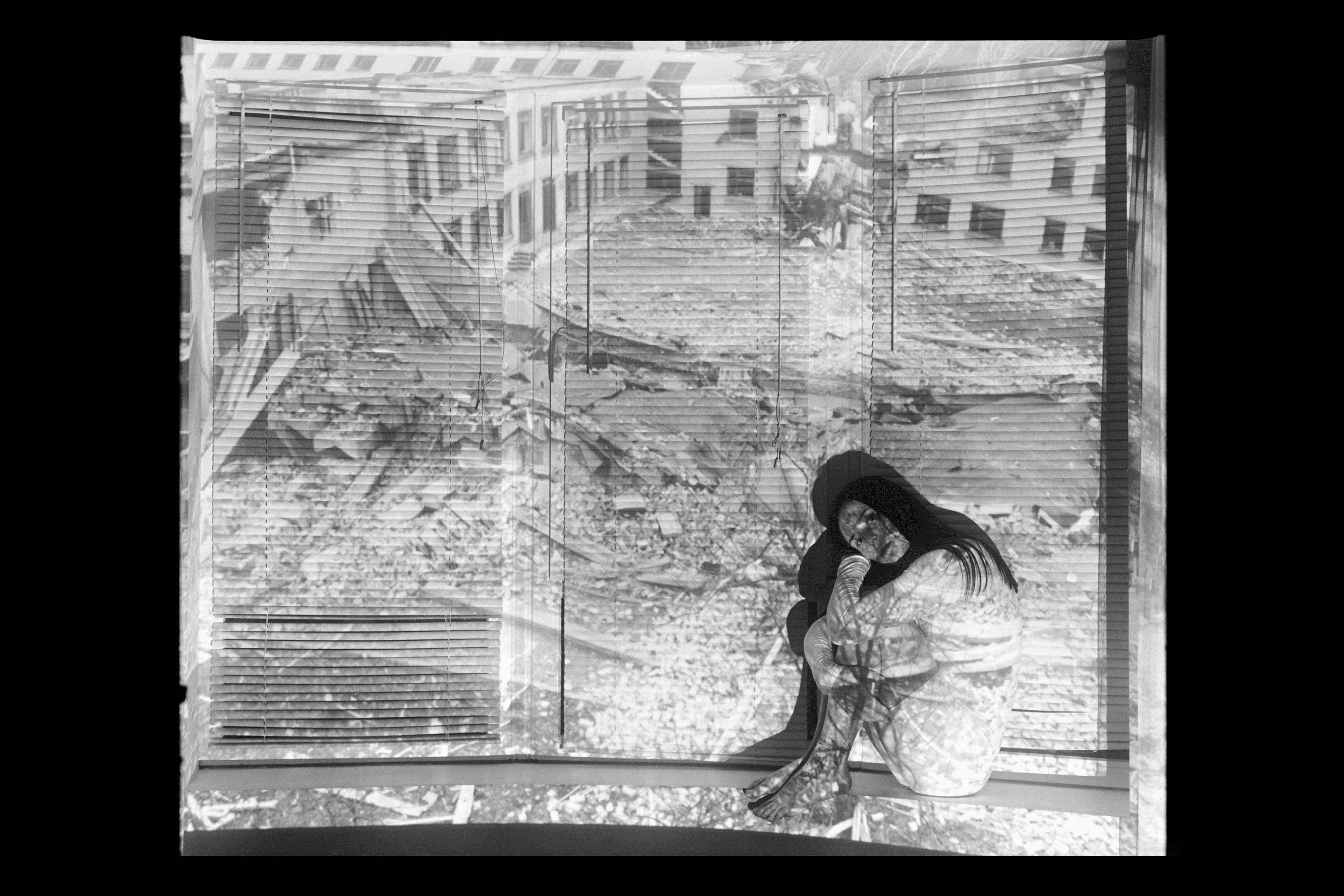
Photo: Photos courtesy of Serhii Melnychenko / YB 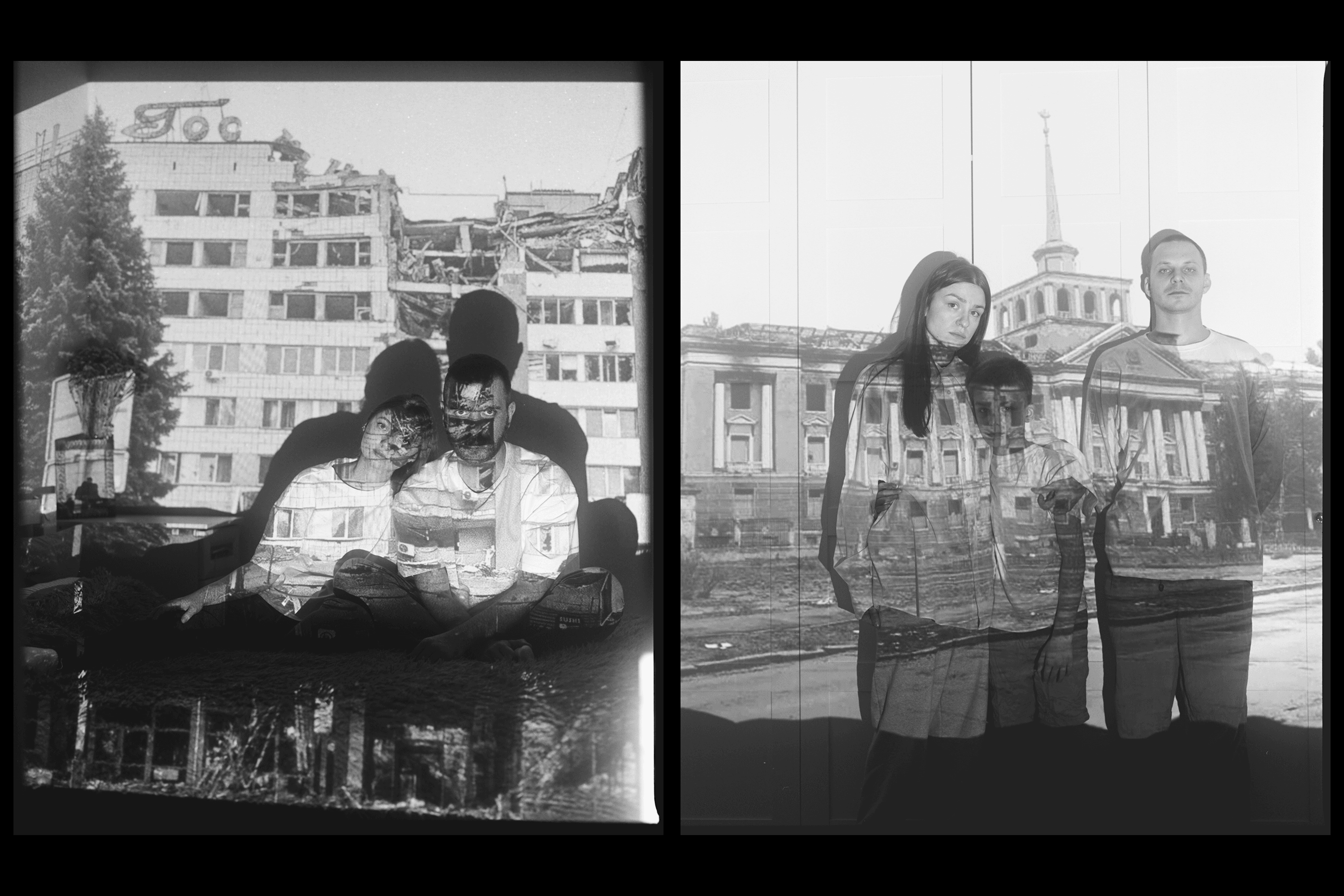
Photo: Photos courtesy of Serhii Melnychenko / YB 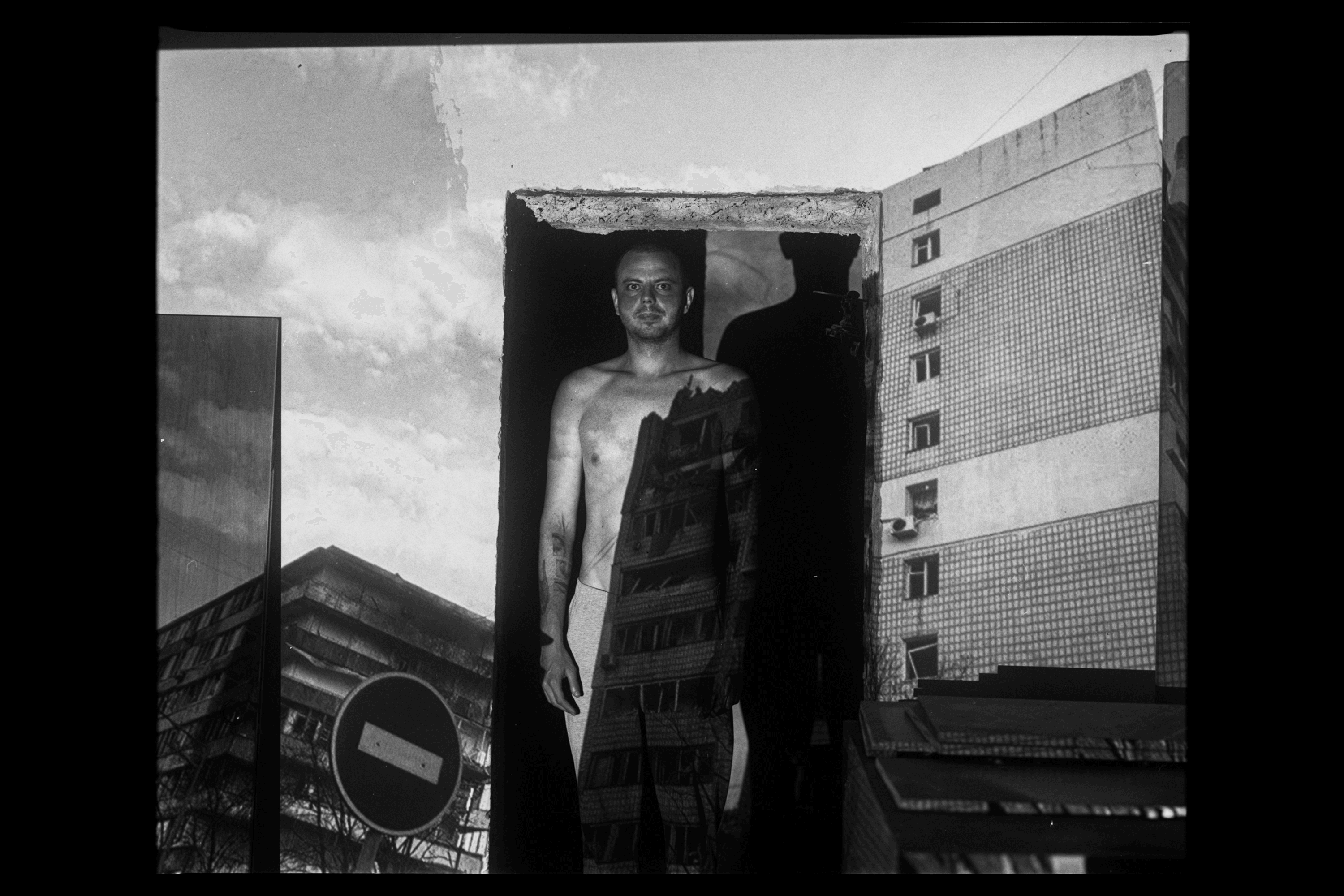
Photo: Photos courtesy of Serhii Melnychenko / YB 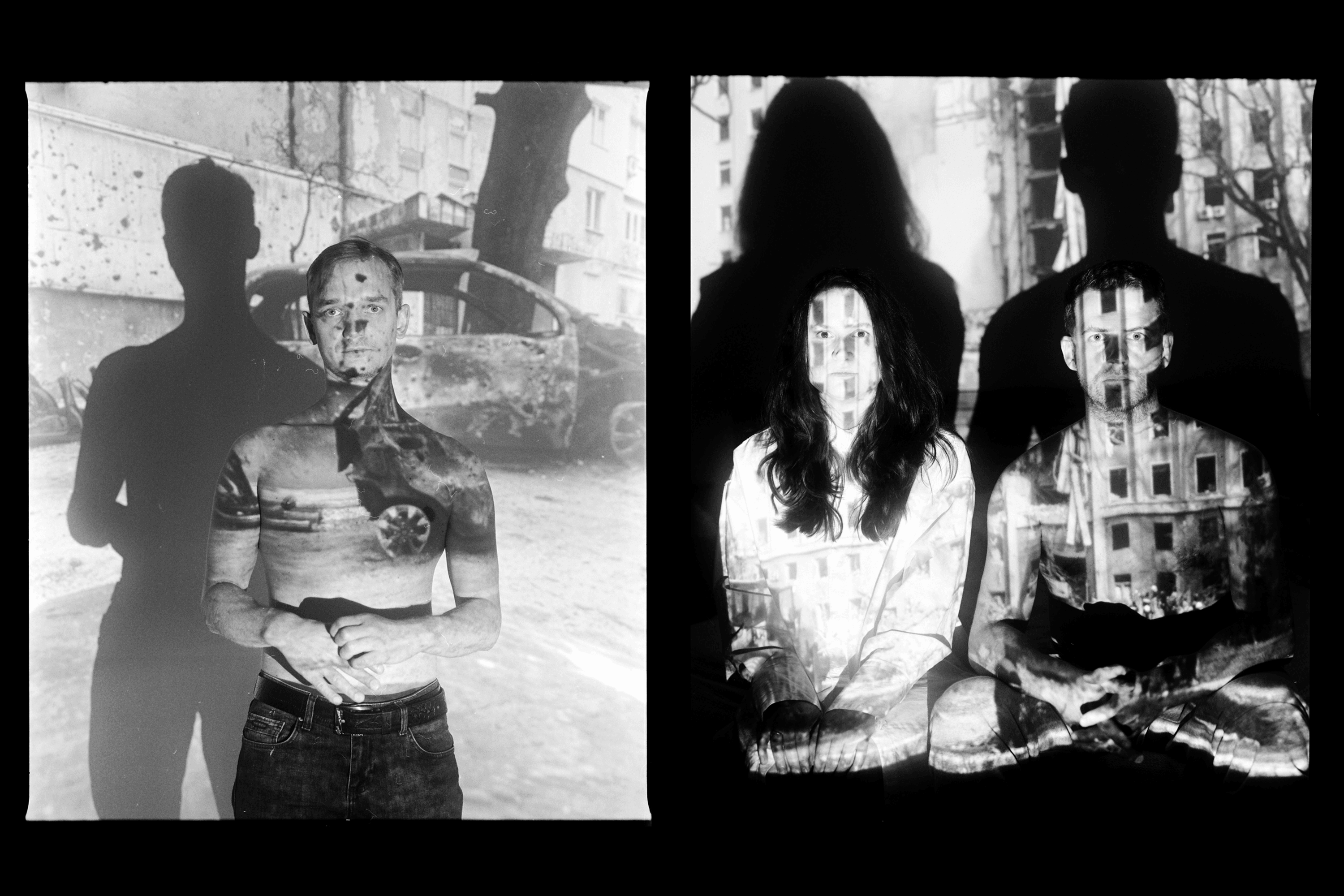
Photo: Photos courtesy of Serhii Melnychenko / YB 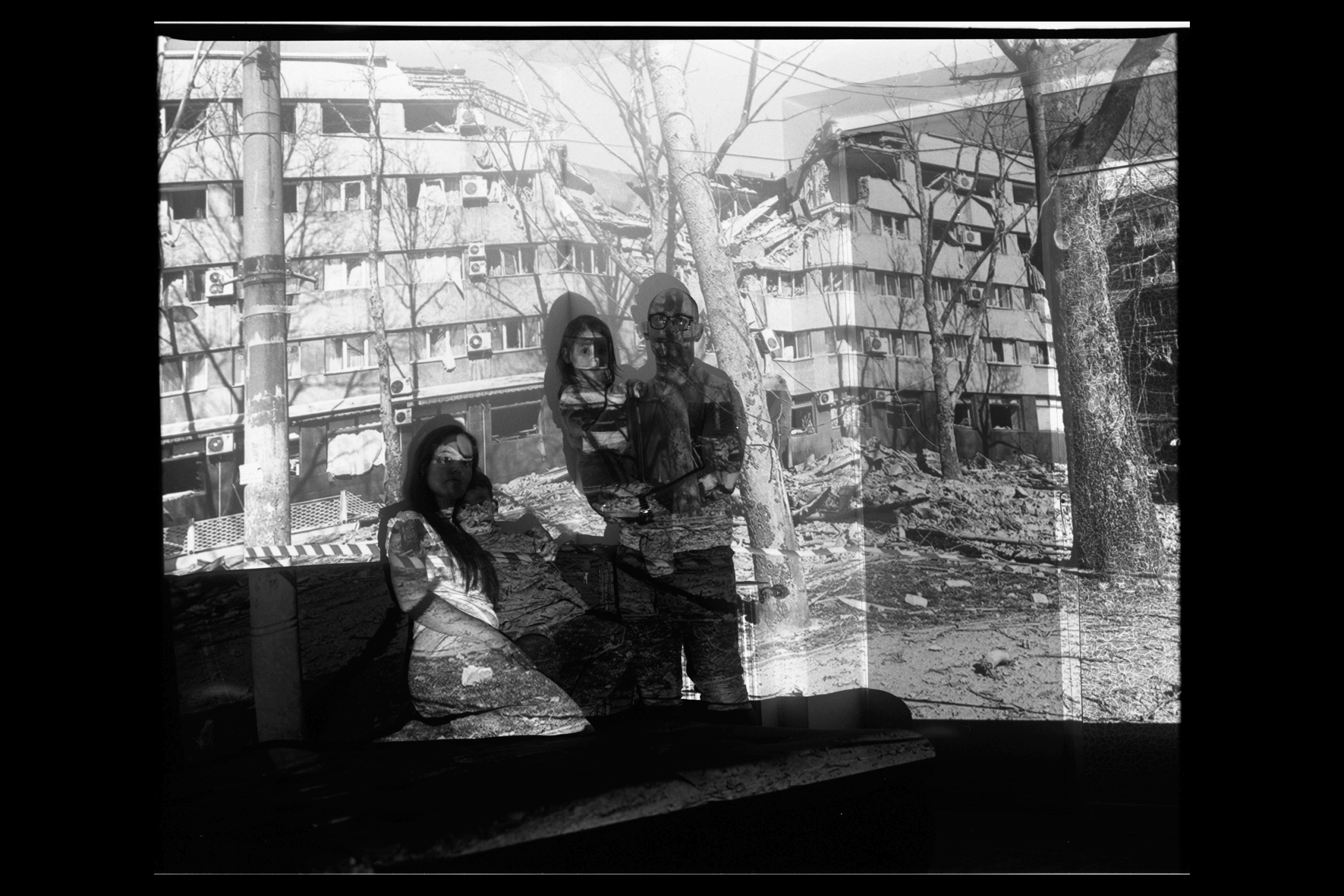
Photo: Photos courtesy of Serhii Melnychenko / YB
And yet a Ukrainian artist today is often expected to speak about the war. Does this not become a new limitation?
Yes, and that is dangerous. In their artistic expression, an artist should be guided exclusively by their own inner feeling. Not everyone can and not everyone should work with the subject of war. If an artist wants to talk about the body or nature, or create escapist art, that does not make their work any less worthy of attention.
But international audiences also often perceive Ukrainian art specifically through the war. Even in works far removed from it, they look for this context. Do you notice this?
Yes. It seems to me that international audiences have, to some extent, exoticized Ukrainian pain ever since the Revolution of Dignity. But at the same time, Ukrainian art is simply responding to what is happening around us. We have not had positive events for a long time that could serve as powerful material for art.
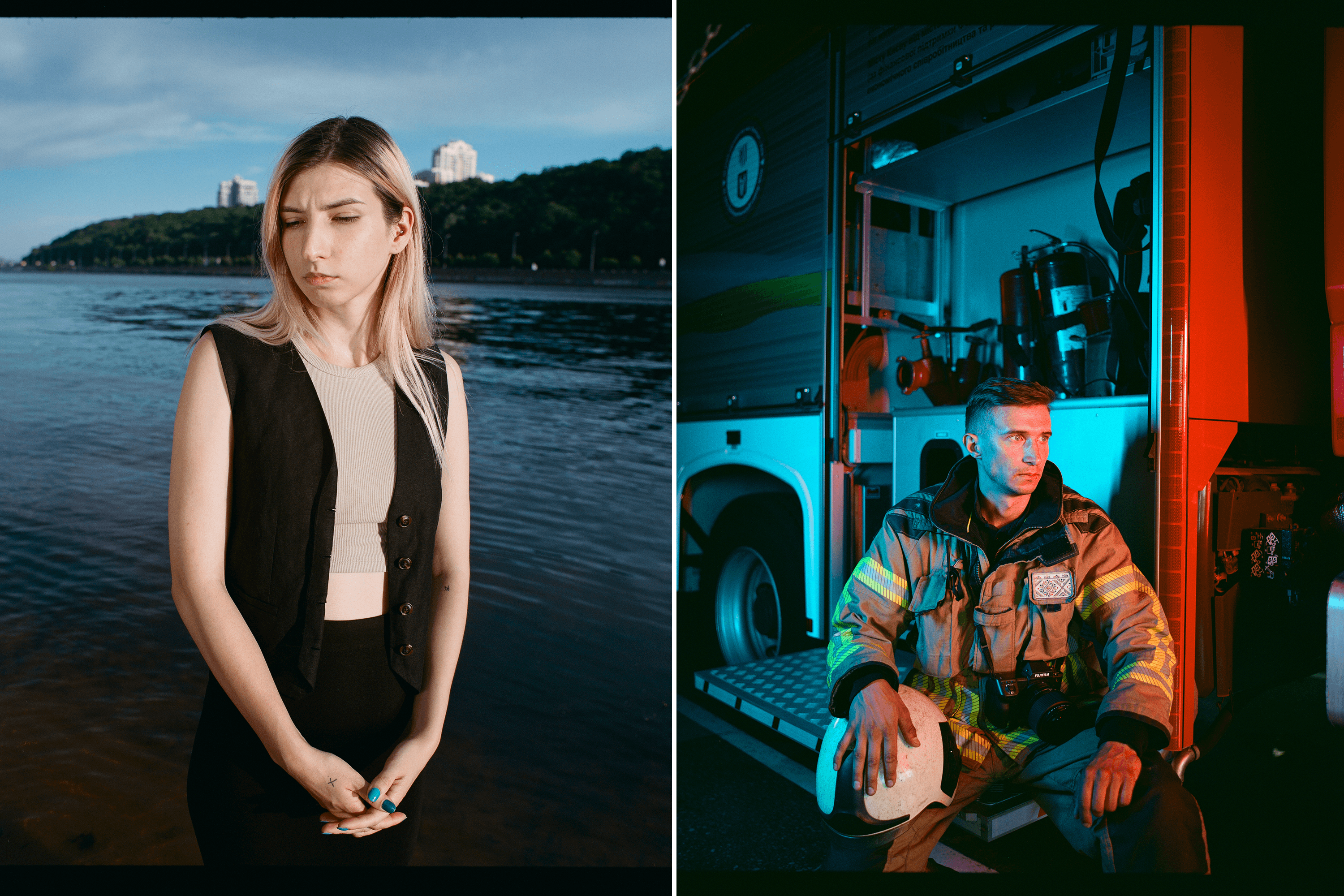
Photos from Serhii Melnychenko’s project “By the Dnipro.” Photo: Photos courtesy of Serhii Melnychenko / YB 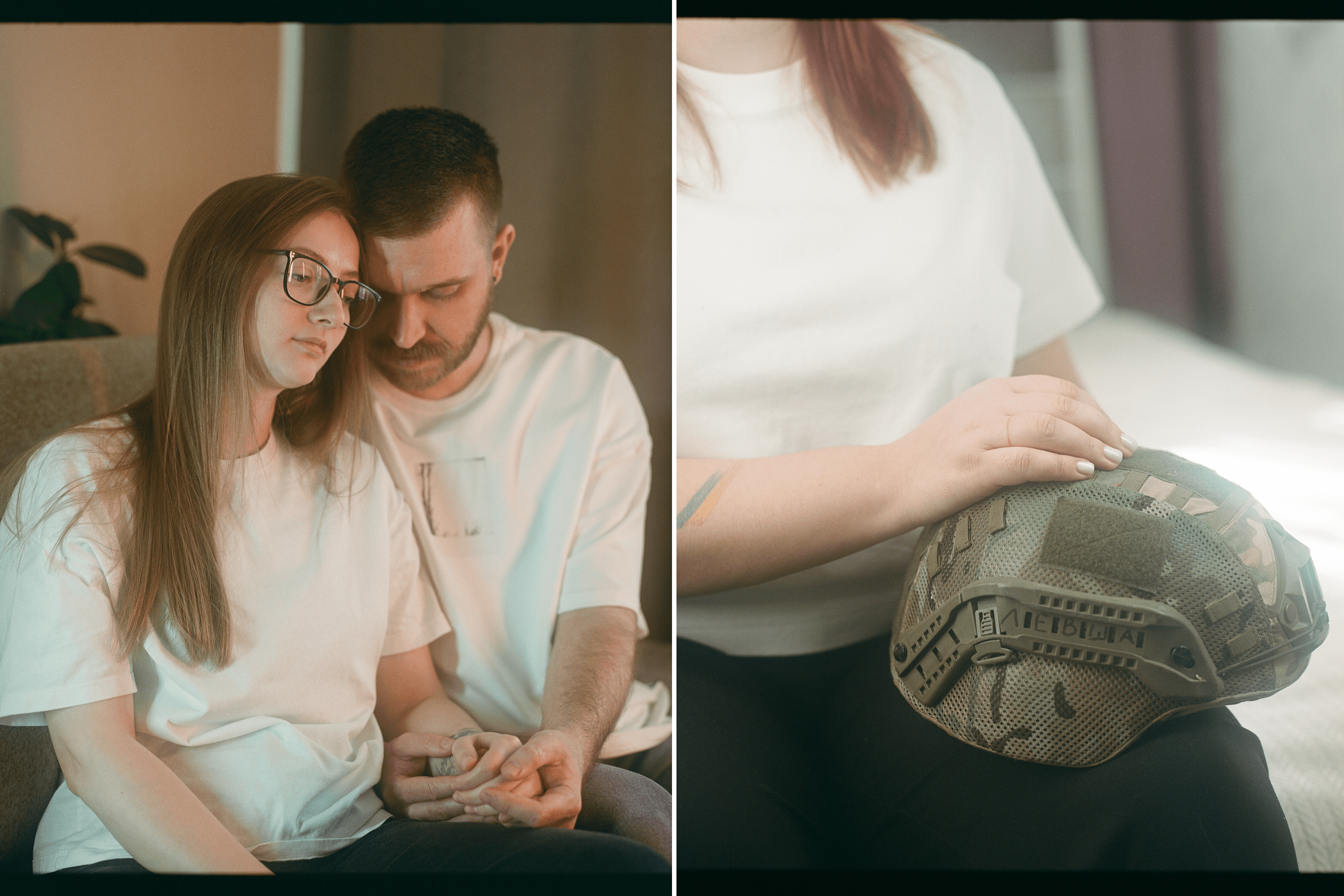
Photo: Photos courtesy of Serhii Melnychenko / YB 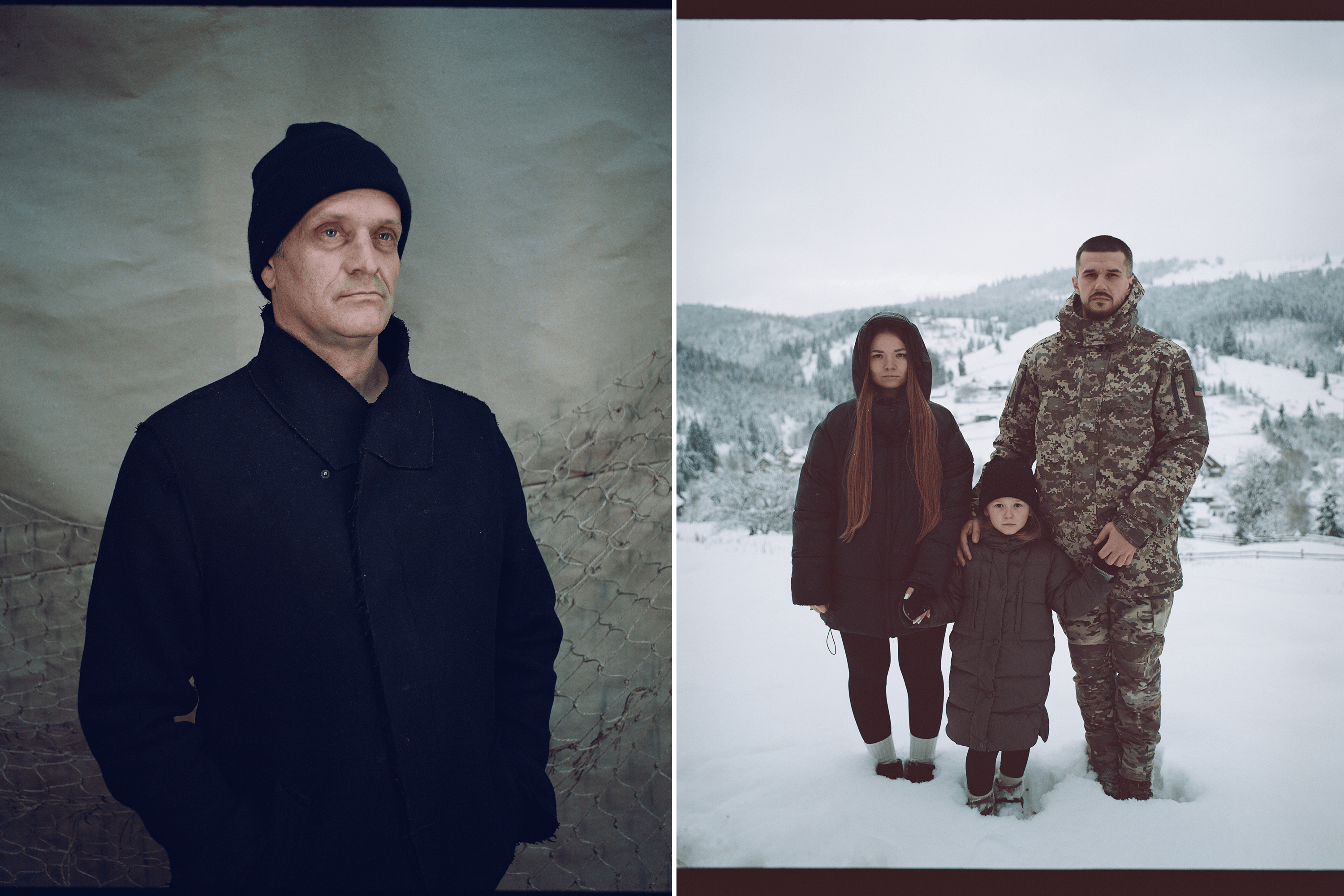
Photo: Photos courtesy of Serhii Melnychenko / YB 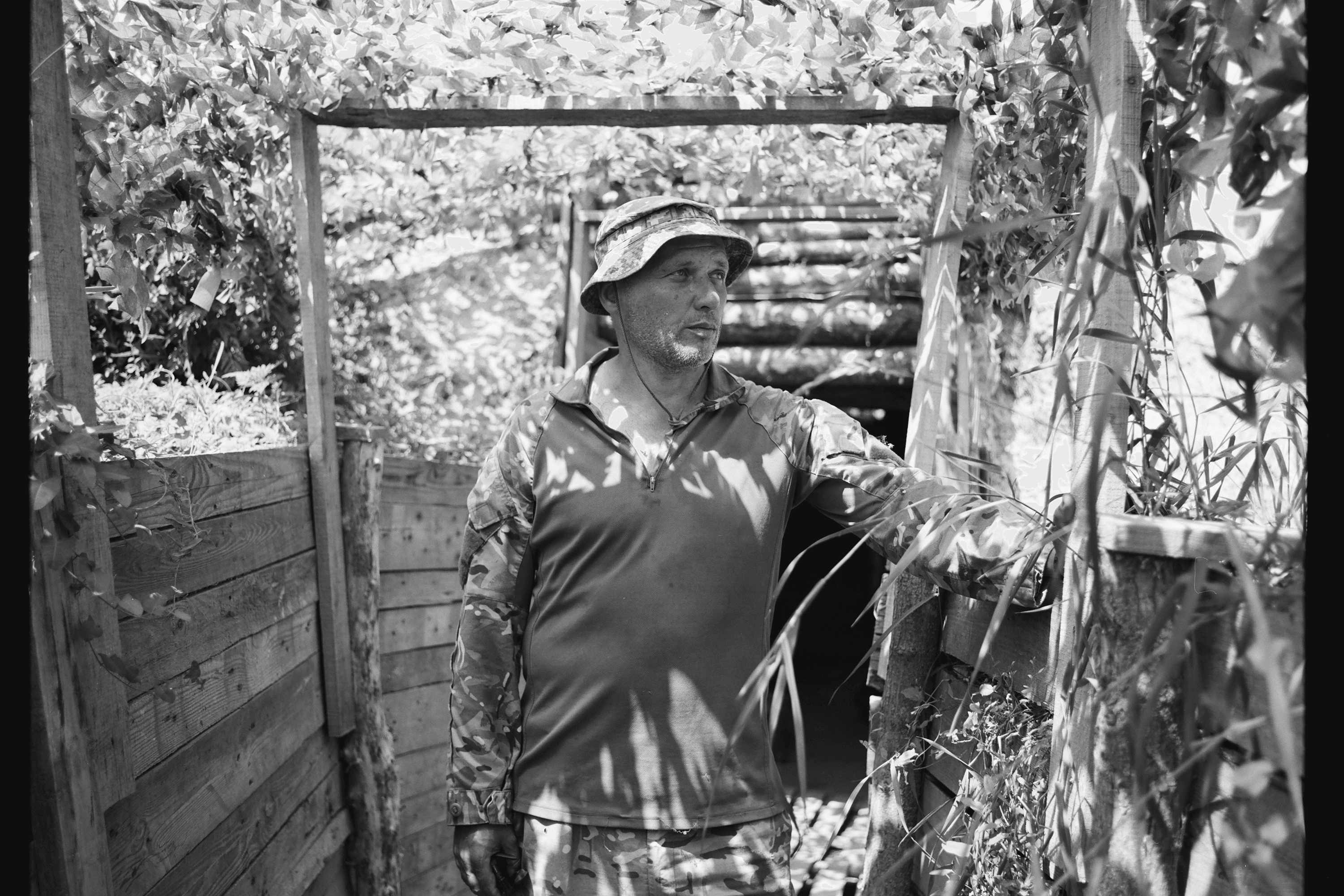
Photo: Photos courtesy of Serhii Melnychenko / YB 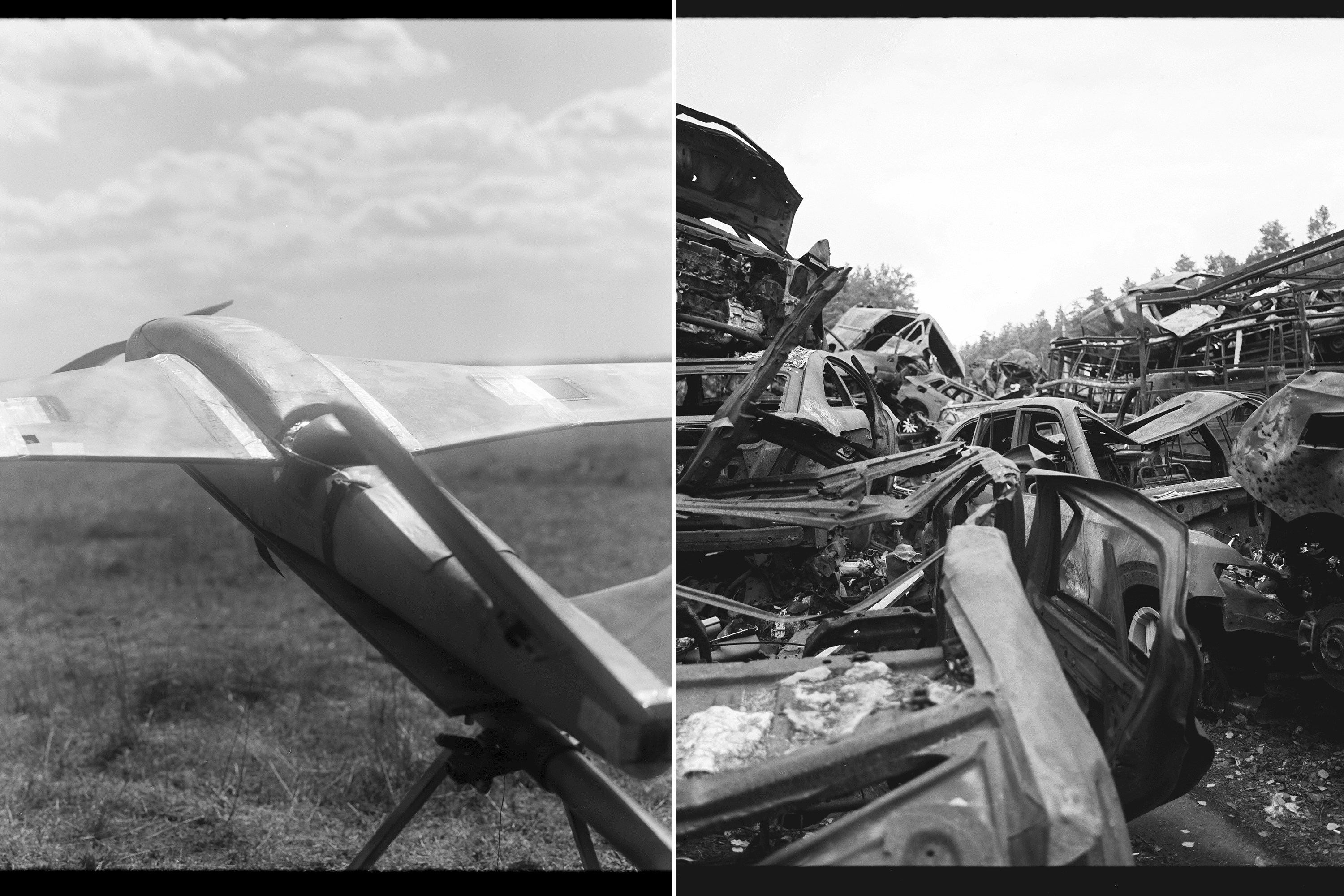
Photo: Photos courtesy of Serhii Melnychenko / YB
If we return to your own artistic language, you have worked with the theme of the body and corporeality for many years. Why does the person remain at the center of your photography?
I am a social person, and I am interested in talking about life through people. For me, it is a kind of ode to life. Even in my war-related projects, I hardly work with destruction. A building or a landscape can be part of the story, but the person still remains at the center.
And if you set aside the war and all the expectations placed on a Ukrainian artist, what do you yourself want to photograph today?
I plan to return to the art photography I was doing before the start of the full-scale war, to that same feeling of being free and carefree. I feel like creating my own worlds again, inventing stories, and living through them together with my characters.
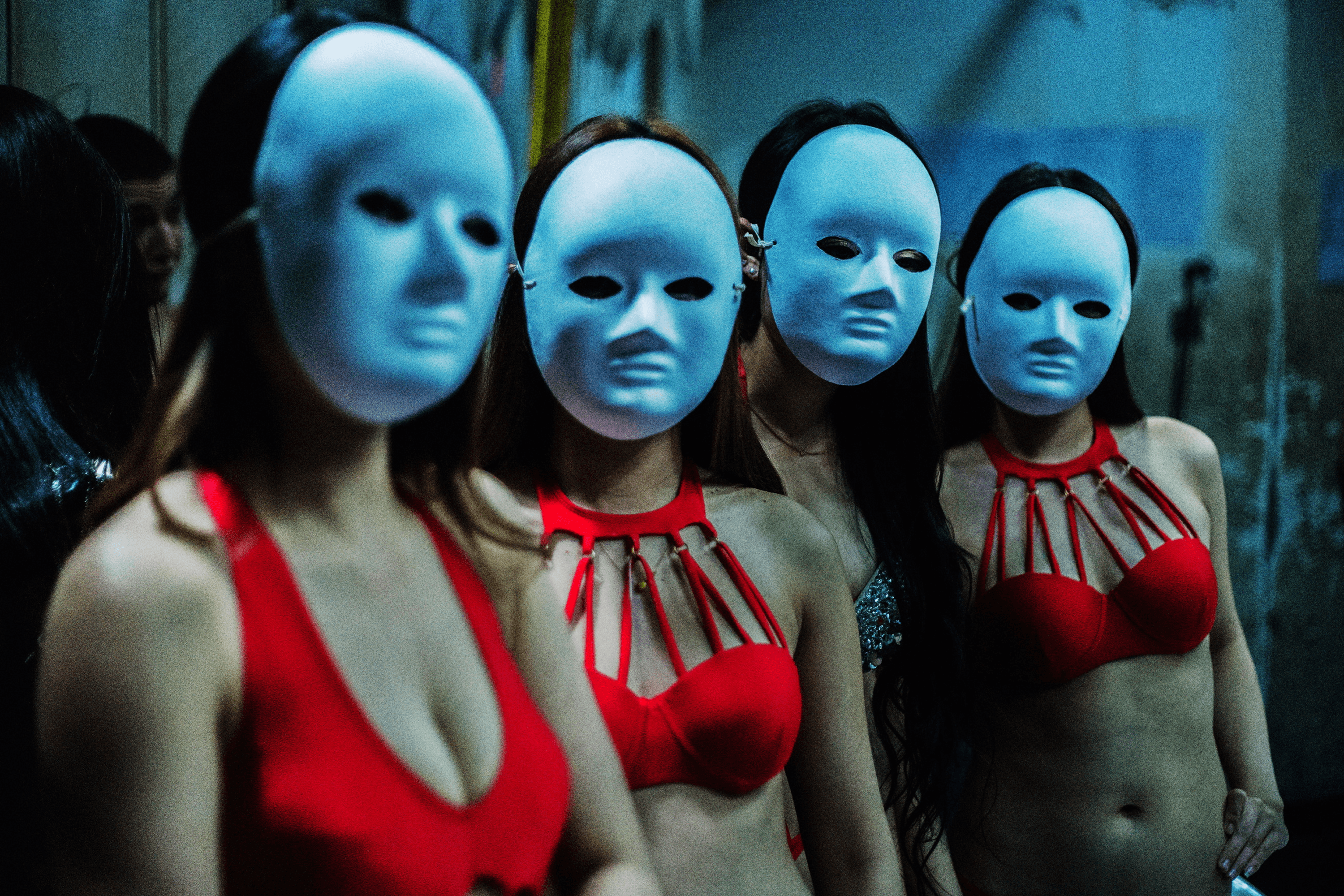
Photos from Serhii Melnychenko’s project “Behind the Scenes.” Photo: Photos courtesy of Serhii Melnychenko / YB 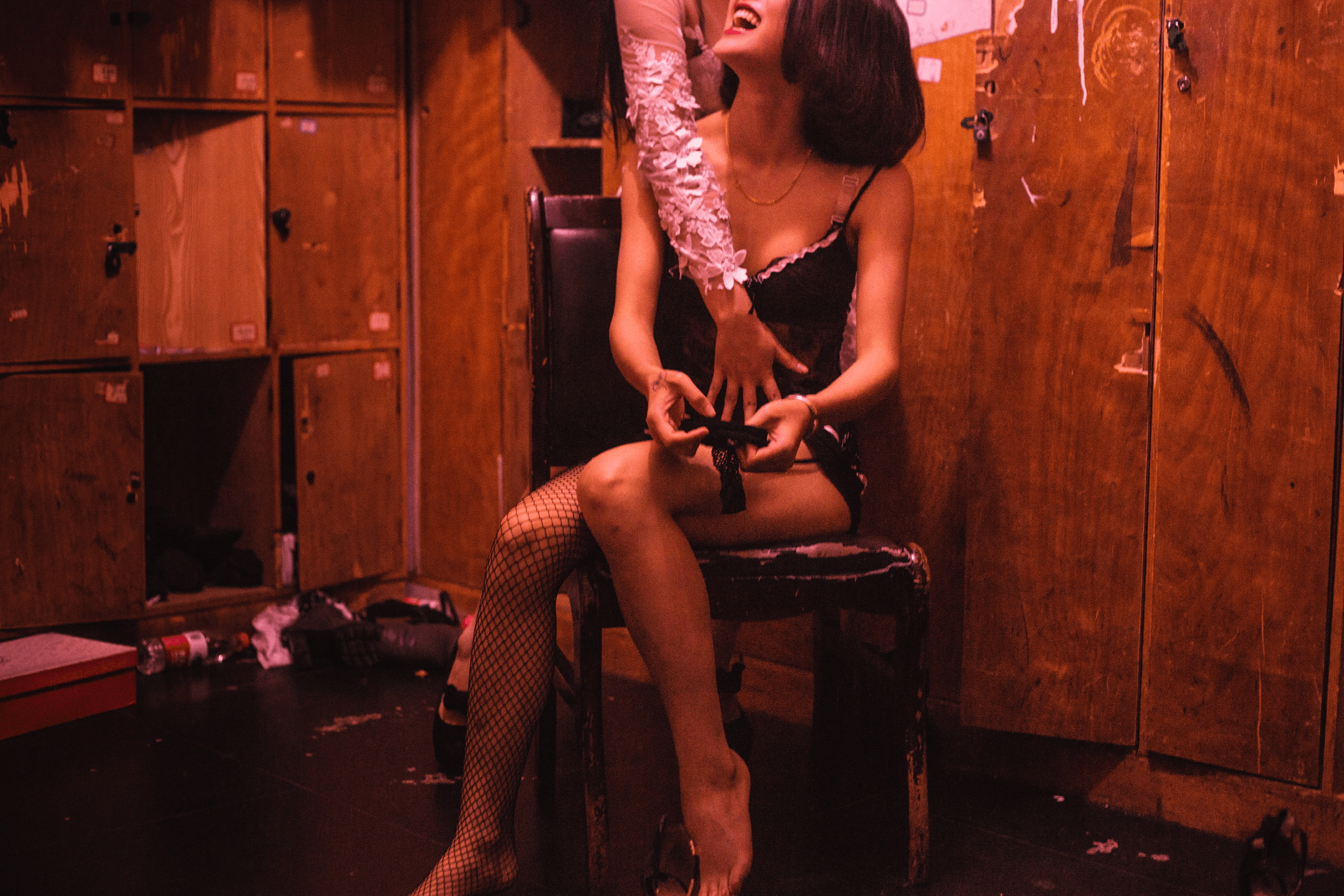
Photo: Photos courtesy of Serhii Melnychenko / YB 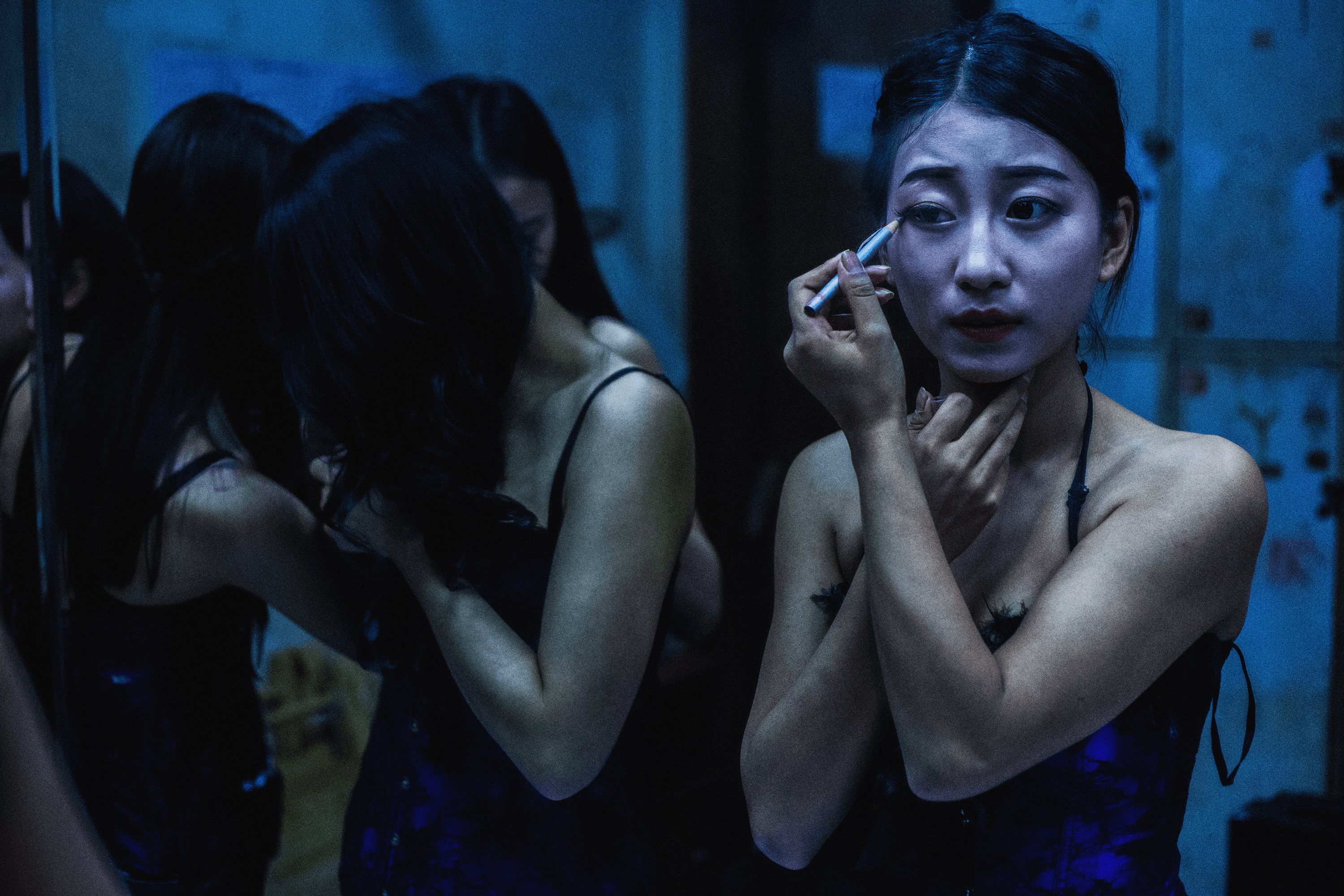
Photo: Photos courtesy of Serhii Melnychenko / YB 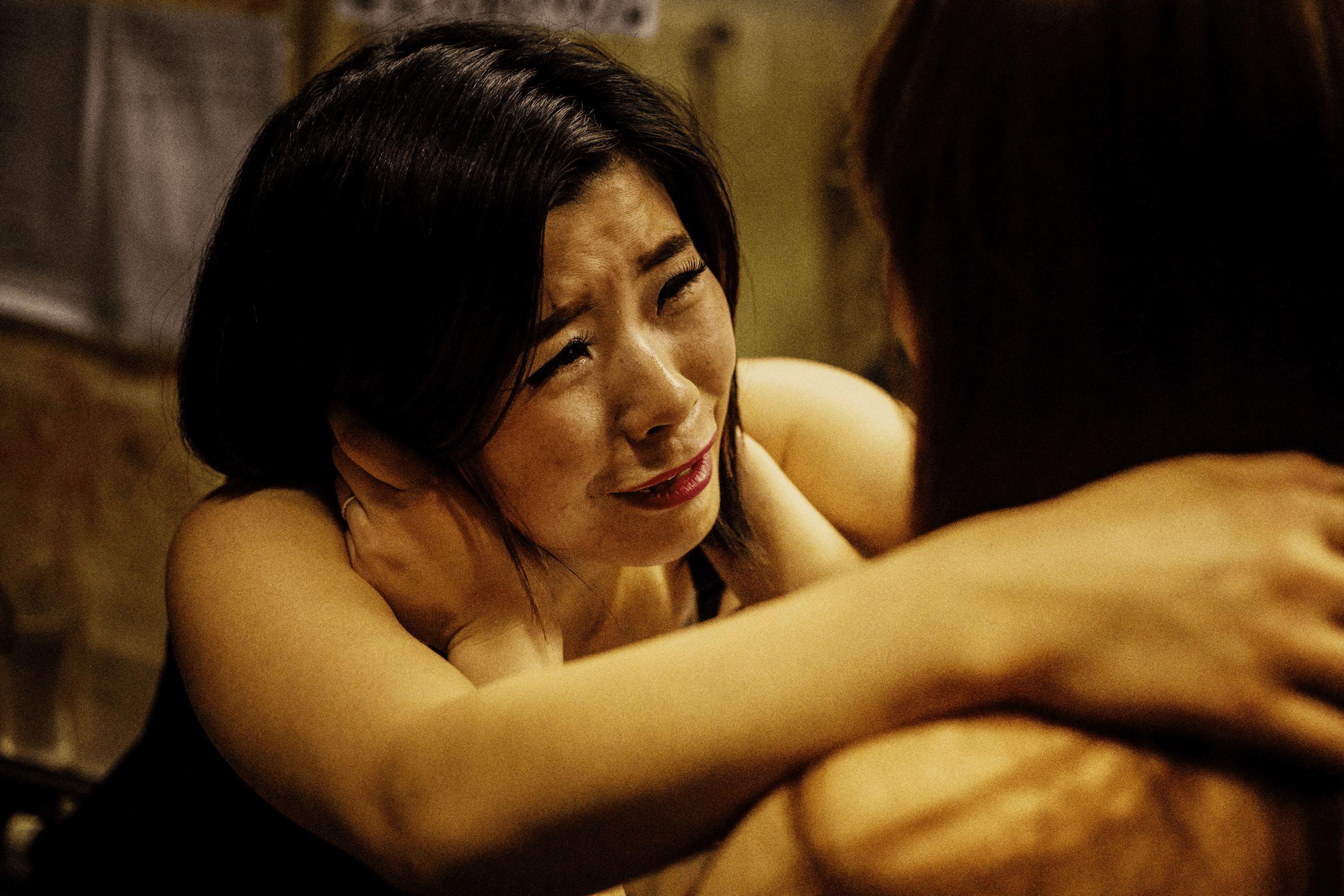
Photo: Photos courtesy of Serhii Melnychenko / YB 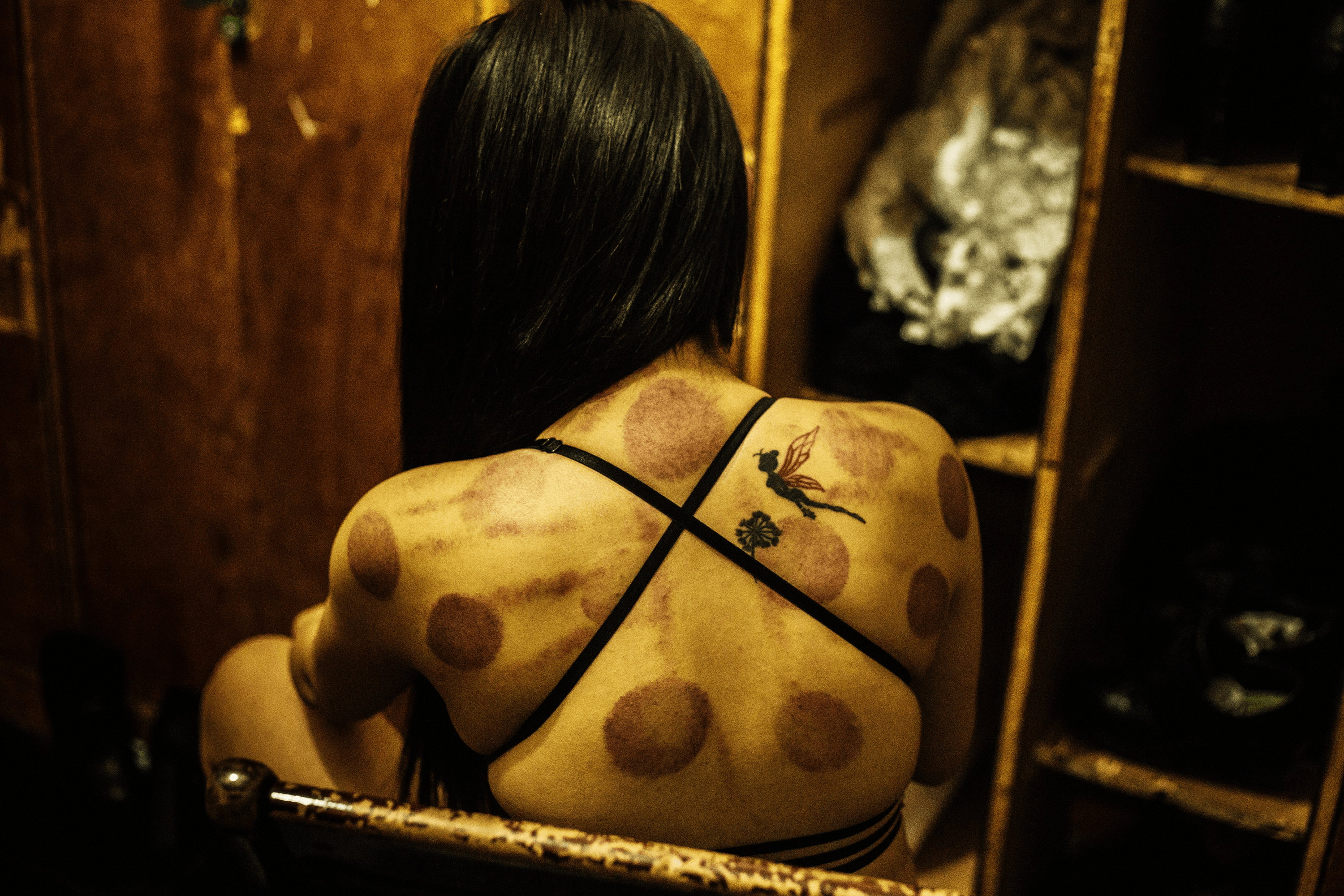
Photo: Photos courtesy of Serhii Melnychenko / YB 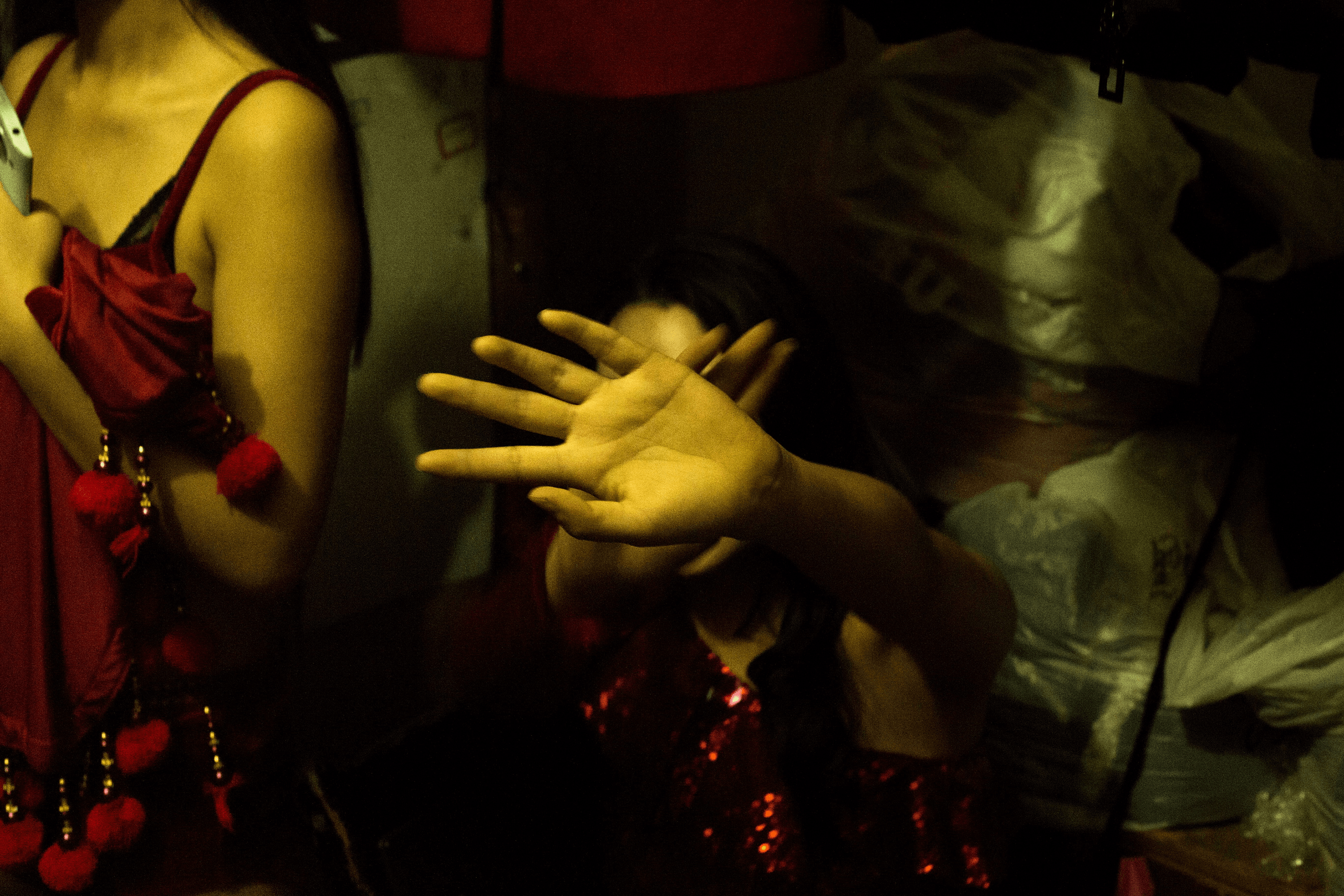
Photo: Photos courtesy of Serhii Melnychenko / YB 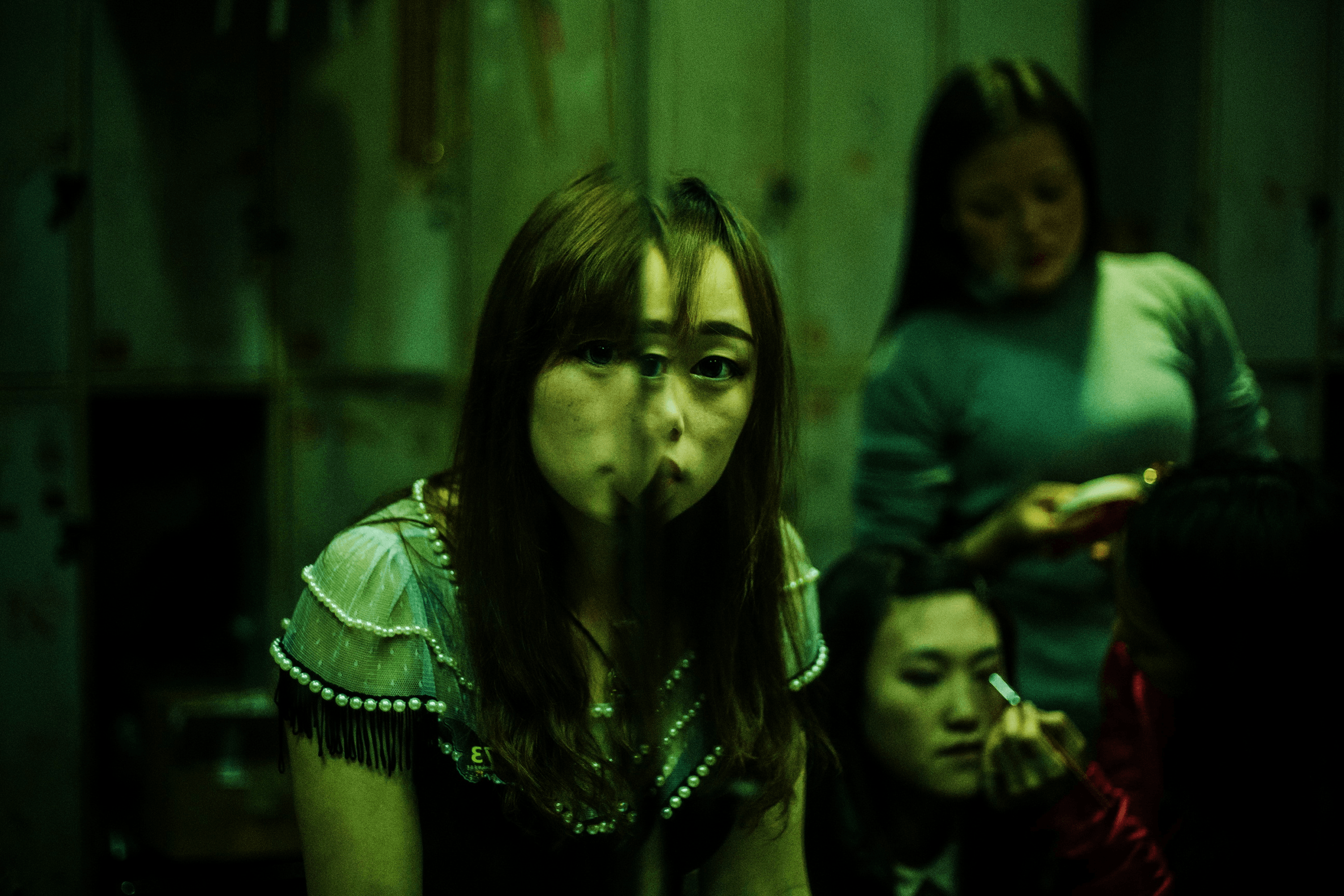
Photo: Photos courtesy of Serhii Melnychenko / YB 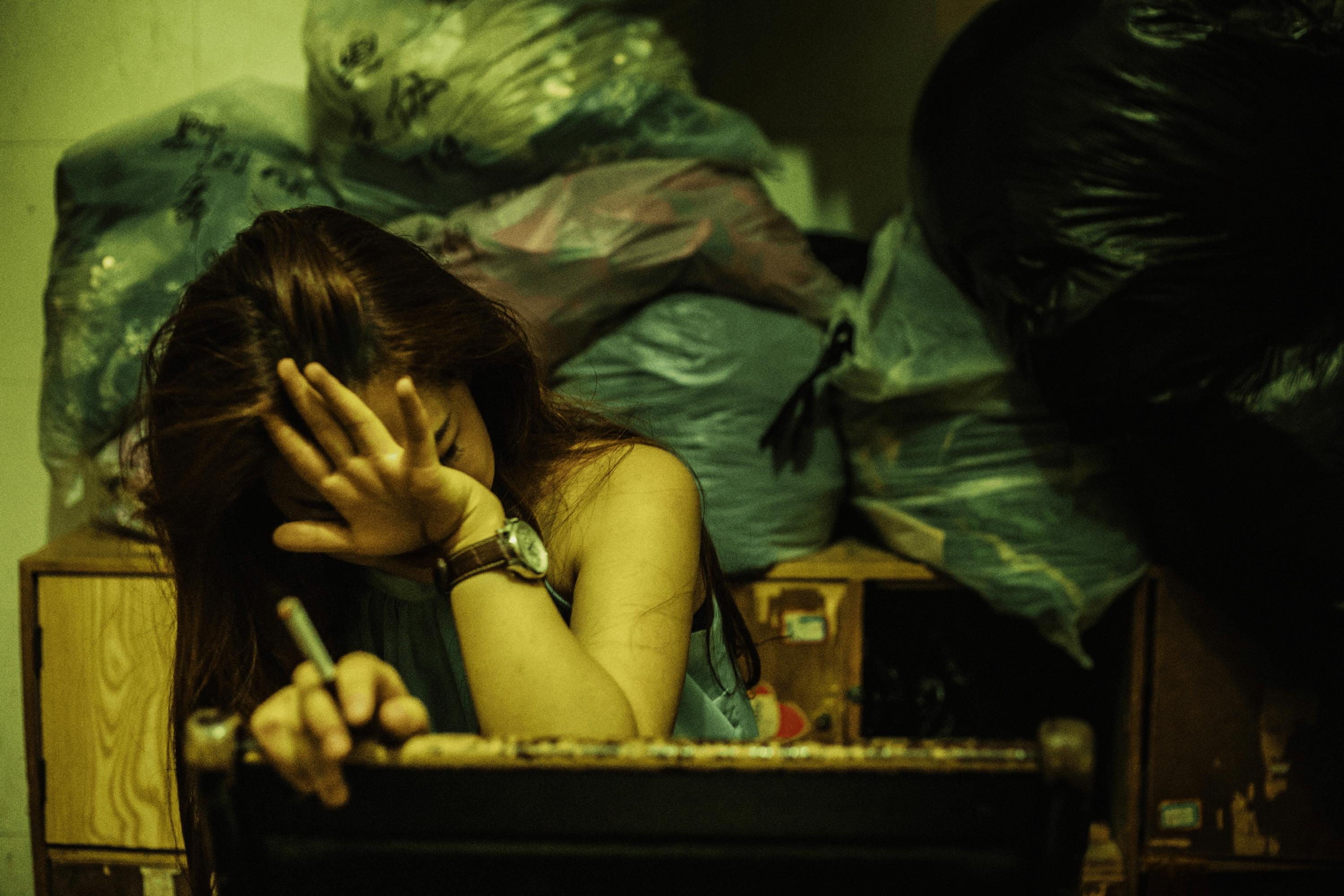
Photo: Photos courtesy of Serhii Melnychenko / YB 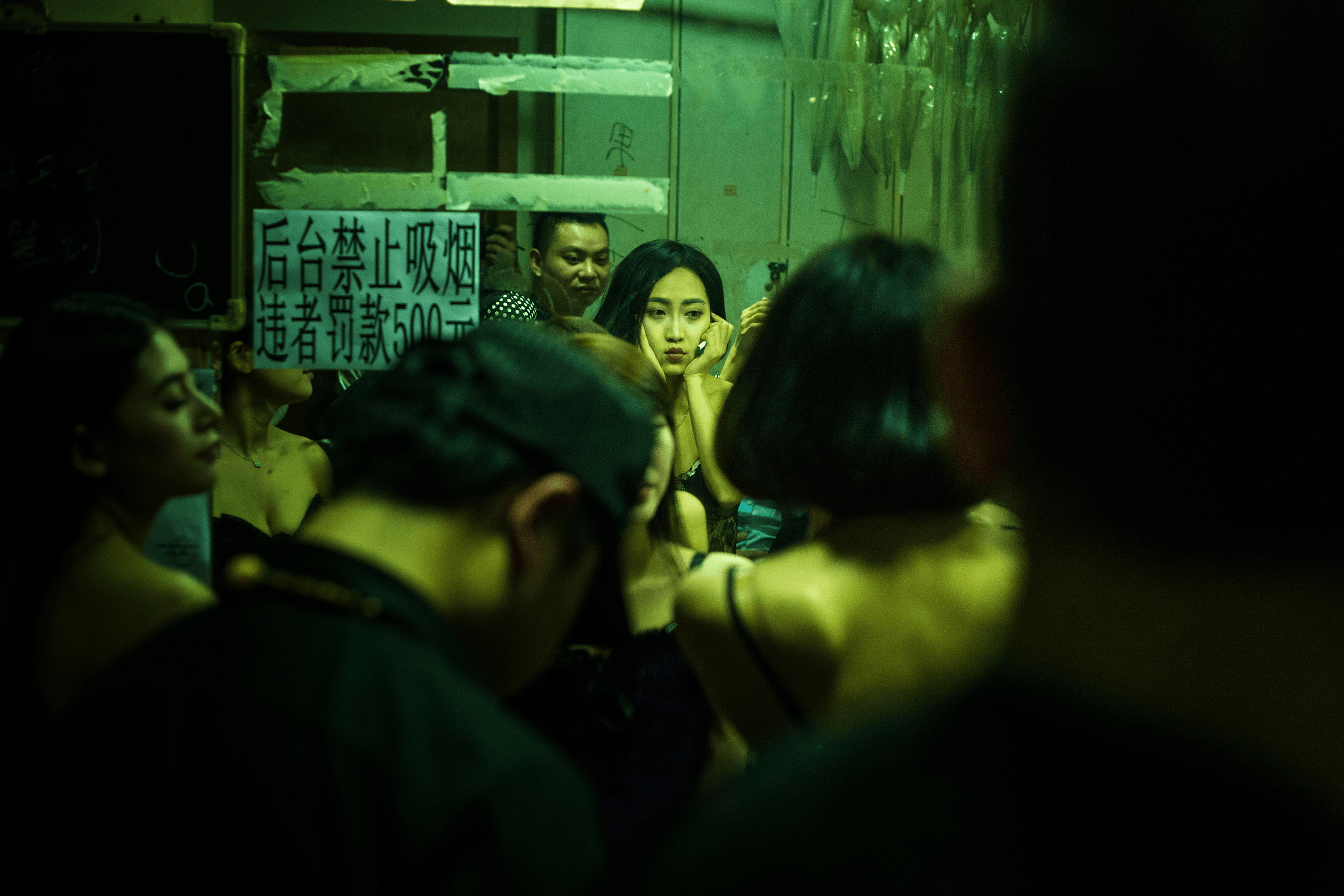
Photo: Photos courtesy of Serhii Melnychenko / YB 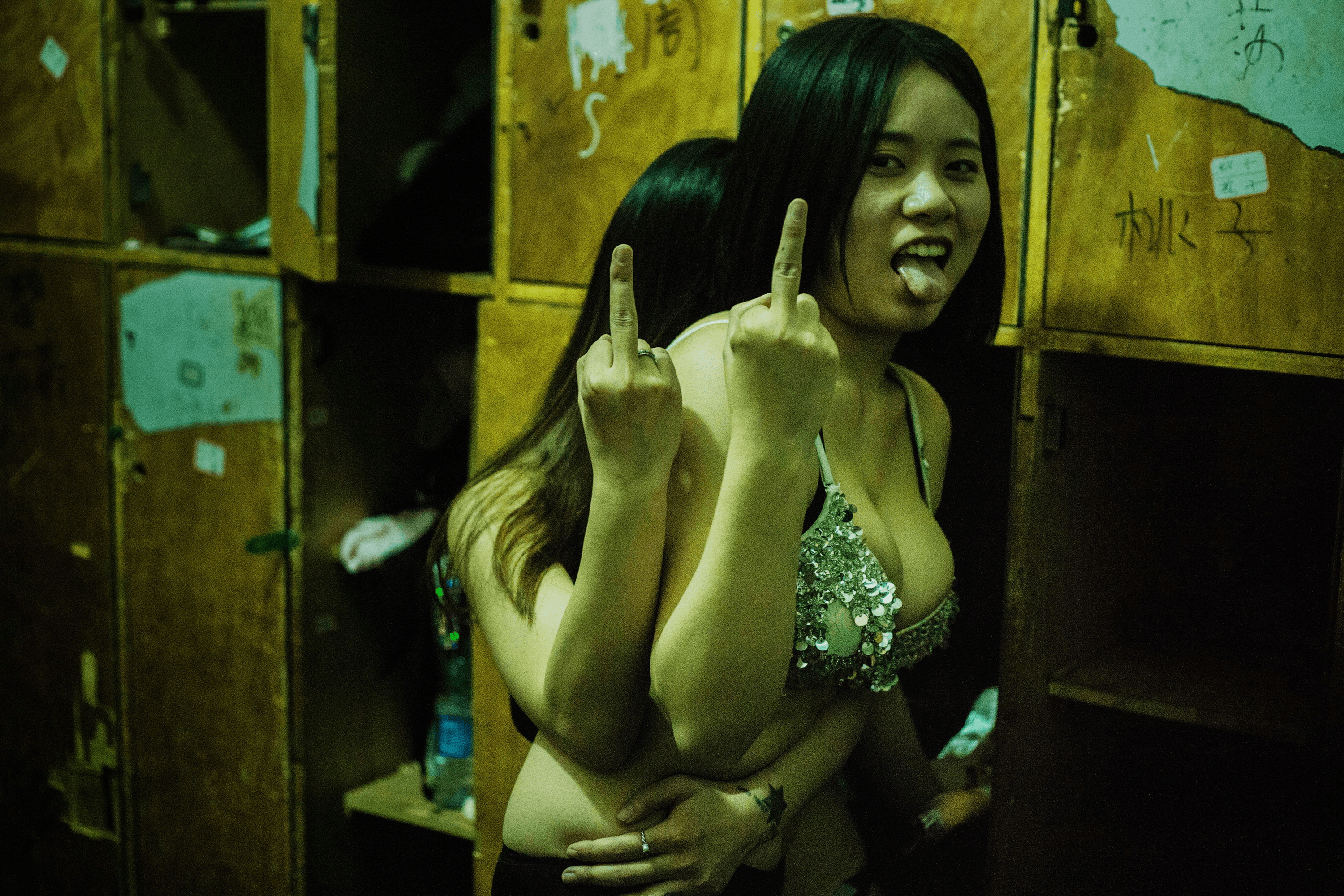
Photo: Photos courtesy of Serhii Melnychenko / YB
But for now, I am doing what I have to do: covering events in Ukraine using the methods that are close to me and helping young photographers do the same.
And finally, what is the real demand for Ukrainian art photography?
I am glad that there is demand for art photography at all. We participate in Ukrainian and international art fairs: Photo Kyiv, Art Kyiv, Tbilisi Art Fair, and Budapest Art Market, where we present and sell the works of our students.
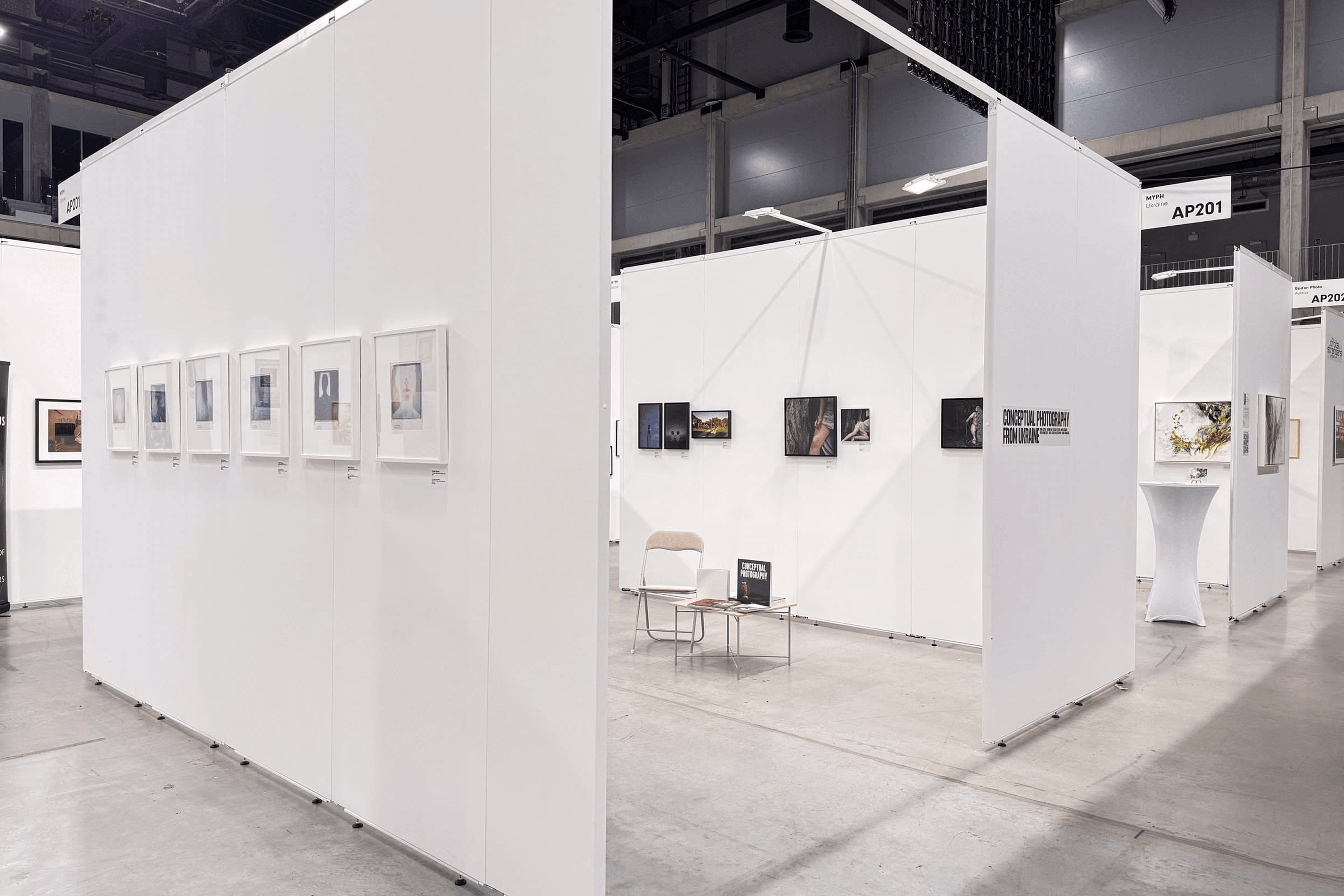
Art Market Budapest 2025. Photo: myphart.com 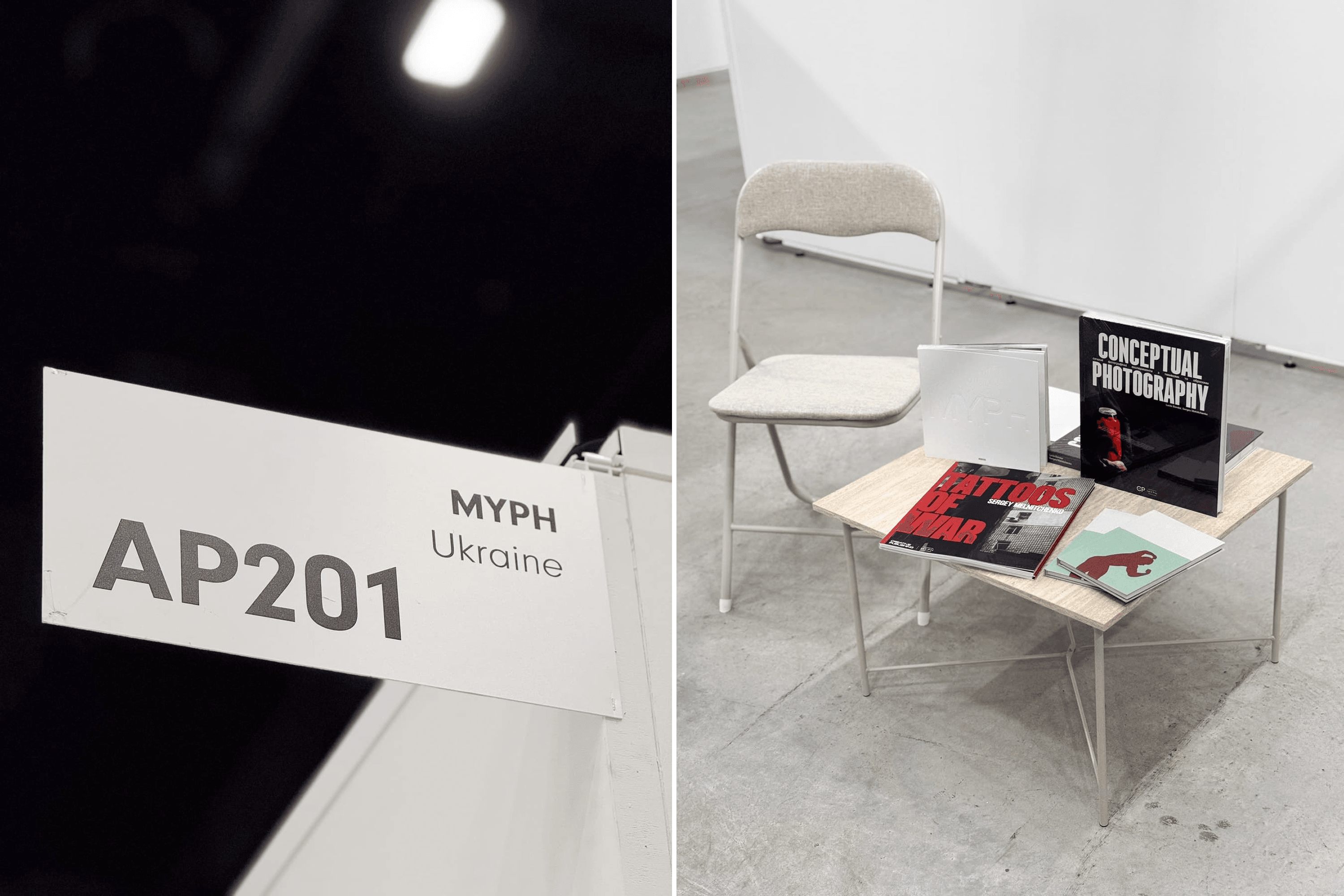
Photo: myphart.com 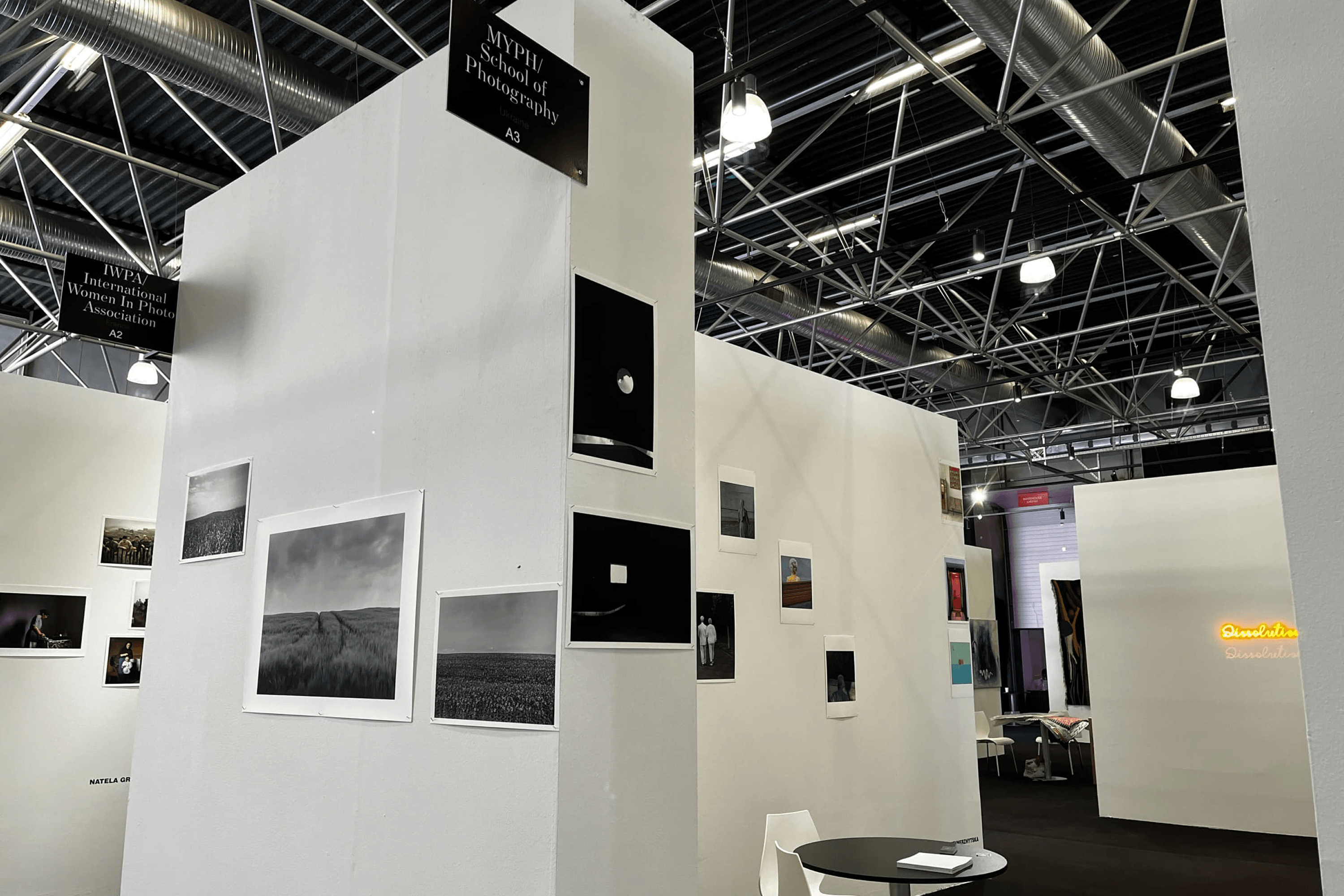
"Tbilisi Art Fair". Photo: myphart.com 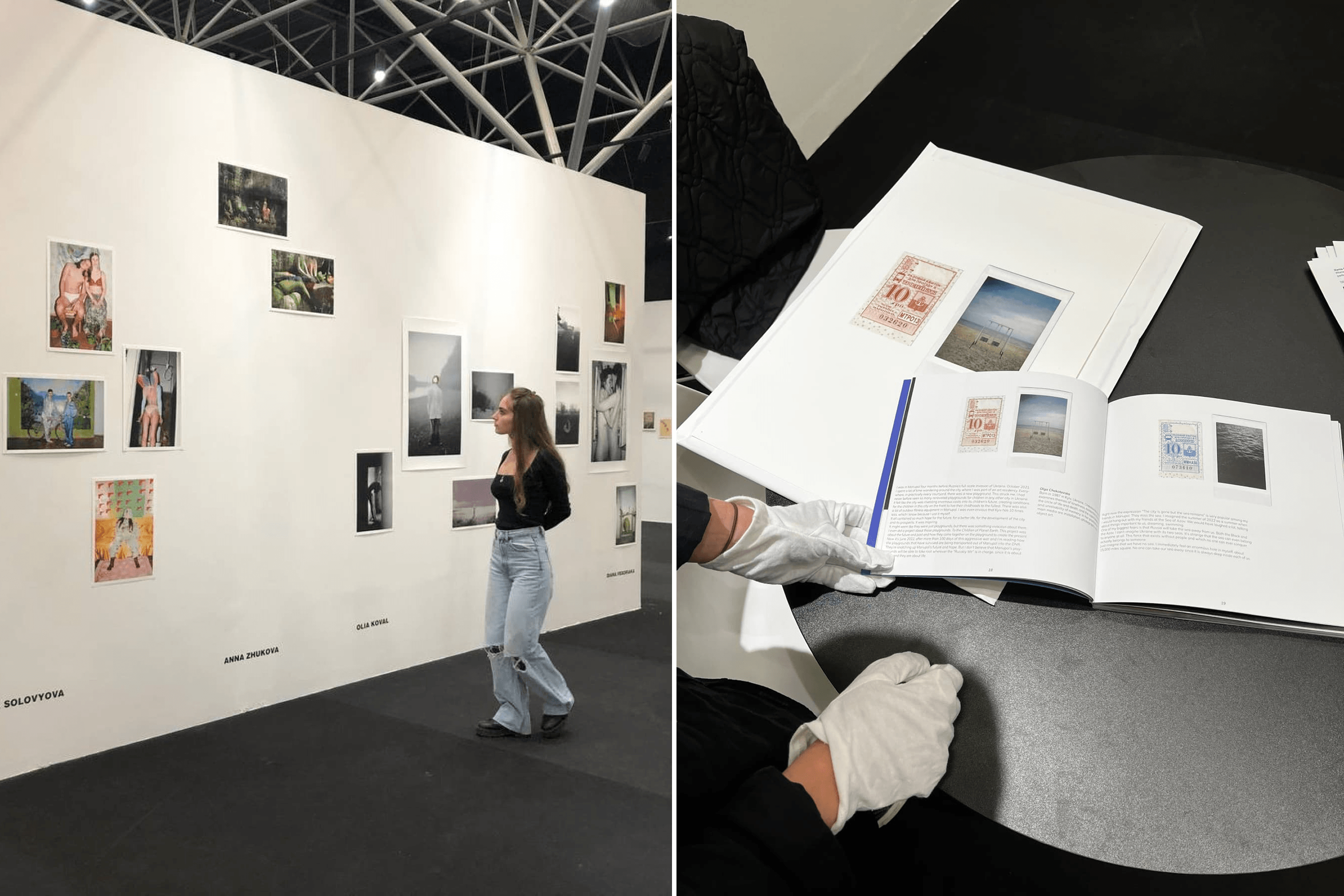
Photo: myphart.com 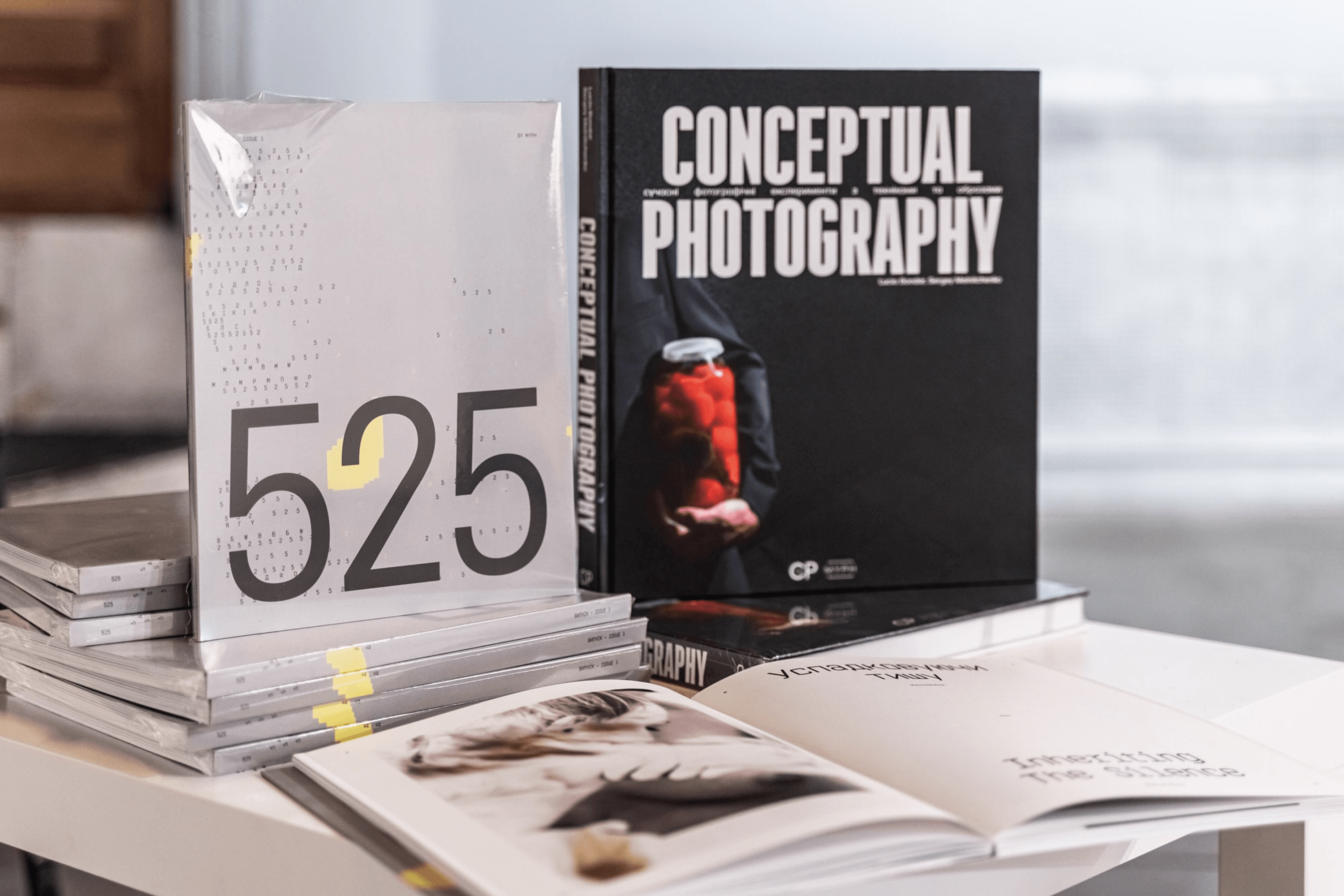
Art Kyiv 2026. Photo: myphart.com 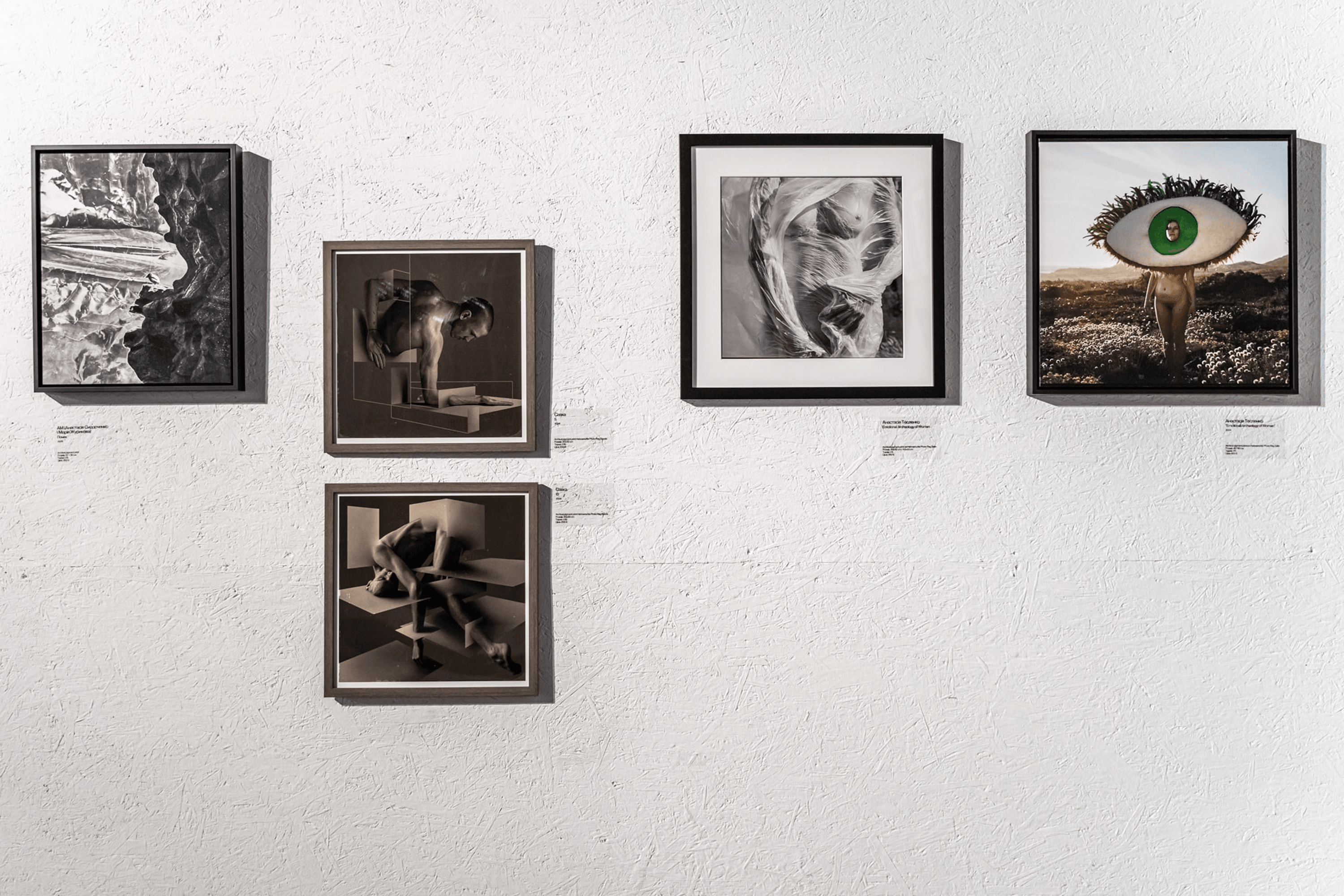
Photo: myphart.com


