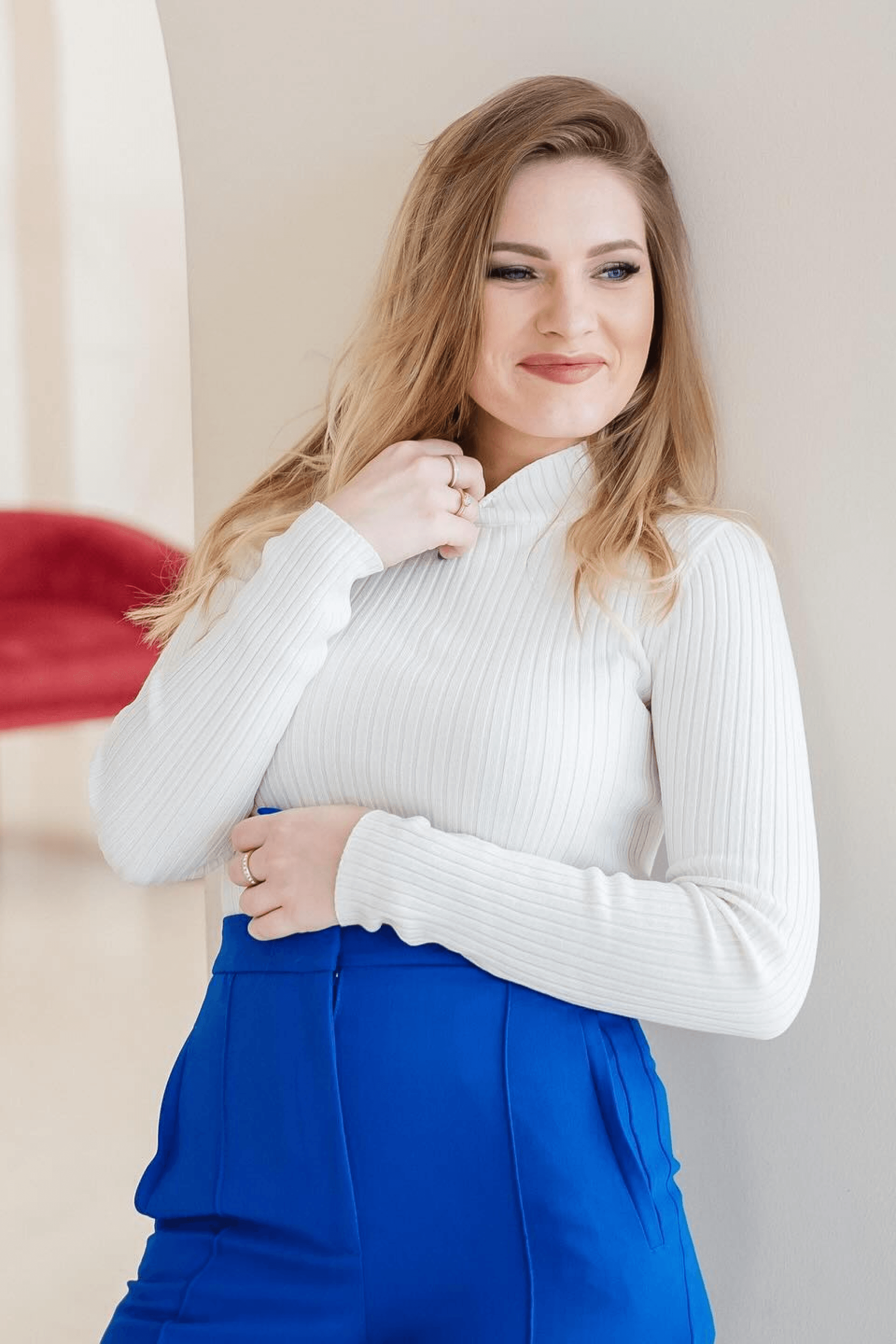
Margarita Drugova is 28 years old and originally from the Kharkiv region. At 20, she gave birth to a daughter and faced a common dilemma: two years of searching for remote work proved fruitless, prompting her to launch a business instead. She sold a designer leather bag on OLX, bought fabric with the 600 UAH she received, and started sewing linen napkins and selling them on the Etsy platform. That’s how the kitchen textile brand Touchable Linen appeared in 2019.
Just seven months later, Margarita reached her first 1,000 orders and hired three seamstresses. Over six years of operation, her Etsy shop's turnover exceeds $1 million. Now, however, she’s looking to sell the million-dollar enterprise to pursue new ventures.
YBBP journalist Artem Moskalenko sat down with Drugova to discuss how to make an Etsy shop noticeable, what to know before starting on the platform, and why Etsy might block your shop.
When did you found Touchable Linen, and what was it like?
In 2019, I started by making soft children’s toys from polyester. As a new mother, I desperately wanted to find a proper way to provide for my daughter. I looked for work-from-home opportunities but when that failed, I decided to start my own business and opened an Etsy shop. The problem was I was a terrible seamstress; the toys were poor quality. My approach to running the shop was chaotic: I’d launch a product page, wait a day, and if there were no sales, I’d immediately rewrite the description. I didn’t track what sold better, didn’t understand what a product should look like for the market. After nine chaotic months, I closed the shop, convincing myself that business simply wasn’t for me.
Then I decided to try making kitchen textiles instead. At that time, ecological and durable goods were peaking in popularity in the USA, and I noticed the demand for linen napkins on Etsy. That’s how Touchable Linen was born. The only money I had for investment in the new business was 400 or 600 Ukrainian hryvnias. I raised it by selling the most expensive item in my wardrobe—a designer leather bag my grandmother had given me—on OLX. With that money, I bought fabric in November 2019, sewed the first napkins, and listed them on Etsy.
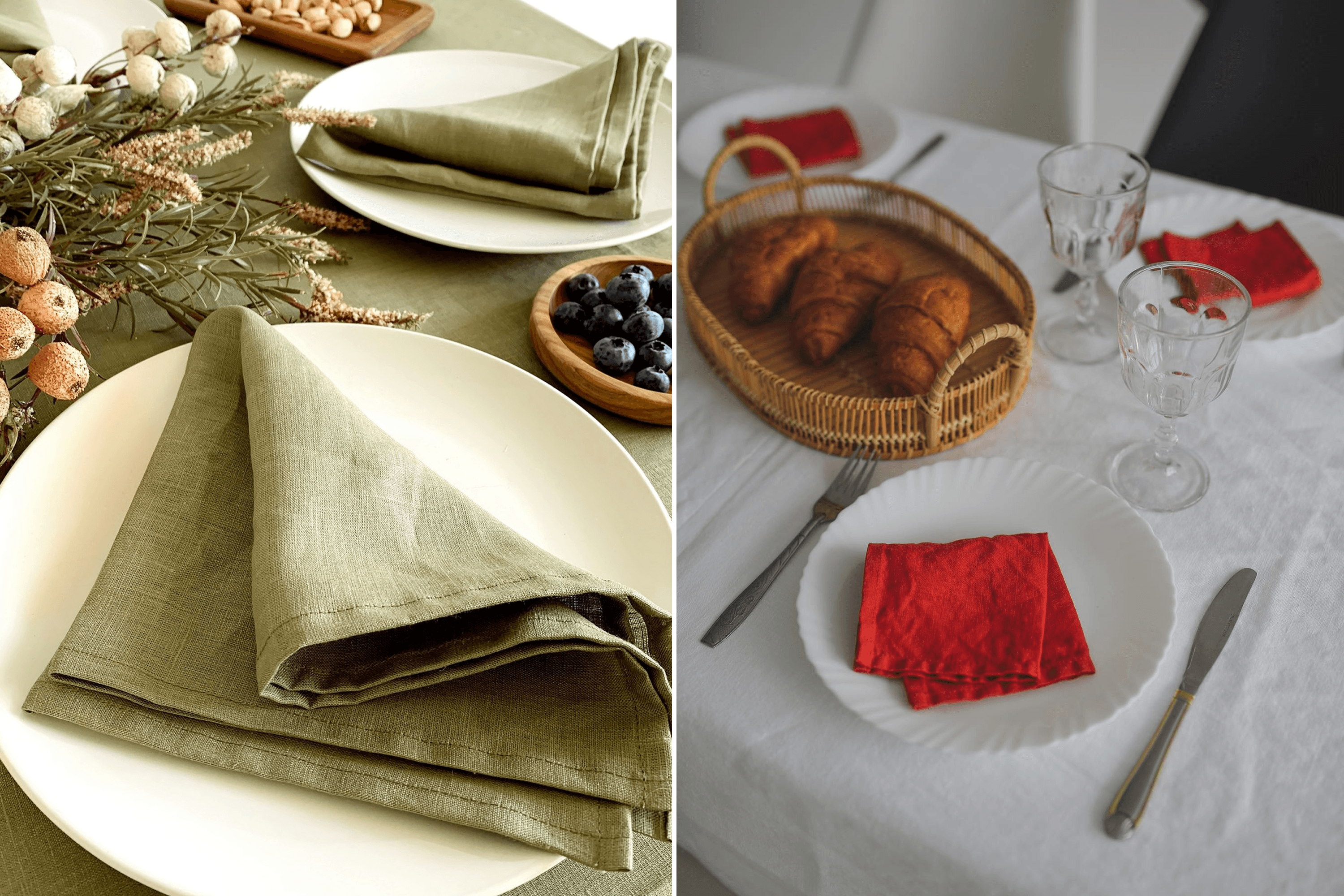
Photo: Touchable Linen / YBBP 
Photo: Touchable Linen / YBBP 
Photo: Touchable Linen / YBBP 
Photo: Touchable Linen / YBBP 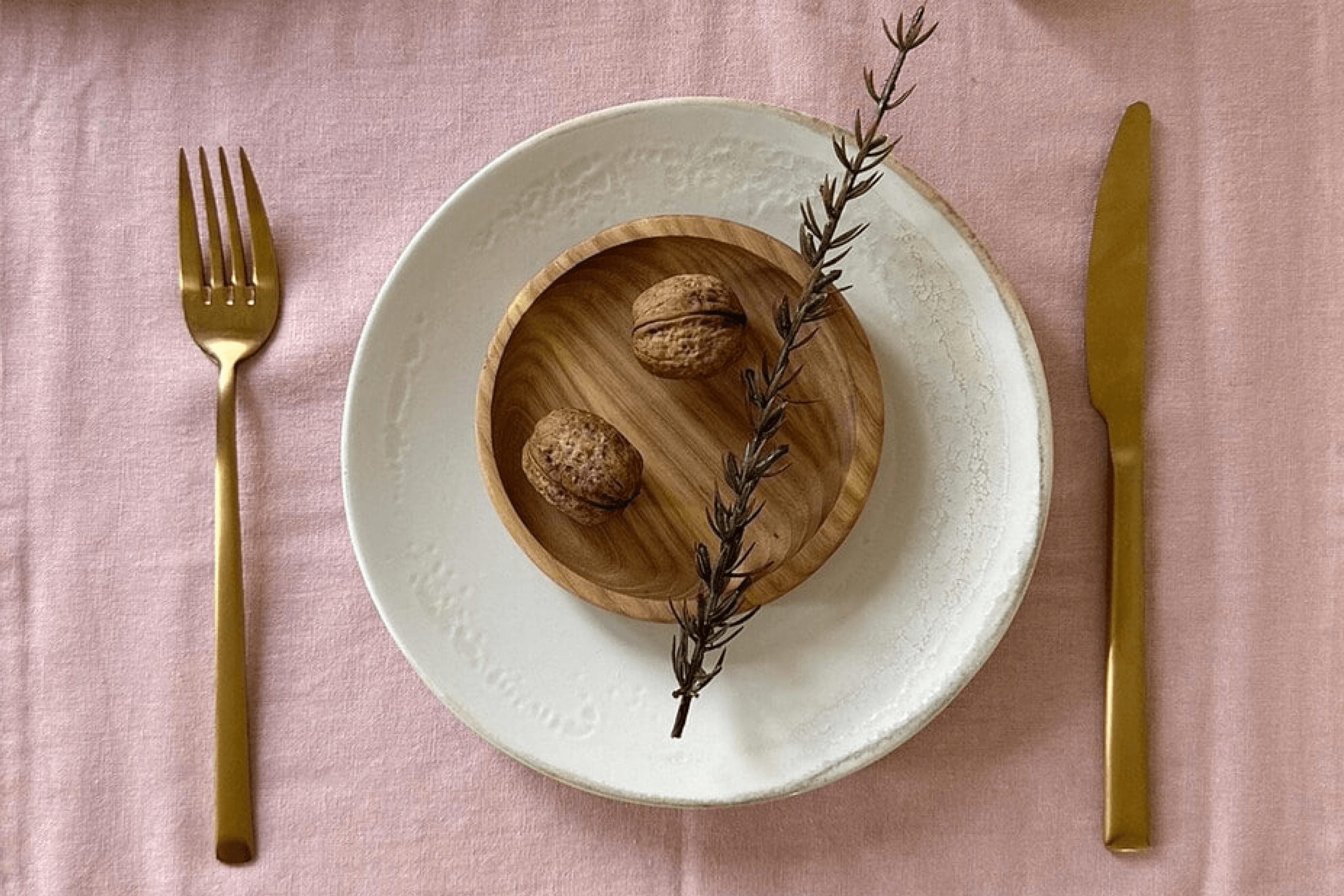
Photo: Touchable Linen / YBBP
What do you think made Touchable Linen “take off”?
Before Christmas, I made bright red napkins, while most people were selling pastel beige ones. They stood out; people noticed them in their feed, and on the third or fourth day after the launch, I got the first order. After that, the process took off on its own.
I immediately defined a development strategy: start with a low-cost product that people would be more willing to buy from a shop without reviews or advertising, and grow gradually. I initially priced the napkins at just $1–$2. I gradually expanded the line, first with tablecloths and placemats, then curtains and bedding. Even later, I ventured into clothing. While the clothing line was received very well, it requires significant investment and complex production, which is a separate challenge.
Why did you decide to work specifically on Etsy?
I wanted to enter the international market; for some reason, I thought the Ukrainian market would be harder to navigate. I looked for platform advice in Facebook business groups, but the guidance was strange. Things like hanging red underwear on a chandelier for successful sales, for instance.
I stumbled upon Etsy by accident while searching for a platform via Google. I taught myself how to use it through trial and error. It turned out not to be that difficult. First, you figure out the interface, and then you constantly test and analyze what works and what doesn’t.
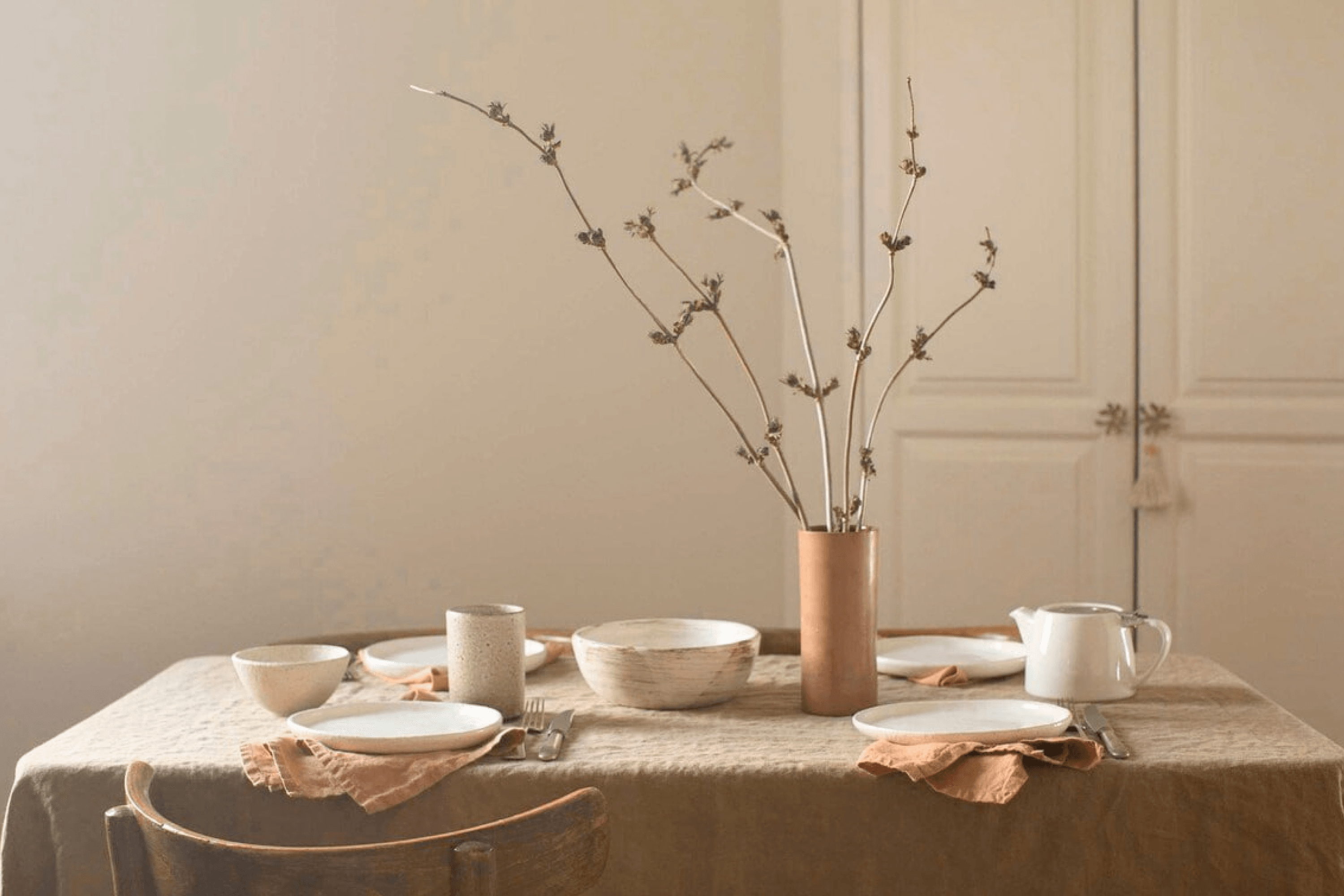
Photo: Touchable Linen / YBBP 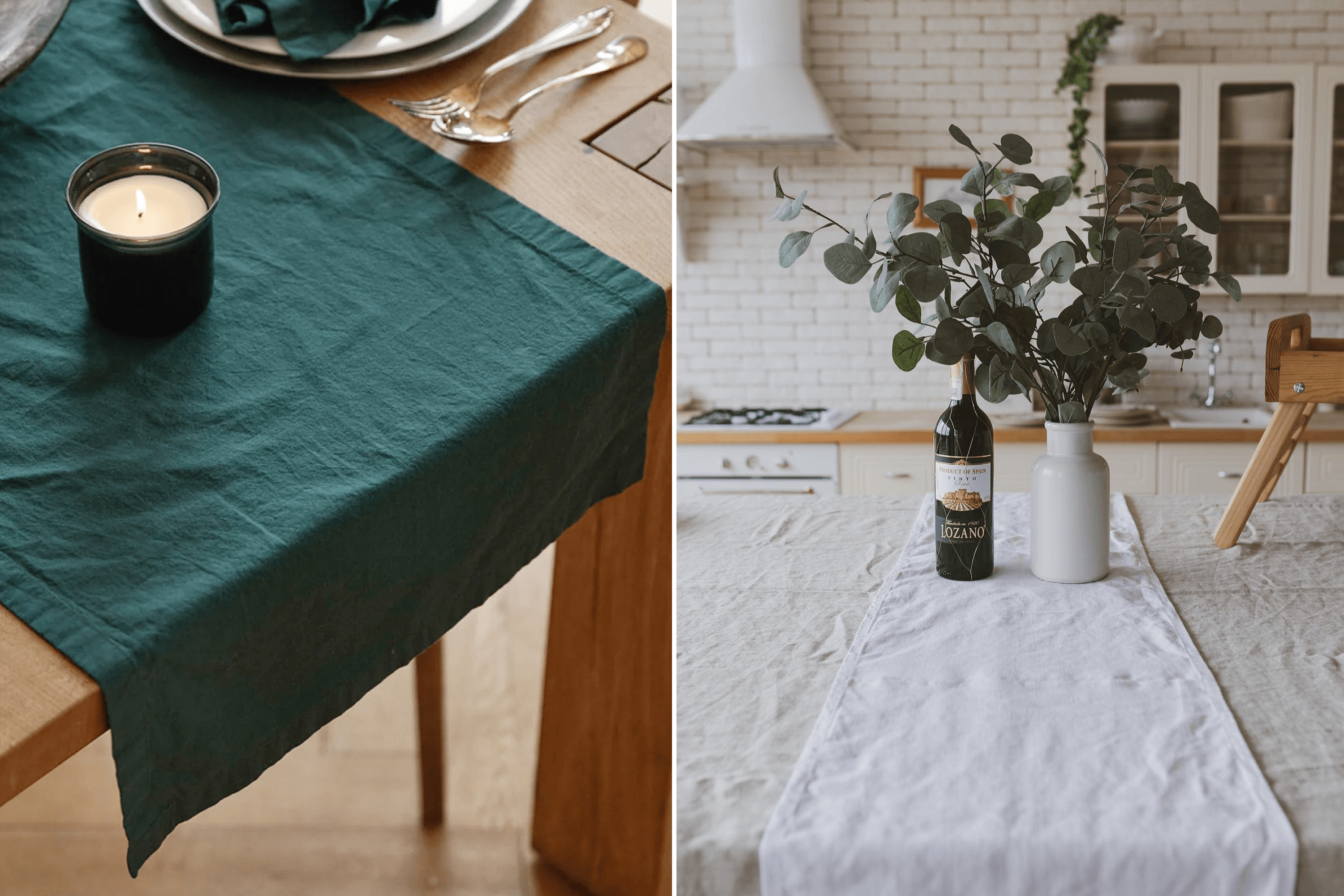
Photo: Touchable Linen / YBBP 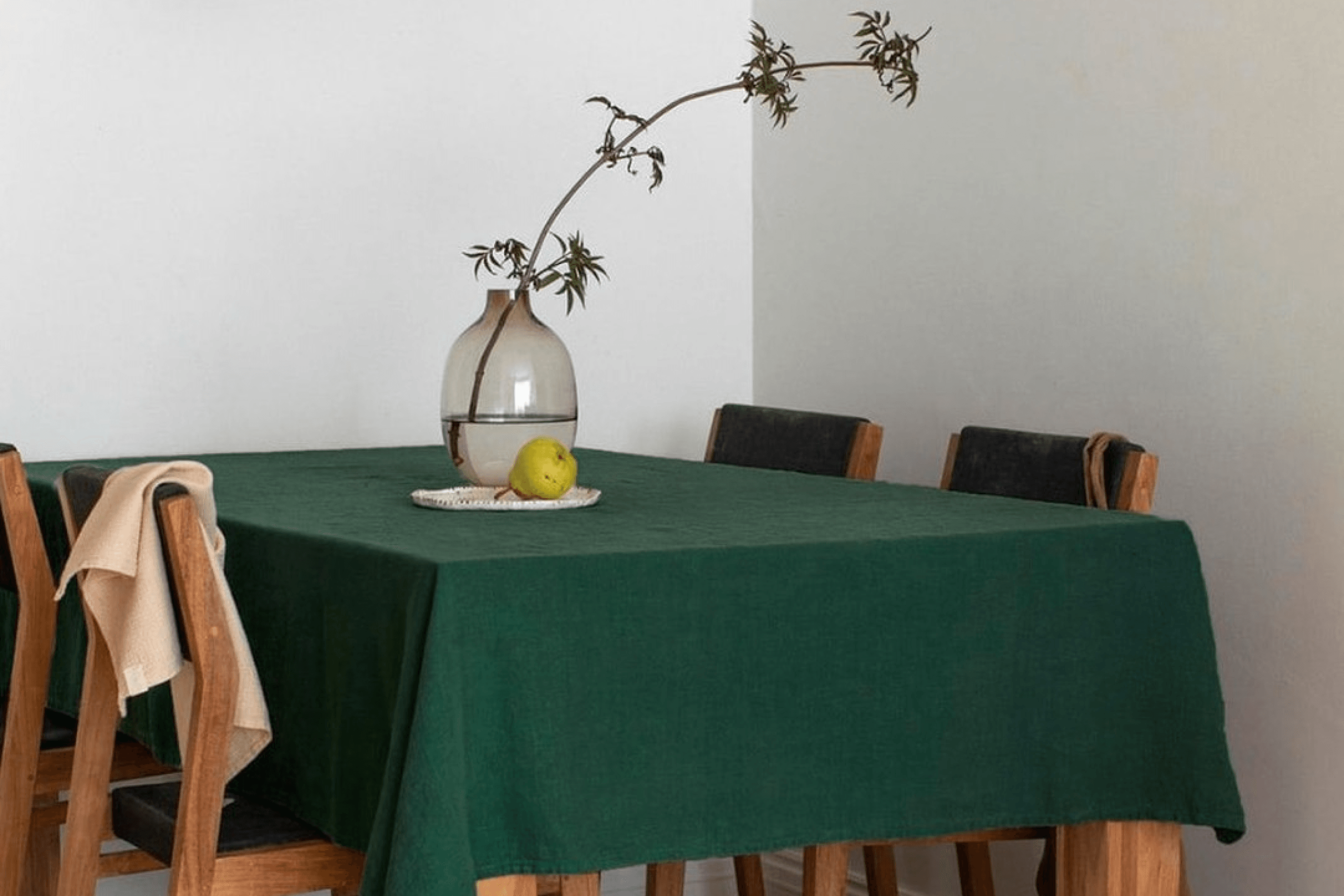
Photo: Touchable Linen / YBBP 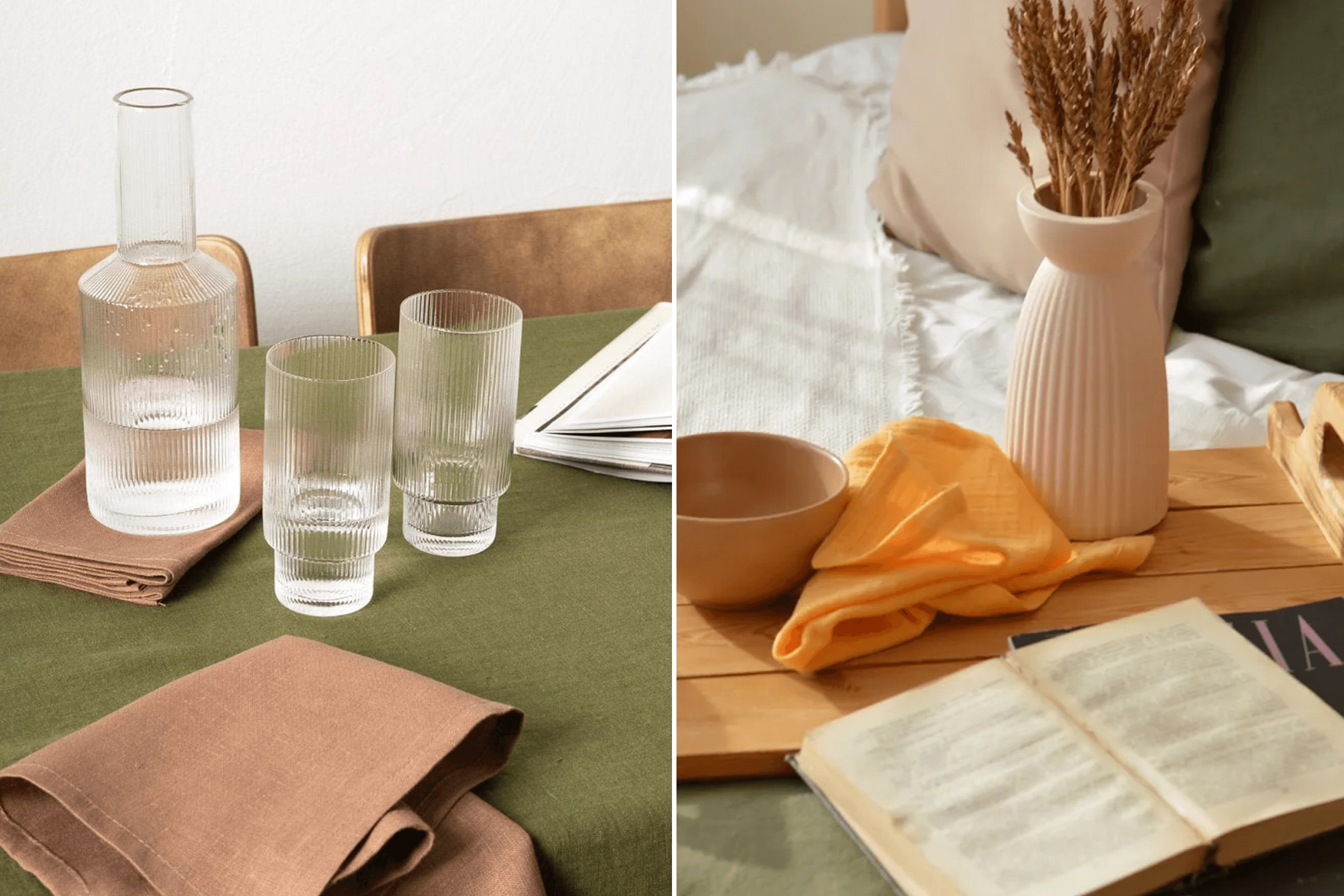
Photo: Touchable Linen / YBBP 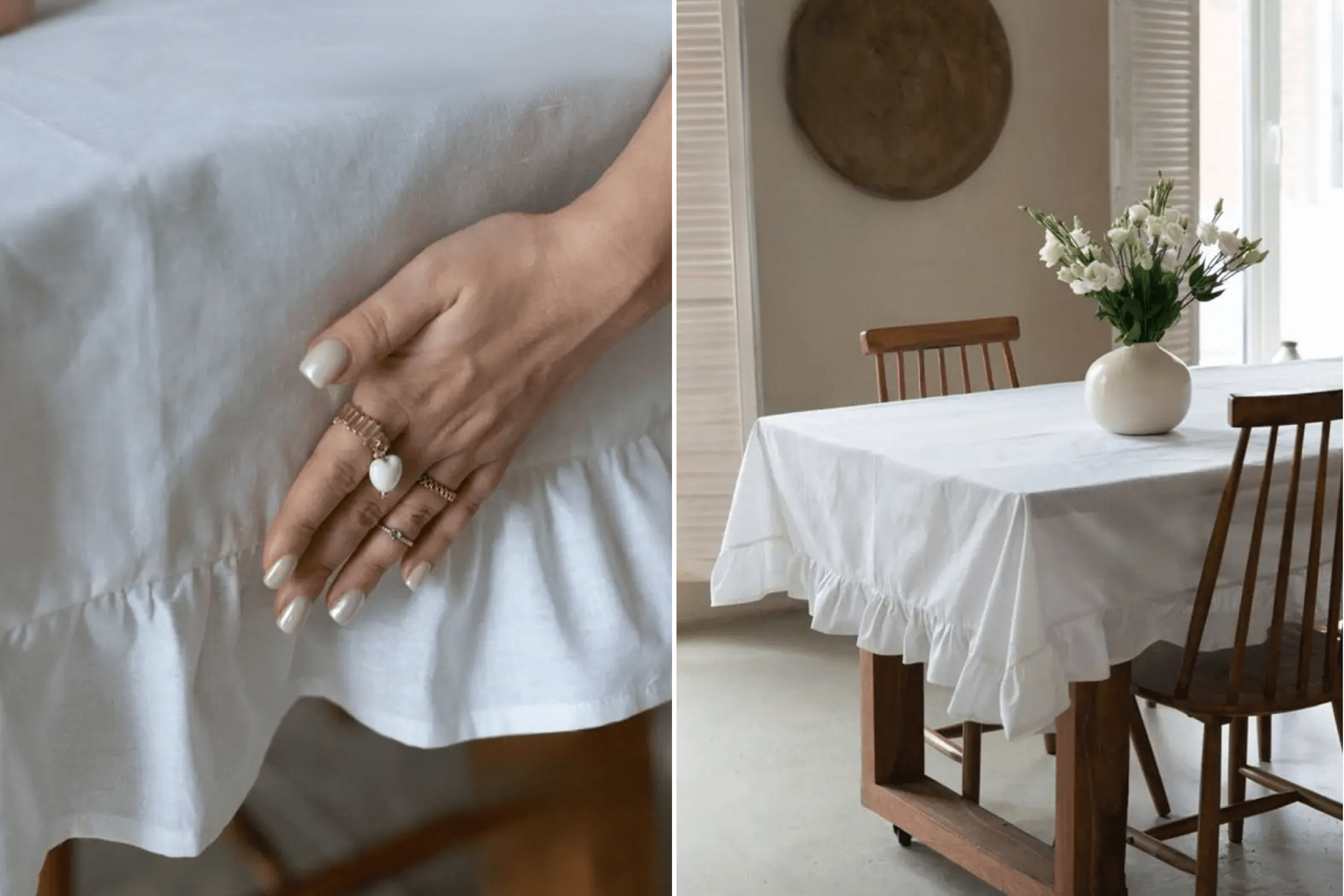
Photo: Touchable Linen / YBBP
Did you use Etsy’s internal advertising, Etsy Ads? How useful is it?
I enabled Etsy Ads immediately after the first sale and haven’t turned them off since. Etsy sets individual daily advertising budget limits based on the size of the shop—mine is $500. I typically set an average of $30 per day, and the system either utilizes the full amount or it doesn’t.
It’s definitely an effective tool. Of course, some products sell well situationally without advertising, but others are held up exclusively thanks to it. Moreover, these can be the same products during different periods. You simply can’t get far on organic traffic alone; visibility is crucial for brand growth.
Your Etsy shop has been blocked. Why did this happen?
It was blocked a few times, but they were mostly due to technical issues. The first time was when I was on vacation, and a customer started a chat with me. According to the platform’s rules, there are three days to respond. I missed the deadline, and the shop was blocked. However, I wrote to support, and they quickly restored it.
The second time I was blocked was at the beginning of the full-scale invasion. At that time, Etsy automatically put all Ukrainian shops “on vacation.” When we realized we were ready to resume sales, I just clicked the “exit vacation” button.
What advice would you give to Ukrainian entrepreneurs who want to work on Etsy?
The first thing is to calculate the product cost and set an adequate price. Too often, craftspeople set prices by “the rule of thumb,” which is very detrimental. When orders pile up, there isn’t enough money left over for materials, advertising, or expanding staff. All of this needs to be properly factored into the product cost.
The second thing is to create a clear development plan for the shop. You need to analyze the market and truly understand what potential customers want. The third thing is to delegate everything possible—otherwise, you simply won’t be able to scale the business. And the fourth is to constantly improve the product, always thinking about the benefit for the customer and the emotion they receive. That’s how you build repeat business.
In my experience, 10–15% of customers return to us. For my niche, that’s normal—bedding and textiles aren’t bought every month. I even have a customer from Canada who placed several orders before the full-scale invasion. During the invasion, she simply started reaching out humanely, asking how we were and if we were safe, and sending photos of her dogs. Now she continues to buy our products and sends a gift for my daughter’s birthday every year. I’m just about to send her an order now and plan to add a few small gifts to it.
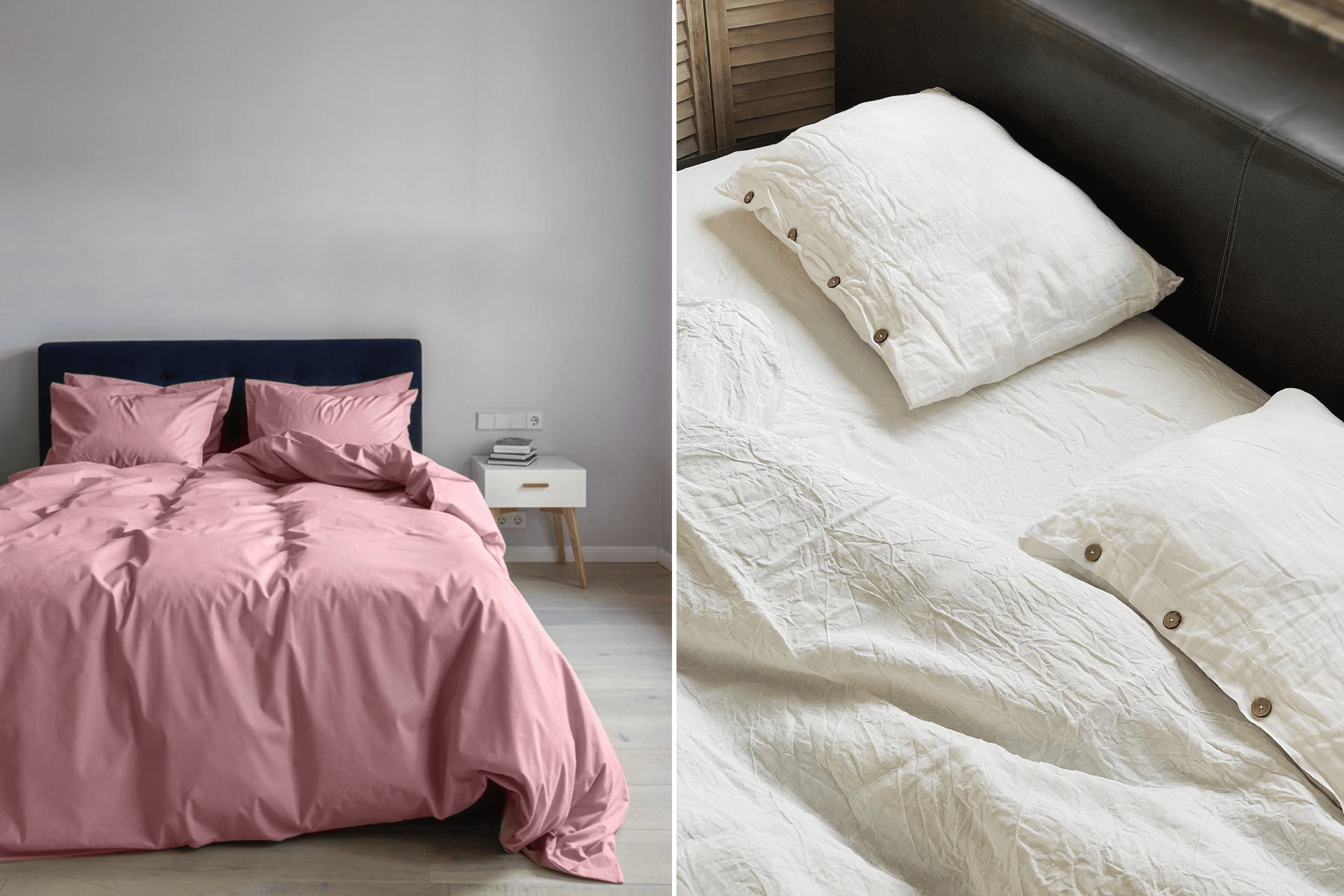
Photo: Touchable Linen / YBBP 
Photo: Touchable Linen / YBBP 
Photo: Touchable Linen / YBBP 
Photo: Touchable Linen / YBBP 
Photo: Touchable Linen / YBBP
Is Etsy the only platform you work on? If not, which platform brings in more money?
Besides Etsy, we have our own website for customers and also work on Faire, a platform that specializes in wholesale orders. While our Faire customers are mostly from Europe, the platform takes a high 25% commission and requires us to set lower prices than on other marketplaces since it’s wholesale only. We are gradually winding down this venture as a result.
We considered entering Amazon but abandoned the idea. They have overly complex terms and a difficult registration process. We’d have to learn the Amazon model from scratch, and we simply aren’t ready for that steep learning curve yet. Therefore, Etsy remains our core platform. Over six years, our cumulative turnover is $1,126,000 on Etsy, $58,000 on our website, and about $28,000 on Faire.
What was the number of orders when you just started the business, and what is it now?
At first, it was 1-2 orders a day; hitting three orders was a dream that only occasionally came true. After six months, I had made 500 sales, which means about 80 per month. Then, in 2020, there was a sharp jump: from 500 sales in April to 1,000 in May. The pandemic clearly had an impact—people were sitting at home, wanting coziness, and demand surged. That’s when I first realized I had to start looking for a team because I couldn’t handle the volume myself anymore. Now, order volumes depend on the season and advertising spend: sometimes it’s 10–20 orders a day, sometimes just one. On average, we process about 5–6 orders daily.
Photo: Touchable Linen / YBBP 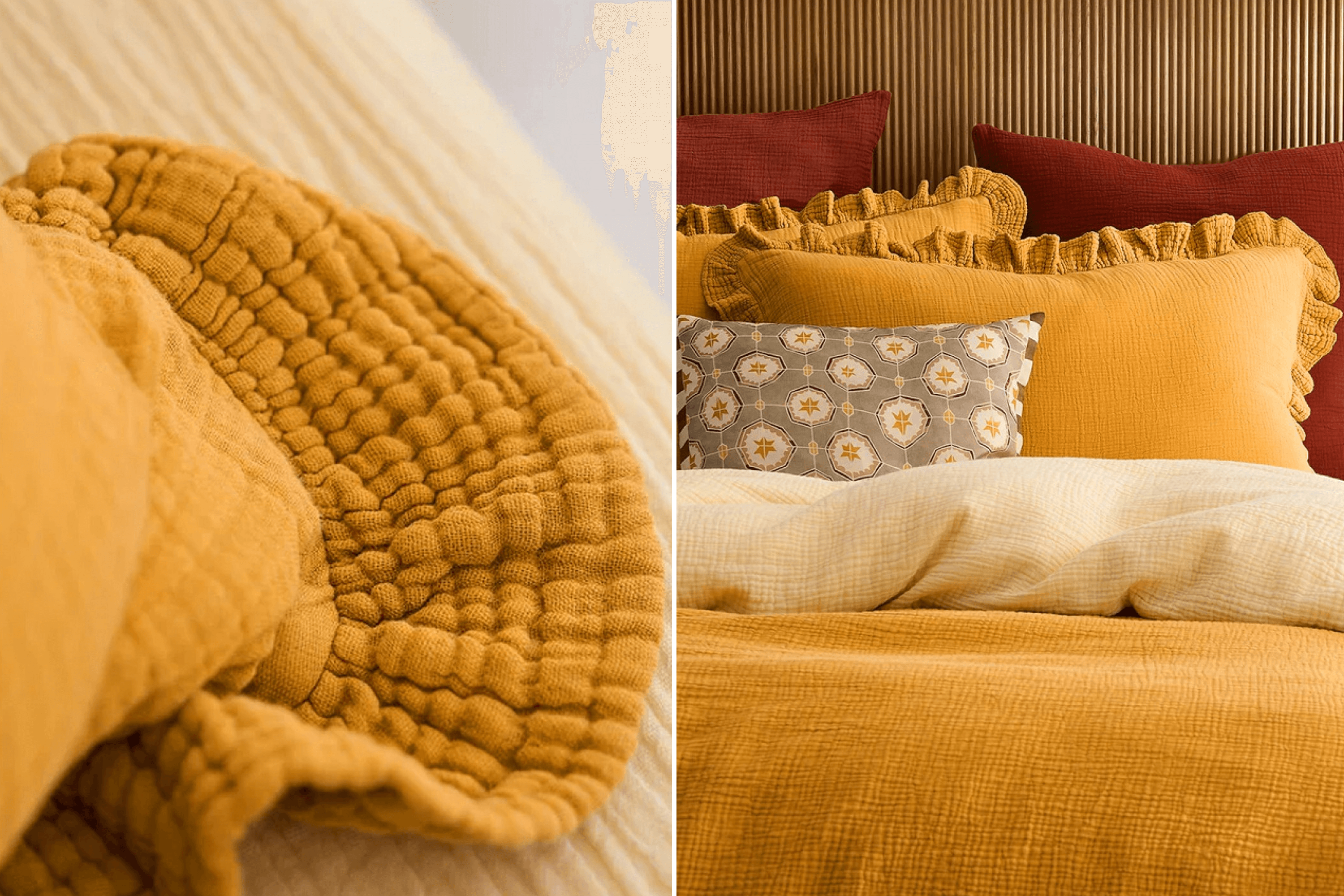
Photo: Touchable Linen / YBBP 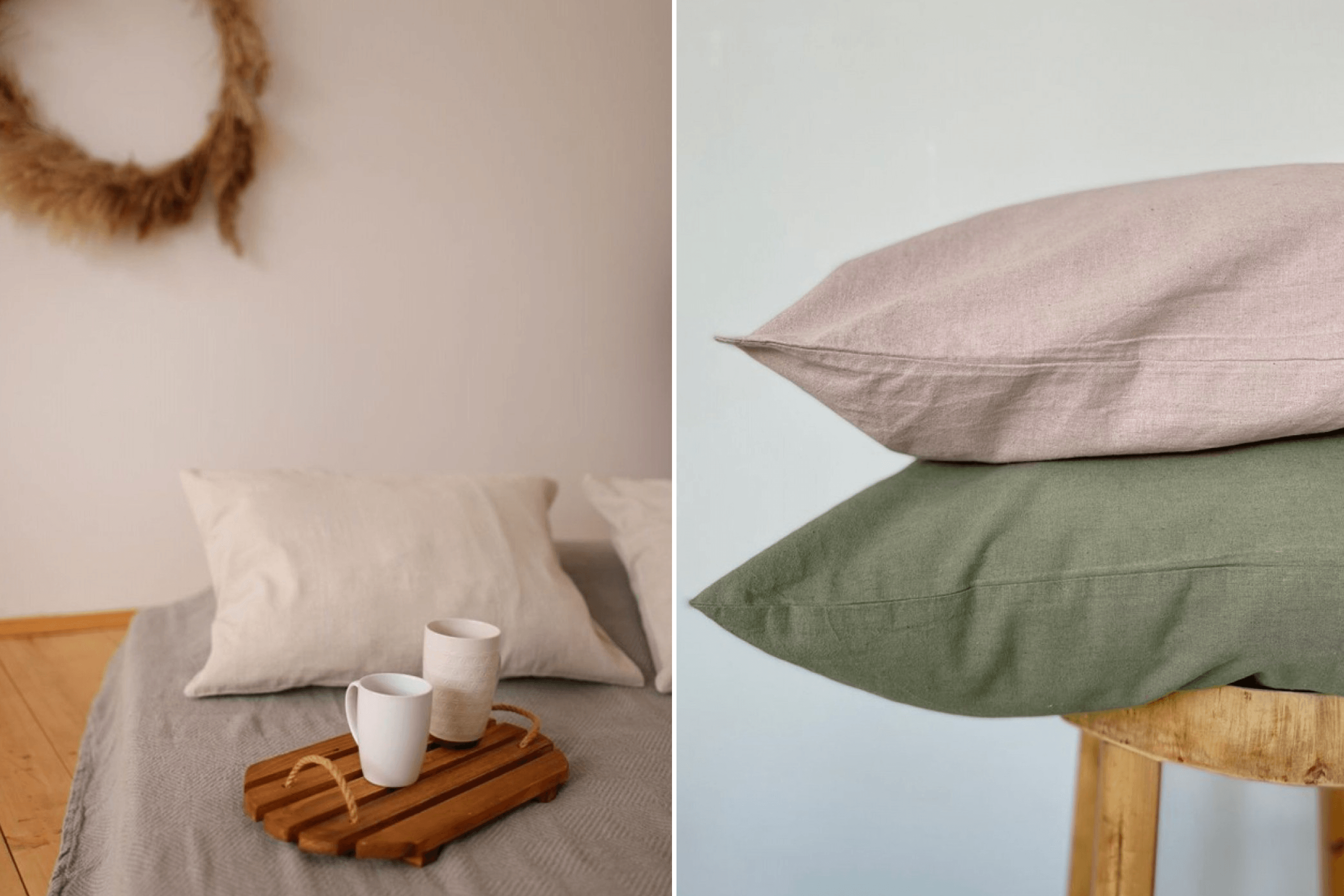
Photo: Touchable Linen / YBBP 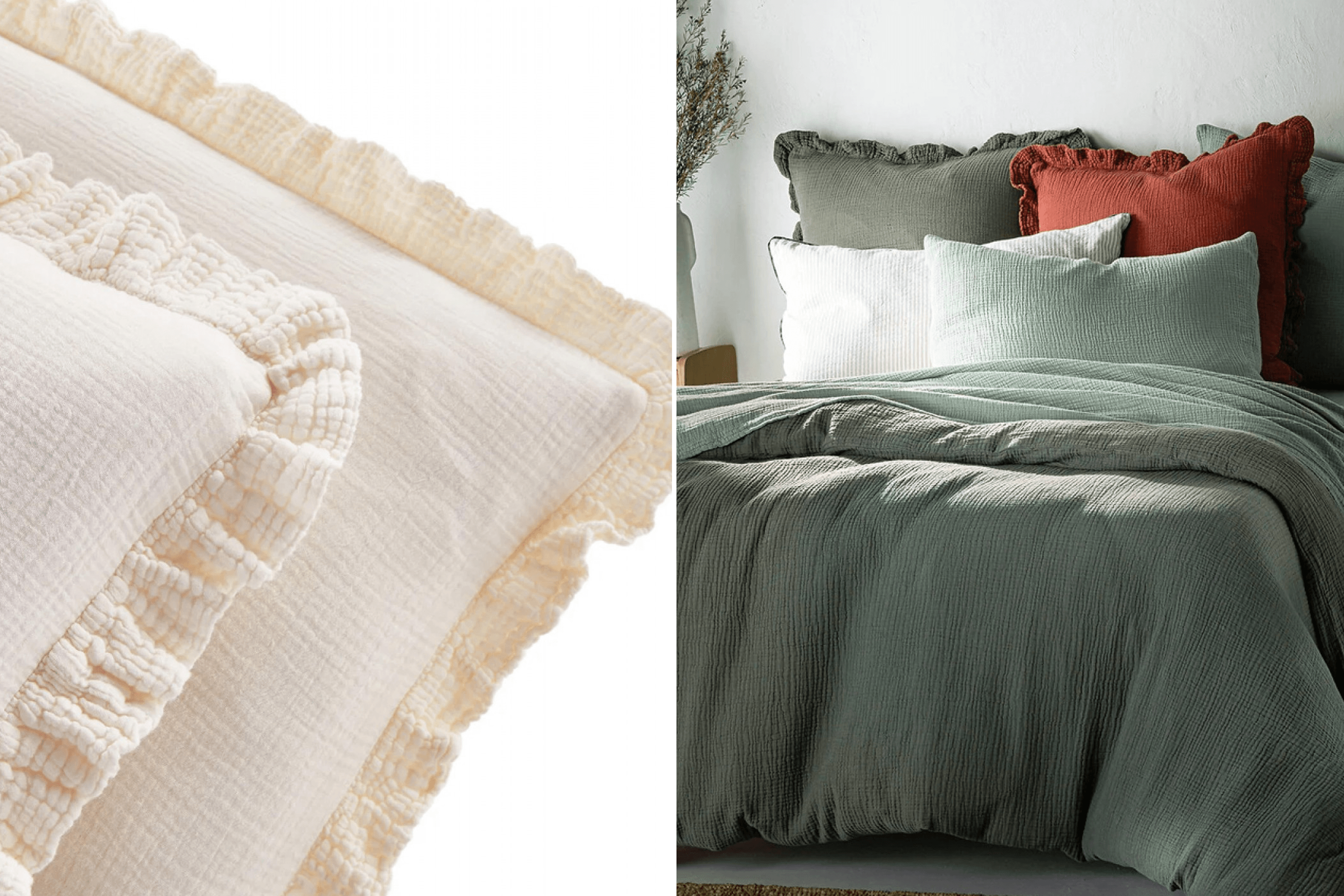
Photo: Touchable Linen / YBBP 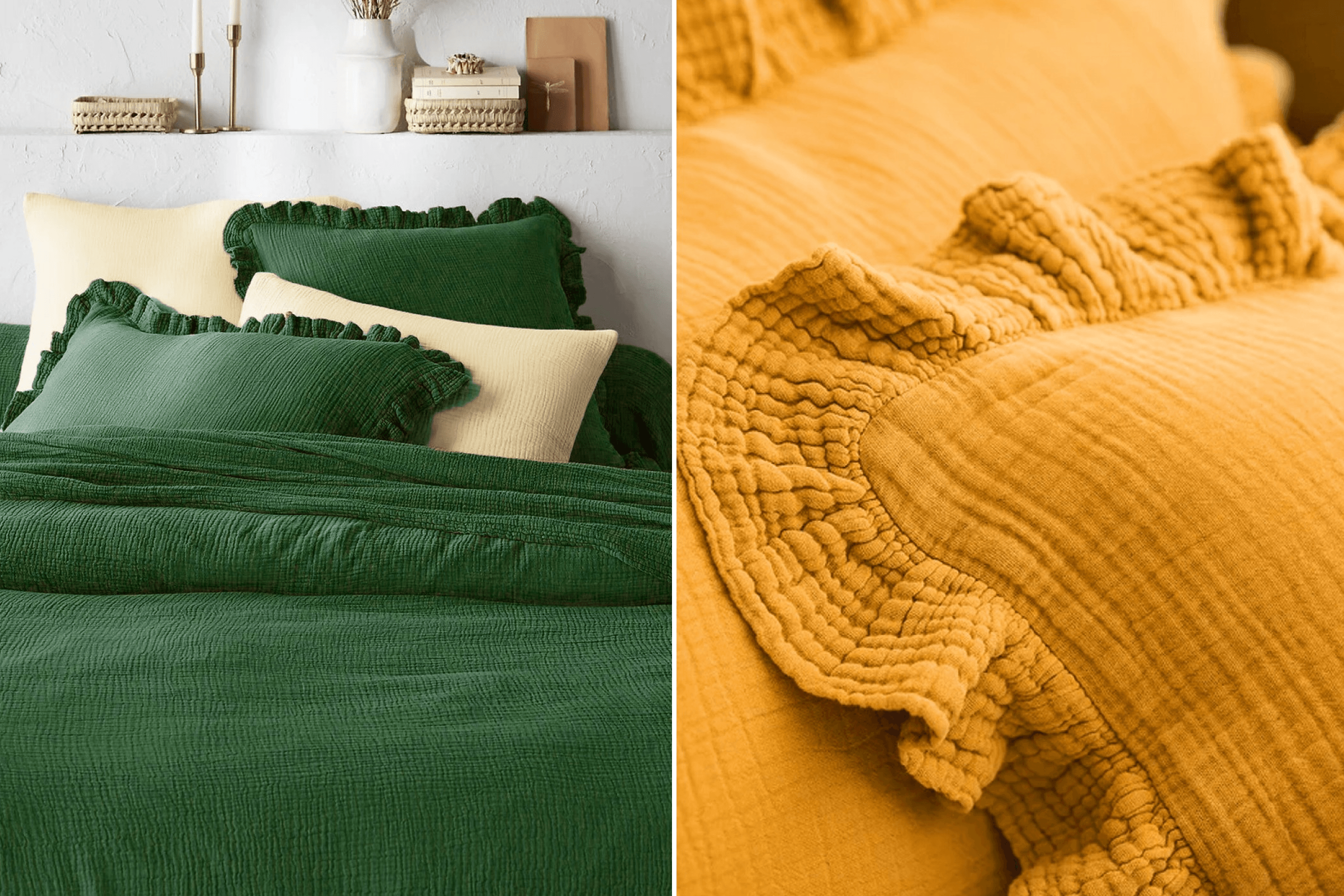
Photo: Touchable Linen / YBBP
How did expanding the team affect the business?
Honestly, I should have looked for people much earlier. But when you have little business experience, delegating work is difficult. It feels like no one will do it better than you. Plus, there’s the fear: you have to pay salaries, but what if the orders dry up?
Within a month, I found three seamstresses who worked from home. I was finally able to spend more time on the shop—before that, I was sewing all day and working on the shop only at night. The major growth began precisely after hiring the team. From May to August 2020, we increased our monthly sales volume to 2,000 orders.
Where are your customers from? And how do they react to the brand’s Ukrainian origin? Is it important to them?
90% of our orders are from the USA. The rest come from Canada, Australia, and Europe. Before the full-scale invasion, our origin didn’t seem to affect anything at all. But after it began, the situation changed dramatically. We didn’t sew or ship anything for a month. I truly thought the business wouldn’t recover—though, of course, that wasn’t the biggest problem we faced.
At that moment, our Ukrainian origin saved us. Customers from abroad started placing orders and writing that we didn’t even have to send the goods. We collected about $1,000 through such “donations,” and thanks to this, we managed to pay salaries to the seamstresses and survive that month of downtime.

Photos from Touchable Linen customers. Photo: Touchable Linen / Instagram / YBBP 
Photo: Touchable Linen / Instagram / YBBP 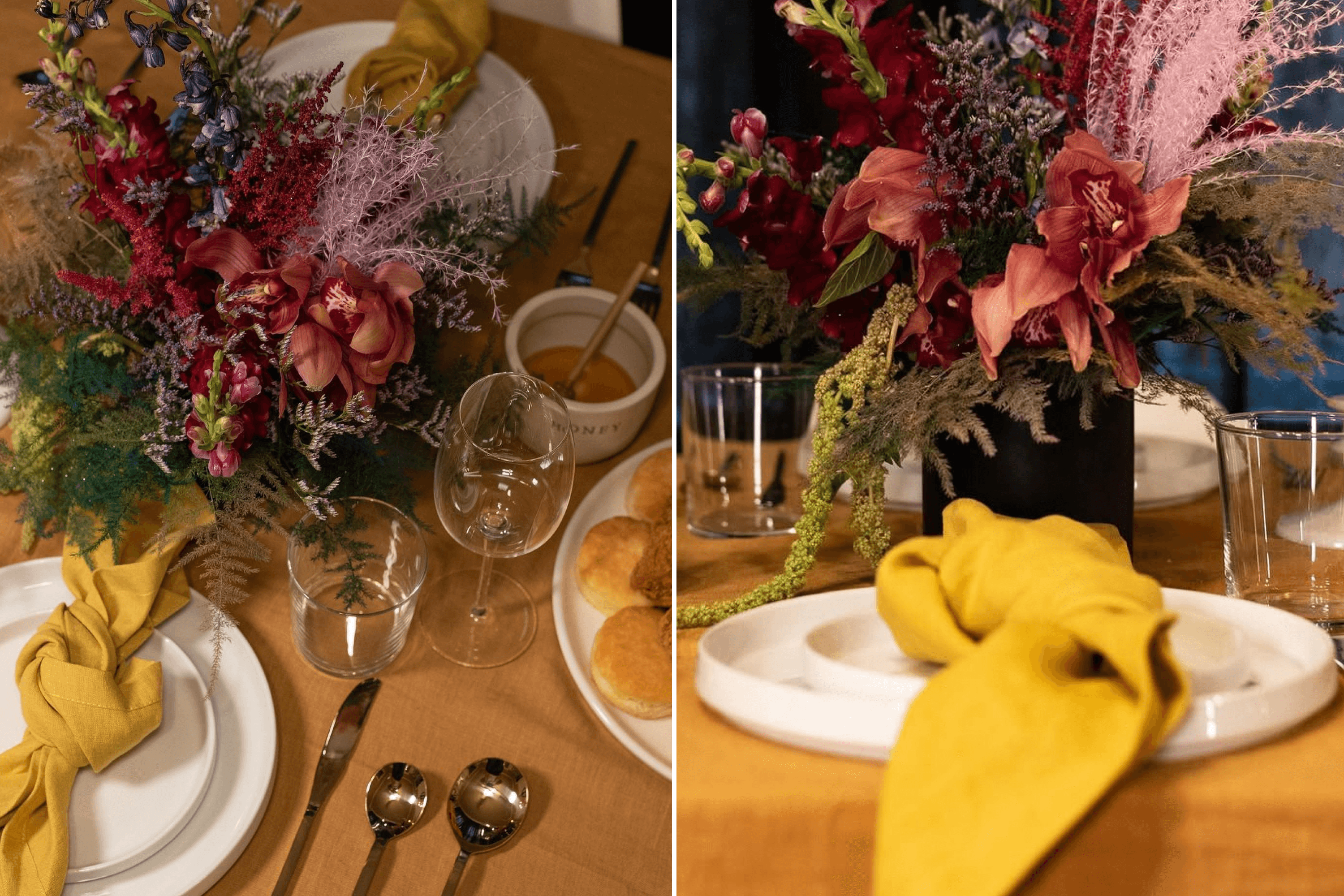
Photo: Touchable Linen / Instagram / YBBP 
Photo: Touchable Linen / Instagram / YBBP 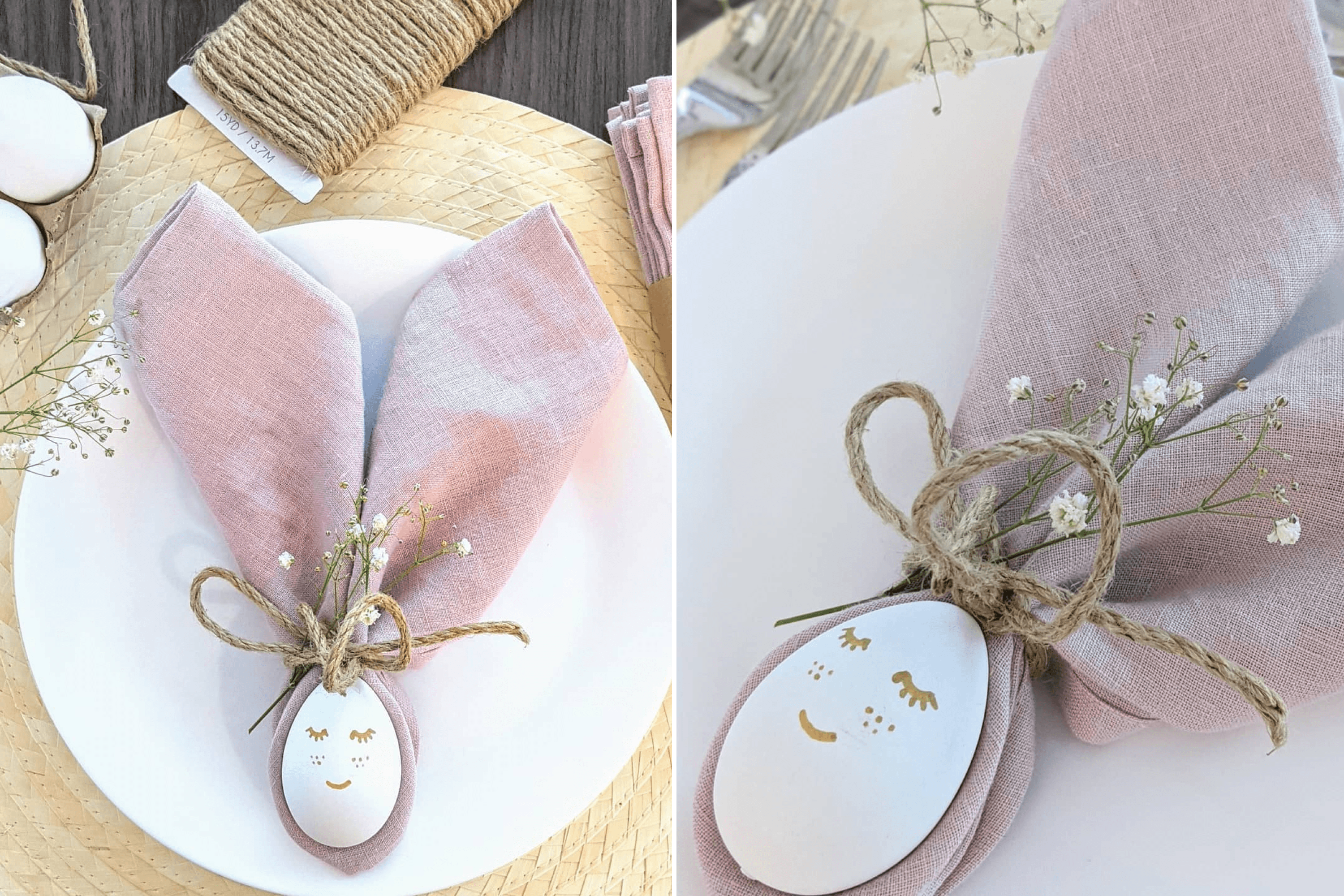
Photo: Touchable Linen / Instagram / YBBP
Is there a difference for you between orders from the USA and Europe?
Absolutely none. But there are countries where we do not deliver goods. For a while, it was France as it’s hard to negotiate with the French — perhaps because of some peculiarities of the mentality. Now, it’s Germany, as they have complicated packaging compliance rules.
It’s more convenient to work with the USA because shipping there is cheaper. We operate in that market through a specialized intermediary: we send all orders consolidated, the intermediary delivers them to a warehouse in the USA, and from there, the parcels are sent to customers' addresses. This process is very efficient. There are no such reliable intermediaries in Europe, so we send parcels there via Ukrposhta.
Did the new tariffs introduced by Donald Trump affect your business?
They did, and very significantly. A month and a half beforehand, I intuitively raised prices by 10%; that increase is now essentially going toward covering the new tariffs. Customers were also scared at the time. Many wrote, “Please send us the order before April 9 [the first date the new tariffs came into effect],” because they thought they would have to pay the tax separately upon delivery.
The situation is clearer now, but it’s still an unavoidable additional expense. For example, when I send $4,000 worth of goods to the States, I now have to pay an extra $400 for the duty upfront. There have also been delays as transport companies adapt to the new rules. We are still calculating whether that initial price increase truly covers the new costs, or if we will need to implement another increase. I hope the situation stabilizes by the Christmas peak season so we can plan more easily.
Why might another price increase be needed? After all, you have already raised them by 10%, which is the size of the tariff for Ukraine.
Not all of that 10% price increase stays with us. Part of it goes to cover Etsy’s commission—that’s about 6.5%, plus another 6% for the order processing fee, and a $0.30 fee for each transaction. So, about 12.5% of one order goes directly to commissions and fees. My additional 10% no longer matches the real amount of expenses.
During peak seasons, especially before Christmas, transport companies also raise their prices. Plus, sometimes the new tariff system itself operates unclearly. It happens that we have already paid the 10% tariff, but we are charged this payment again. These are seemingly small amounts, but they accumulate quickly, and the total is a significant figure.
How many employees are in your company now?
The exact same number as before—three seamstresses, and I manage the shop. But there was a period when we had more people. In January 2024, I rented premises in Kyiv to open a production facility. I was only able to fully staff it by the end of spring. We had to train new employees. Moreover, it turned out that an additional person was needed for administration—to ensure everyone worked as a team, didn’t argue, and avoided misunderstandings. I had neither the opportunity to hire such a person, nor the desire or energy to do it myself.
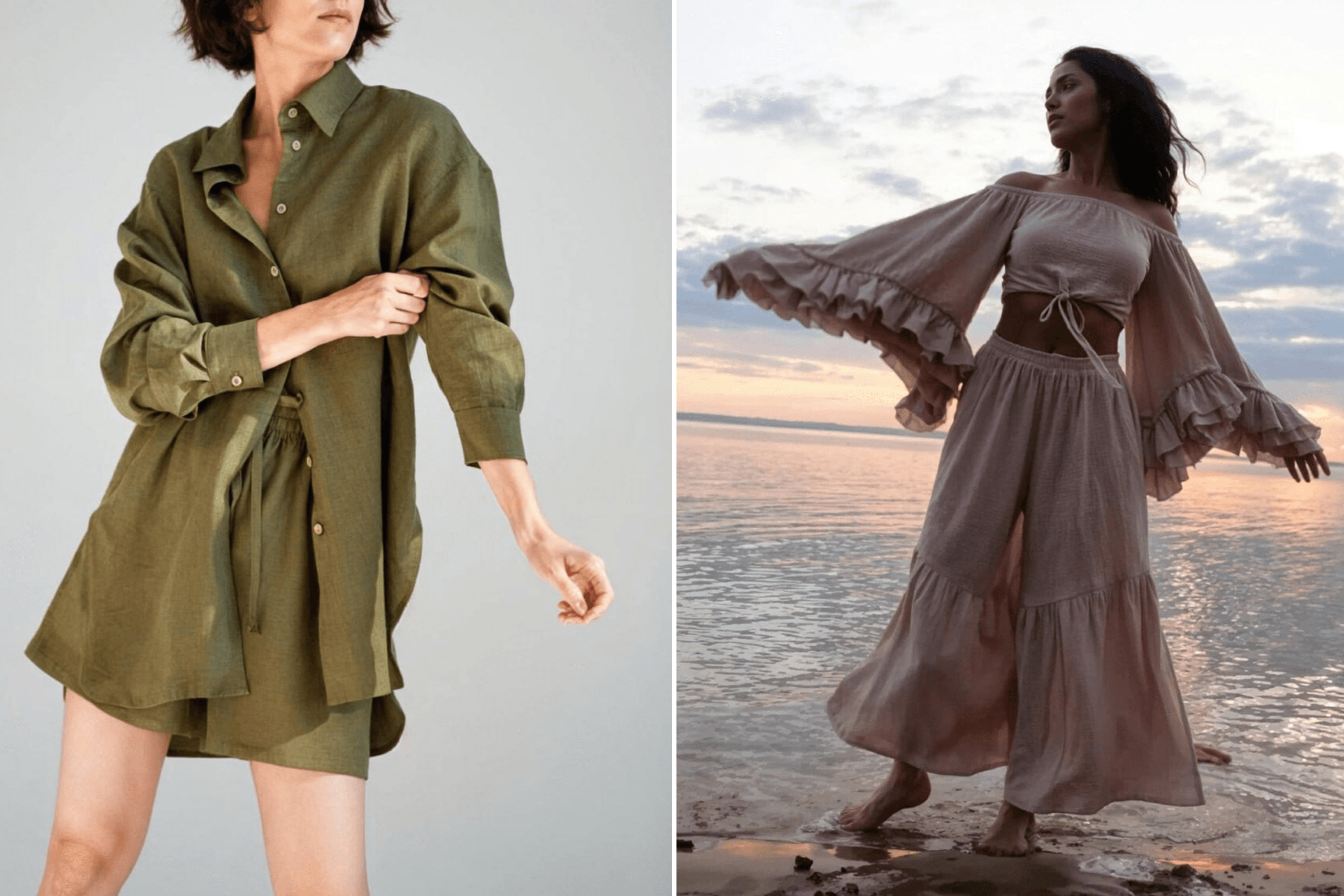
Photo: Touchable Linen / YBBP 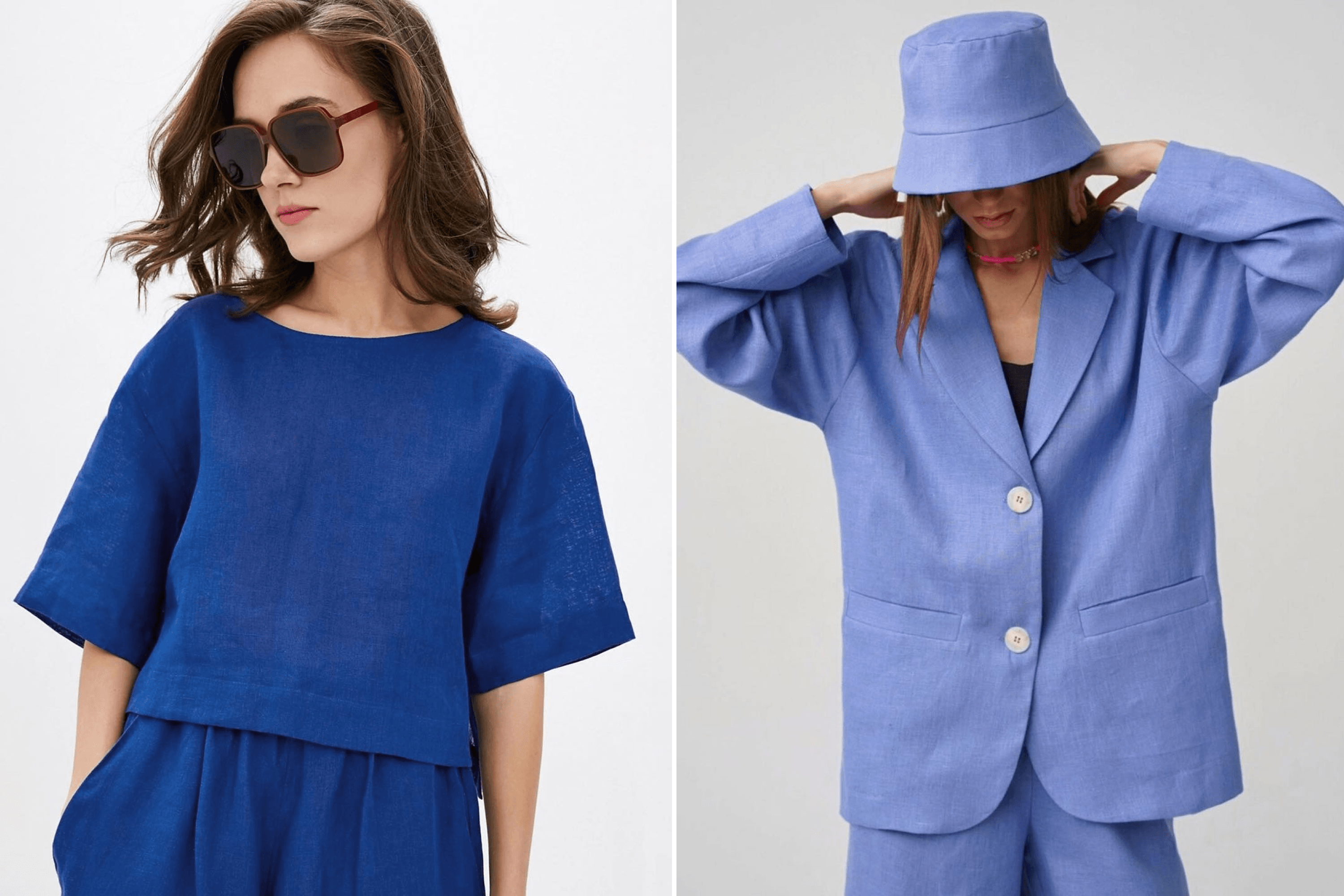
Photo: Touchable Linen / YBBP 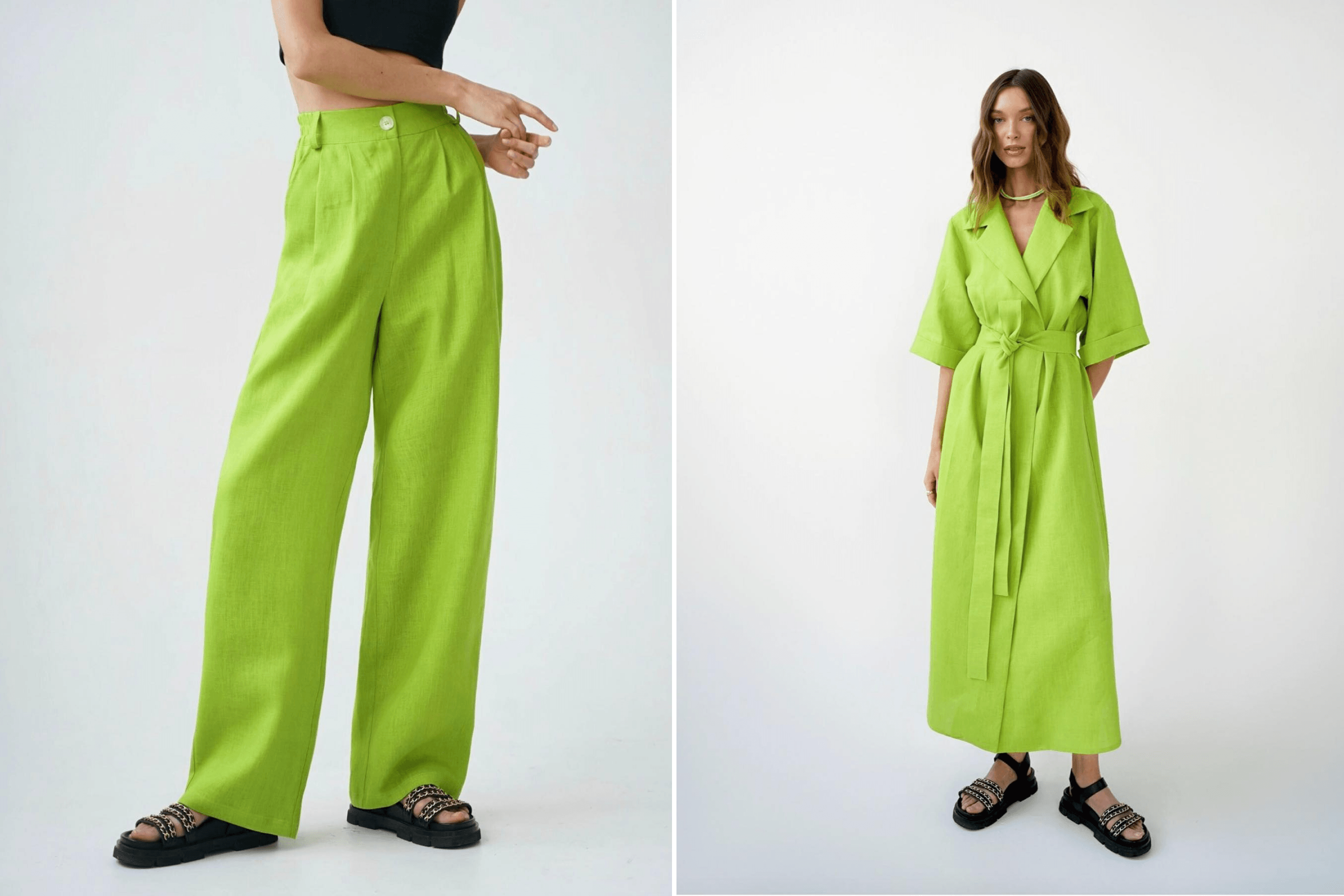
Photo: Touchable Linen / YBBP 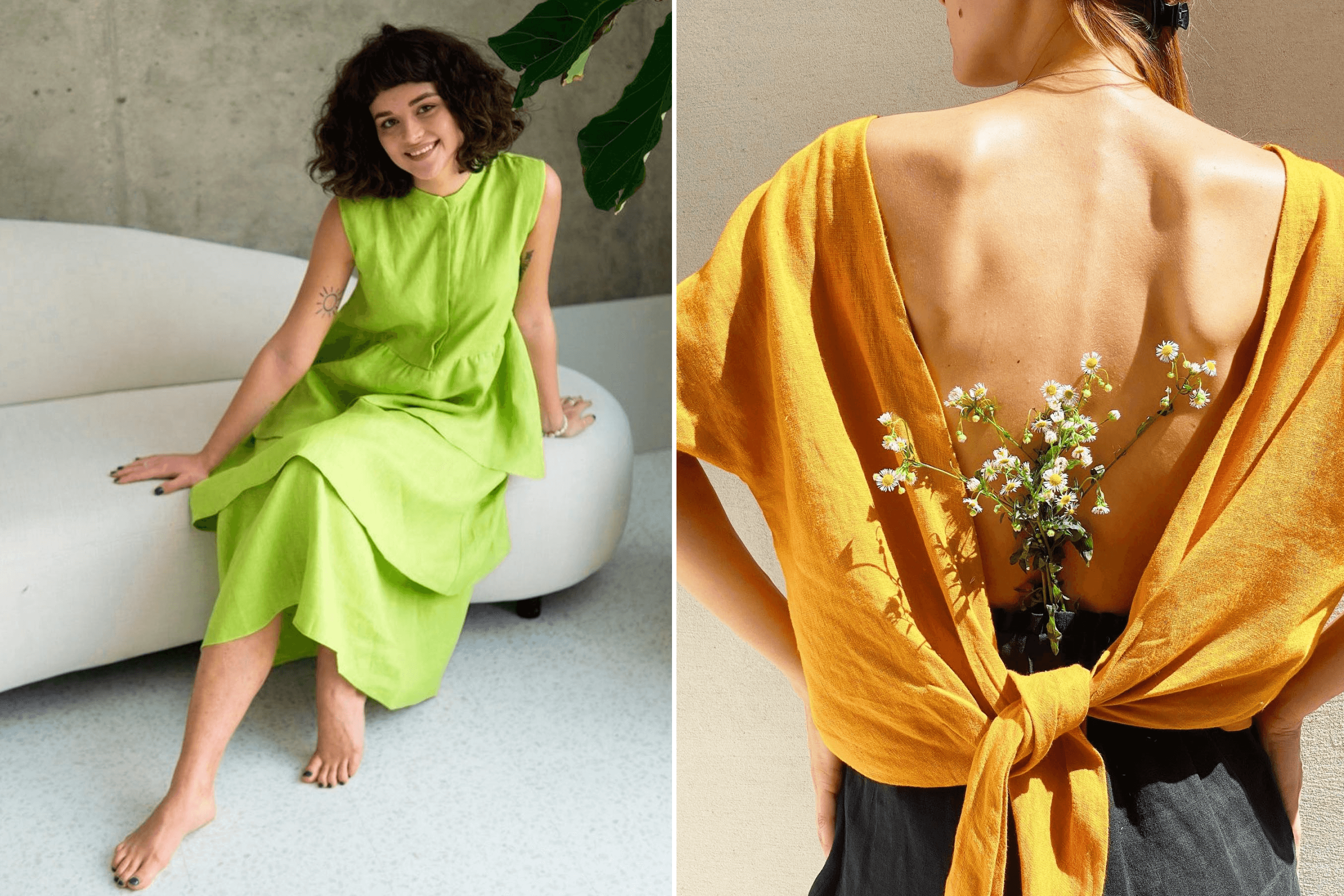
Photo: Touchable Linen / YBBP 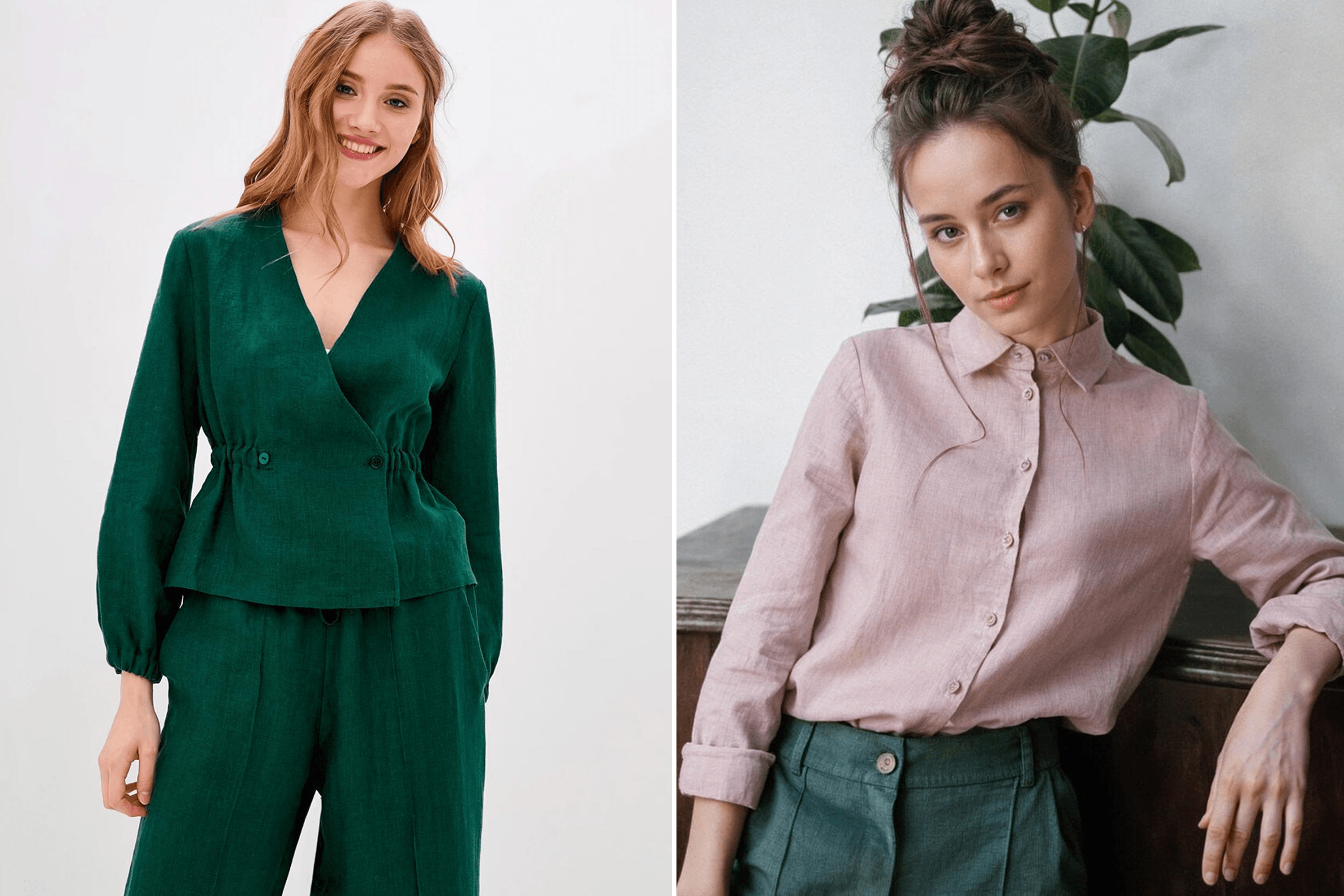
Photo: Touchable Linen / YBBP
We did work in this format for a few months: one cutter, six seamstresses, and two managers. The number of orders increased, but we were unprepared for the scale: the new people were still learning, which led to delays and a rise in negative reviews. Eventually, sales started to decline, and at some point, there wasn’t enough work. So, I sent some of the employees home; three seamstresses and the cutter remained at the production facility. The offline production existed for a year, and then we returned to the format with three seamstresses working remotely from home. It’s more profitable and convenient.
How much did it cost to open the production facility, and what figures did it reach over the year?
I thought I would spend about $3,000. I budgeted for a few sewing machines at 30,000–40,000 UAH each, but I didn’t take into account the need to buy shelving, tools for the seamstresses, mannequins, and countless small items. Eventually, the opening cost about $7,000–$9,000.
The production facility turned out to be unprofitable. We lost about $5,000 in total because, besides the initial investments, there were unforeseen expenses. For example, due to blackouts, we had to buy a generator and diesel fuel. Here, by the way, the remote work format also proved to be more effective. When there was no electricity in Zaporizhzhia, there was in Mykolaiv, and 1–2 seamstresses could always work. [Also at the facility] we had to stop production during air raids. There’s no such problem with remote workers either.
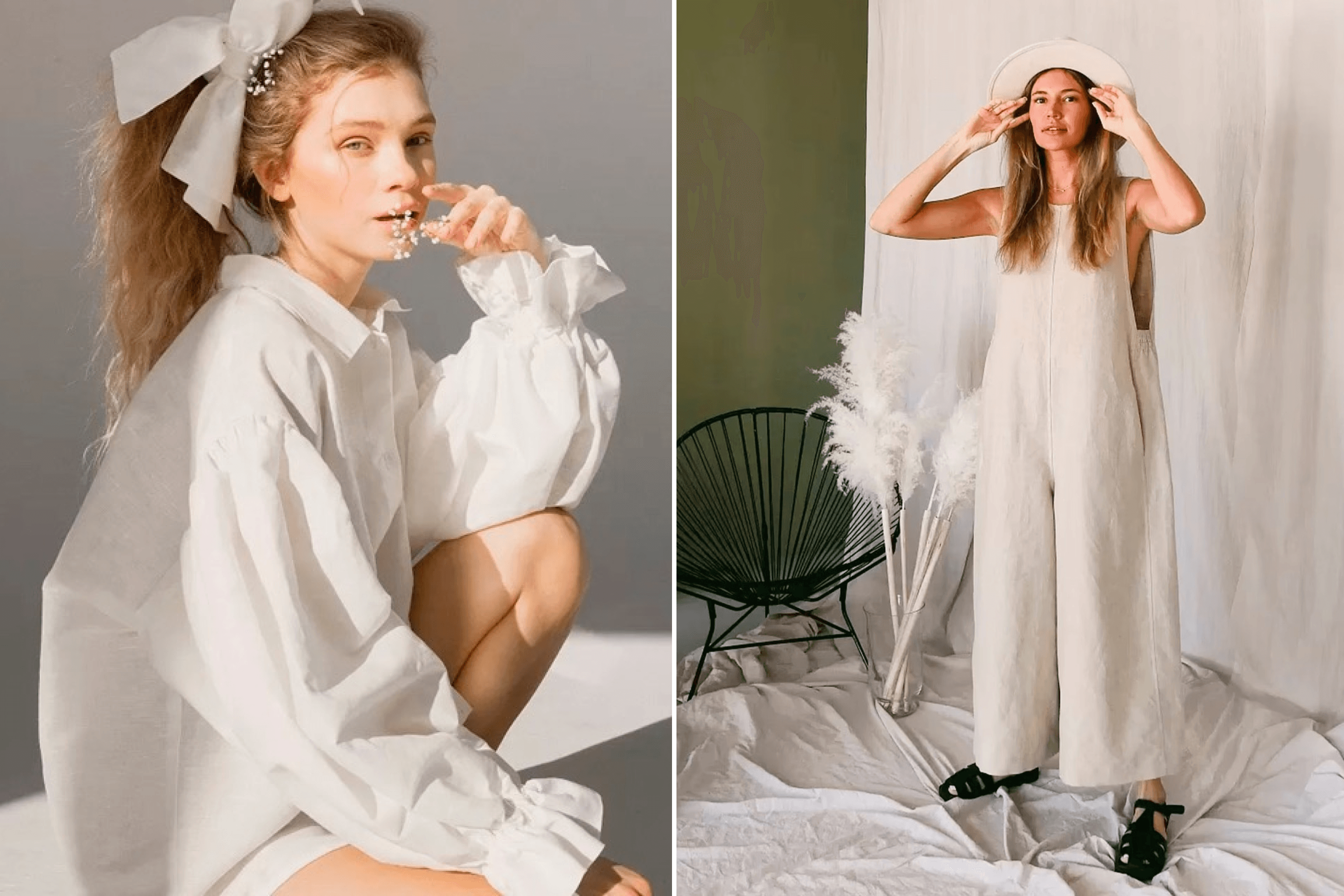
Photo: Touchable Linen / YBBP 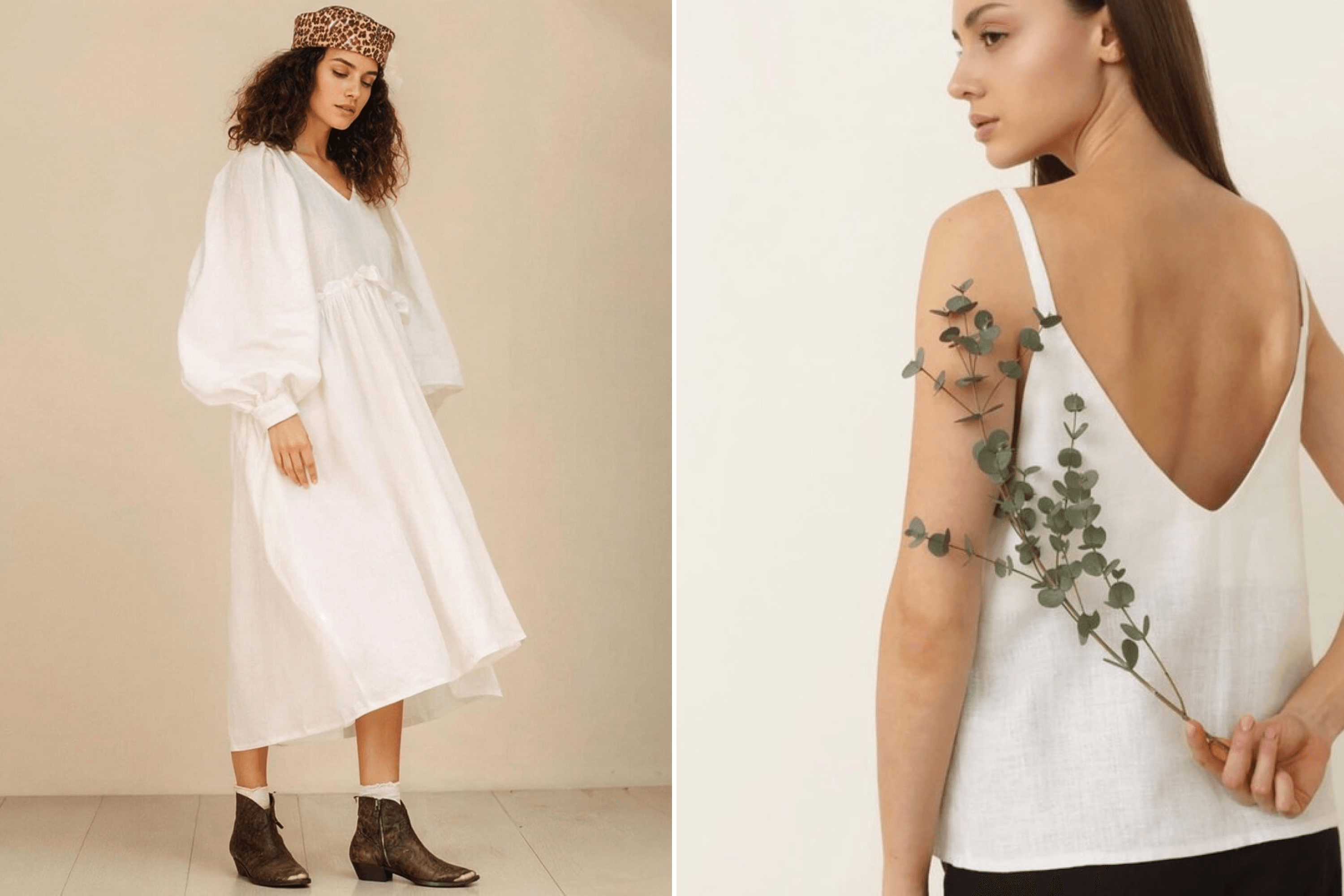
Photo: Touchable Linen / YBBP 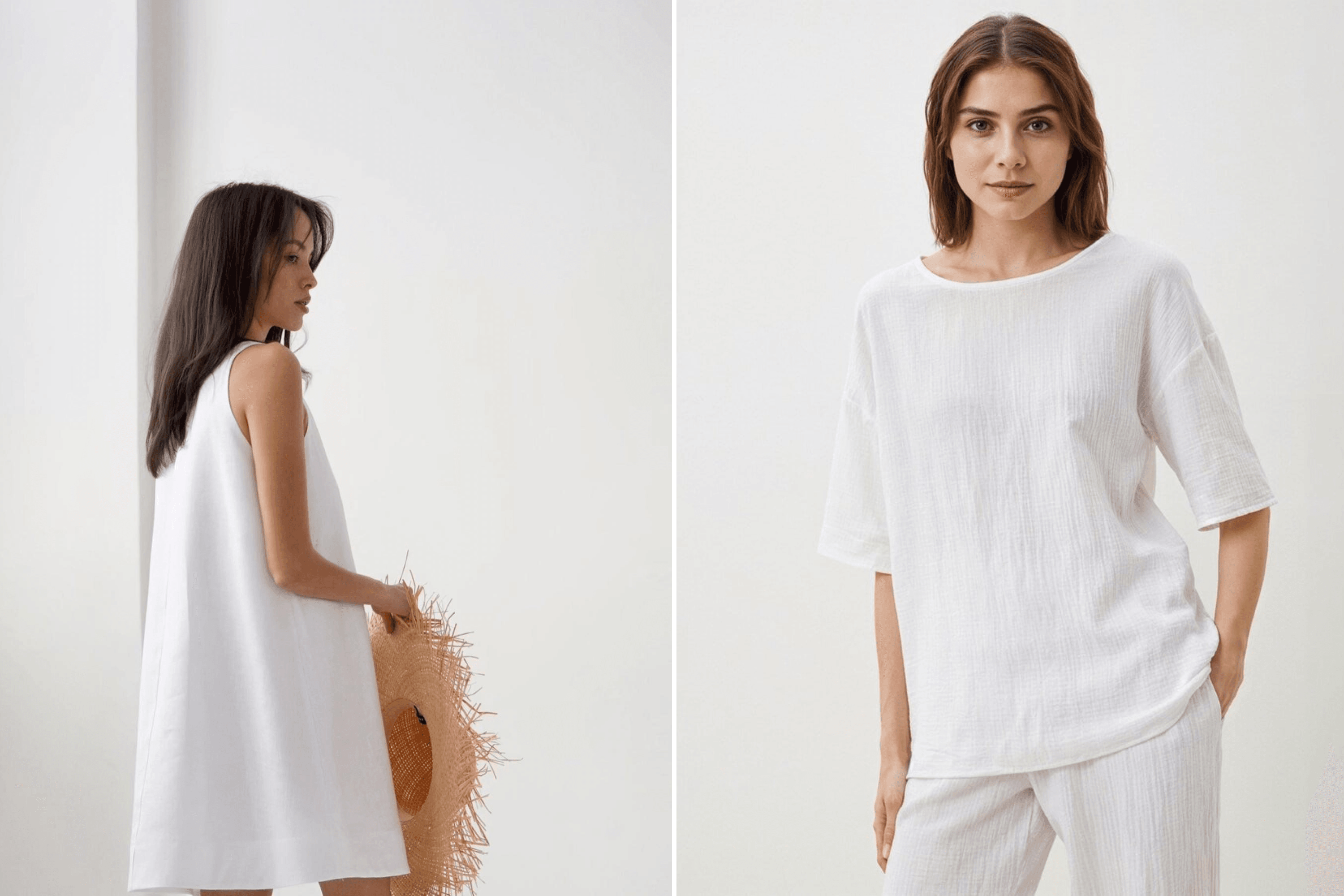
Photo: Touchable Linen / YBBP 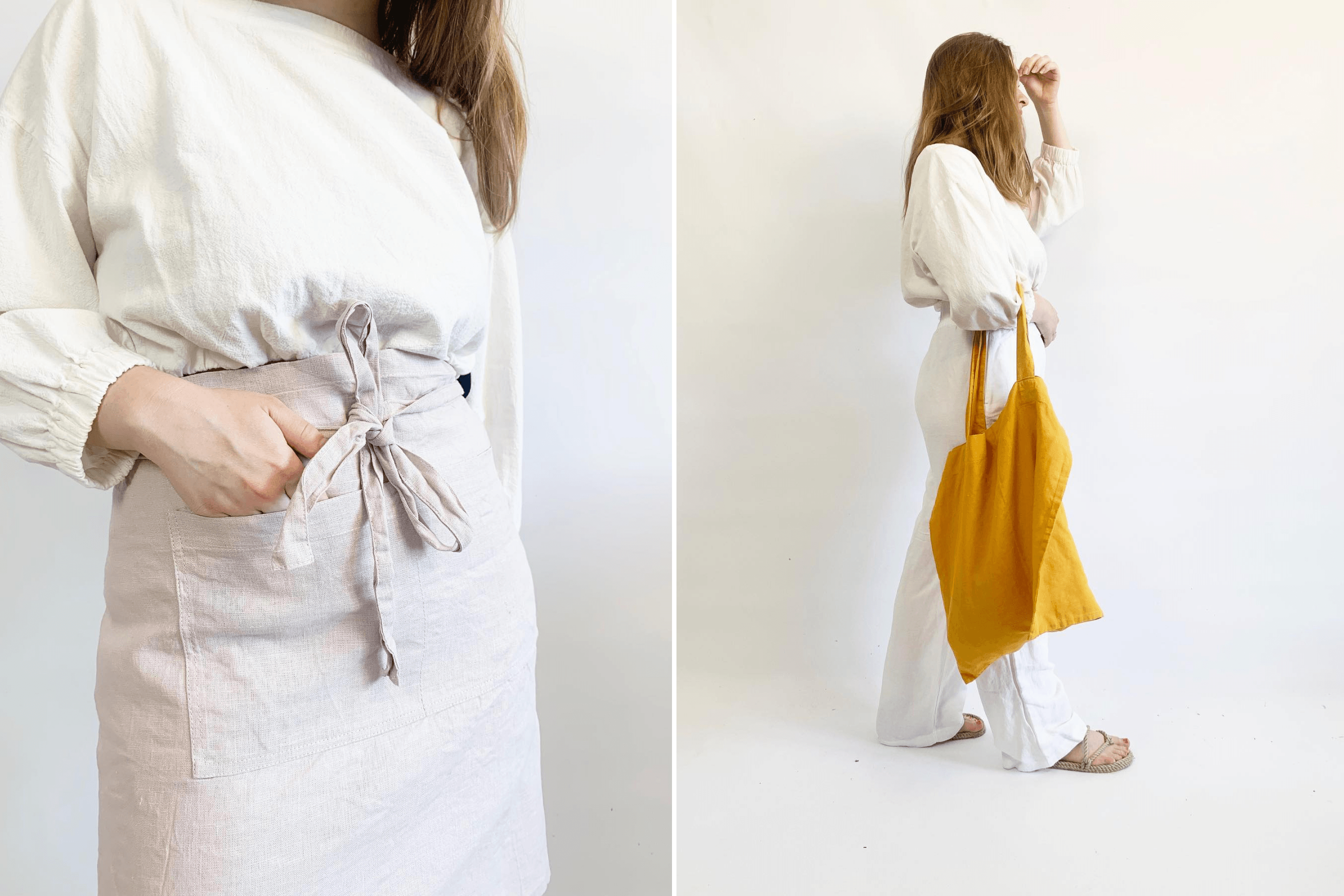
Photo: Touchable Linen / YBBP 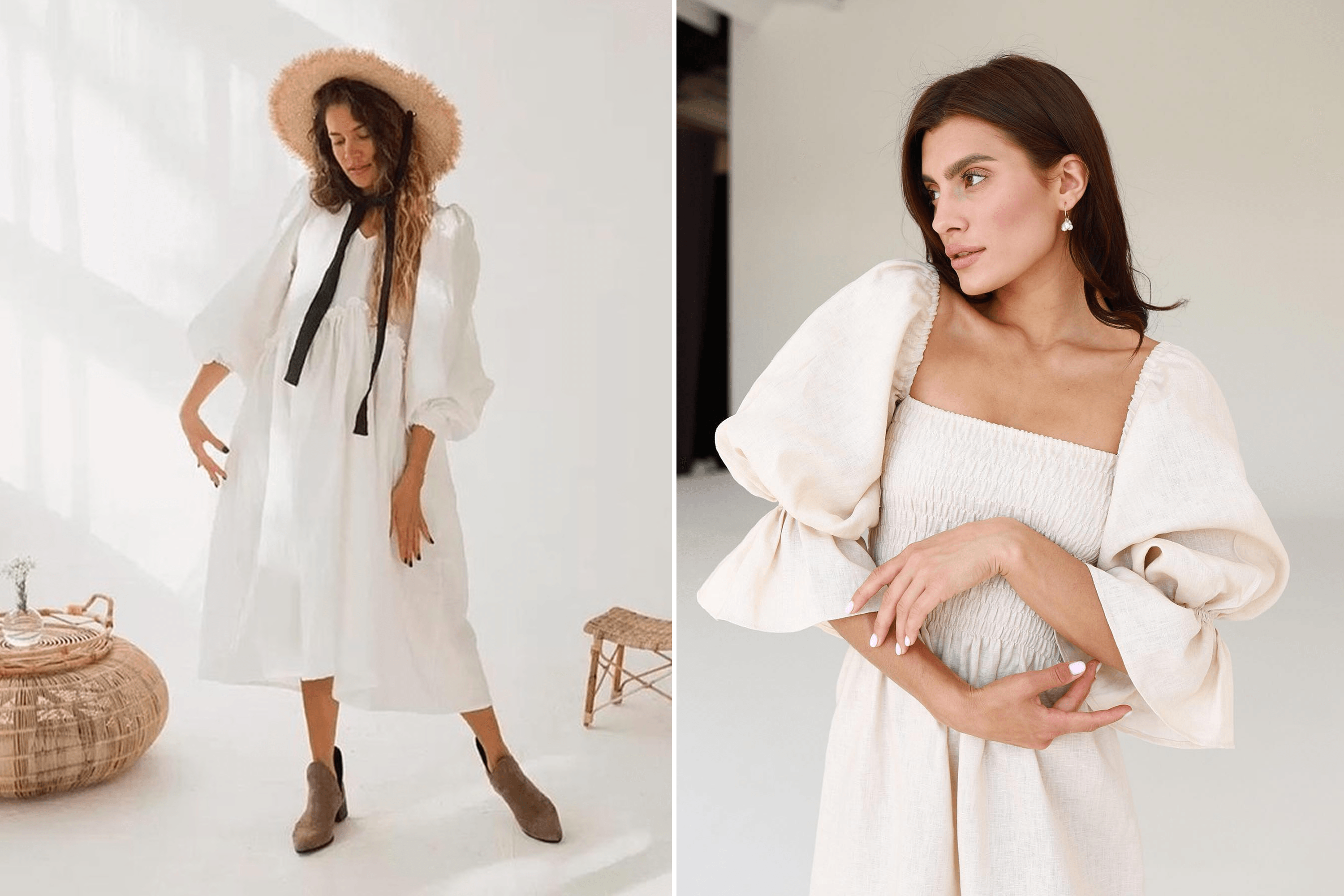
Photo: Touchable Linen / YBBP
Do you ever plan to return to the offline production format?
I’ve thought about it, but now I’m completely satisfied with the remote work format. If I ever open a production facility again, I won’t hire new seamstresses but will try to persuade those I already work with to move. Or I’ll open the facility where my seamstresses live. Frankly, it’s all very complicated.
In fact, thoughts about production are not relevant to me at all right now—I want to sell the business.
Why did you decide to do this?
I didn’t get into business because I wanted to become an entrepreneur. I just needed money. I learned everything I could: marketing, website management, process management. But being an entrepreneur is a mindset and a lifestyle. You have to be genuinely interested in communicating with other entrepreneurs and spending time in that environment. It doesn’t drive me anymore. I realized myself in this endeavor, gained valuable experience, and now I want to try something new.
I decided to sell the business on September 1st. The process is currently at the initial stage. I calculated everything, prepared a presentation, and started communicating with potential buyers. Initially, I thought of setting the price at $200,000—taking into account not only the established Etsy shop but also the website, the CRM with 10,000 clients, and other marketplaces. Later, I settled on $185,000. This amount feels fair.
I don’t know how long the sale will take. I’m prepared for a buyer to be found tomorrow, or in a year.