The Ukrainian brand GUNIA Project and international publishing house Assouline have announced Naïve My Love: Ukrainian Art of the 20th Century, a new title presenting 40 Ukrainian naive artists to the world.
Decades ago, these pieces were far from gallery walls—found at local markets, tucked away in attics, or rendered directly onto household furniture. Yellow Blue journalist Roksana Rublevska spoke with Lidia Lykhach, curator of the book and founder of RODOVID publishing house, about tracing these forgotten creators, selecting an untitled work for the cover, and the international trajectory of Ukrainian self-taught art.
Here are the key takeaways from the interview.
How Ukrainian naive art transcended the margins
Self-taught art long existed outside official institutional channels. During the Soviet era, state museums rejected these works as lacking artistic value or deemed them culturally suspect. As a result, paintings remained inside private homes, rendered on walls, wooden furniture, and everyday tools. Sisters Yaryna and Sofiya Homenyuk originally decorated the interior walls and chimneys of their house. Art historian Nartsiss Kocherezhko began supplying them with paints and paper, encouraging them to transfer their patterns. Gradually, their art moved beyond private walls to reach exhibition halls and collector archives.
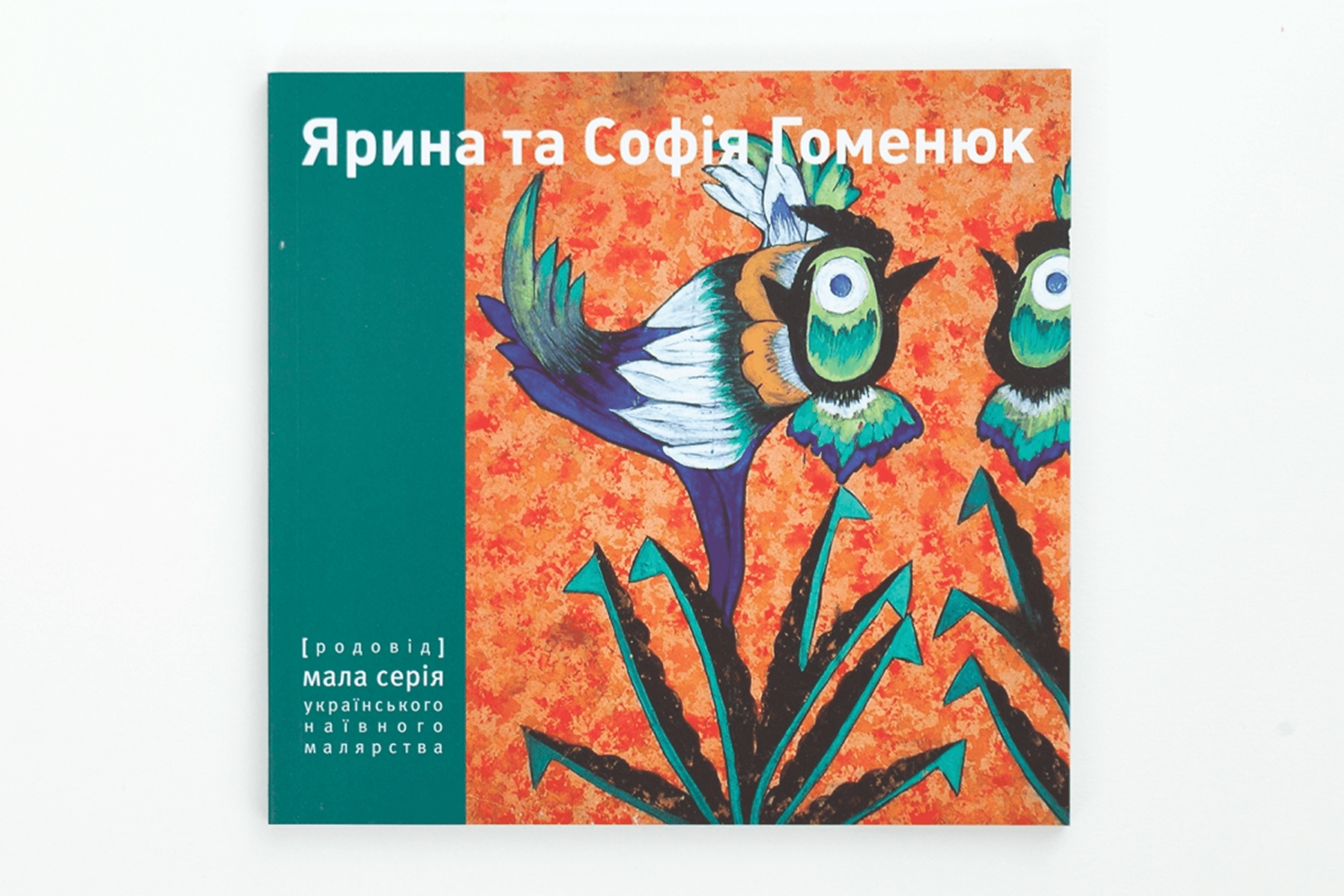
The book Yaryna and Sofiya Homenyuk by Nartsys Kocherezhko. RODOVID Press. Photo: rodovid.net 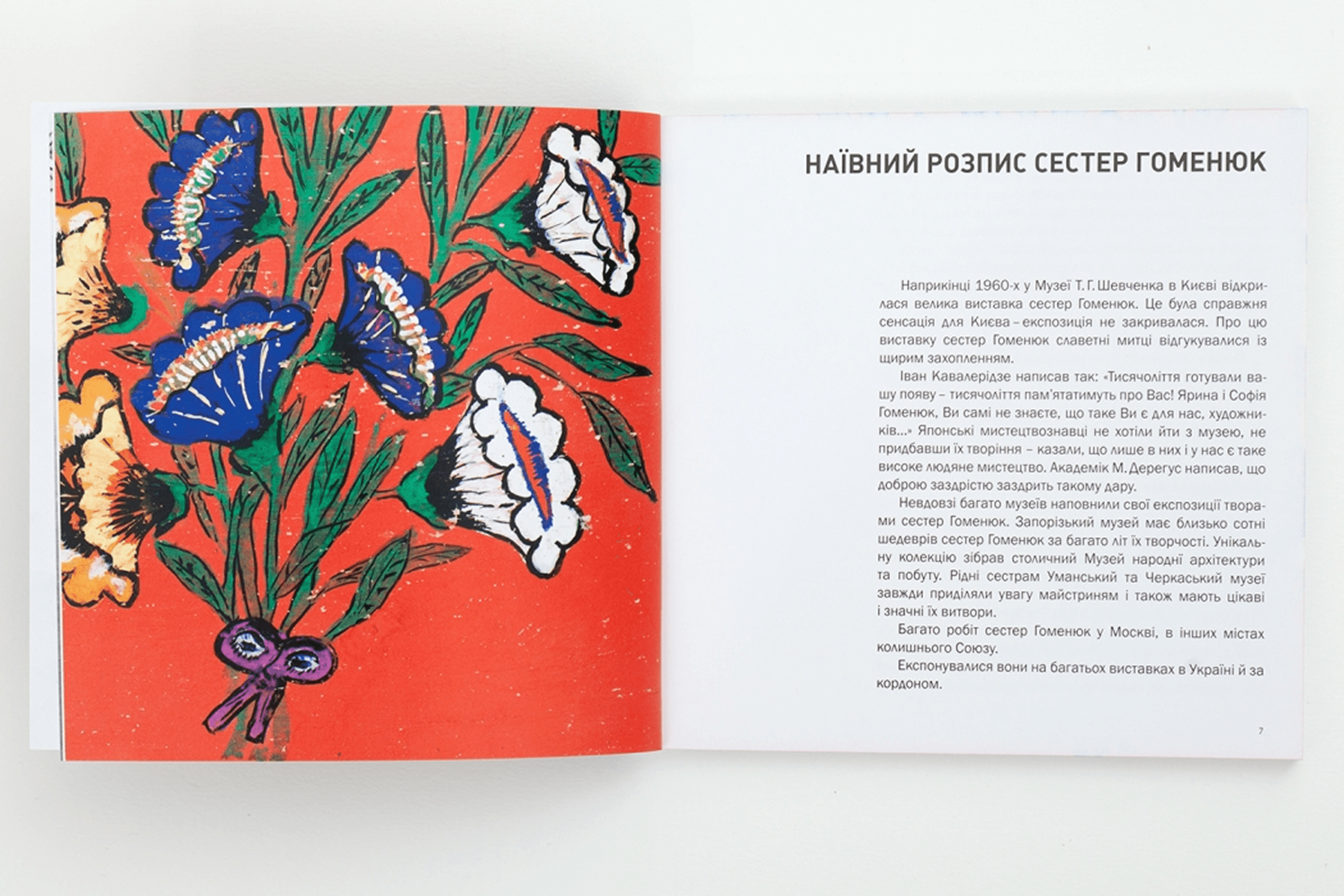
Photo: rodovid.net 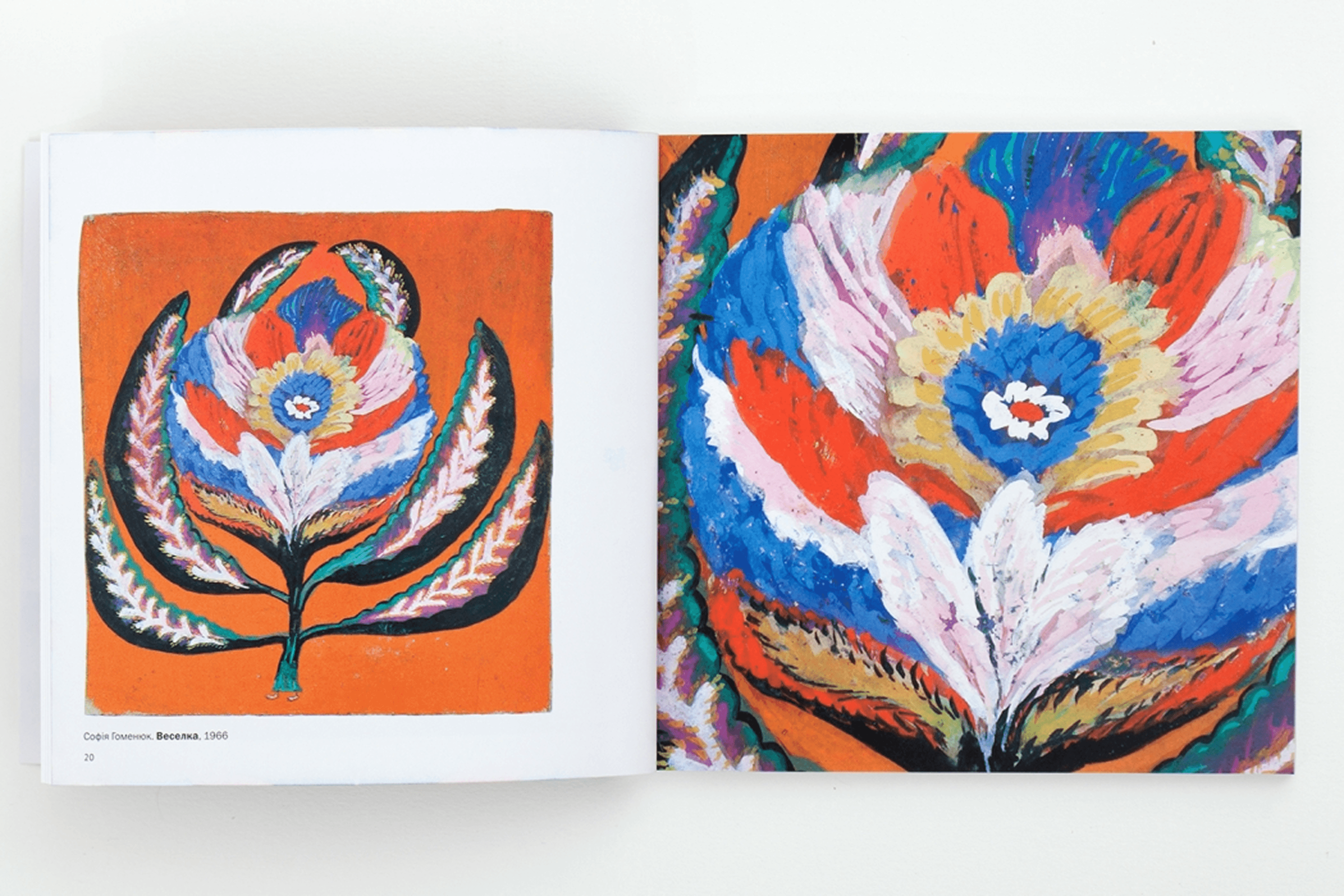
Photo: rodovid.net 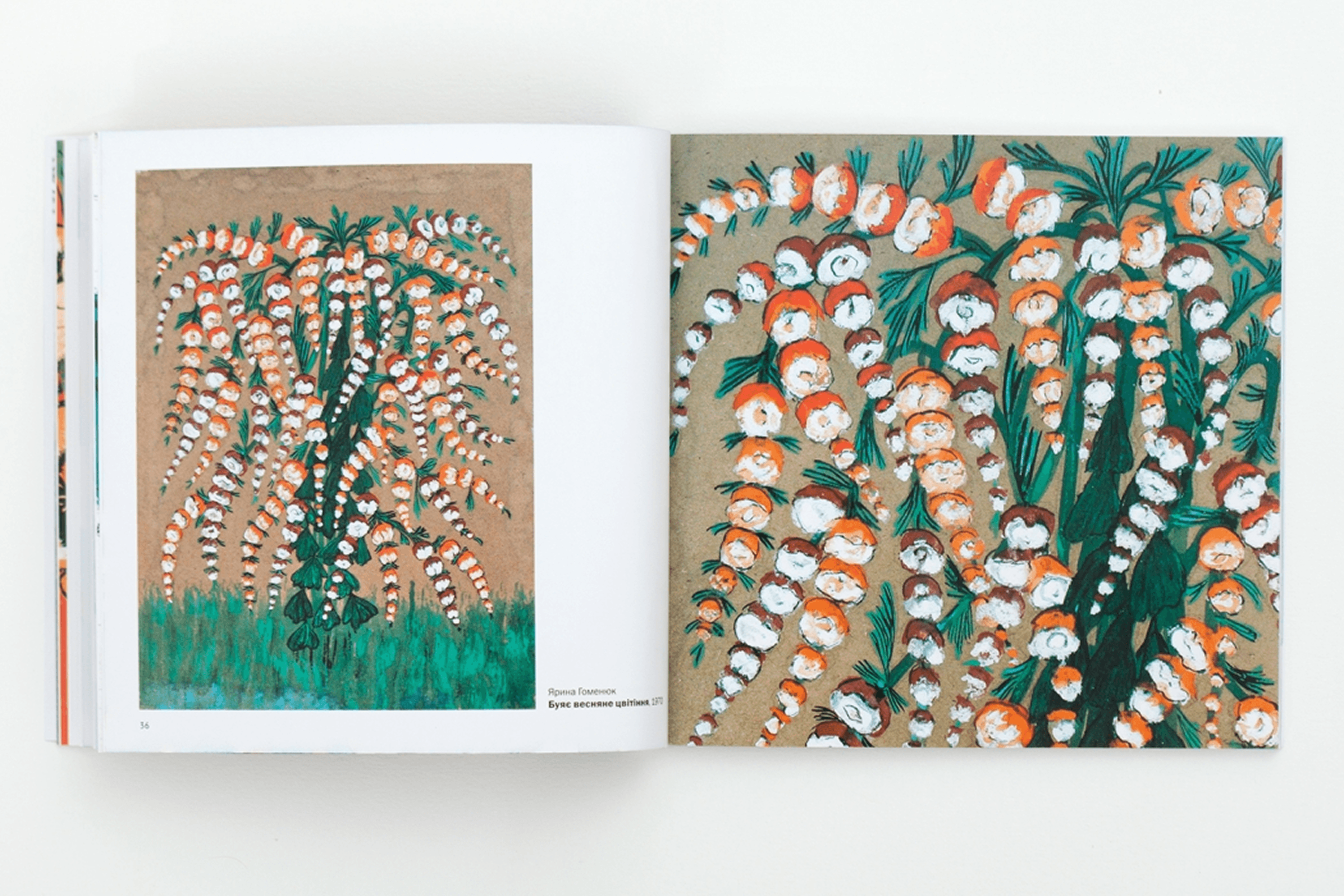
Photo: rodovid.net 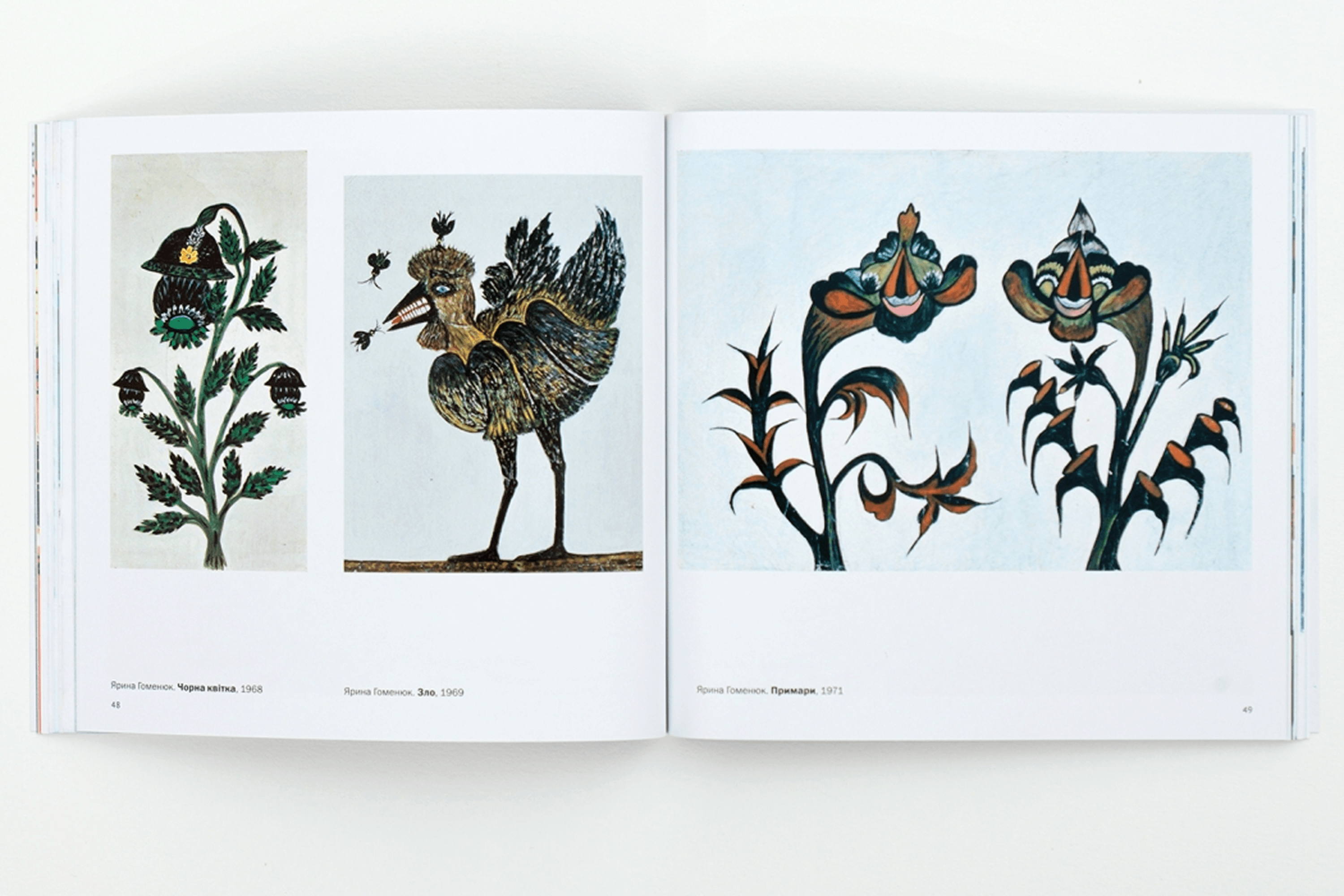
Photo: rodovid.net 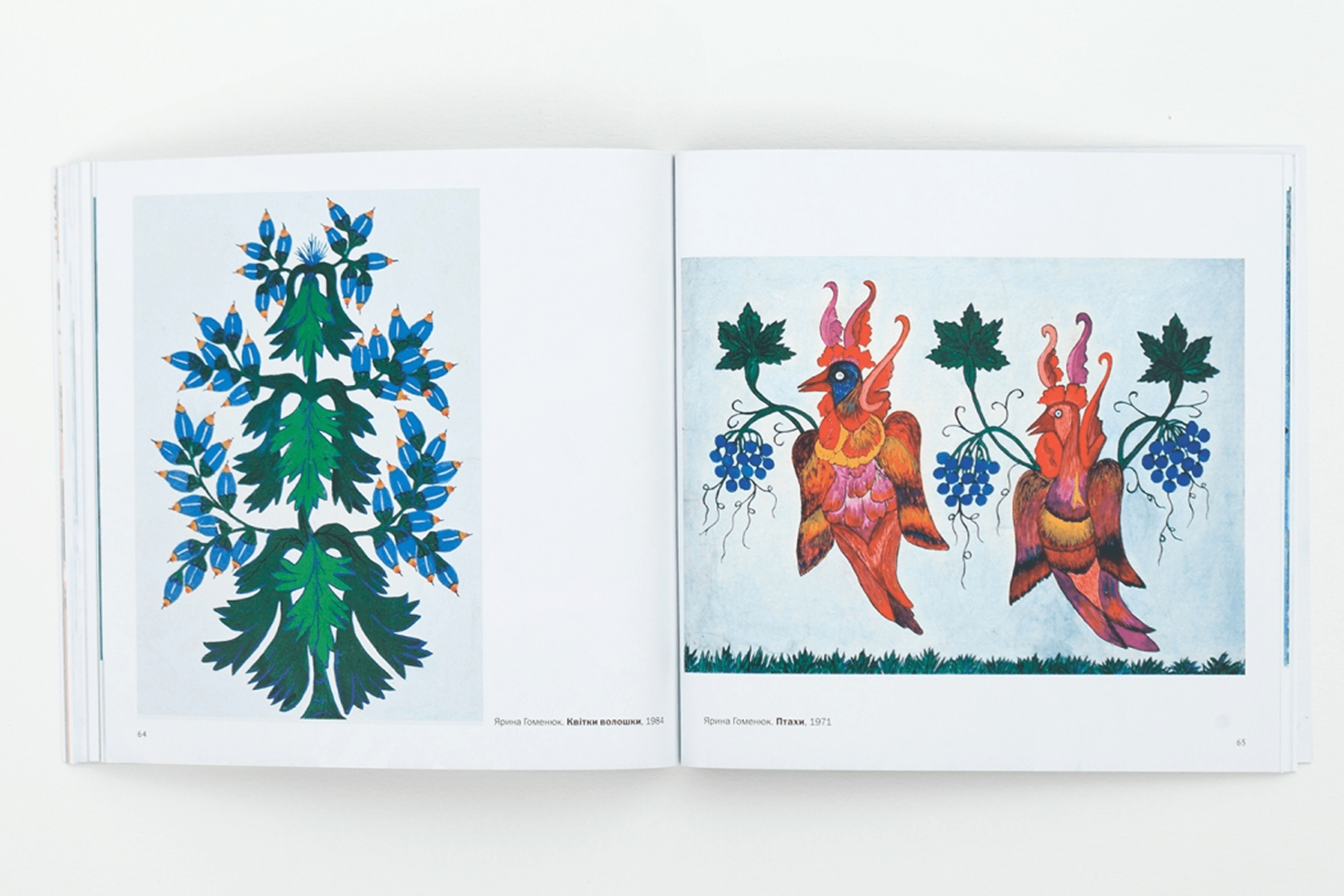
Photo: rodovid.net
By the 1990s, when I first started working with naive art, it was still being sold at flea markets—or used to patch cracks in village homes. At RODOVID Publishing, our team launched efforts to locate, document, showcase, and publish these works, gradually shifting public perception.
In 2002, we led an expedition across the Sumy, Poltava, and Kharkiv regions to identify self-taught creators who painted purely for themselves. We wanted to understand their backgrounds, lifestyles, and motivations.
The work of Hanna Hotvyanska made an indelible impression. Her home functioned virtually as a private museum, with paintings covering every available wall. My colleague Antonina Palahnyuk recalled my reaction: “Lida, you were visibly shaking.” It was a powerful encounter.
That moment underlined that naive art functions as a historical record.
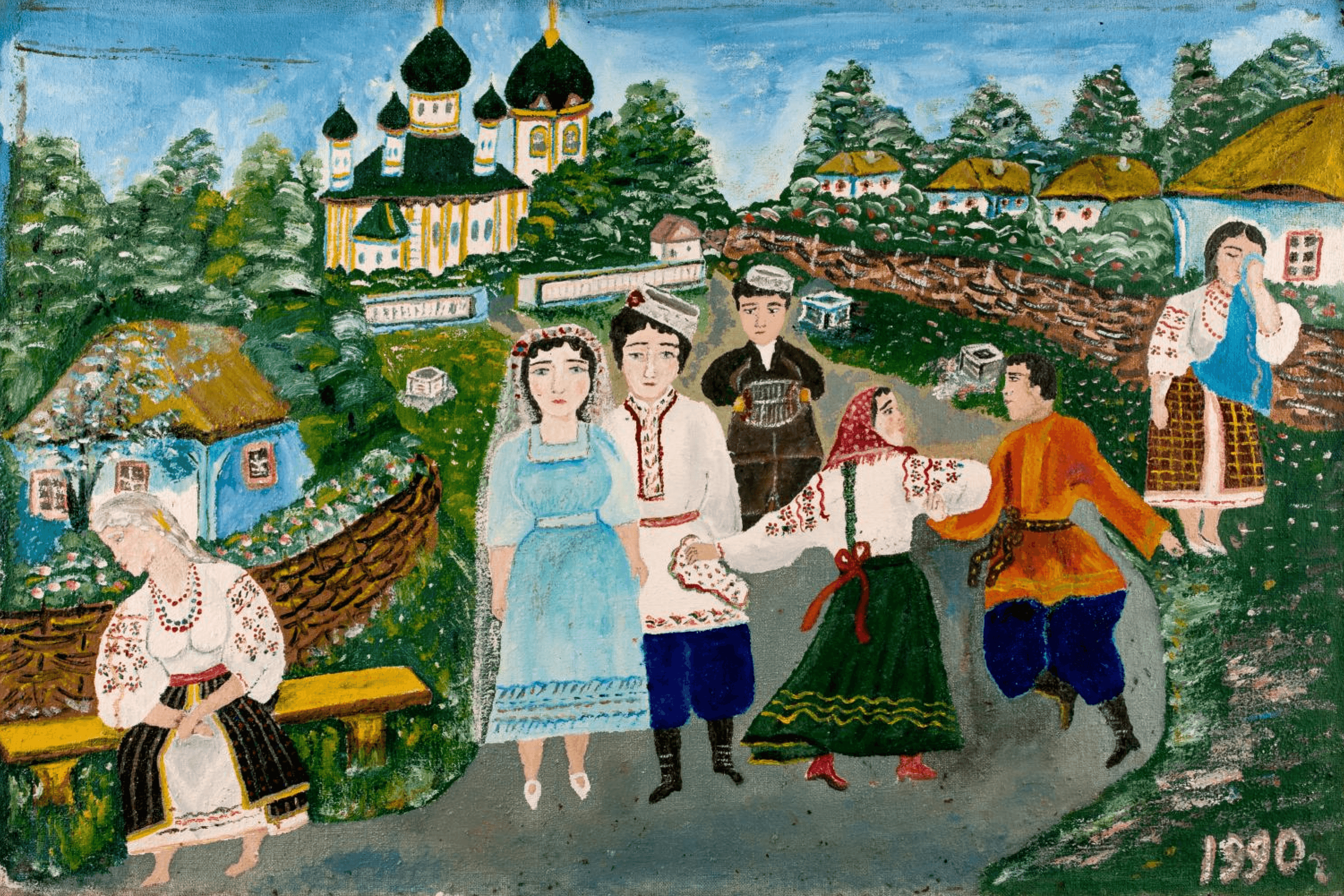
Wedding, Hanna Hotvyanska, 1990. Photo: Музей Івана Гончара / honchar.org.ua 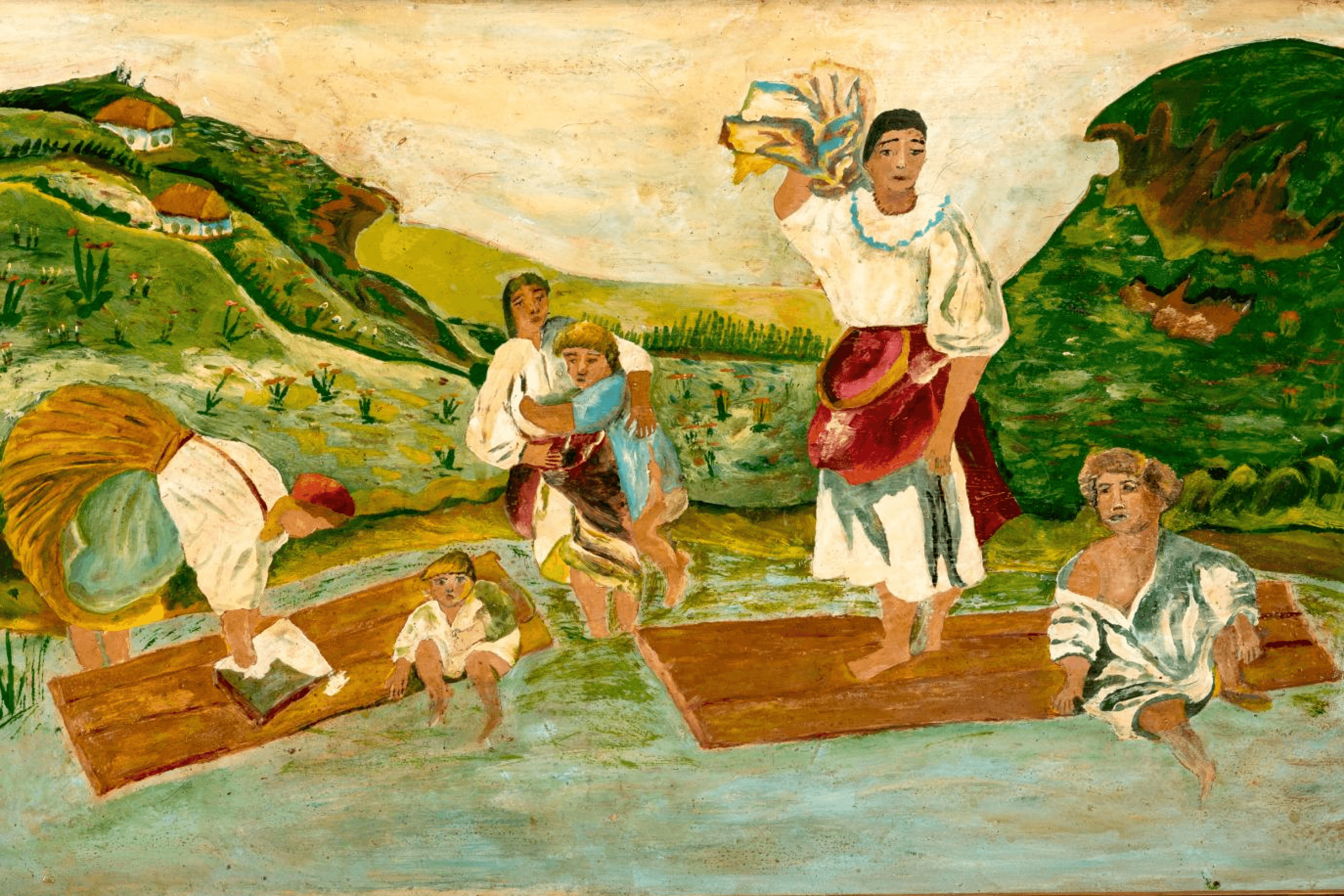
On the River, Hanna Hotvyanska, 1970–1989. Photo: Музей Івана Гончара / honchar.org.ua 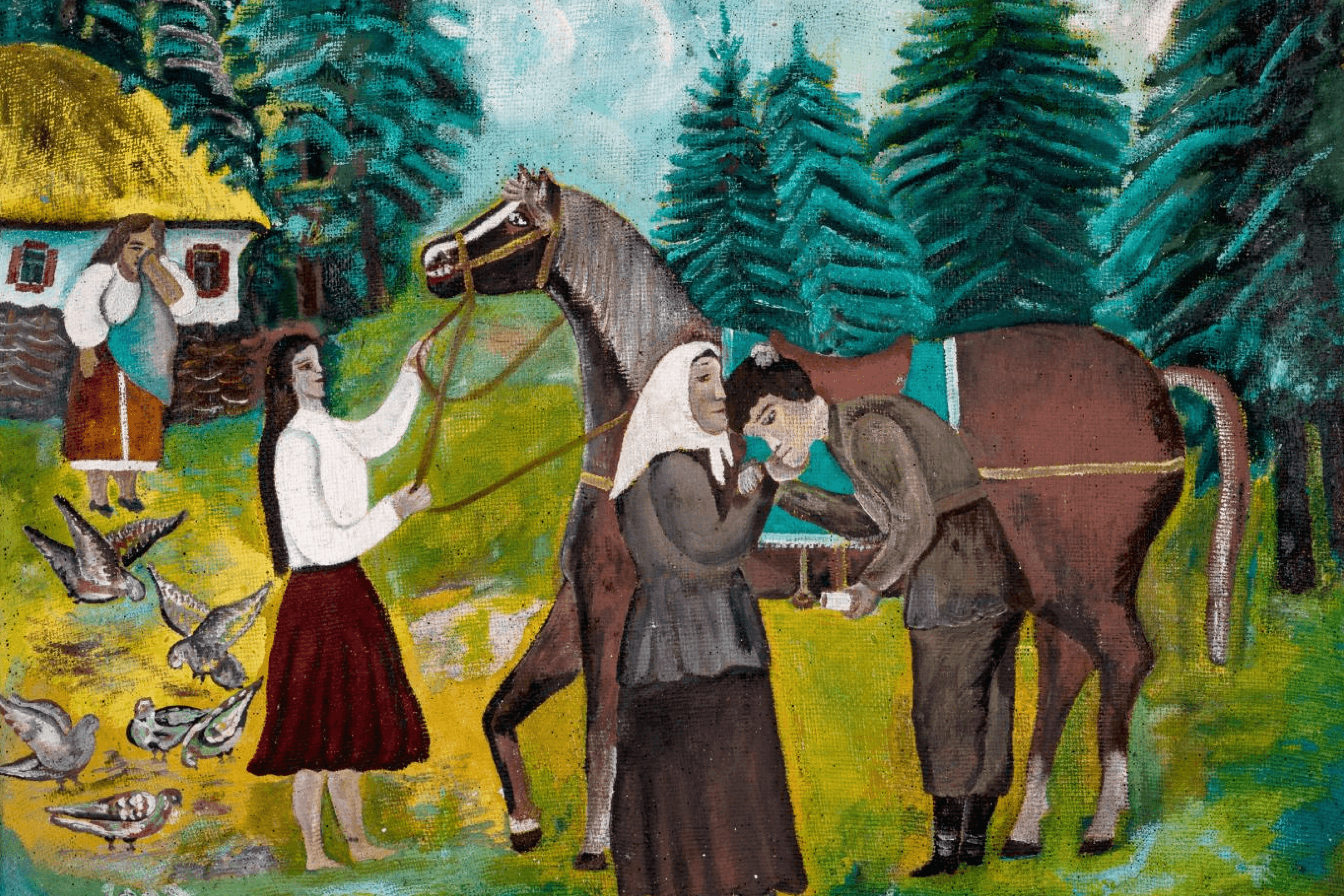
A Mother’s Farewell to Her Son, Hanna Hotvyanska, 1997. Photo: Музей Івана Гончара / honchar.org.ua 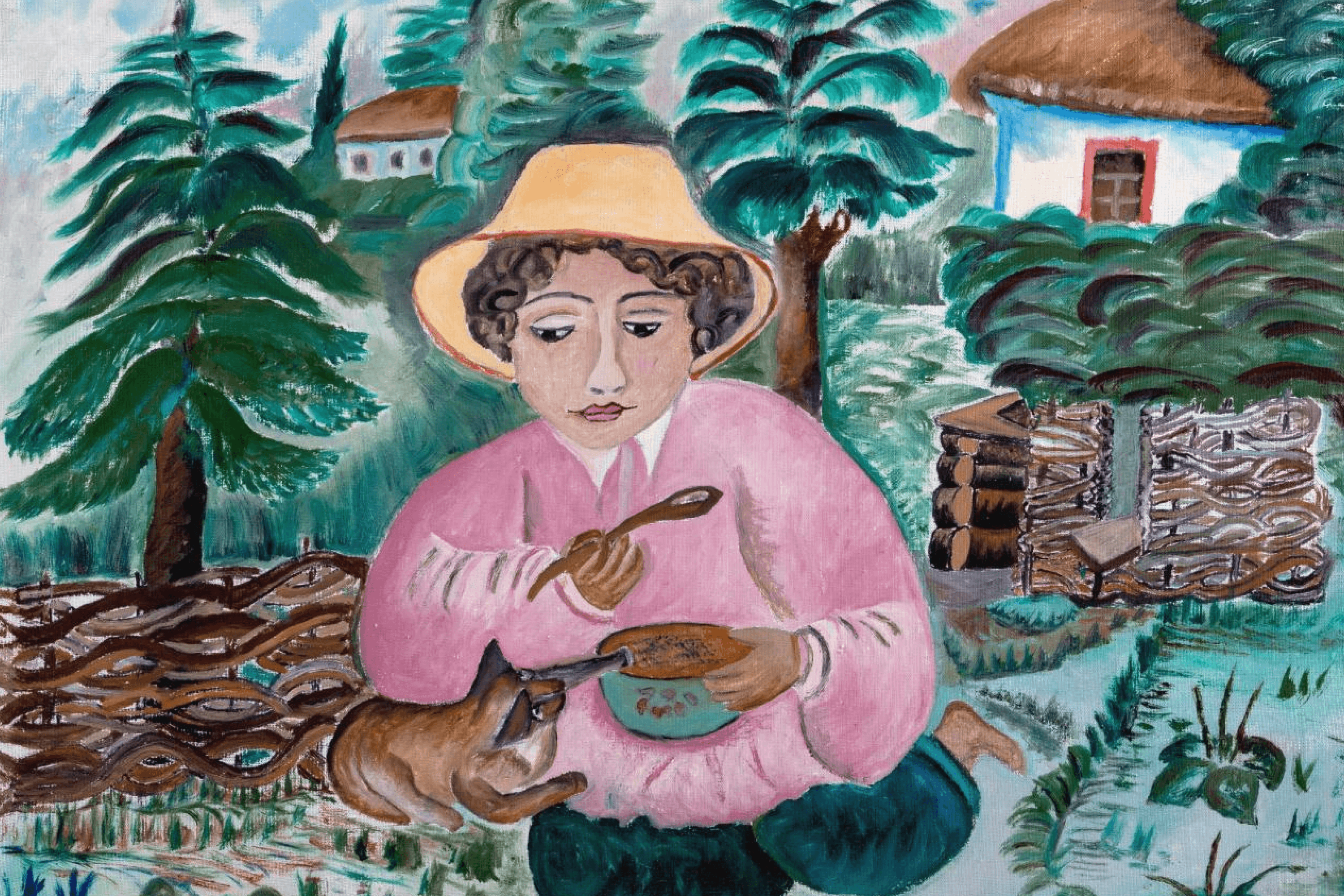
Boy with a Kitten, Hanna Hotvyanska, 2005. Photo: Музей Івана Гончара / honchar.org.ua
One of Hotvyanska’s canvases depicts the traditional process of soaking flax in a river—a scene modern viewers might struggle to recognize as a lived experience, given how dramatically technology has changed daily life. For her, it was simply routine.
After hours of persuasion, I asked if she would sell a piece. She hesitated, asking: “How can I sell it if it leaves a blank space?” She eventually agreed to sell two works for 60 hryvnias each.
For Hotvyanska, art was never a commercial enterprise. Like many self-taught artists, creation was an imperative. When failing eyesight eventually prevented her from painting, she transitioned to embroidery, stitching the designs she could no longer paint.
How the attitude toward naive art changed
Generational shifts often rewrite the value of everyday objects: family heirlooms end up in attics or landfill sites, while authentic handwoven rugs are replaced by mass-produced alternatives. That is why specialists who can recognize artistic merit, verify authorship, and identify provenance are essential. For me, curating exhibitions is fundamentally about preservation—not just within museum walls, but across a vast, unexplored landscape of private collections, including those within the Ukrainian diaspora in North America.
In village households, antique wooden icons and paintings were often stored away in lofts once they were no longer valued, replaced by framed, foil-adorned prints. When researching naive sacred art, our inquiry was straightforward: “Do you still have those wooden 'gods' tucked away in the attic?”
We have encountered this pattern repeatedly. We once salvaged a portrait by Panas Yarmolenko left in the attic of a rural house by his daughter. The property had been sold ten years prior, yet the painting remained behind—dismissed as junk by the family, but recognized by us as a piece of heritage worth saving.
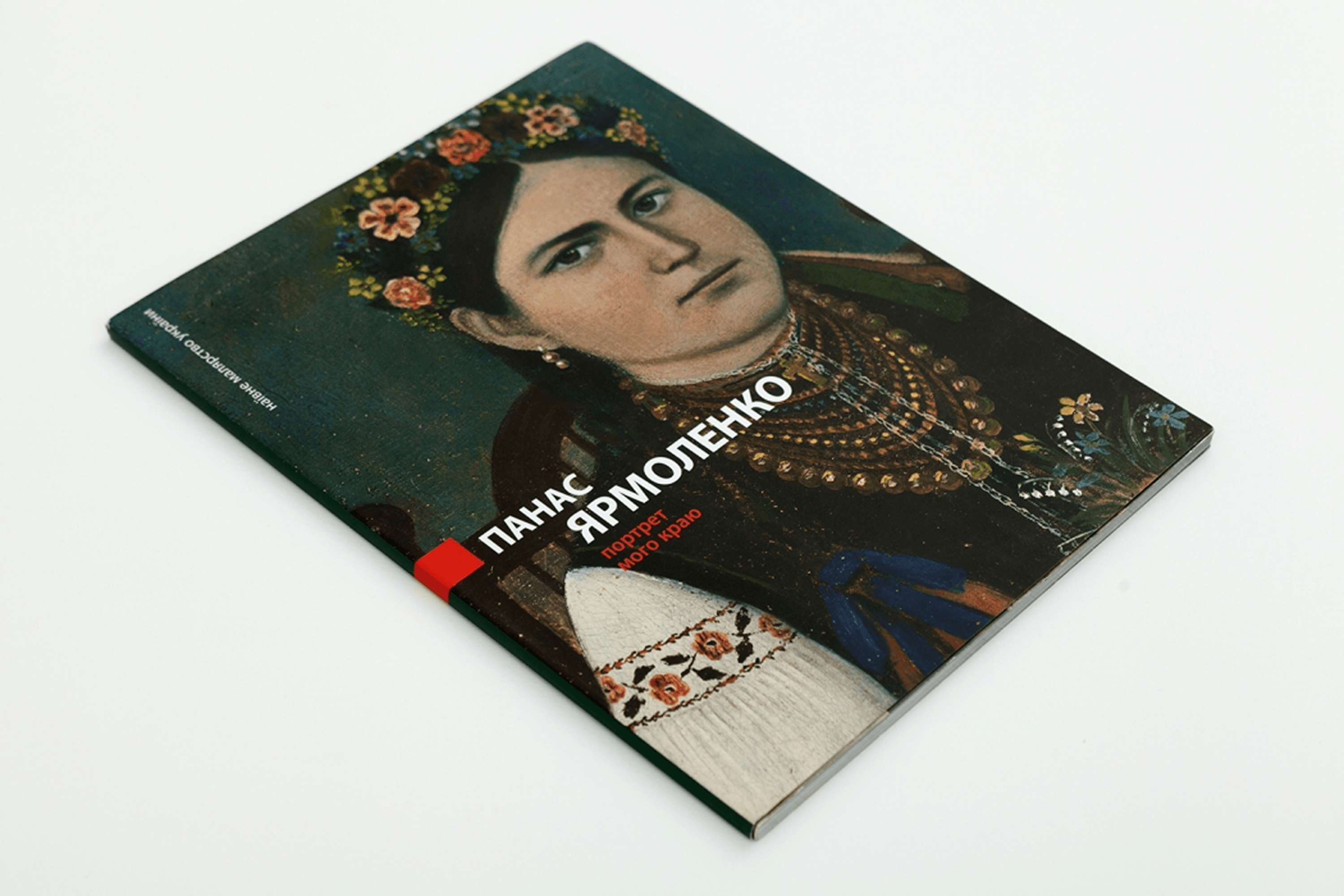
The book Panas Yarmolenko. Portrait of My Land by Halyna Shchupak, Petro Honchar, and Lidia Lykhach. RODOVID Press. Photo: rodovid.net 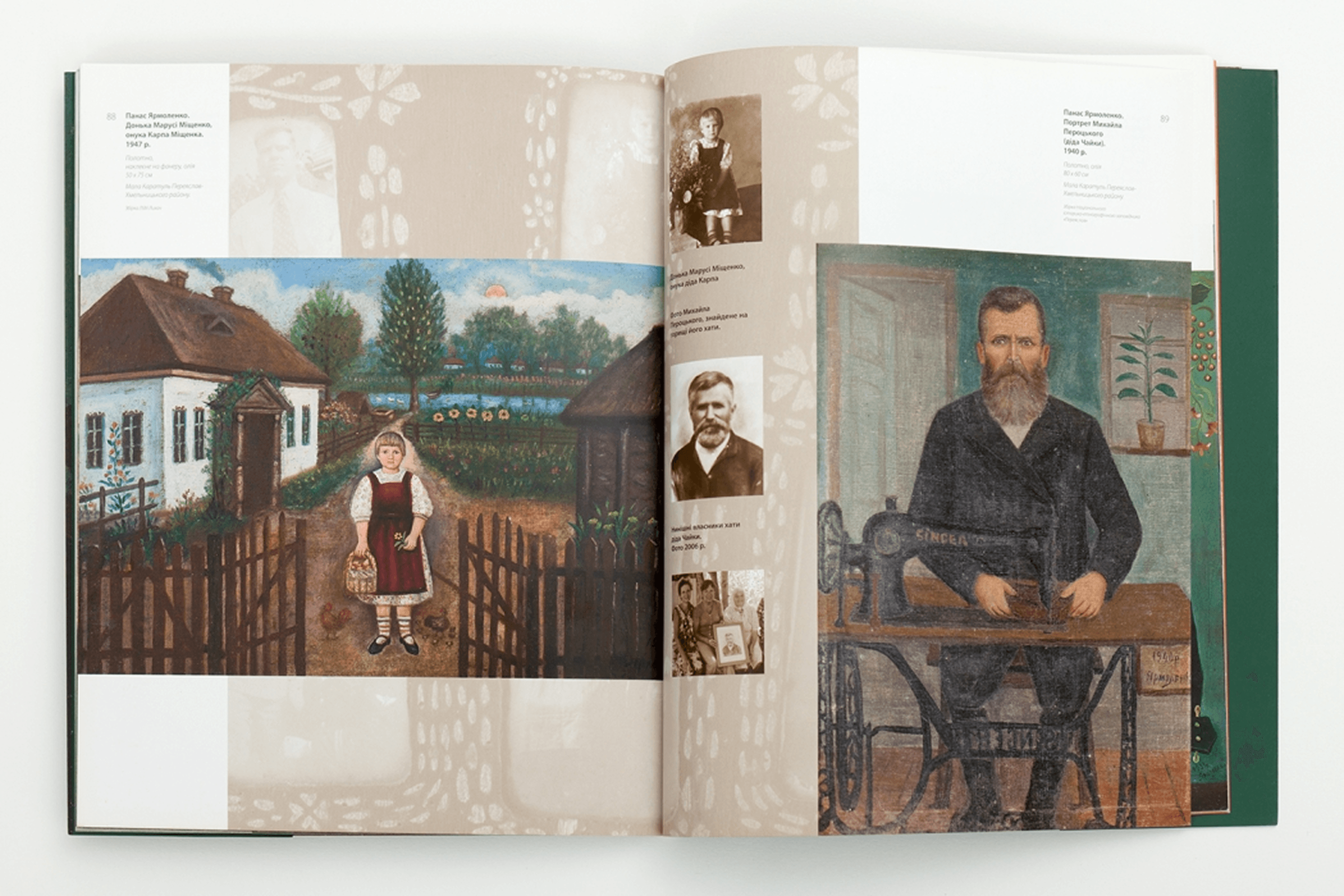
Photo: rodovid.net 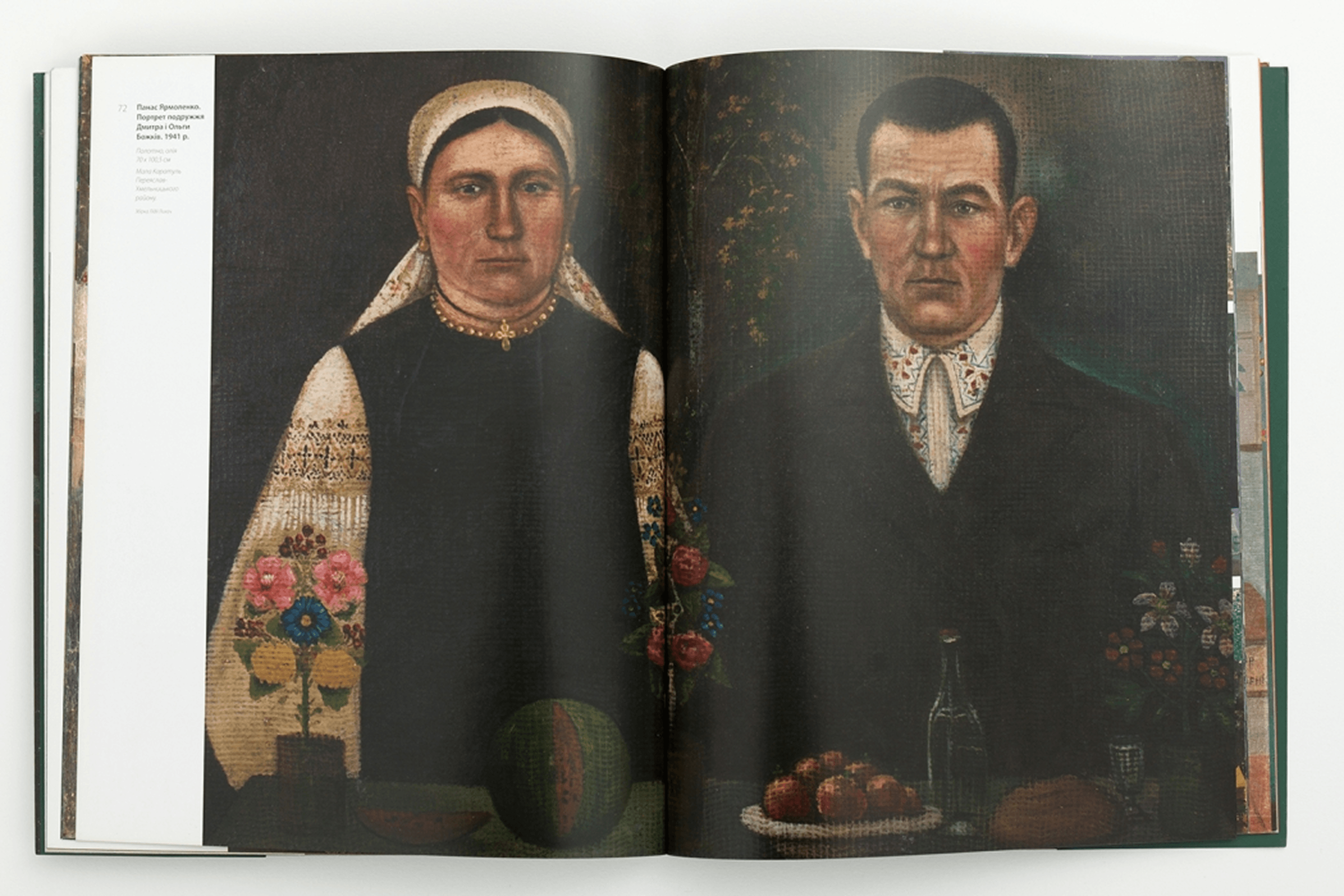
Photo: rodovid.net 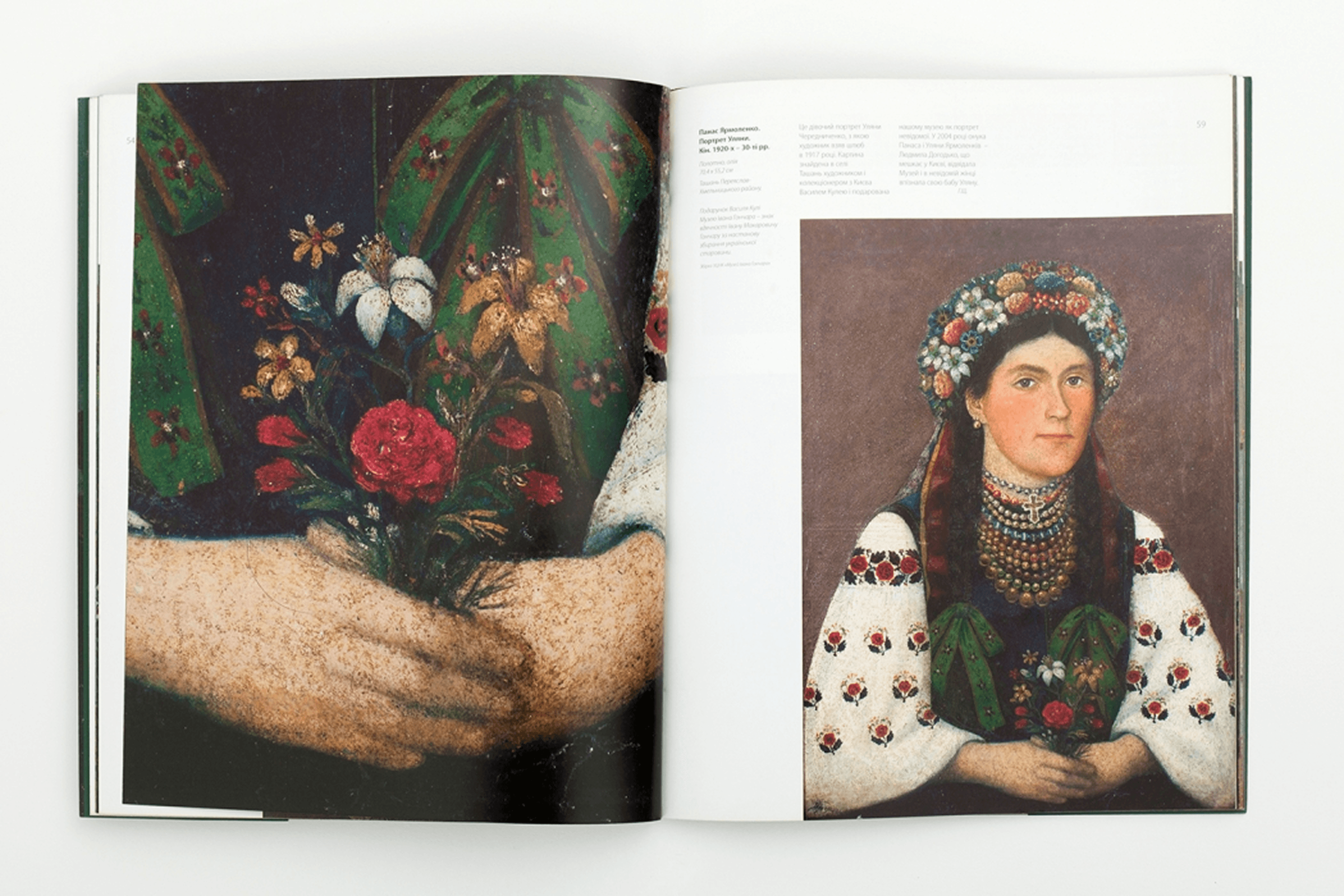
Photo: rodovid.net 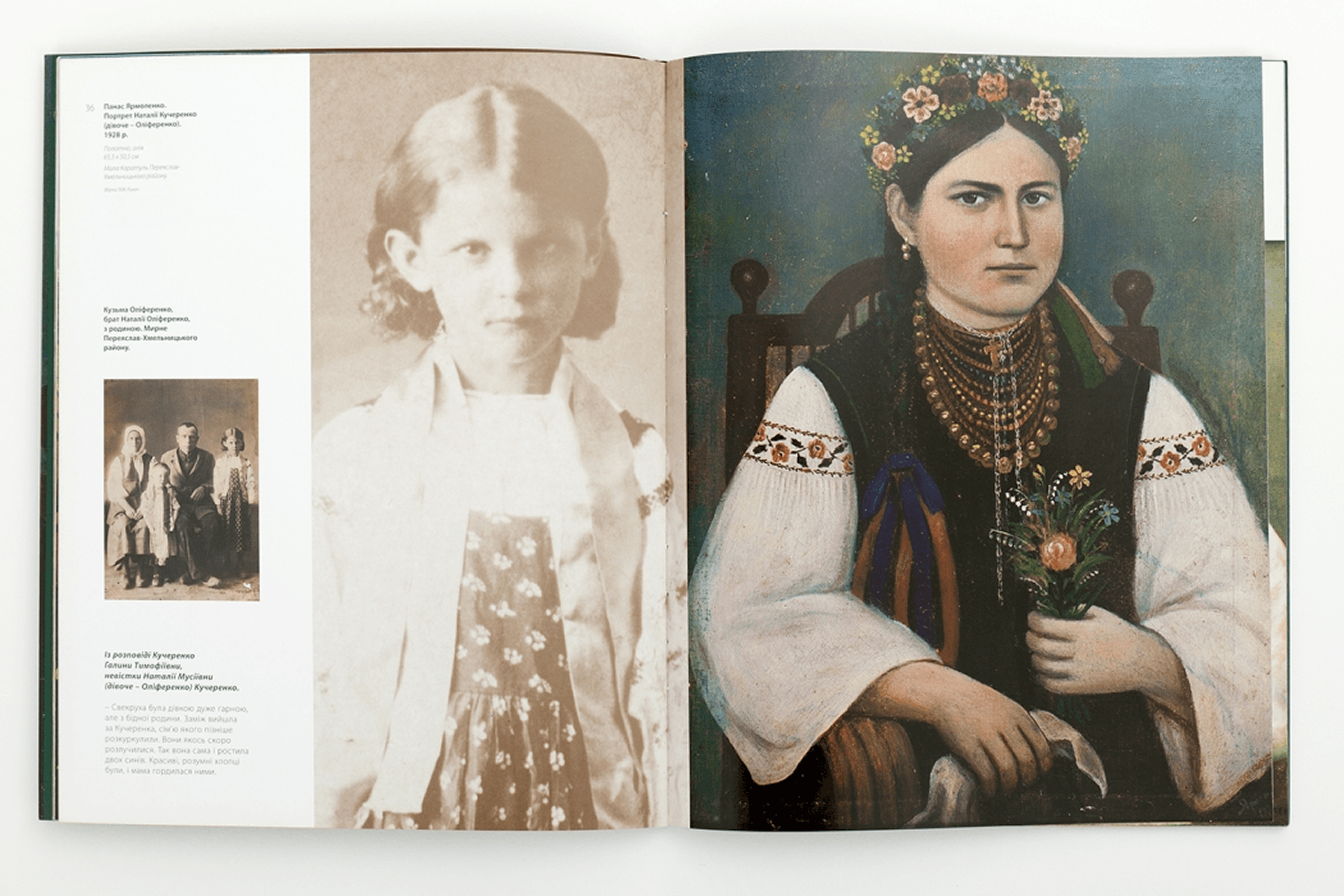
Photo: rodovid.net 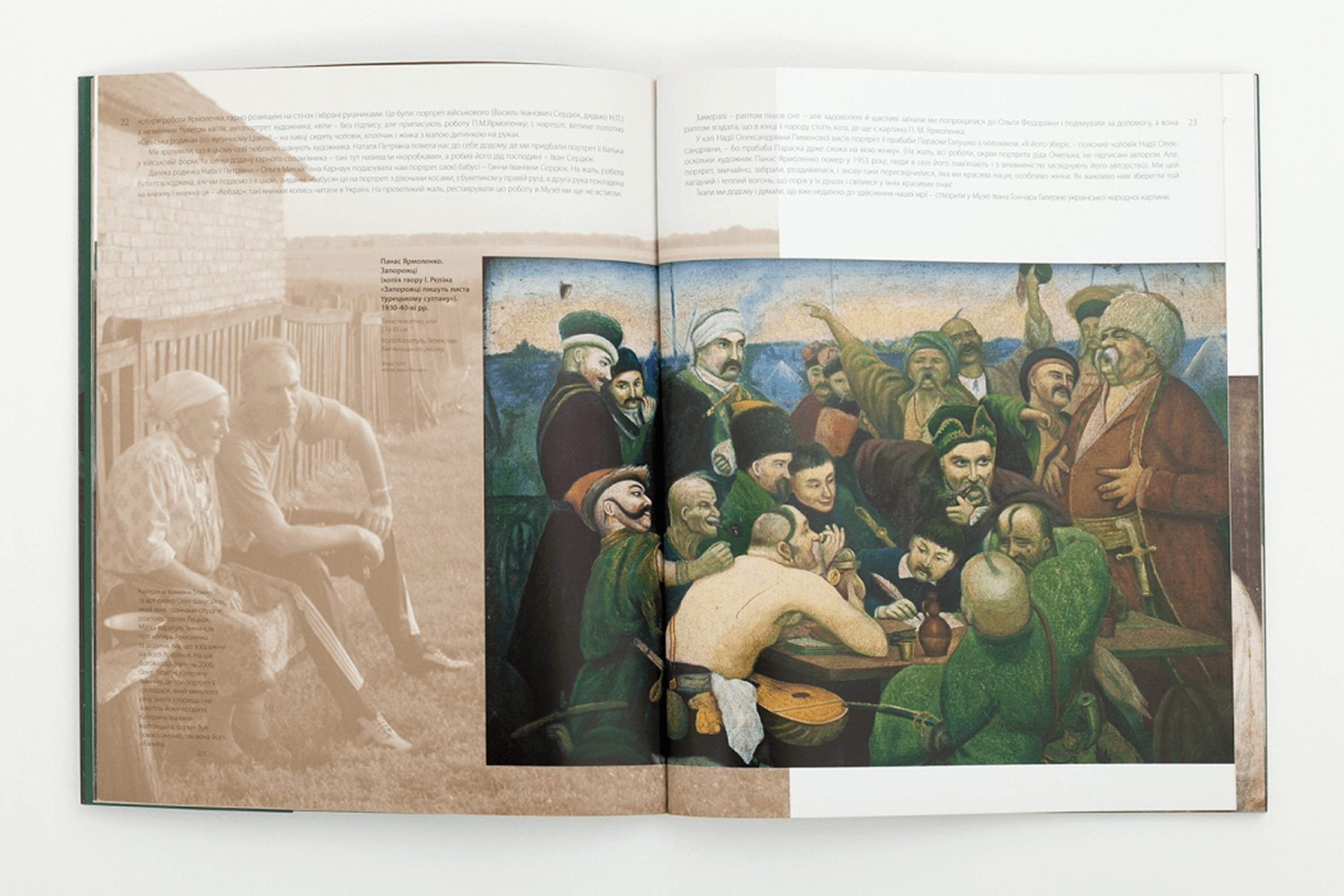
Photo: rodovid.net
Similarly, a portrait of artist Hryhoriy Ksionz’s mother—painted from a World War II photograph taken during her forced labor in Germany—was casually sold off by her children. Had it been lost, an irreplaceable fragment of a generation’s shared history would have vanished with it. Such instances highlight how long Ukrainians remained disconnected from their own cultural heritage.
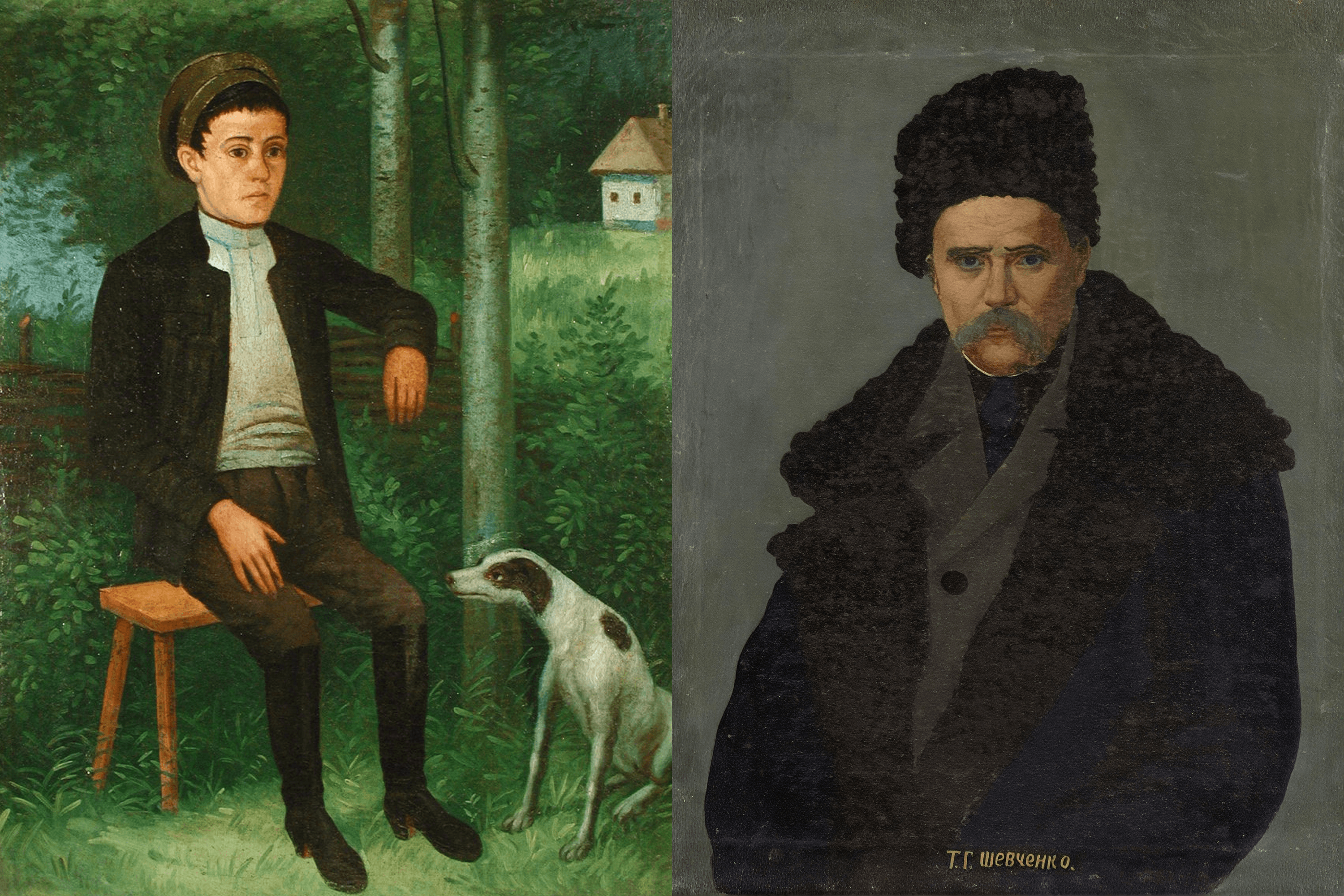
Boy with a Dog, Hryhoriy Ksionz, 1930s. Portrait of Taras Shevchenko, Hryhoriy Ksionz, 1930s. 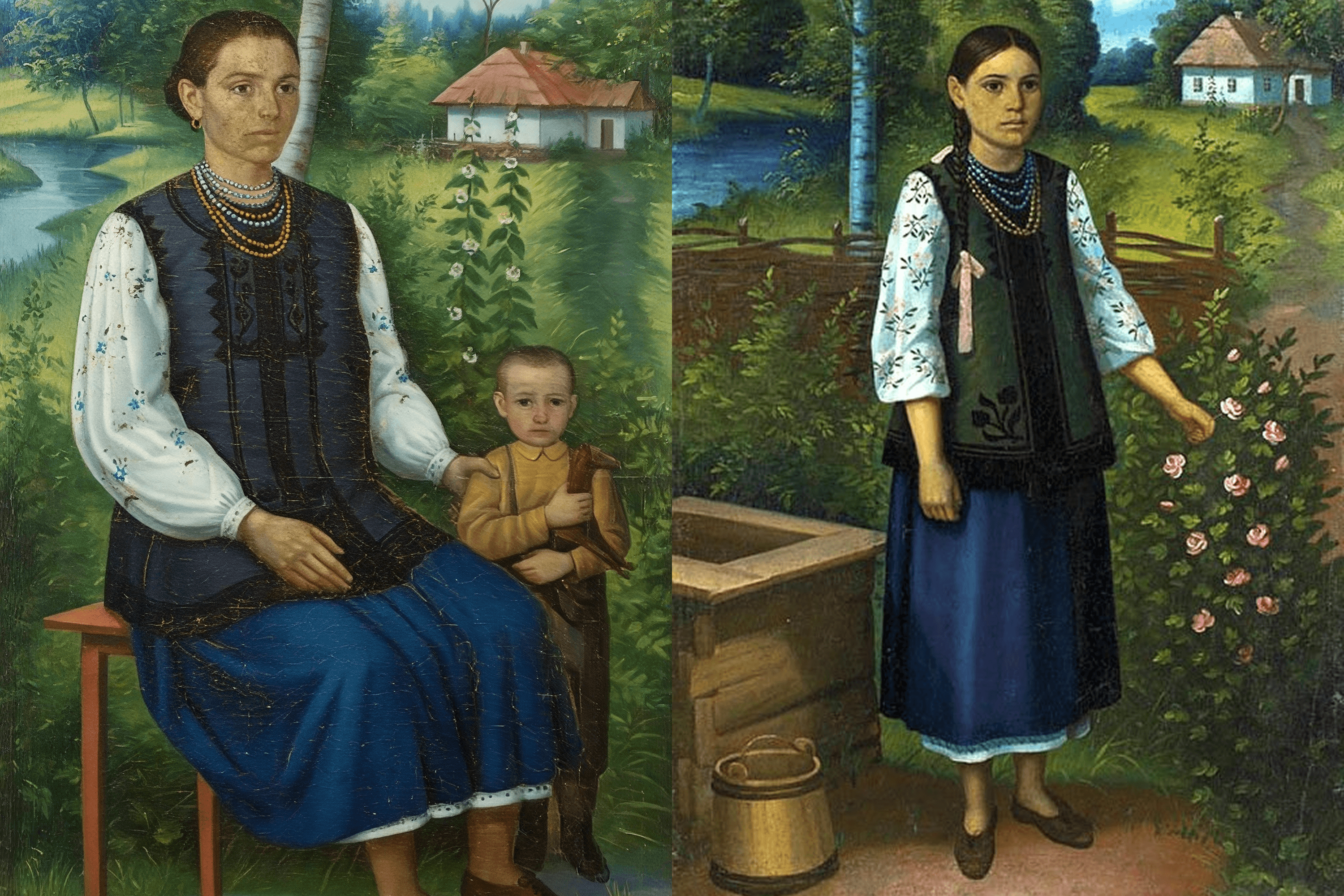
Portrait of a Mother and Son, Hryhoriy Ksionz, 1930s. Portrait of a Girl, Hryhoriy Ksionz, 1930s. Photo: ukrainian-naive.com 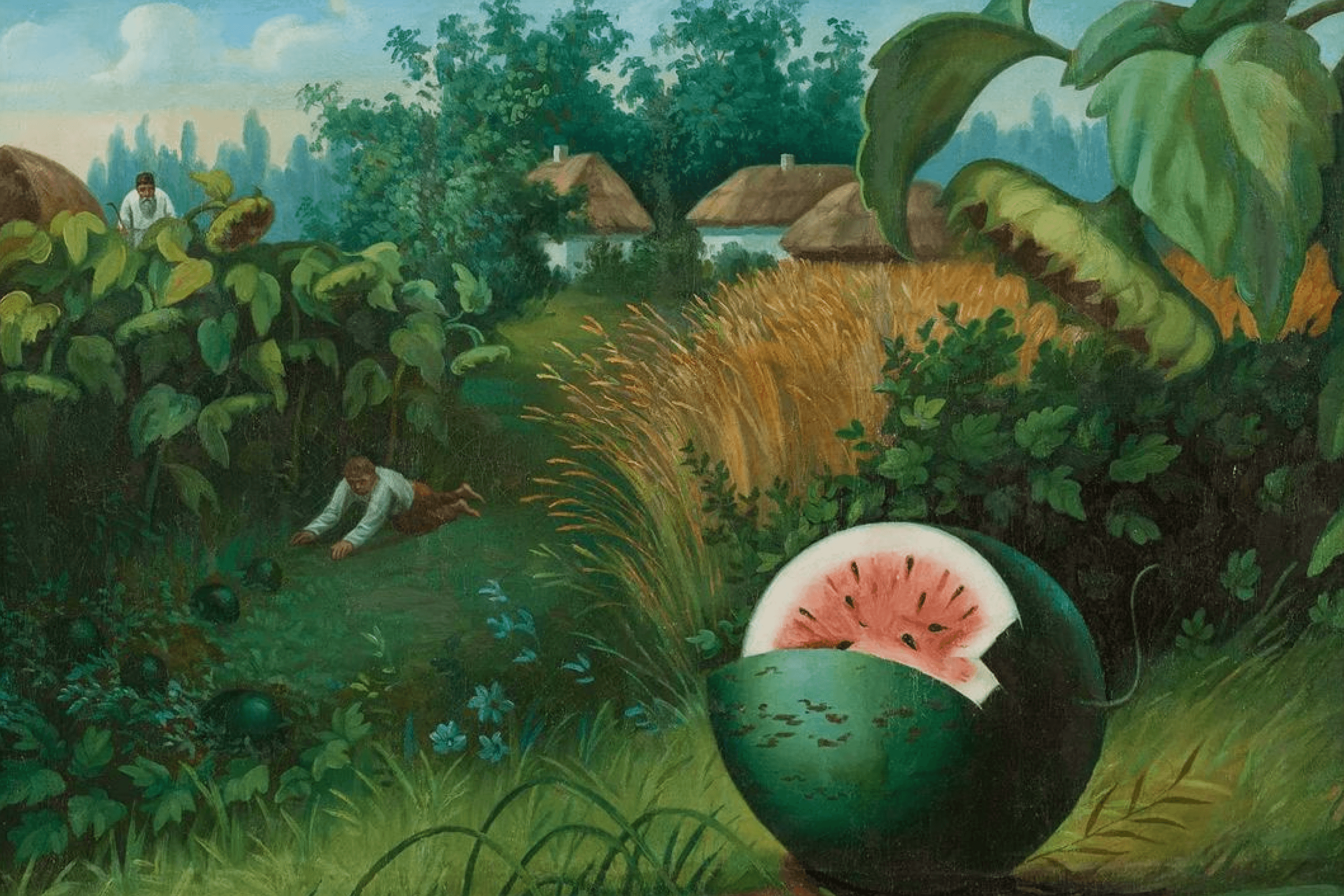
In the Melon Field, Hryhoriy Ksionz, 1927. Photo: ukrainian-naive.com 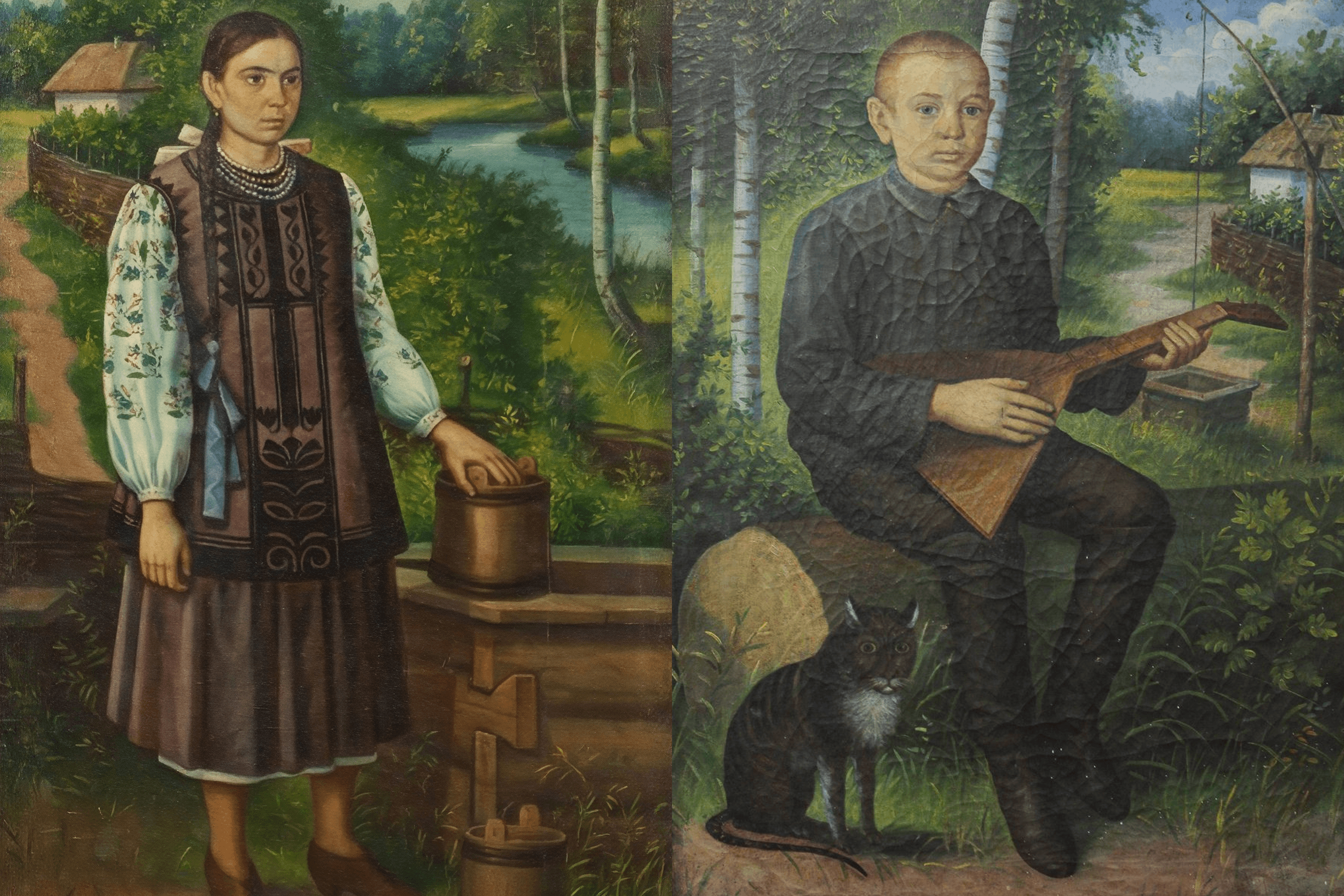
Portrait of a Girl, Hryhoriy Ksionz, 1930s. Boy with a Musical Instrument and a Cat, Hryhoriy Ksionz, 1930. Photo: ukrainian-naive.com
Now, however, attitudes are evolving. Younger generations are starting to recognize family relics as crucial components of their cultural memory.
A compelling example involved collector Yevhen Prychepiy and his wife, whose collection of Eastern Podillia textiles led to a book publication and an exhibition at the Ivan Honchar Museum.
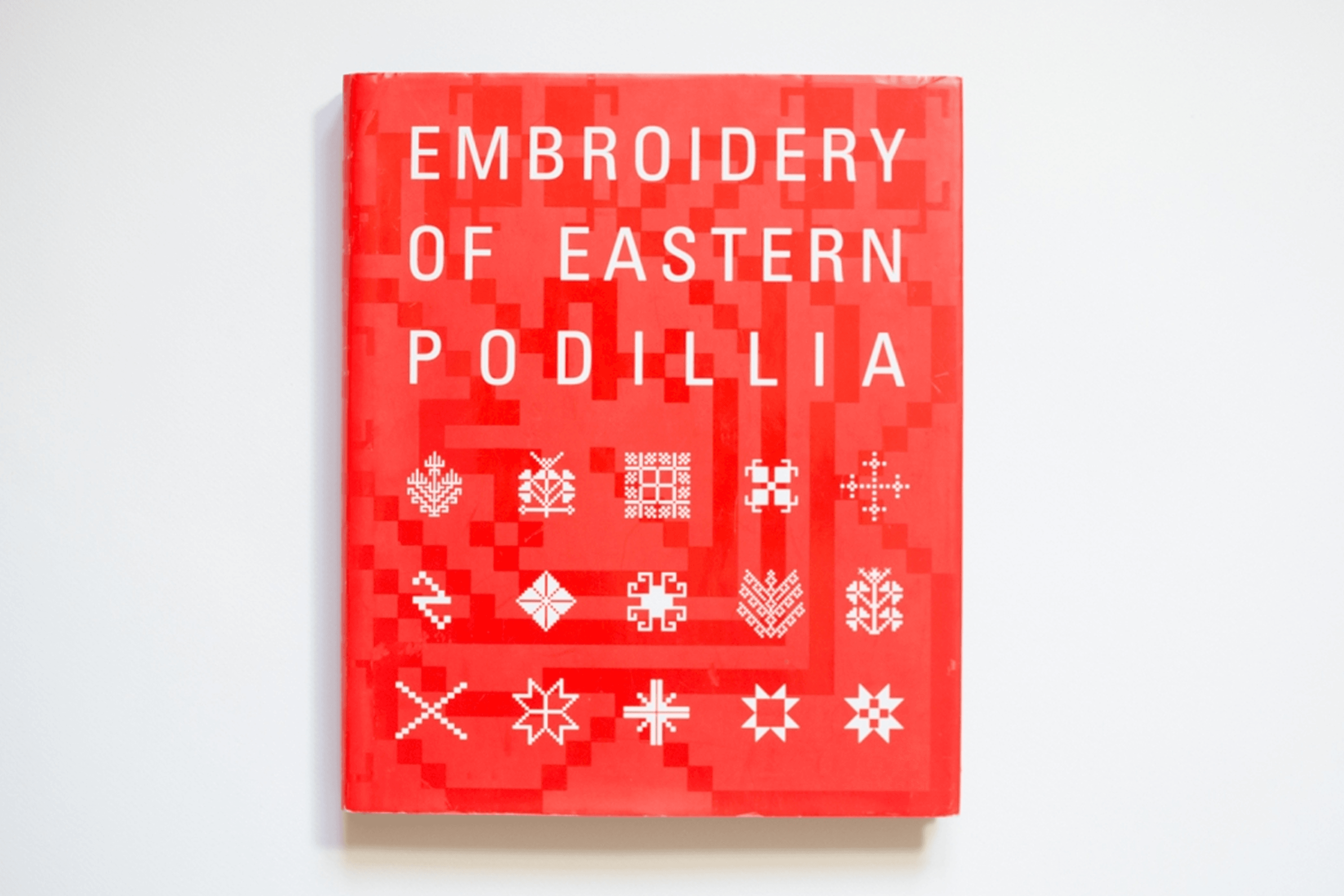
The book Embroidery of Eastern Podillia by Yevhen Prychepiy and Tetiana Prychepiy. RODOVID Press. Photo: rodovid.net 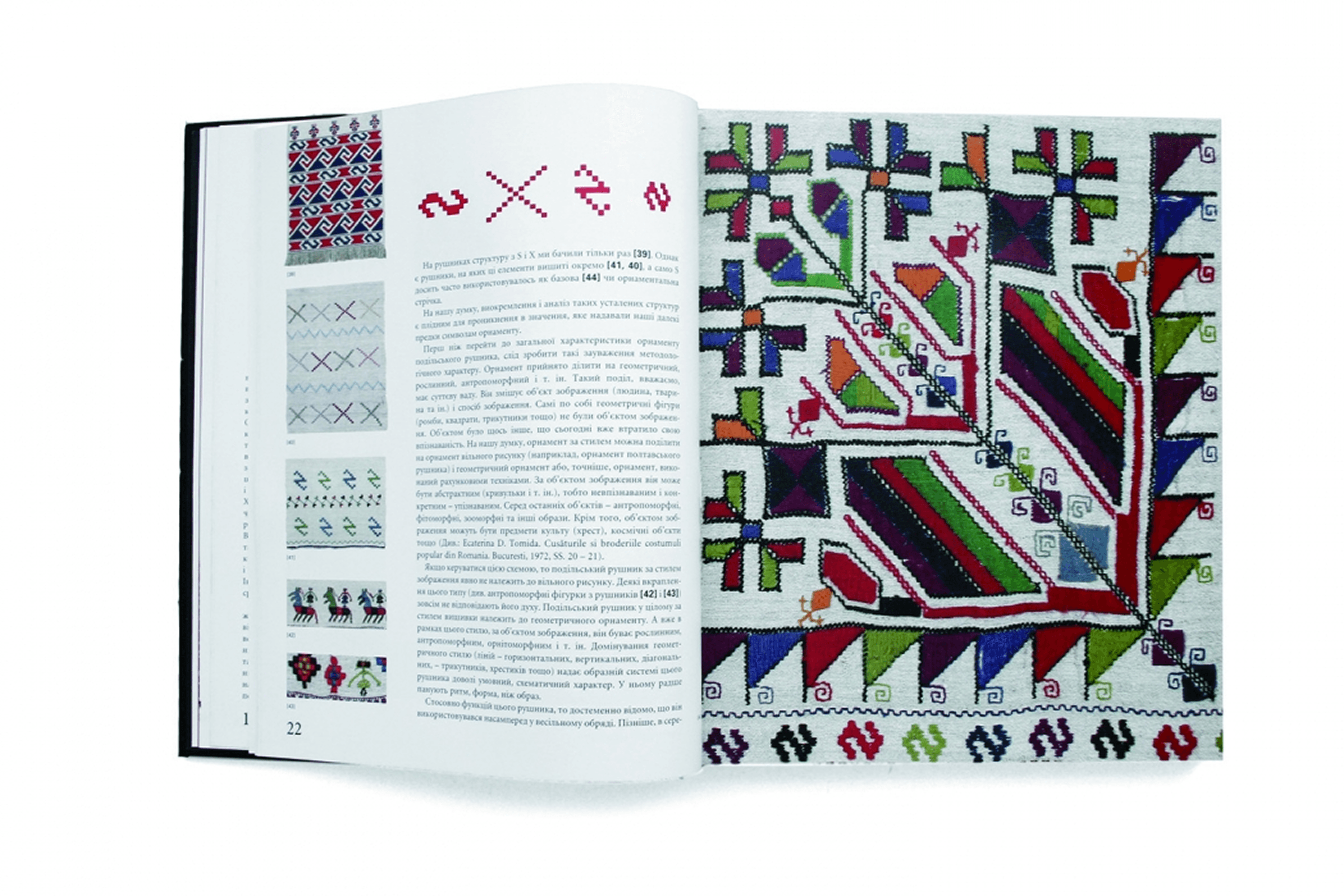
Photo: rodovid.net 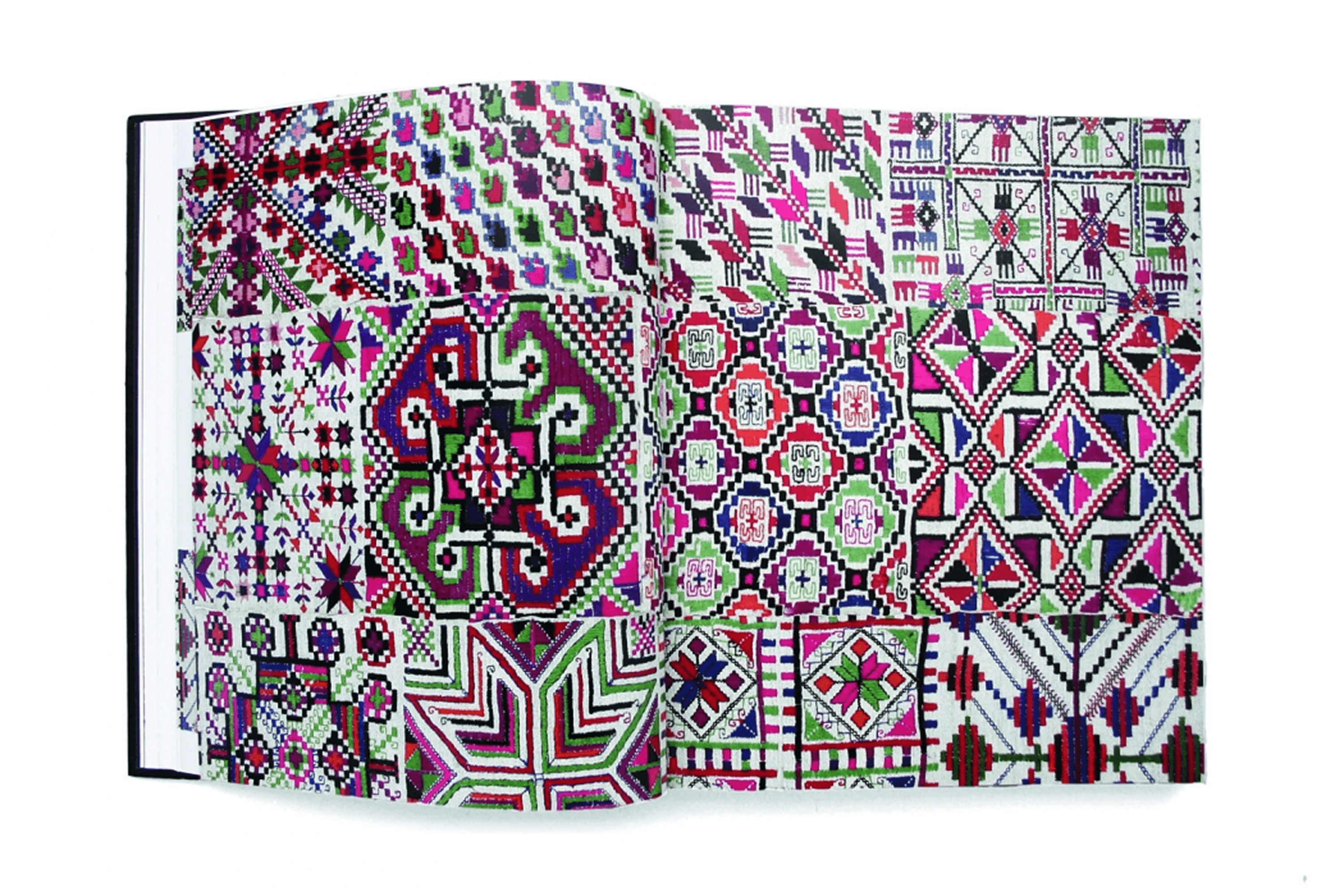
Photo: rodovid.net 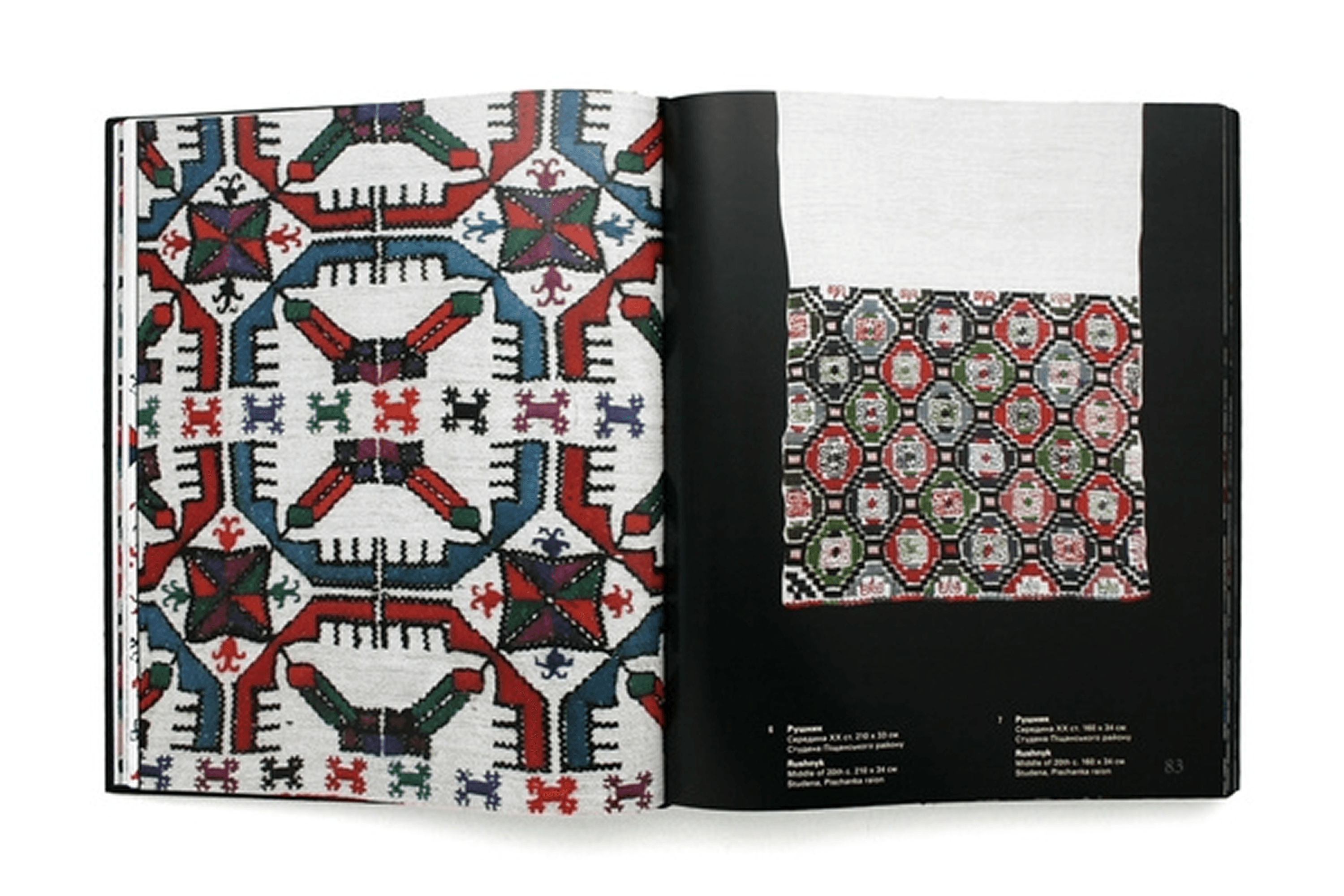
Photo: rodovid.net 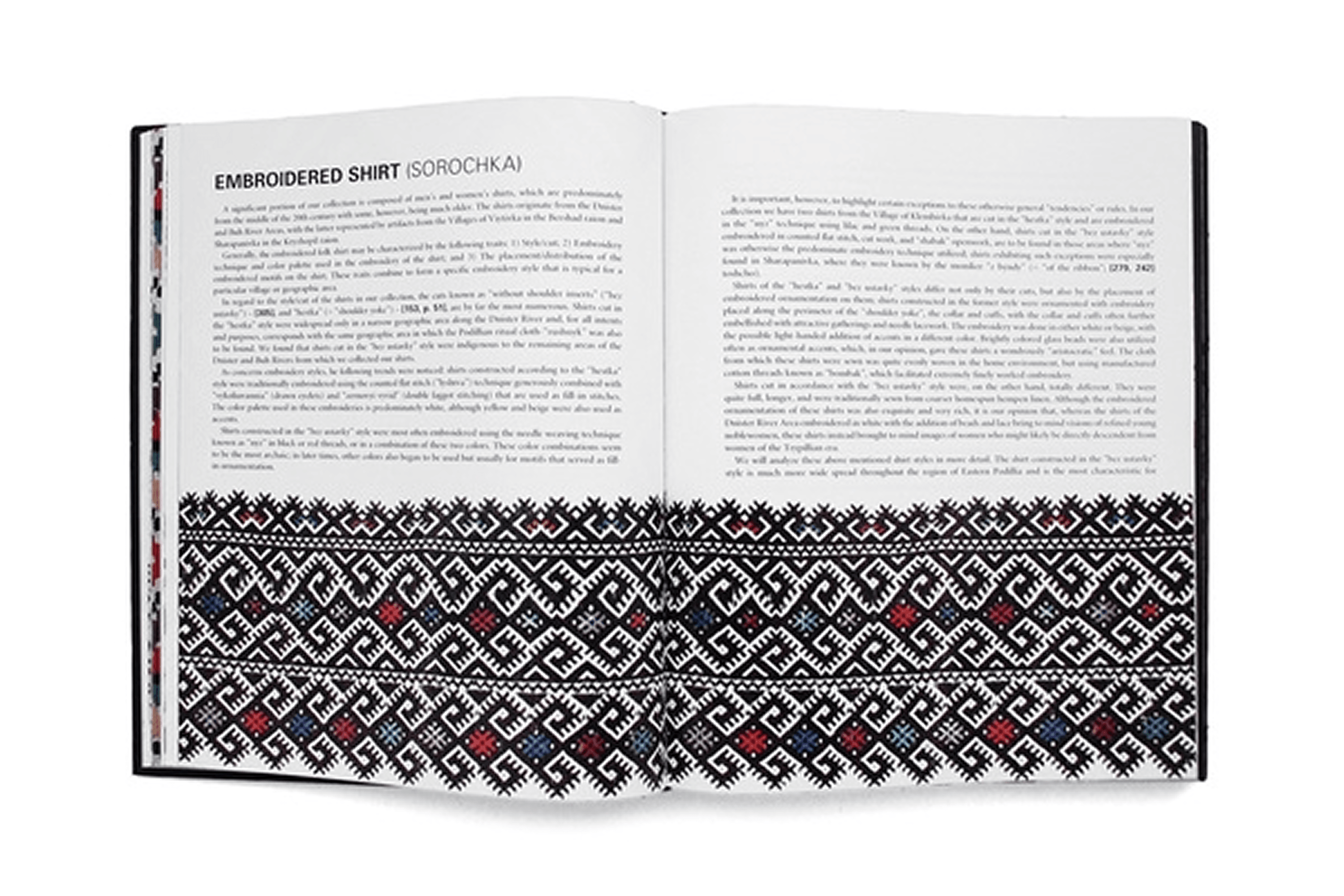
Photo: rodovid.net 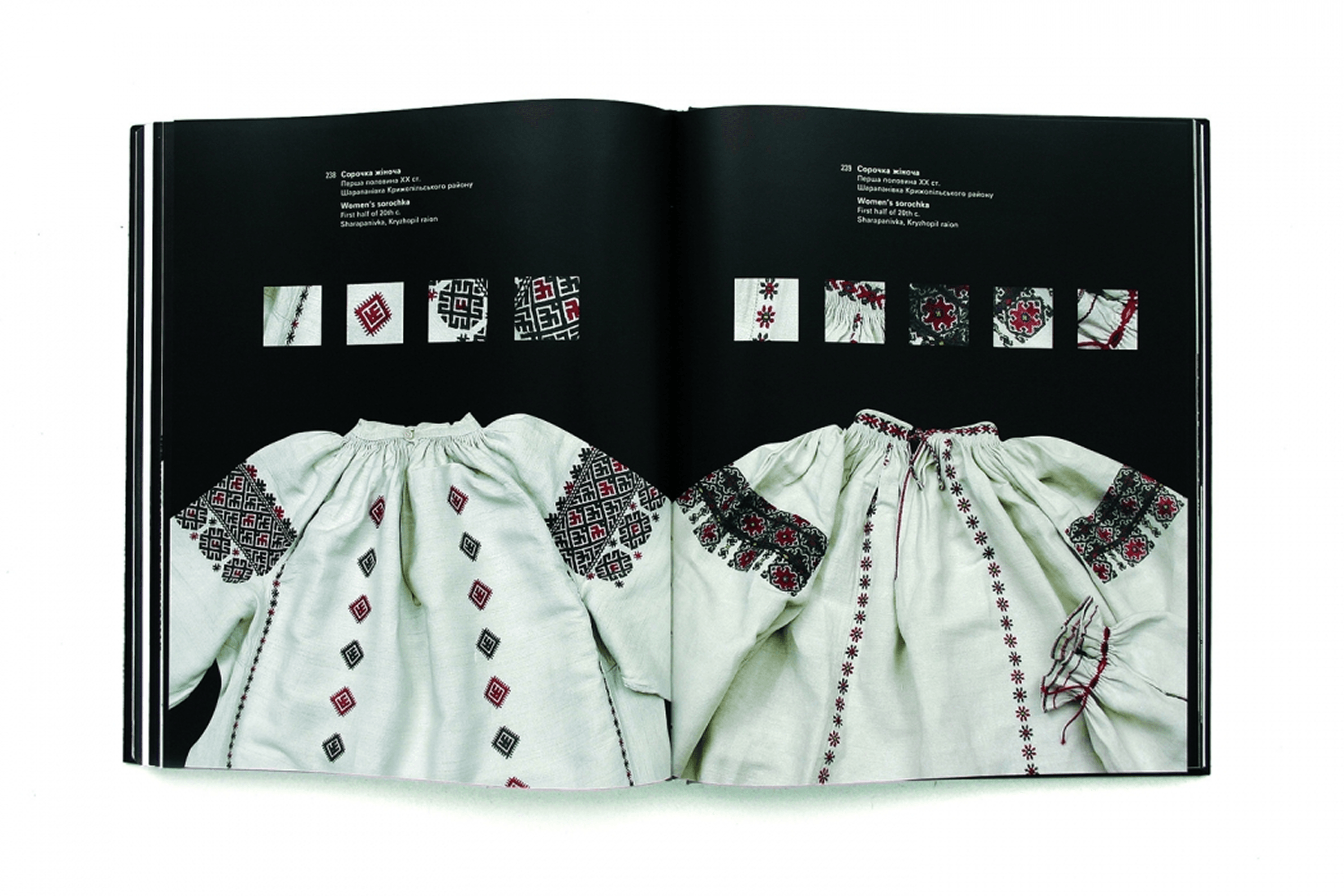
Photo: rodovid.net
Prychepiy had previously offered me an old woven rug that was sitting on his balcony, exposed to the elements. When I arrived to inspect it and settle on a price, his daughter intervened. Having attended the exhibition opening the evening before, she realized the rug’s significance and called off the sale. Far from being disappointed, I found her decision deeply encouraging—it marked a clear moment of newfound appreciation.
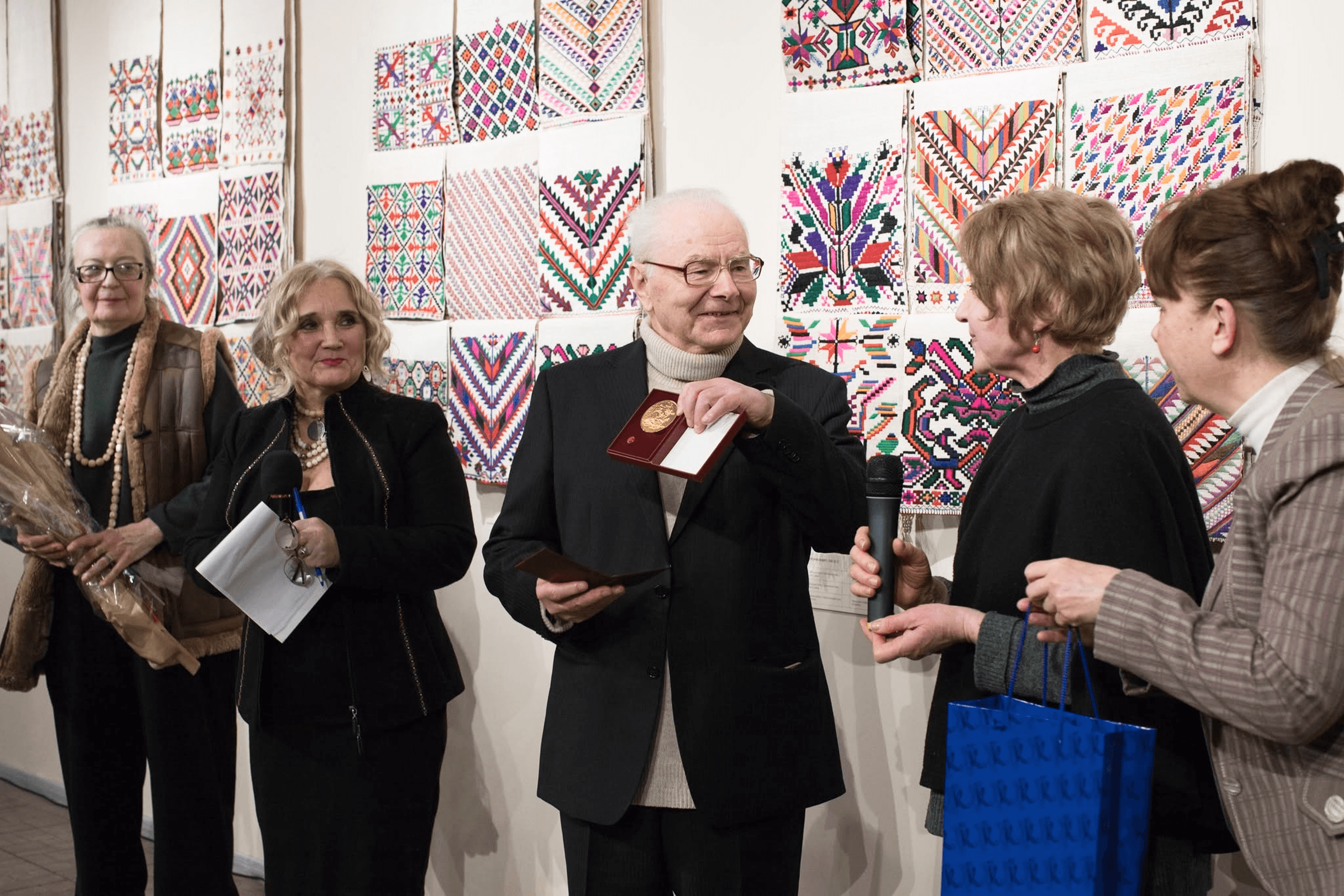
The opening of the exhibition Embroidery of Eastern Podillia | A Gift from the Prychepiy Family at the Ivan Honchar Museum. Kyiv, February 7, 2025. Photo: Музей Івана Гончара (Ivan Honchar Museum) / Facebook 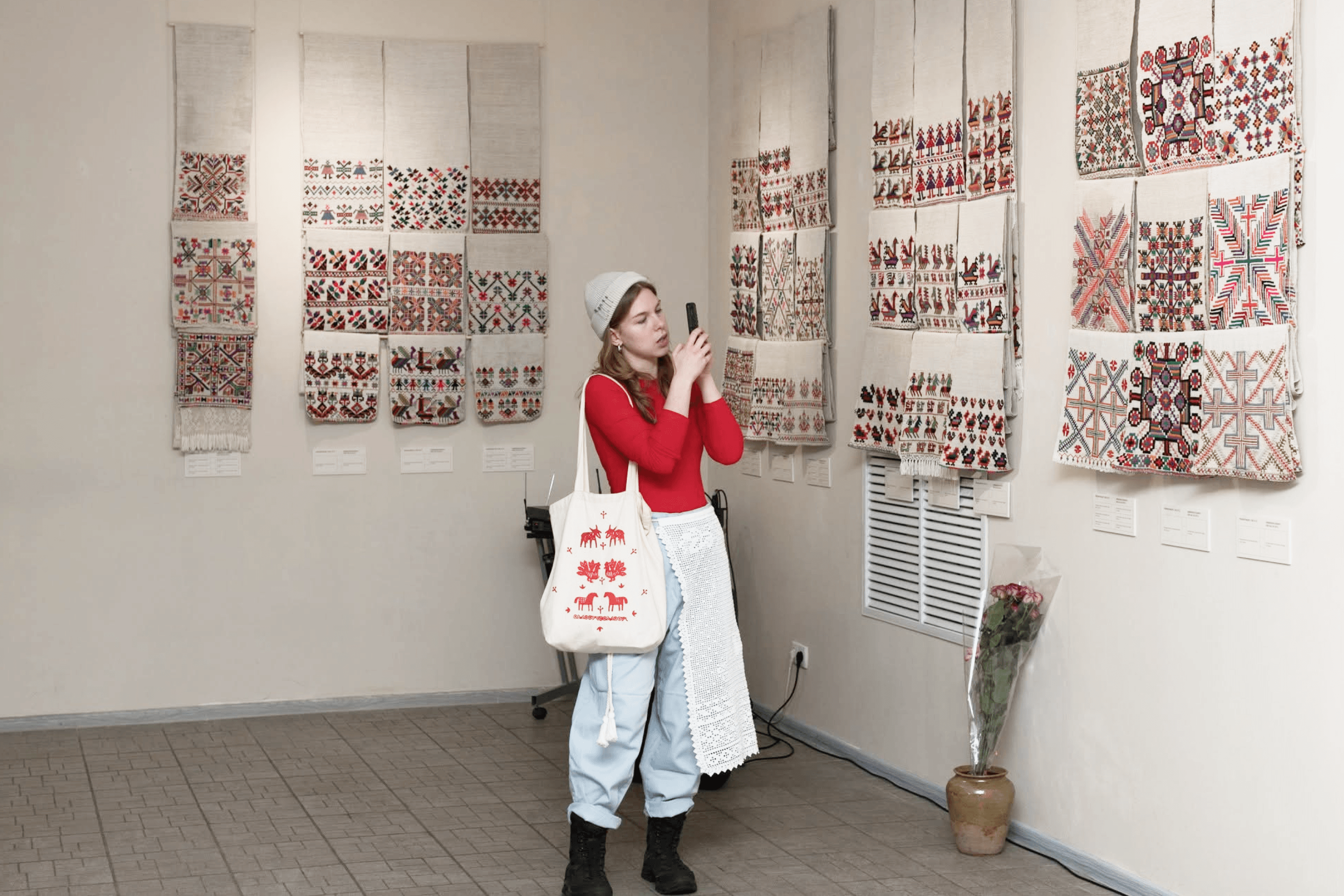
Photo: Музей Івана Гончара (Ivan Honchar Museum) / Facebook 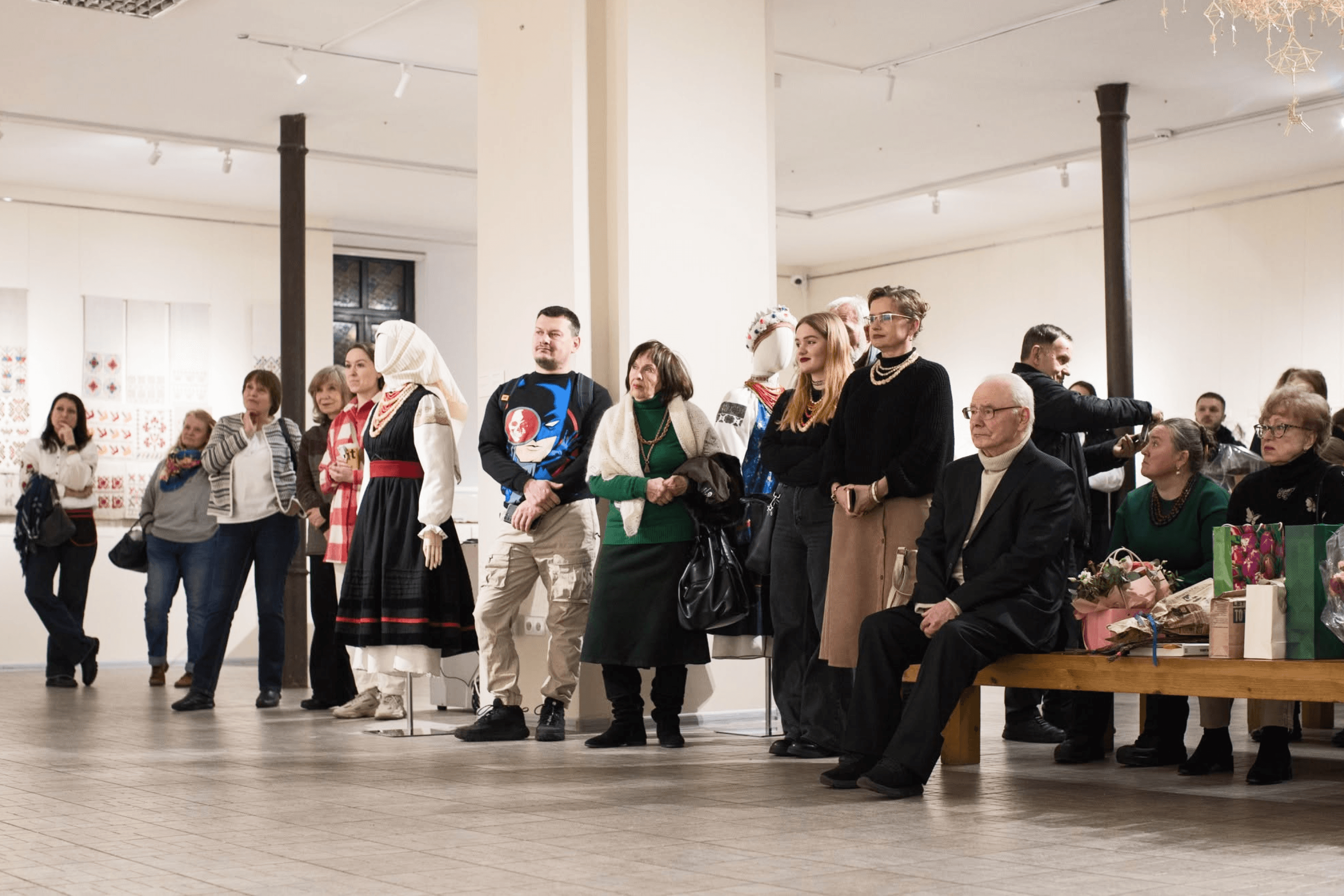
Photo: Музей Івана Гончара (Ivan Honchar Museum) / Facebook 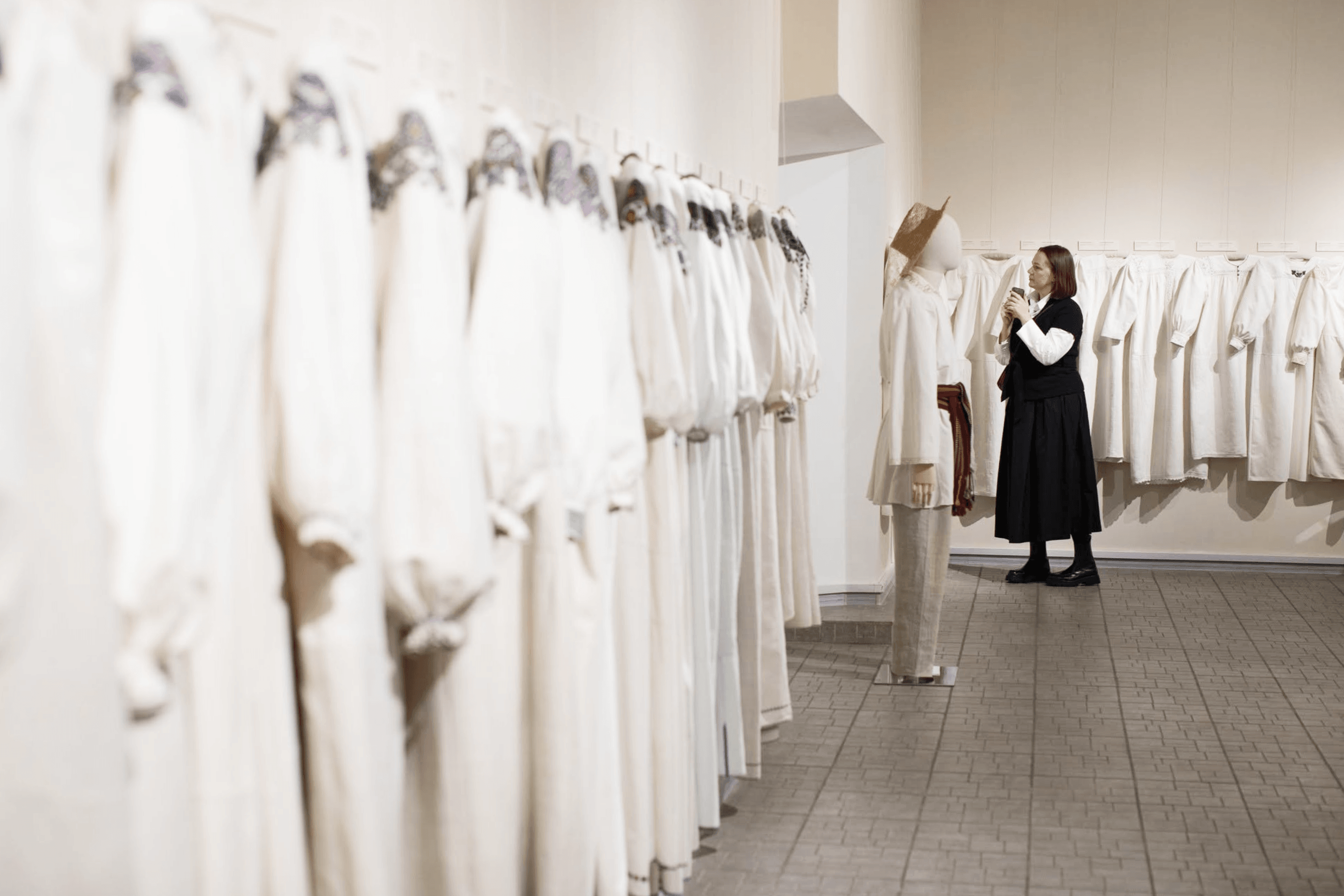
Photo: Музей Івана Гончара (Ivan Honchar Museum) / Facebook 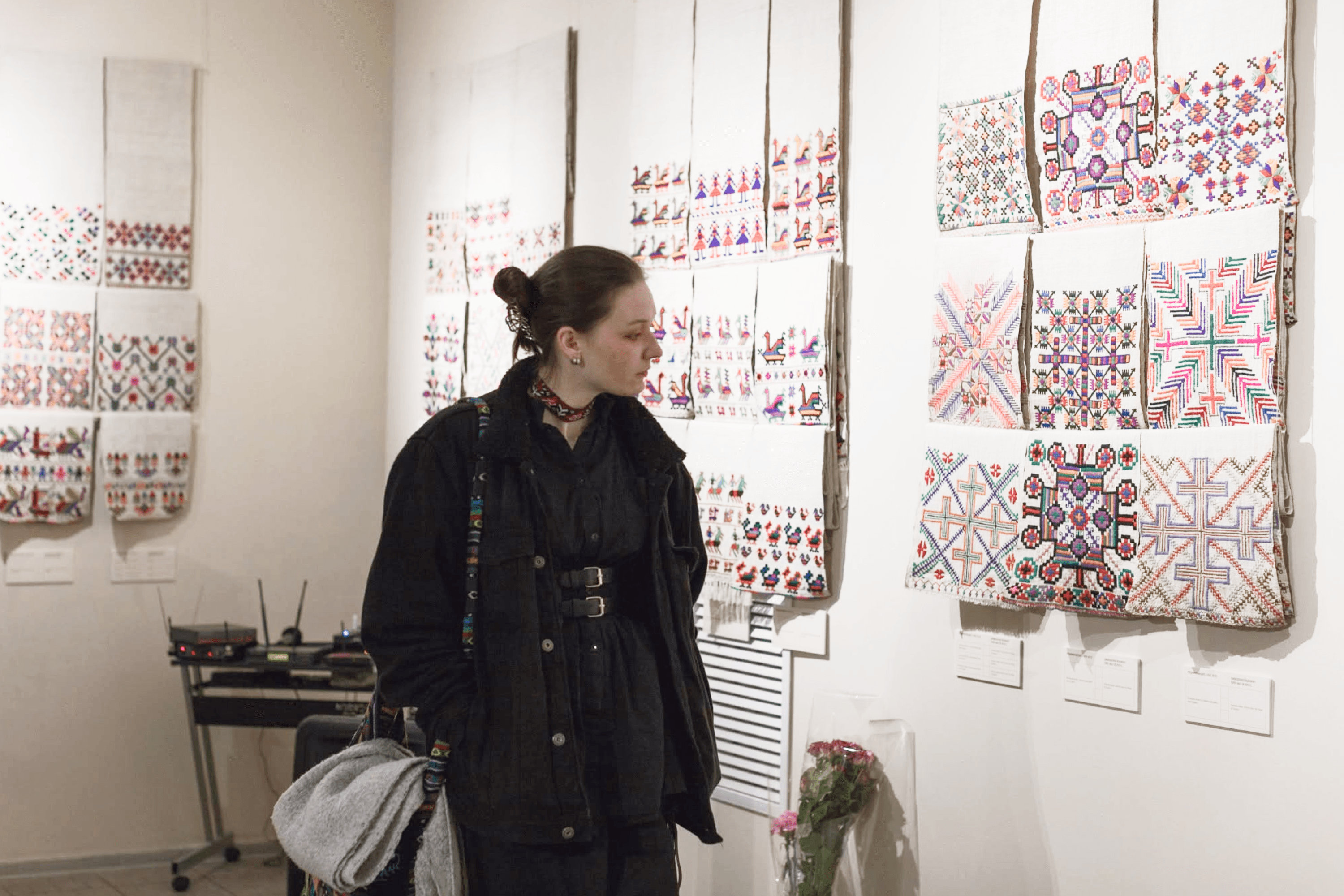
Photo: Музей Івана Гончара (Ivan Honchar Museum) / Facebook 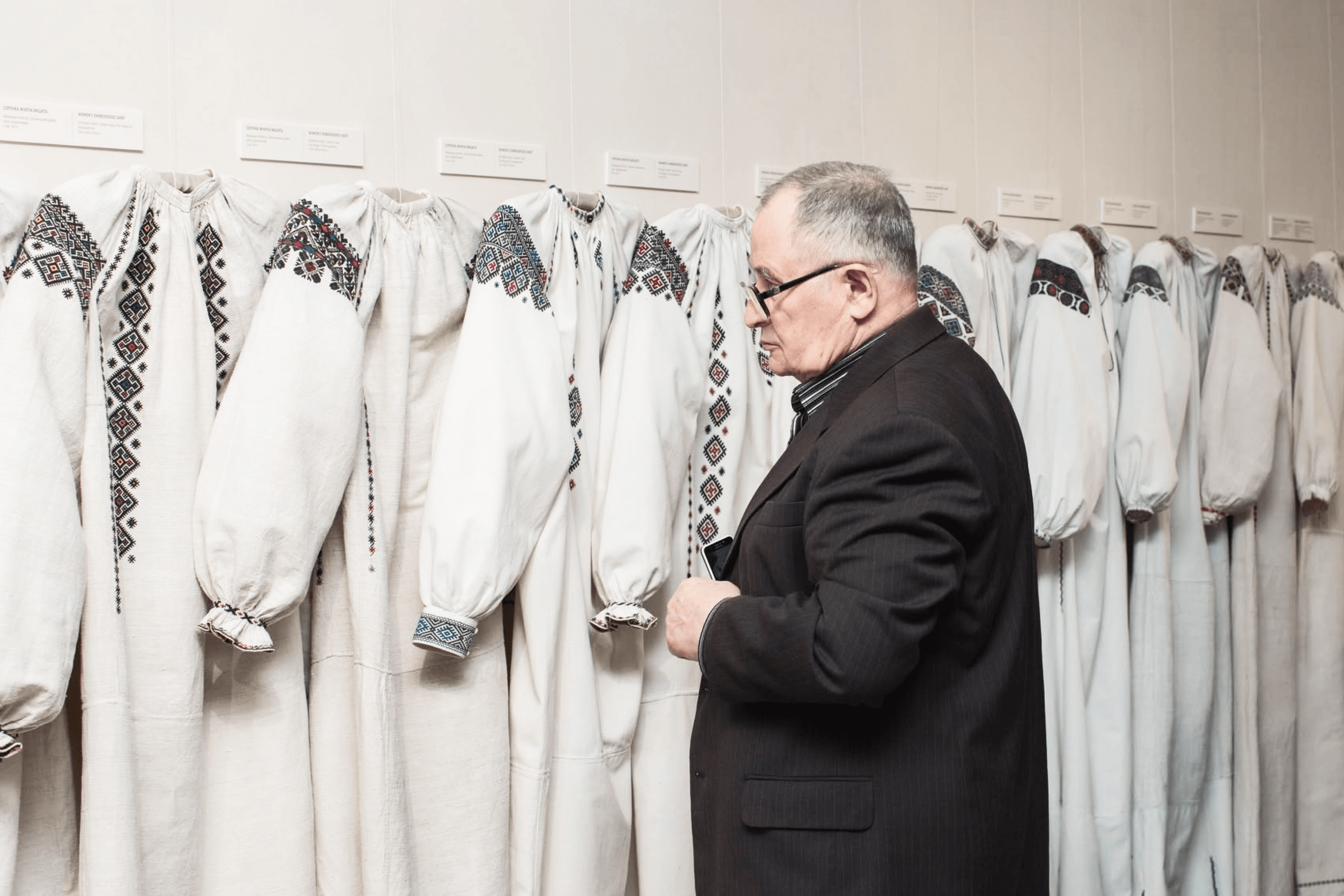
Photo: Музей Івана Гончара (Ivan Honchar Museum) / Facebook
On the Book Naïve My Love and the Curator’s Role
While it is easy to view any contemporary Ukrainian cultural project through the lens of the post-2022 invasion, GUNIA Project initiated Naïve My Love years earlier. Founders Mariya Havrylyuk and Nataliya Kamenska have long integrated naive motifs into their work, and Havrylyuk was already discussing a dedicated book project in 2020.
However, the war undeniably elevated the book’s global importance. Our objective was to highlight Ukrainian culture as an independent, self-contained tradition rather than a provincial adjunct to Russia. Ukrainian art does not need to be framed solely through trauma or conflict to gain relevance; its naive movement is visually stunning and historically significant on its own merits.
In curating the volume, I aimed to showcase the diverse streams that fed Ukrainian naive art. Some creators evolved out of rural folk crafts, like Tetyana Pata and the Homenyuk sisters; others crossed paths with the avant-garde. Figures like Oleksandra Ekster and Kazimir Malevych actively engaged with peasant art, coordinating shared workshops and exhibitions.
GUNIA provided full curatorial freedom regarding the narrative arc and selection of artists, while design choices were made collaboratively. The cover image—a painting of two white doves by an anonymous artist—speaks volumes. Many exceptional works in Ukrainian naive art lack attribution, but their artistic weight remains undeniable.
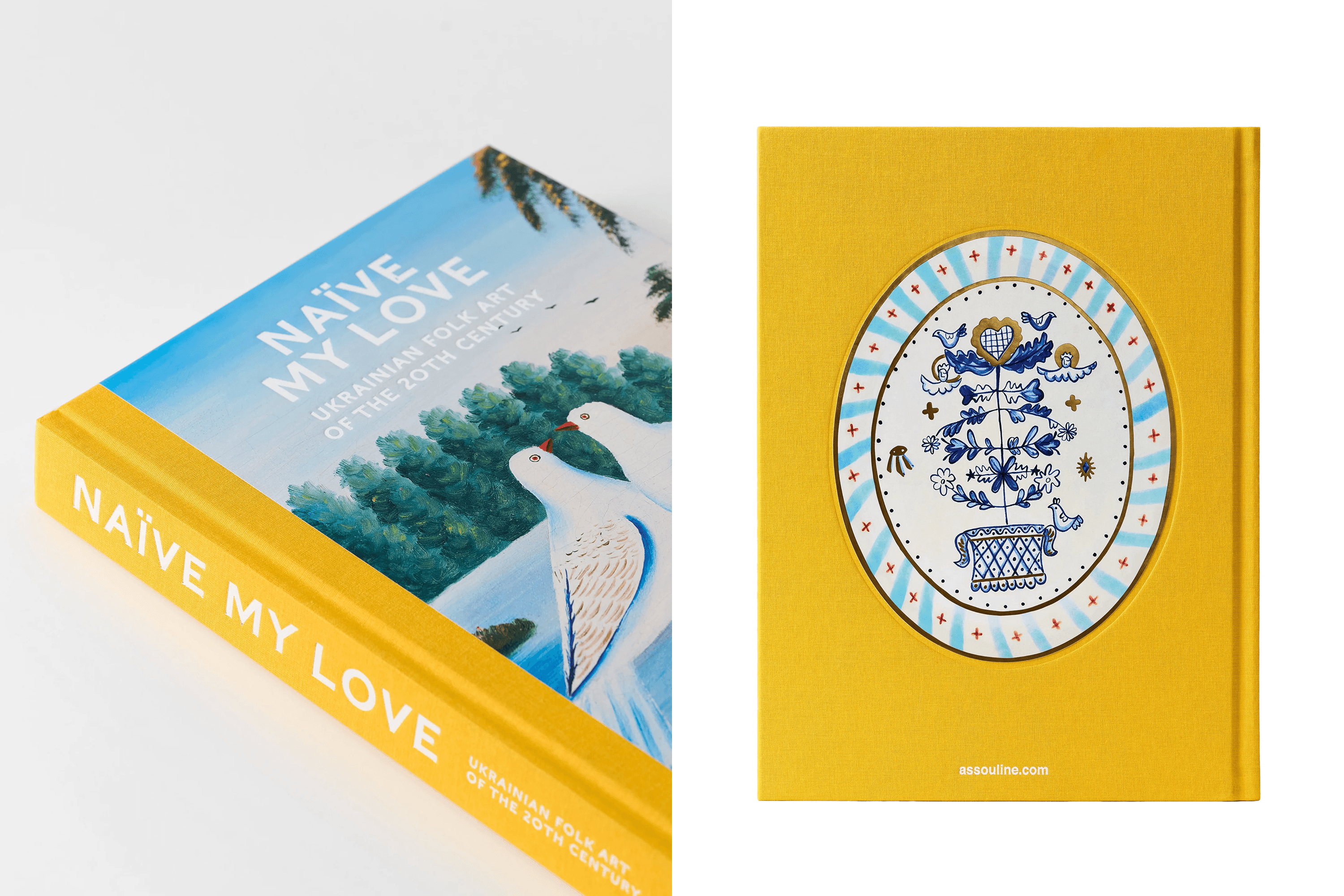
The book Naïve My Love: Ukrainian Folk Art of the 20th Century. Photo: assouline.com 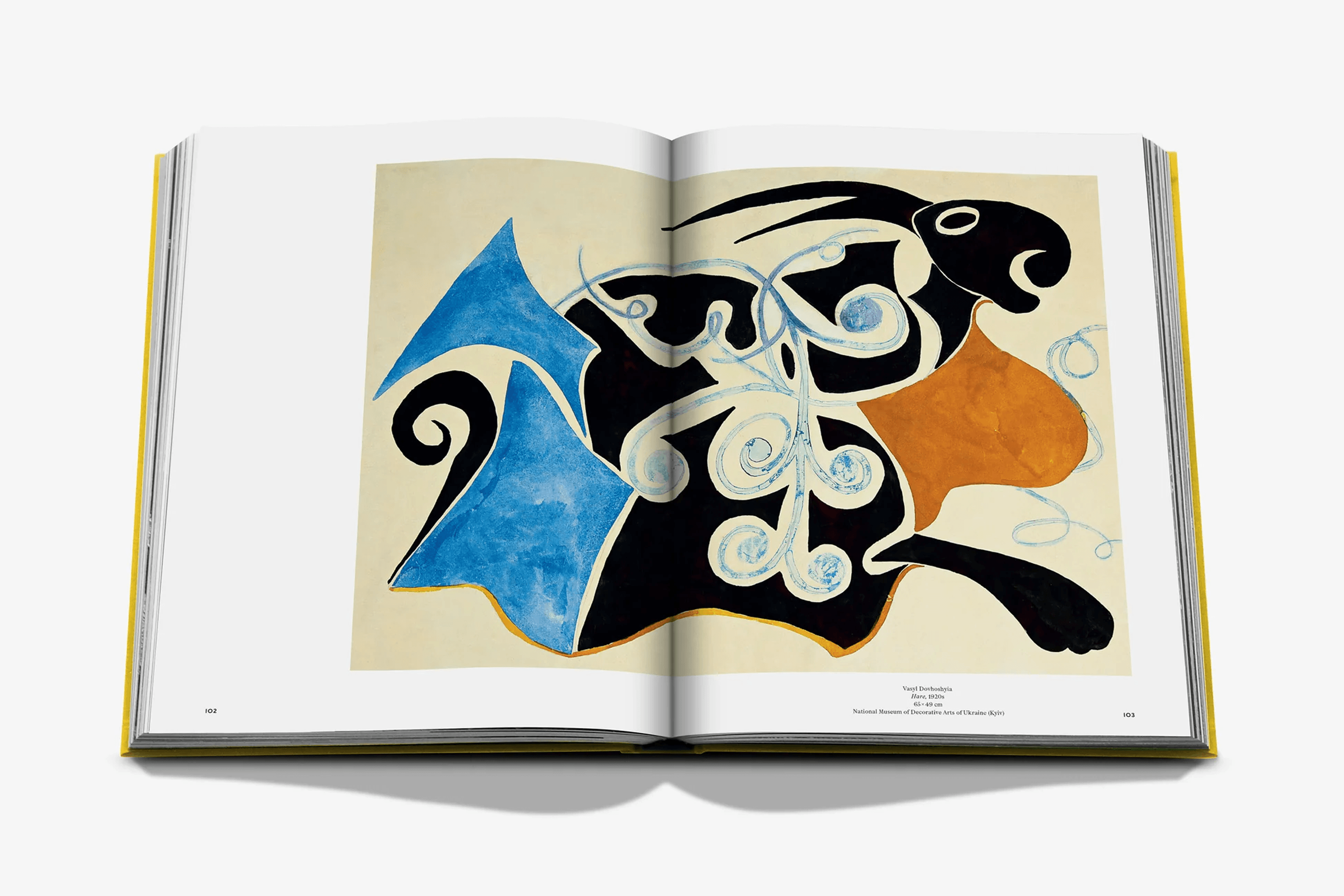
Photo: assouline.com 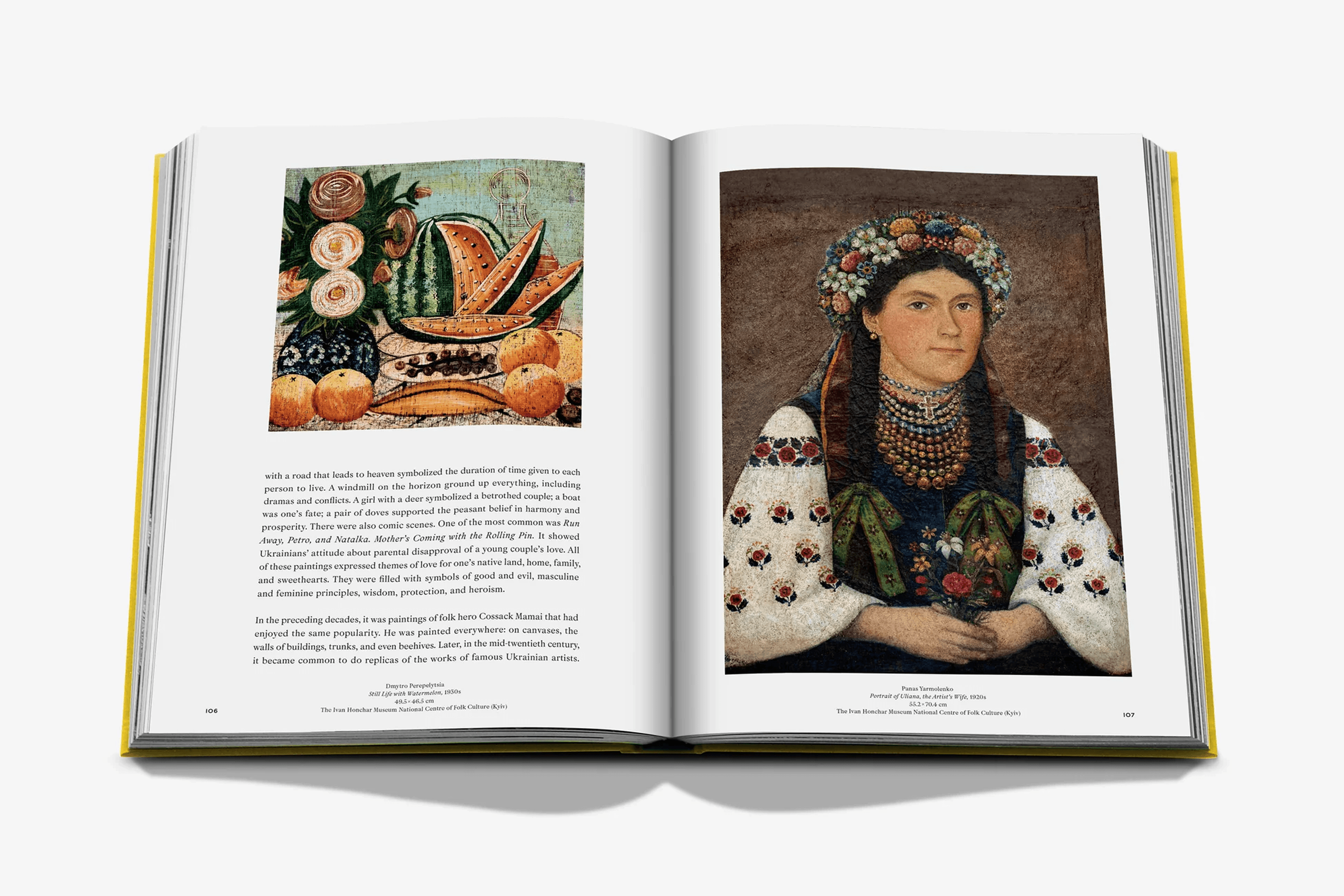
Photo: assouline.com 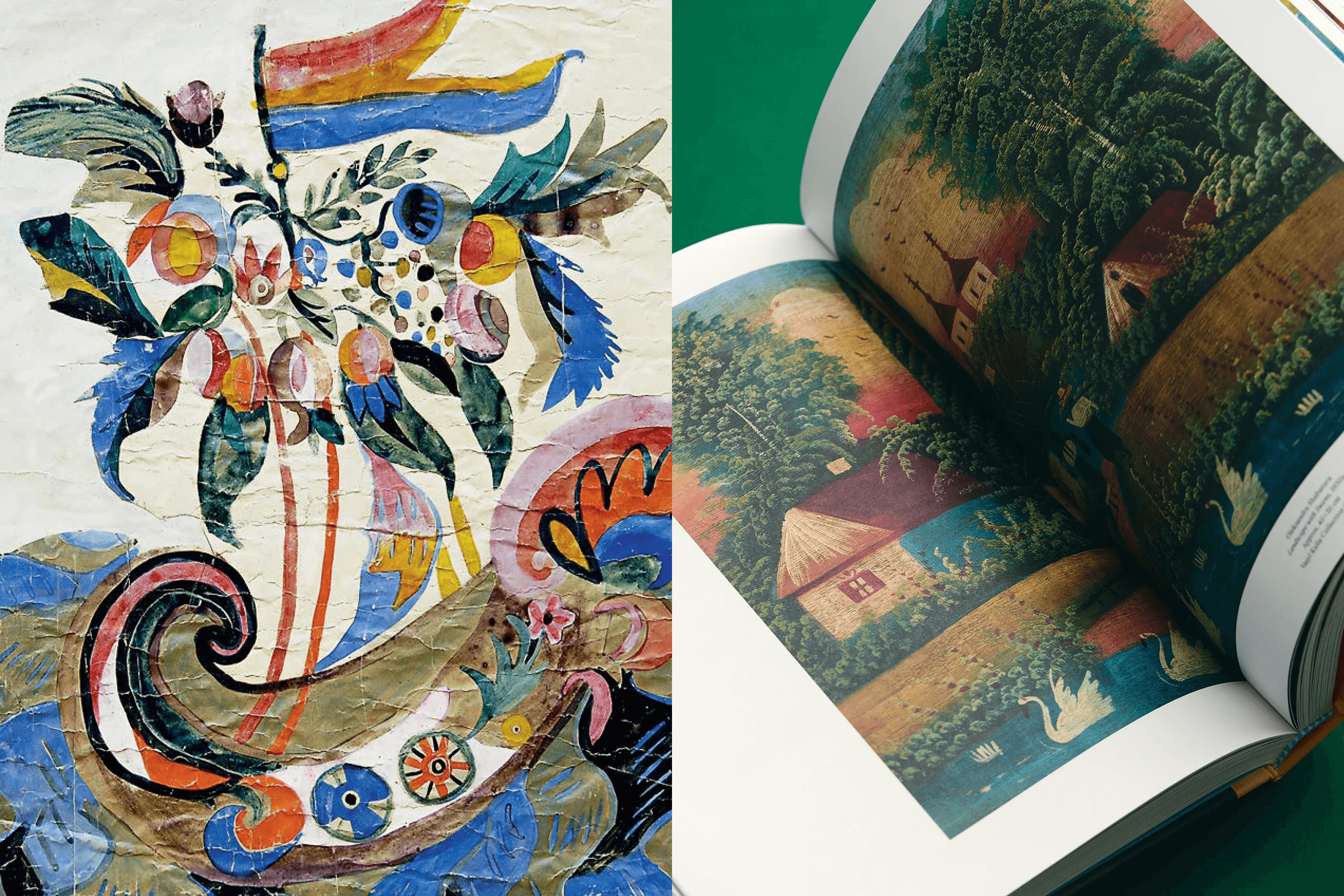
Photo: assouline.com 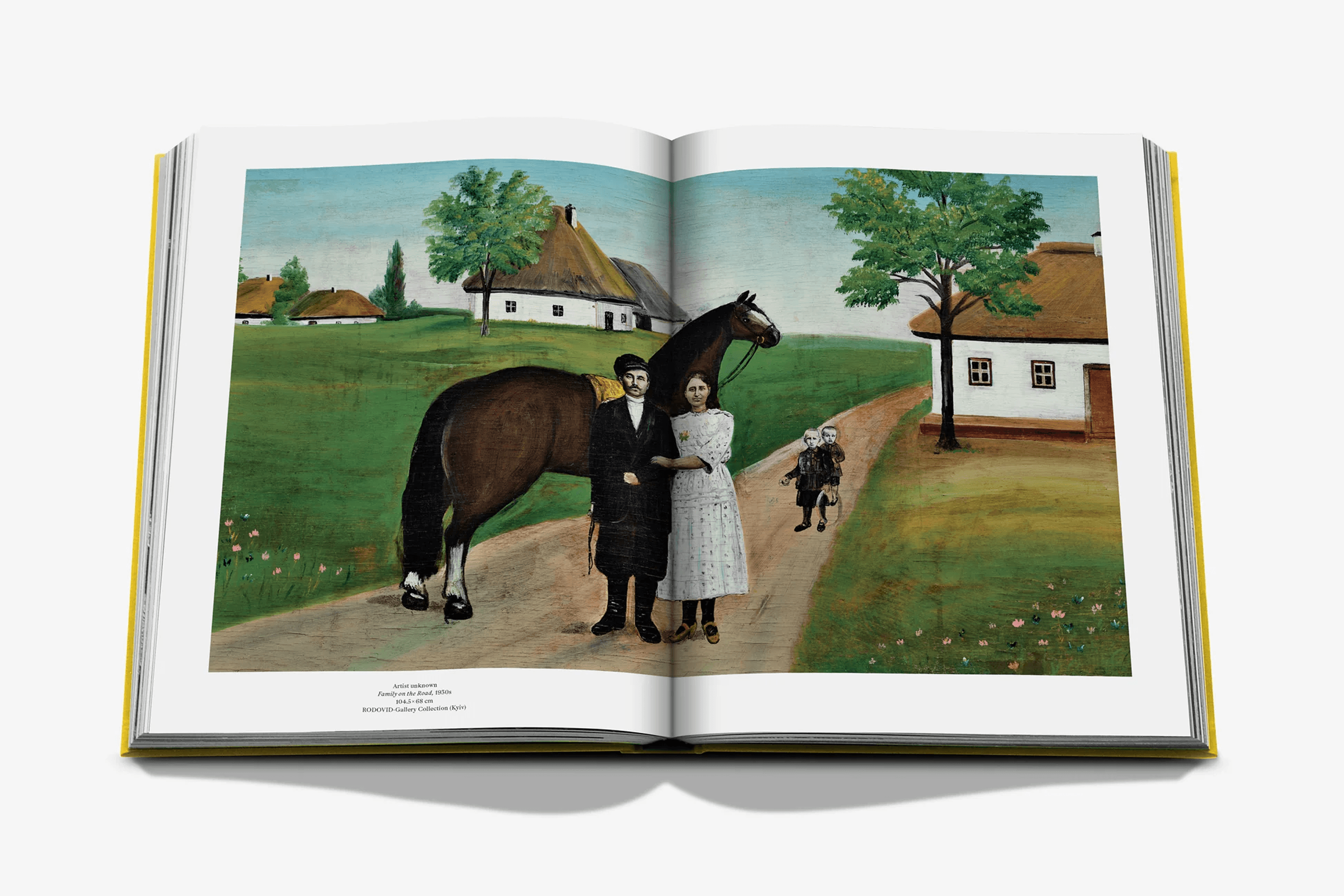
Photo: assouline.com 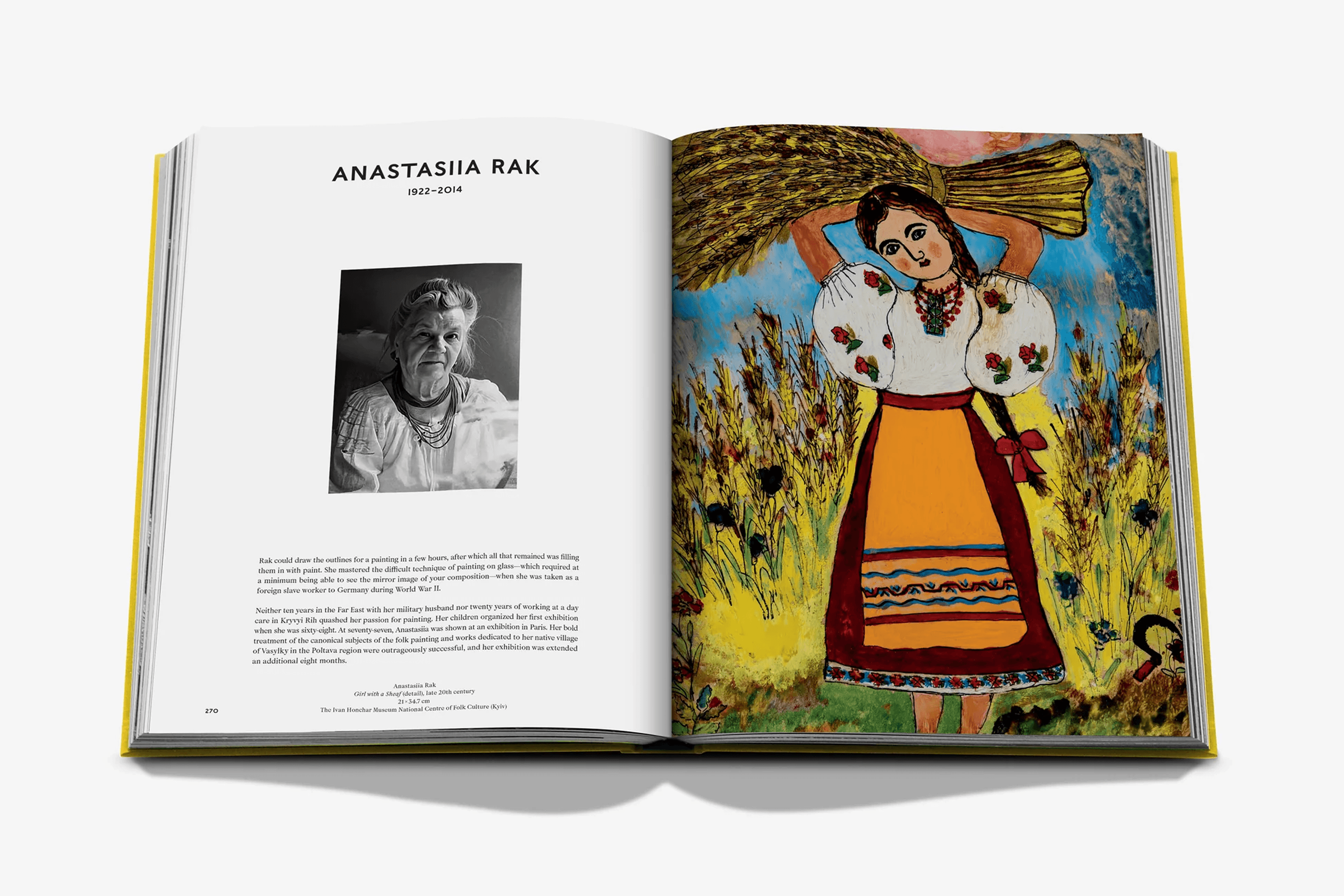
Photo: assouline.com
To ensure a balanced perspective, I brought in a panel of prominent art historians and critics: Oksana Semenik, Petro Honchar, Valentyna Klymenko, Oksana Povyakel, and Tetyana Solovey. Their input helped refine the selection.
Initially, our draft featured an overwhelming amount of work by Mariya Prymachenko. Petro Honchar raised a valid concern: “If we over-index on Prymachenko, we risk turning her into a superstar at the expense of her peers.” He was spot on. Prymachenko is monumental, but she should not obscure the wider movement.
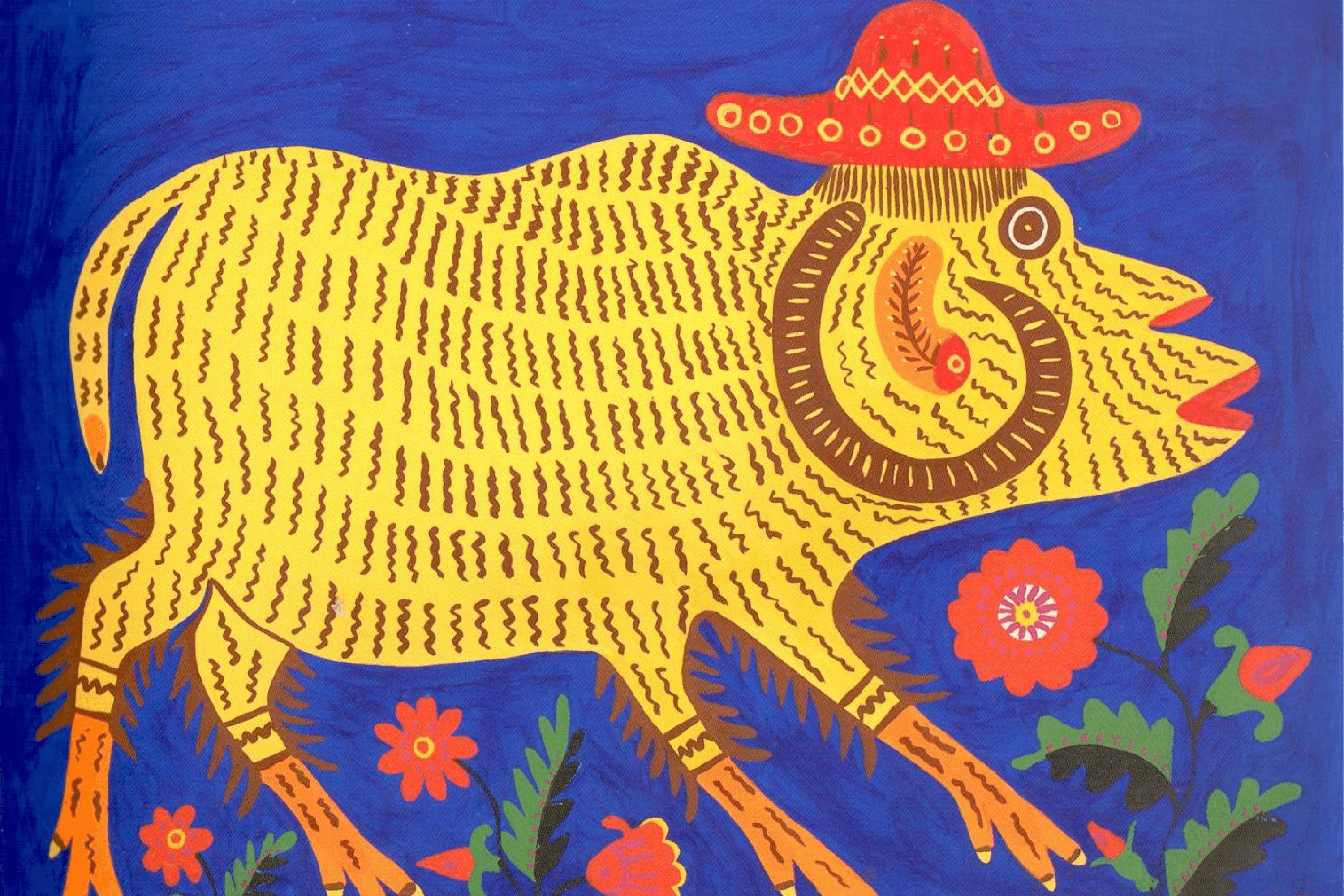
The Ukrainian Ram Didn’t Harvest the Rye, Mariya Prymachenko, 1976. Photo: wikiart.org 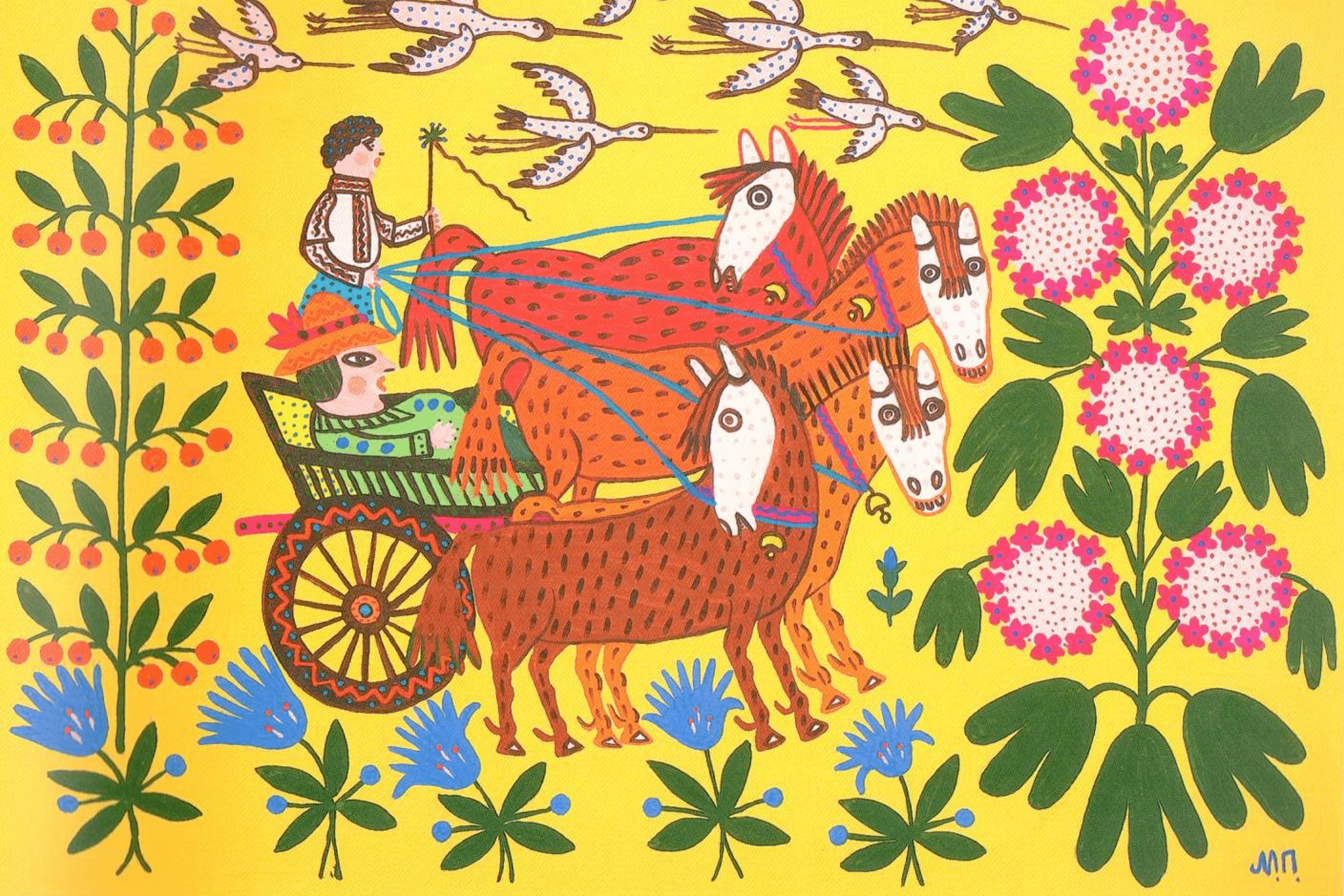
That’s How Ivan Gave the Master a Ride Until He Fell into the Carriage, Mariya Prymachenko, 1983. Photo: wikiart.org 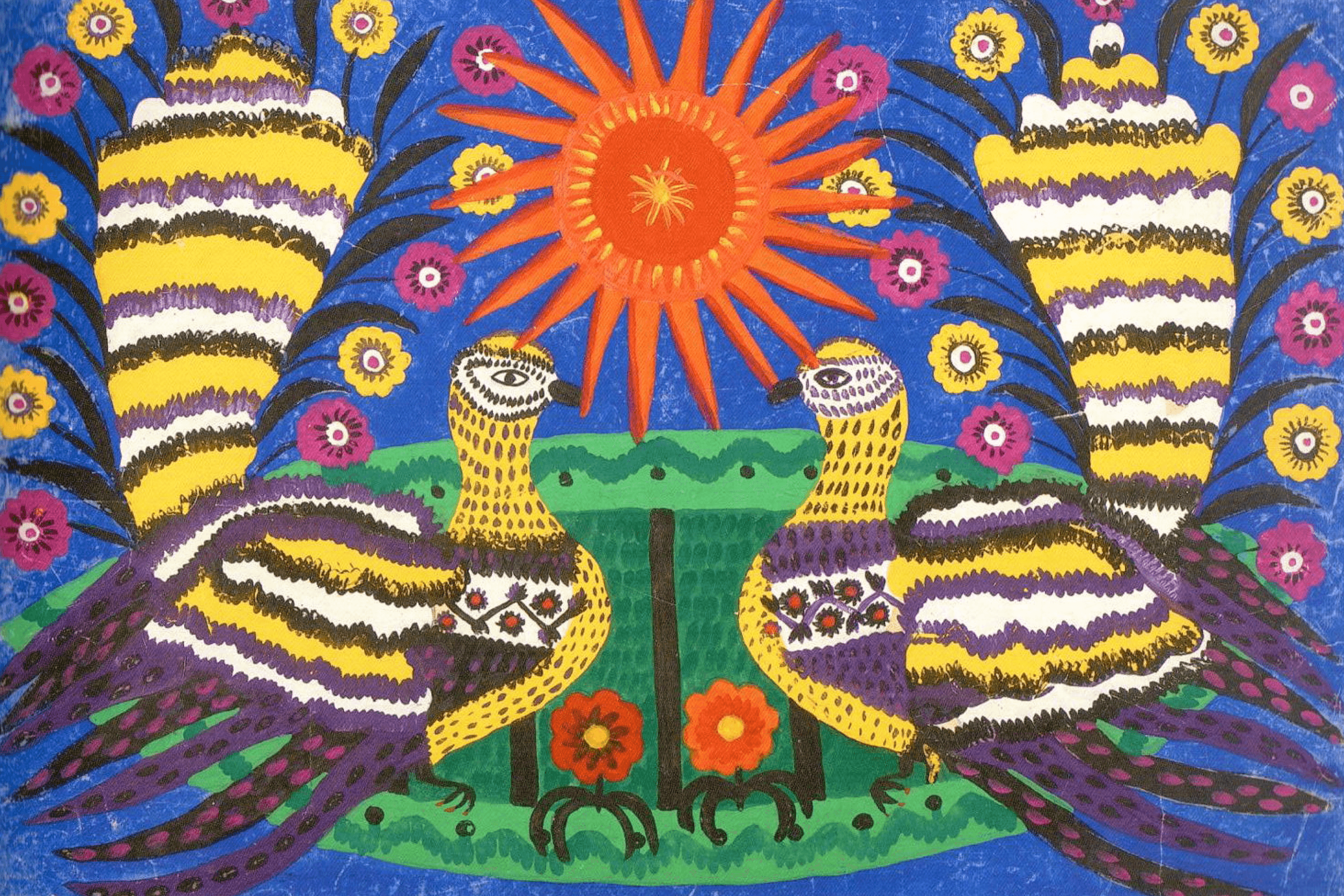
Seagulls in a Boat, Mariya Prymachenko, 1965. Photo: wikiart.org 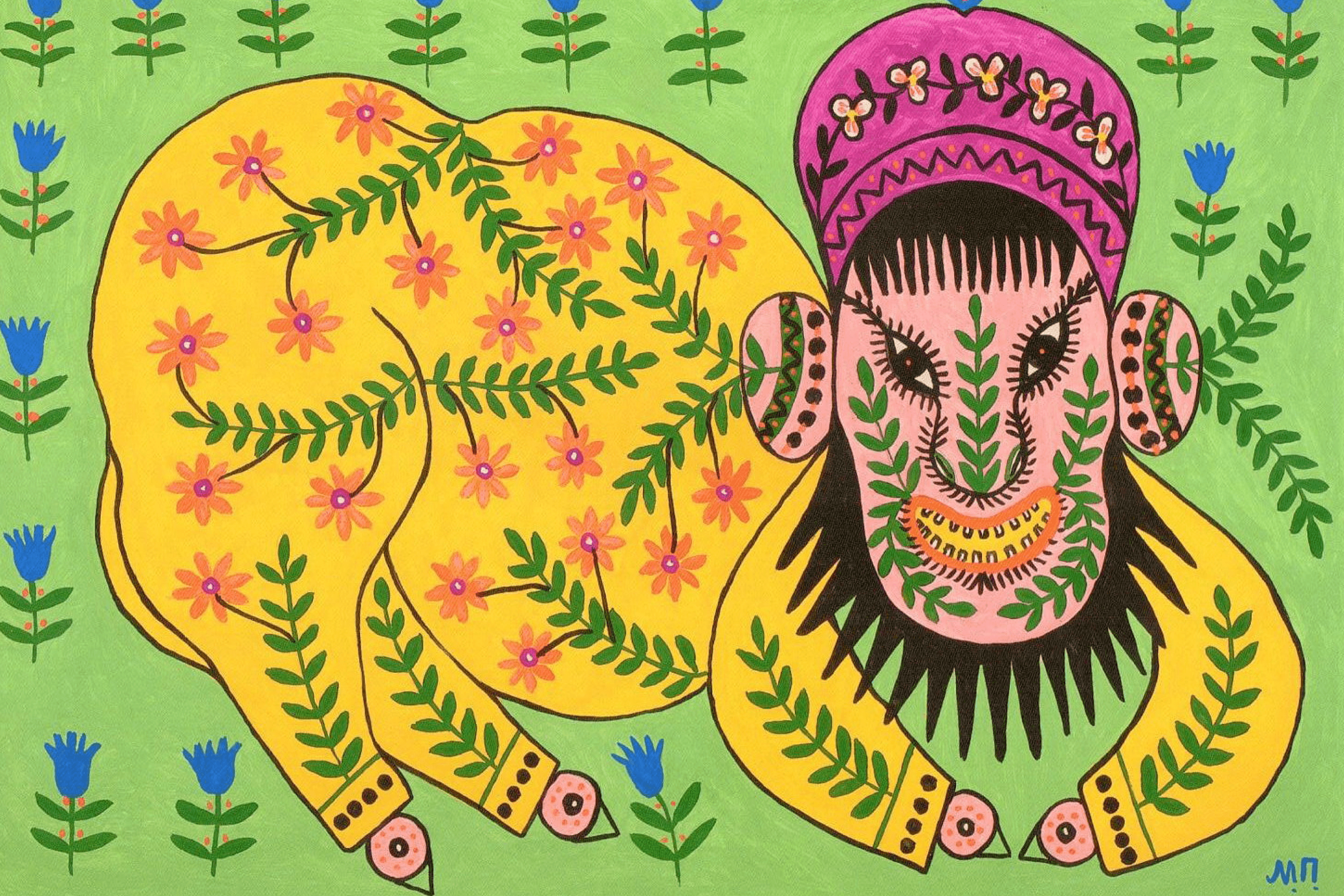
This Beast Tells Fortunes, Mariya Prymachenko, 1983. Photo: wikiart.org
Partnering with Assouline
Assouline’s editorial team brought no rigid assumptions to the table, allowing us to maintain full control over the narrative and content. They focused on their core expertise: high-end publishing mechanics, including paper selection, layout, typography, and color accuracy.
The experience proved that Ukrainian cultural narratives do not need to be simplified for international audiences. What matters is delivering high-level execution that translates across borders.
Artists who spent decades working in regional obscurity are now featured on global platforms. While GUNIA’s primary motivation was simply sharing an art form they loved, the result is effective cultural diplomacy: an arresting visual draws international readers in, prompting them to learn more about the creators and Ukraine itself.
Equally important is the internal impact. When a major global publisher highlights Ukrainian heritage, it encourages Ukrainians to reevaluate and preserve their own history.
That may be the most vital outcome of all: helping us recognize the value of what we have at home.
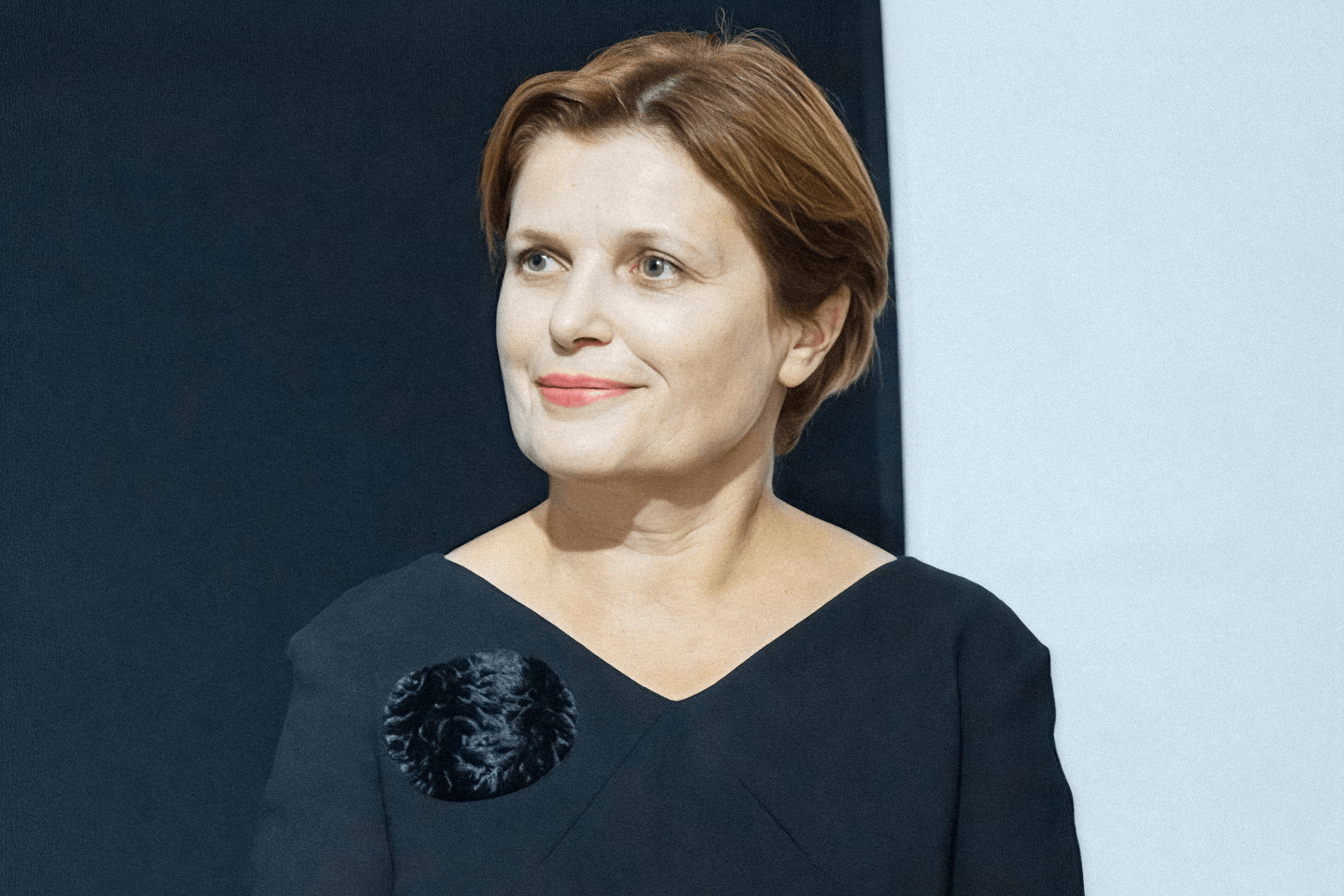
On her own RODOVID publishing house
Jean-Claude Marcadé, the French art historian specializing in the Ukrainian avant-garde, frequently remarked that Ukraine needed to take ownership of its own art history. That belief has driven RODOVID from day one. Through dozens of books, we have worked to restore forgotten, unexamined, or lost works to the public domain — searching museum reserves, conducting field expeditions, publishing pioneering research on naive peasant icons, and documenting Cossack textiles. These publications have played a major role in redefining national cultural literacy.
This process demands patience. Each RODOVID edition represents years of work: sourcing materials, conducting research, fact-checking, and editing. Projects frequently take anywhere from four to ten years. But once released, that research is permanently secured as part of a history written on our own terms.
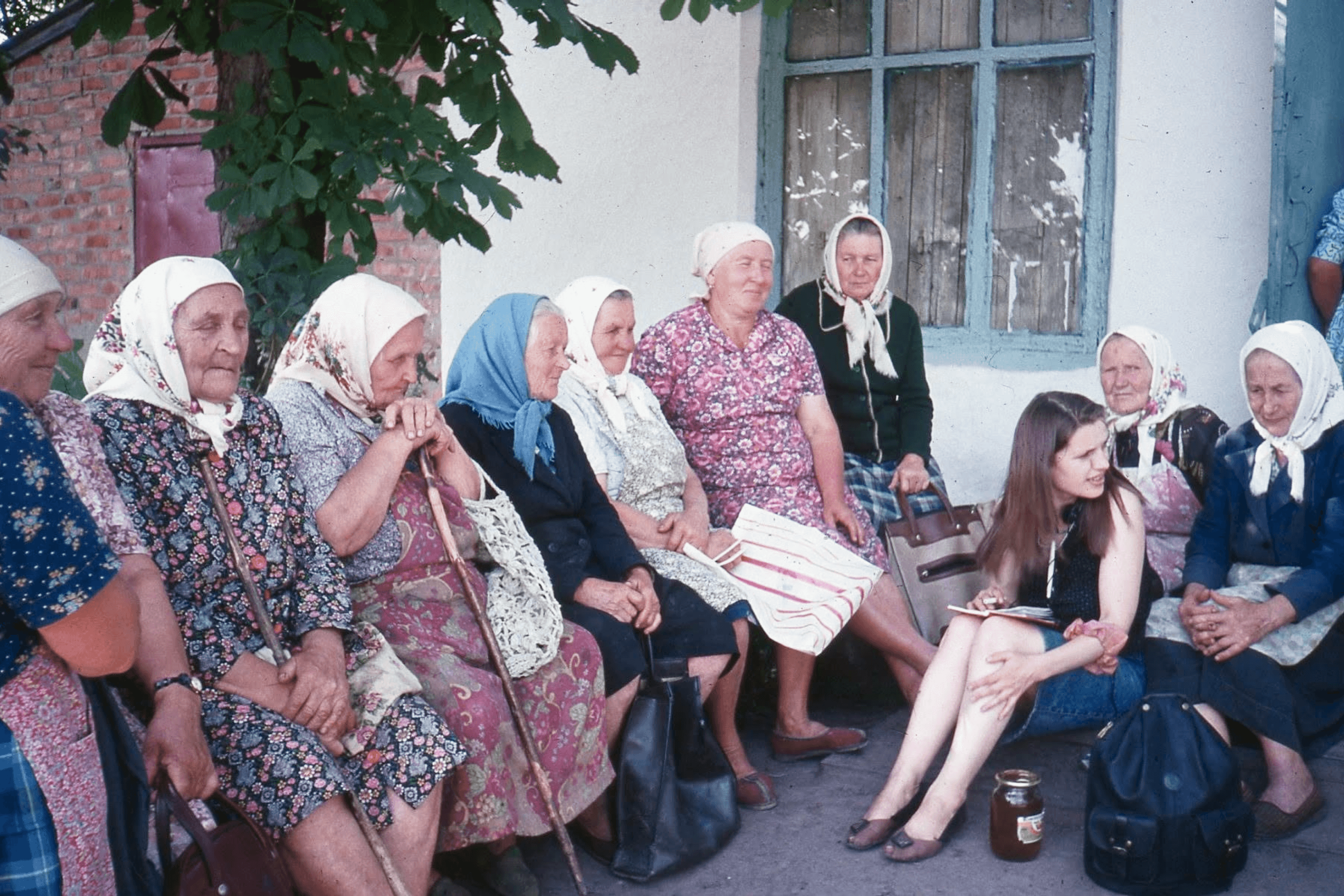
Lidiia Lykhach (center) during one of her expeditions across Ukraine. She has been involved in field research on Ukrainian traditional culture since the 1990s and continues this work today. Photo: РОДОВІД / Facebook 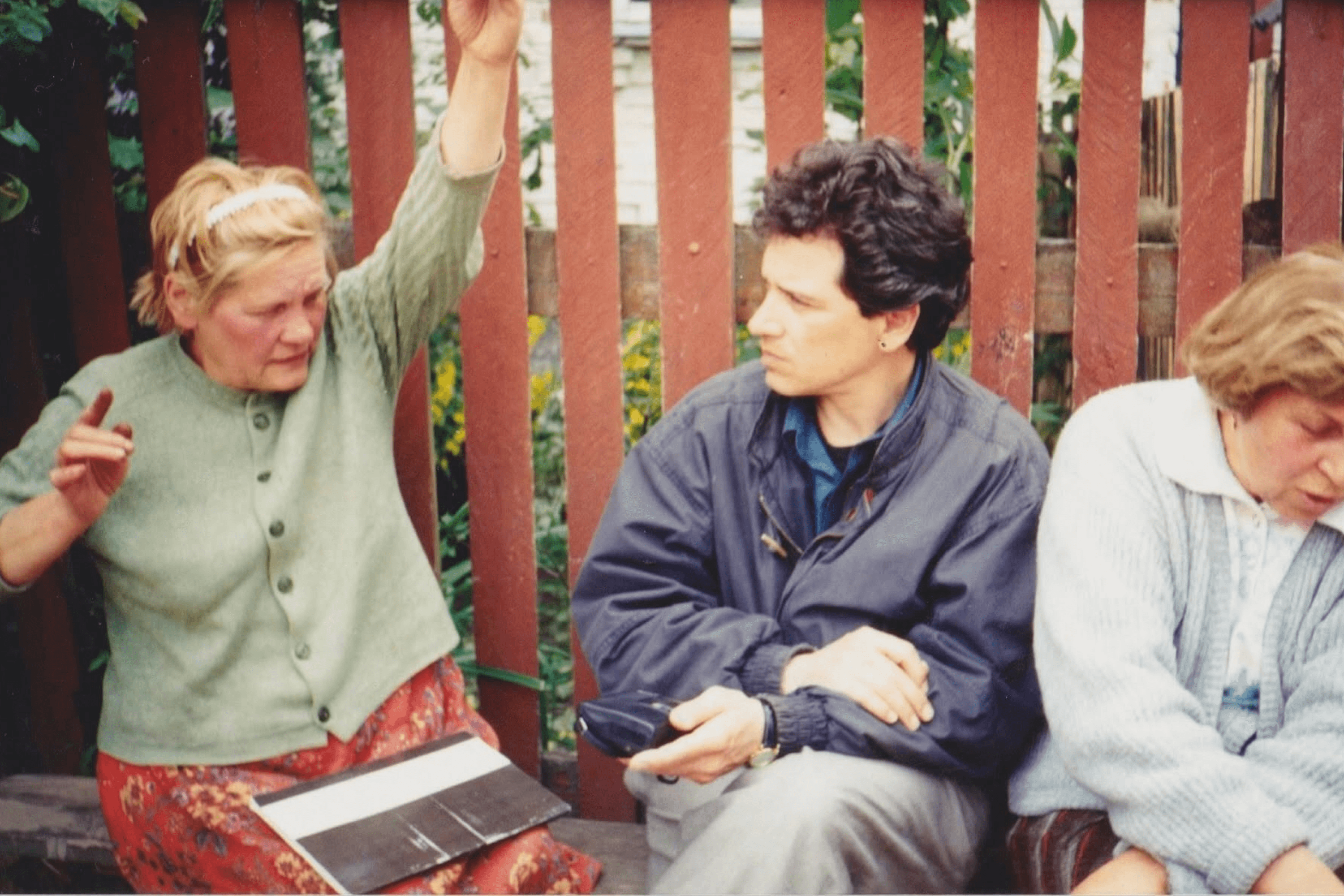
Mariia Kondrenko, daughter of lirnyk Vasyl Limoza, William Noll, and Vira Zaichenko. Photo: РОДОВІД / Facebook 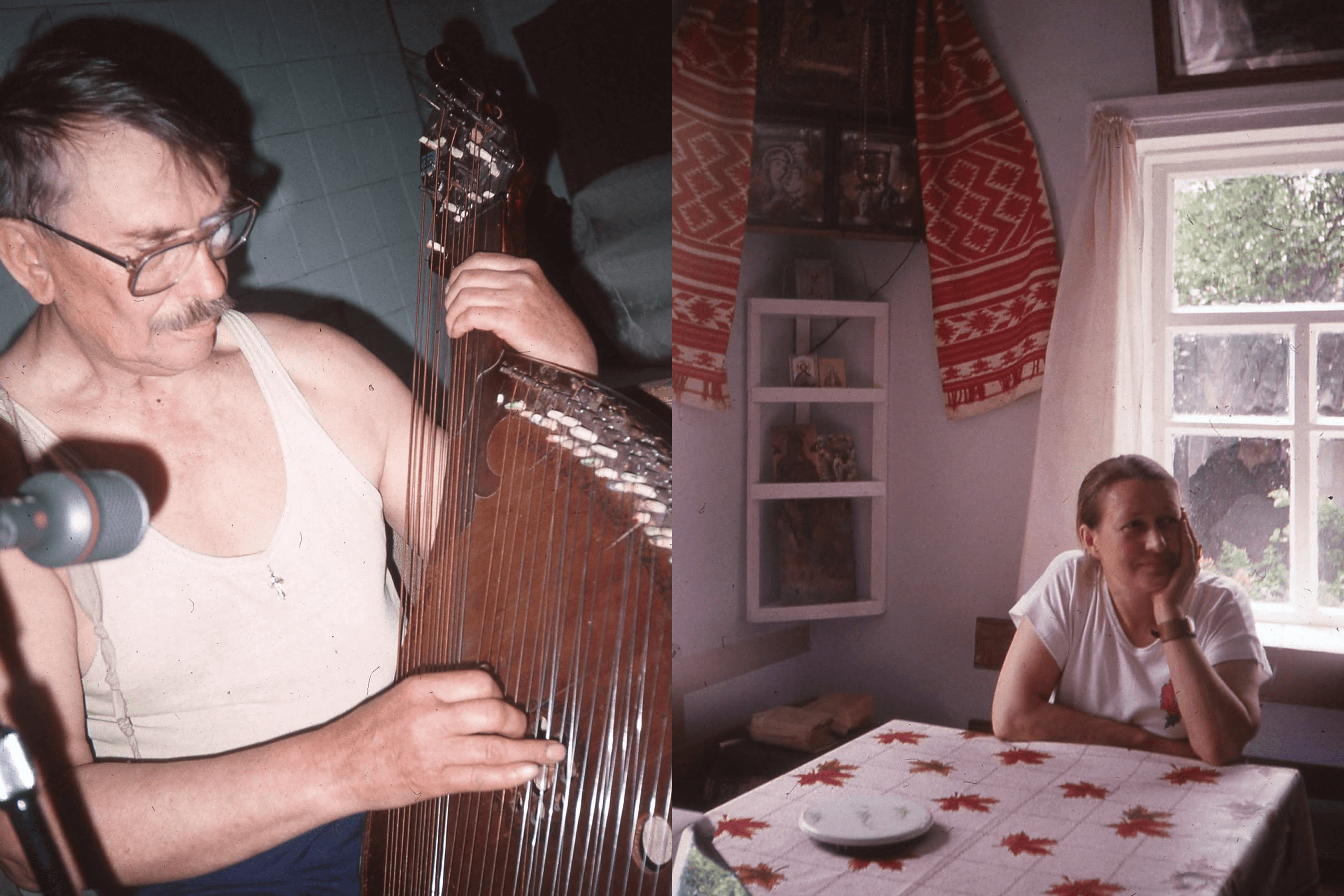
Kobzar Valentyn Zavorotko plays the bandura. Ethnologist Valentyna Borysenko. Photo: РОДОВІД / Facebook 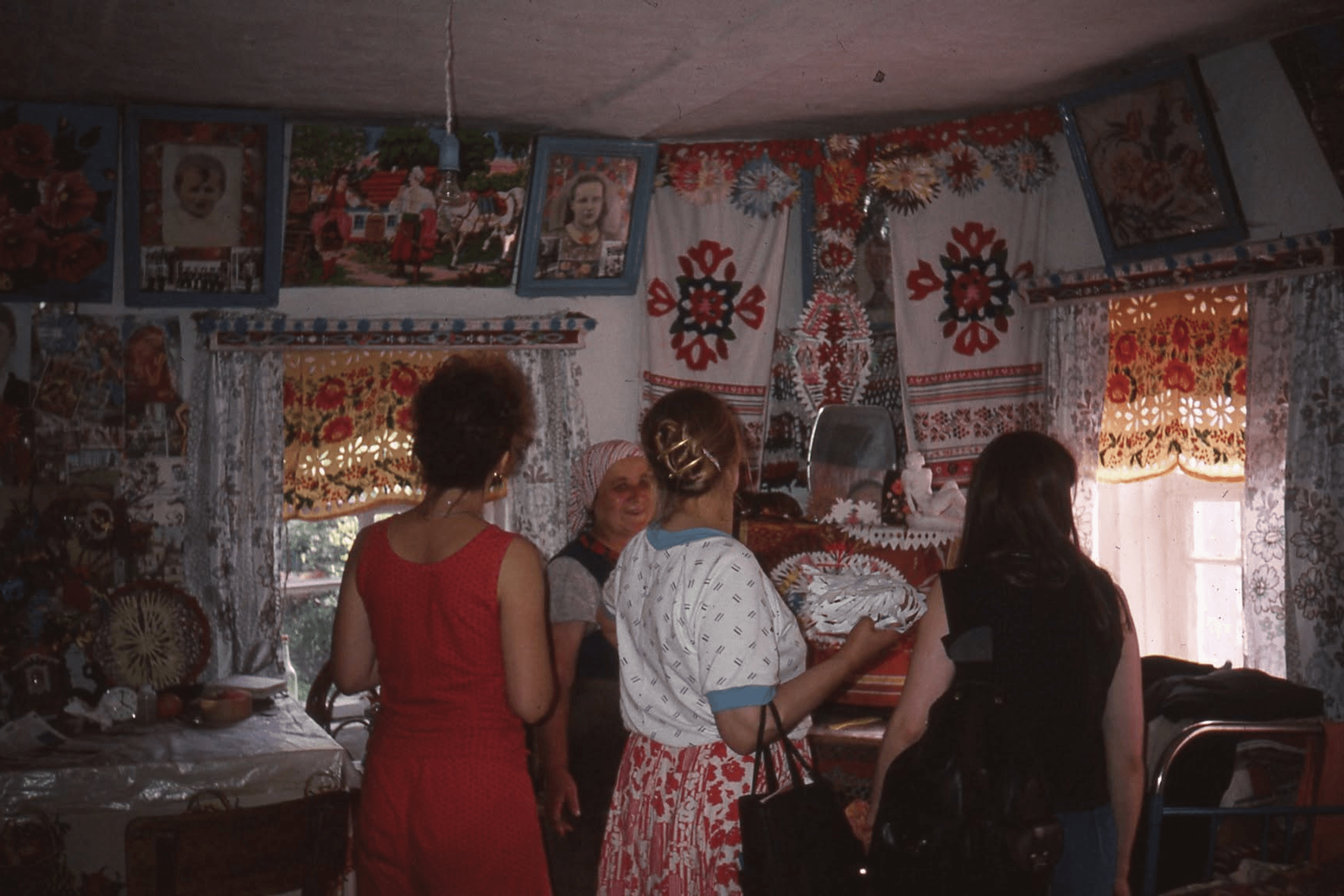
Svitlana Stefanyshyn, Valentyna Borysenko, and Lidiia Lykhach examine the pokut and the decorations around it. Photo: РОДОВІД / Facebook 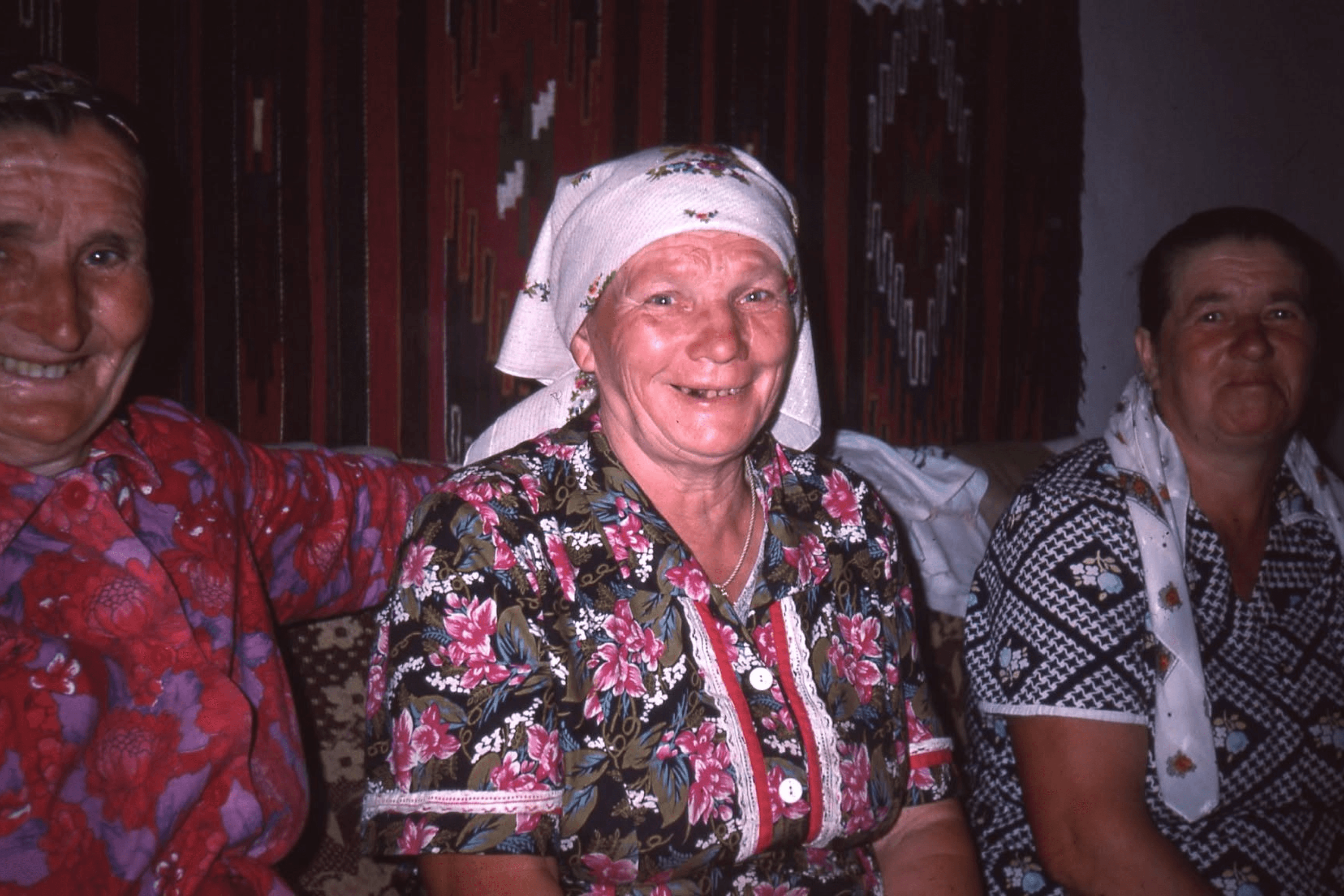
Wedding singers. Photo: РОДОВІД / Facebook 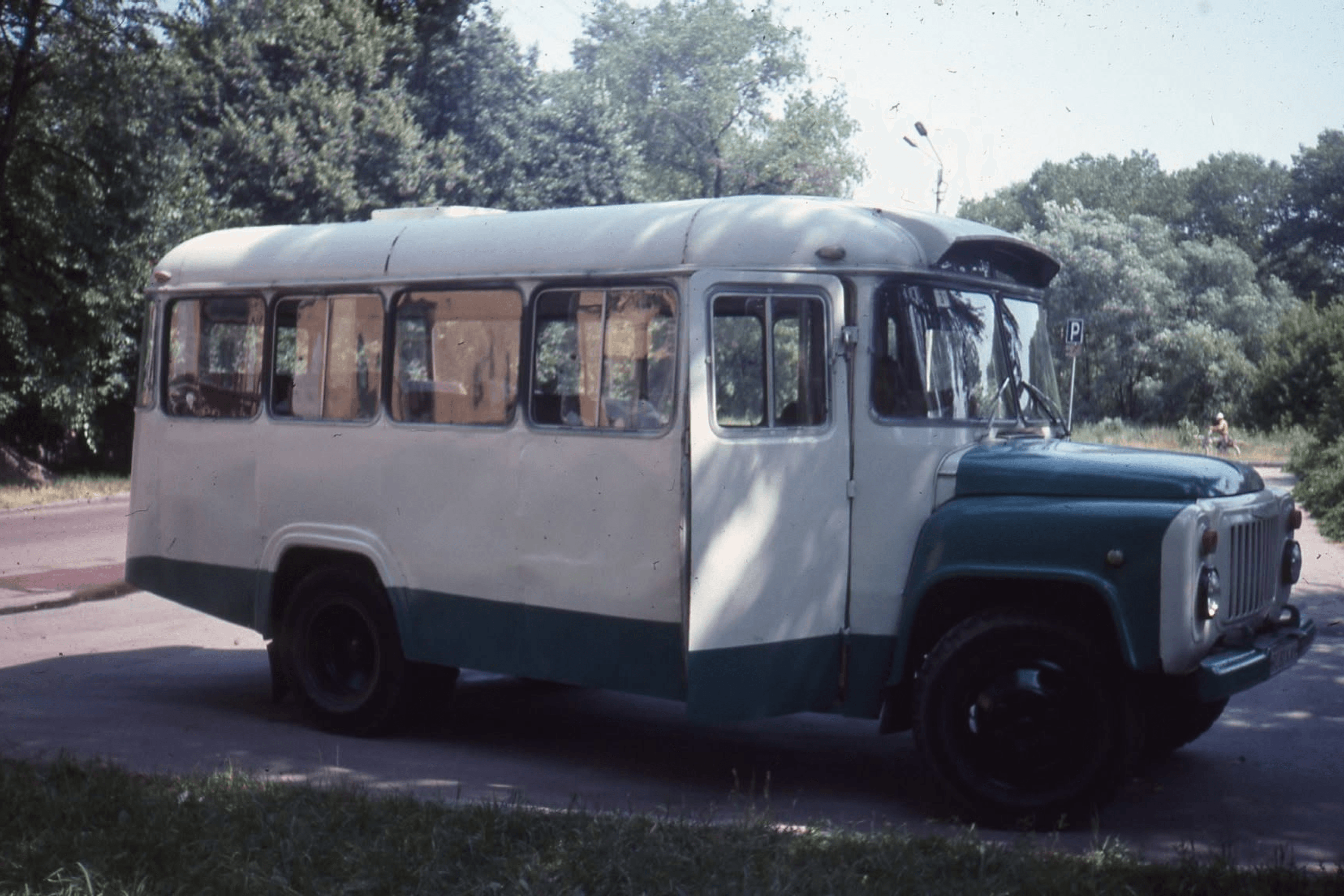
The bus used by the expedition participants to travel across Ukraine. Photo: РОДОВІД / Facebook
After the full-scale invasion began on February 24, 2022, our Kyiv office paused operations for only a few days. Even as team members evacuated, my colleague Olena Dzyhun stayed behind. She rode commuter trains into Kyiv and walked from the main railway station to the office to fulfill international orders via Ukrposhta. We saw a surge in demand from Europe, Japan, and Australia as international readers sought to support Ukraine through its books.
The war did not change RODOVID’s core mandate, but it drastically increased the demand for it. The drive to document and preserve Ukrainian culture became far more urgent after February 24 because of the active effort to erase it. At the same time, global interest in Ukrainian heritage has reached an all-time high.
On Heritage Preservation
With many Ukrainian artworks now located in occupied territories, destroyed, or illegally transferred to Russia, immediate documentation is vital.
Naive art is uniquely vulnerable because it largely resides in private rural homes rather than museum collections. Without proper cataloging, a work can easily be lost alongside a damaged building. This was the tragic reality for the unique house murals created by Polina Raiko.
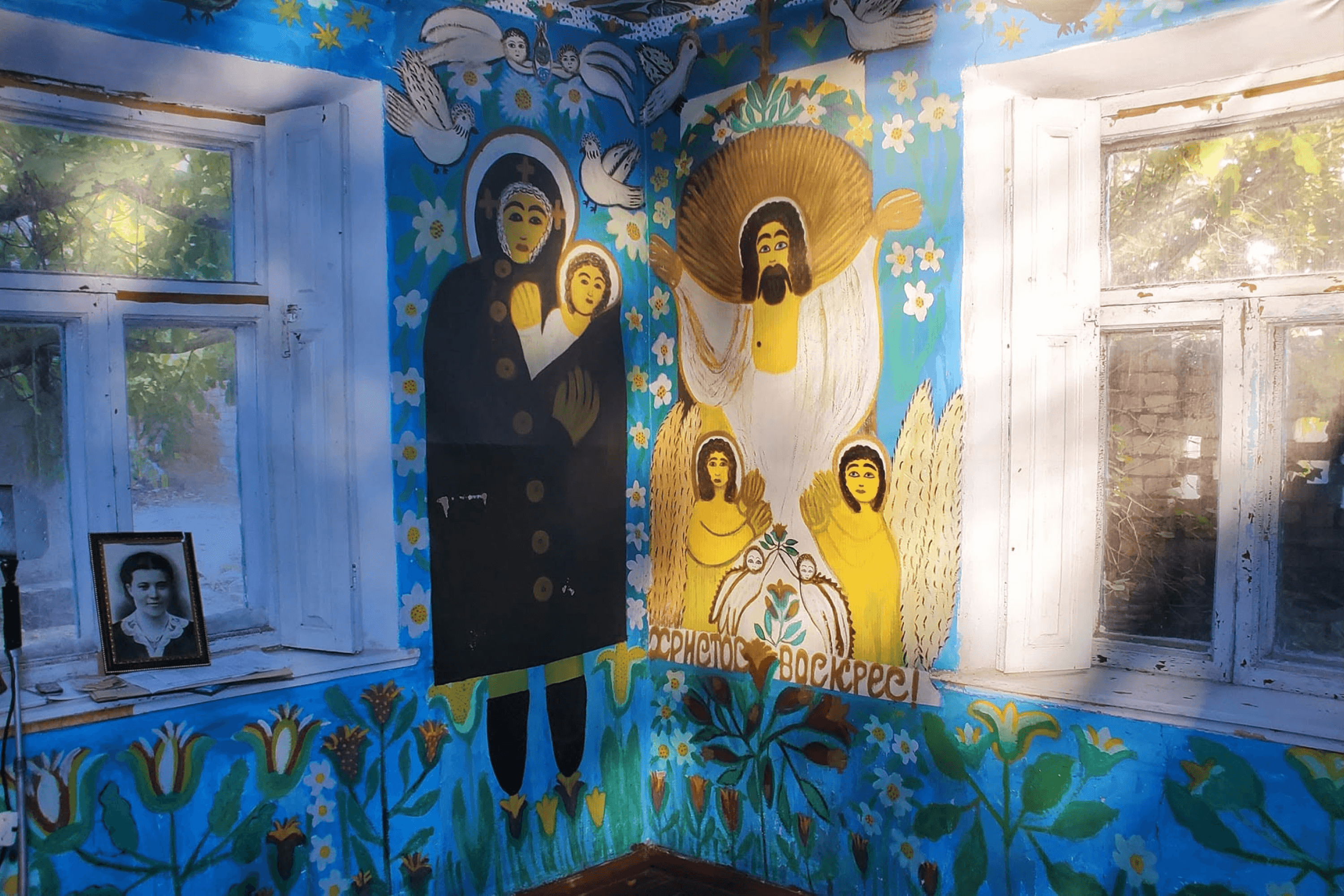
The house in Oleshky, Kherson Oblast, painted by artist Polina Raiko. Photo: Україна Інкогніта / Facebook 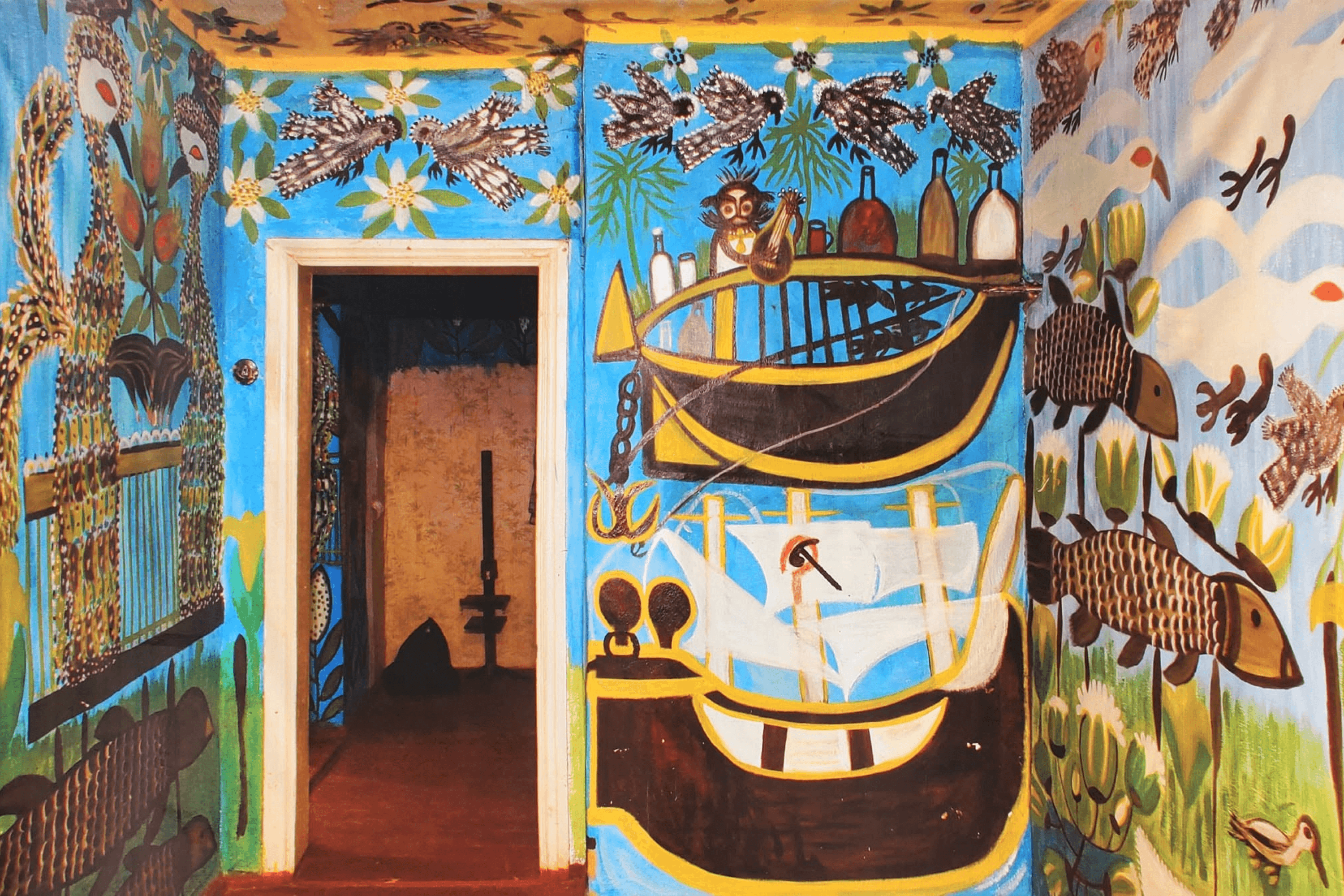
Photo: Україна Інкогніта / Facebook 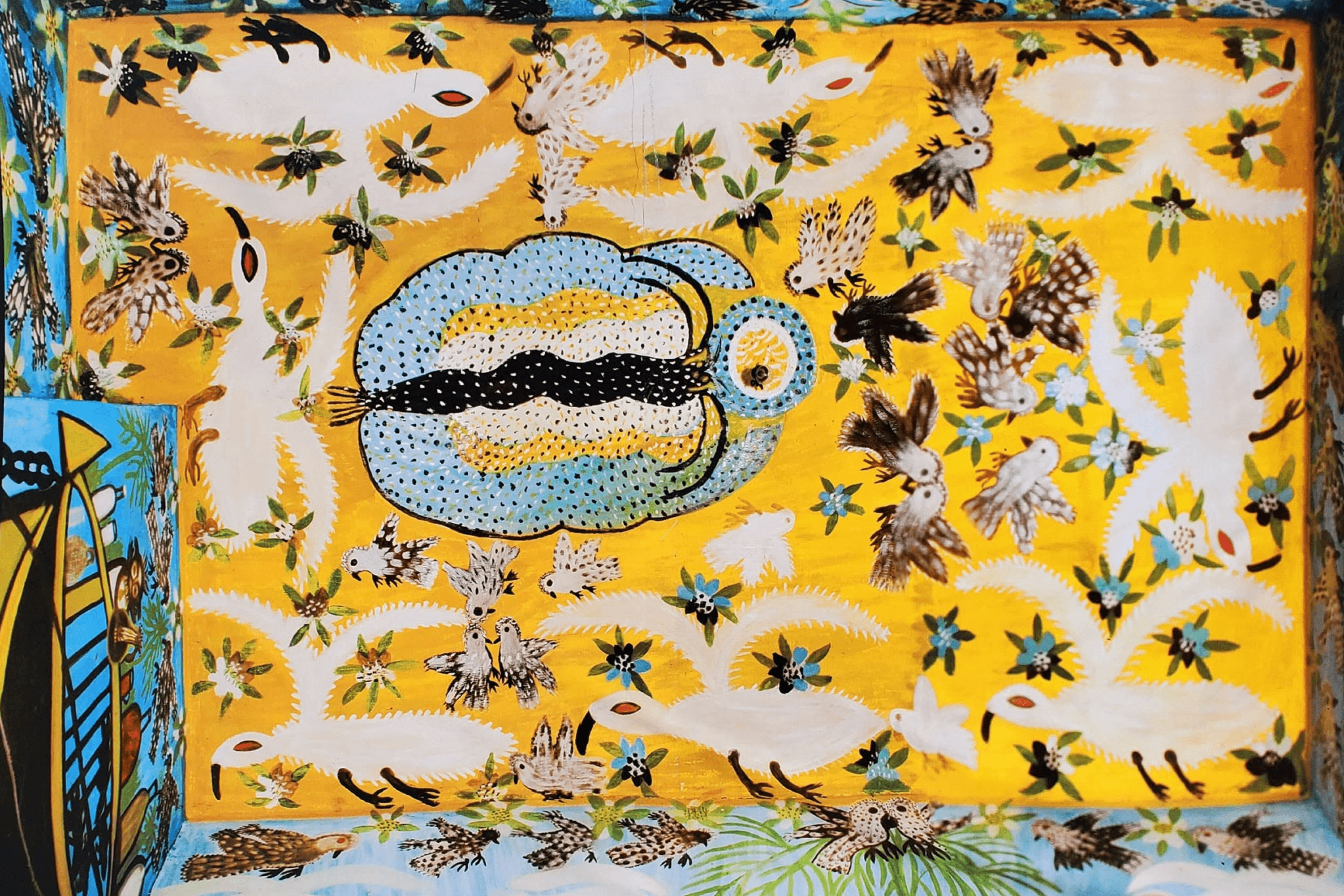
Photo: Україна Інкогніта / Facebook 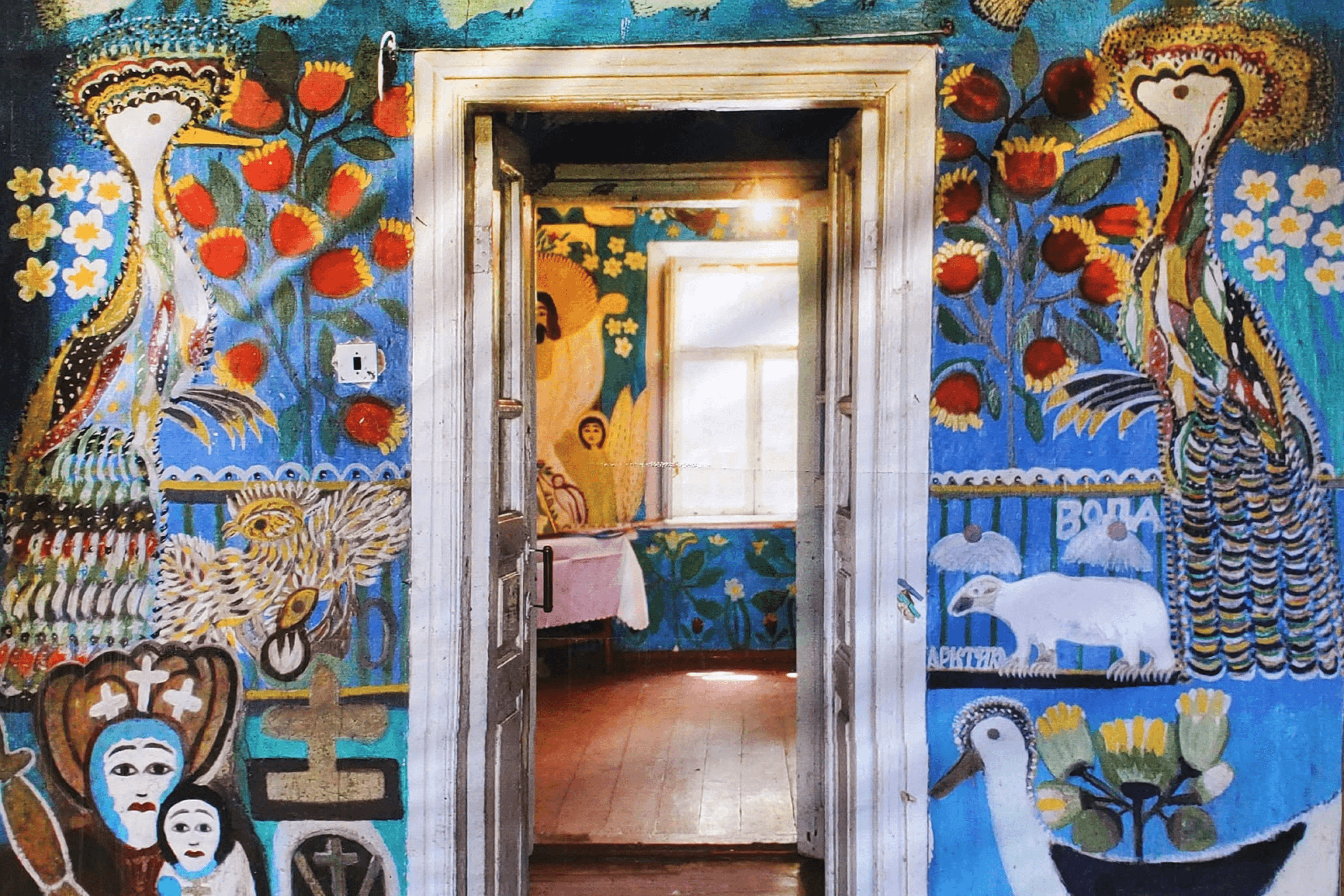
Photo: Україна Інкогніта / Facebook 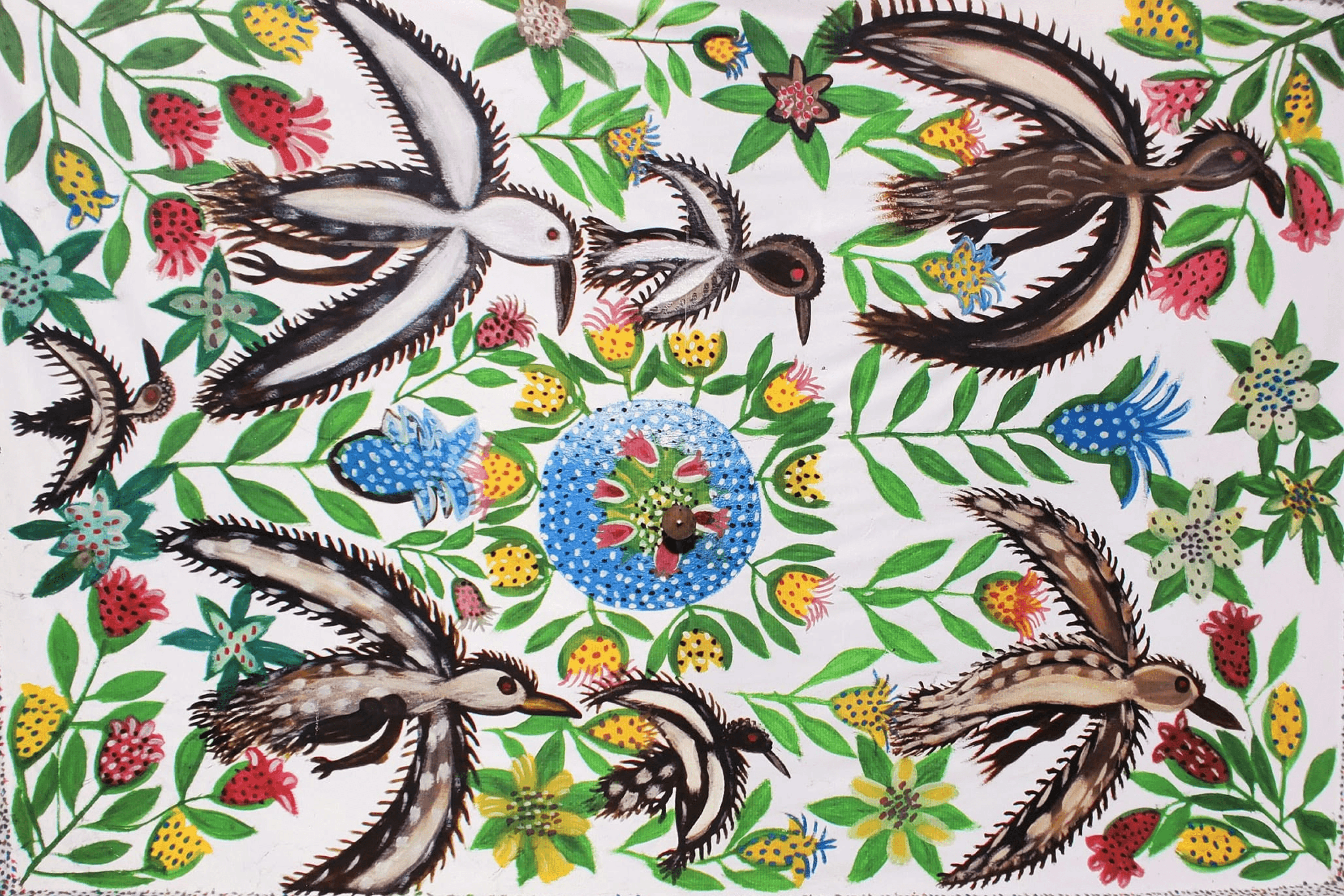
Photo: Україна Інкогніта / Facebook 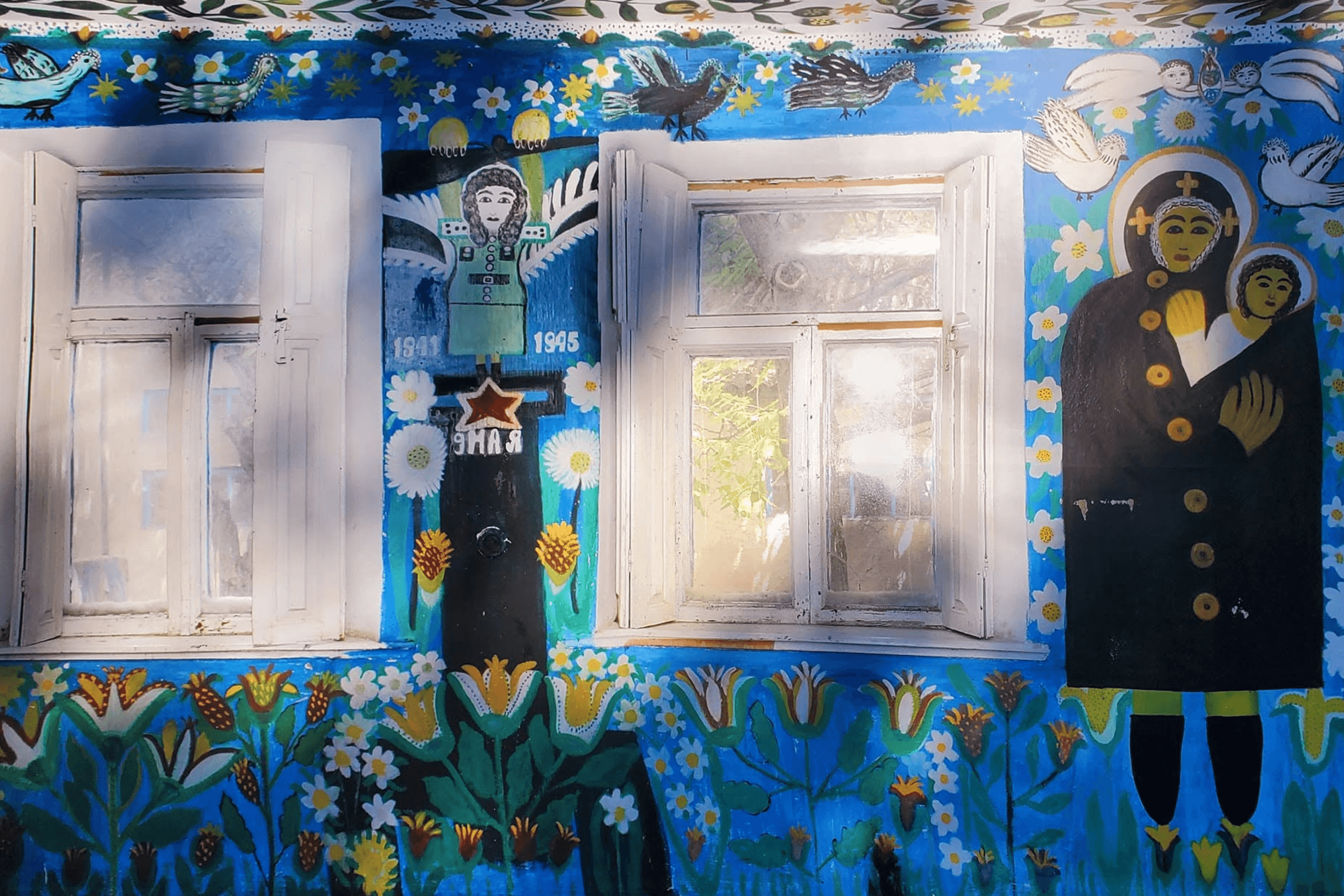
Photo: Україна Інкогніта / Facebook
To safeguard this legacy, we must photograph surviving pieces, document their ownership and history, and log them into digital archives. Even if an original work is physically lost, its record remains intact. This approach is equally crucial for anonymous works: lacking a creator’s name should never mean being erased from the historical record.