Ukraine is creating a new culture of memory right during the war—without ready-made rules, a finalized state policy, and historical distance. Ahead lie years of discussions about military cemeteries, monuments, a pantheon of heroes, decolonization, and the place of Ukrainian history in the global context. We spoke with Anton Liagusha, historian and professor at the Kyiv School of Economics, about how this process is already unfolding and what to expect next. This is a brief summary of the conversation.
The memory of the 2014 war has remained unfinished. At that time, the war had not yet become a shared experience for the entire country. The ATO and JFO remained a war for only a part of Ukrainians, which is why the attitude towards the fallen was different. There were no separate military burial sectors, there was no modern culture of memorialization, and society didn’t yet perceive the military the way it does today.
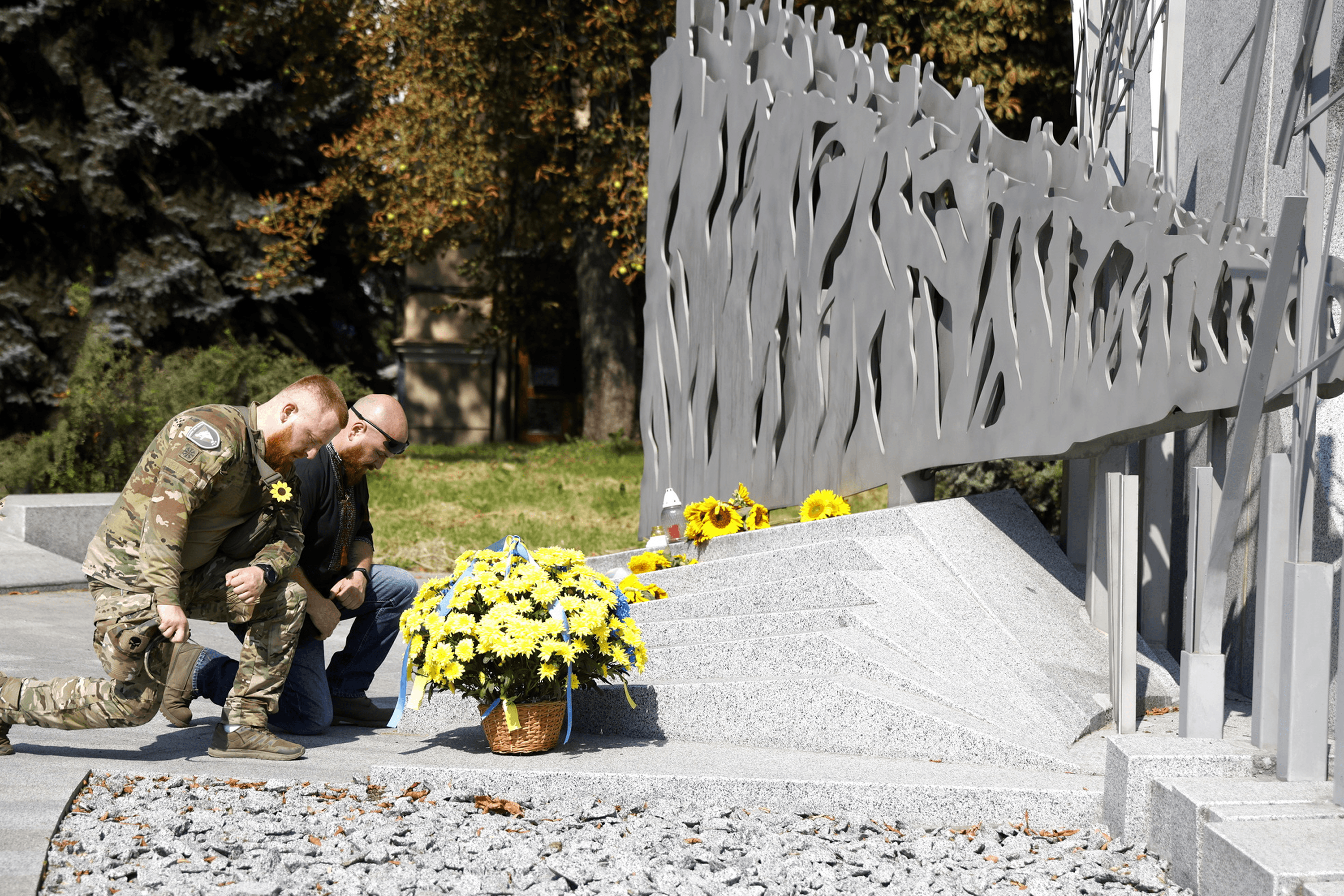
The memorial to Kyiv residents killed while serving in the Anti-Terrorist Operation (ATO) and Joint Forces Operation (JFO), unveiled in Kyiv. August 2021. Photo: kyivcity.gov.ua 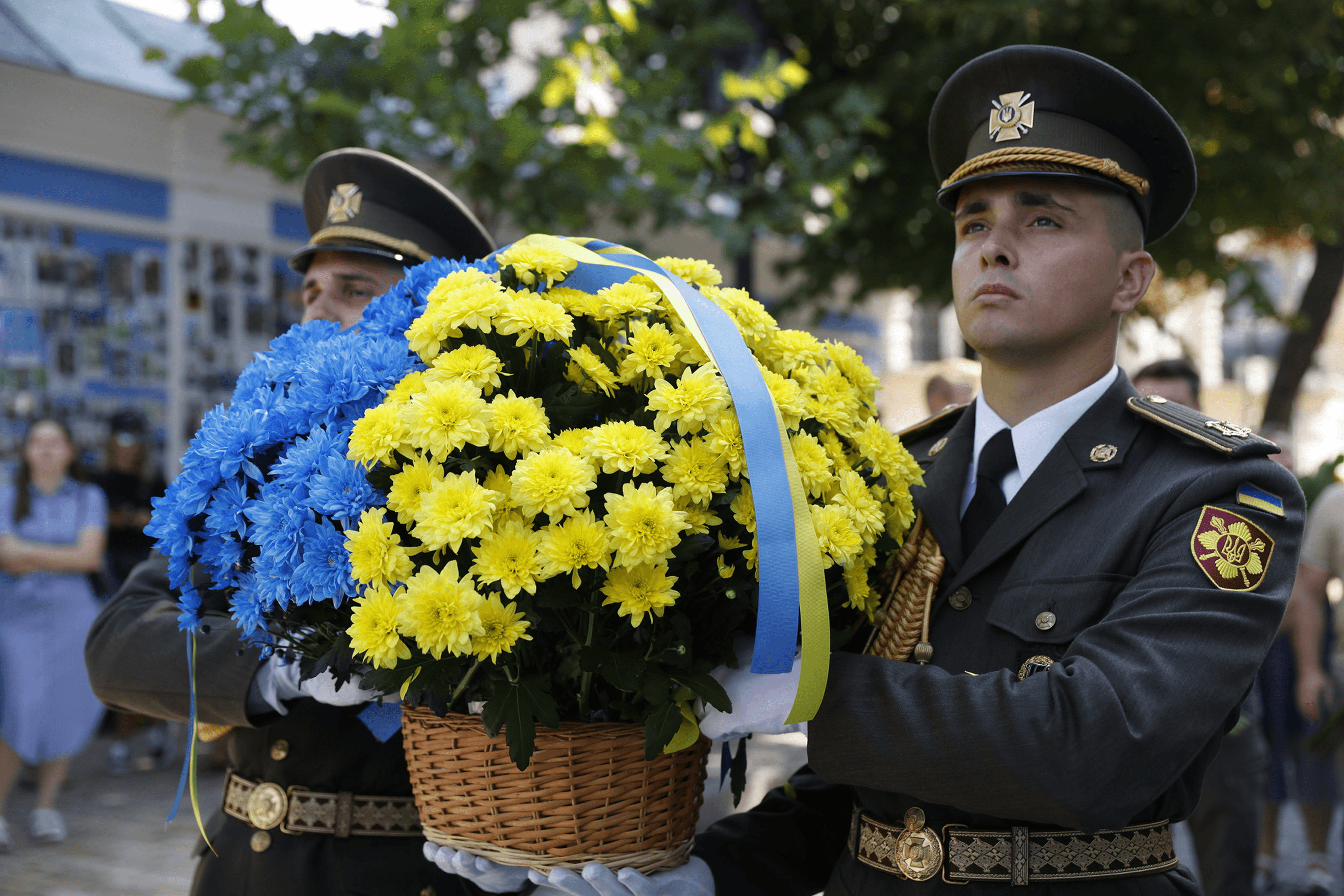
Photo: kyivcity.gov.ua 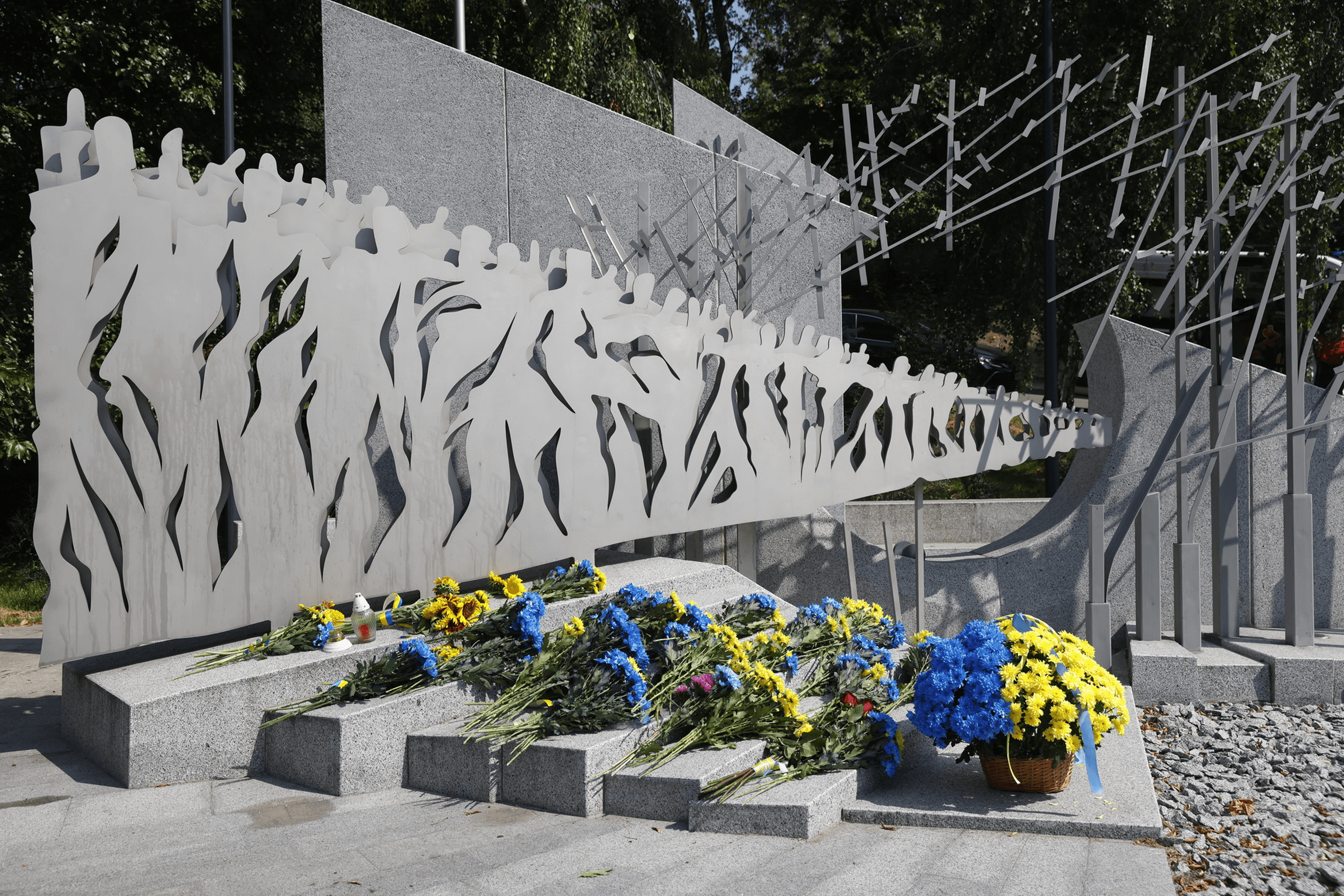
Photo: kyivcity.gov.ua
The full-scale invasion forced us to talk about losses differently. After 2022, we began looking for a new language of remembrance. It had to move away from Soviet pathos, generalized heroes, and empty symbols. The focus shifted to the specific individual. We started speaking of the fallen by name, because every loss matters and every heroic deed deserves its own story.
The most difficult conversation is still ahead. The real challenge will begin after the war, or at least its active phase, is over. That’s when we will have to agree on what our shared memory will be: what memorials, military cemeteries, places of mourning, and a national pantheon will look like. This will be the hardest stage because it will require societal consensus around highly emotional and painful issues.
There is a gap between what the people want and what the state is doing. We are witnessing the coexistence of two different models. The first is institutional, shaped by state bodies, legislation, the Ukrainian Institute of National Memory, and the National Military Memorial Cemetery. The second is grassroots, born without government decisions, because people aren’t willing to wait for officials to determine exactly how the fallen should be honored.
The “people’s memorial” on Maidan Nezalezhnosti is a vivid example of a response to the state’s silence. Neither local nor central authorities have managed to create a place for collective mourning in the center of the capital. The same is happening all over the country: libraries, football fields, memorial spaces, new forms of tombstones, and dozens of other ways of speaking about memory are emerging without official directives from above.
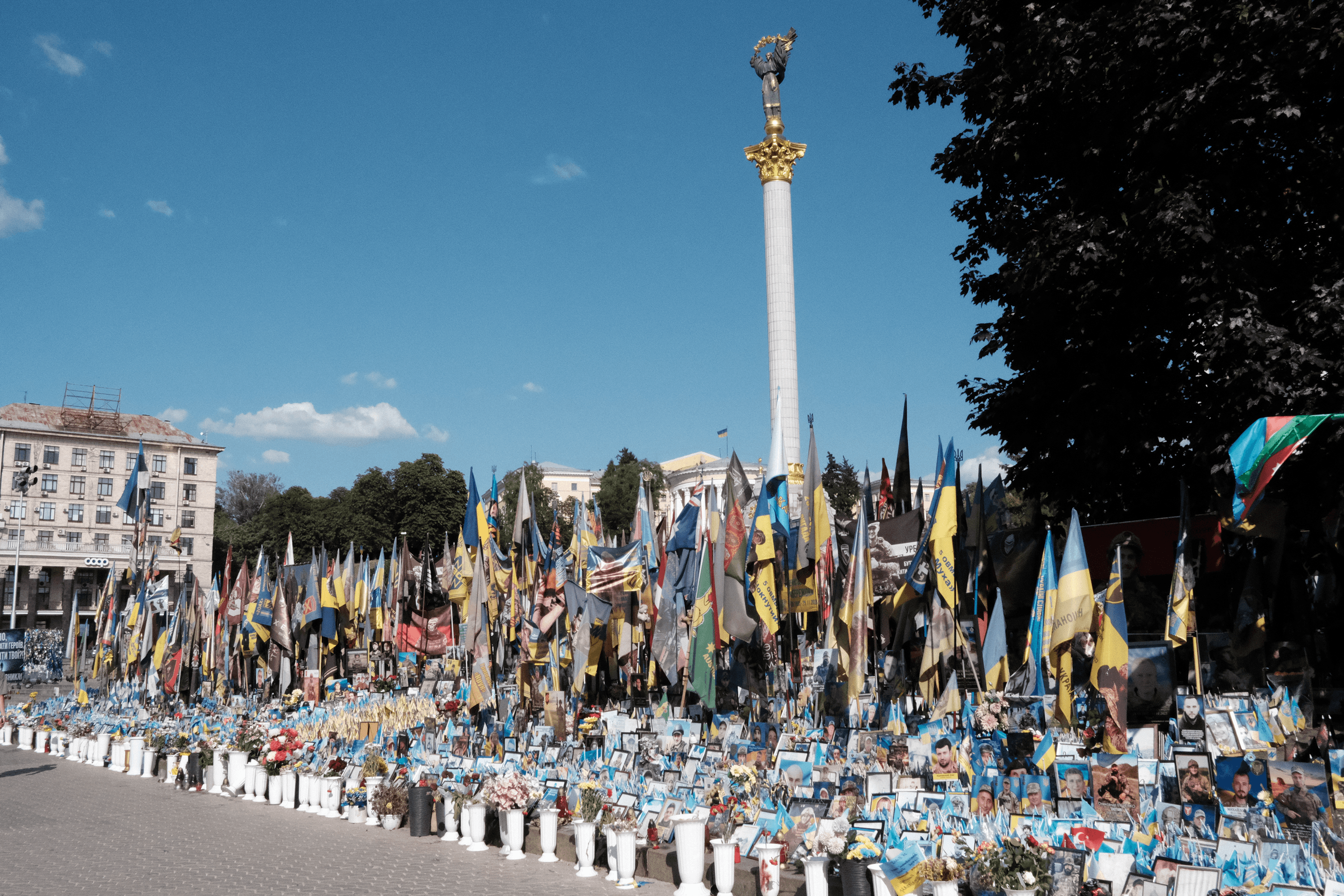
The “people’s memorial” on Maidan Nezalezhnosti. July 2026. Photo: Anhelina Kotkova / YB 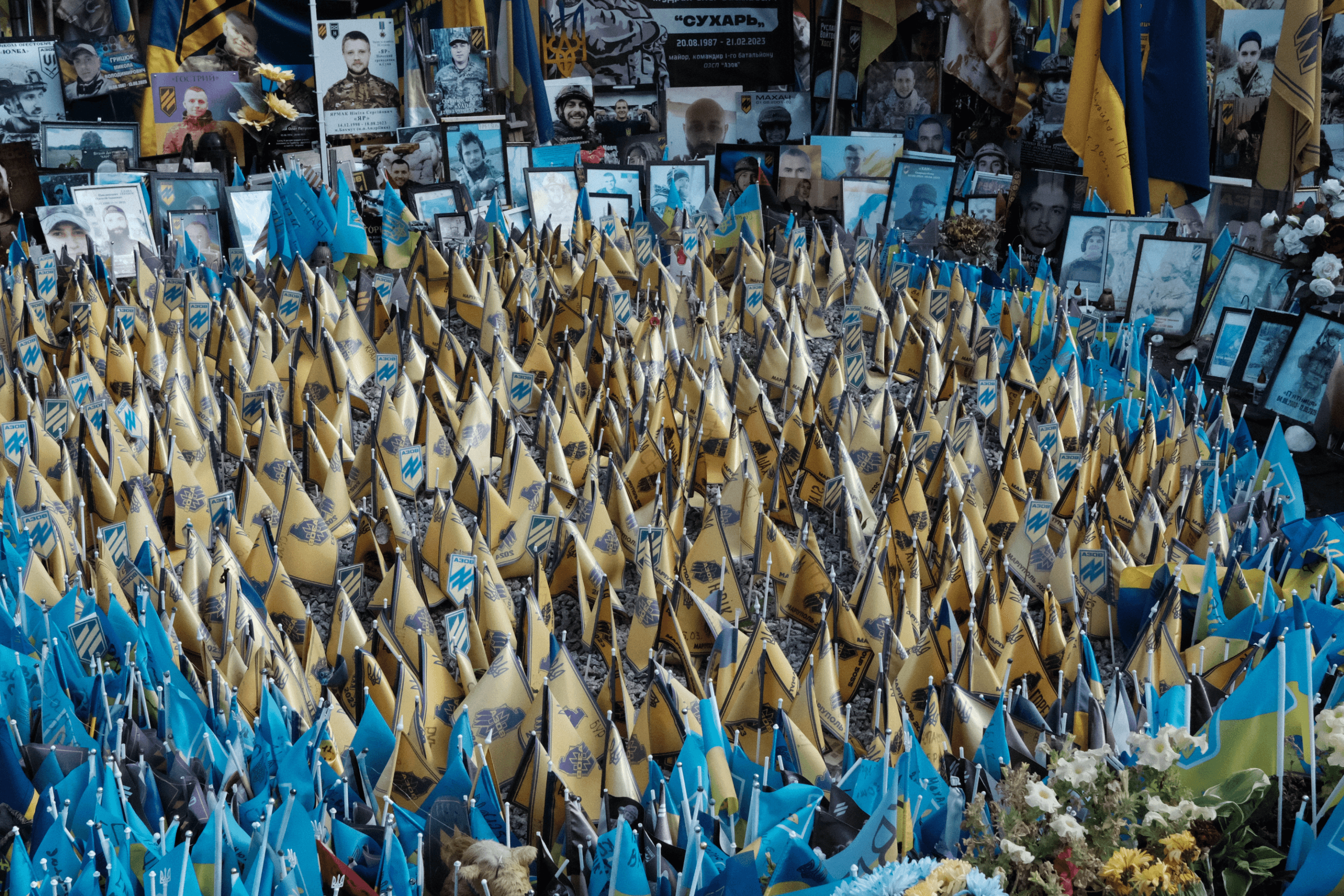
Photo: Anhelina Kotkova / YB 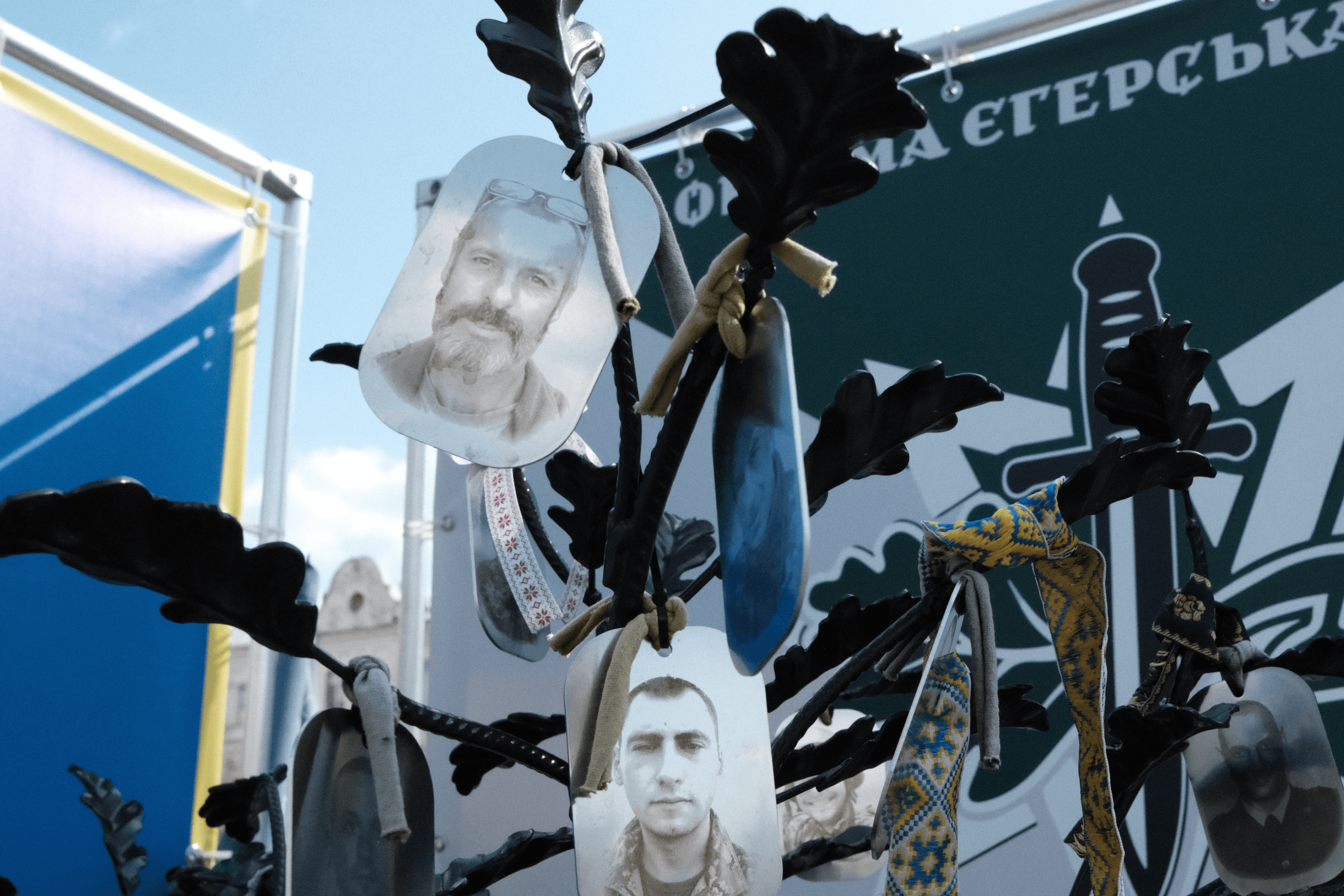
Photo: Anhelina Kotkova / YB 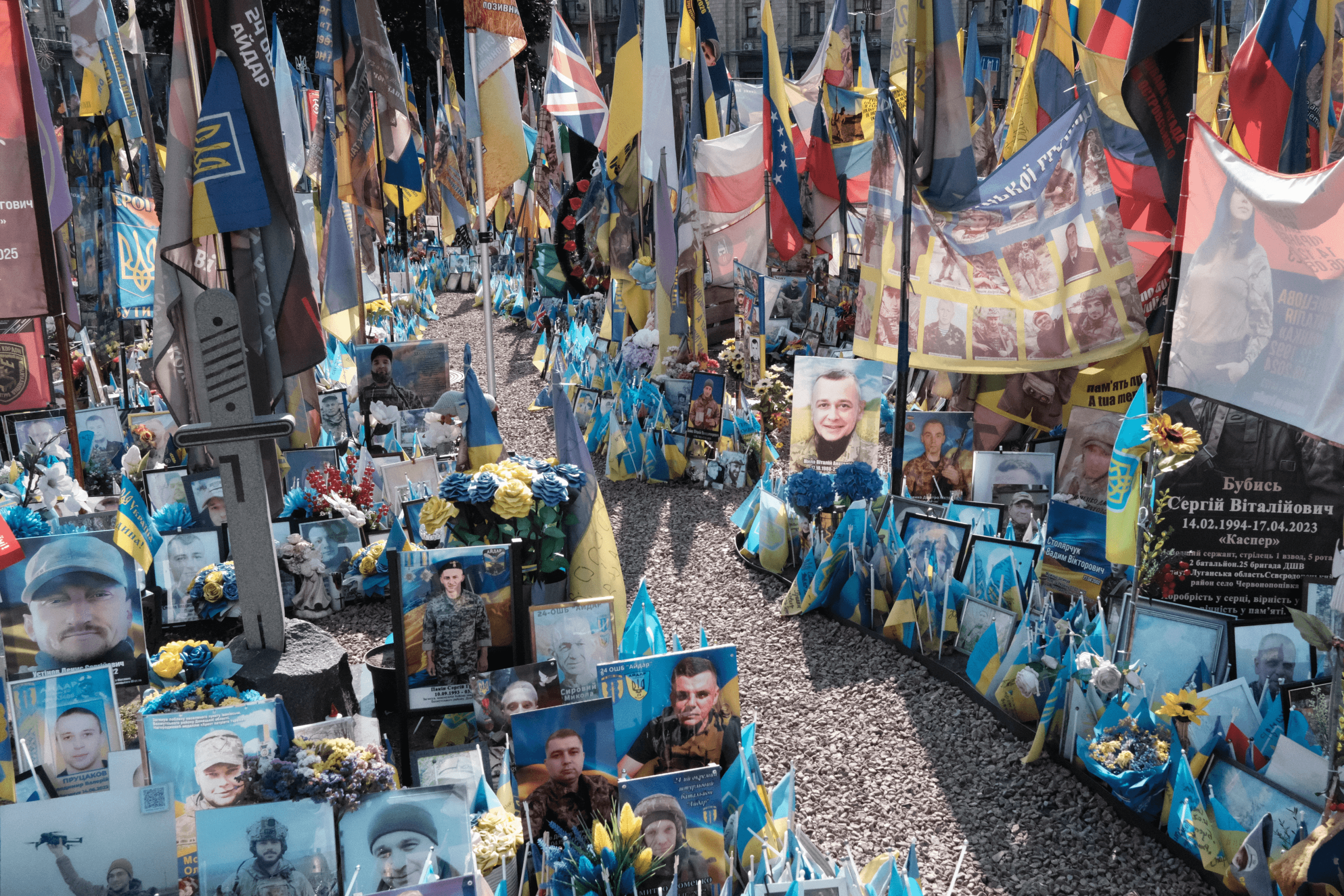
Photo: Anhelina Kotkova / YB 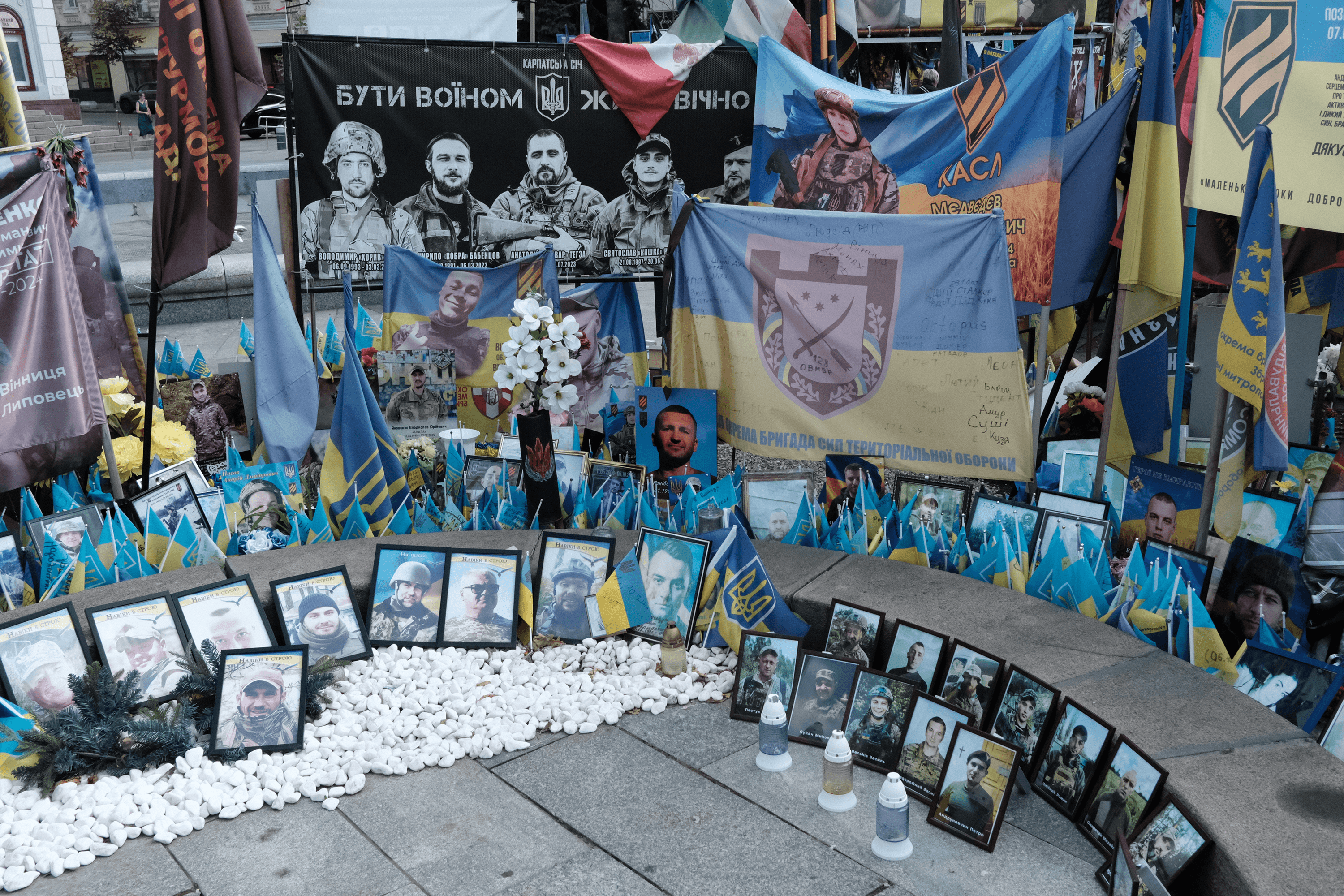
Photo: Anhelina Kotkova / YB 
Photo: Anhelina Kotkova / YB
Spontaneous memorials have the right to be spontaneous. There is an unspoken rule: if a memorial site emerged naturally, without state intervention, it should just as naturally evolve or even disappear over time. The worst thing the state can do right now is abruptly intervene. Any attempt to single-handedly relocate a memorial, alter it, or impose its own vision is almost guaranteed to lead to a major conflict. What is needed today is not a radical decision, but care for this space. I don’t have a ready-made answer for what the future of the Maidan should be. Perhaps, after the war, it will become the country’s main place of remembrance. Perhaps a part of the memorial will be relocated to a museum space.
Poor memorialization begins not with an unsuccessful monument, but with the absence of an honest conversation. The biggest problem arises when the authorities make decisions without the people and then try to convince them that everything was done correctly. This is exactly what we saw during the story with the alley of memory in the Desnianskyi district of Kyiv. Families were promised one thing, but ultimately shown something completely different. When the community is misled, trust is destroyed much faster than any memorial can be built.
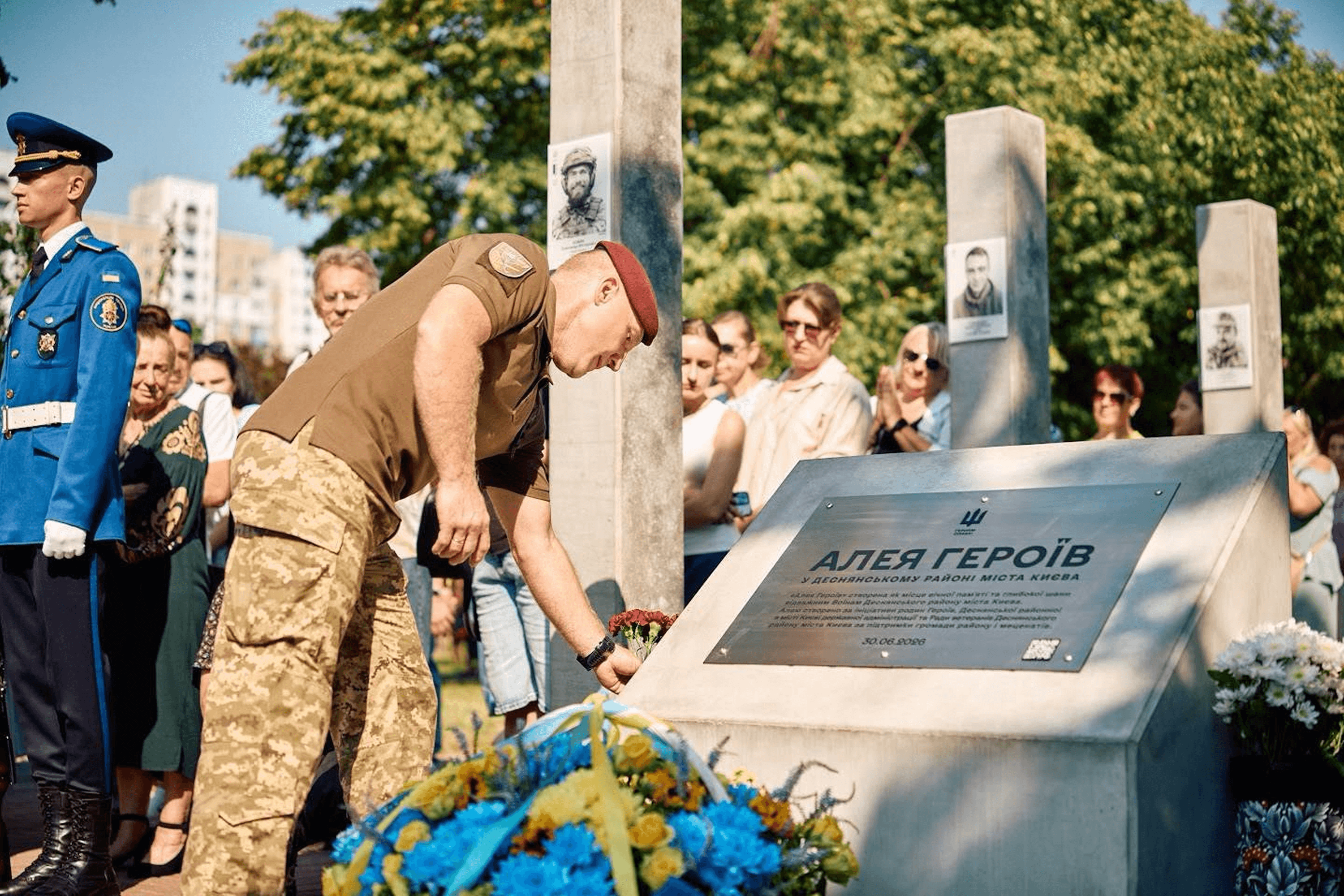
The opening of the first section of the Alley of Heroes in Kyiv’s Desnianskyi District, dedicated to 209 fallen Defenders of Ukraine. June 2025. Photo: Максим Бахматов / Facebook 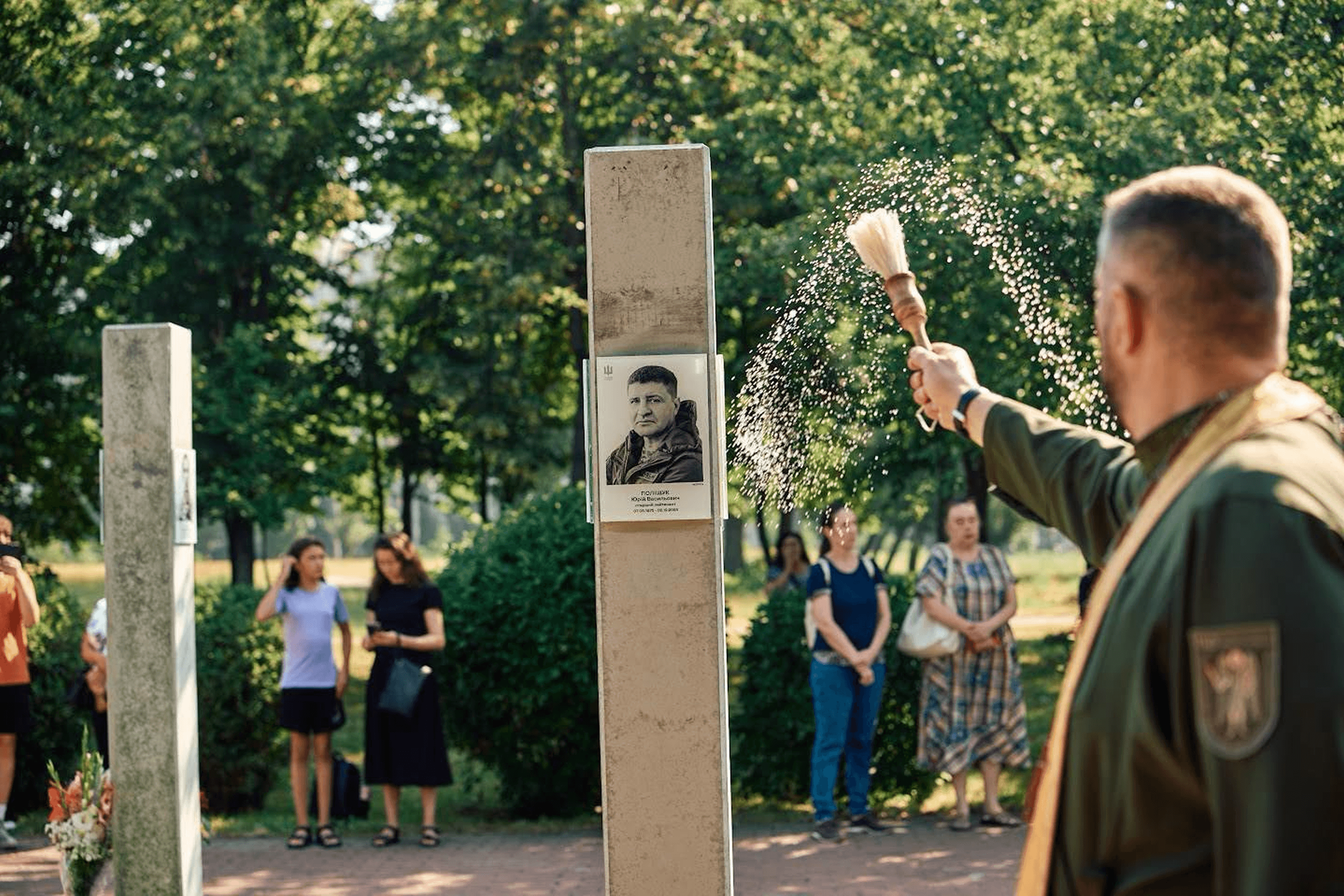
Photo: Максим Бахматов / Facebook 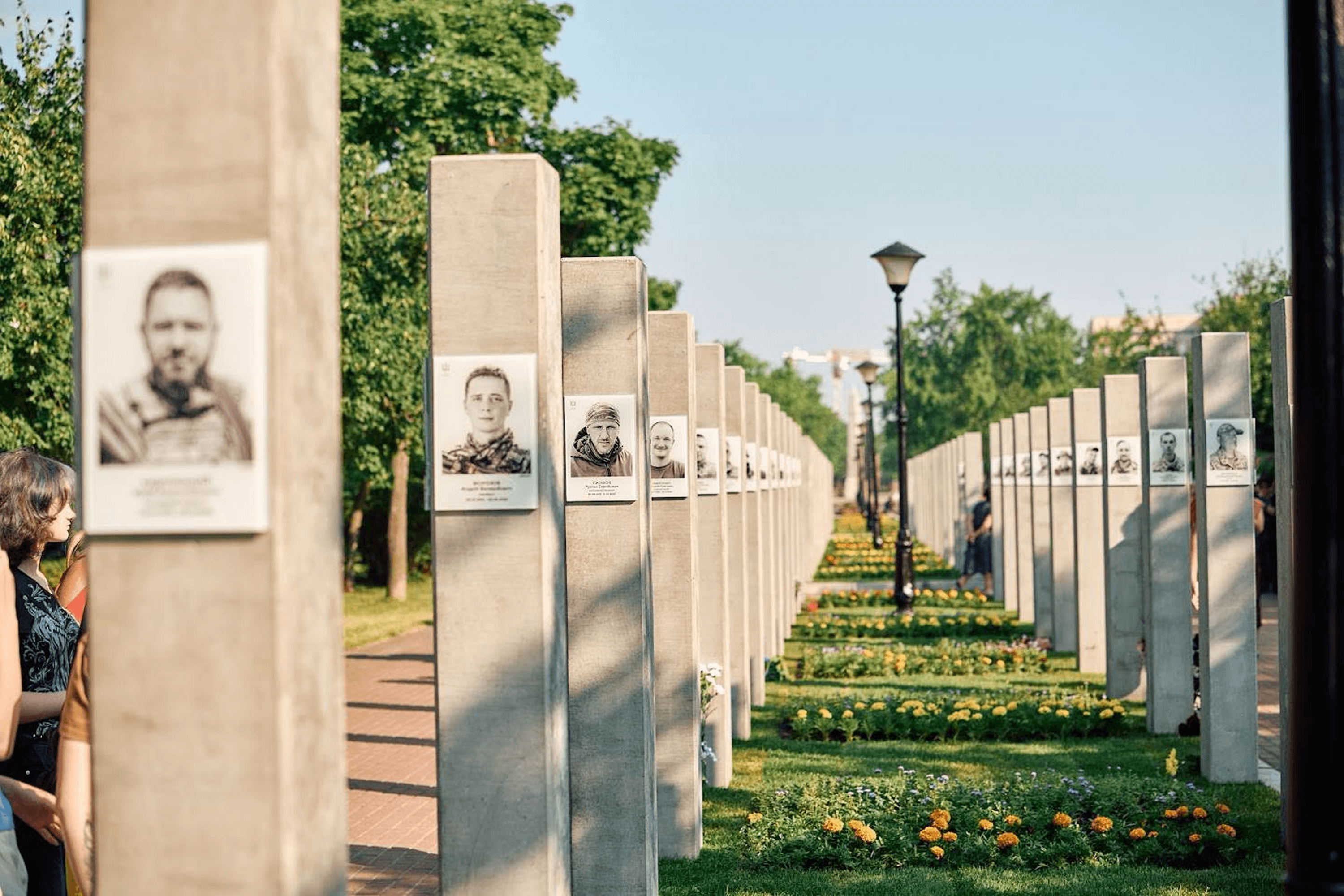
Photo: Максим Бахматов / Facebook
The simplest solution is almost always the worst. Many communities today are setting up so-called temporary alleys of fame because it’s quick and administratively simple. But memorialization cannot be a bureaucratic procedure. It requires time, professional work, and continuous dialogue with the people who have lost their loved ones. Yes, it is long and difficult, and it requires a lot of resources. But it’s impossible to do it any other way.
Good examples already exist — one only needs to want to see them. I really like what is happening in Irpin. There, the local authorities don’t just install memorial signs, but constantly work with the community and the families of the fallen. Thanks to this, ethical, well-thought-out spaces of memory are emerging. Even for the families of people who have gone missing, they create places where one can come, be with one’s pain, and feel that they are remembered.
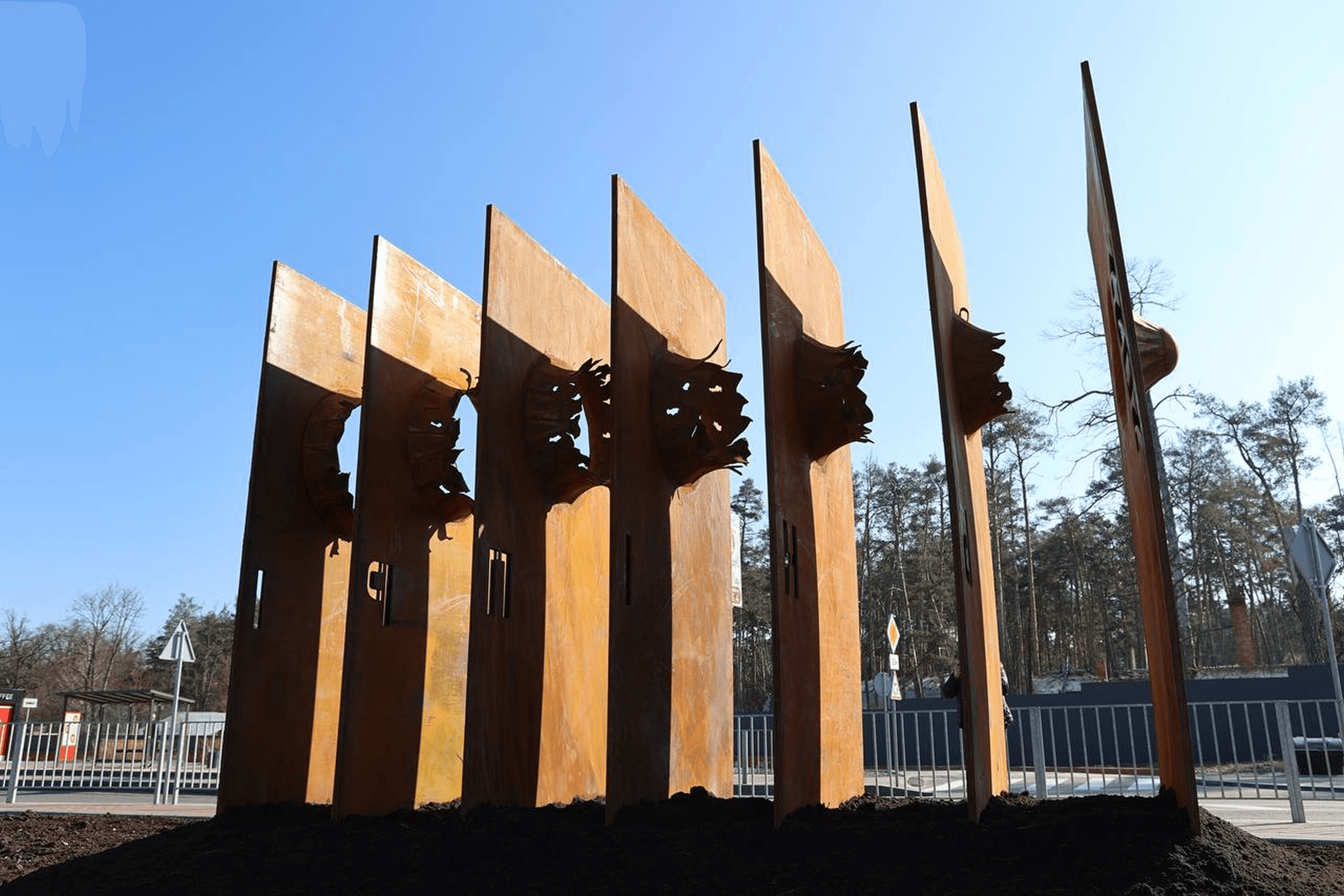
The opening of part of the Alley of Fallen Heroes in Irpin to mark the anniversary of the city’s liberation from Russian occupation. March 2025. Photo: Олег Гриб / ITV / Макеєва Анжела / Telegram 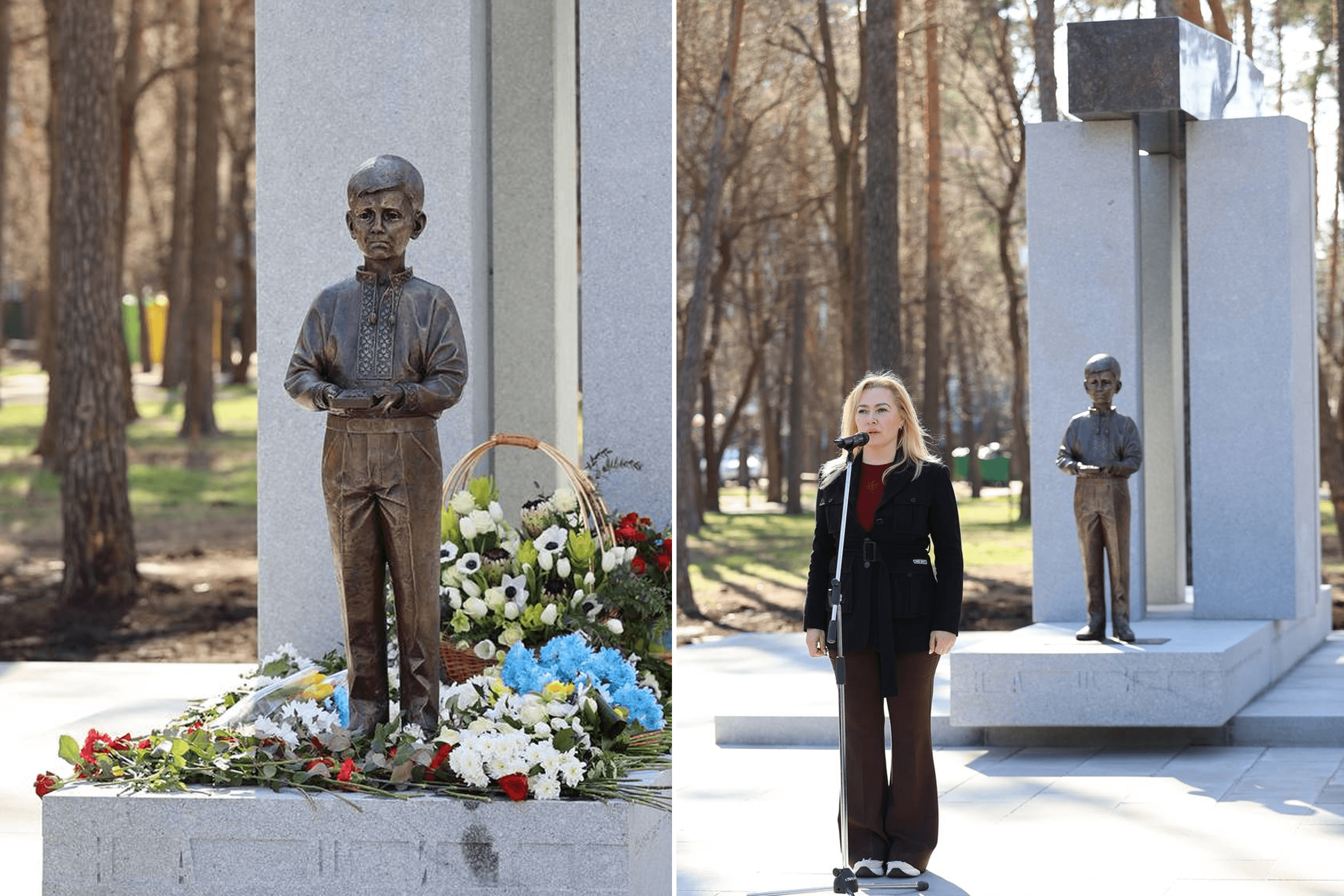
Photo: Олег Гриб / ITV / Макеєва Анжела / Telegram 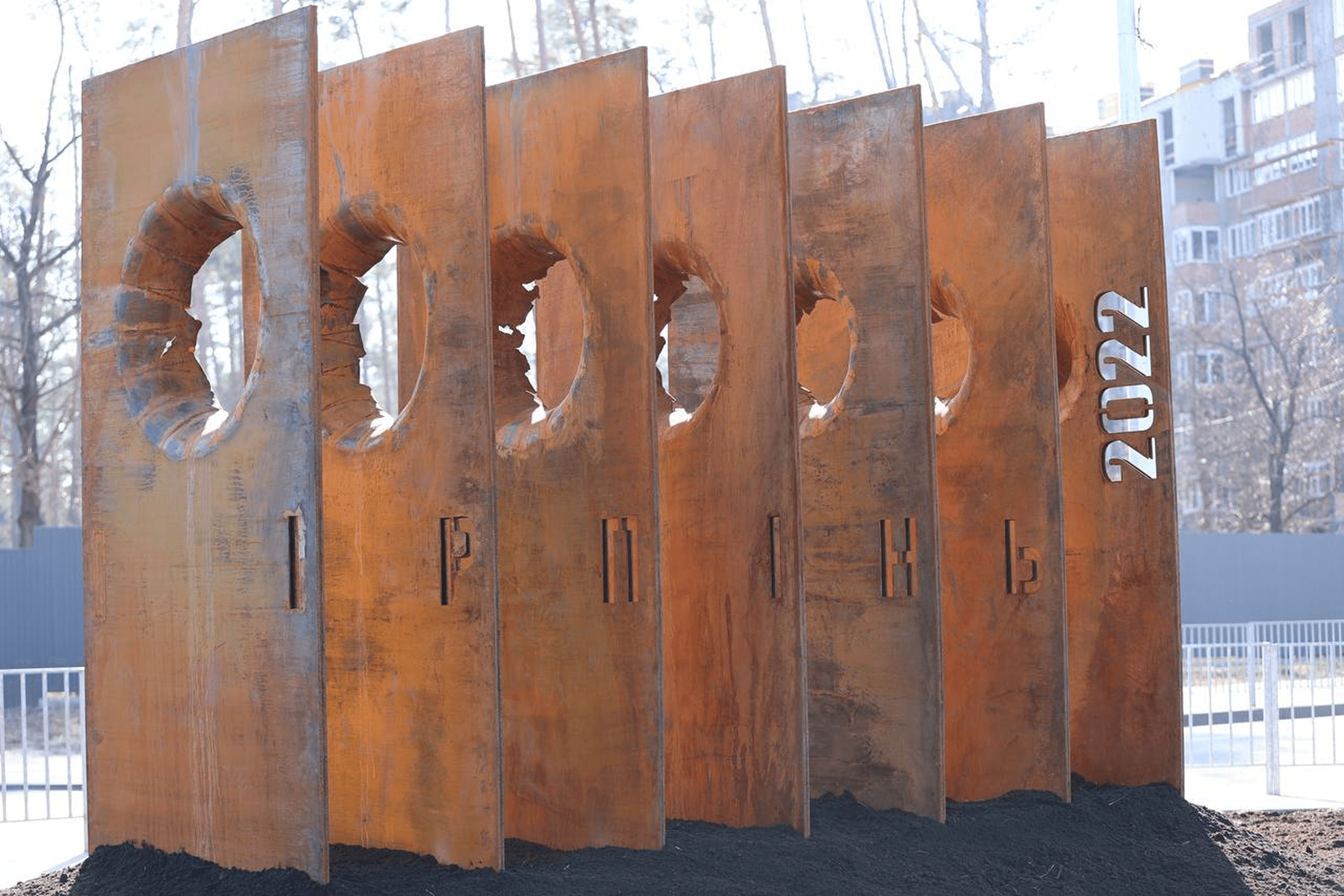
Photo: Олег Гриб / ITV / Макеєва Анжела / Telegram
World experience cannot be copied; it must be comprehended. We really like to talk about Arlington Cemetery as an ideal example. But this is a dangerous temptation. We see only the beautiful result and know almost nothing about the conflicts it went through. The families of American military personnel also protested, also argued with the state, and also defended their right to be heard. It’s just that today we already see the final picture, and not the entire complex path to it.
One can also learn from bad examples. We can study France or Britain after the Second World War, the architectural competitions for Arlington, or Israeli memorials. But it’s equally important to look at the Balkans or other countries where memory has become a source of new conflicts. For example, in Serbia, there is a hotel where hundreds of girls were raped during the Bosnian War. It became a terrifying place of memory, but what did the local authorities do? They turned it into a functioning hotel, as if nothing had happened. For us, this is an example of what not to do.
Today we are living inside a social catastrophe. That’s why any conversation about memorialization is so painful. Usually, societies begin to comprehend great tragedies after a historical distance emerges between them and the events. We, however, are doing this simultaneously with the war. This is an unprecedented situation.
A good memorial doesn’t forbid life—it forces to rethink it. Many are surprised when people sit, eat, or laugh near memorials. But this doesn’t always mean disrespect. Take the Memorial to the Murdered Jews of Europe in Berlin. People walk there, take photos, and children run between the slabs. When there were first scandals due to such behavior by the youth, the Chancellor of Germany [Gerhard Schröder] said that this memorial isn’t about death, but about life. This is a very apt formulation, because any memorial objects represent the will of the living over the dead. And this does not destroy memory, but shows that it exists inside a living city, rather than in isolation from it.
Conflicts around memory are a sign of democracy, not its failure. Discussions about dismantling monuments, renaming streets, or the figure of [Stepan] Bandera are inevitable. It would be strange if a society of millions of people held a single opinion regarding a complex history. When the war ends, these disputes will continue in a much calmer atmosphere. The problem arises not because of disputes, but when one side stops hearing the other.
Decommunization doesn’t end with the dismantling of a monument. Demolishing the Shchors monument or renaming an avenue is much easier than explaining why it was necessary. If a decision isn’t backed by a conversation about history, it quickly turns into a formality. Memory changes not only through new names, but through a new understanding of the past.
No law will teach a society to remember. The state can build memorials, make decisions, and finance museums. But if people don’t understand the meaning of these decisions, they will remain a formality. That is exactly why education, public history, and an honest conversation about the past are no less important than monuments or memorial complexes. If a person doesn’t know what happened and why it matters, even the best architectural project will remain just a beautiful object.
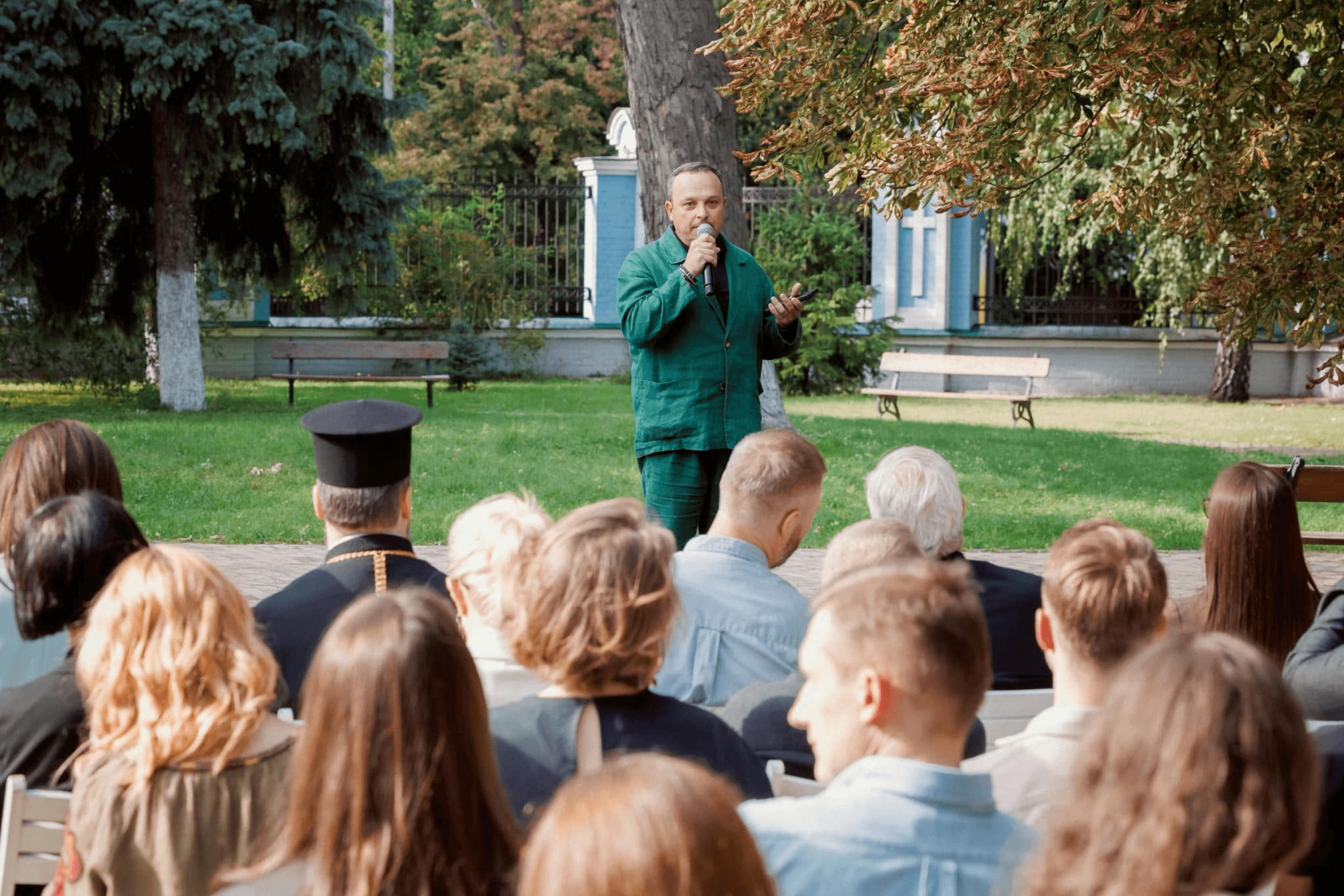
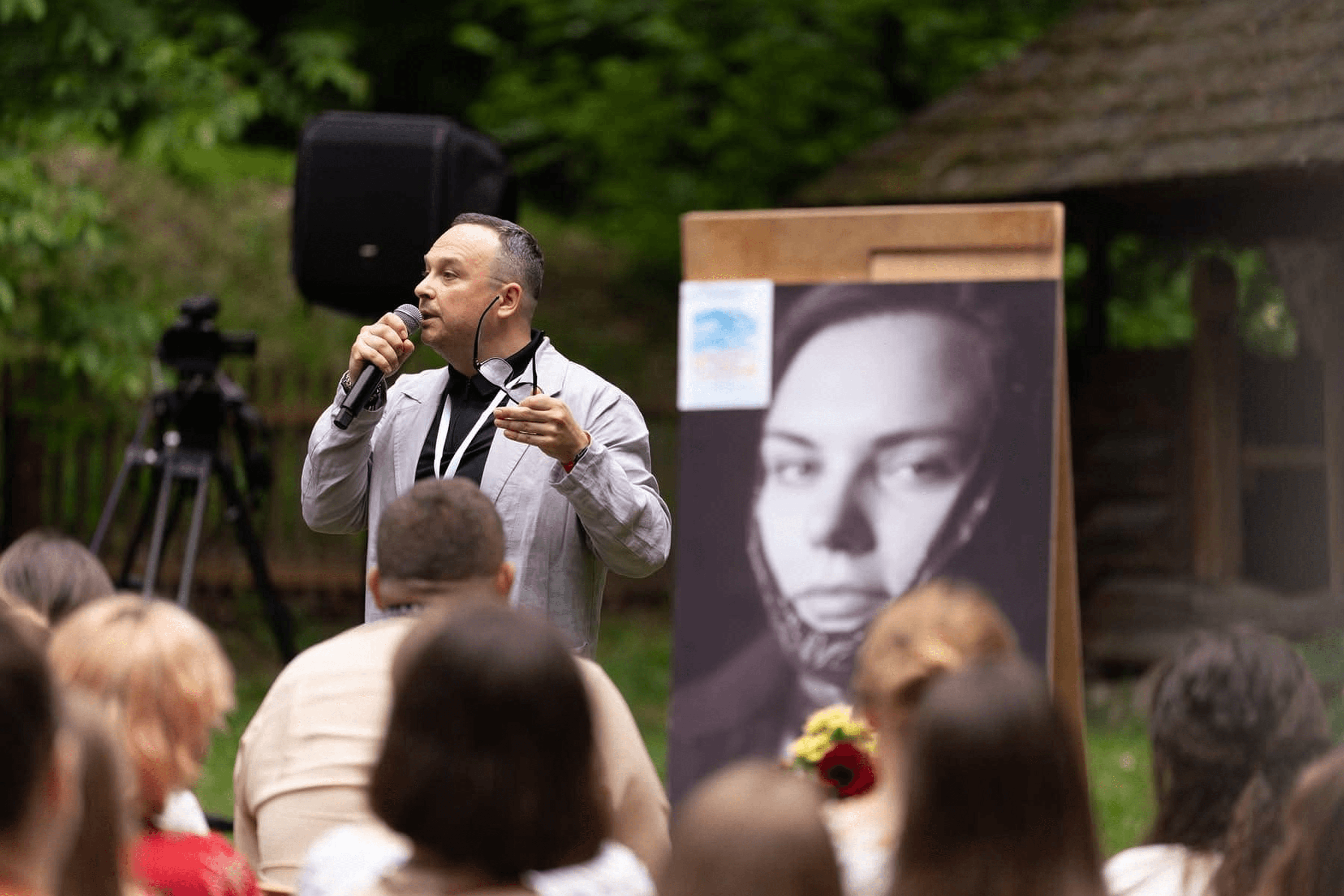
Anton Liagusha speaking at an event on memory politics and memorialization. September 2025. Photo: Anton Liagusha / Facebook 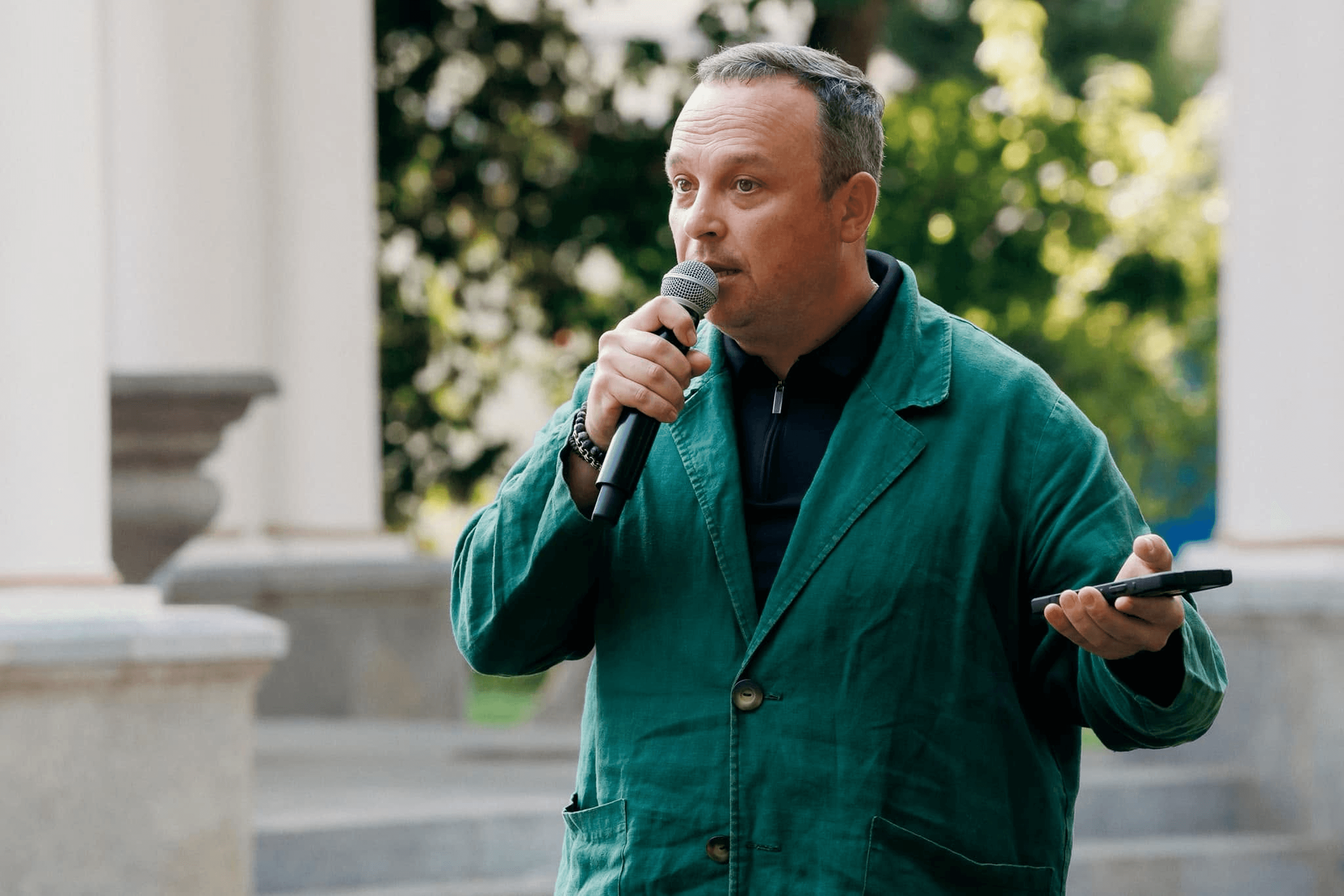
Photo: Anton Liagusha / Facebook 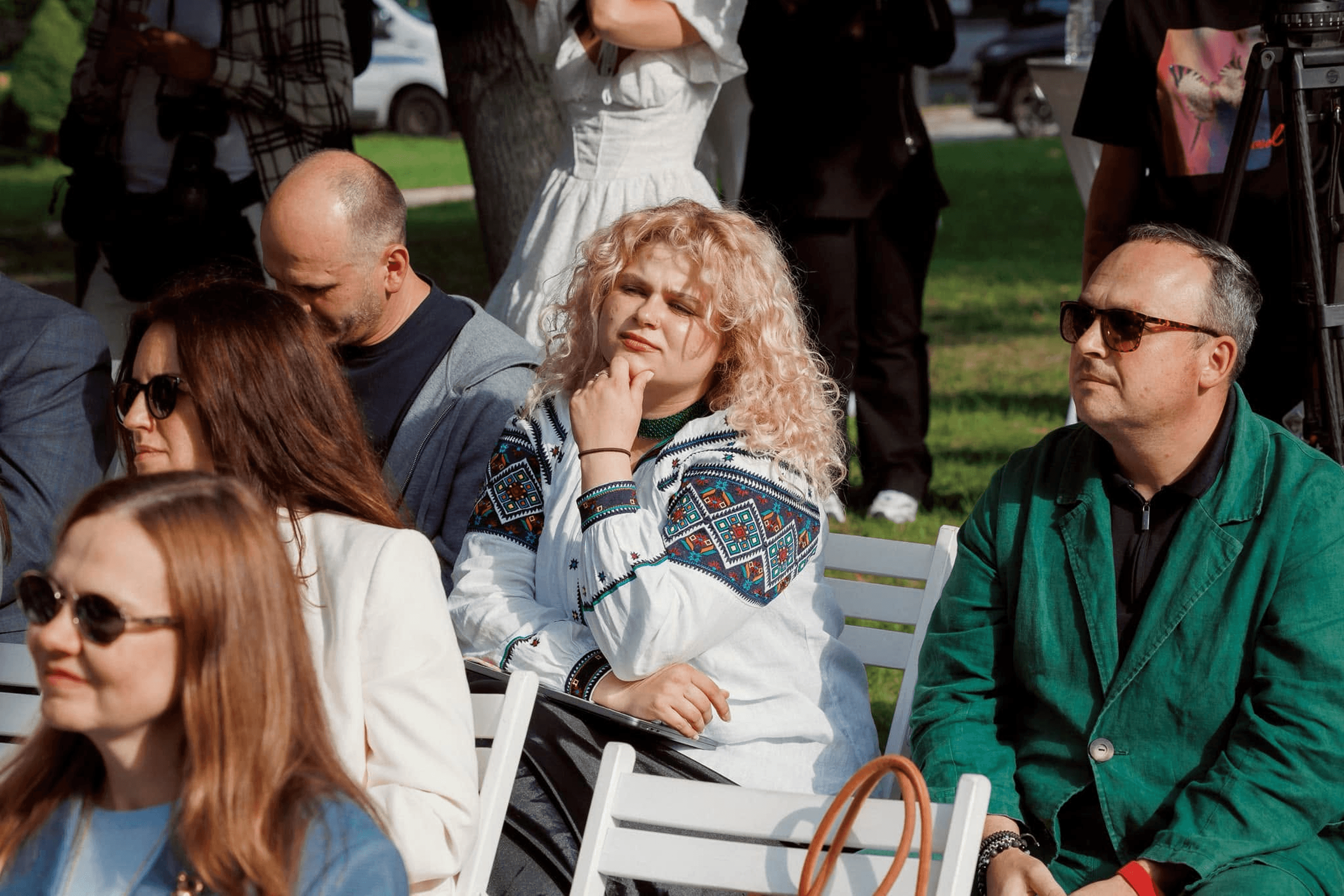
Photo: Anton Liagusha / Facebook