In the new episode of the '‘HERE&THERE’' podcast, human rights defender Maria Tomak explains why Ukraine needs to rethink its approach to communicating with non-Western countries. We discussed Russian influence, finding common ground, the colonial past, mutual ignorance, and why partnership works better than fighting for favor. Below is a short summary of the conversation.
The Ukrainian south helped us speak to the non-Western world. When we created the Crimea Global conference, our goal was not just to talk about Ukraine, but to find a common language with people from the non-aligned countries. To achieve this, we deliberately chose Crimea and the Ukrainian south as our starting point. Historically, the south of Ukraine has been a space of cultural and religious diversity. It has been and remains home to indigenous peoples, particularly the Crimean Tatars; Islam is a part of this region’s history, and its very heritage is much closer to many societies of the non-Western world than it might seem at first glance. For many of our guests, this becomes a revelation. They arrive with certain preconceived notions about Crimea, which are often shaped by Russian propaganda, but gradually they discover a completely different history—not an imperial one, but multicultural and significantly more complex. That’s exactly why Crimea became for us not just a topic of conversation about the occupation, but also a way to find common ground with people who have their own experience of colonialism.
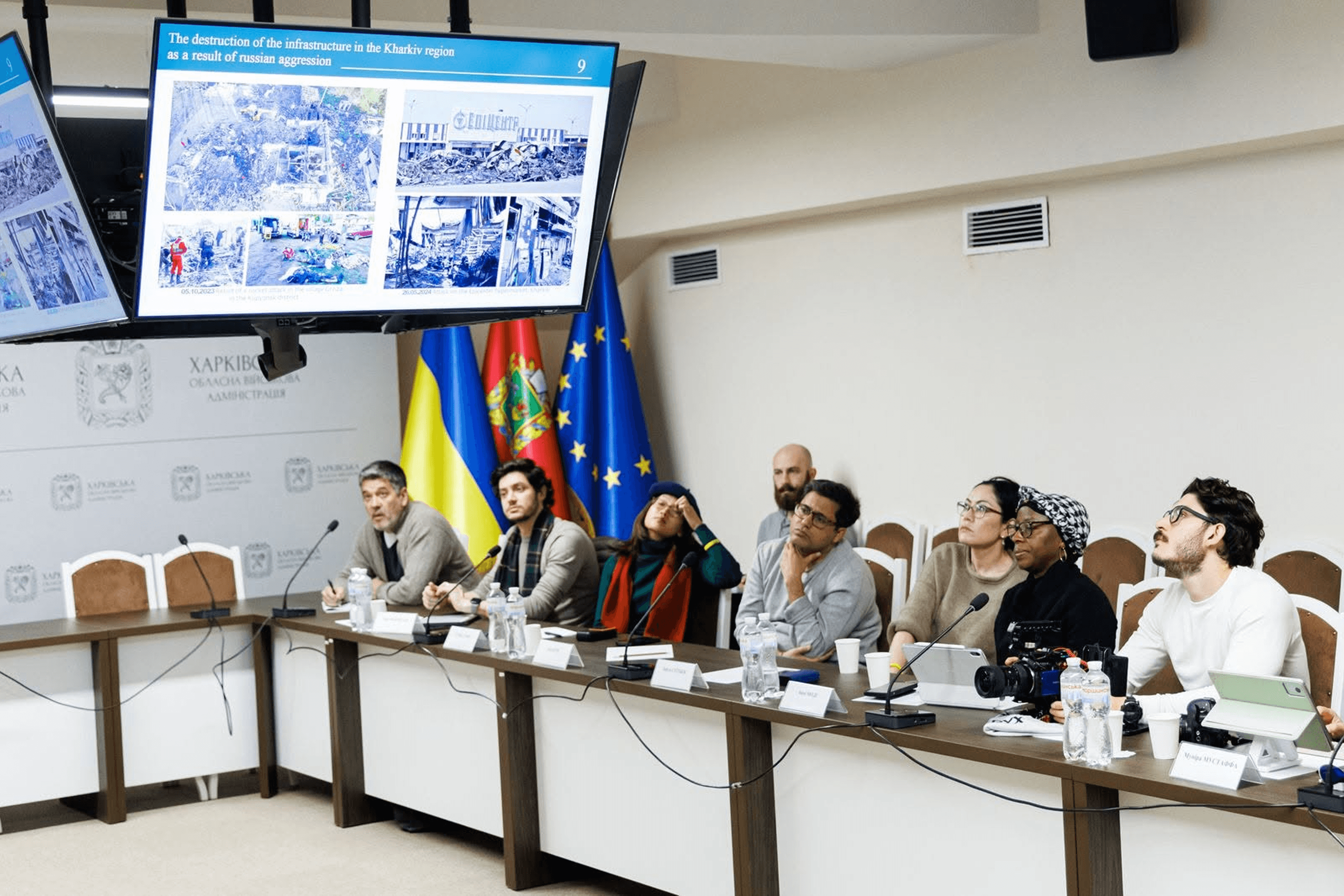
Participants of the international conference Crimea Global: Understanding Ukraine through the South during a visit to Kharkiv. November 2025. Photo: Кримська платформа / Facebook / YB 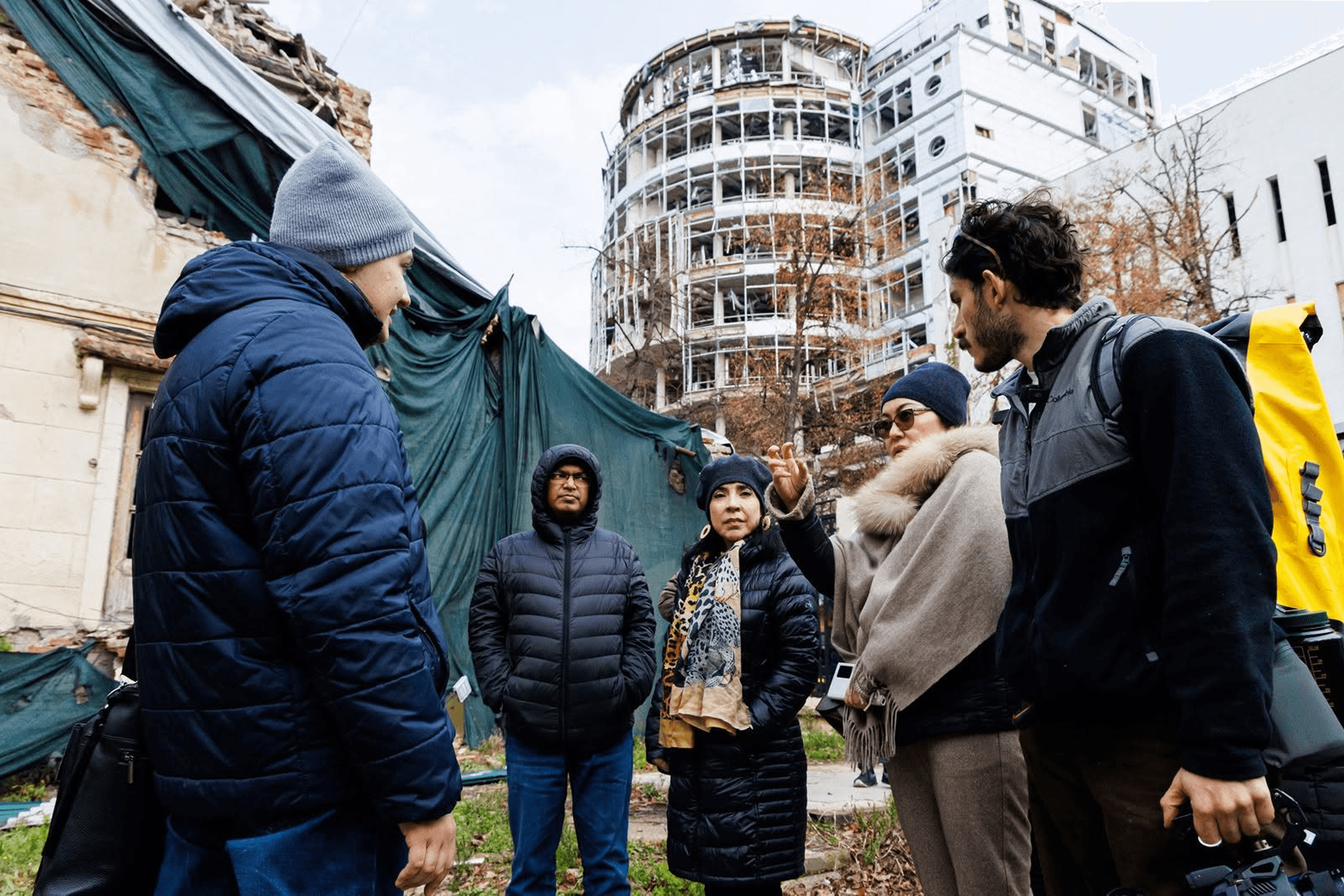
Photo: Кримська платформа / Facebook / YB 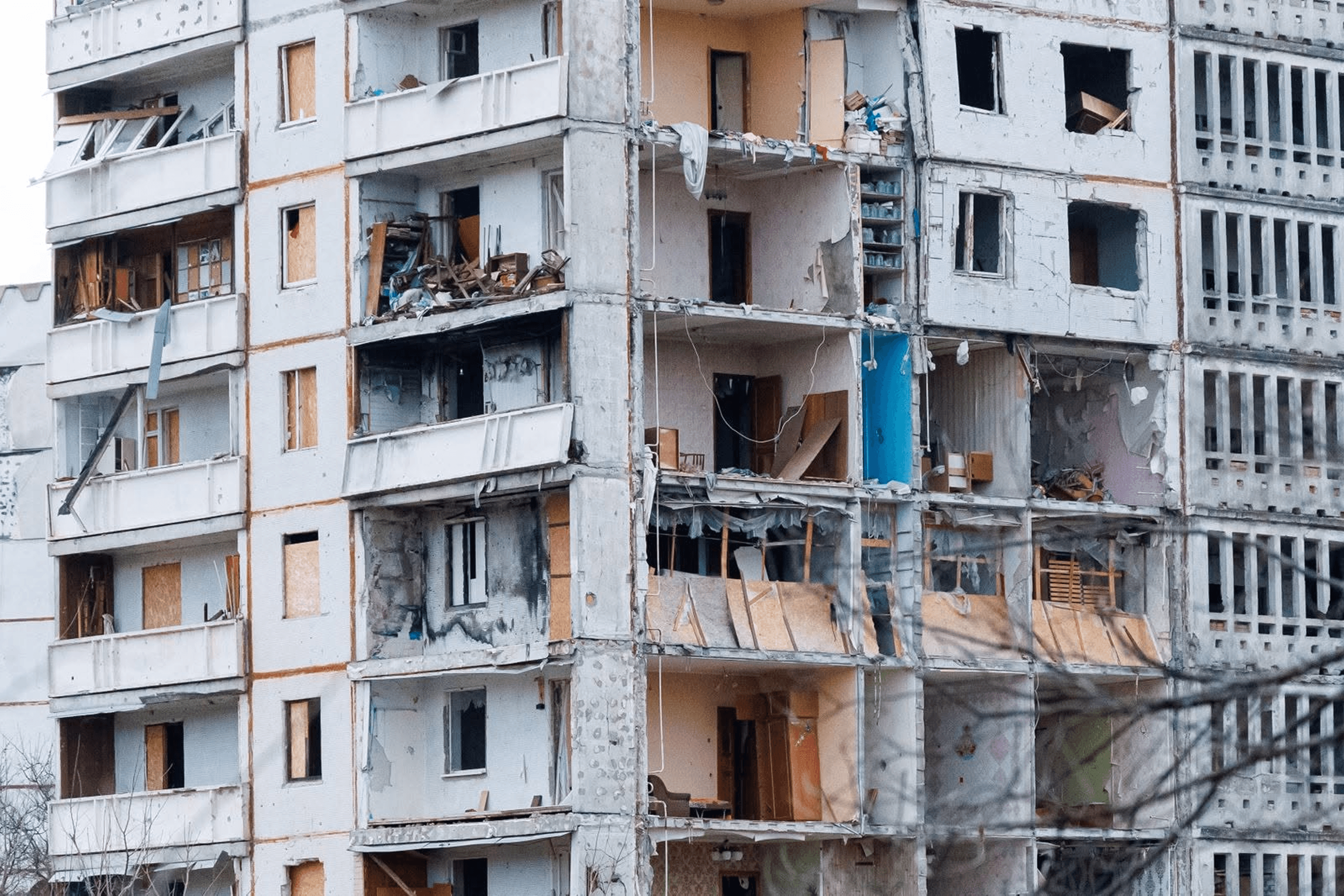
Photo: Кримська платформа / Facebook / YB 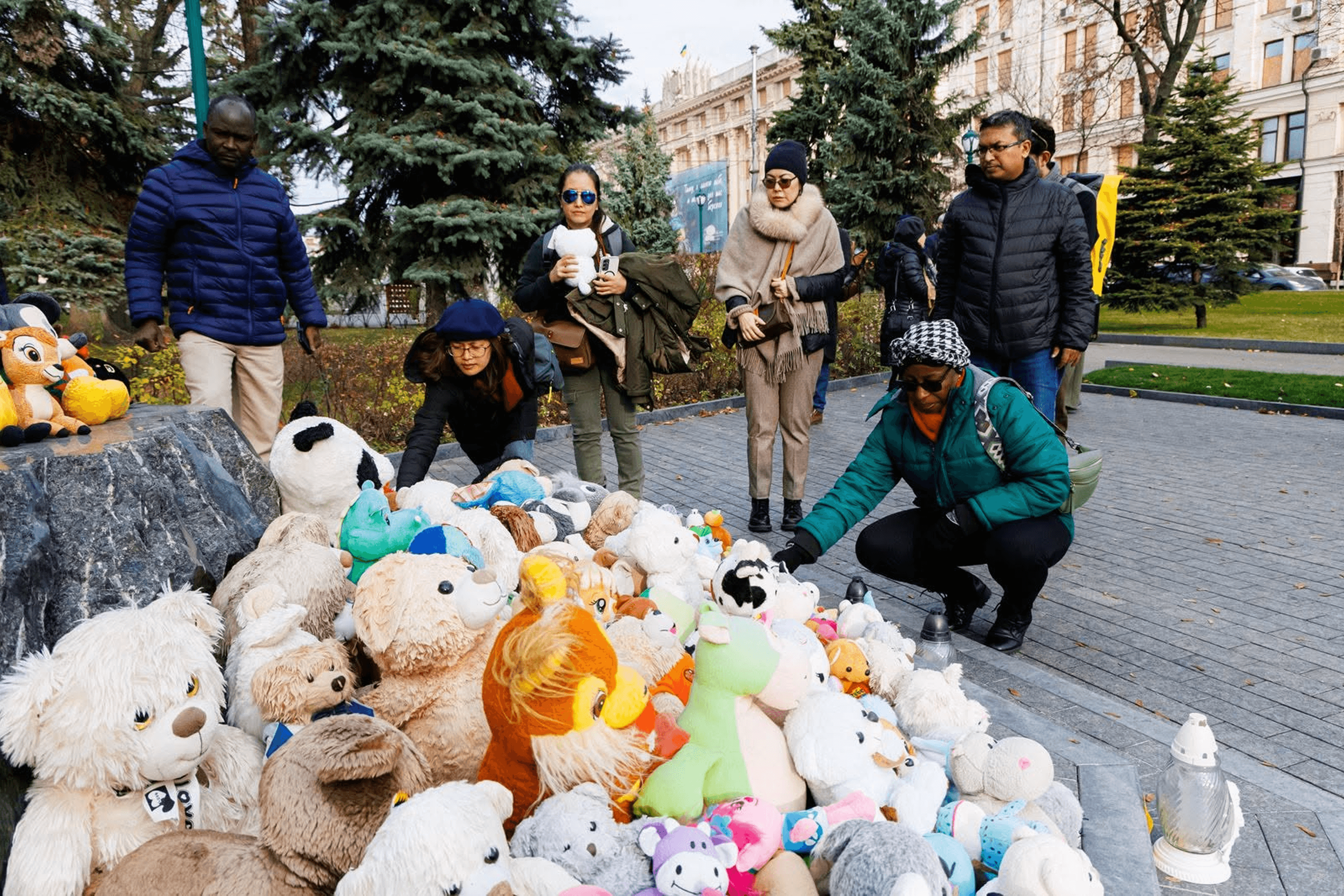
Photo: Кримська платформа / Facebook / YB
It sounds surreal, but Donald Trump also helped us. After that infamous conversation in the White House, the whole world, and non-Western countries in particular, saw that Ukraine isn’t a puppet of the United States. In reality, the attitude toward the US [in the non-Western world] is mostly negative. However, many countries are developing cooperation with Europe themselves. Therefore, Ukraine definitely does n’t need to abandon its European identity. For us, European integration and joining NATO are an absolute priority, whether someone likes it or not. But at the same time, it’s very important to speak with other regions of the world.
We must not compete with Russia for the non-Western world. For many such countries, the very logic of a struggle for influence is very painful. It reminds them of the Cold War era, when their nations became a battleground for the confrontation of major geopolitical players. They often perceive such an approach as a continuation of colonial policy.
The biggest mistake is to talk only about ourselves. If an activist from Mexico speaks about femicide, if representatives of African countries talk about their conflicts or human rights violations, these stories are no less important. Only when we are ready to hear others do they begin to truly listen to us.
We shouldn’t compete over whose war is more horrific. The world knows that Ukraine is enduring Russian aggression. However, for many countries, war is also a part of their reality. In certain regions, people have been living in armed conflicts for decades or have survived massive tragedies. Therefore, attempts to shock someone with the number of casualties or the scale of destruction don’t work. People are increasingly interested in something else—how Ukraine managed to withstand, how new technologies are developing, and how people live under constant shelling. Today, this very story of resilience often prompts more questions than the war itself. People genuinely want to understand how this is possible. It’s precisely here that Ukraine has highly valuable experience it can share.
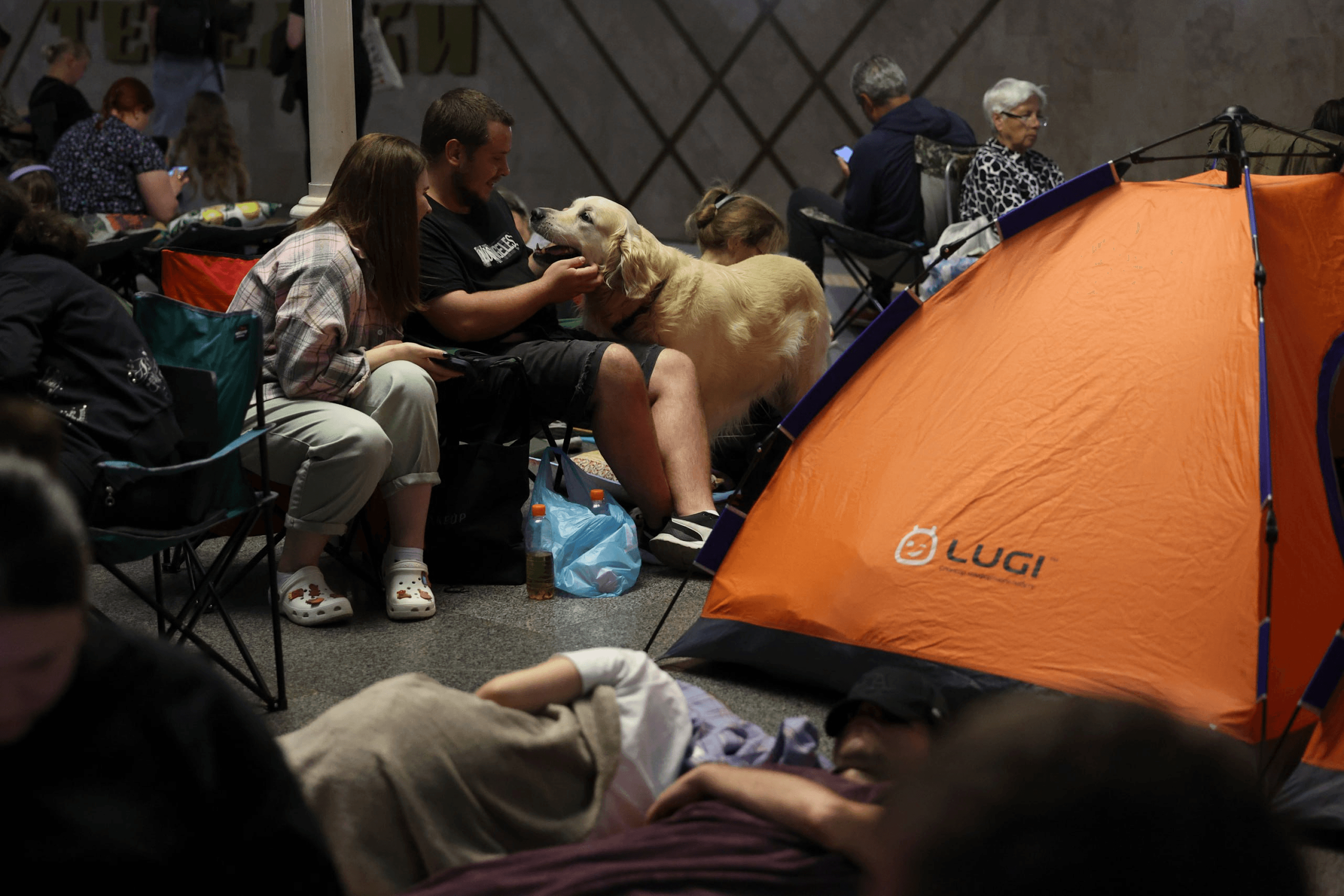
During one of the largest Russian attacks on Kyiv, more than 52,000 people, including nearly 4,500 children, spent the night in the city’s metro stations. July 2025. Photo: Київський метрополітен - офіційний канал / Telegram / YB 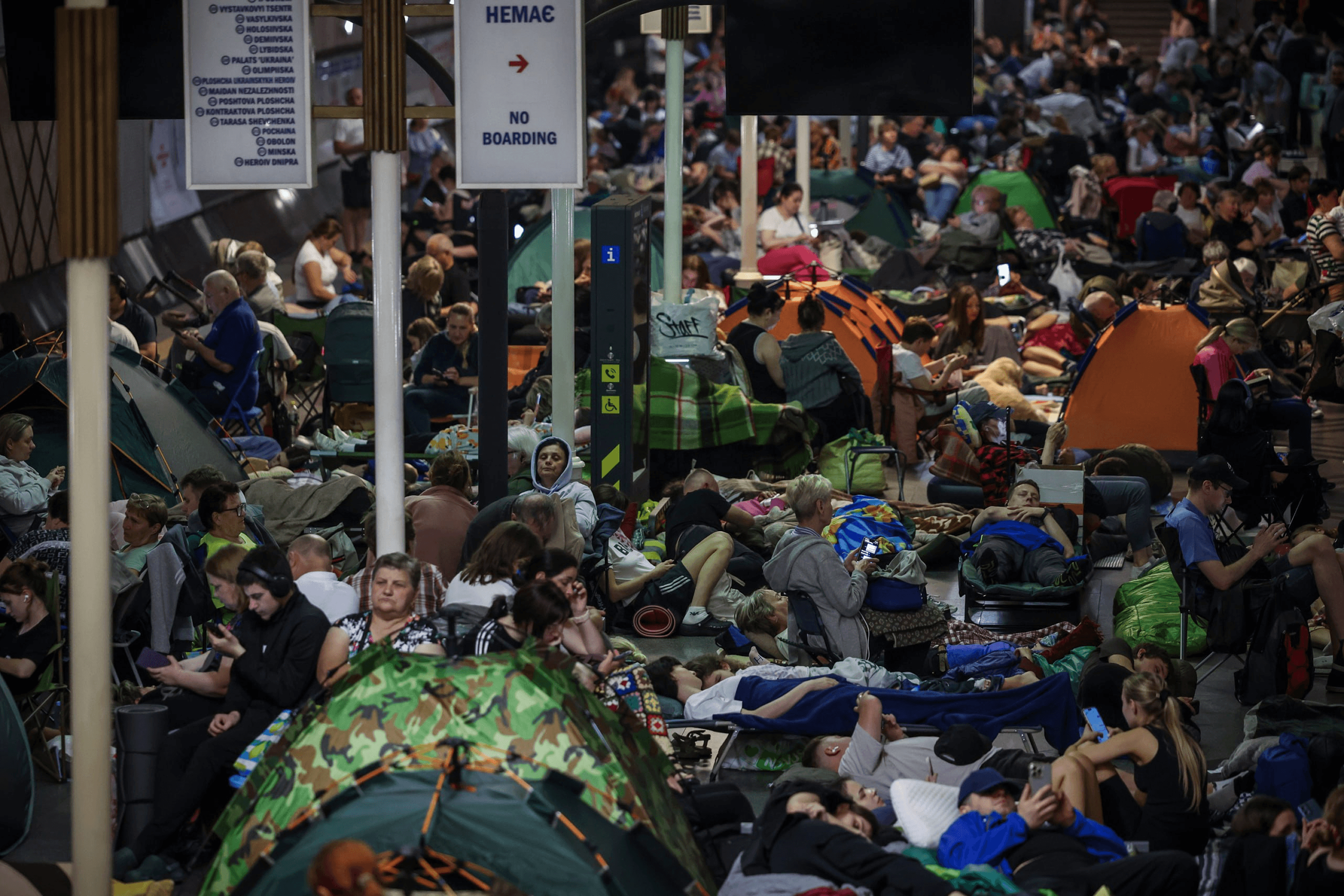
Photo: Київський метрополітен - офіційний канал / Telegram / YB 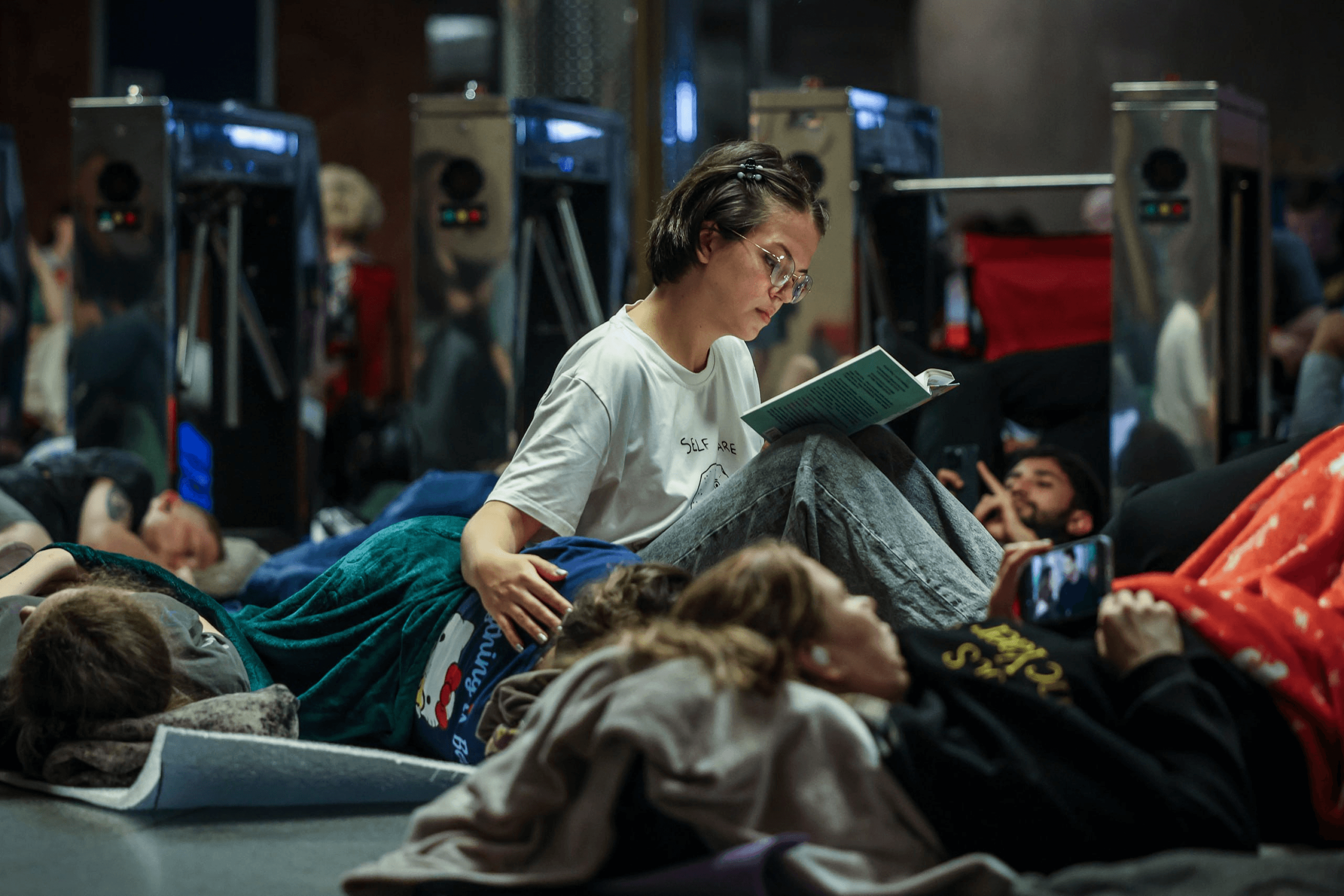
Photo: Київський метрополітен - офіційний канал / Telegram / YB 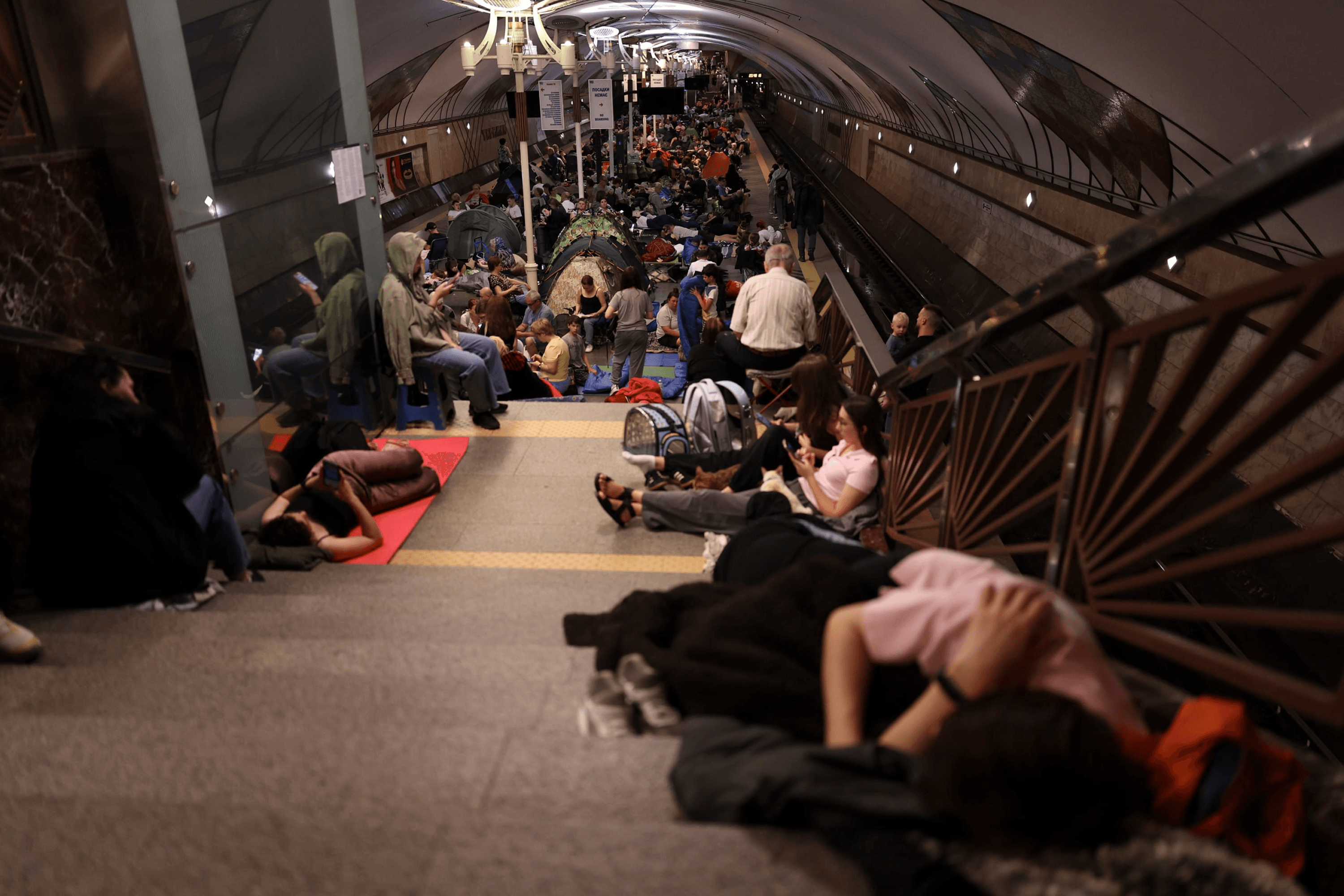
Photo: Київський метрополітен - офіційний канал / Telegram / YB
We should look for topics that truly unite us. Experience shows that not every topic works equally well in a dialogue with non-Western countries. For instance, when a conversation immediately begins with topics like NATO or security policy, it often merely creates additional confrontation. It’s far more productive to speak about things that have a universal dimension: about the activities of the Wagner PMC in various countries, about the Russian recruitment of citizens from Asia, Africa, and Latin America, about conflict-related sexual violence, about human rights, journalism, or the role of the younger generation. For example, Truth Hounds recently published a major study on how Russia recruits people in the countries of Asia, Africa, and Latin America. Such topics allow us to build a conversation not around political disputes, but around real problems that different societies face.
A conversation with the non-Western world also says a lot about ourselves. We want the world to perceive Ukraine as a modern democratic state, but at the same time, we must honestly address our own problems. Racism, xenophobia, or prejudice cannot simply be explained away by Russian propaganda, even though it actively fuels these sentiments. If we want to be open to the world, we need to know more about other cultures, communicate more with people from different countries, and gradually learn to look at the world more broadly than through the lens of our own experience alone.
Trust isn’t measured by budgets. It seems to me that this is precisely the main lesson of recent years. We cannot build relations with non-Western countries as if they were merely an audience for our messages. Partnership begins when we recognize the agency of our interlocutor. This means being ready to listen even to those opinions we disagree with, explaining our own position without arrogance, and not expecting trust to emerge instantly. We have significantly fewer resources than Russia, and this is unlikely to ever change. However, trust is born out of respect, openness, and a readiness to engage in an honest dialogue.
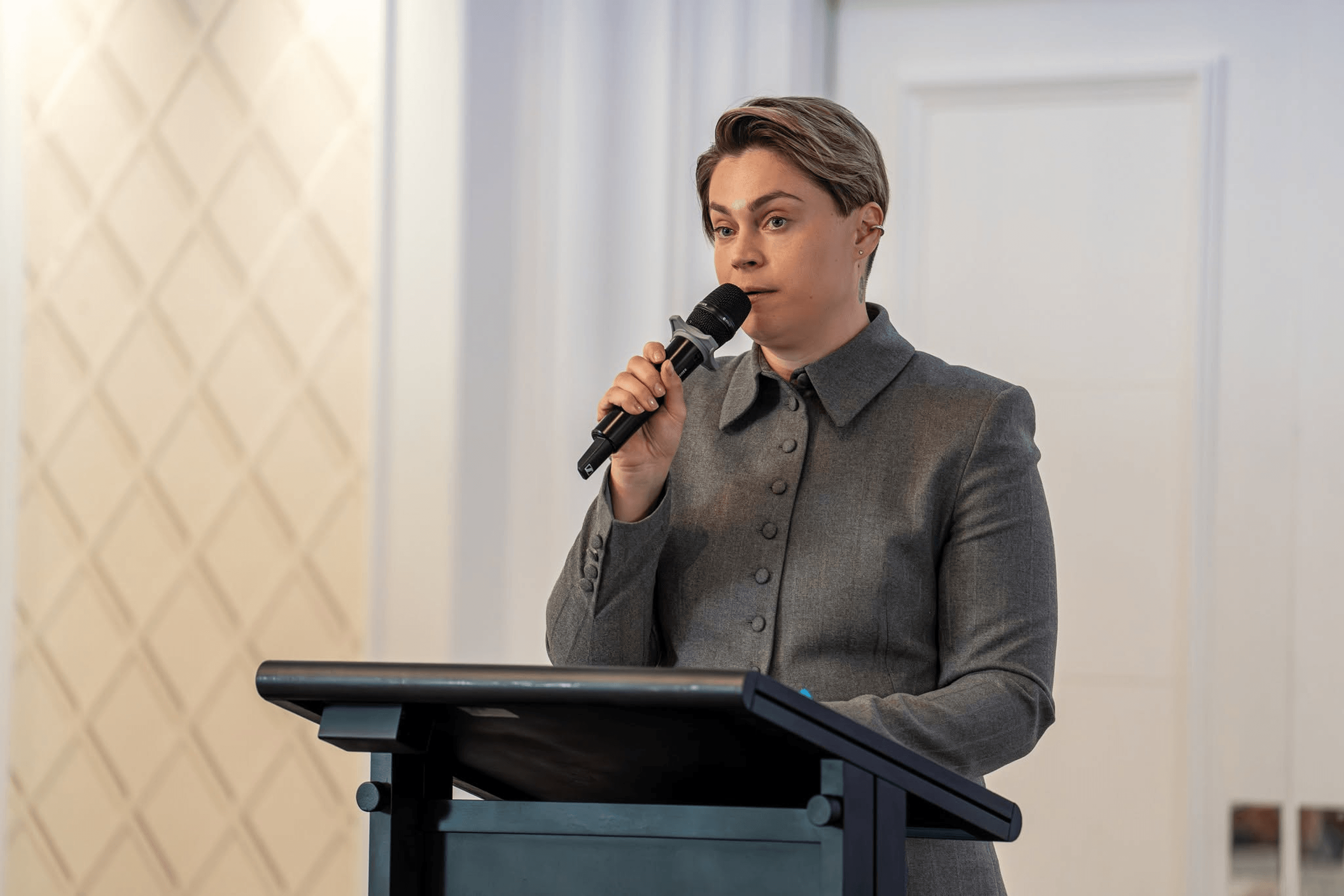
Maria Tomak speaks at the presentation of a Truth Hounds report on Russia’s recruitment of foreign nationals to fight in the war against Ukraine. April 2026. Photo: Truth Hounds / Facebook / YB 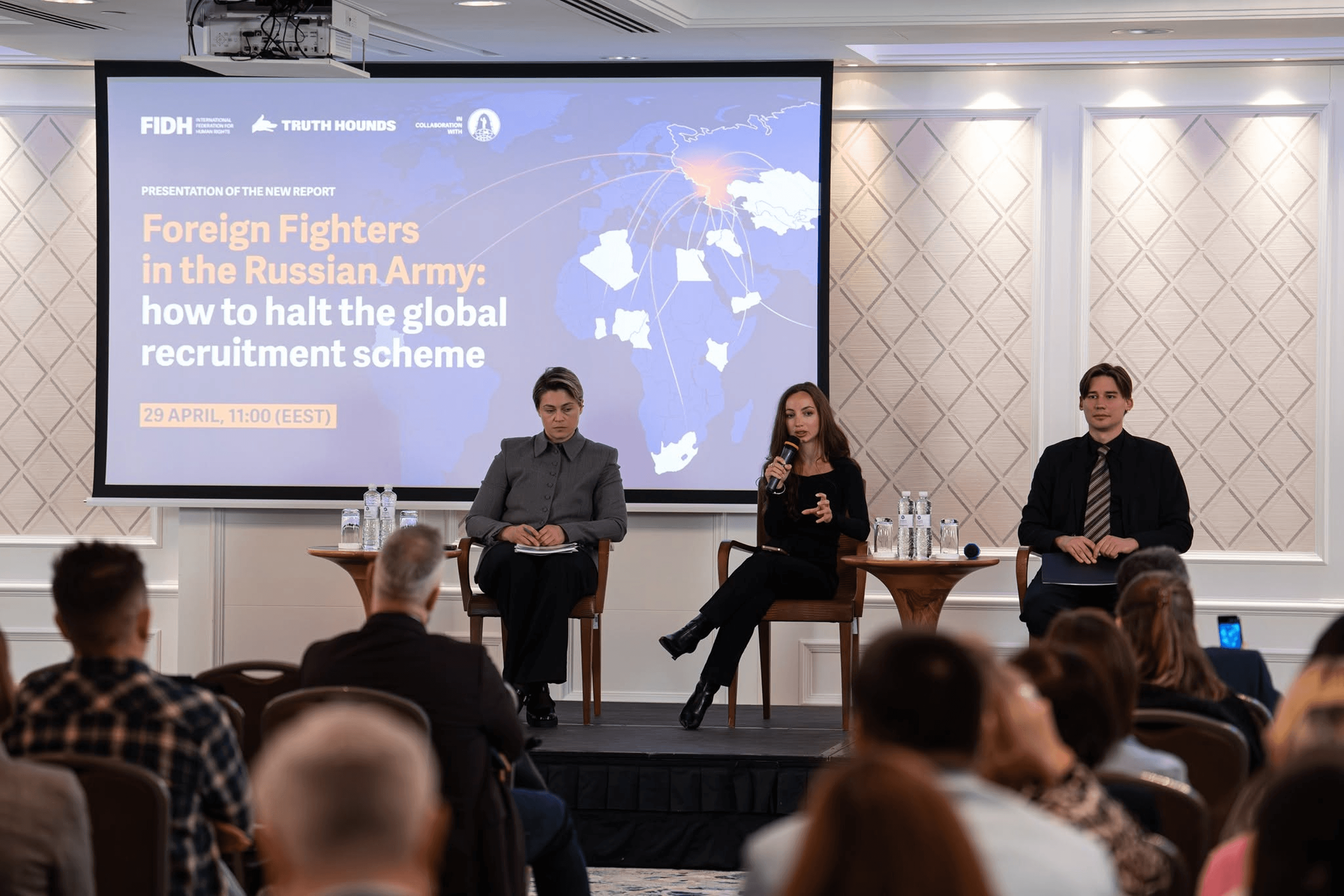
Photo: Truth Hounds / Facebook / YB 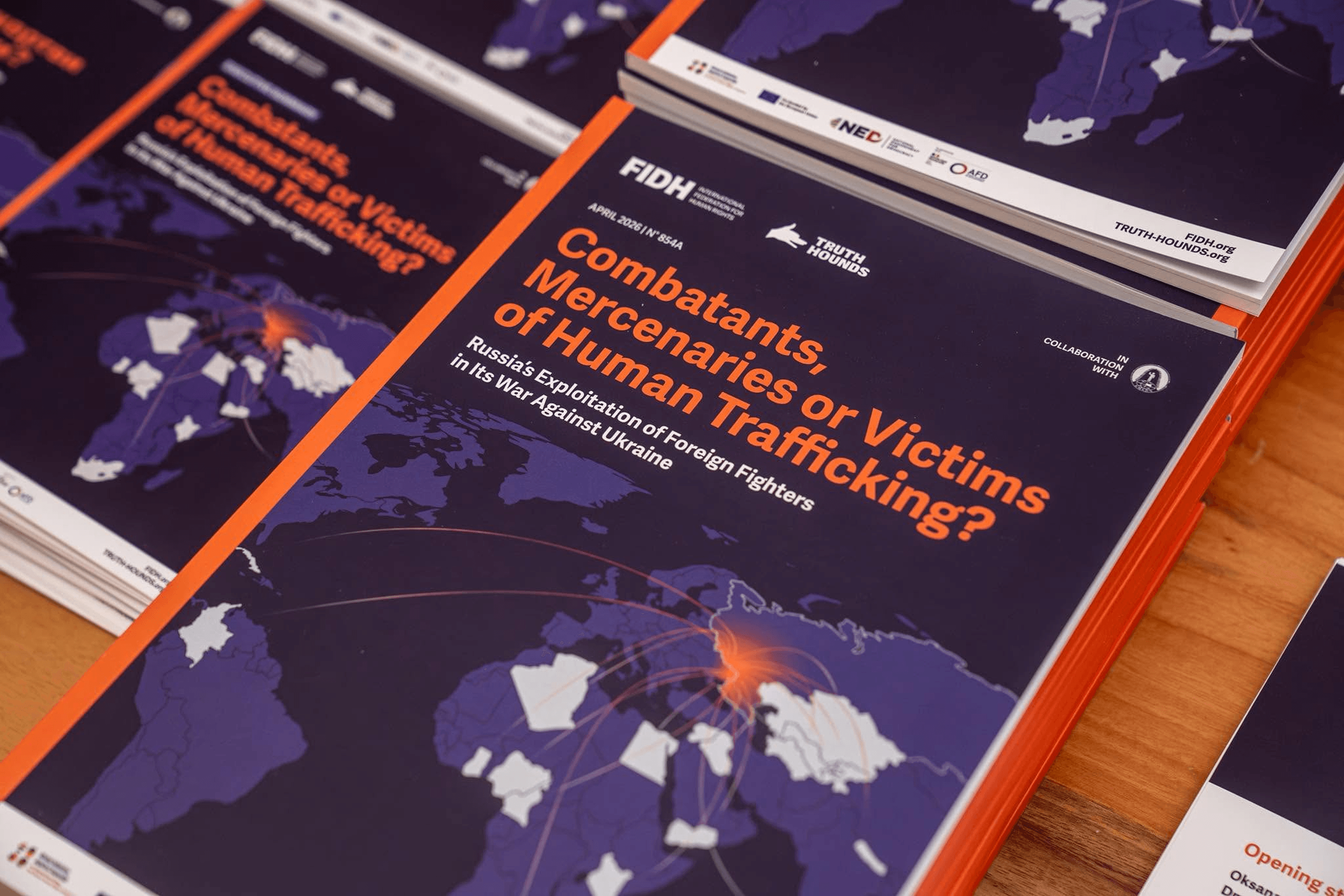
Photo: Maria Tomak / Facebook / YB 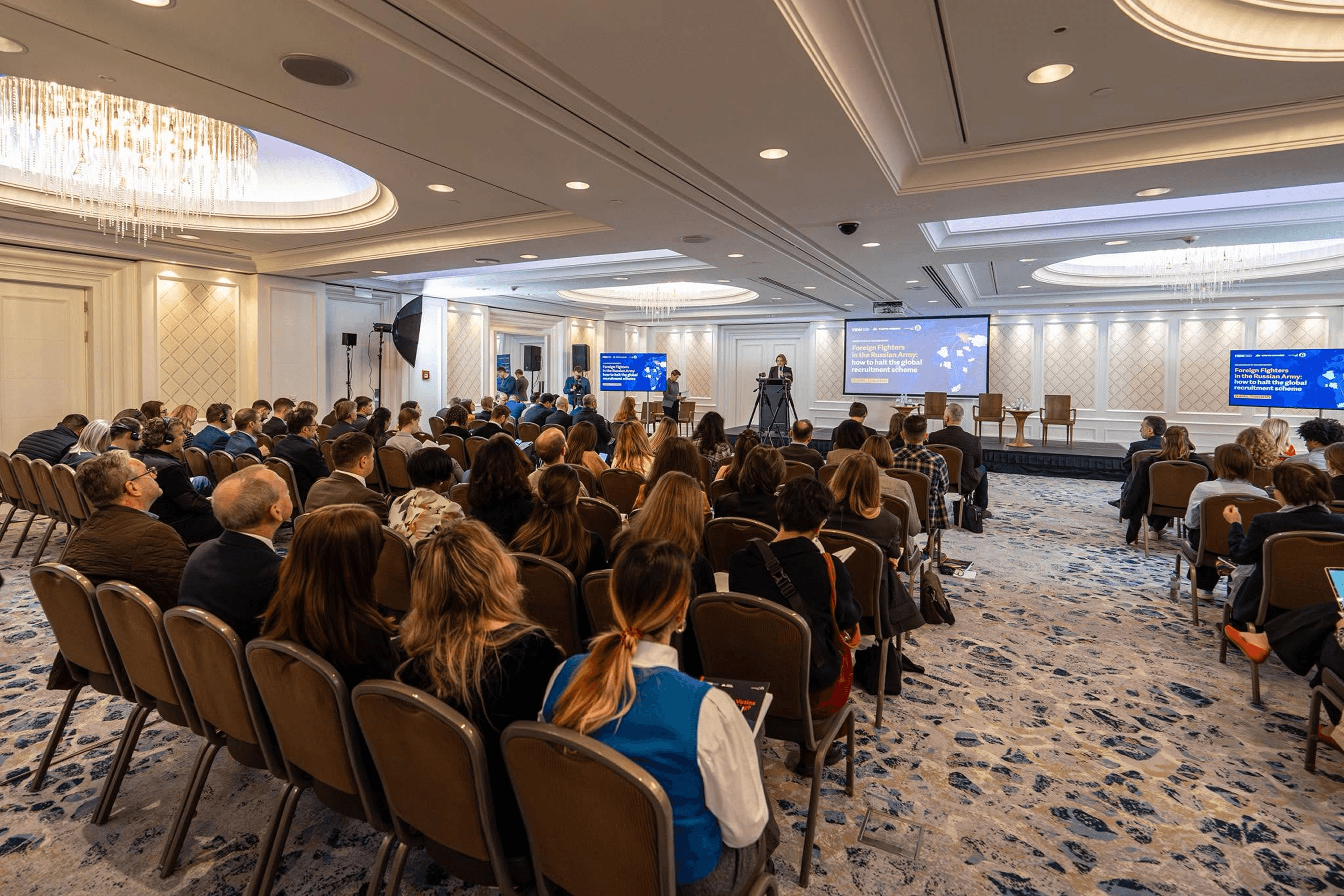
Photo: Maria Tomak / Facebook / YB