More than four years into Russia’s full-scale invasion, Ukraine’s economy has weathered a profound shock to achieve a fragile stability. However, persistent military risks and a widening trade deficit remain critical vulnerabilities.
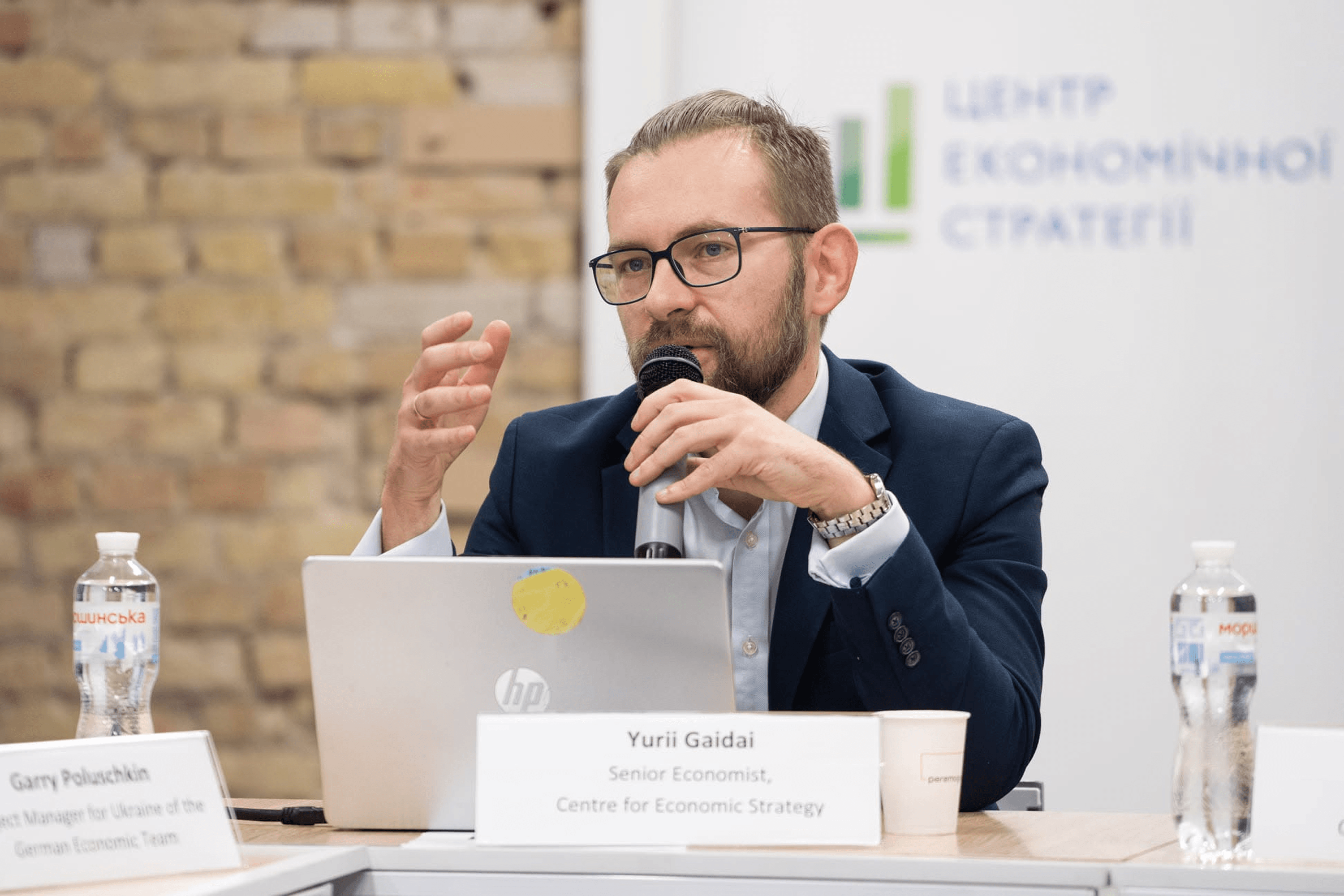
We asked Yurii Gaidai, economist and head of analytics at the Mnozhyna Foundation, to break down what is currently happening to the economy, how mass displacement has reshaped it, and what kind of migration policy Ukraine actually needs.
The Ukrainian economy has navigated several distinct phases since the full-scale invasion. Predictably, the initial shock triggered a sharp contraction of nearly 29 percent, crippling both consumer demand and supply chains. Since then, a gradual recovery has taken root. The financial system averted collapse, the energy grid held, the National Bank timely successfully managed currency restrictions, and—crucially—Ukraine’s Defense Forces secured the Black Sea maritime corridor. This pivotal move revived exports and drove down import costs, transitioning the economy into its current stabilization mode.
Today, half of Ukraine’s state budget is foreign-funded. This international aid directly pumps liquidity into the domestic economy through public spending, business procurement, and salaries that citizens spend on goods and services. This support is precisely what keeps the economy afloat.
However, a massive trade deficit persists. While a significant share of exports has disappeared due to the loss of production capacity, imports have increased sharply because of the need for large volumes of weapons. Under normal conditions, the exchange rate would have reacted to this by depreciating, making imports more expensive and exports more attractive, which would gradually reduce the trade deficit. Eventually, the gap would have narrowed as exports also became more competitive. Currently, the hryvnia operates under a managed float regime, with the emphasis firmly on the word “managed.” Foreign aid temporarily cushions this capital outflow, but this lifeline won’t last forever; boosting exports is non-negotiable.
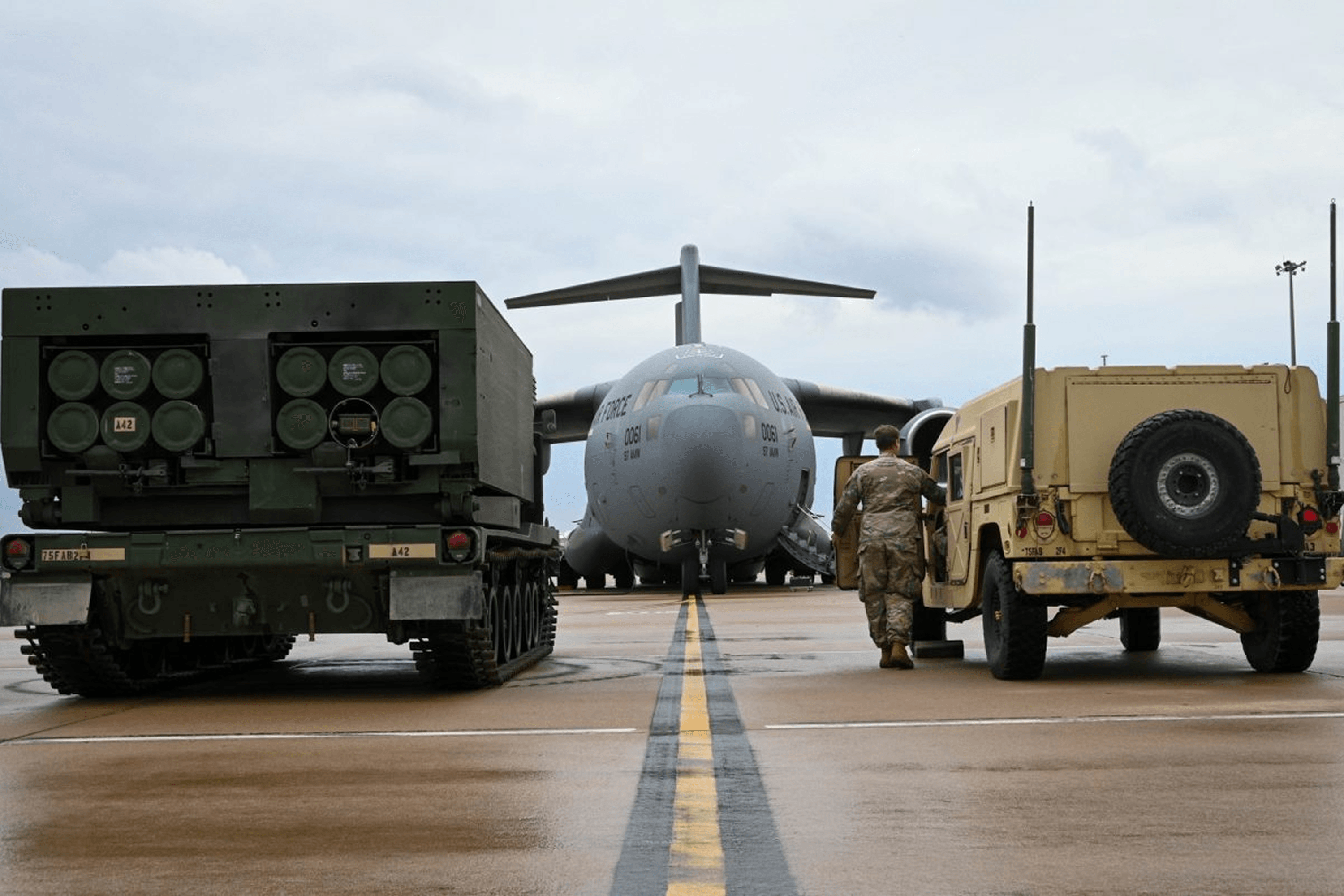
A delivery of military aid to Ukraine from international partners. Photo: armyinform.com.ua / YB 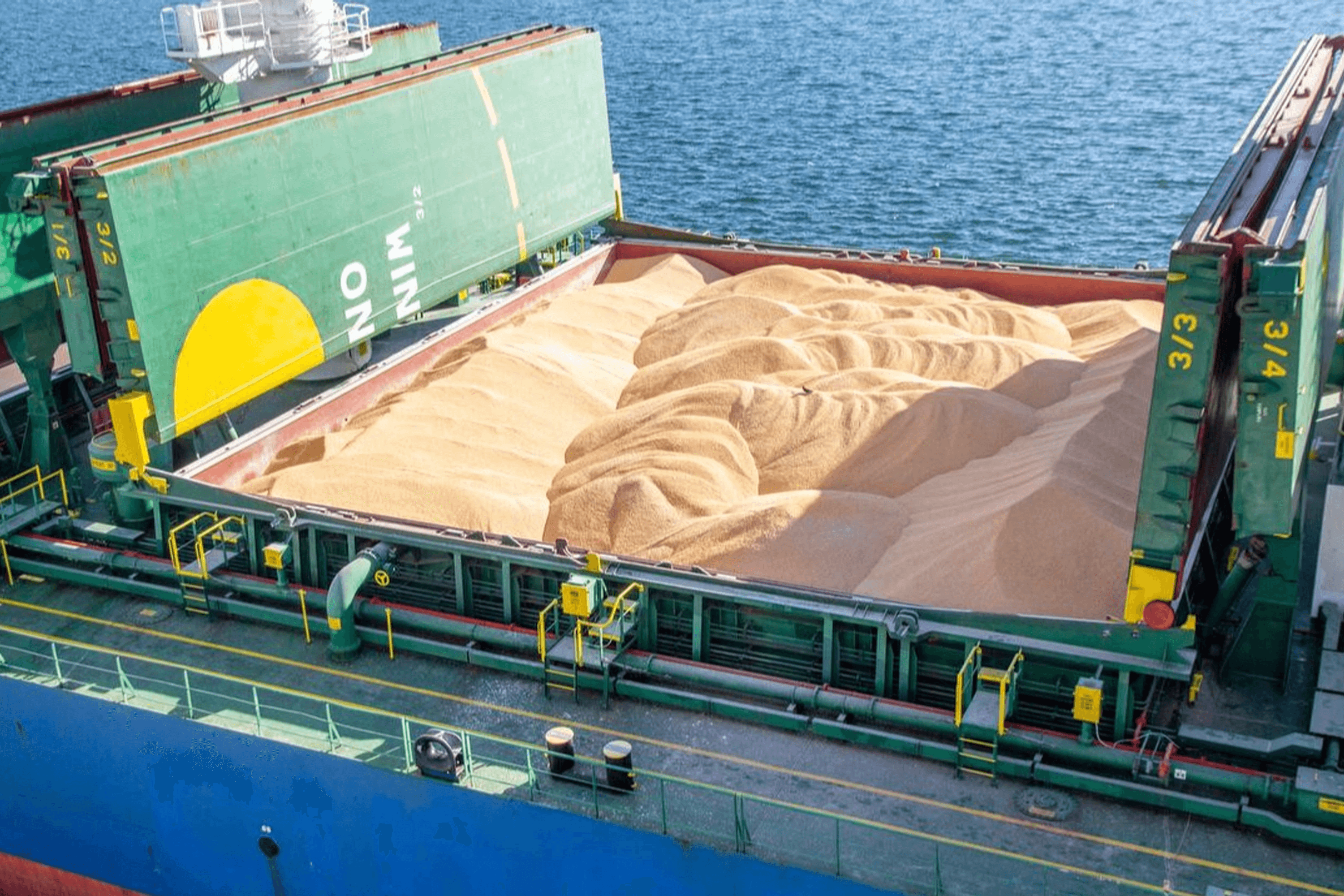
Loading grain for export at a Ukrainian seaport. Photo: Олексій Кулеба / Telegram / YB 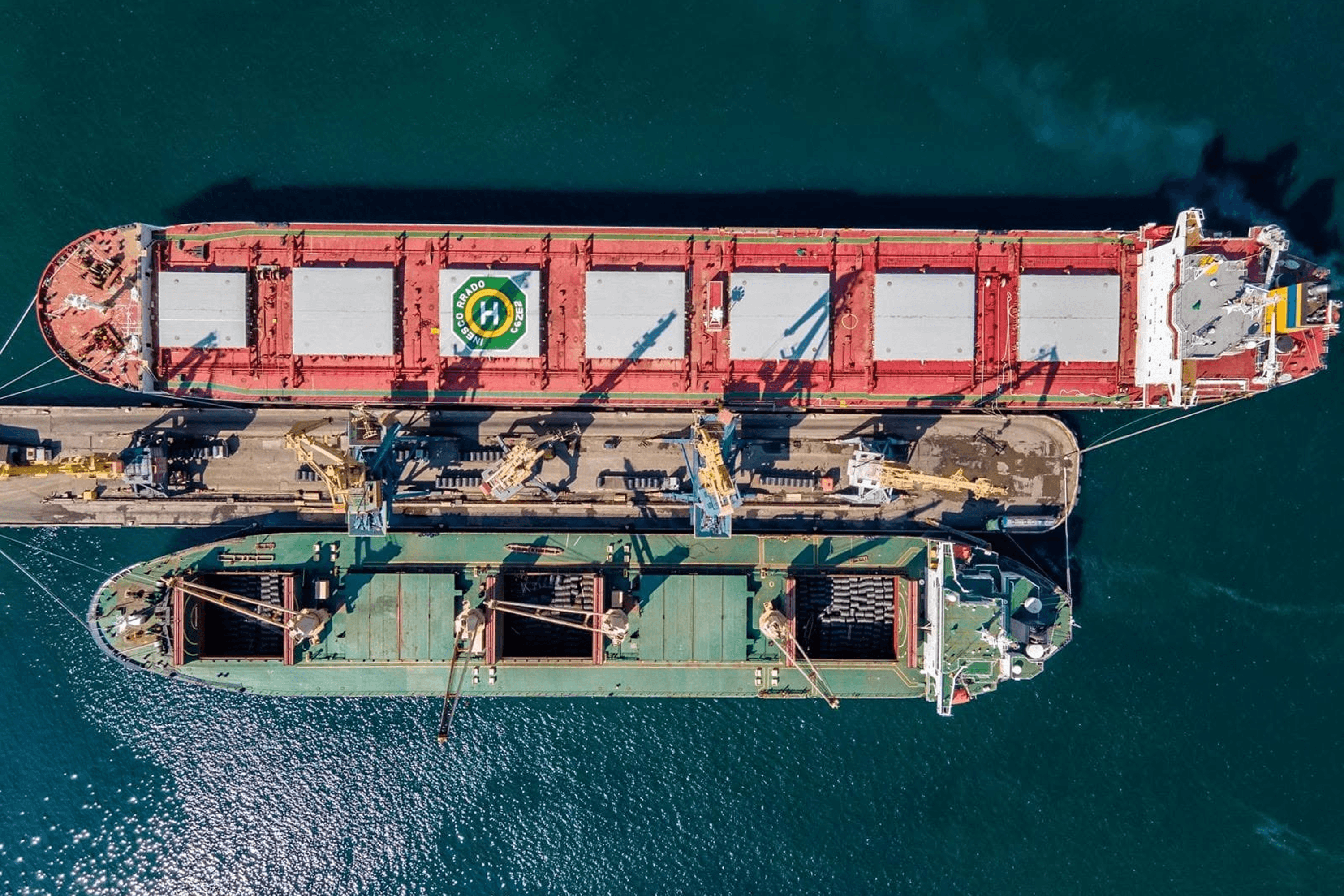
Cargo ships at a Ukrainian seaport. Photo: Ukrainian Sea Ports Authority / Facebook / YB
Consequently, Ukrainian businesses are aggressively pursuing new markets—a vital strategic shift. The Ukrainian economy has significantly reoriented toward the EU since the start of the full-scale invasion. Re-routing logistics chains was painful but necessary, especially given the shrinking domestic market and suppressed local demand. Expanding abroad is no longer just a growth strategy; it is critical to Ukraine’s broader economic resilience.
Meanwhile, the investment drought remains a severe bottleneck. Military risks have not diminished, though a niche war-risk insurance mechanism for businesses has finally launched. While Ukrainian economists and officials have long pressured Western partners for this solution, it is still only in its infancy. For the vast majority of enterprises, wartime risks continue to freeze investment decisions.
Attracting capital will require gradual institutional reforms. The core sovereign risks remain unchanged: the rule of law, the protection of property rights, and the fair resolution of tax disputes. This lack of a predictable business environment is the primary reason investment volumes remain lower than they could have been. Honestly, history offers few examples of a country successfully executing such fundamental, civil reforms during an existential war. Nonetheless, Ukraine must do its homework—it is exactly what the EU and the IMF expect.
While remittances from abroad partially cushion the foreign currency outflow, they are steadily declining. This shift is driven by several factors. First, many Ukrainians who previously worked abroad as migrant labor have now legalized their status, allowing them to bring their families over. Naturally, their financial transfers back home have dwindled. Second, wartime travel restrictions mean men cannot leave the country, cutting off the number of seasonal workers who used to rotate between Ukraine and foreign jobs. Additionally, many of these men have joined the Armed Forces of Ukraine, removing them from the civilian workforce altogether. This downward trend in remittances is entirely predictable and bound to continue.
For a country waging an existential war, Ukraine’s unemployment numbers look remarkably decent. At the onset of the invasion, both job openings and active resumes plummeted. However, the labor supply rebounded with surprising speed. Driven by relocation and shifting life circumstances, citizens flooded the market with resumes—even exceeding pre-war levels. Labor demand, by contrast, crawled back much more slowly. Judging by indirect indicators like the vacancy-to-resume ratio, the labor market only returned to its 2021 equilibrium around mid-2024.
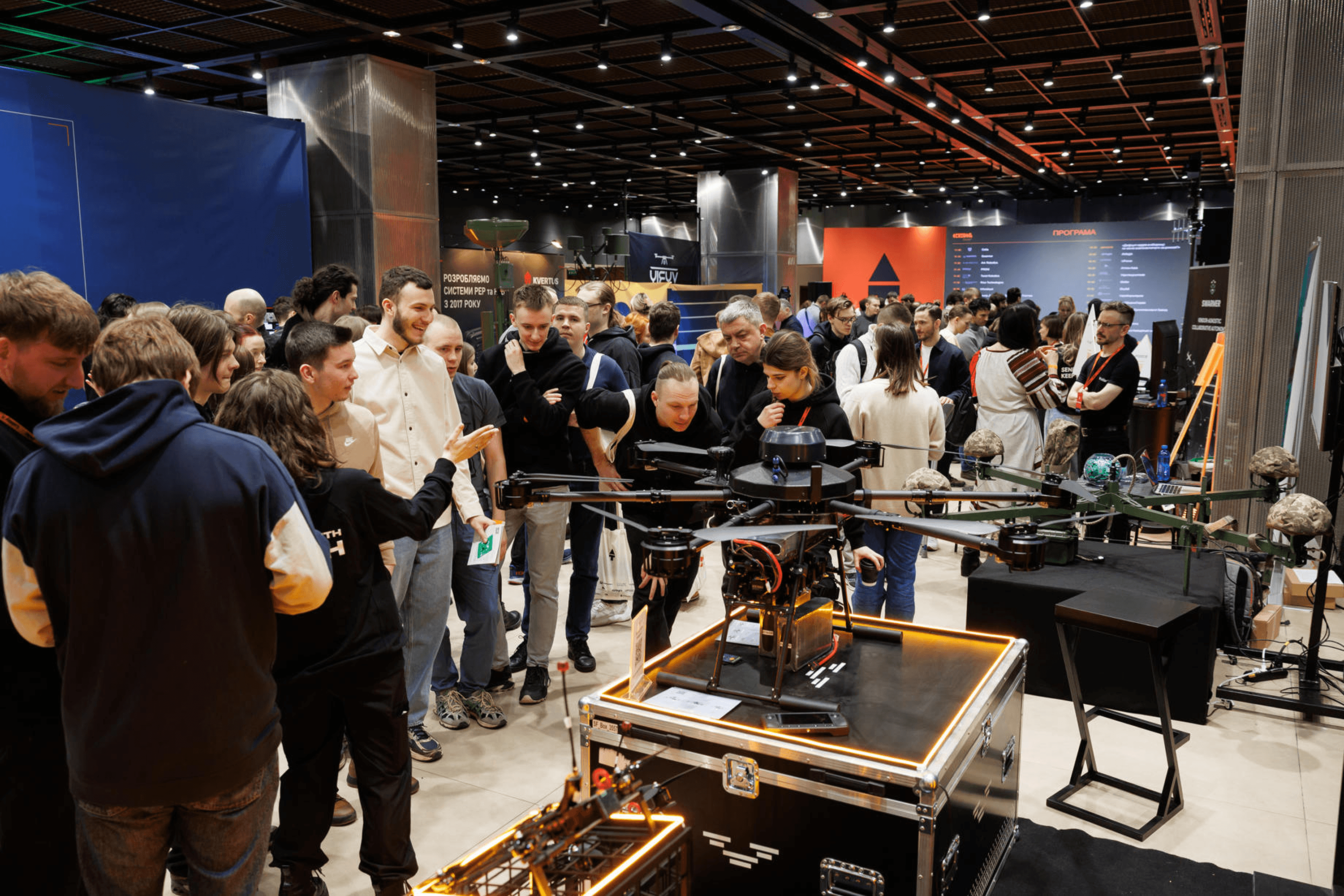
Participants at the Arsenal of Talent career fair organized by DOU and Lobby X, which brought together employers and job seekers in the Defense Tech sector. Photo: DOU / Facebook / YB 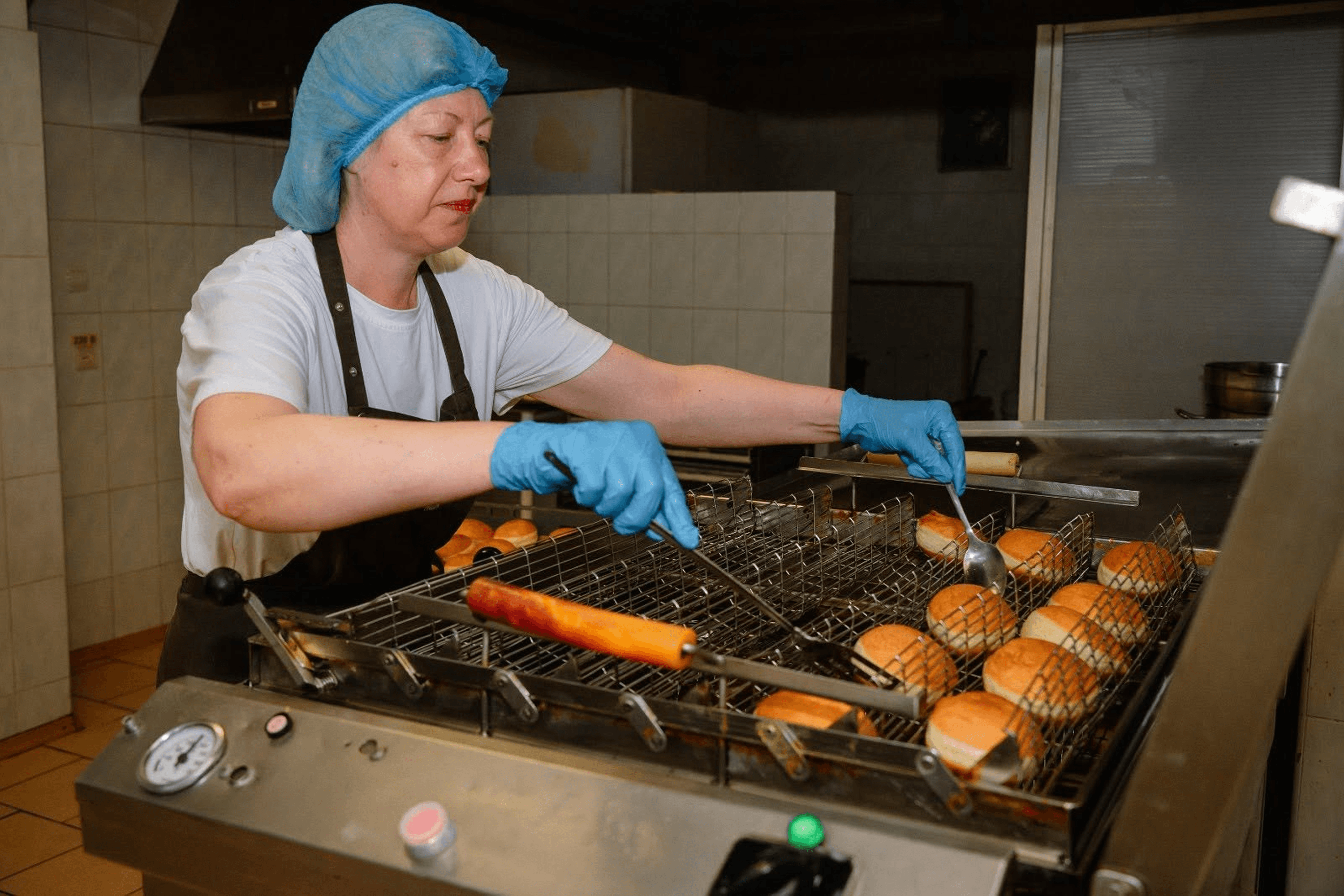
Mykolaiv Bakery No. 1, where the Mykolaiv Regional Employment Center helped fill nearly 200 vacancies. Photo: Державна служба зайнятості / Facebook / YB 
Veterans during one-on-one career counseling sessions focused on employment and professional reintegration. Photo: Державна служба зайнятості / Facebook / YB 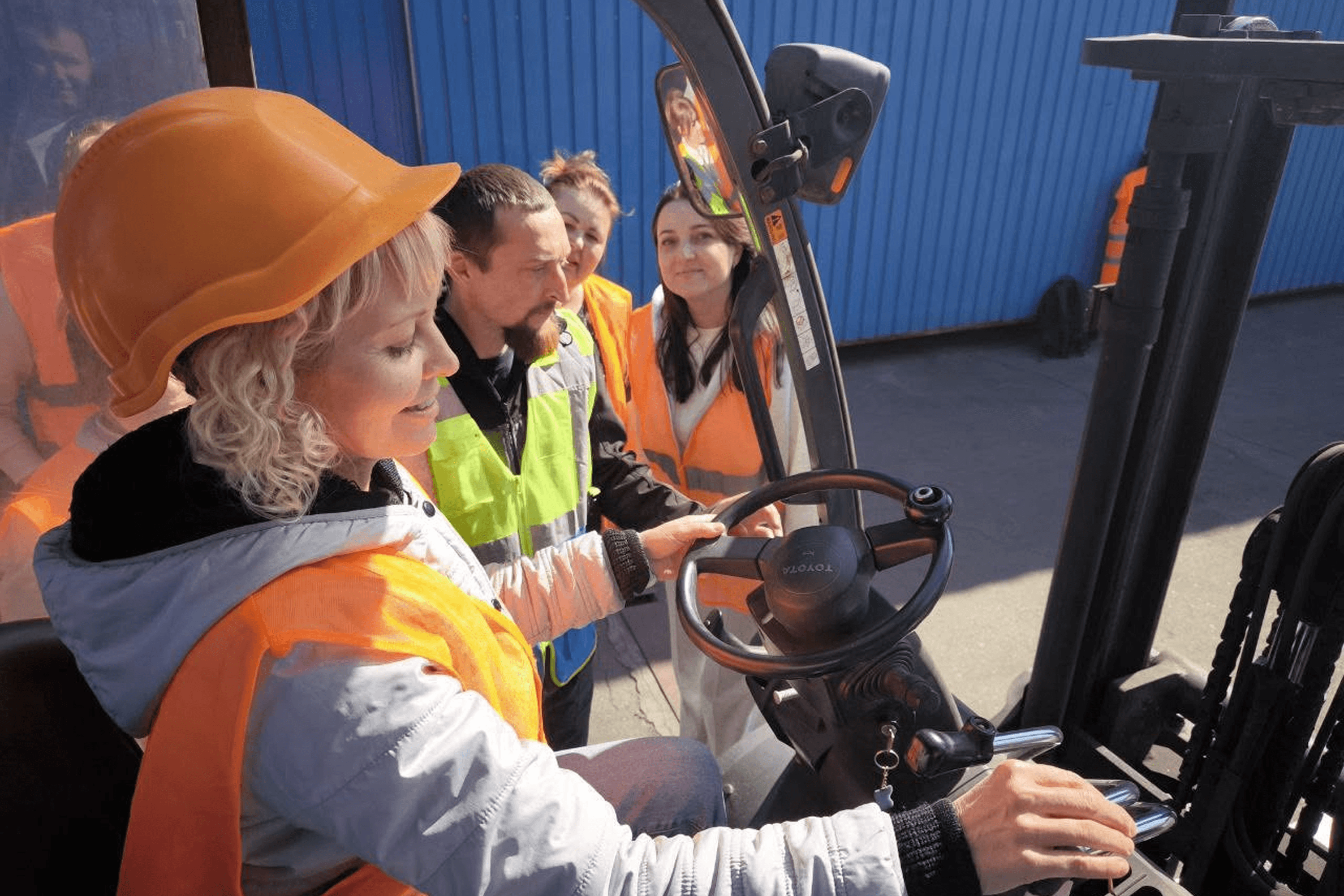
Women participating in a State Employment Service training program to gain new skills and secure jobs at Ukrainian enterprises. Photo: Державна служба зайнятості / Facebook / YB
Concurrently, the demographics of the unemployed have fundamentally shifted. By the end of last year, women accounted for 81 percent of officially registered unemployed citizens. Men register far less frequently due to mobilization risks; some are actively evading the draft, while others have already volunteered or been called up. Simultaneously, the gender balance within the active workforce is shifting. We are seeing women take on roles traditionally dominated by men. This goes far beyond heavy machinery operators in quarries. Today, driving a multi-ton dump truck no longer demands sheer physical strength—power steering and advanced electronics have leveled the playing field. It is now purely a matter of breaking stereotypes. I suspect that even after full-scale hostilities cease, the pre-war gender imbalance in these sectors won’t return.
I would speak not about the sectors where we need migrants, but about what kind of migrants we specifically need. We do, indeed, have a huge shortage of workers, but in many areas, this will gradually be closed by progress—capital investments and production automation. We need people who are ready to integrate, with a certain level of education. Not necessarily a higher education, but at least a solid vocational one in any field. And those who have at least a minimal cultural intersection. For example, from Central Asian countries. I have repeatedly spoken with migrants from there both before and after the full-scale invasion. Every single one of them said that they feel much safer in Ukraine than in Russia. They don’t face contempt and hatred, and they don’t feel threatened by either ordinary citizens or law enforcement officials. And they genuinely value this.
Fears of migrants for Ukraine are absolutely pointless. We are losing the competition to the safe and much wealthier countries of Europe. There is no point in coming to Ukraine to create some kind of criminal ghetto if you can go to Belgium and create a criminal ghetto there.
We need to attract “long” volunteers. Ukraine has become much more recognizable in the world, and many people have immersed themselves in our history. Abroad, there are many people ready, for example, to come and work as a teacher in a Ukrainian school for a few years. We don’t necessarily have to strive to attract people to us for life. But we have a story that we can tell people, and upon hearing it, they will be ready to come for a few years. This is very beneficial for cultural exchange; it would also be good for improving service quality where such volunteers can bring their practices.
We should not build state policy around returning everyone who went abroad. Many people have already integrated and will stay there. Overall, this is a community of people who mostly have good sentiment toward Ukraine, can be quite organized, and have experience with civil society interaction in Ukraine. And this is something that politicians in other countries have to reckon with. We know examples of other nations that coordinate quite well in promoting their interests. Armenians, Jews, and a number of other countries that very actively use their diaspora, particularly in diplomacy and in influencing the foreign policy decisions of other nations. This is something that we must do as well.