Pamela Trishchuk is a Ukrainian Canadian born in Saskatchewan who later moved to Alberta. Fascinated by history since childhood, she originally wanted to become a teacher. While studying at the University of Alberta, she completed an internship at the Ukrainian Cultural Heritage Village, an open-air museum near Edmonton. The museum recreates the daily lives of Ukrainians from the first two waves of emigration to Canada and collects testimonies of their experiences. Pamela has been working at the museum for over 20 years.
In the “HERE&THERE” podcast, Yellow Blue journalist Mila Shevchuk explores a topic that remains largely under-researched: the interaction between Ukrainian immigrants and Canada’s Indigenous peoples. They also discuss the status of Ukrainians during World War I and their contribution to the formation of Canada’s multiculturalism policy. You can listen to the full podcast episode in English here; below are the key highlights from the conversation.
My great-grandparents arrived in Canada on the eve of the First World War from what is now Western Ukraine: one family from Galicia, the other from Bukovyna. I find it quite funny: back home, they lived within 80–90 kilometers of each other, yet they traveled halfway across the world only to settle in different parts of Saskatchewan—and because of that, I was born.
Grandmothers often preserve family legends and stories. It was from my grandmothers that I learned our family’s history: our roots are entirely among the Ukrainian peasantry. During my internship at the museum, I researched my genealogy. I was so intrigued by the connection between the museum and my family’s history that I stayed, and I’ve been working here for 20 years now.
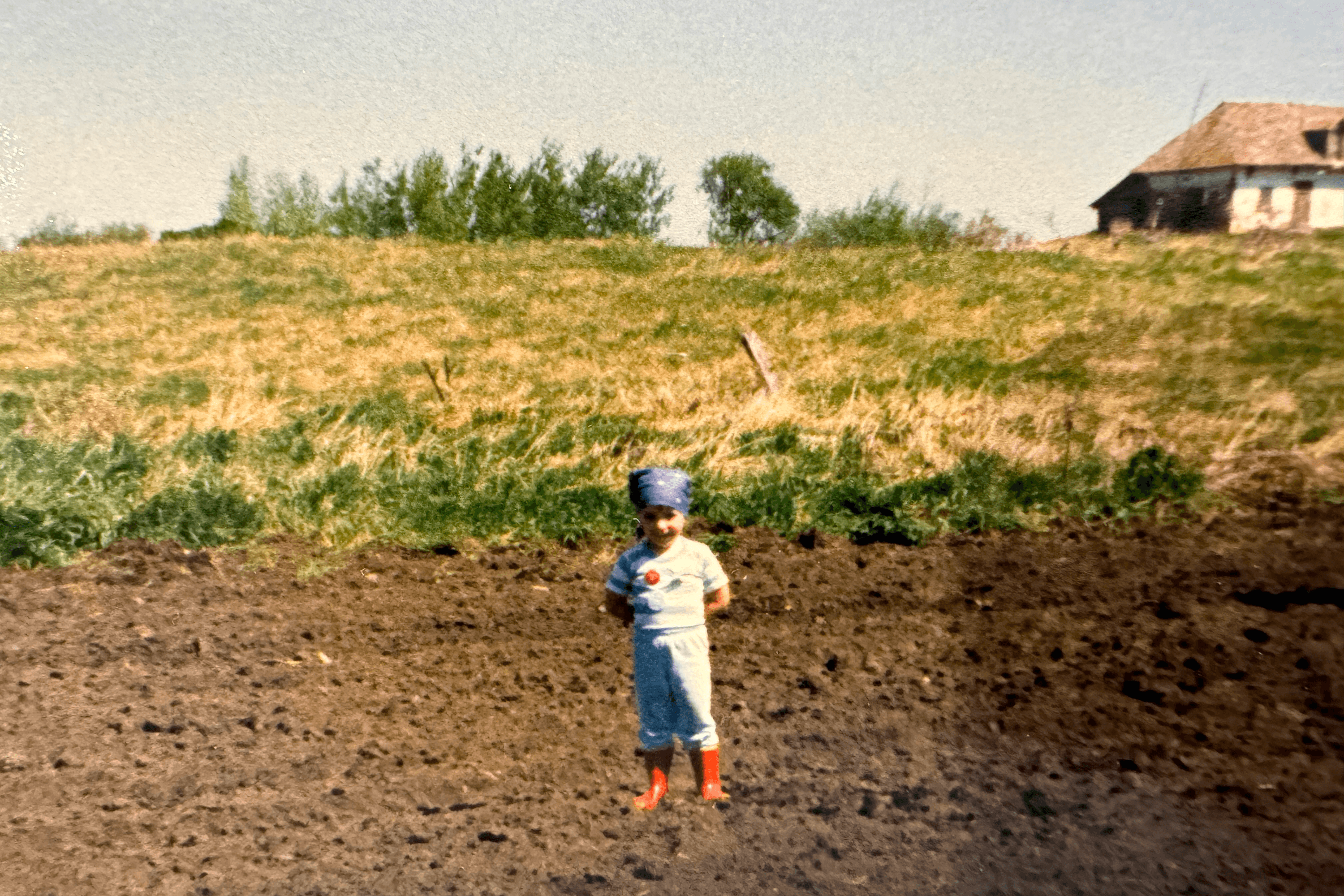
Pamela in the garden near the family homestead of her great-great-grandparents near Sheho, Saskatchewan. Photo: Photos provided by Pamela Trischuk / YB 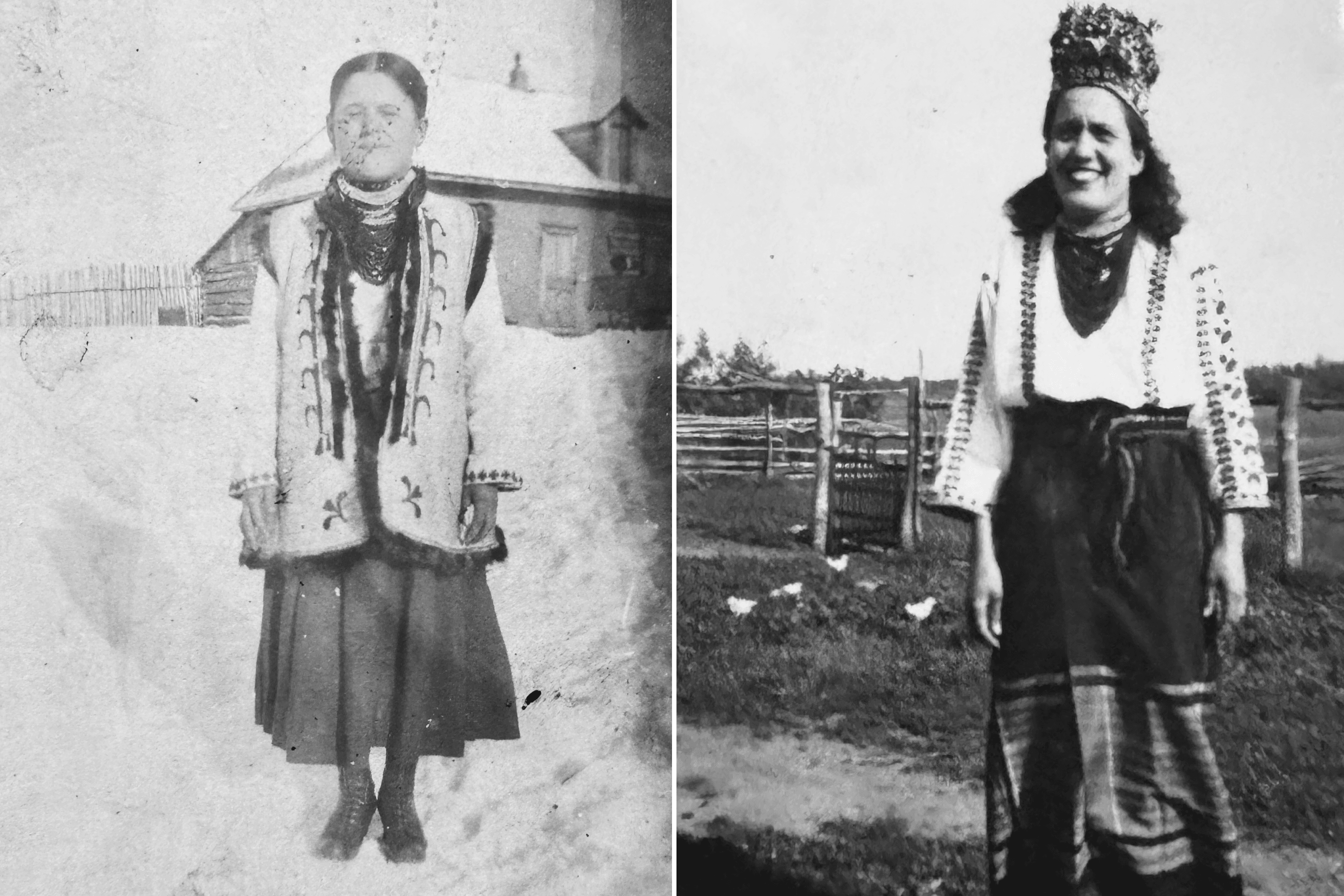
Left photo: Pamela’s ancestor in front of the house from Aksana’s family homestead near Sheho, Saskatchewan. Right photo: Pamela’s grandmother, circa the 1930s. Photo: Photos provided by Pamela Trischuk / YB 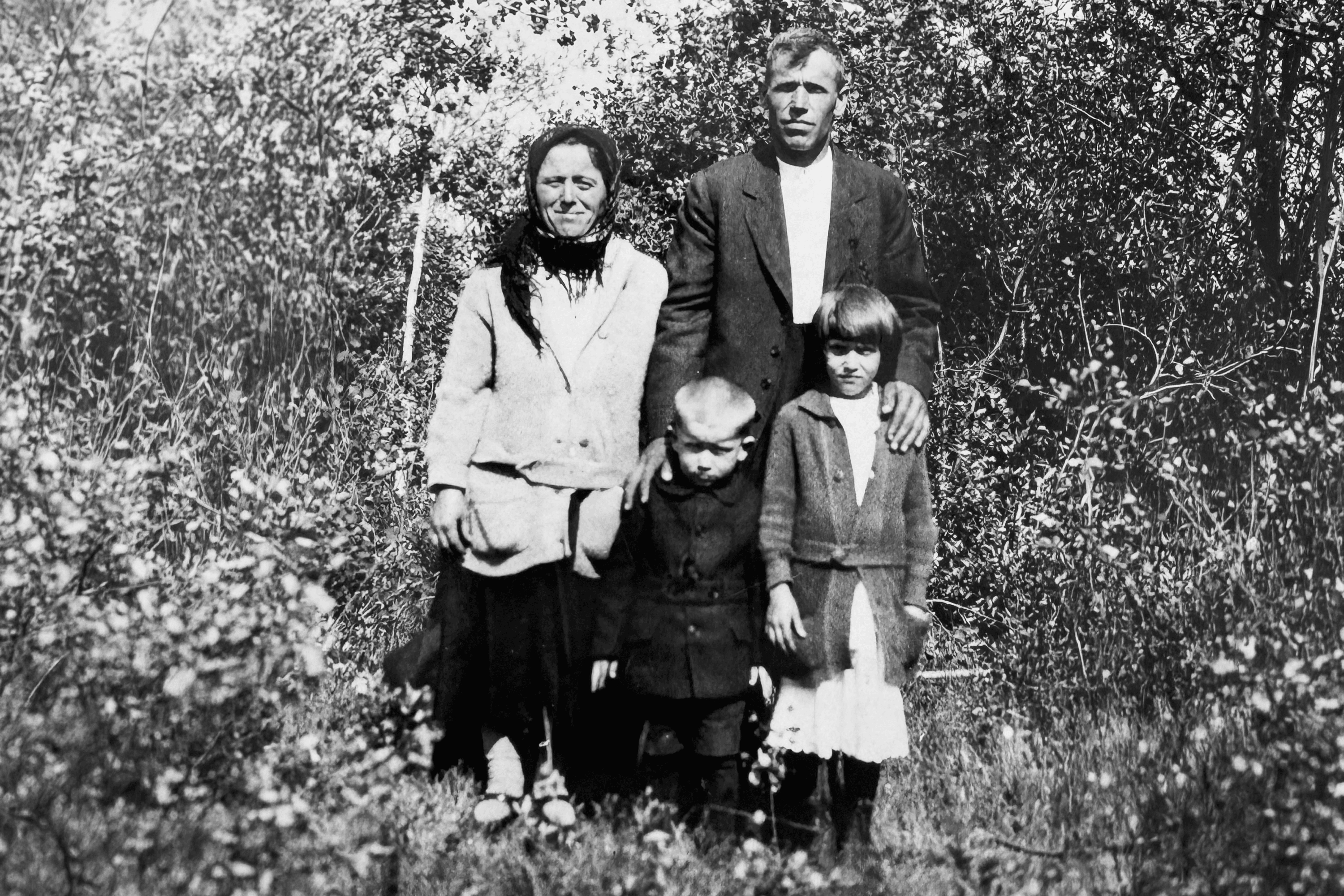
Aksana and Alec Ostapowich with their children, Bella and Matt. Aksana and Alec are Pamela’s great-grandparents, and Bella is her grandmother. Photo: Photos provided by Pamela Trischuk / YB
The museum was founded in 1971 as a community initiative. The grandchildren of the first Ukrainian settlers wanted to preserve their families' heritage and save old buildings from demolition. More than 45 structures were moved and restored here: Ukrainian houses, Orthodox churches, stables, granaries, businesses, schools, and shops. They recreate the lives of Ukrainian settlers in Alberta. In 1975, the provincial government purchased the site. Currently, the museum is managed by Alberta’s Ministry of Arts, Culture, and Status of Women.
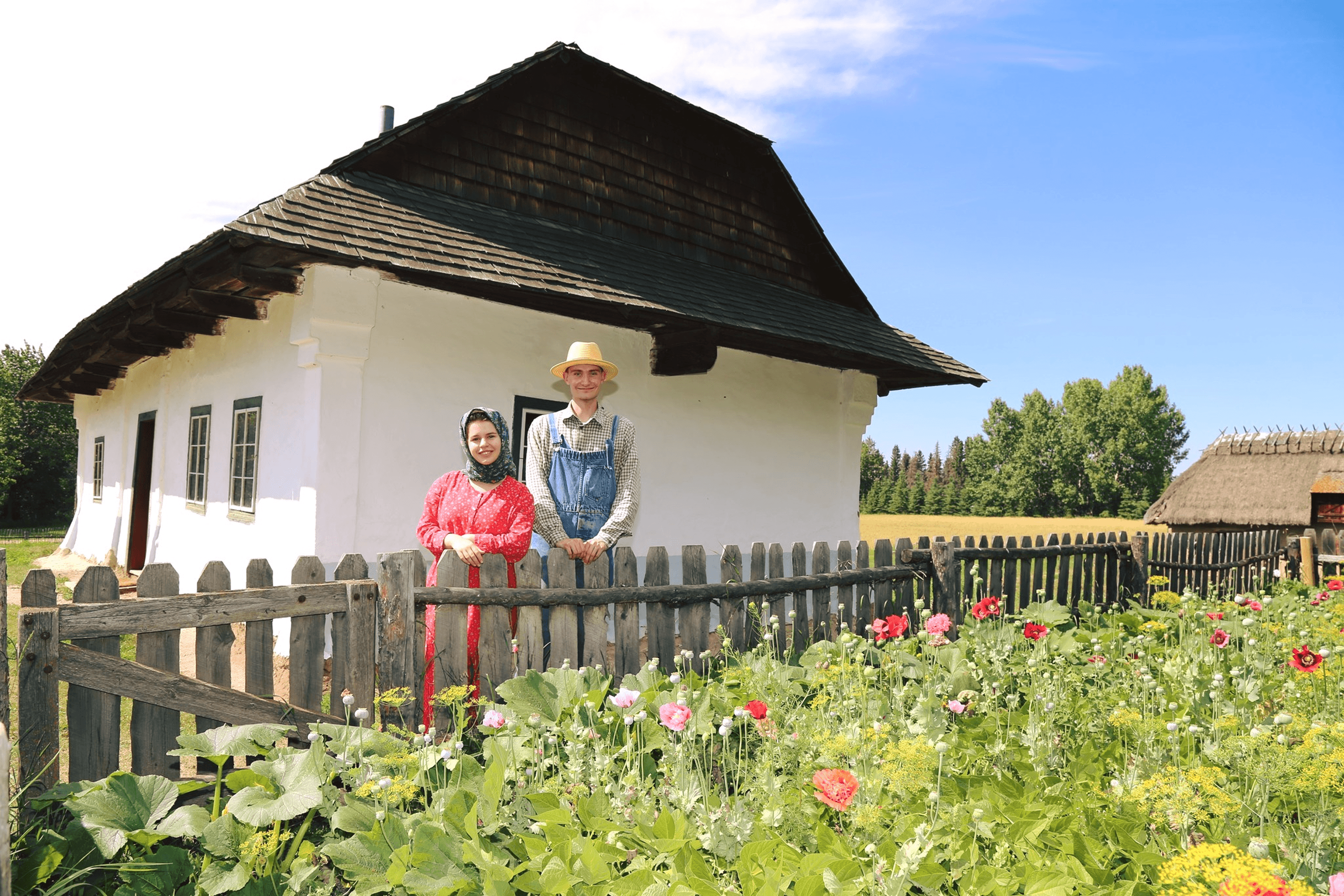
The Ukrainian Cultural Heritage Village Museum near Edmonton. Photo: Ukrainian Cultural Heritage Village / Facebook / YB 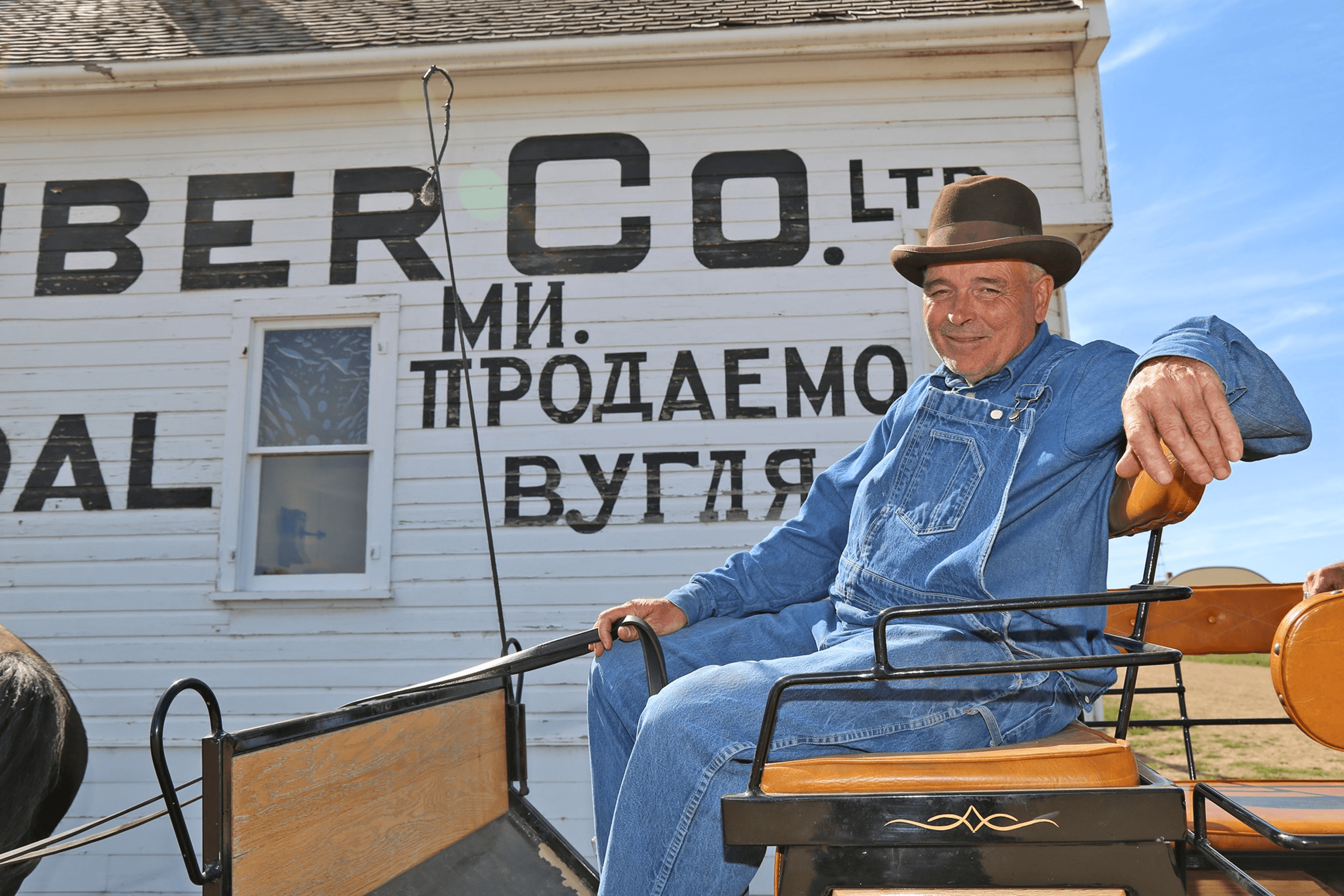
Photo: Ukrainian Cultural Heritage Village / Facebook / YB 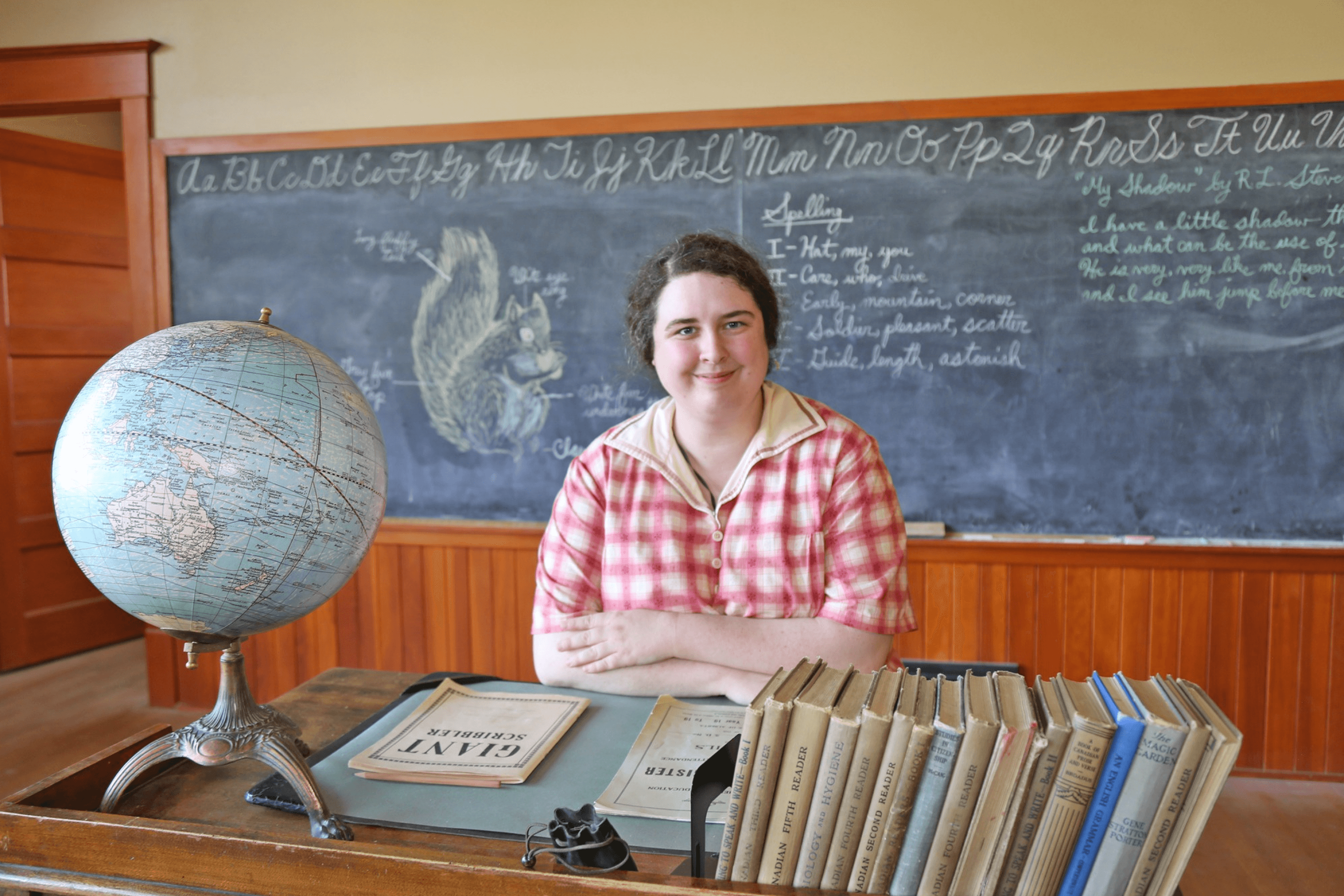
Photo: Ukrainian Cultural Heritage Village / Facebook / YB 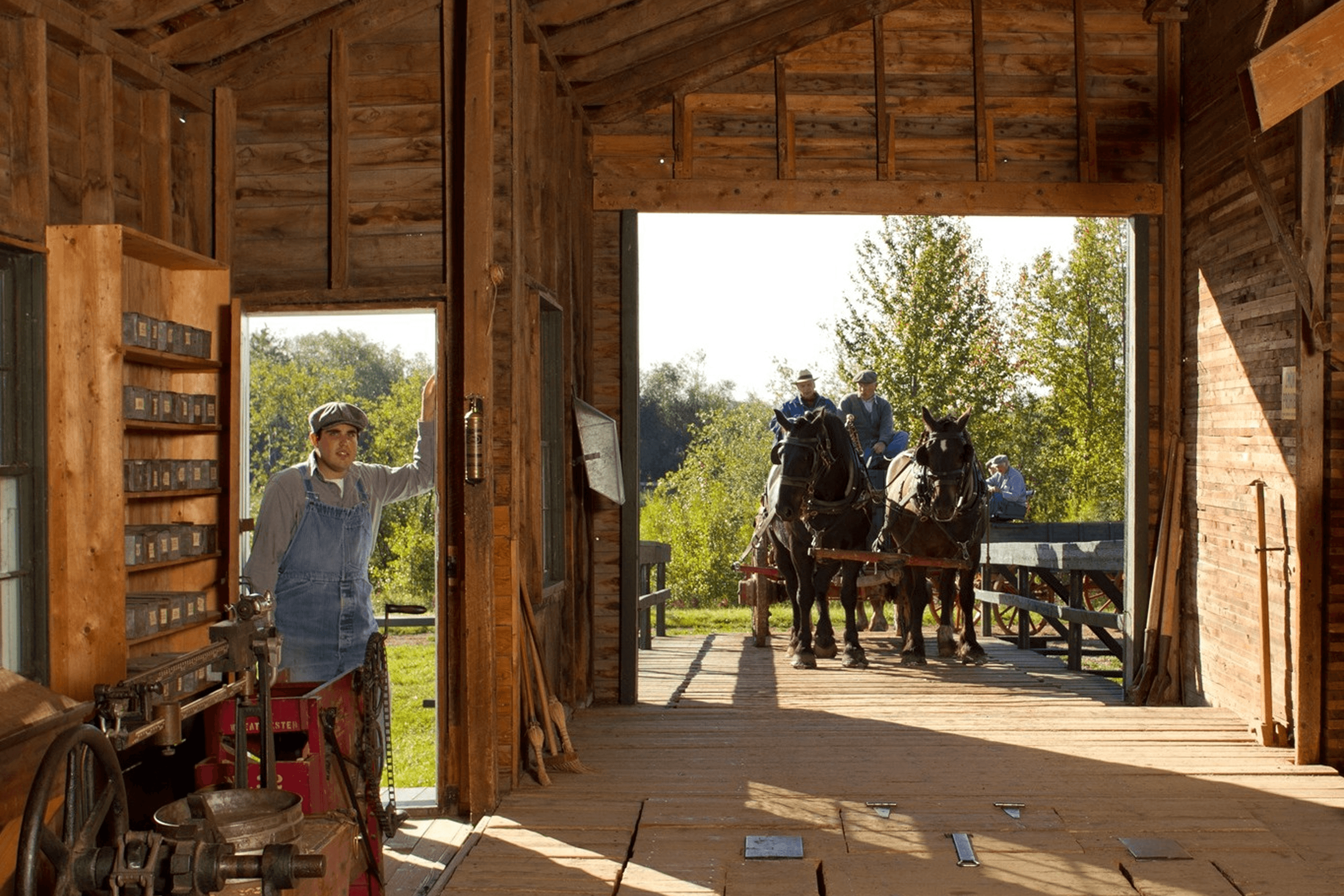
Photo: Ukrainian Cultural Heritage Village / Facebook / YB 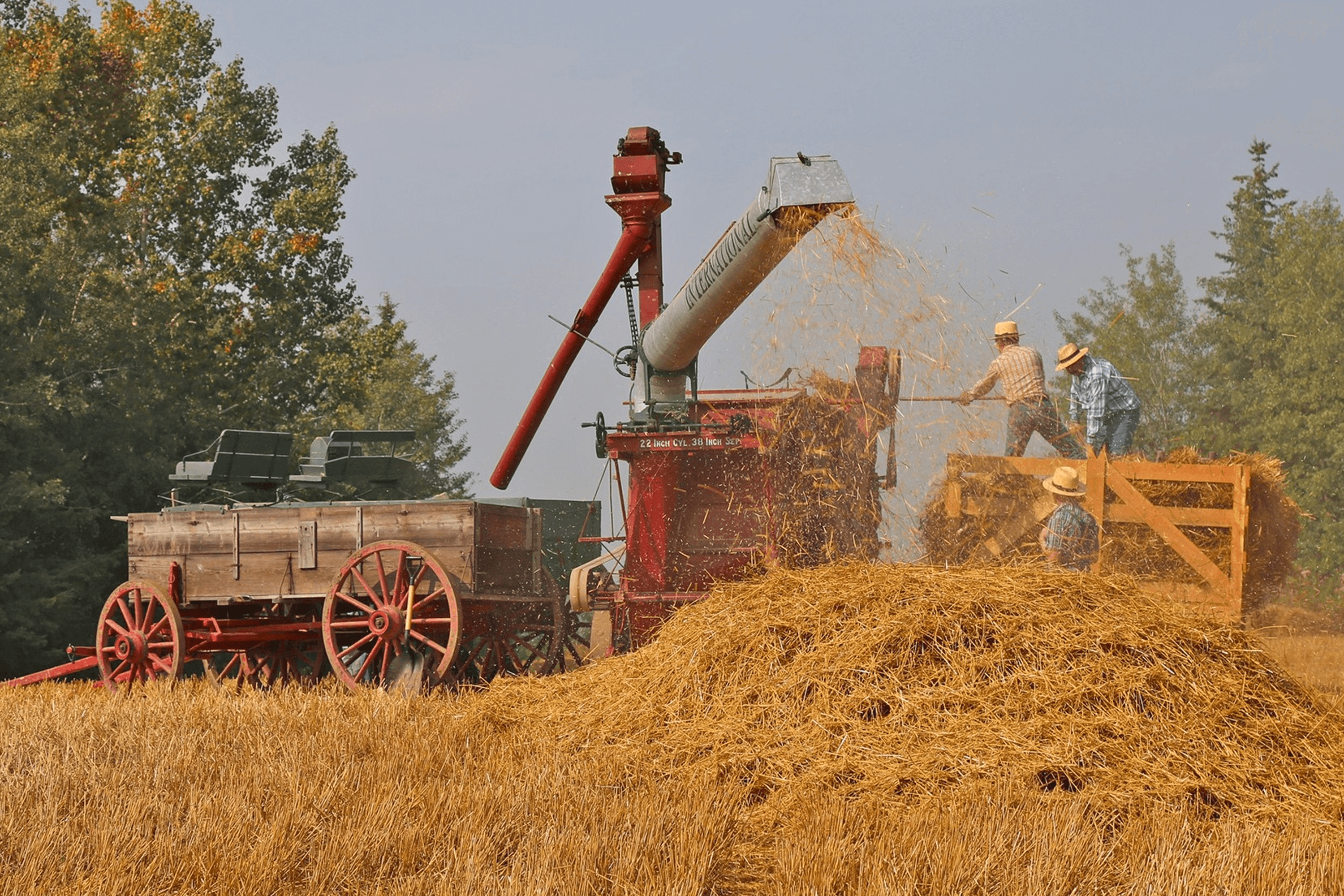
Photo: Ukrainian Cultural Heritage Village / Facebook / YB 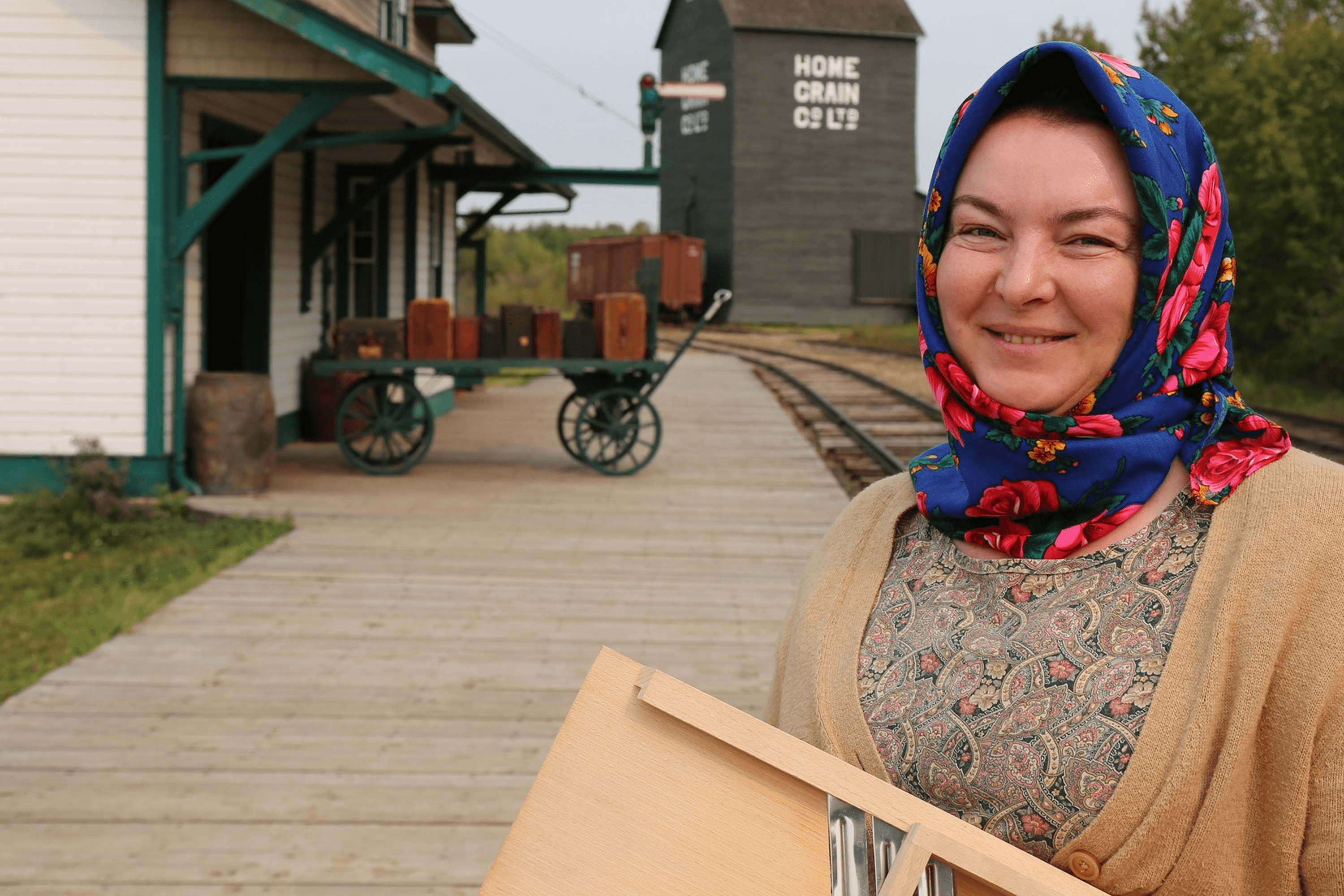
Photo: Ukrainian Cultural Heritage Village / Facebook / YB
We study the period from 1891, when the first arrival of Ukrainians in Canada was recorded, until the 1930s. The Great Depression significantly slowed the region’s development; it was an incredibly difficult time for agricultural communities in North America. Therefore, the museum focuses on the first and the beginning of the second wave of Ukrainian migration—those who arrived in Canada before World War I.
The very first waves of Ukrainian immigrants were peasants from Galicia and Bukovyna. The agricultural economy of the Canadian Prairies was formed partly thanks to the Ukrainians who came here to farm. These peasants did not have much formal education, so they left behind very few diaries or written memoirs. This is why our research is based on oral history: for every house in the museum, historians have conducted hundreds of hours of interviews to record people’s memories of life within those walls.
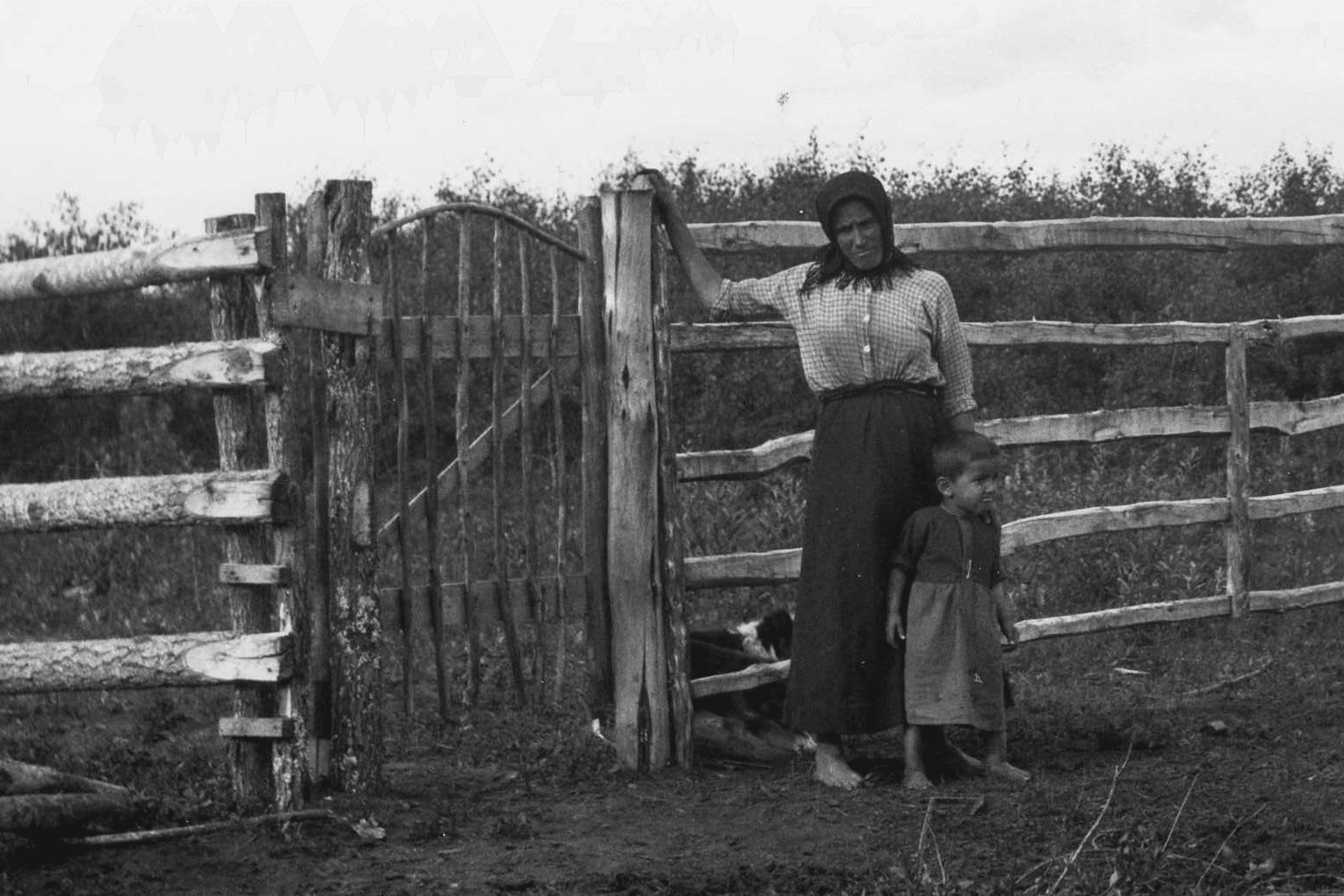
Ukrainian settlers in Alberta, early 20th century. Photo: Ukrainian Cultural Heritage Village / Facebook / YB 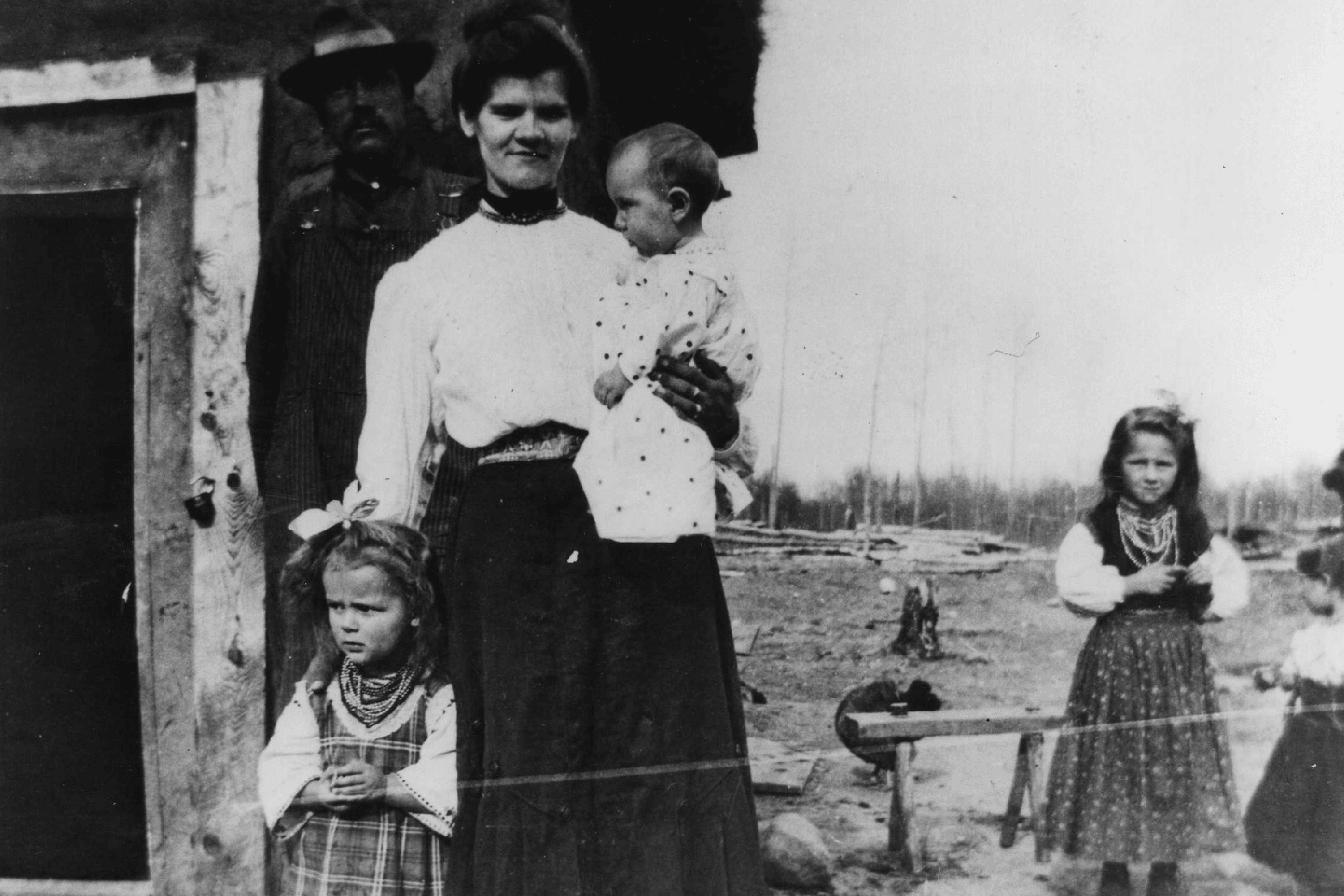
Photo: Ukrainian Cultural Heritage Village / Facebook / YB 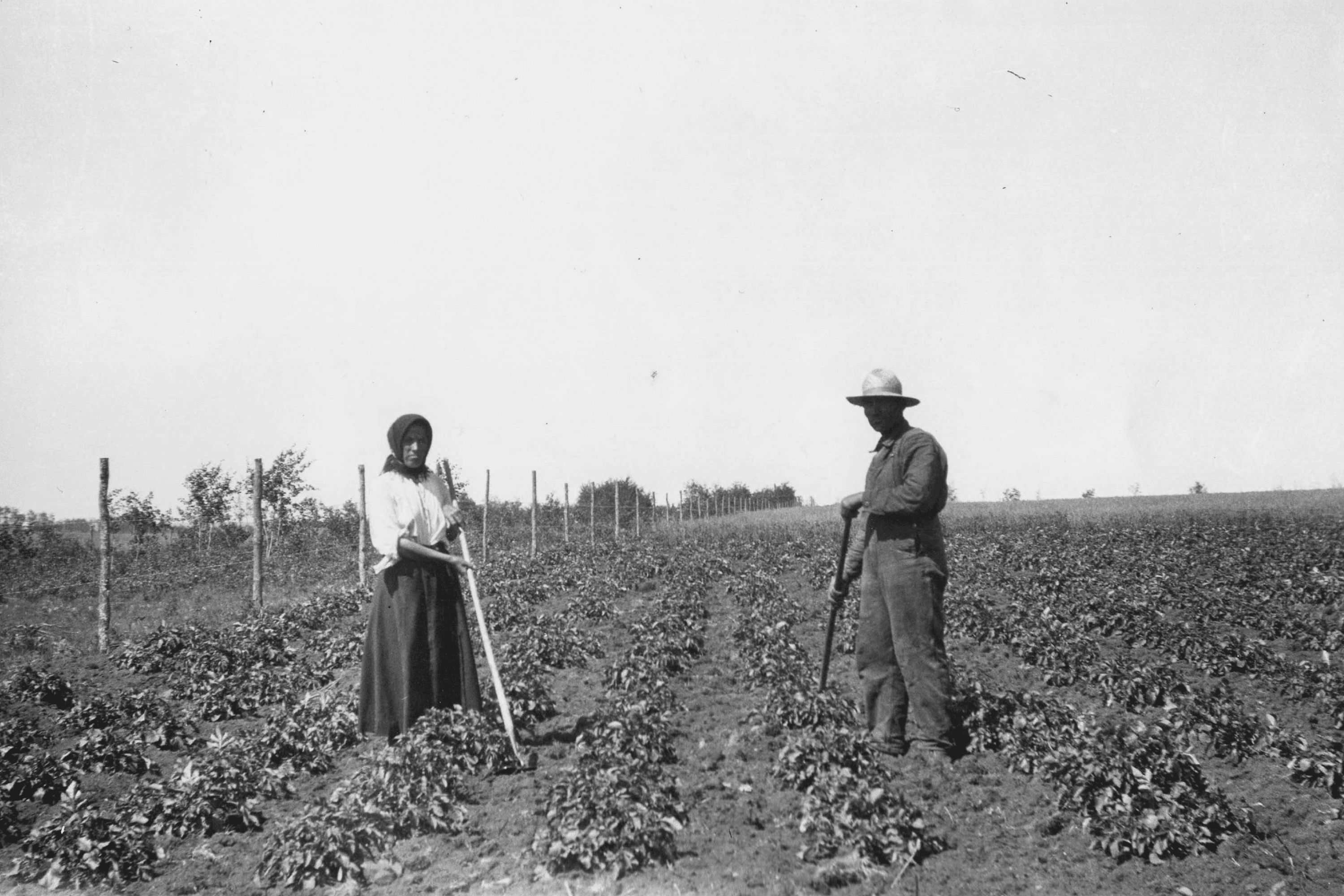
Photo: Ukrainian Cultural Heritage Village / Facebook / YB 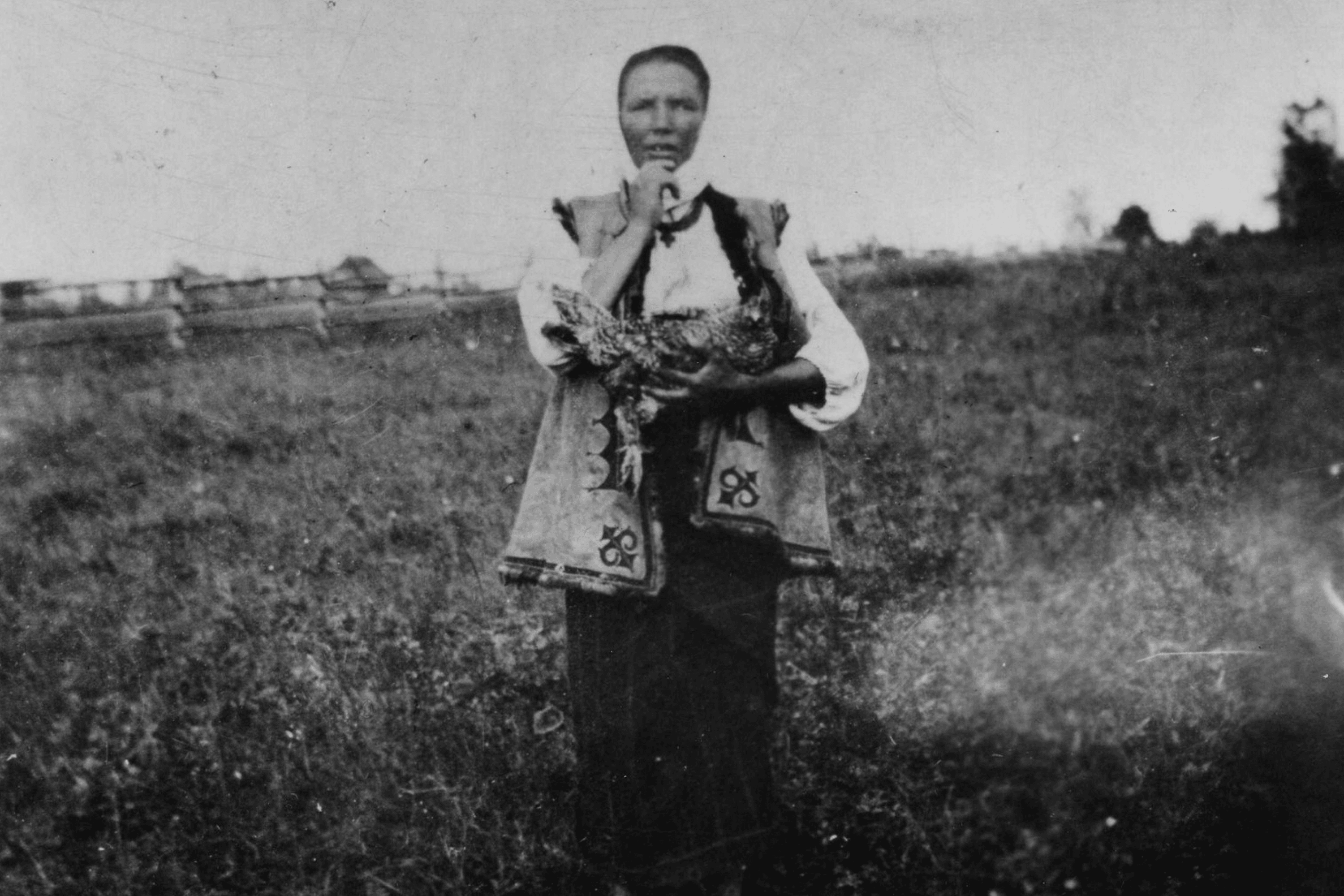
Photo: Ukrainian Cultural Heritage Village / Facebook / YB 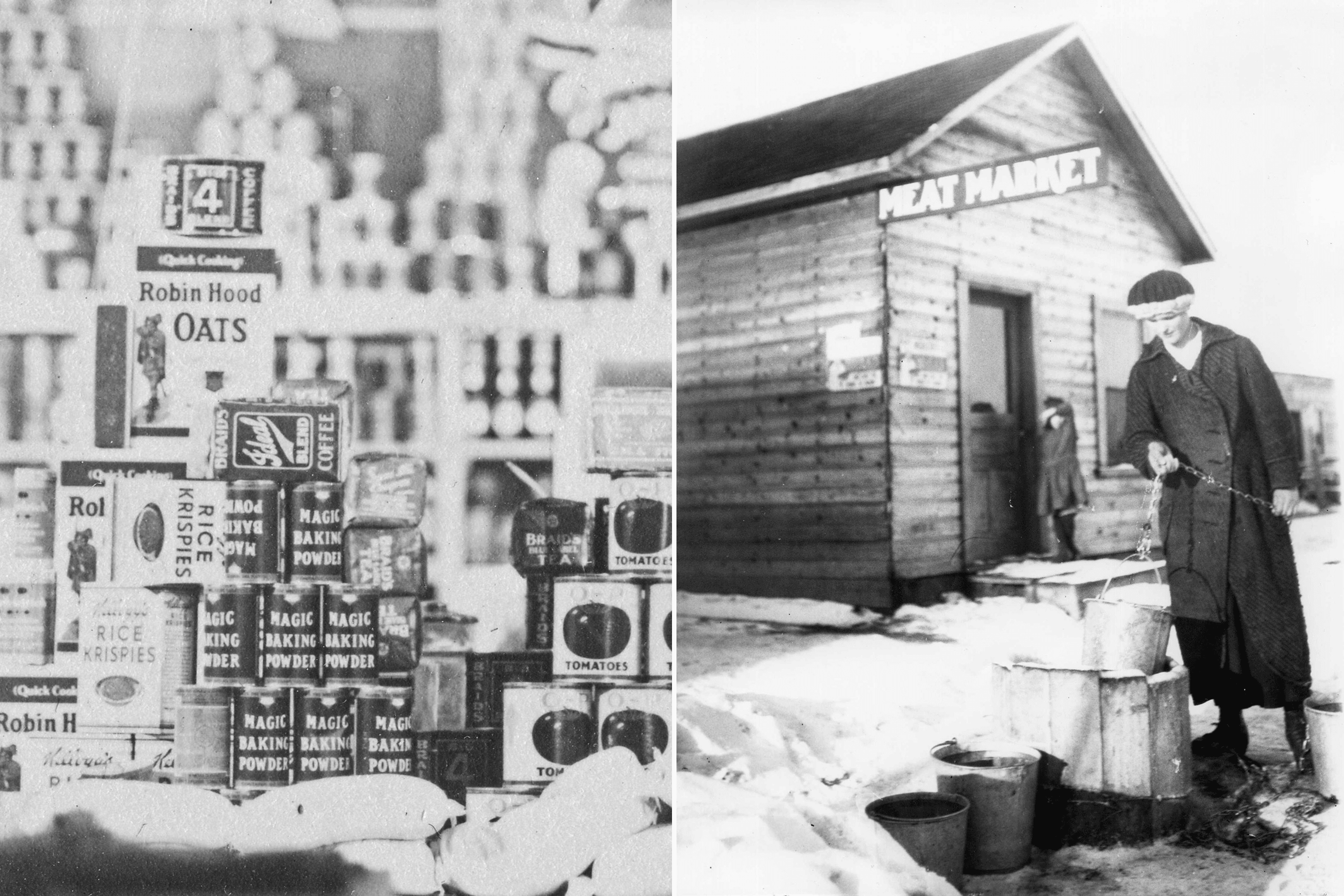
Photo: Ukrainian Cultural Heritage Village / Facebook / YB 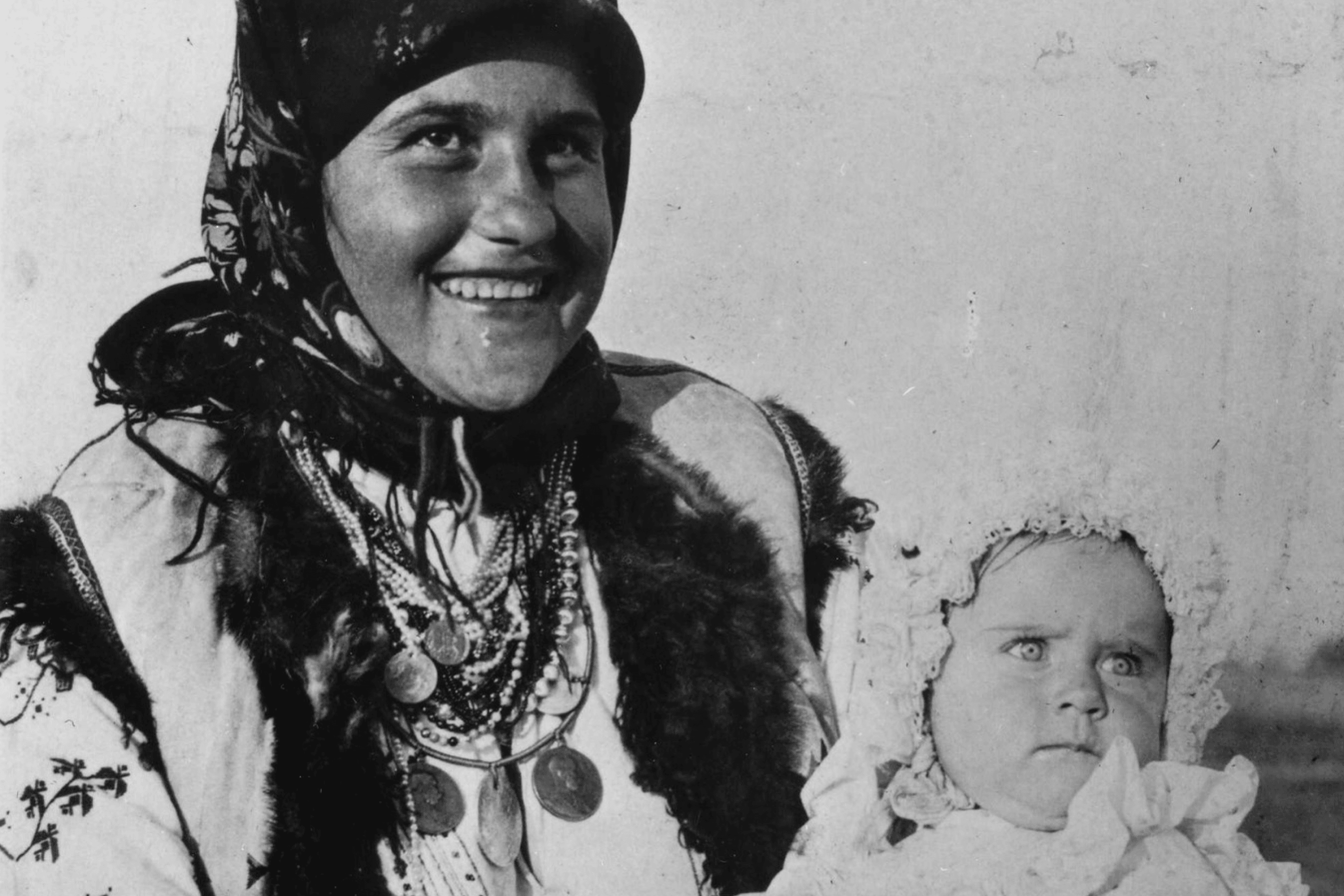
Photo: Ukrainian Cultural Heritage Village / Facebook / YB
The interaction between Ukrainians and Canada’s Indigenous peoples is only just beginning to be studied. Around 1967, during Canada’s Centennial celebrations, many communities recorded the family stories of everyone living in their area and published local history books. It was in these local histories that I found mentions of interactions between Ukrainians and Indigenous peoples: some lived alongside Métis families, while others’ parents worked together with Métis traders and fishermen.
By the time Ukrainians arrived in Canada, the local government was already pursuing a policy of colonization. Following the signing of the Canada’s Colonization Agreements, the Indigenous population was relocated to reserves. The authorities invited white settlers to the prairies, which they considered “cleared” of Indigenous nations. In reality, Indigenous peoples traversed these territories, following bison and other animals during seasonal migrations. The Canadian government believed this lifestyle hindered the development of agricultural settlements. Consequently, Indigenous nations were deprived of many rights and forced to assimilate. Children were taken to residential schools, where they were taught by white teachers, mostly priests and nuns.
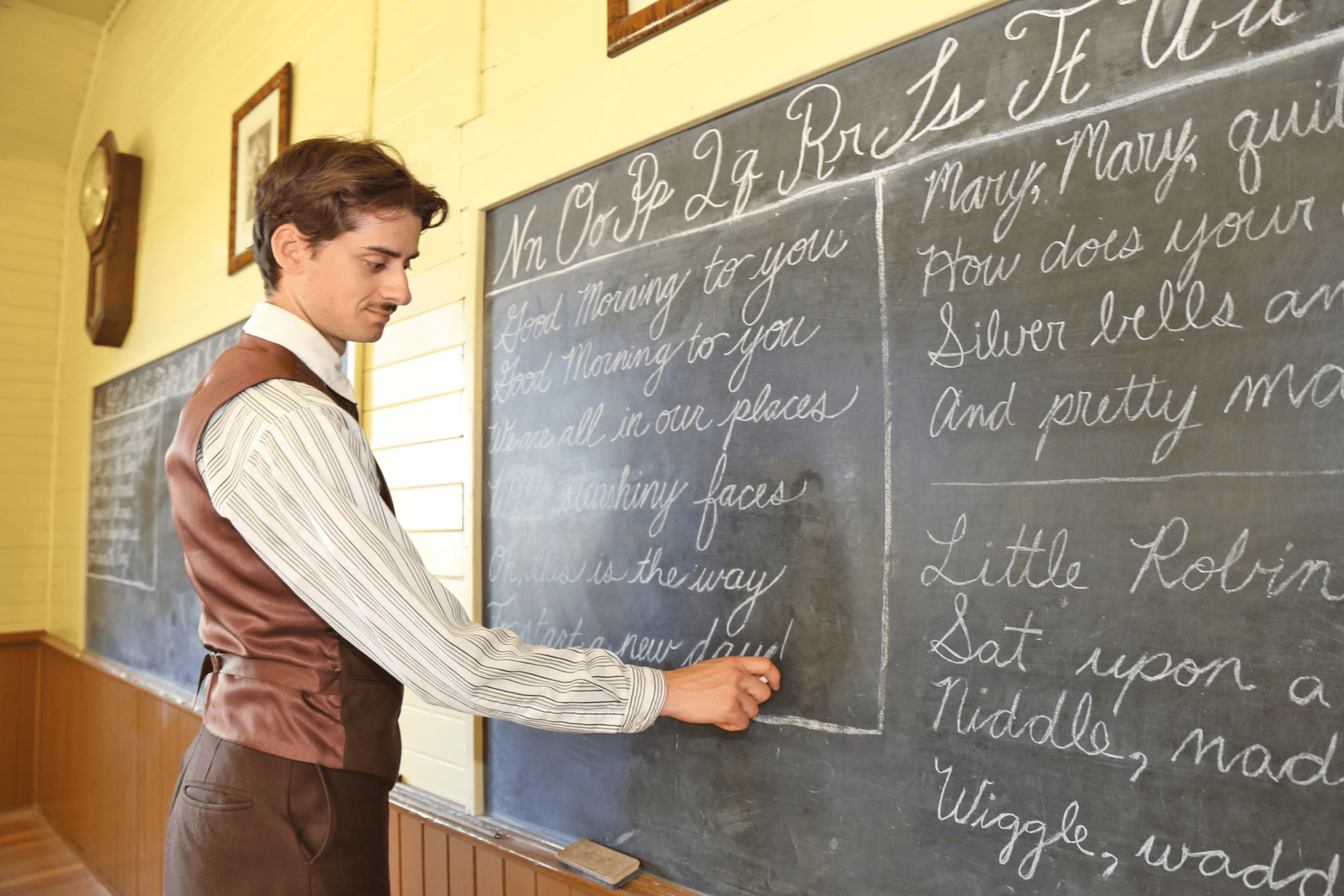
A restored school at the Ukrainian Cultural Heritage Village Museum. Photo: Ukrainian Cultural Heritage Village / Facebook / YB 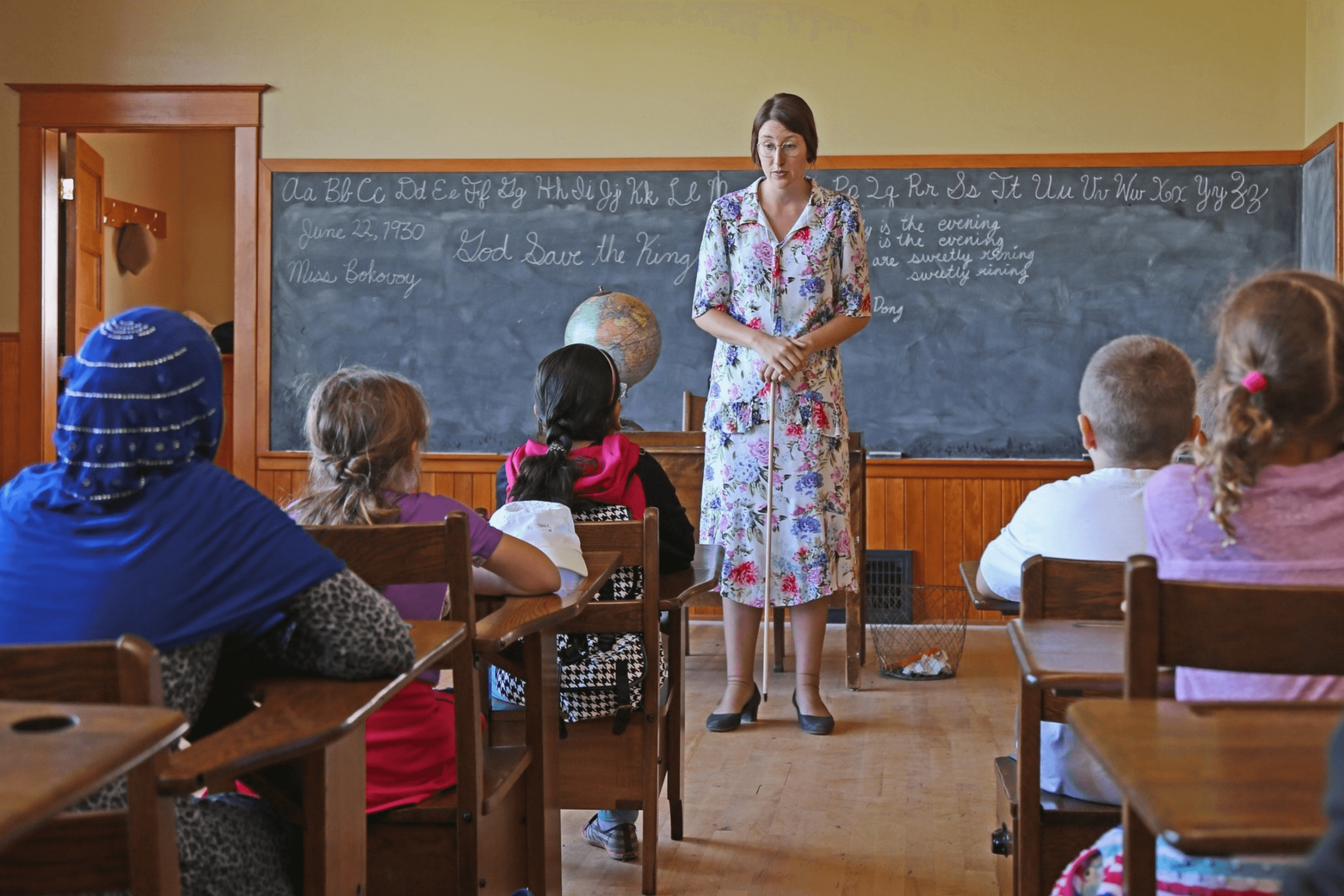
Photo: Ukrainian Cultural Heritage Village / Facebook / YB 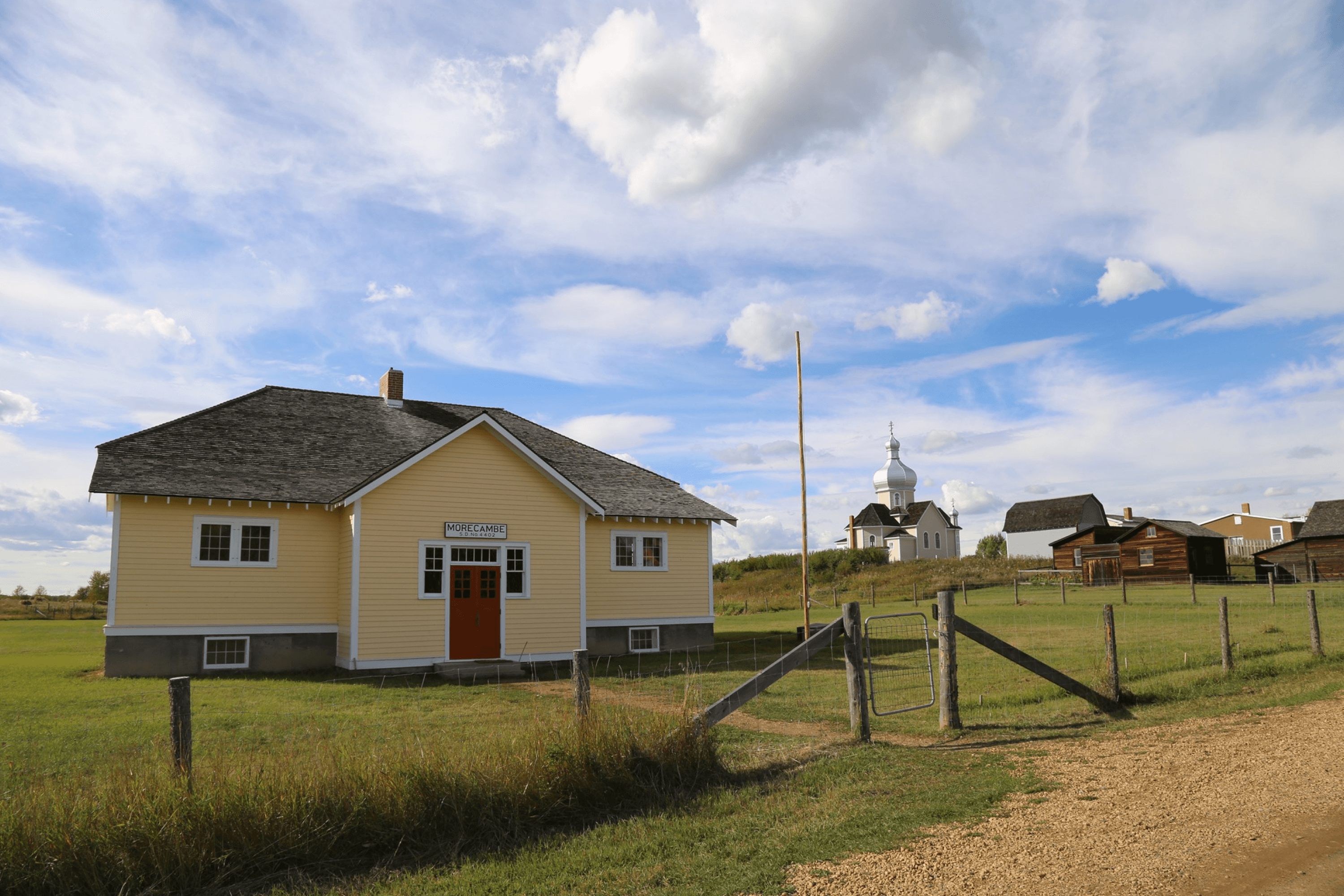
Photo: Ukrainian Cultural Heritage Village / Facebook / YB 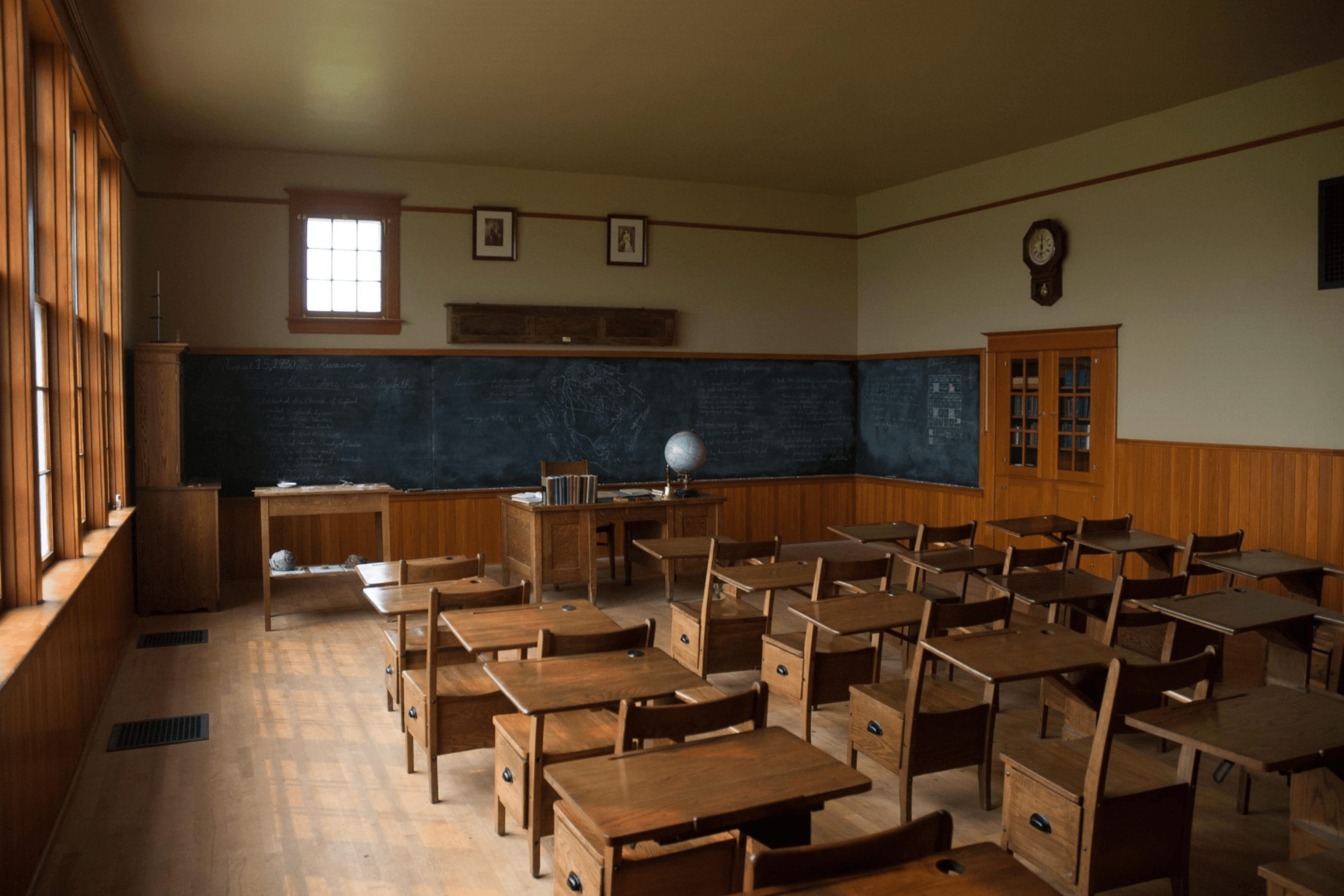
Photo: Ukrainian Cultural Heritage Village / Facebook / YB 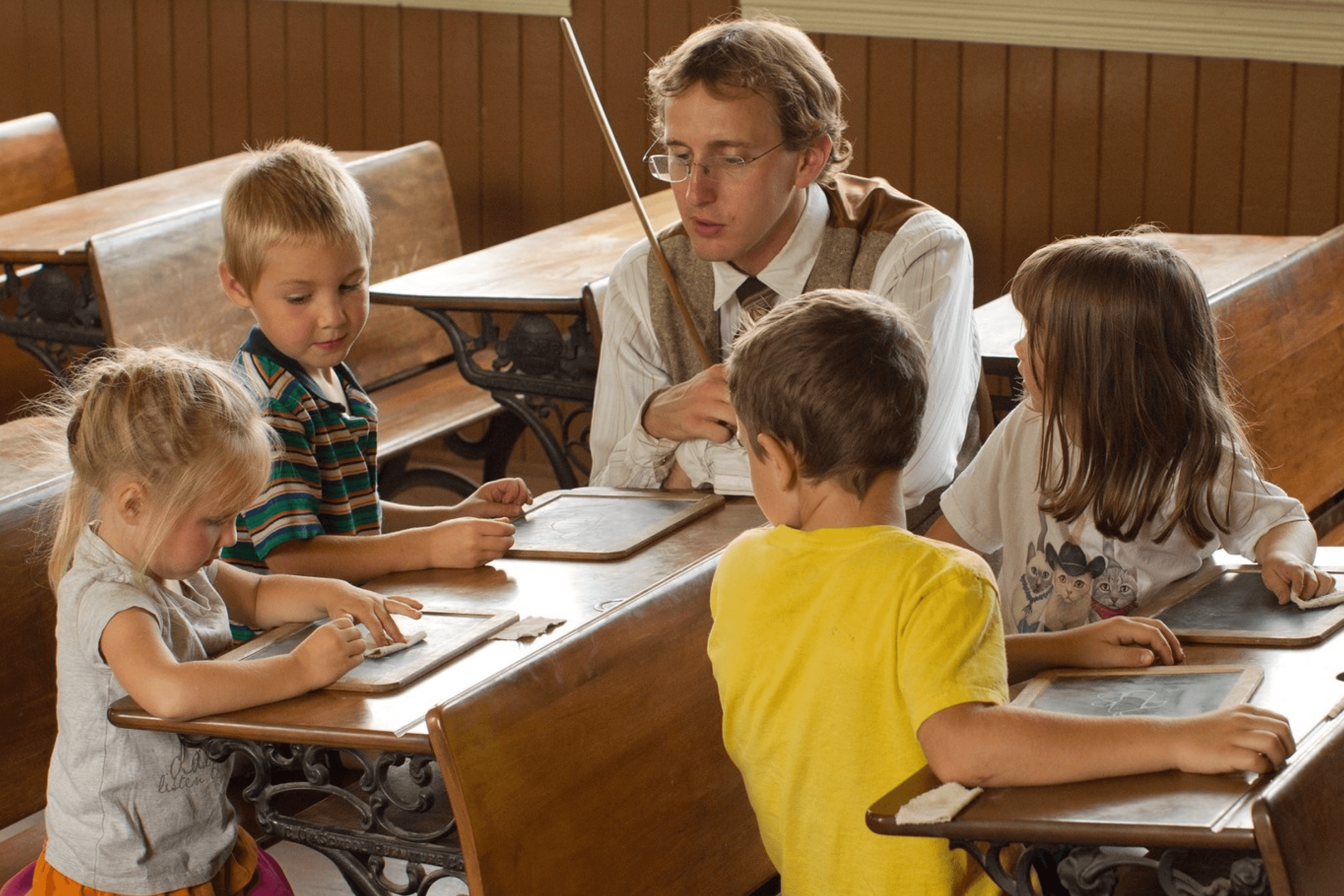
Photo: Ukrainian Cultural Heritage Village / Facebook / YB 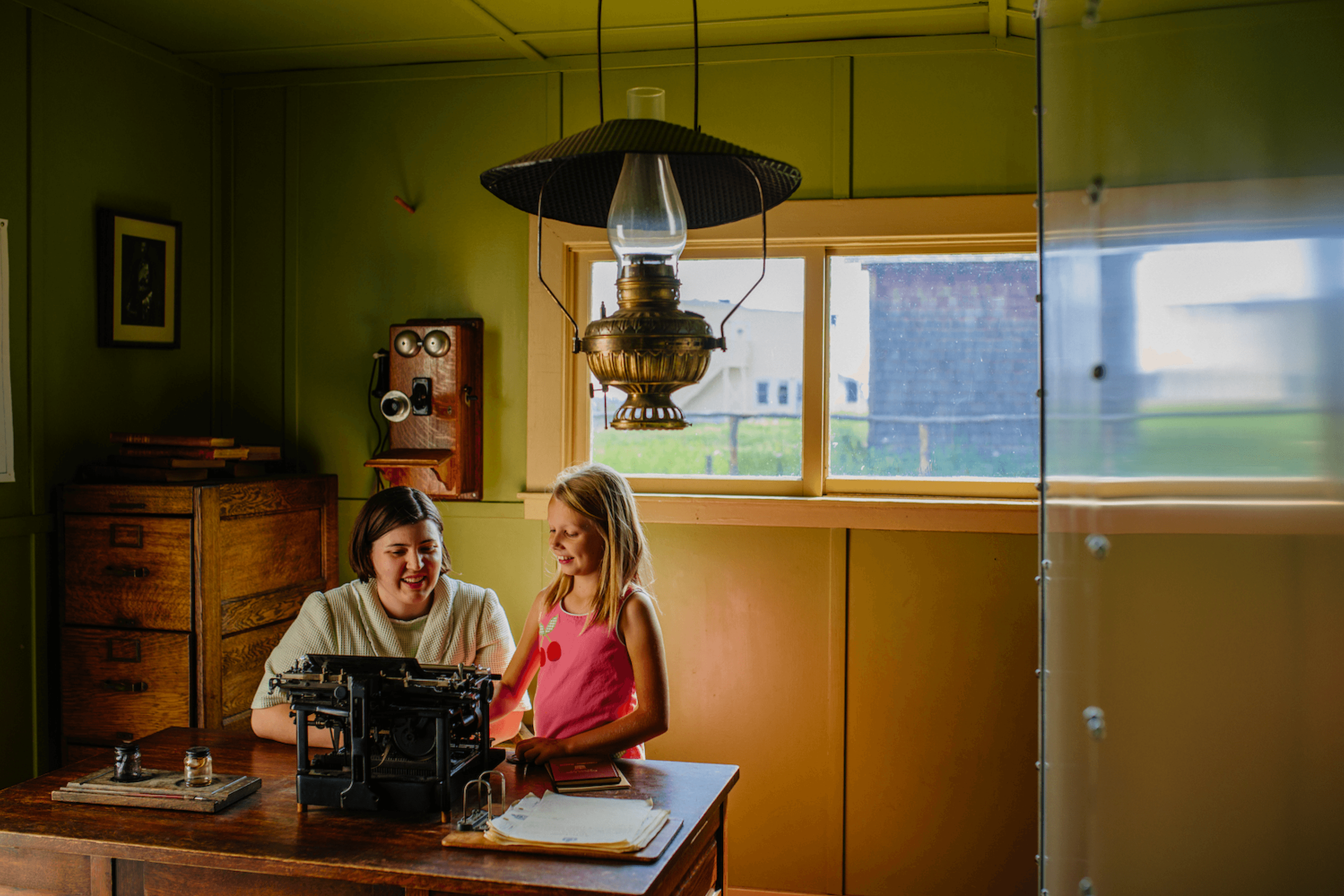
Photo: Ukrainian Cultural Heritage Village / Facebook / YB
It is documented that some Ukrainian women were assisted by Indigenous midwives. Ukrainians also traded with the Indigenous population, buying fish or meat. Indigenous guides helped Ukrainians find land for farming, as they were intimately familiar with the terrain and the trail systems that existed long before the railway. This is likely how interactions began—where Ukrainians might gift headscarves in return.
Much research still lies ahead. I have focused on the early waves of immigration. But what were the relationships between Ukrainians and Indigenous peoples like after World War II, and how did they change? This needs to be explored. The main thing is to remain curious.
Both nations were considered outsiders and wore vibrant traditional clothing. Ukrainians and Indigenous peoples occupied the lowest rungs of the social ladder, and others looked down on them. In some cases, they had to rely on each other to survive.
In old photos, Ukrainians in Canada are seen wearing sheepskin coats. Sometimes with the leather side out, sometimes with the fur. Their linen clothing was quite coarse and rustic. It’s no wonder people thought they resembled the Indigenous population, who also wore a lot of leather, fur, and bright ornaments; beadwork was common in both cultures.
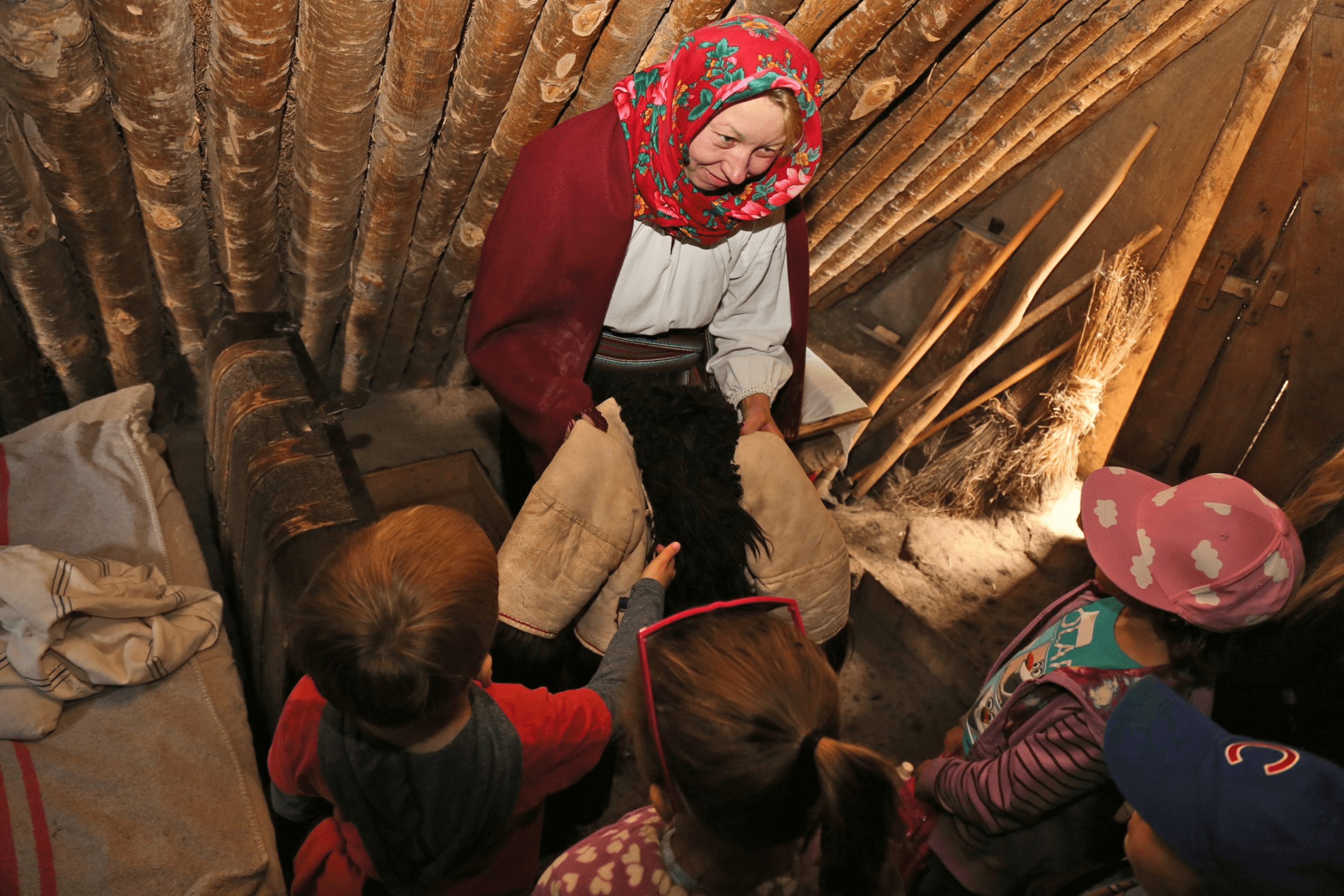
Women wearing colorful kokum scarves. Photo: Ukrainian Cultural Heritage Village / Facebook / YB 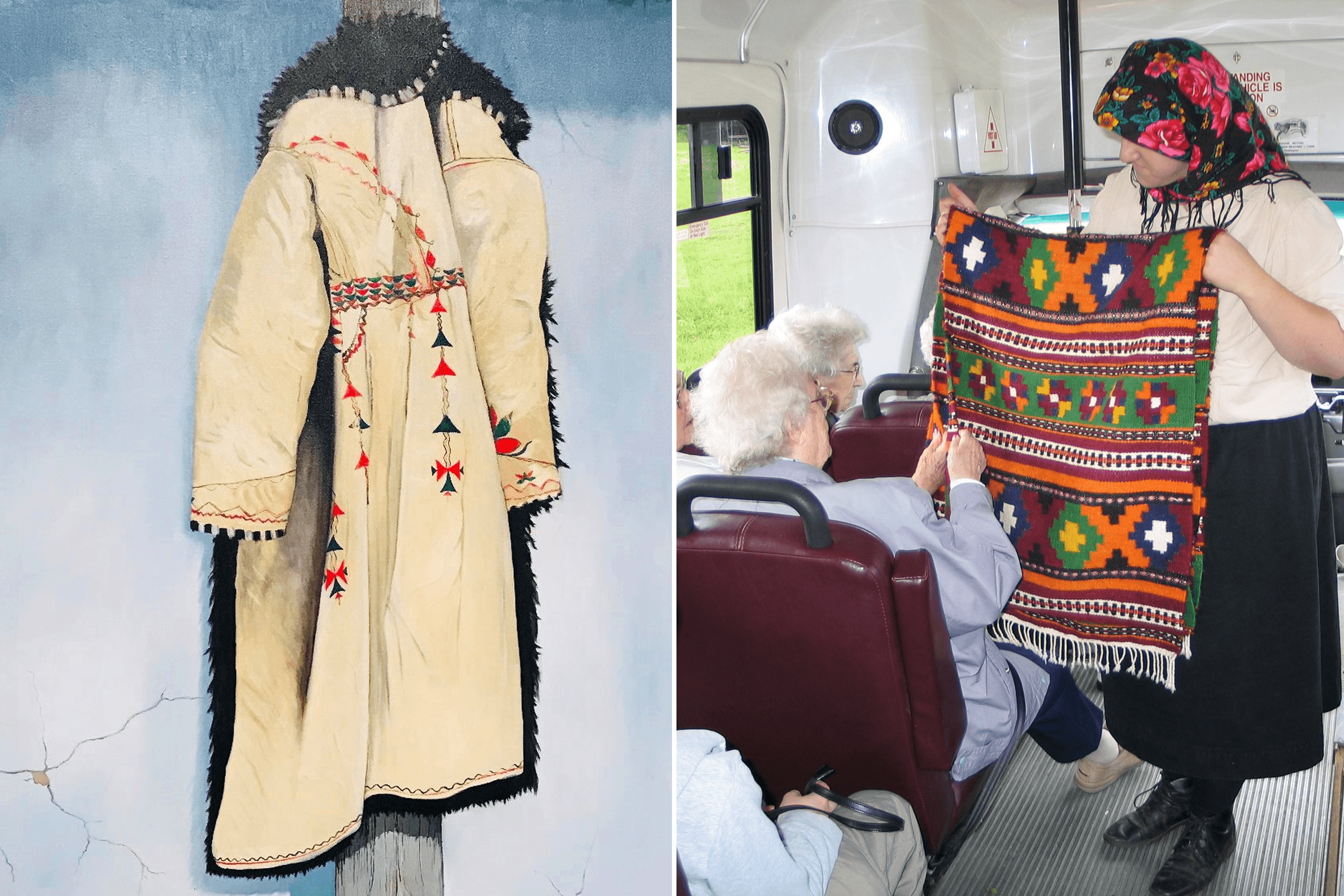
Photo: Ukrainian Cultural Heritage Village / Facebook / YB 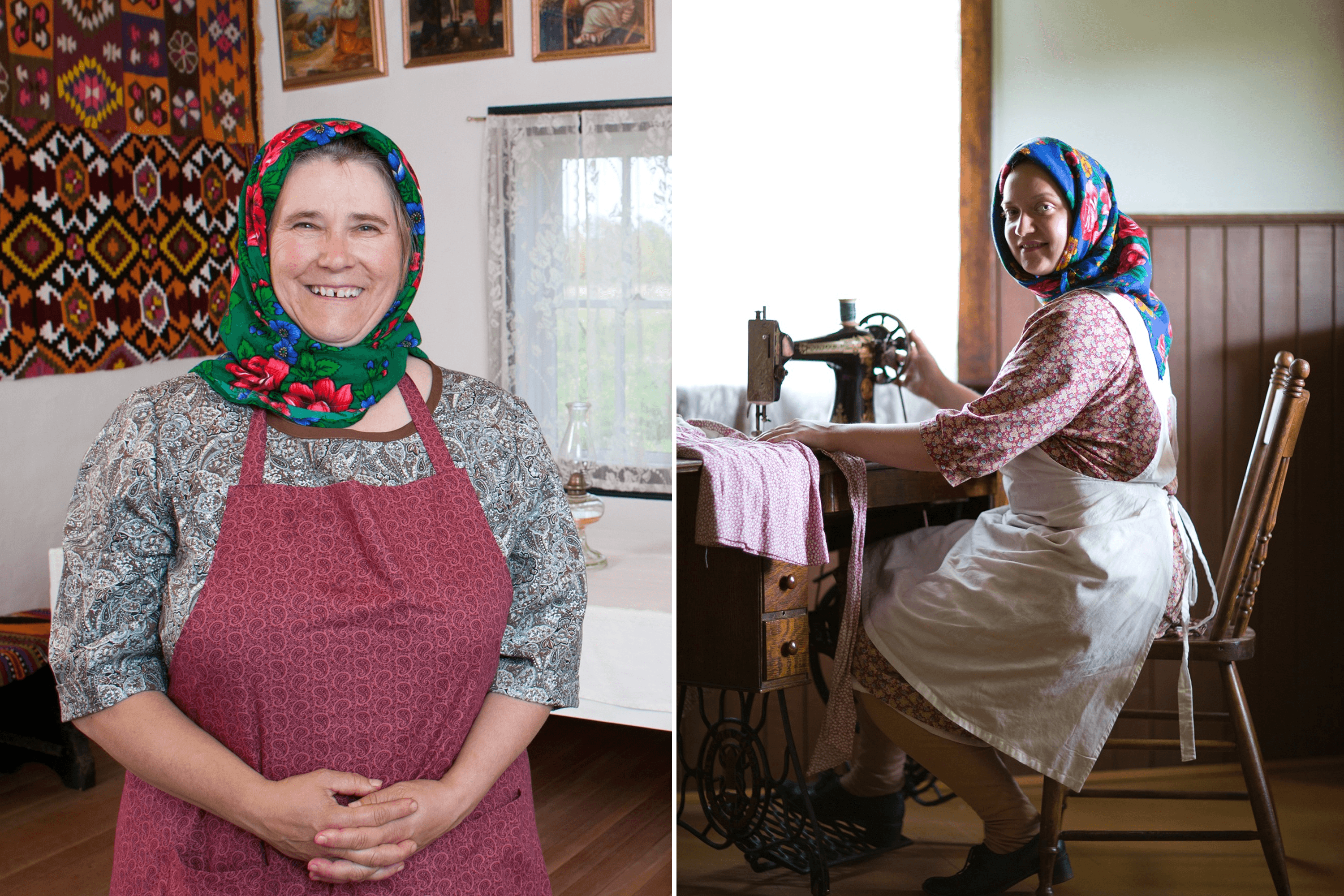
Photo: Ukrainian Cultural Heritage Village / Facebook / YB 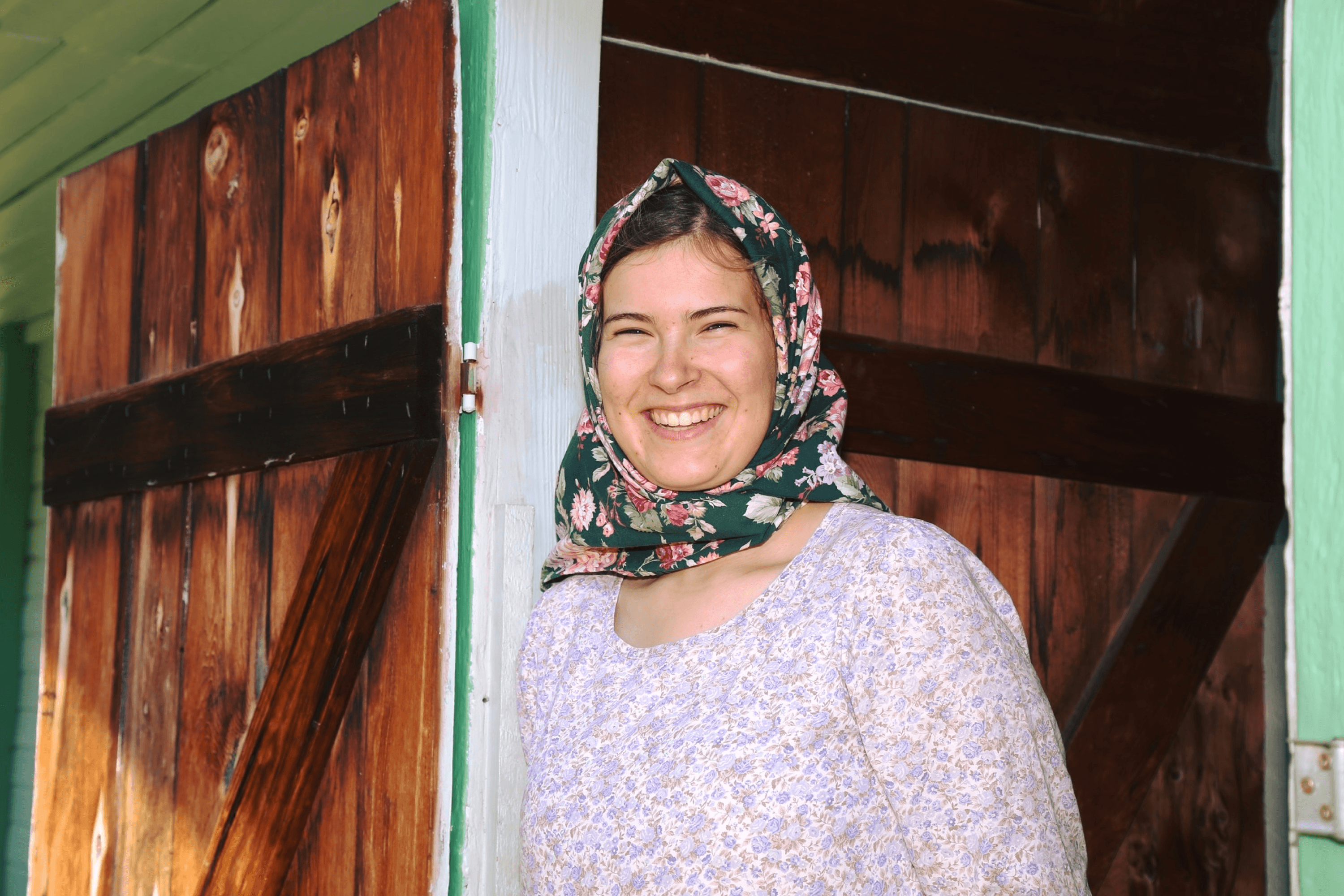
Photo: Ukrainian Cultural Heritage Village / Facebook / YB 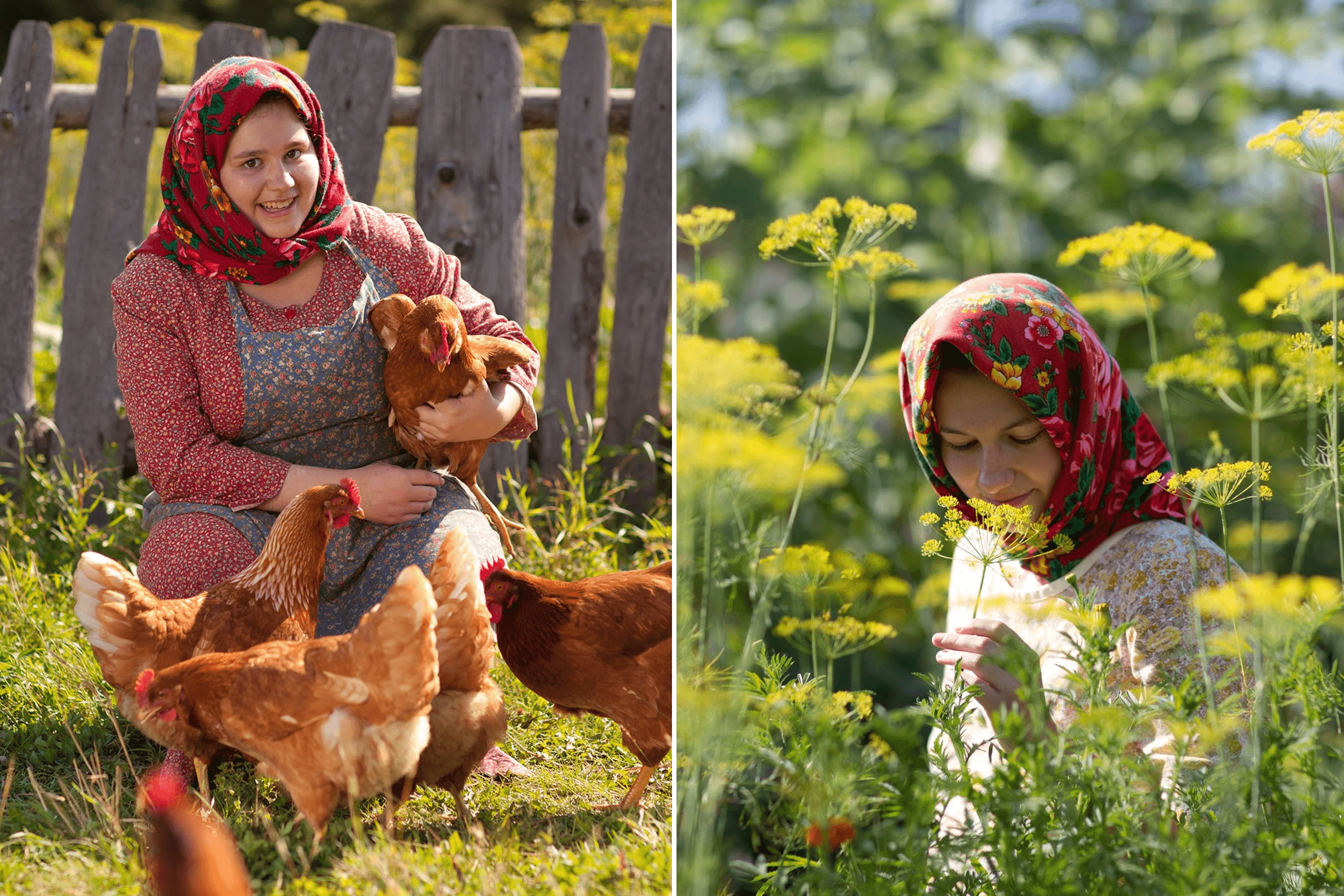
Photo: Ukrainian Cultural Heritage Village / Facebook / YB 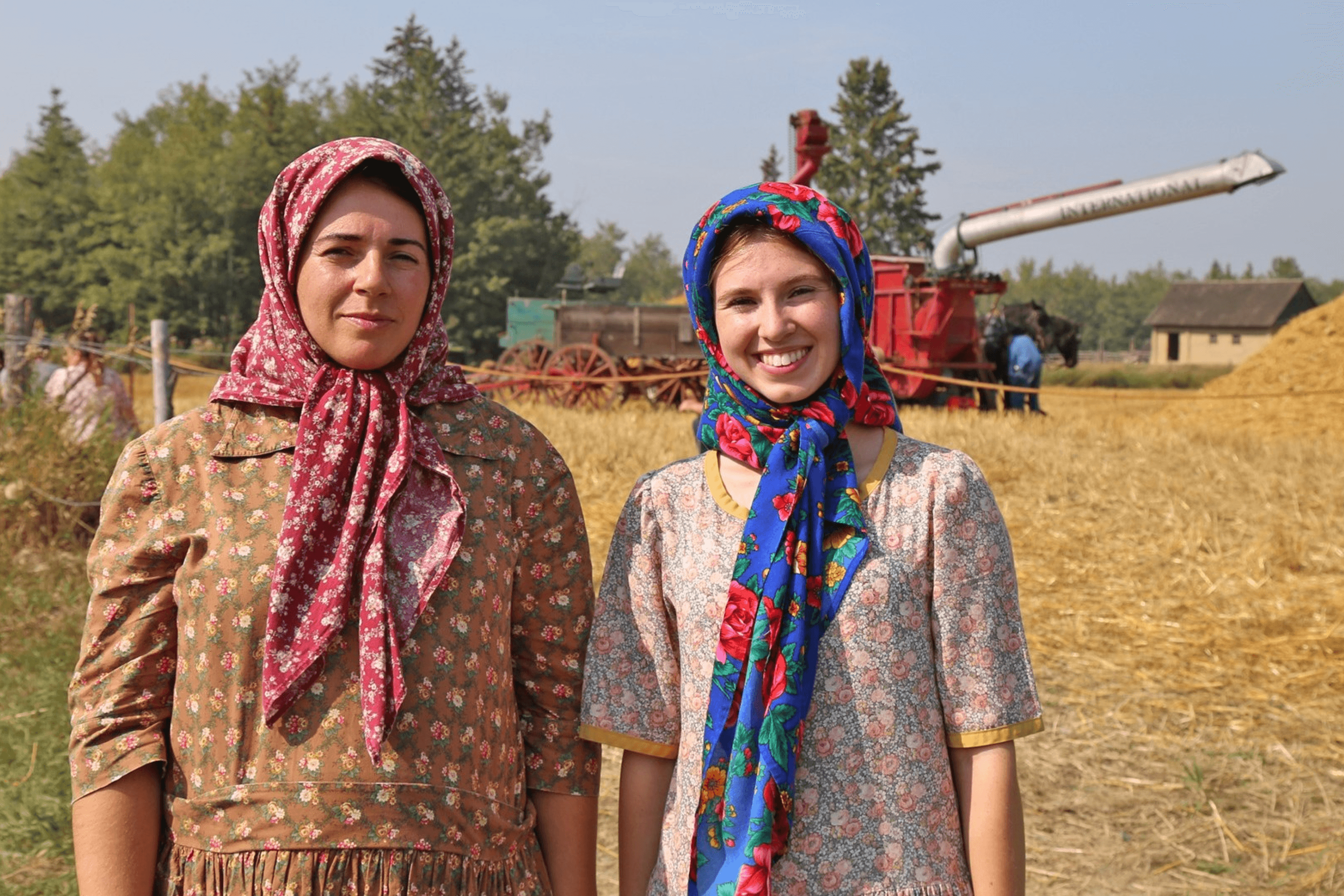
Photo: Ukrainian Cultural Heritage Village / Facebook / YB
The vibrant “kokum scarf” of the First Nations refers to traditional headscarves that were once gifted to them by Ukrainian women. Following Russia’s full-scale invasion of Ukraine, members of Canada’s Indigenous communities posted photos of themselves on social media wearing these kokum scarves in support of Ukrainians. They also shared stories passed down by elders: that these scarves became part of their culture as gifts from Ukrainian women.
There are Indigenous families who prepare varenyky and holubtsi. They may not call them by those names, but these dishes have become staples of their family cuisine. At the same time, there are Ukrainian families who bake bannock—a traditional Indigenous bread. To me, this is some of the strongest evidence of contact between the communities—especially between women who gathered to cook together. The settlers' Ukrainian cuisine was peasant food, made from simple garden products, and it likely resonated with another people who also faced poverty and a lack of resources. It seems these communities exchanged food, and subsequent generations continued to prepare those dishes.
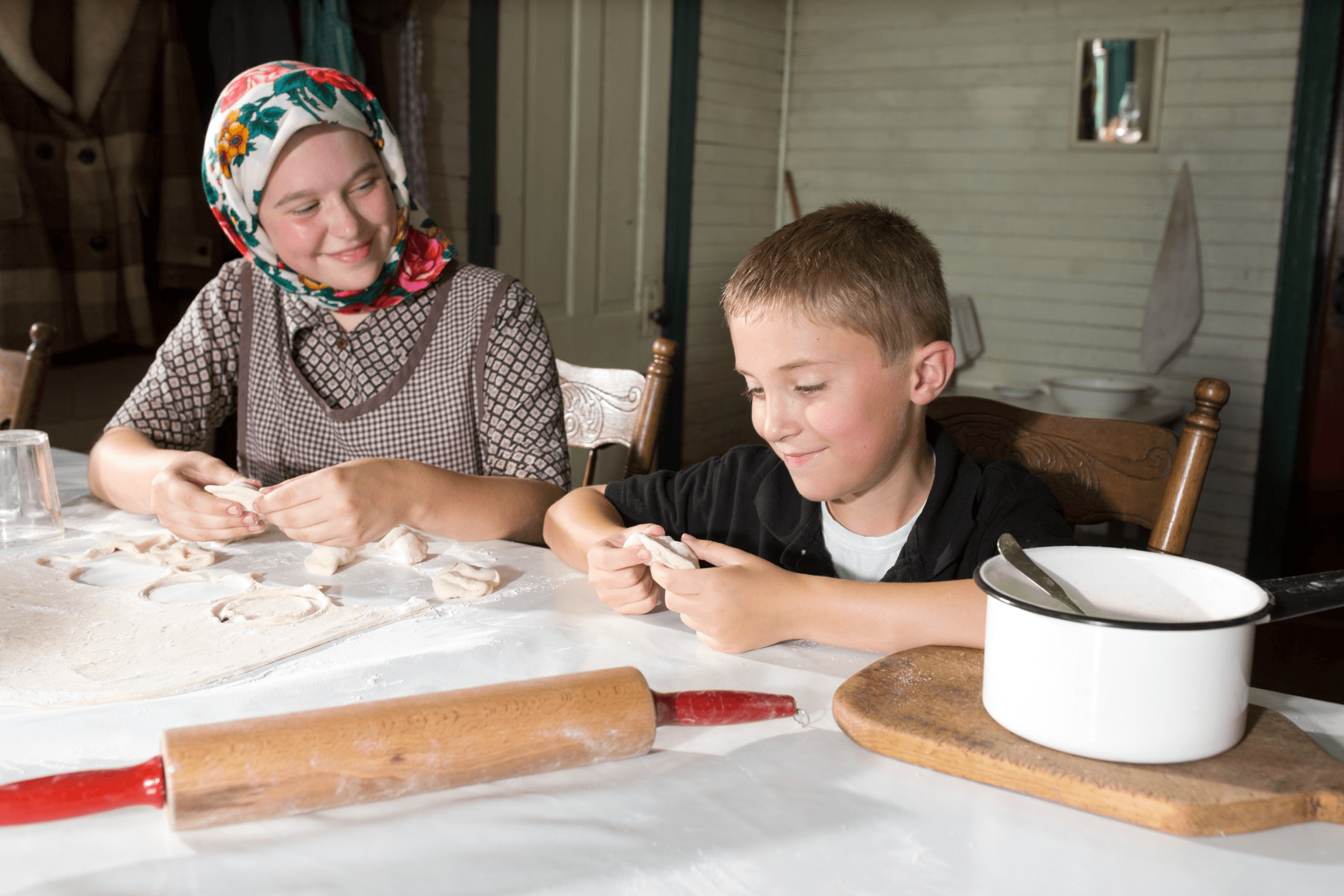
Cooking at the Ukrainian Cultural Heritage Village. Photo: Ukrainian Cultural Heritage Village / Facebook / YB 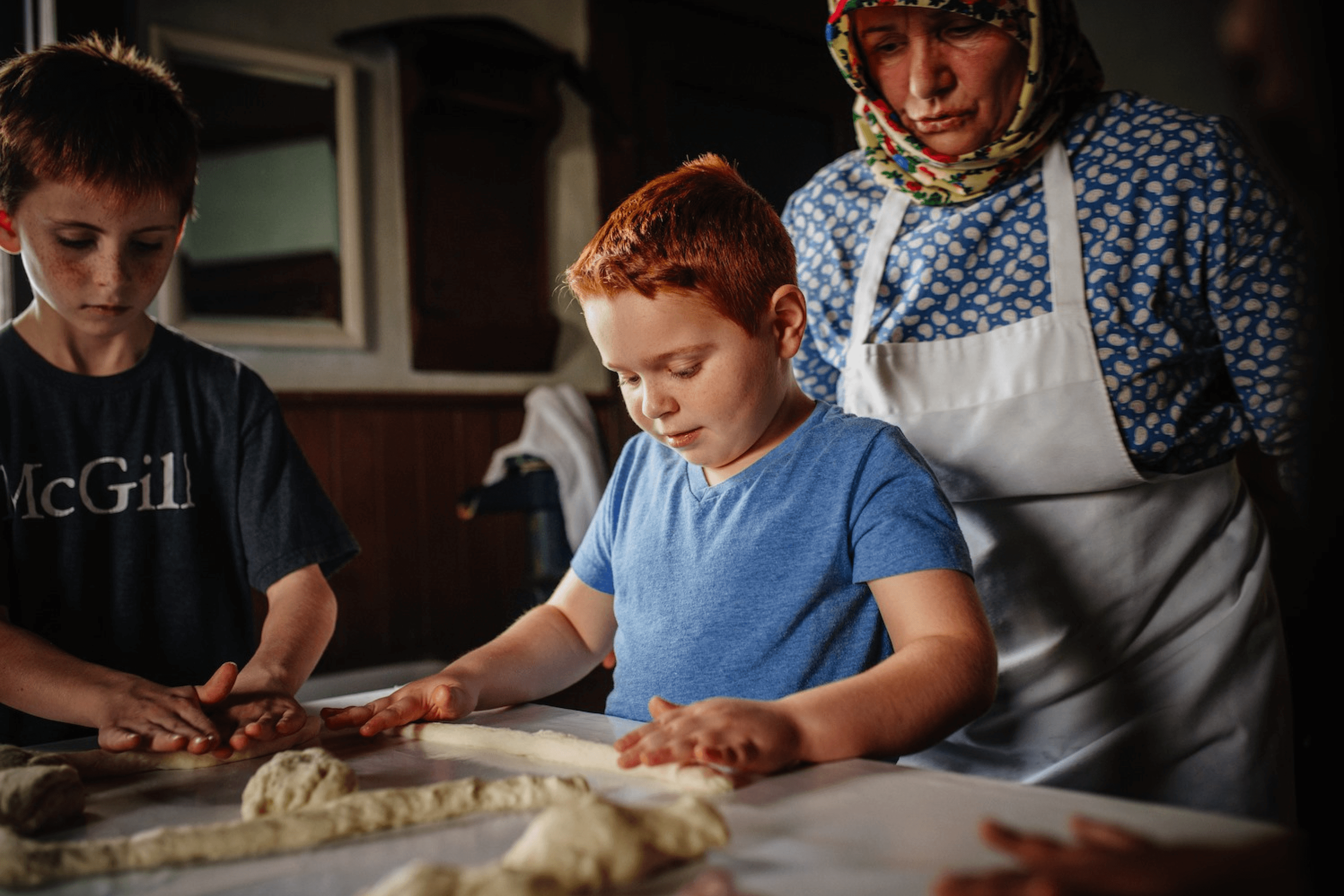
Photo: Ukrainian Cultural Heritage Village / Facebook / YB 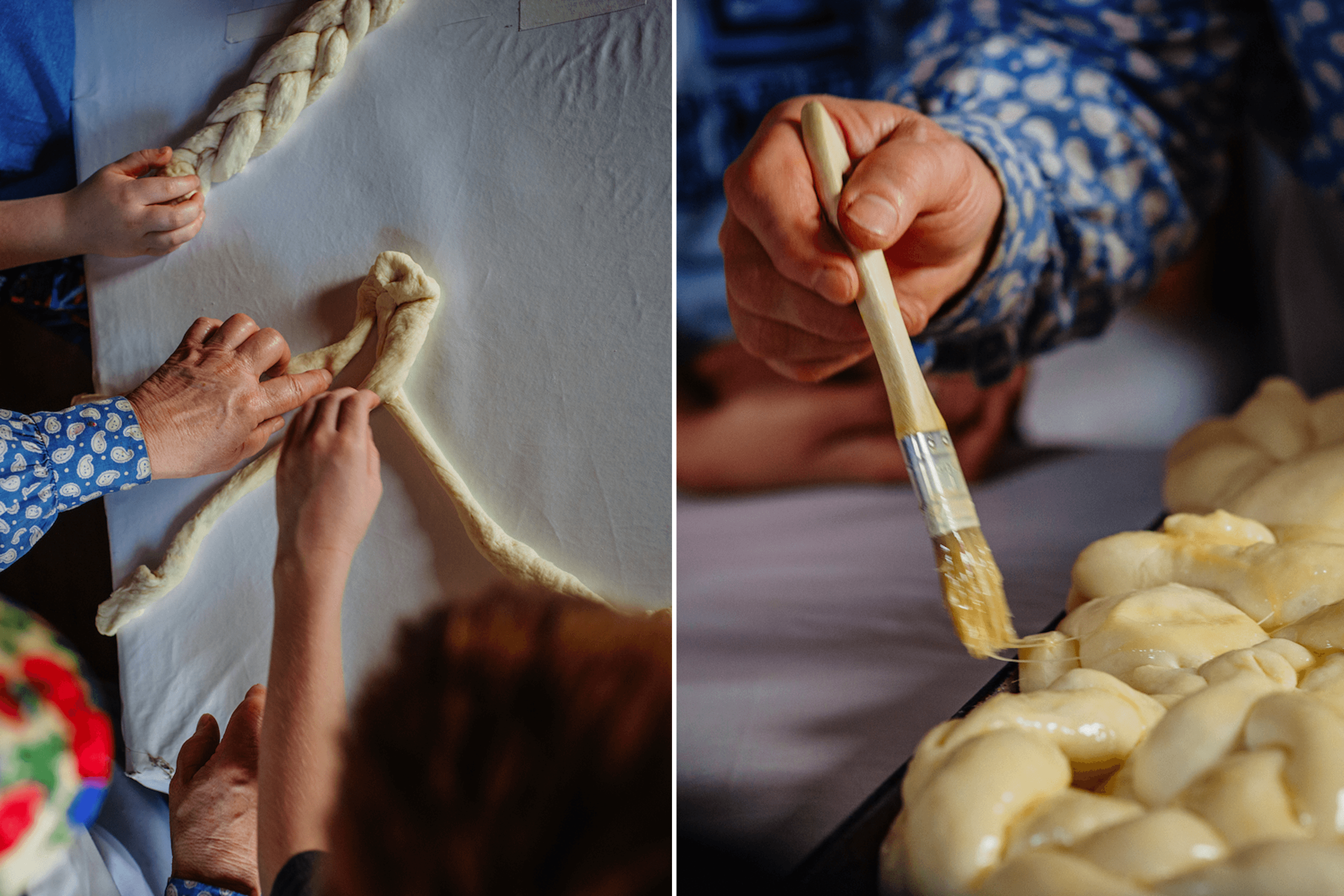
Photo: Ukrainian Cultural Heritage Village / Facebook / YB 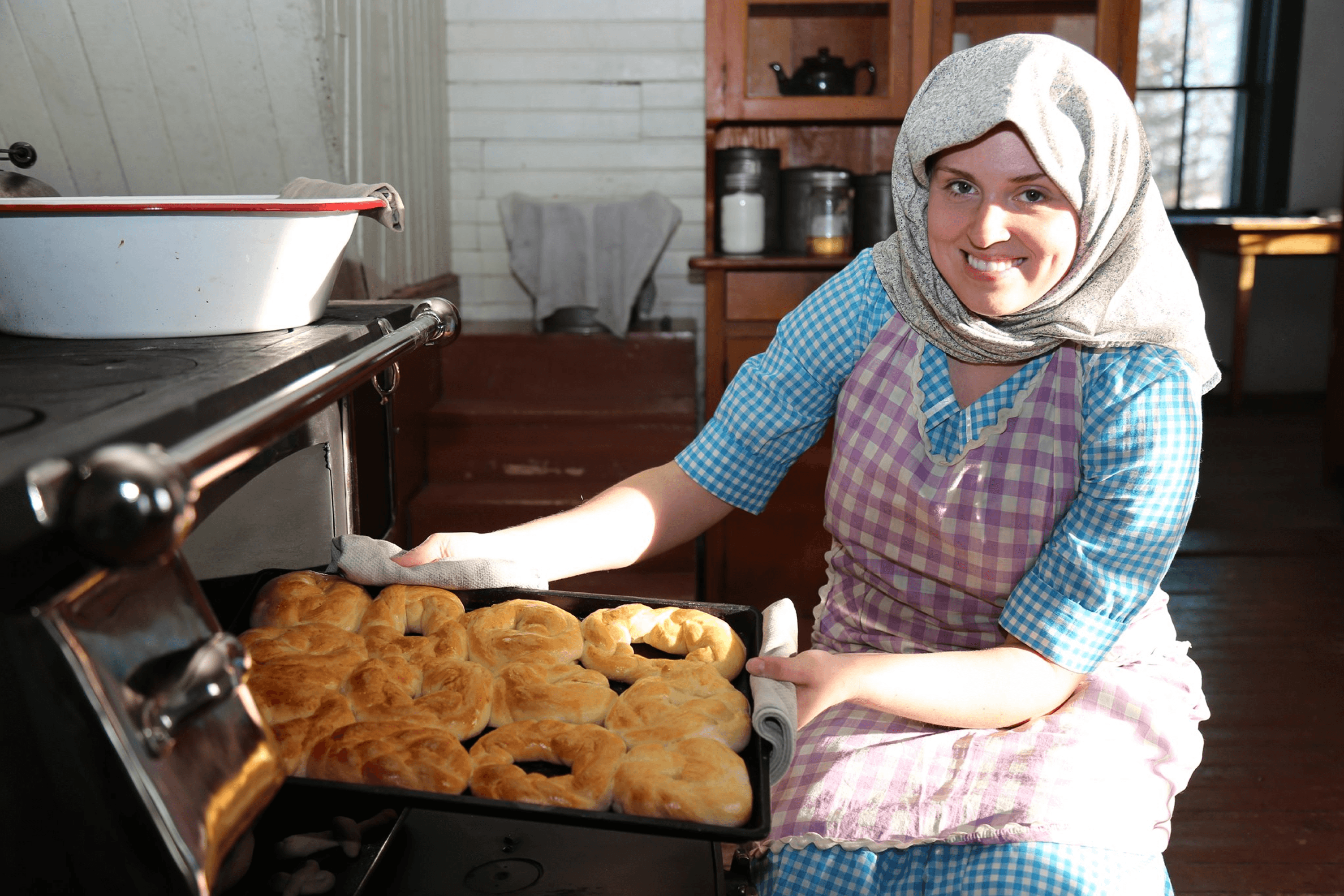
Photo: Ukrainian Cultural Heritage Village / Facebook / YB 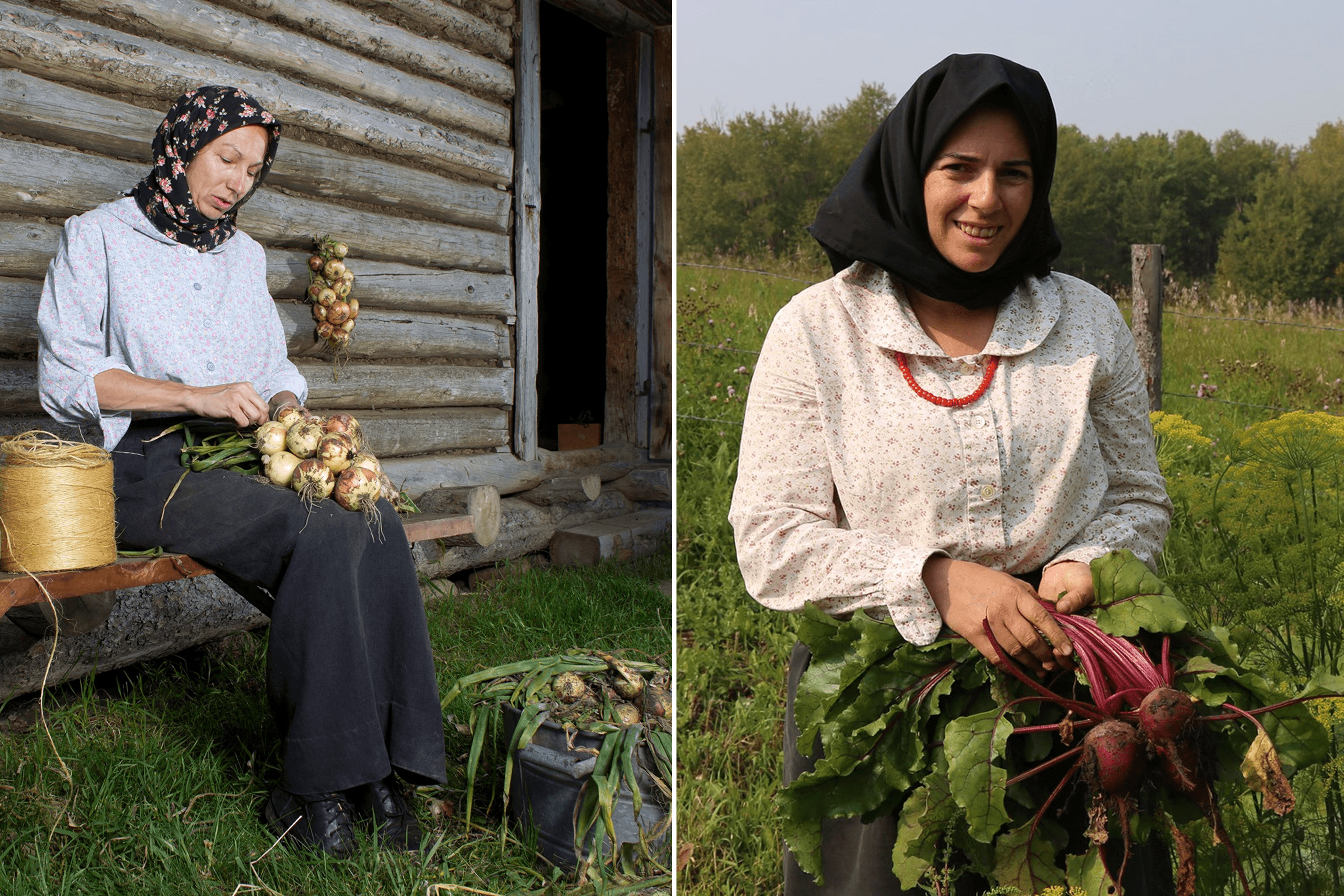
Photo: Ukrainian Cultural Heritage Village / Facebook / YB 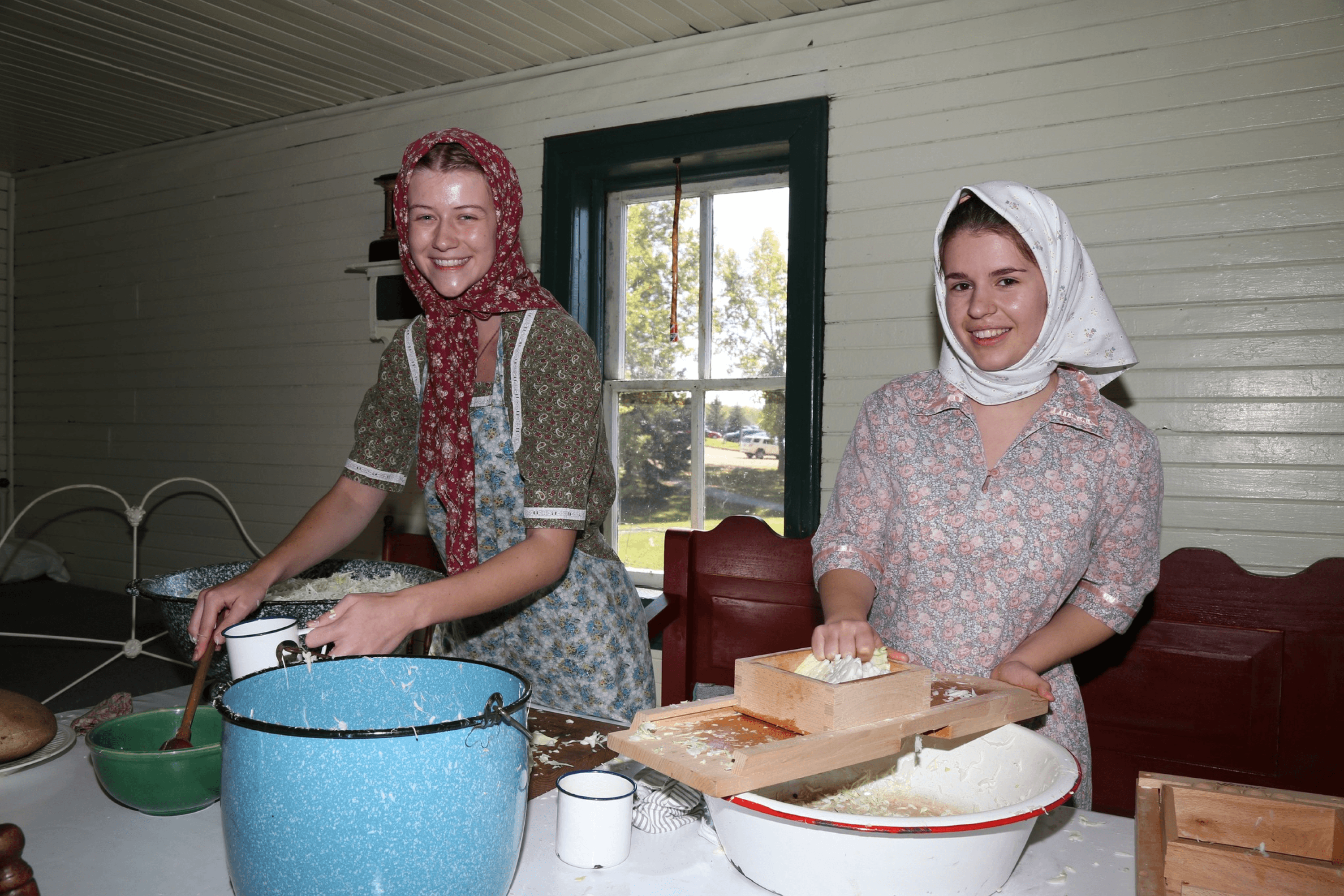
Photo: Ukrainian Cultural Heritage Village / Facebook / YB
In Western Canada, the cultures of both Indigenous nations and the first Ukrainians were oral. Therefore, a key source is the oral histories shared by Indigenous elders. Ukrainians were less likely to record this important, albeit limited, interaction. Furthermore, not all Ukrainians of the first waves of immigration had contact with the Indigenous population.
Ukrainians did not have an inherited sense of superiority toward the Indigenous population, as they were outsiders themselves, arriving from another country. Many saw Indigenous peoples as people they could learn from or trade with. At the same time, some Ukrainians feared them or did not want close relationships. At that time, rumors and fearmongering about the supposed danger posed by Indigenous peoples were widespread in Canada, and people often fear what they don’t understand. Because of this, the relationships were complex.
Ukrainians and Indigenous peoples also intermarried. Of course, I’ve heard of families who were not thrilled about their child marrying someone from a different culture. However, mixed marriages did exist, and many people today have a lineage that connects these two ethnic groups.
Recently, I watched a presentation by a woman of both Cree and Ukrainian descent. She learned the Cree language as an adult, having grown up speaking only English. When someone asked why she didn’t speak Ukrainian, she replied: “For the same reason we didn’t grow up speaking Cree.” Due to the pressures of that time, many people chose not to pass on their language or were unable to do so. Now, as an adult, this woman is trying to reconnect with the language and traditions of both sides of her family.
Indigenous elders have shared stories of how Ukrainian farmers hired them. One elder recalled that he always enjoyed going to work for Ukrainians because they had the best food and a good attitude toward Indigenous workers.
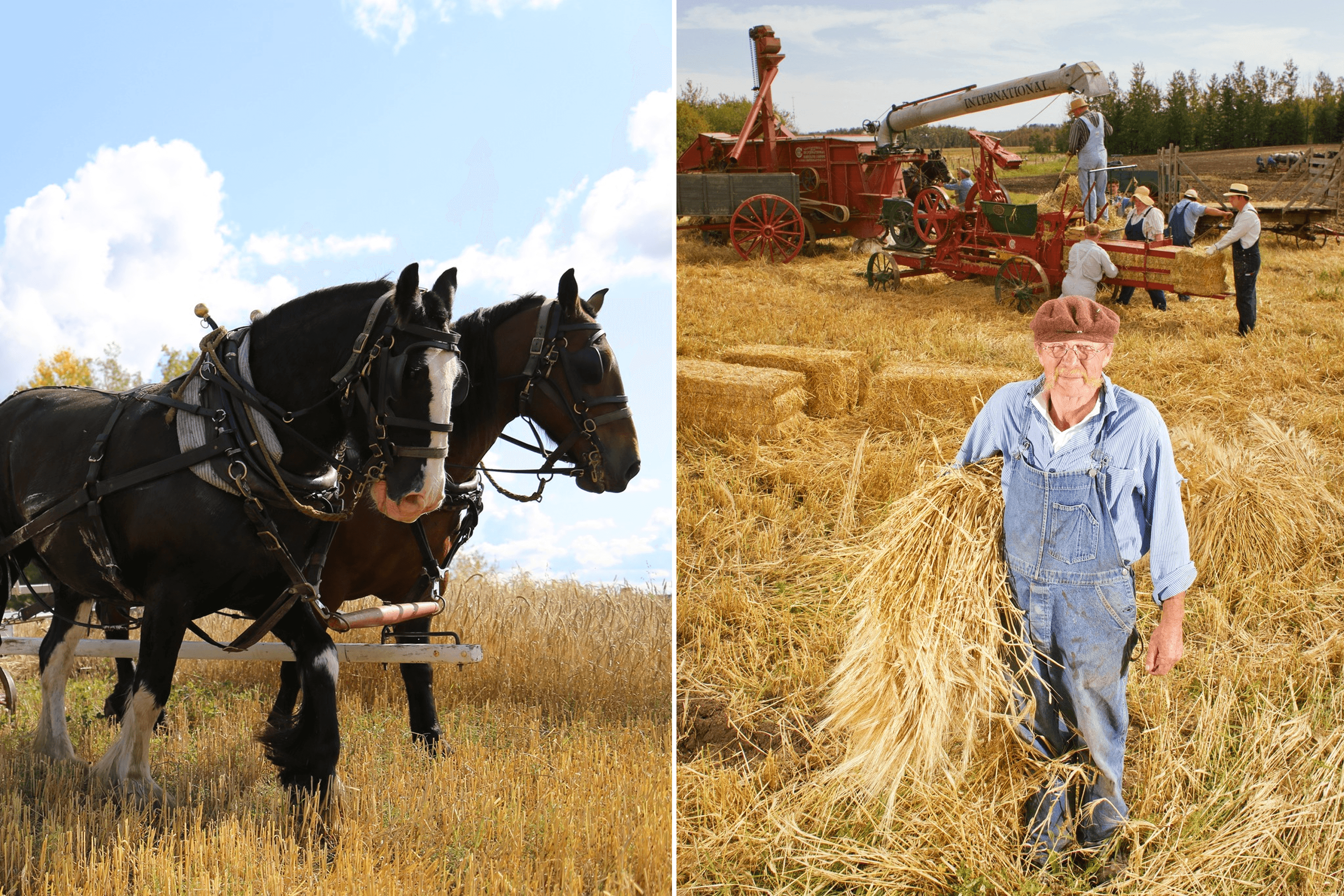
Fieldwork at the Ukrainian Cultural Heritage Village. Photo: Ukrainian Cultural Heritage Village / Facebook / YB 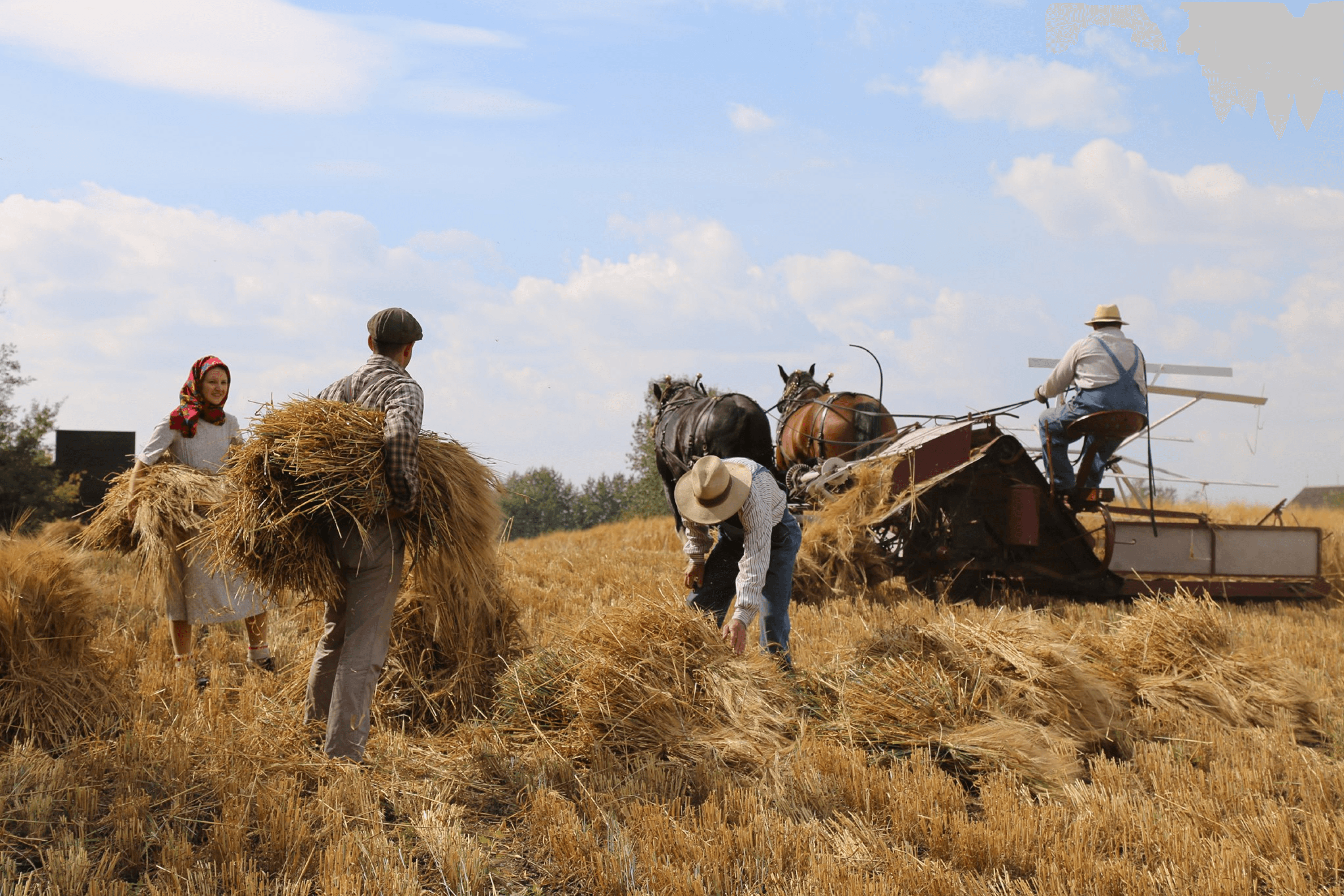
Photo: Ukrainian Cultural Heritage Village / Facebook / YB 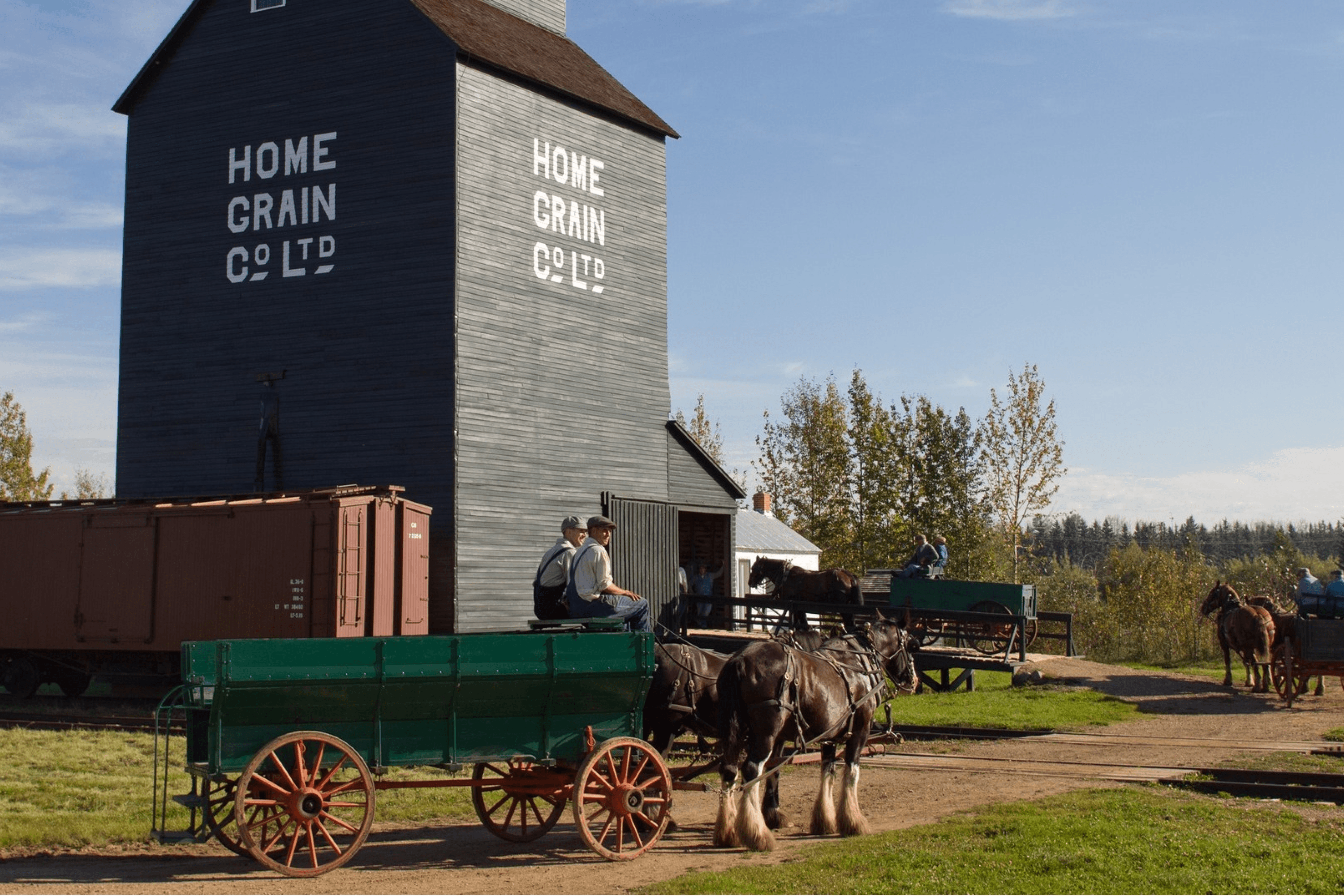
Photo: Ukrainian Cultural Heritage Village / Facebook / YB 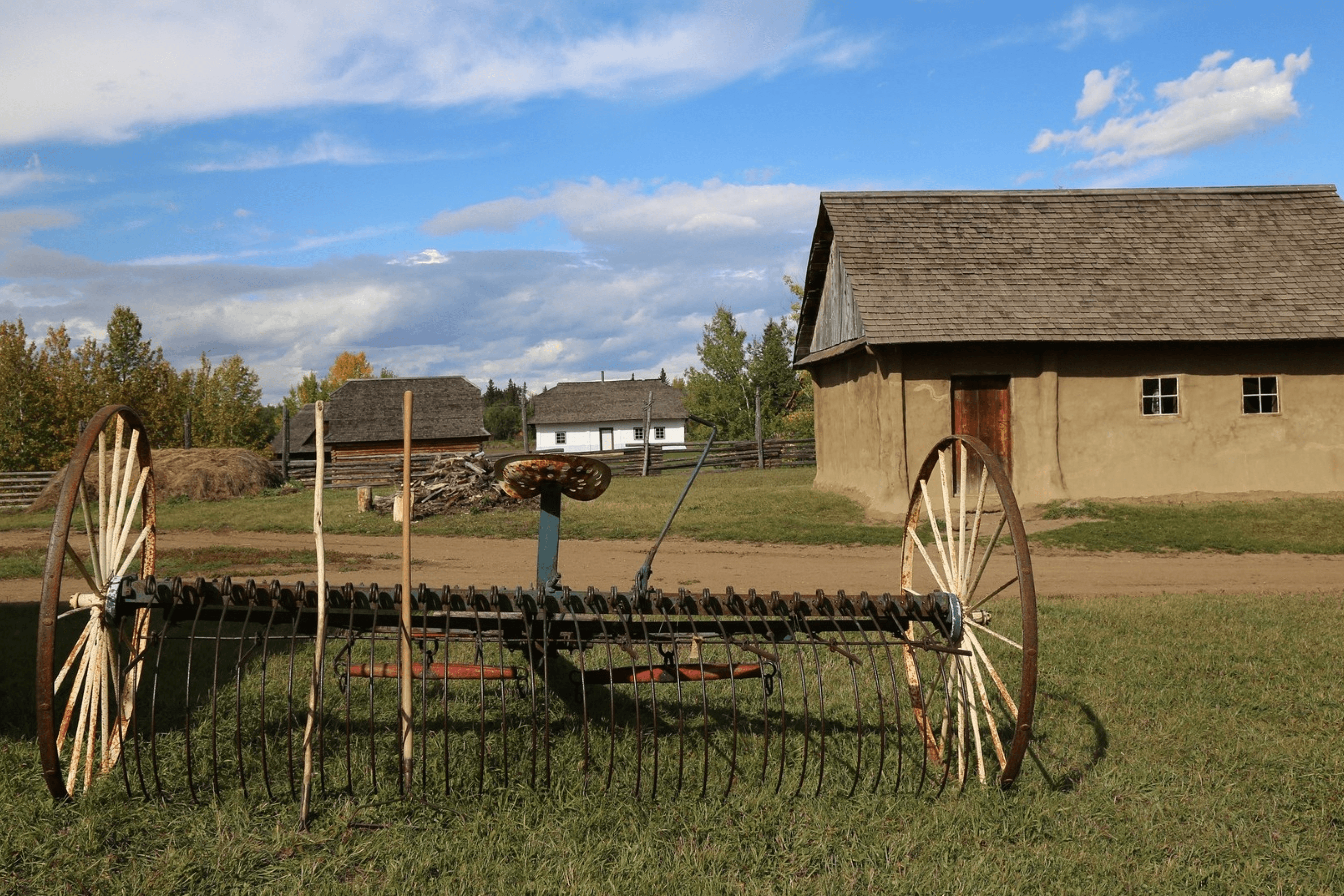
Photo: Ukrainian Cultural Heritage Village / Facebook / YB 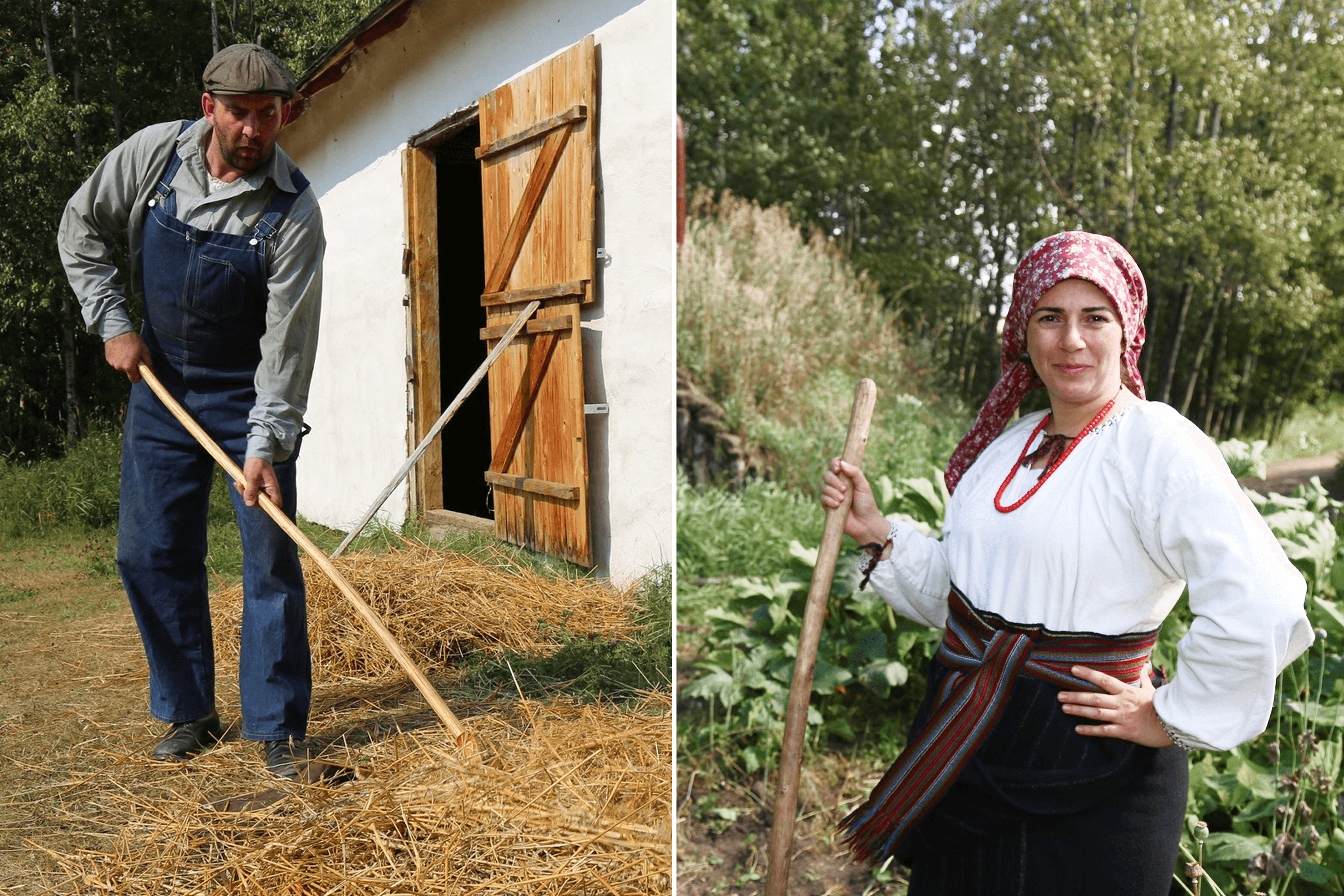
Photo: Ukrainian Cultural Heritage Village / Facebook / YB 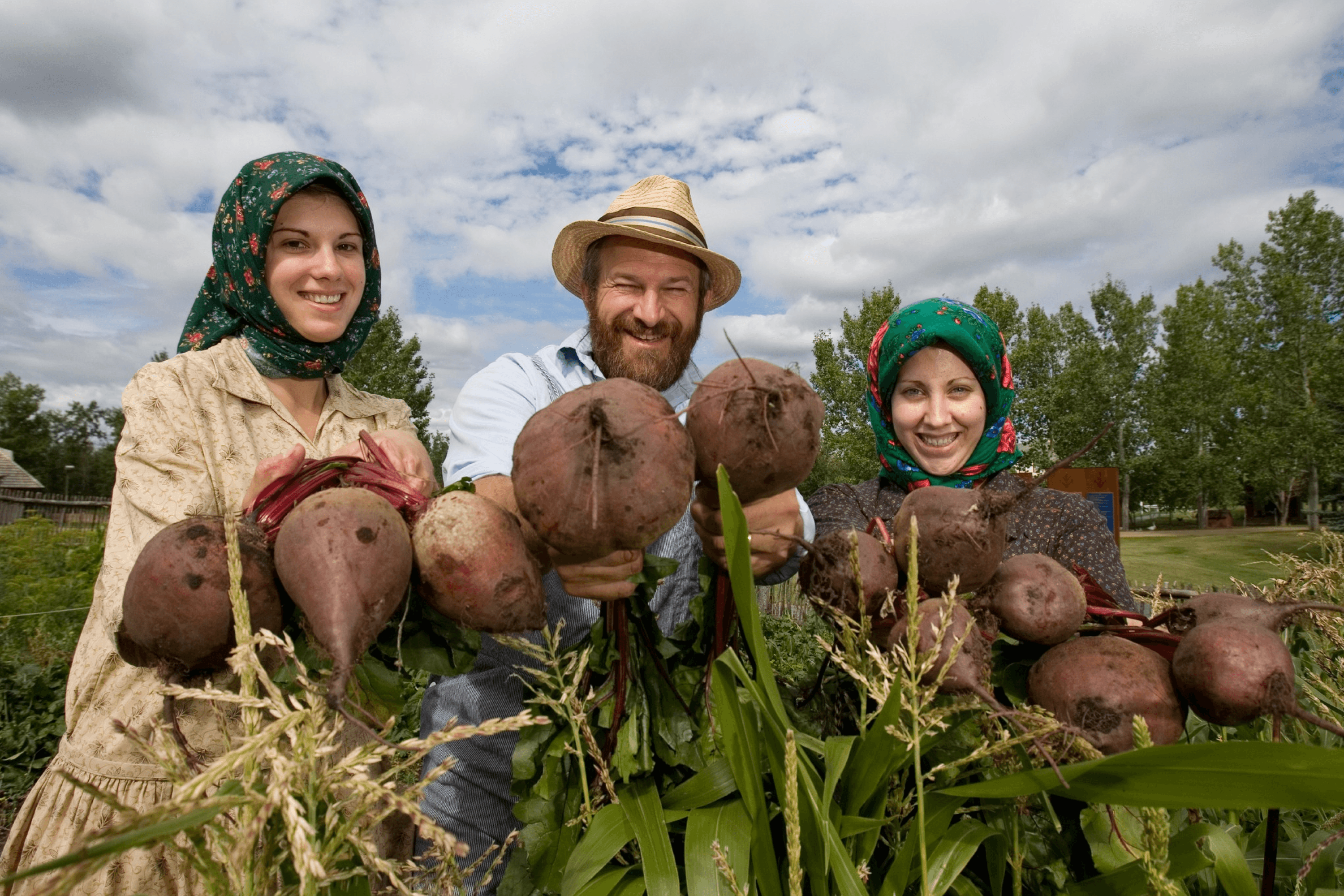
Photo: Ukrainian Cultural Heritage Village / Facebook / YB
Many Anglo-Canadians disliked the influx of “Galicians” and “Ruthenians,” as Ukrainians were called back then. As Ukrainian immigration grew, anti-immigrant and anti-Ukrainian sentiments intensified: Ukrainians were often viewed as undesirable, uneducated, poor, and backward. They were pressured to speak only English and to stop wearing traditional clothing. Despite this, Ukrainians managed to establish their own communities and preserve their culture.
Ukrainians were also looked down upon because they ate a lot of garlic and smelled of it. Their lifestyle differed from English norms; at that time, Western Canada was predominantly inhabited by white settlers from Britain. For a period, Ukrainian surnames were considered undesirable, so they were often changed to English ones. Thus, “Koval” would become “Smith.” Assimilation was seen as the path to success: if a person dressed and spoke less “ethnically,” had an English surname, and had no accent, it brought them closer to social advancement.
In the 1960s, my father was denied a job because he spoke with an accent. He grew up in a Ukrainian-speaking family on a farm in rural Saskatchewan and put a lot of effort into “cleaning up” his English pronunciation.
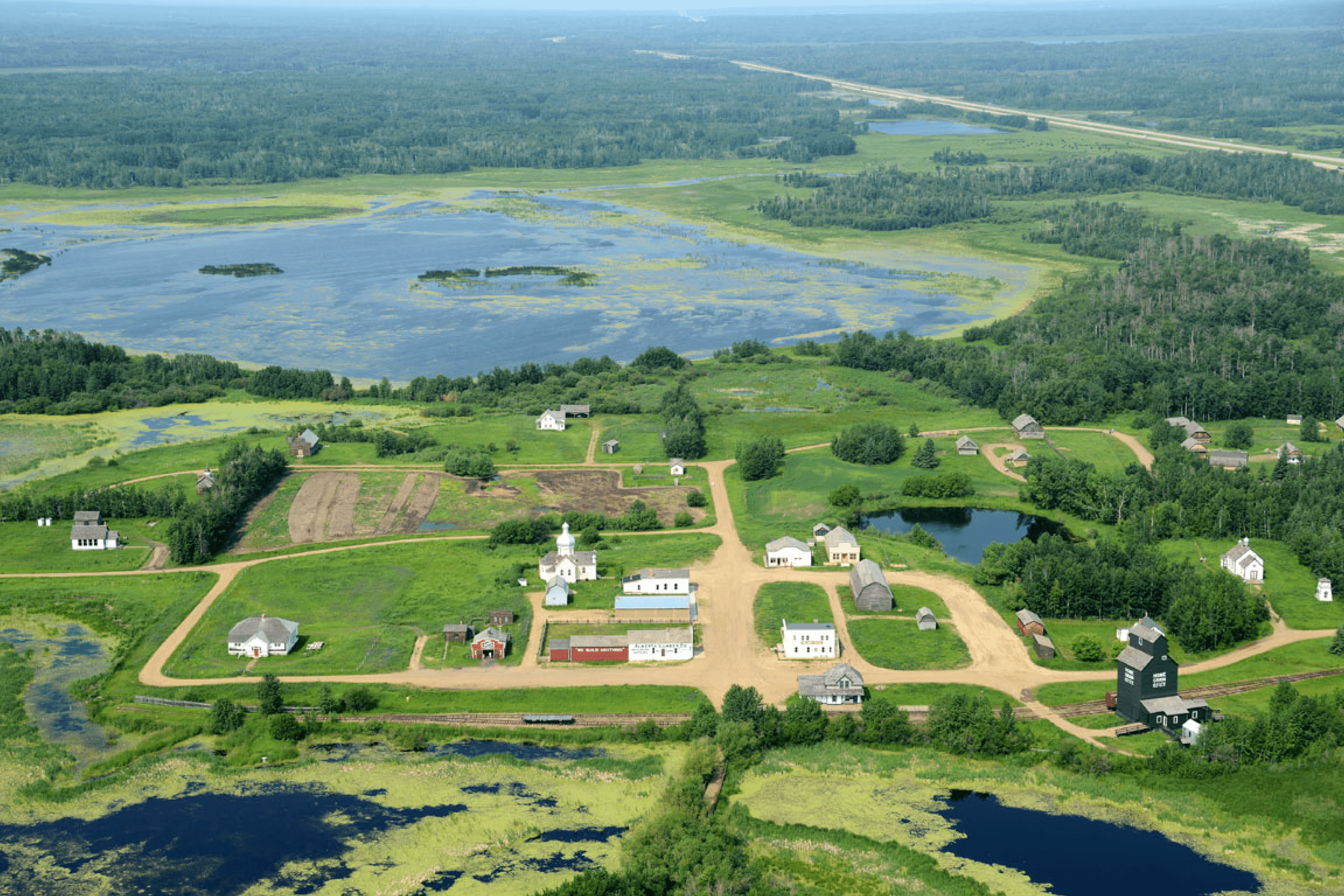
General view of the Ukrainian Cultural Heritage Village. Photo: Photos provided by Pamela Trischuk / YB 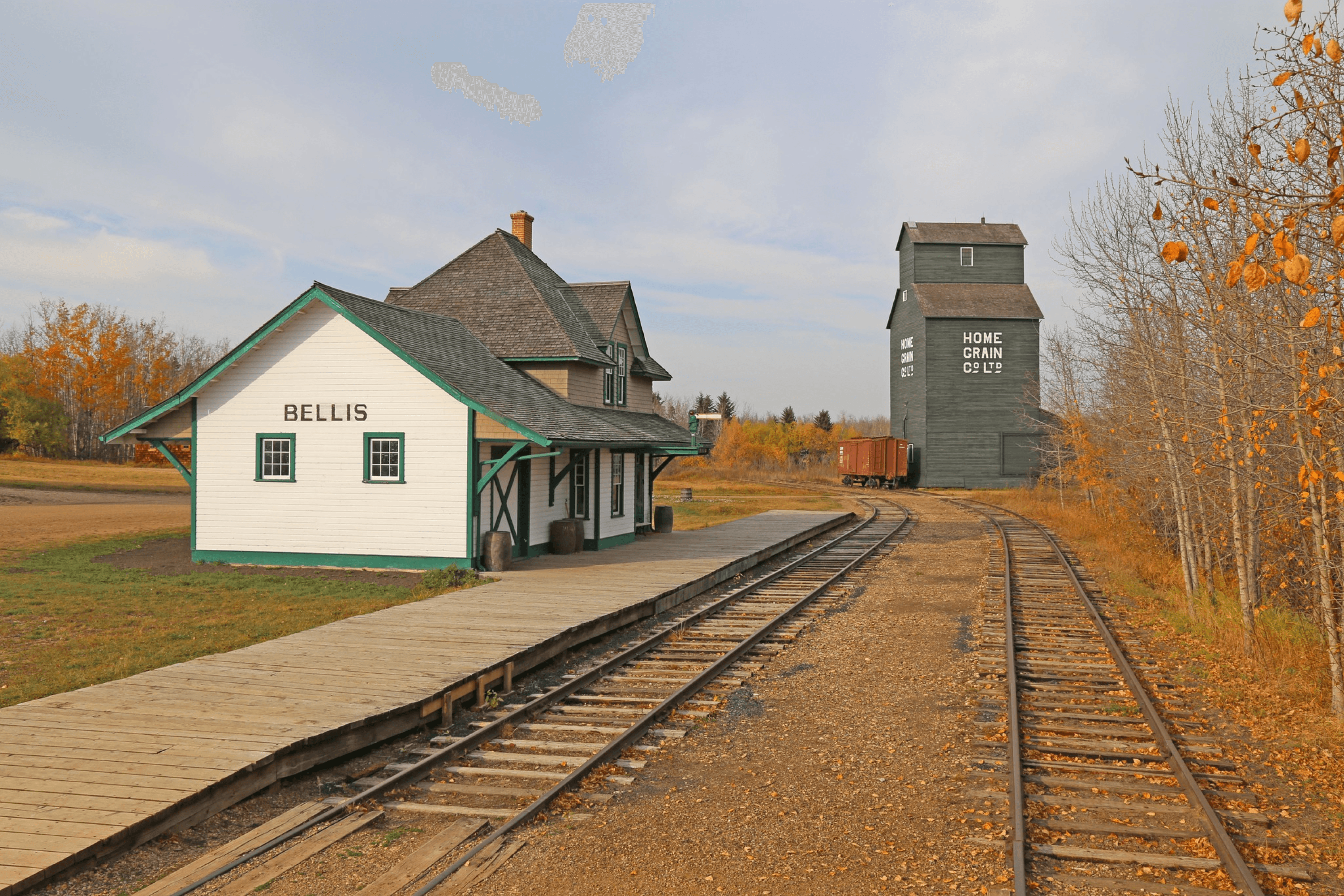
Photo: Ukrainian Cultural Heritage Village / Facebook / YB 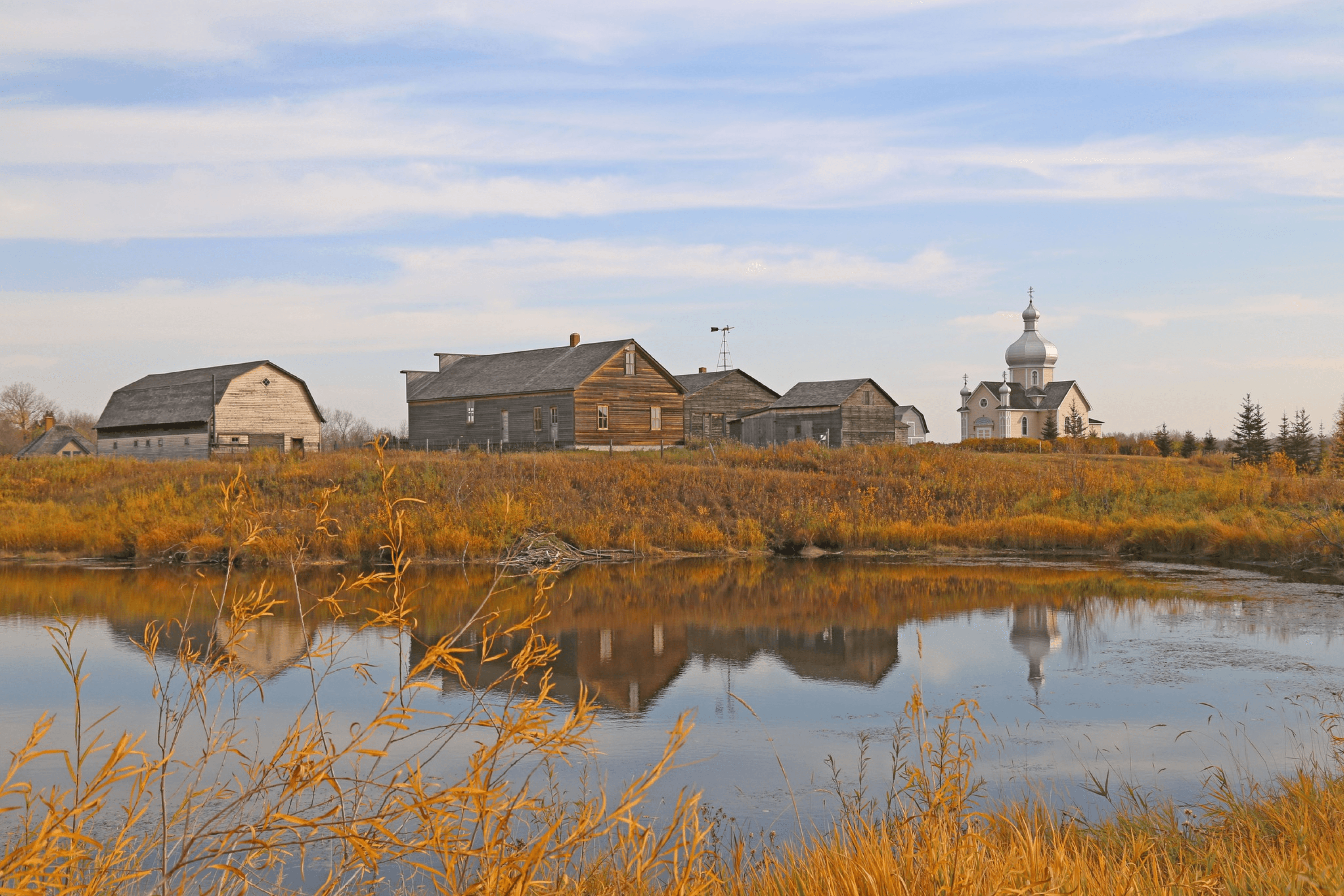
Photo: Ukrainian Cultural Heritage Village / Facebook / YB 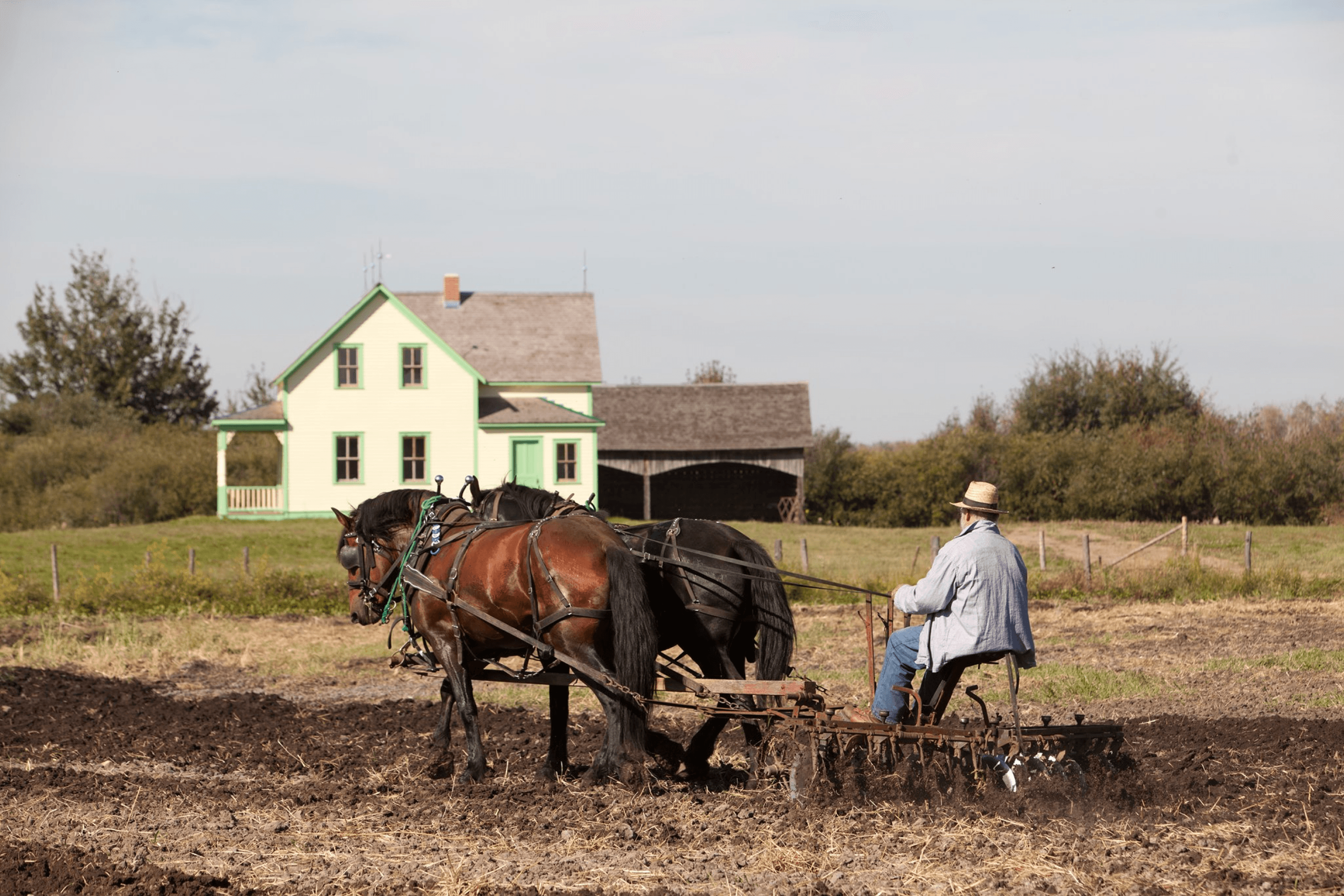
Photo: Ukrainian Cultural Heritage Village / Facebook / YB 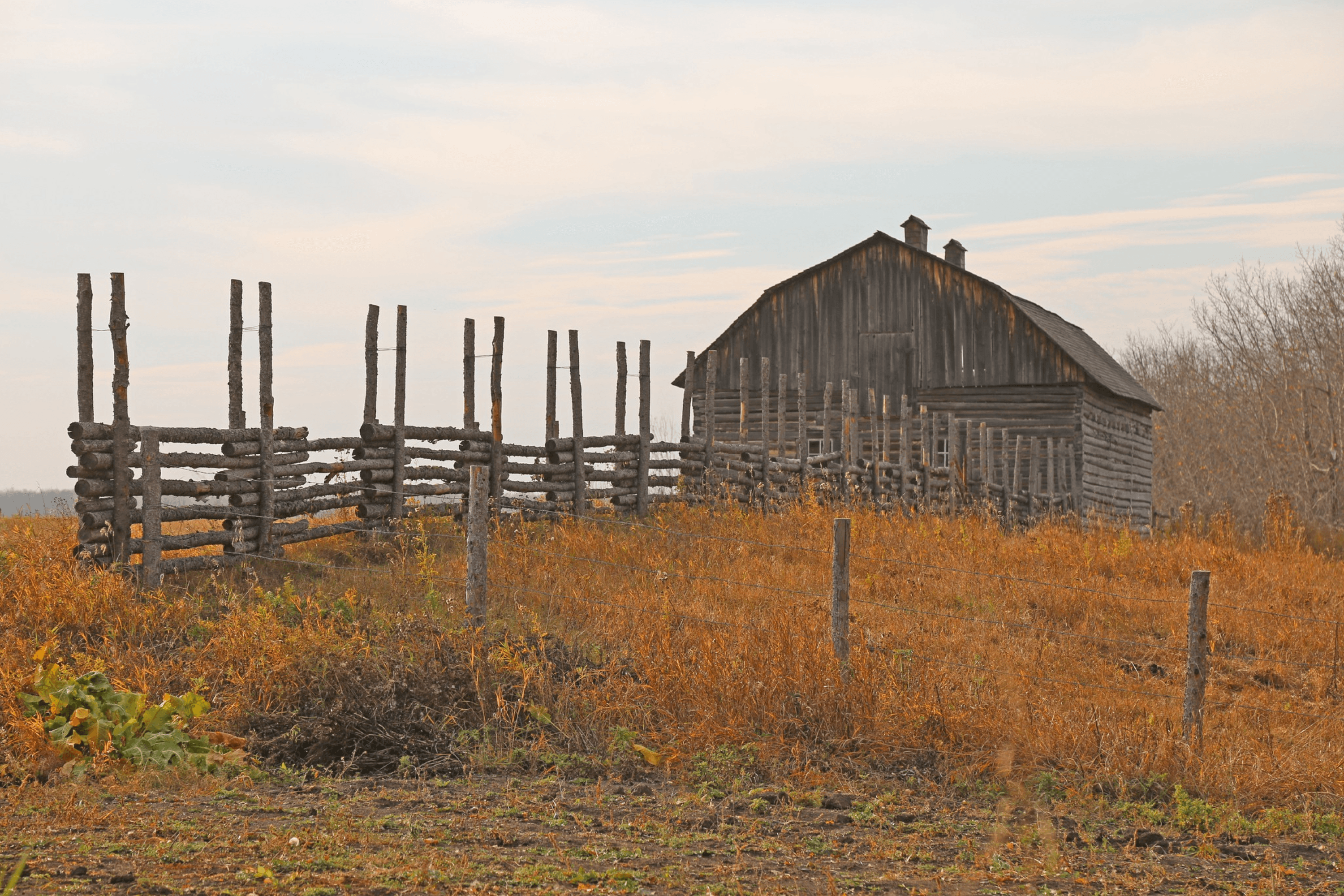
Photo: Ukrainian Cultural Heritage Village / Facebook / YB 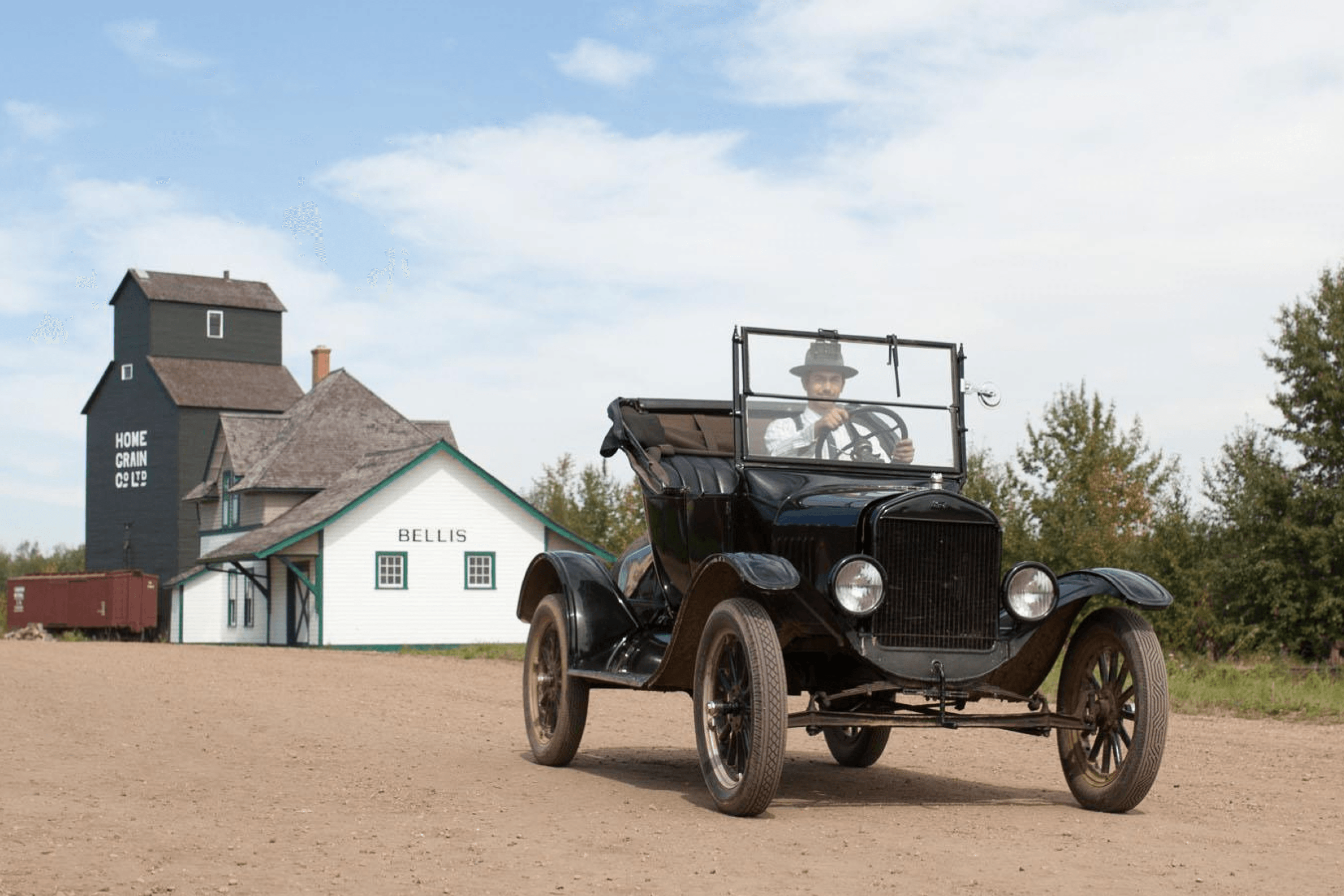
Photo: Ukrainian Cultural Heritage Village / Facebook / YB
My parents were shaped by the shame they felt when moving from the village where they grew up to the city. They did not teach me Ukrainian. Both of my grandmothers believed it was important to give children names that sounded English. Therefore, my parents had very English names with Ukrainian surnames. My name is not Ukrainian either. I learned a little Ukrainian from my grandmother and a bit more as an adult, but I’m not a native speaker due to the pressure of assimilation my parents felt. Many generations of Ukrainian Canadians have similar experiences. But would they have fought so hard for the recognition of multiculturalism in Canada if they hadn’t experienced these hardships?
In the 1890s, Ukrainians came to Canada primarily from the Austro-Hungarian Empire. When World War I began and Canada was at war with Austria-Hungary, the government interned over 8,500 men, as well as women and children. Most of them were recent immigrants from Galicia and Bukovyna who held Austro-Hungarian documents. Historians estimate that about 5,000 ethnic Ukrainians were among the internees. Another 80,000 people were forced to register as “enemy aliens” and report regularly to the police, and their freedom of movement was restricted. This affected the majority of Ukrainians, even though the internment was not formally directed specifically at them.
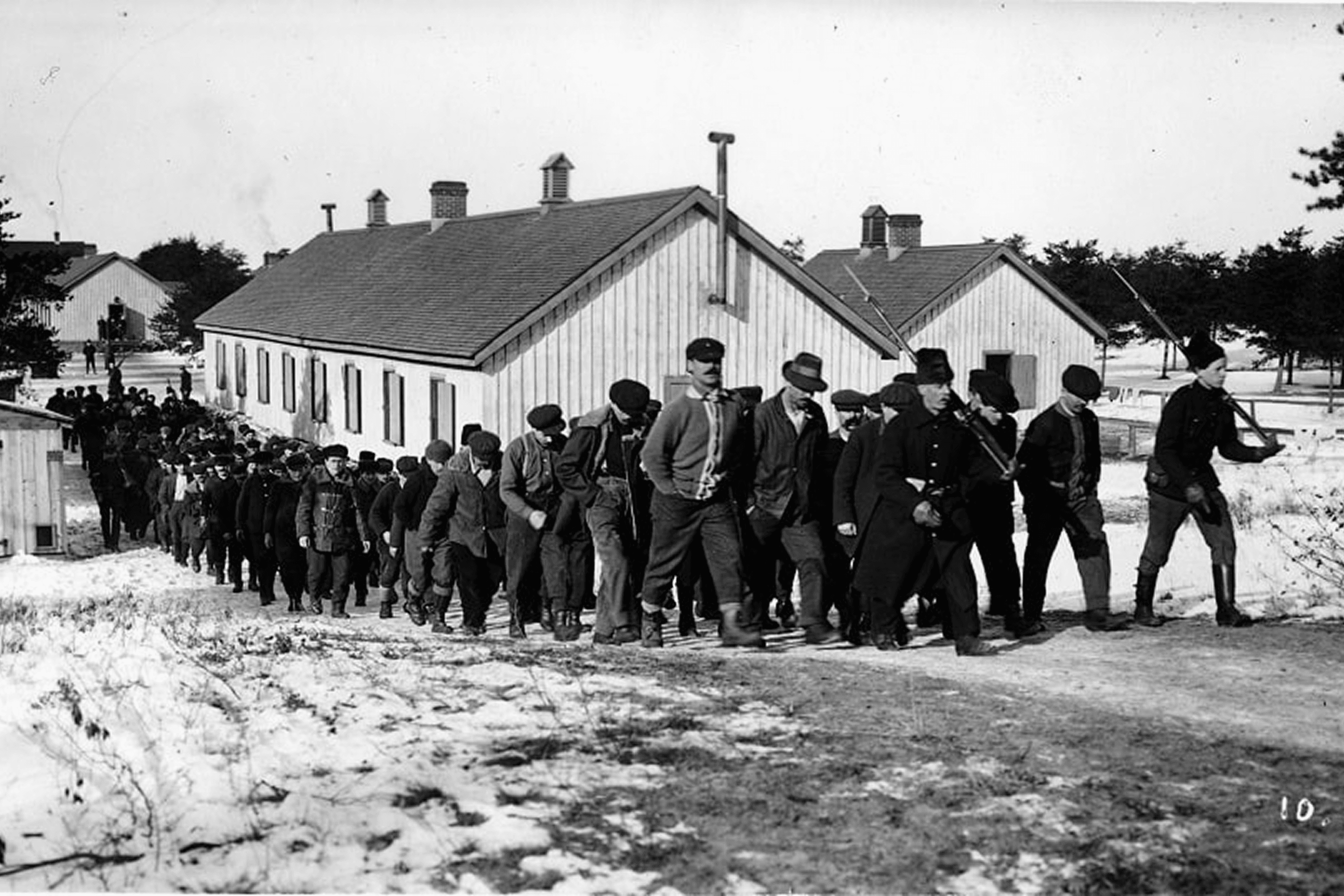
Internees head to dinner at the Petawawa internment camp during World War I. Photo: The Canadian Encyclopedia / YB 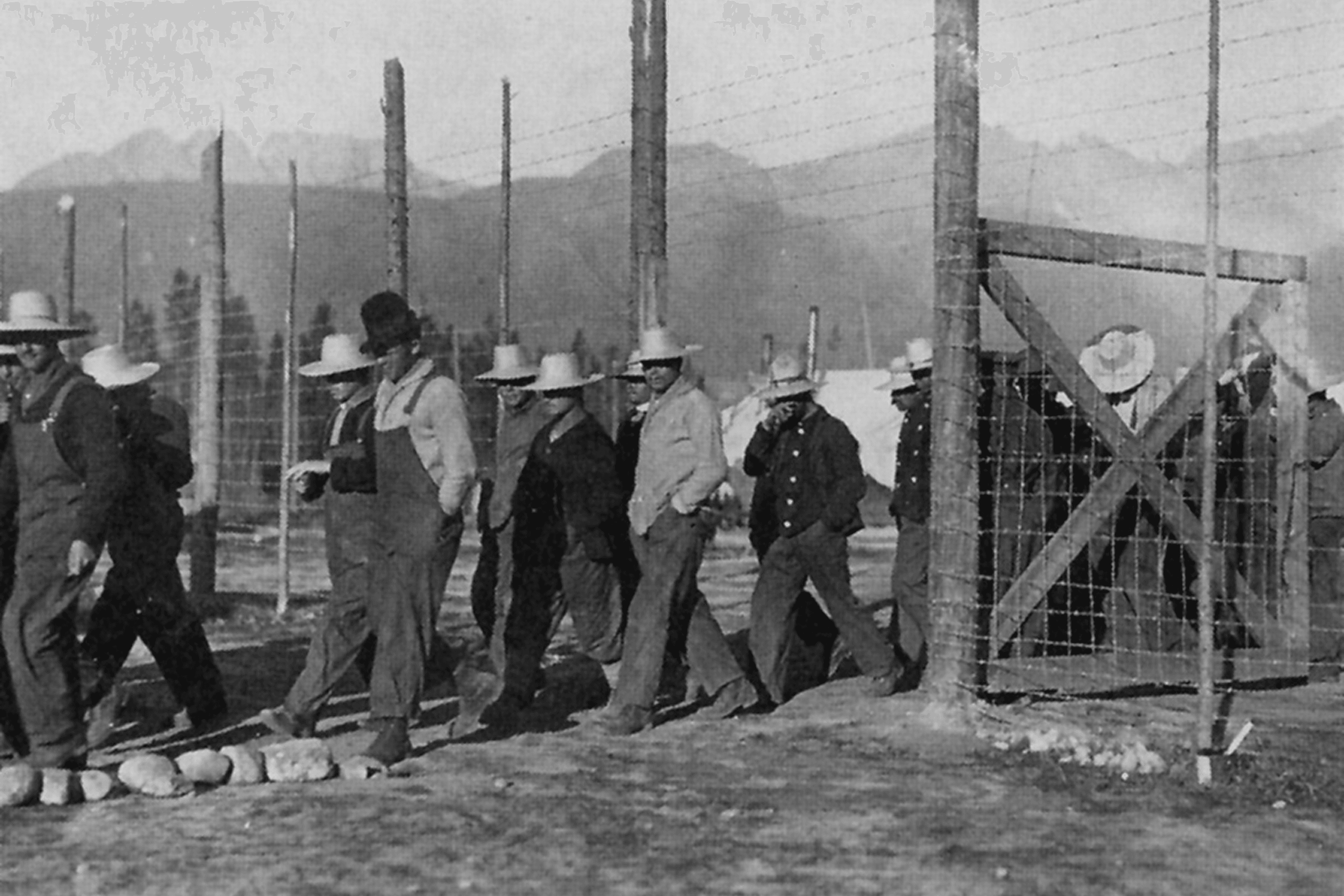
Castle Mountain internment camp, Alberta, 1915. Photo: Wikimedia / YBBP 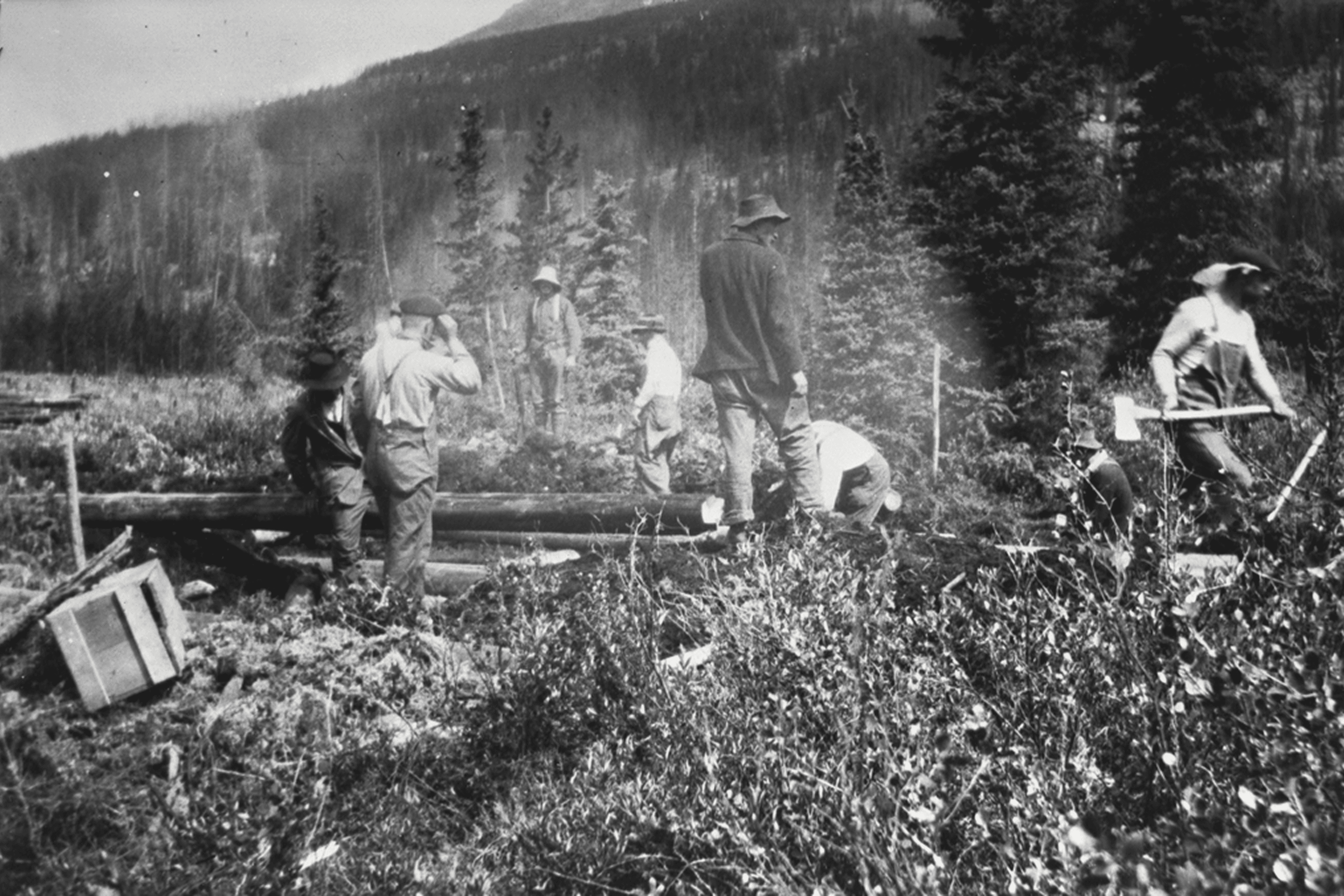
Prisoners of war building a bridge at the camp near Castle Mountain, Alberta, circa 1914–1918. Photo: Wikimedia / YBBP 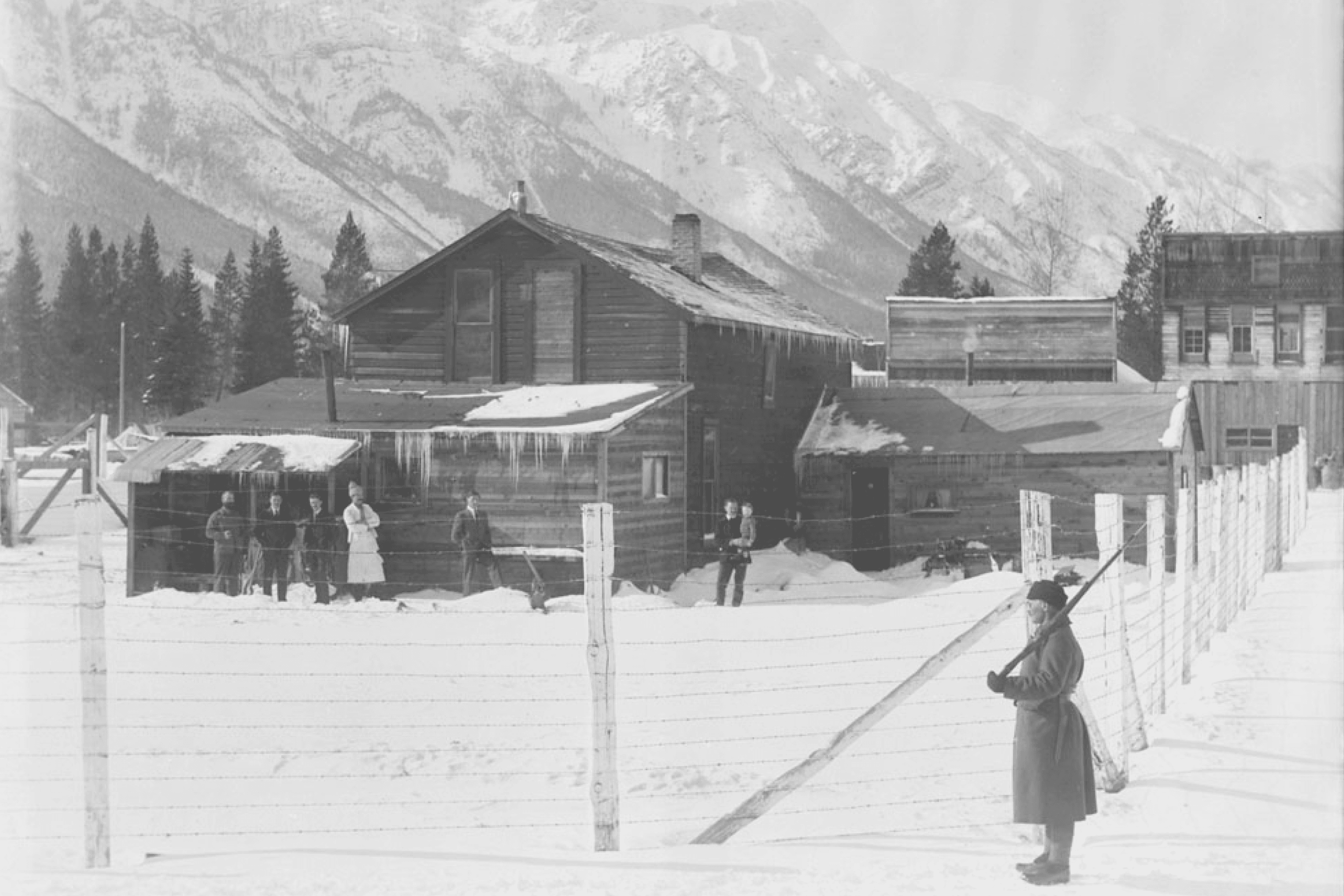
Morrissey internment camp, British Columbia, circa 1916–1918. Photo: The Canadian Encyclopedia / YB 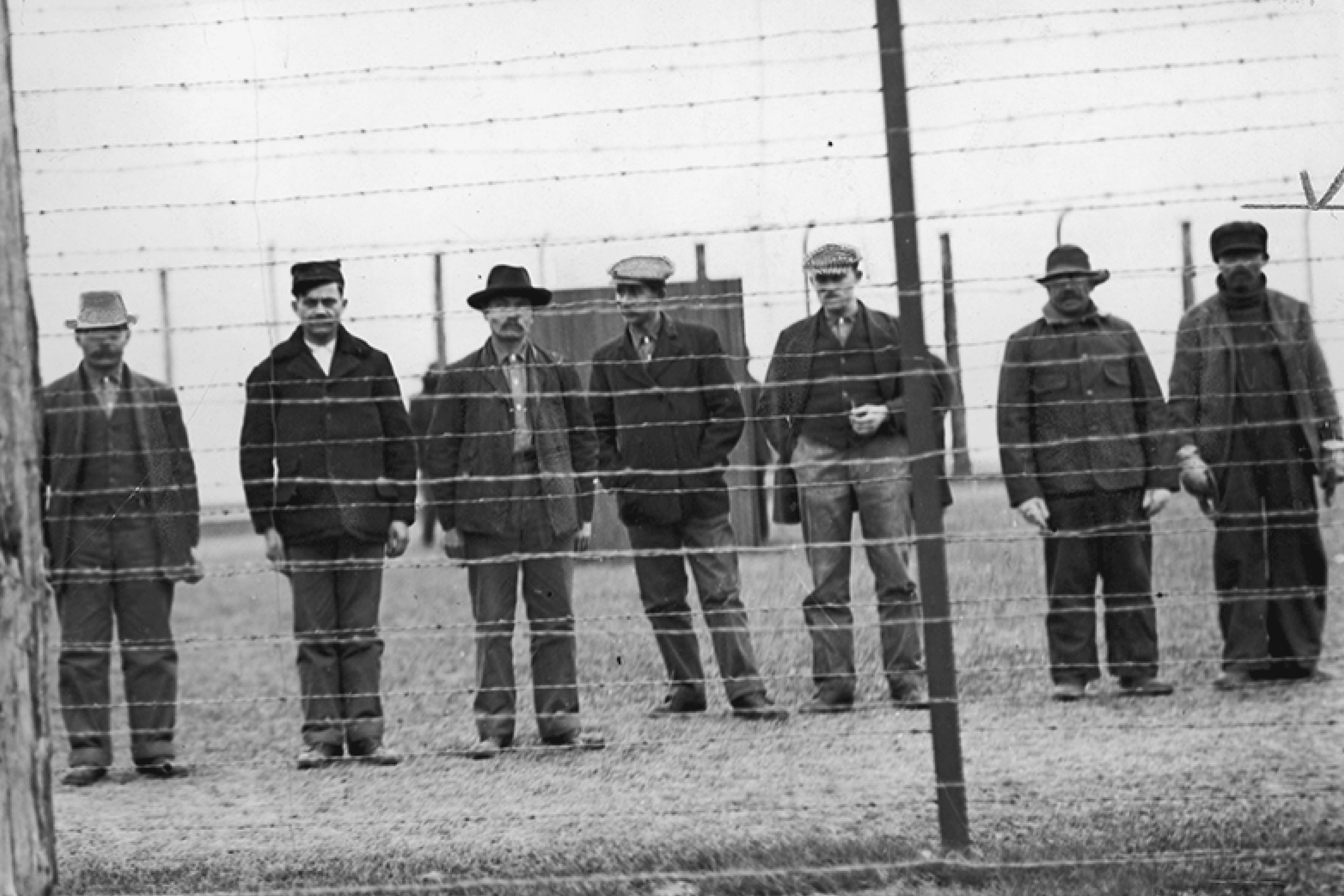
Interned men behind barbed wire at a camp in Canada, circa 1914–1920. Photo: Canadian Museum of Immigration at Pier 21 / YB 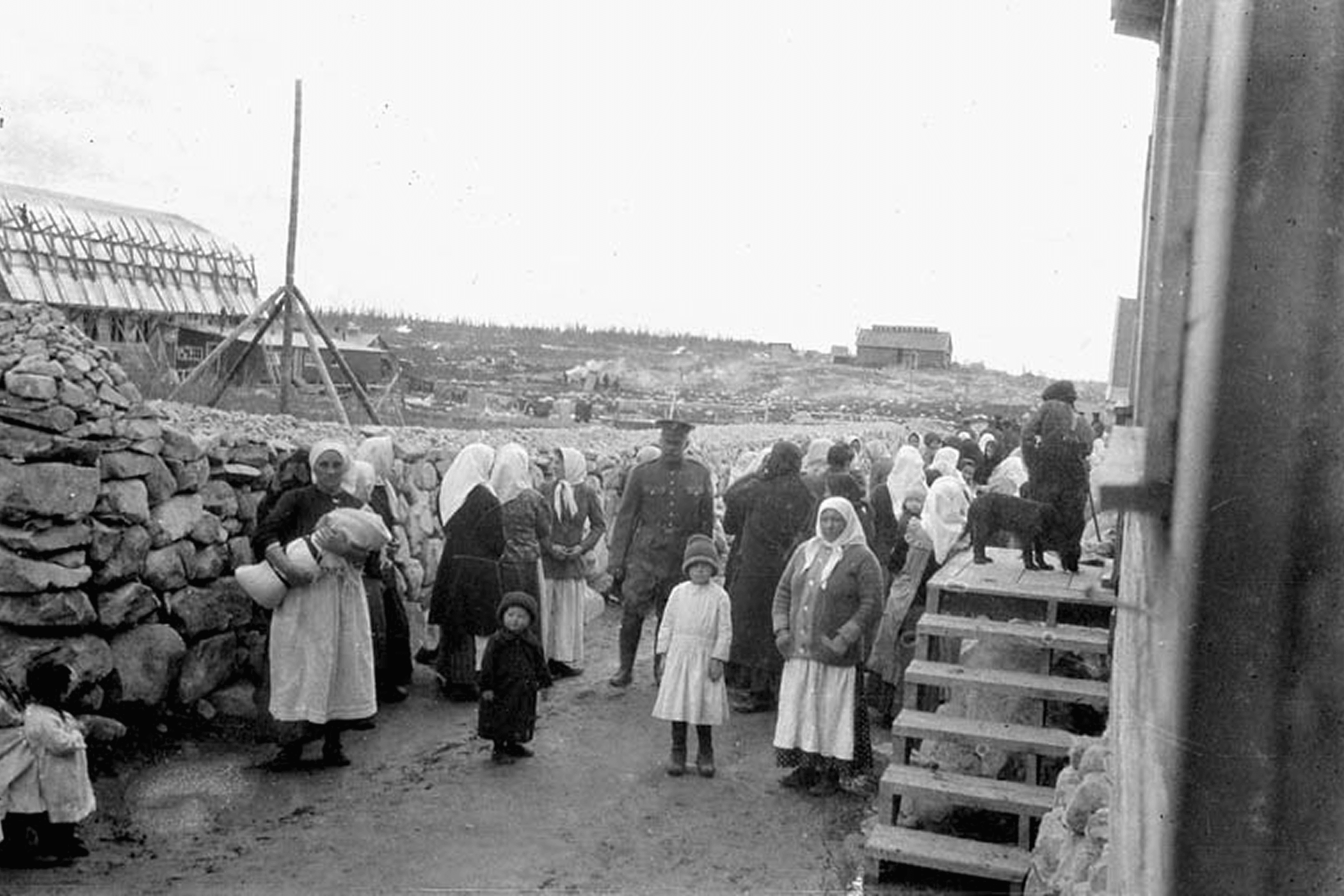
Women and child prisoners at the Spirit Lake internment camp, Abitibi, Quebec, circa 1914–1920. Photo: The Canadian Encyclopedia / YB
The internees were sent to labor camps across Canada. In Alberta, they built tourist facilities in Banff National Park, where monuments to the internees now stand. These individuals also worked in logging, mines, and steel mills throughout the country. Historians believe that xenophobic fear was the driving force behind this policy.
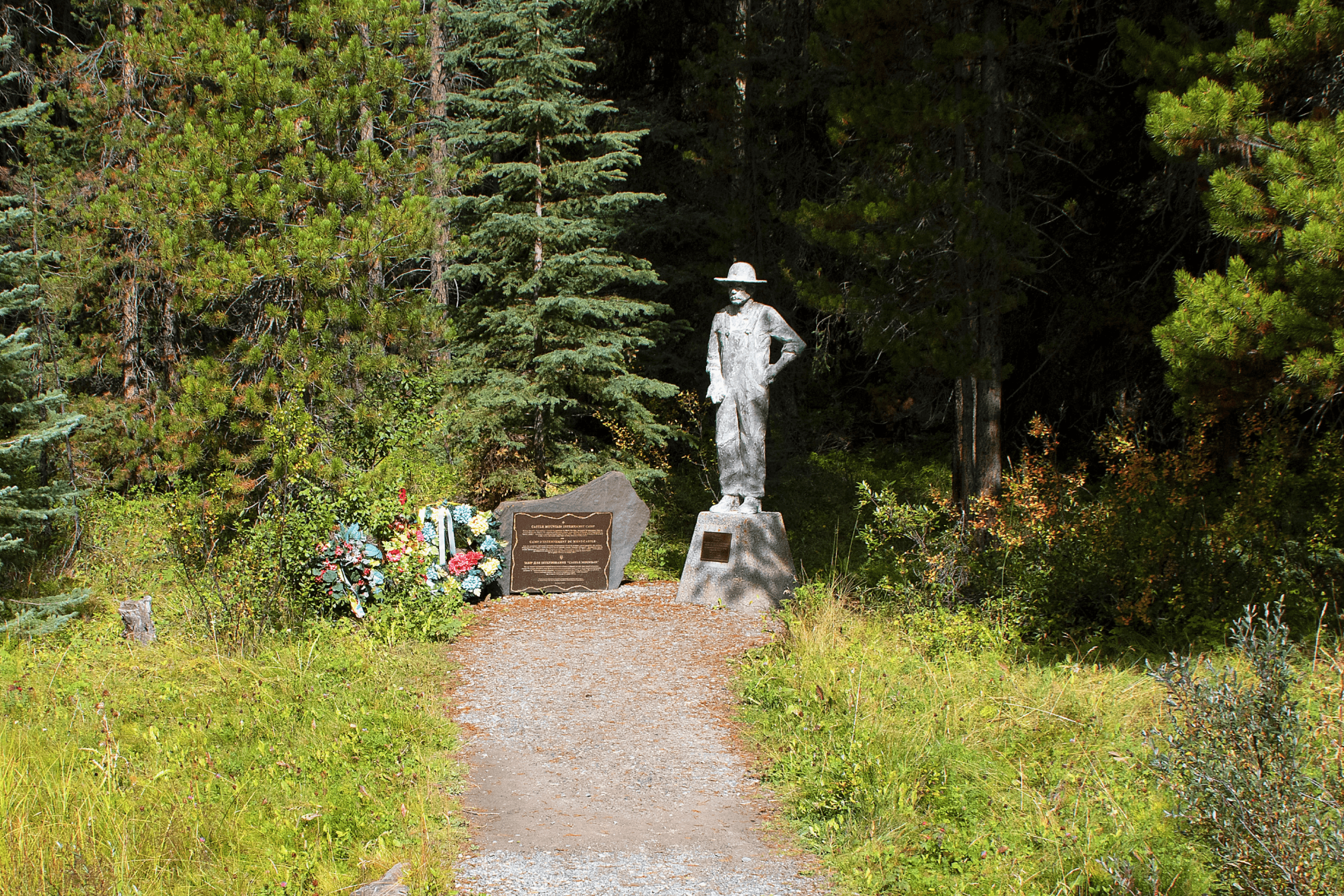
Memorial plaque and sculpture at the site of the Castle Mountain internment camp in Banff National Park, Alberta. Photo: Wikimedia / YBBP 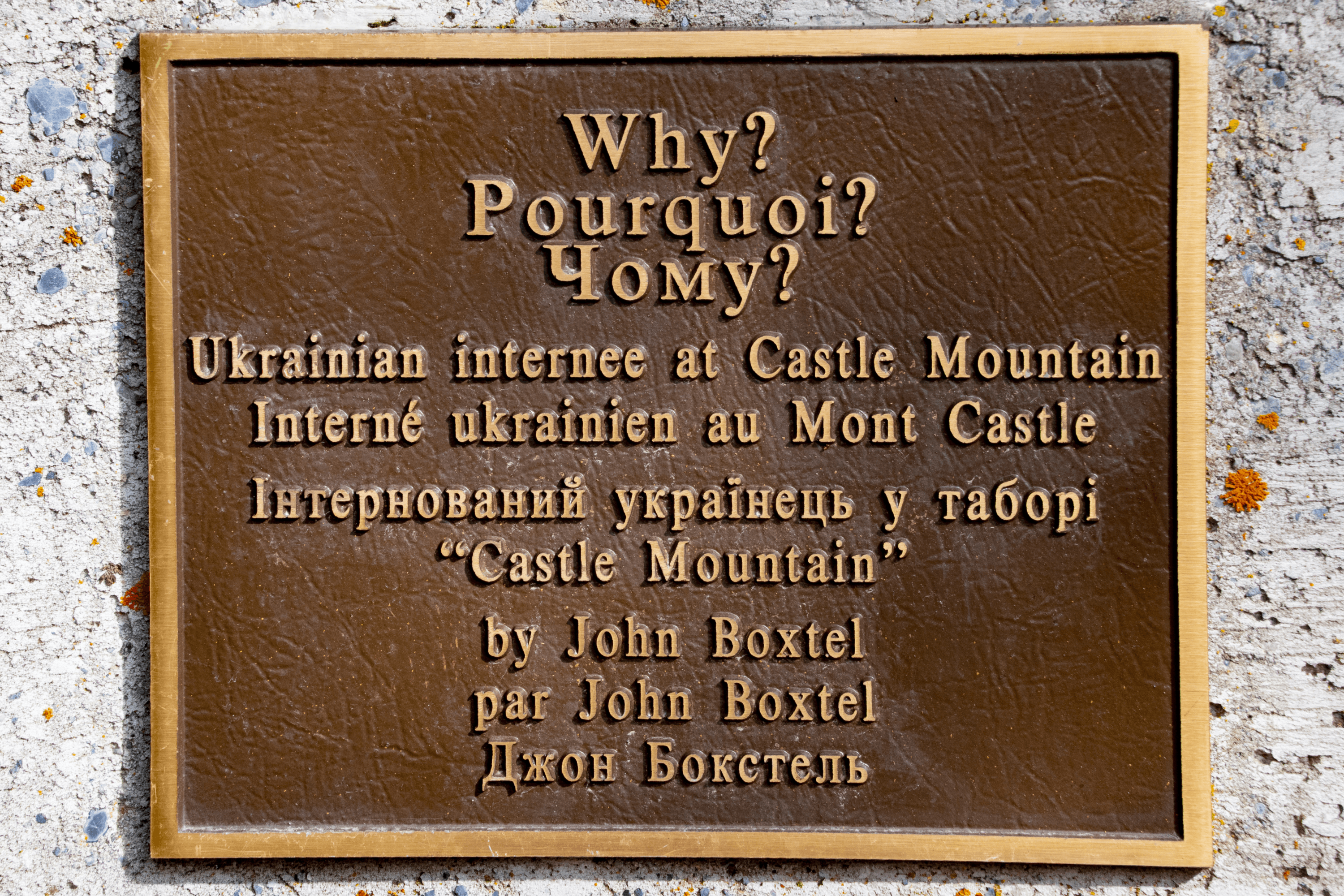
Photo: Wikimedia / YBBP 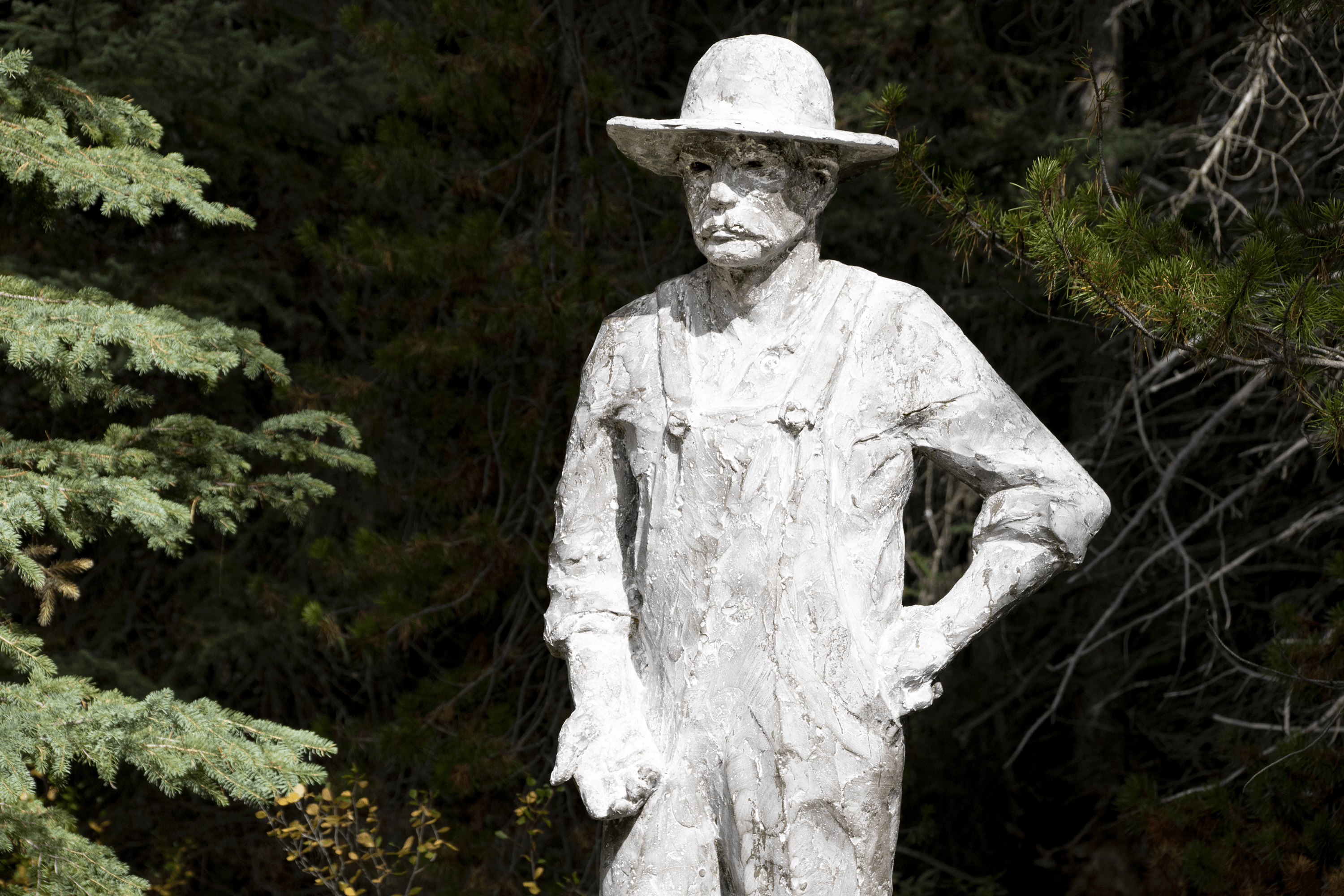
Photo: Wikimedia / YBBP 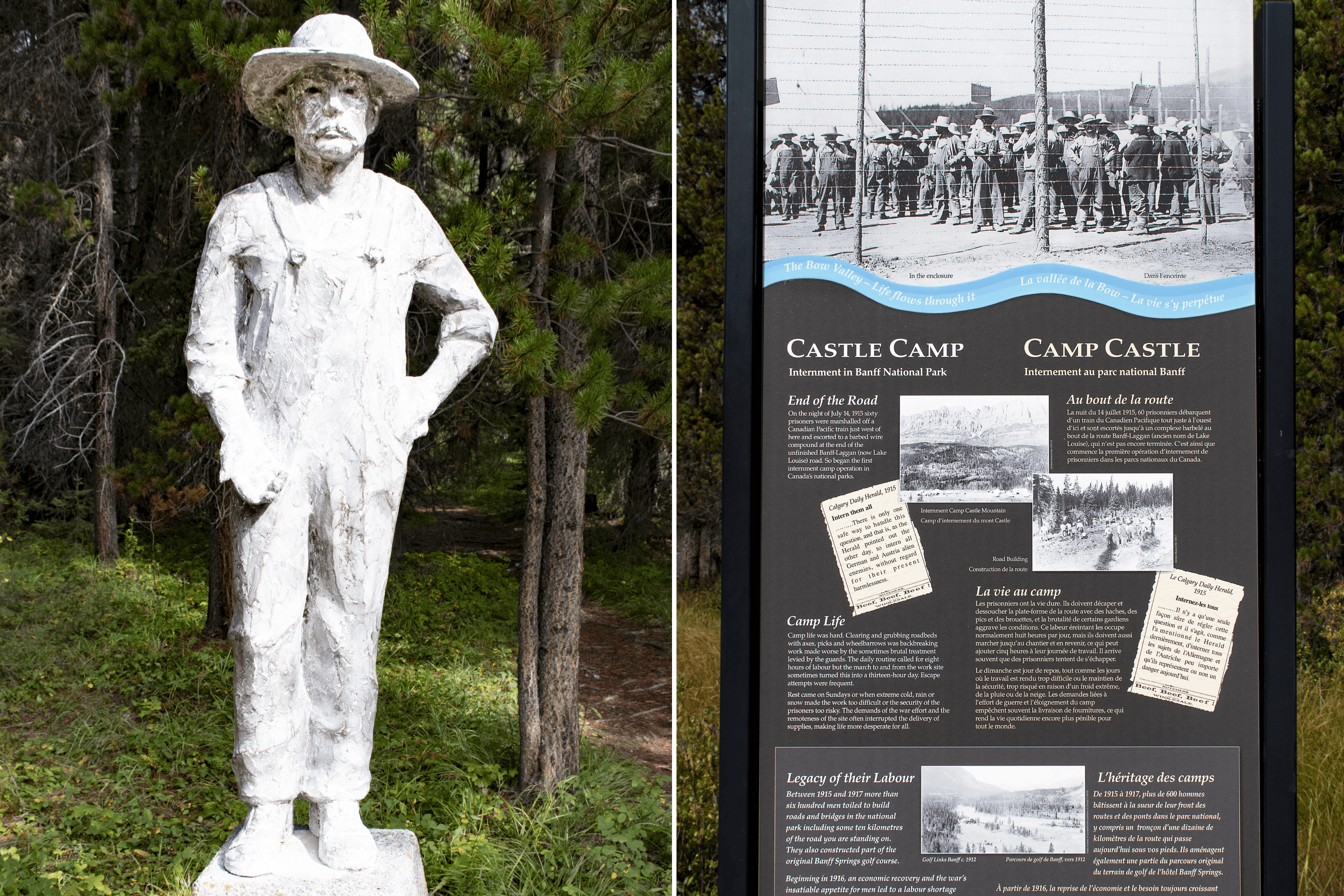
Photo: Wikimedia / YBBP
Following the First World War, the internment of Austro-Hungarians was ended. However, during the Second World War, Canada interned Japanese Canadians. Later, the government officially apologized to the affected ethnic groups, recognized these events, included their history in school curricula, and commemorated the sites of former labor camps.
Ukrainians pushed the Canadian government to recognize the contributions of all cultures to the nation’s development. In the mid-20th century, the official policy was bilingualism, and English and French were considered the “founding nations.” However, Ukrainian community leaders and politicians, specifically Paul Yuzyk, emphasized that many other nations had built the country. Eventually, this idea became Canada’s official policy of multiculturalism.
Ukrainians serve as an example of cultural preservation for other communities. In several Canadian provinces, children can attend public schools where they study both English and Ukrainian, as well as Ukrainian culture. This is an opportunity the Ukrainian community fought for over many years. Ukrainians also established numerous cultural centers, including dance ensembles, choirs, and art and theater groups. This is an example of how traditions can be preserved while integrating into Canada’s multicultural society.
What Ukrainian Canadians managed to preserve was completely inaccessible to Indigenous peoples. They were forbidden from speaking their languages, and their culture was suppressed. Therefore, just as Indigenous peoples expressed solidarity with Ukrainians following Russia’s full-scale invasion by posting about the kokum scarves, it’s equally important for Ukrainians to honestly acknowledge the shared history of our communities. As a mark of respect and solidarity with Indigenous nations.
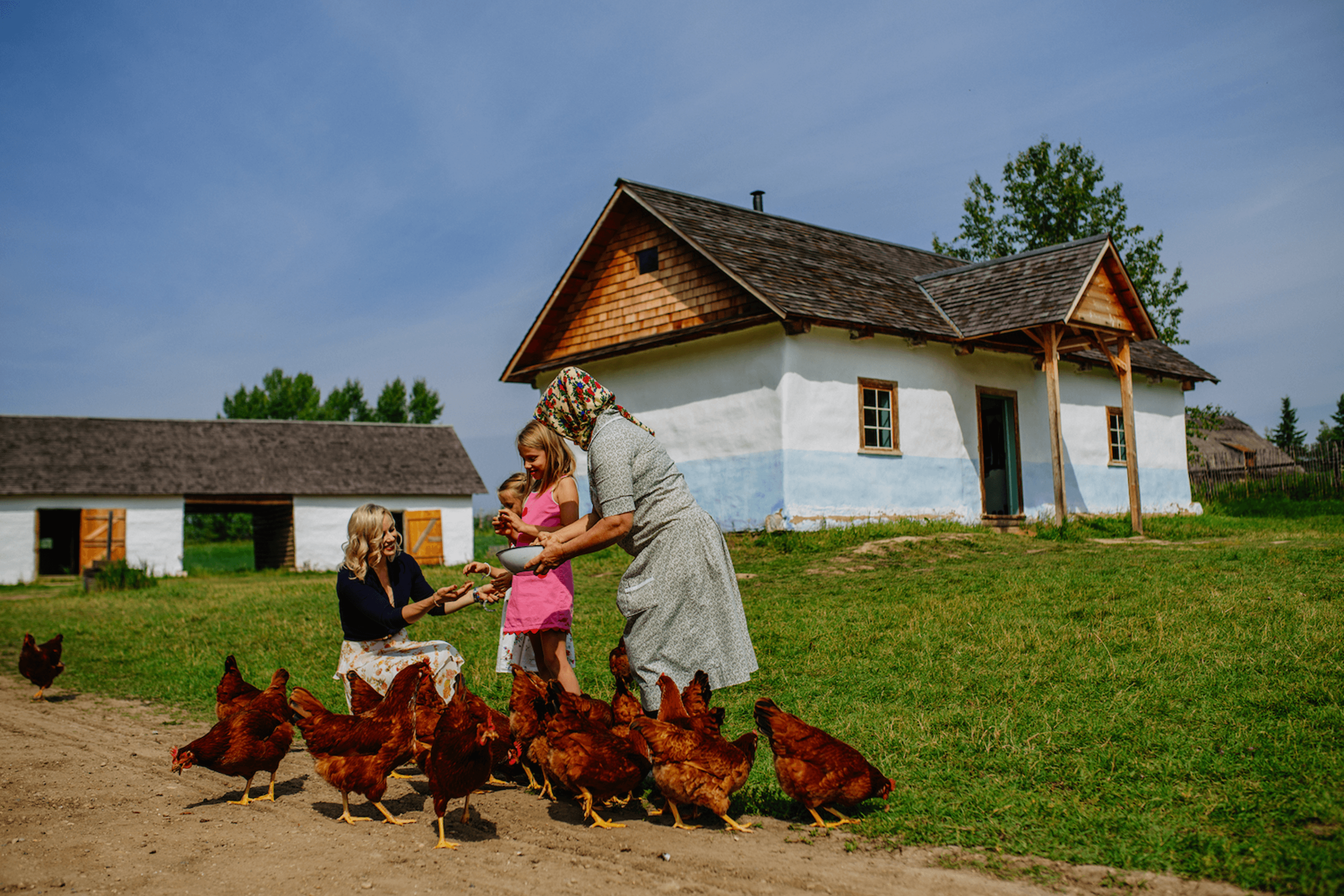
Visitors at various events at the Edmonton museum. Photo: Ukrainian Cultural Heritage Village / Facebook / YB 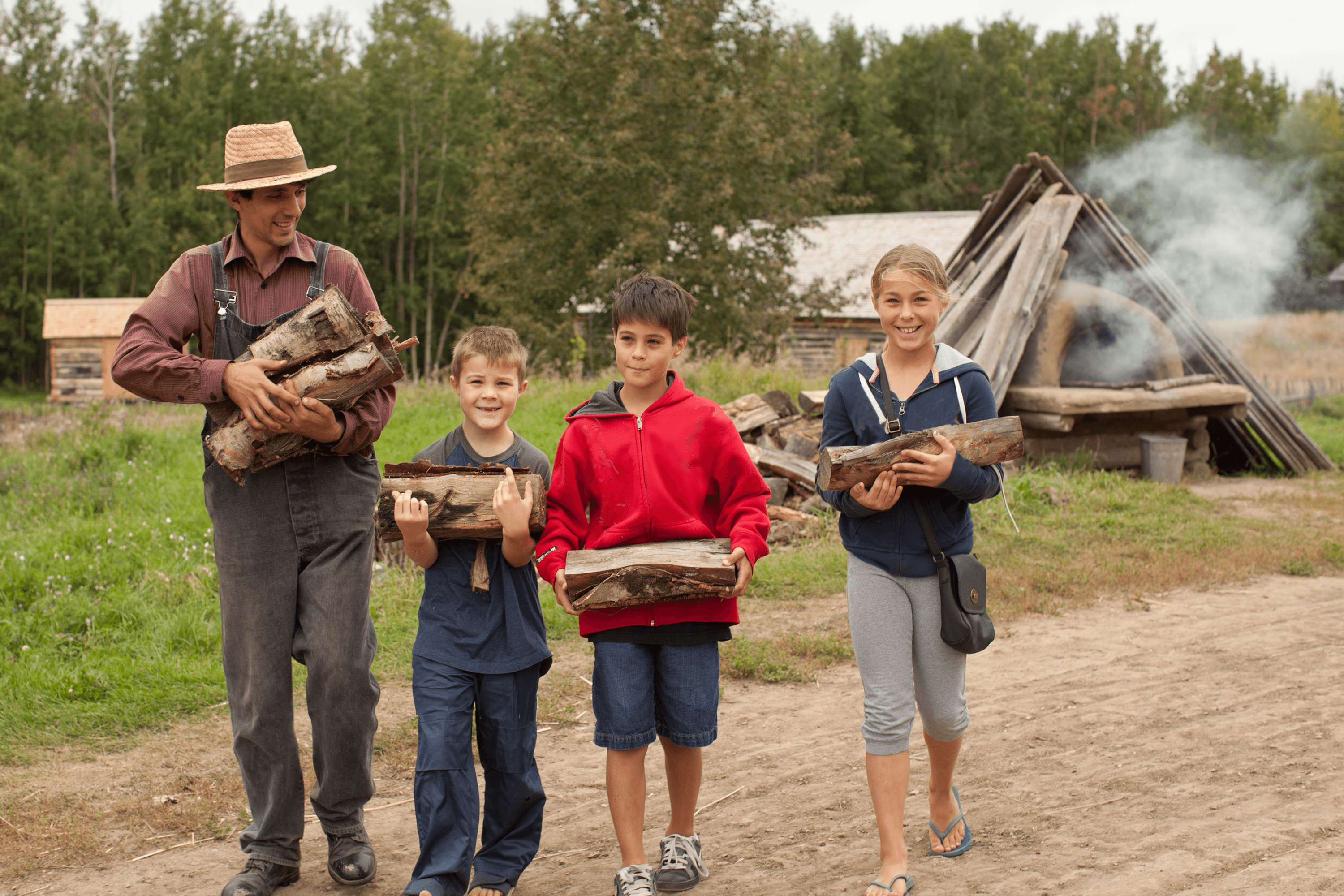
Photo: Ukrainian Cultural Heritage Village / Facebook / YB 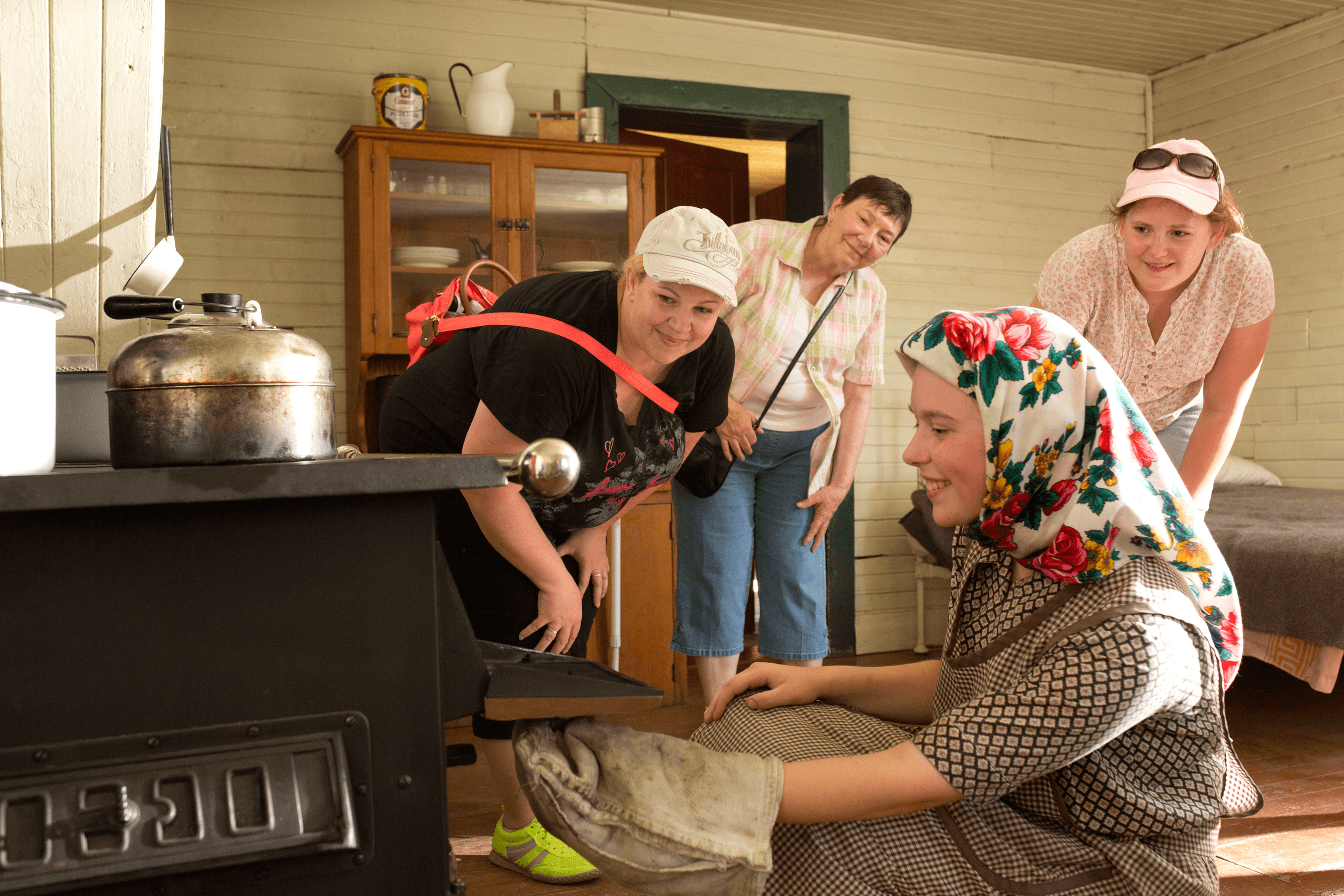
Photo: Ukrainian Cultural Heritage Village / Facebook / YB 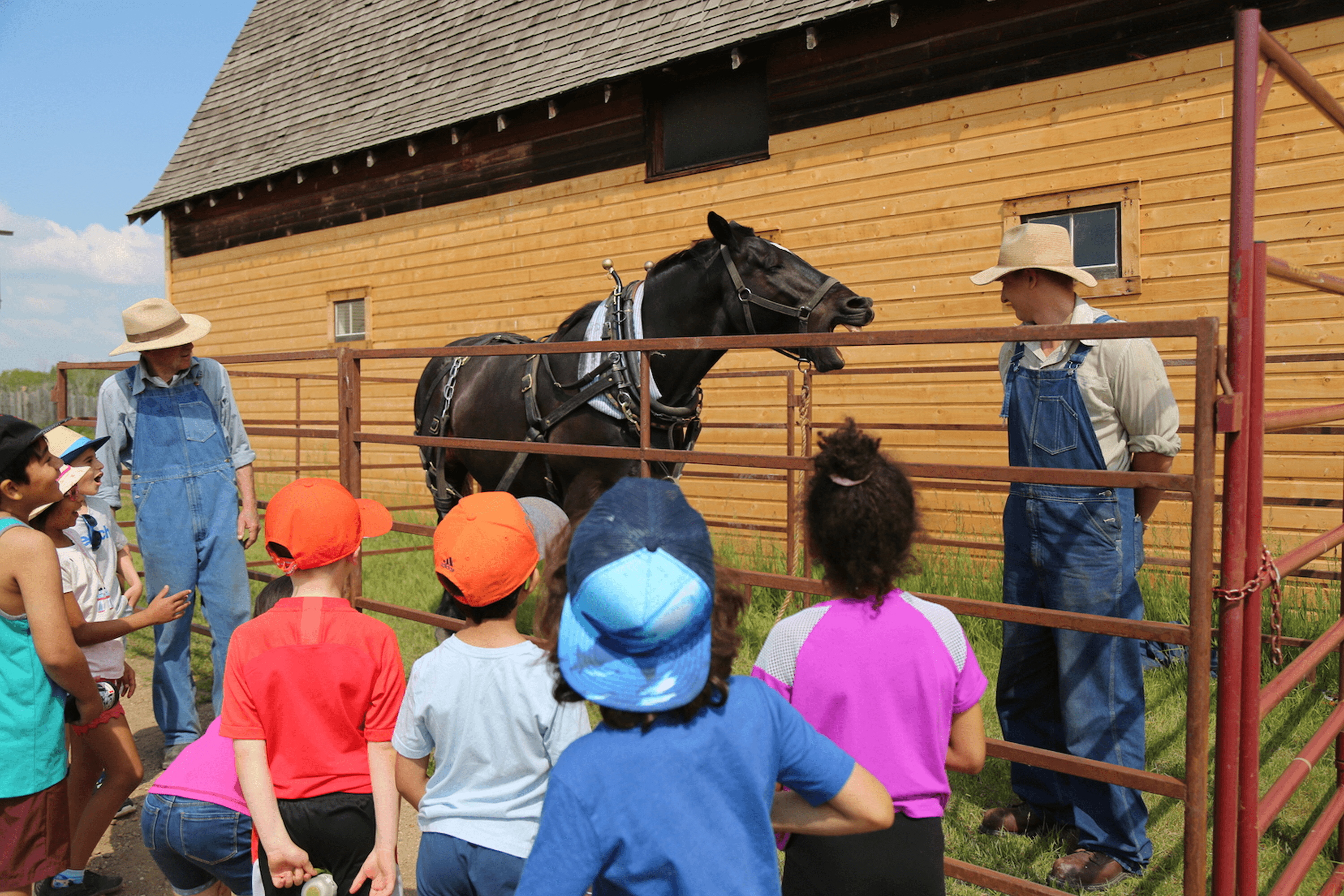
Photo: Ukrainian Cultural Heritage Village / Facebook / YB 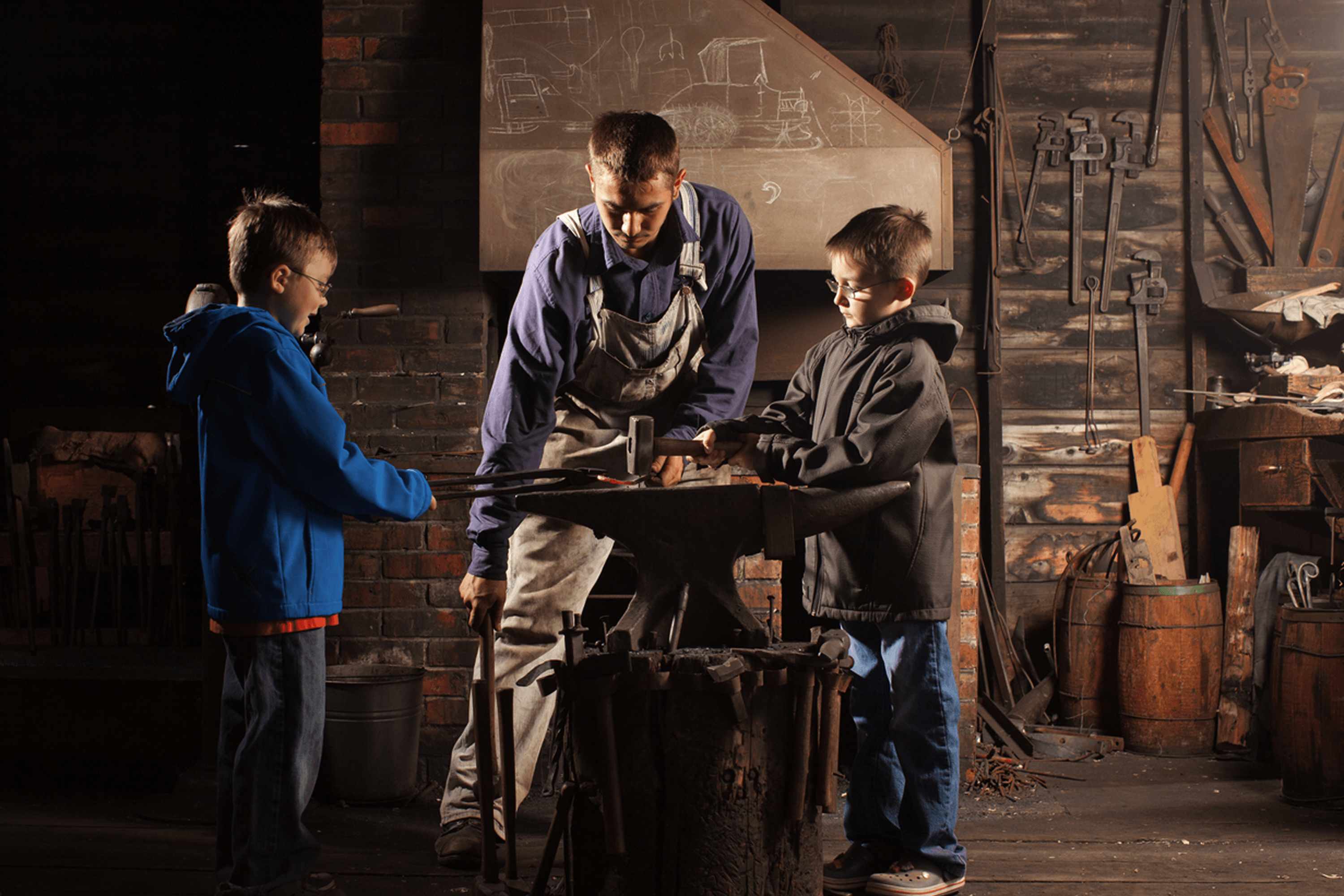
Photo: Ukrainian Cultural Heritage Village / Facebook / YB 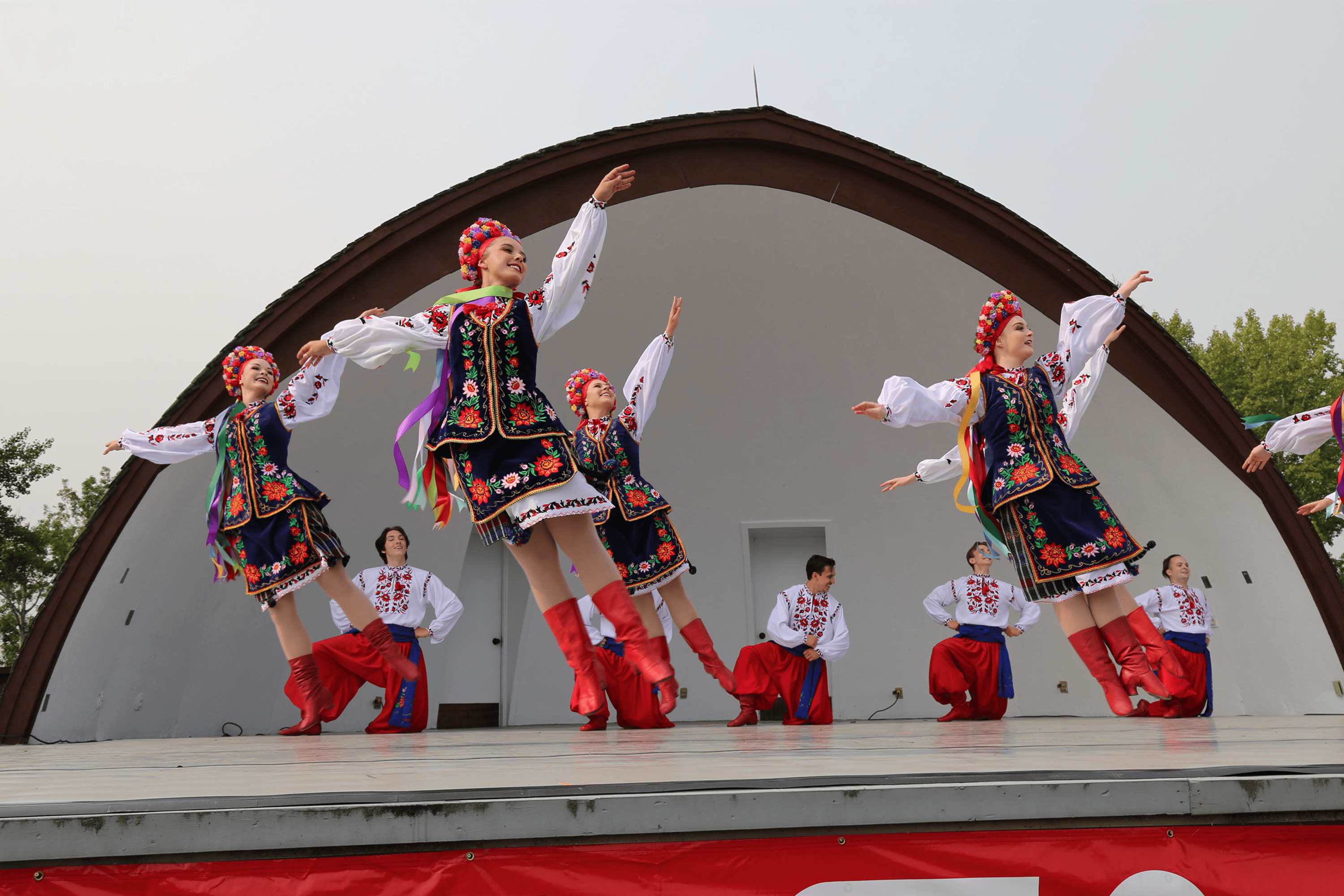
Photo: Ukrainian Cultural Heritage Village / Facebook / YB