
Iryna Baturevych is a co-founder of Chytomo, a media outlet about books, and of the Ukrainian Club of Montreal, a nonprofit organization. Iryna moved from Kyiv to Canada in January 2022 and has been promoting Ukrainian literature abroad ever since. In her column for Yellow Blue, she explains why it is so important to present Ukrainian books to the world and how much effort it takes.
I am writing this on a plane to Frankfurt, on my way to the Frankfurter Buchmesse, Europe’s largest book fair and the Davos of the book world. People come here to spread ideas, shape the cultural image of their countries, make deals, and do international business. Ukraine will once again have a national stand, but this year Ukrainian companies are coming here “half-alive,” right after Russian missiles and drones destroyed a third of the book market. Many Ukrainian publishers today are in no position to think about international events at all. Some have lost everything and have nothing left to bring. Others are trying to save what remains of their print runs, relocate, prepare for winter, and find at least some working capital to keep their businesses going. Even one of the year’s brightest publishing successes, Osnovy Publishing, initially announced that its stand would probably stay empty.
For the past 20 years, I have worked in publishing and literature, first in Ukraine and later beyond its borders. At first, I dreamed that one day Ukraine would develop a national book market, then that Ukrainian literature would become visible abroad. Later still, I realized that what matters to me is not so much literature’s ethnic or geopolitical ties as the ideas and experience it carries into the world. Then February 24 happened, and now it is more important than ever to make our ideas and our experience visible. We all worked on this visibility in 2022 and 2023, with enormous effort, but running on adrenaline. Now that life in Kyiv and other cities has become unbearable because of Russian terror, and exhaustion feels almost lethal, Ukraine’s international presence needs to be even louder. But it is getting harder and harder to do.
At the end of 2022, I co-founded the Ukrainian Club of Montreal, an organization that promotes Ukrainian culture in Canada. This year, for the fifth time, we are organizing a Ukrainian stand at the Salon du livre de Montréal, Canada’s largest French-language book fair. Last year, we brought star guests to the stand: the Oscar winner and author of the wonderful book “Carnets d’Ukraine,” Michel Hazanavicius, and the historian and scholar of Eastern Europe, Marci Shore. We had books and wonderful guests, true friends and ambassadors of our country. But there was not a single author from Ukraine.
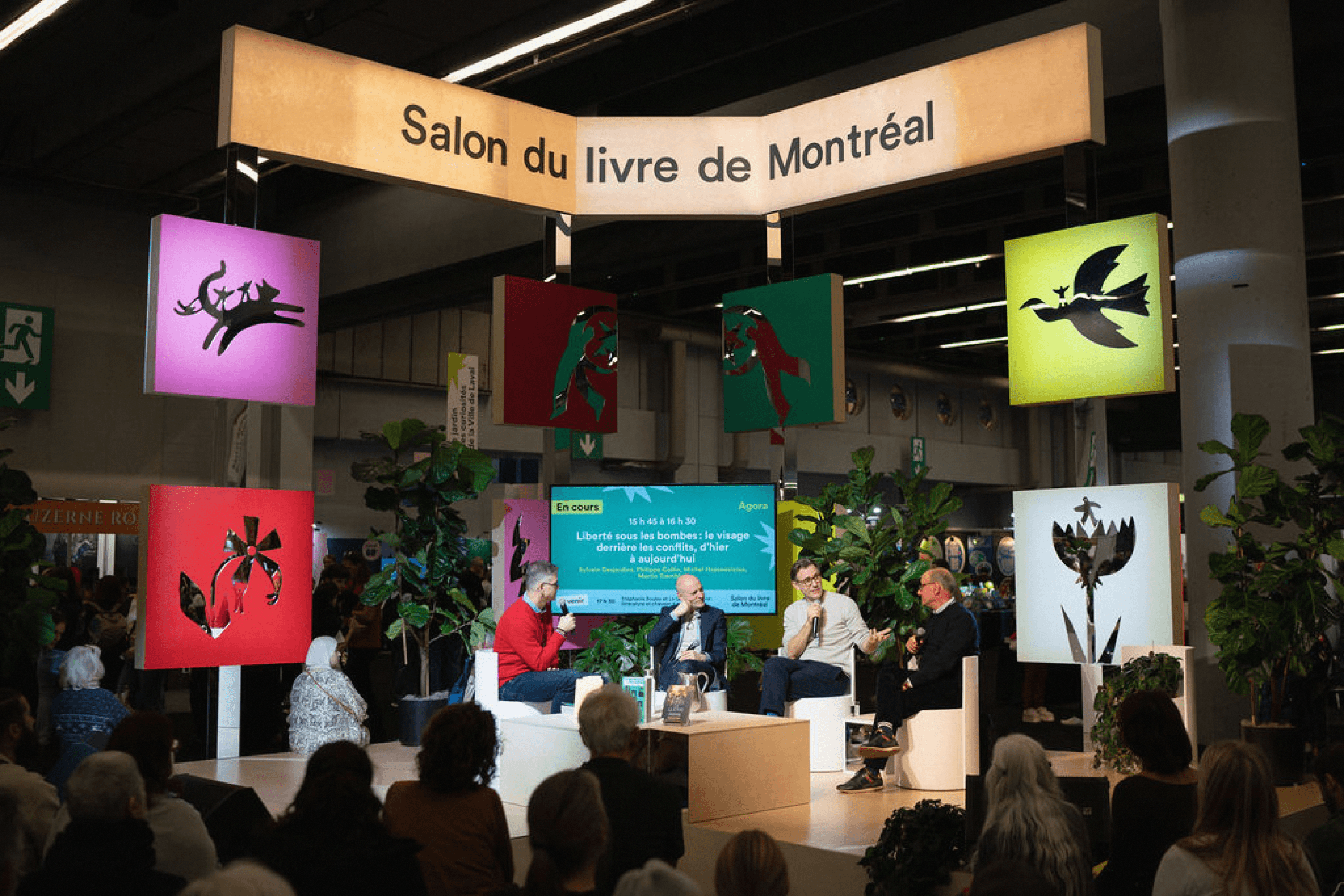
Salon du Livre de Montreal, 2025. Photo: Lana SvitPhoto 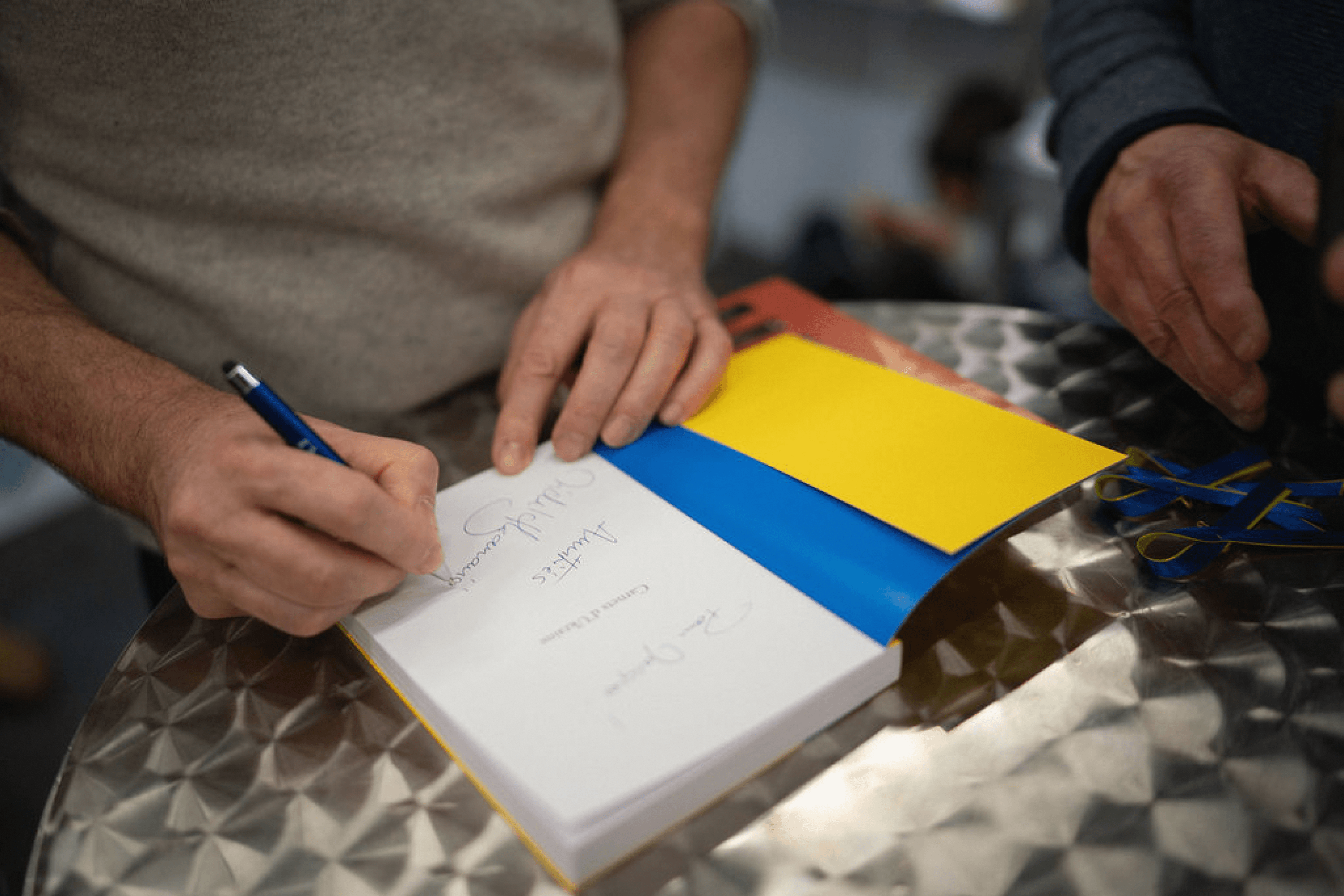
Photo: Lana SvitPhoto 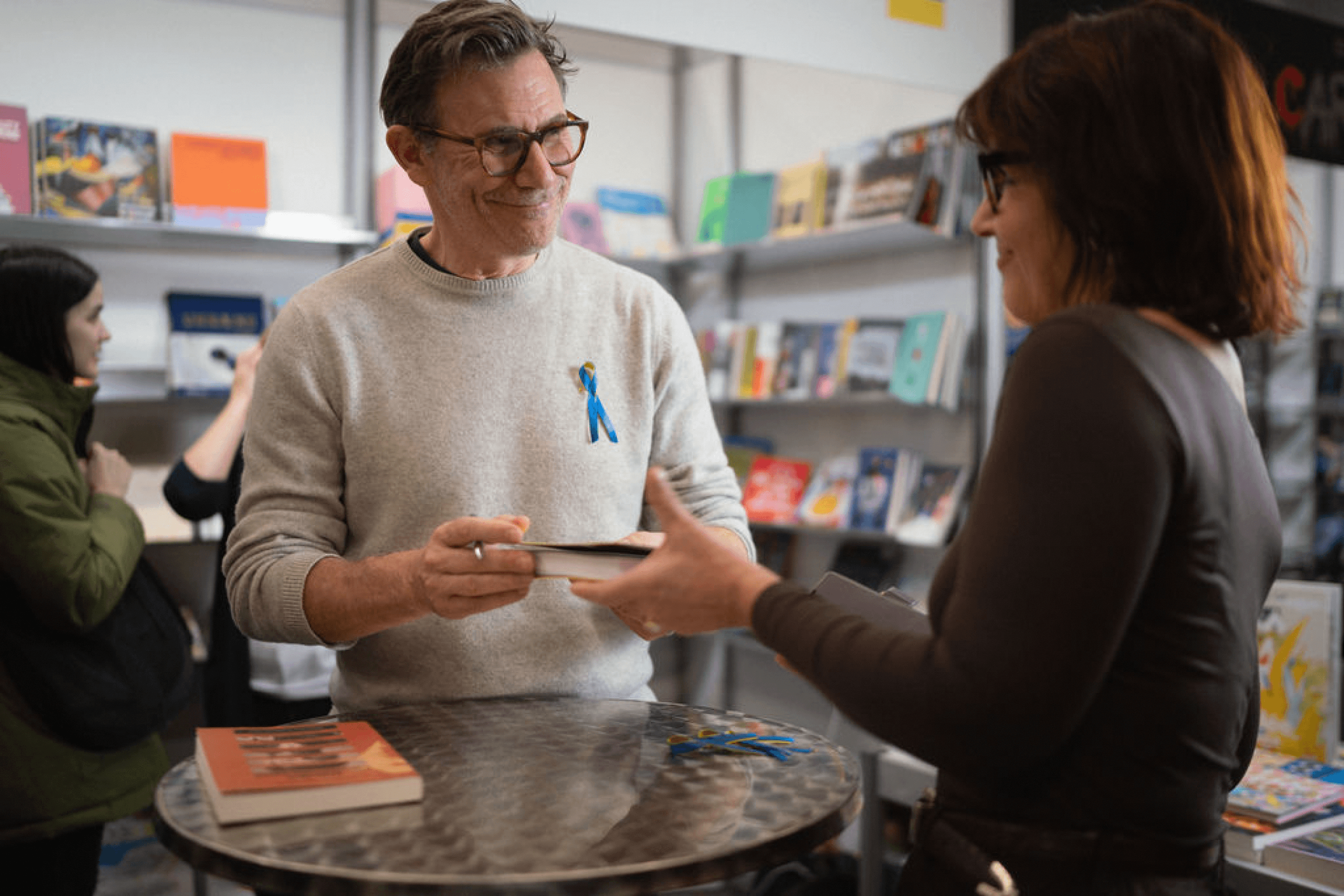
Photo: Lana SvitPhoto 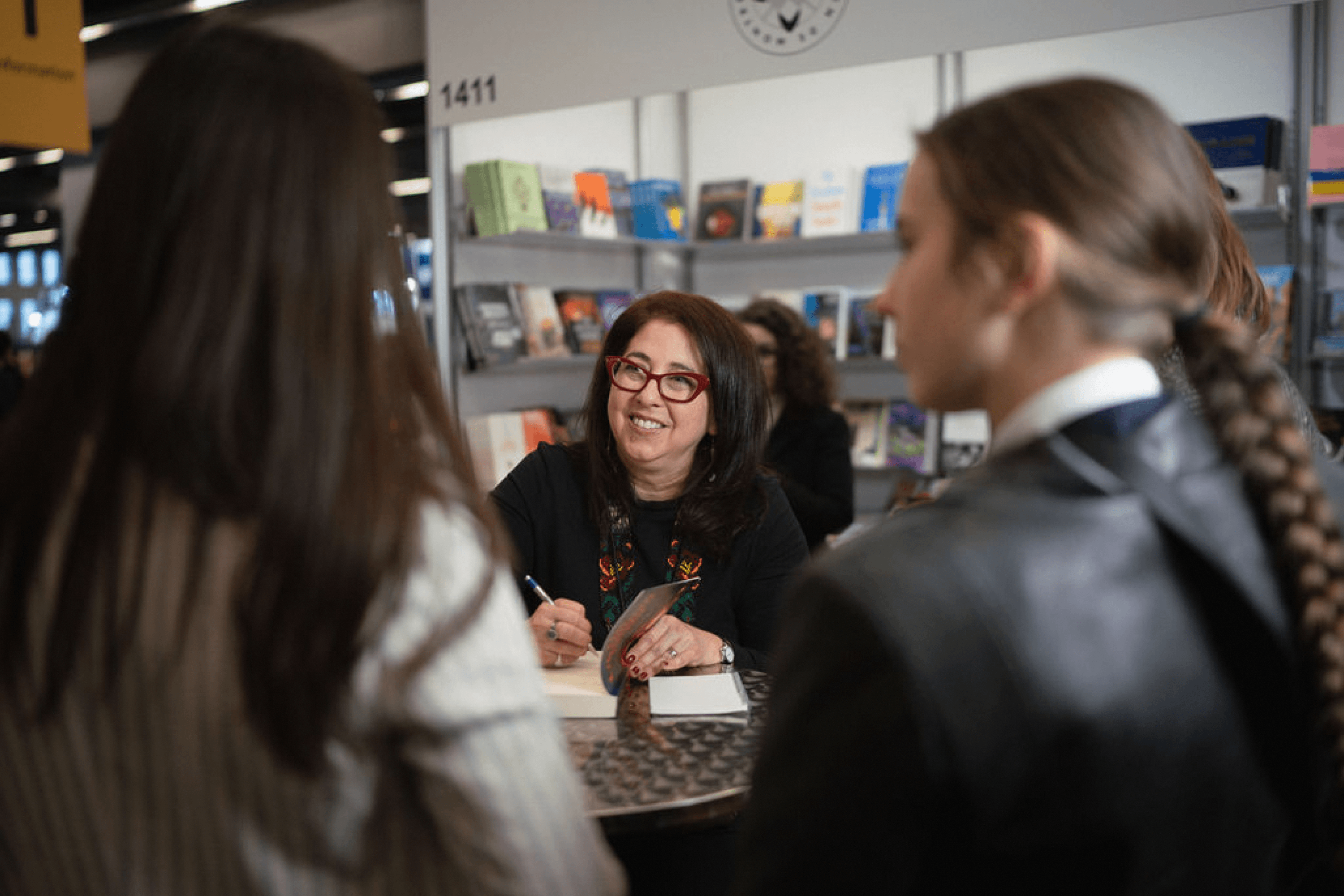
Photo: Lana SvitPhoto 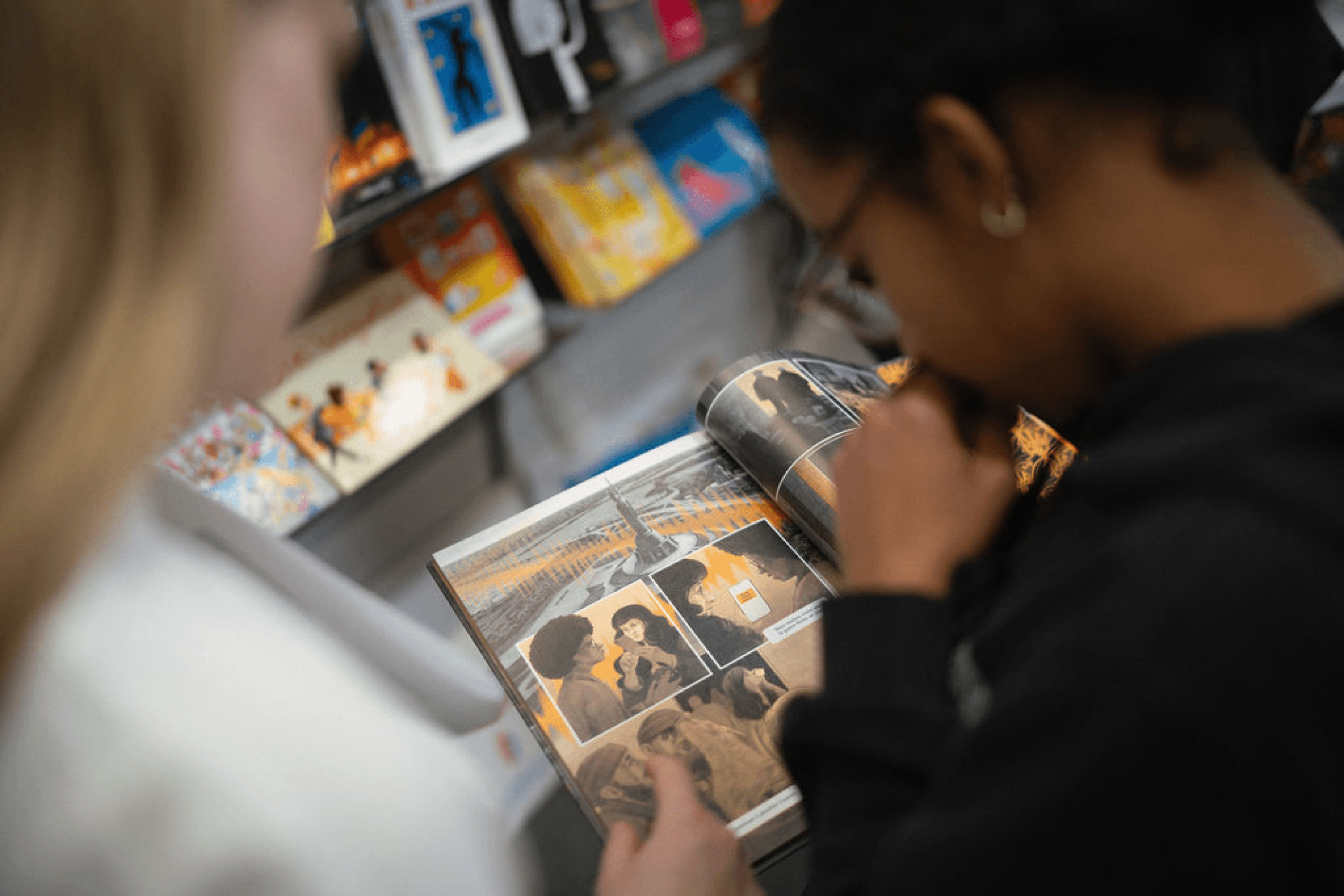
Photo: Lana SvitPhoto 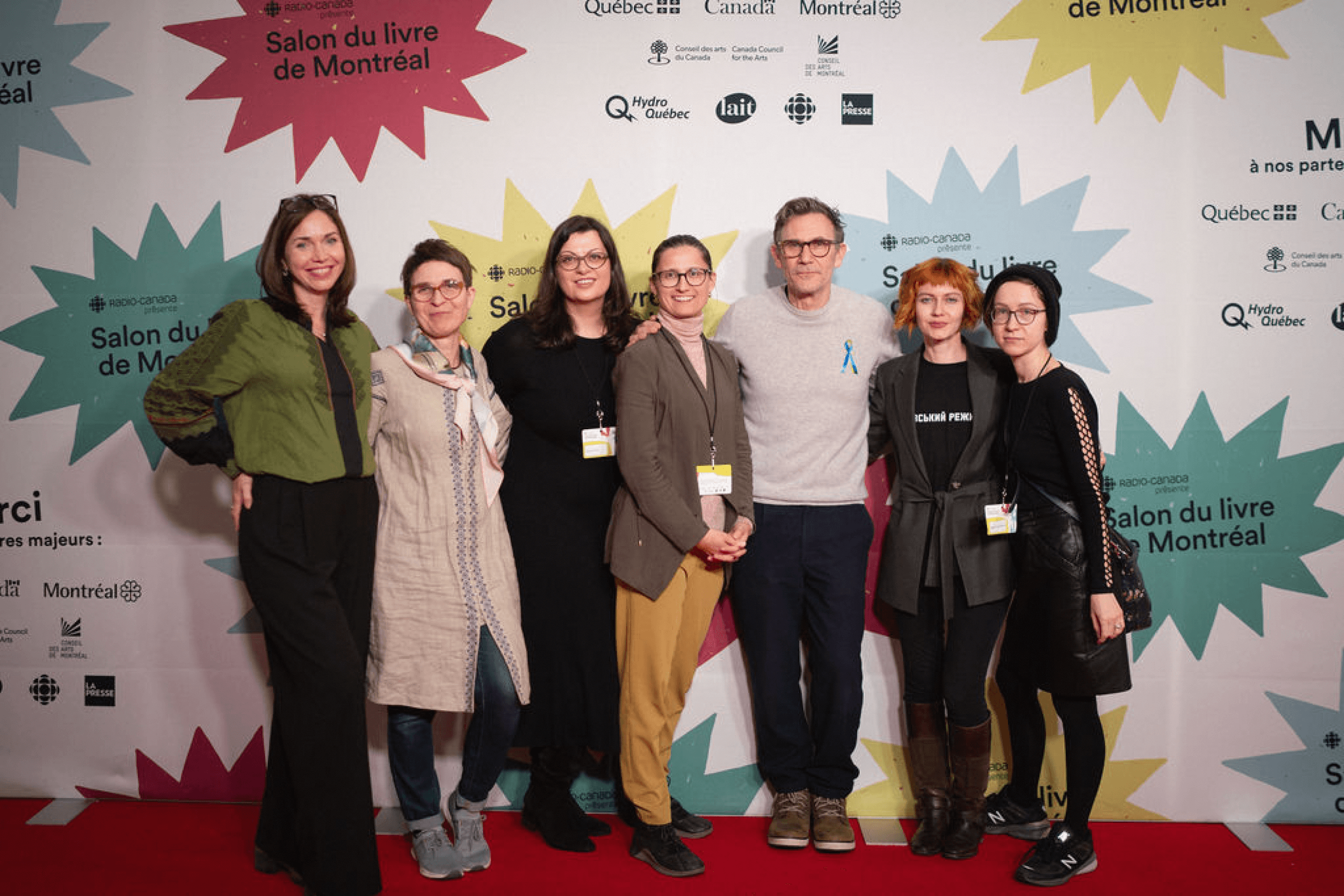
Photo: Lana SvitPhoto
Ukrainian authors could not come. One reason was that we did not have enough money. The minimum cost of bringing one guest is $5,500. We also need to raise money to rent at least ten square meters of exhibition space and bring a minimum of 100 quality books in translation. This year, we have more financial resources. We have secured the support of reliable partners, including the Ukrainian Desjardins caisse, the Peterson Literary Fund, the Shevchenko Foundation, the Embassy of Ukraine, and the Ukrainian Book Institute. We also received a grant from the International Renaissance Foundation. But money is not the only obstacle.
The hardest part is whether a Ukrainian author is physically able to come. It means leaving their family in a city that keeps getting hit and asking their commander for leave or putting their volunteer work on hold. It means applying for a visa they may not even get (Just a writer? So where is your steady, well-paid job?), traveling for two or three days, and recovering from jet lag while already at the event. How much strength does that take if you have not had a vacation since 2022?
Russians do not face these problems. Their “centers of Russian culture” run on state funding, and in some cases even on taxpayers' money in the countries where they are registered. One such center in Berlin was finally and very publicly shut down. We are not cogs in a machine carrying out an assigned program, so we have to work many times harder. I am grateful to every artist who finds the time to appear on stages around the world, create new work, and tell people about Ukrainian history, while also raising money for tactical medicine and vehicles for the military.
I have landed in Frankfurt. Osnovy Publishing, which last year received a special distinction from the Frankfurter Buchmesse as part of the Chytomo Award, will present its own stand here for the first time. It will feature my favorite book among the year’s debuts, “Sygin Irving” by Kateryna Trompak. This year, two Ukrainian authors we are eagerly awaiting will come to Canada for the Salon du livre de Montréal.
We keep doing our work. Literature, like culture in general, will not stop the war or change the course of history. Yet the ideas it creates and the questions it asks have that power. That is why I still dream of Ukrainian culture and literature being heard around the world. But now this dream is more specific: I want us to have enough strength to make it happen.
- Everyone can help. Subscribe to Chytomo and share information about Ukrainian culture, support the editorial team on Patreon, or get involved in organizing an event for Ukrainian cultural figures or running a fundraiser. Today, every effort is extremely valuable because there are not many people left who still have the strength.


